

LED Night Lights in Night Lights






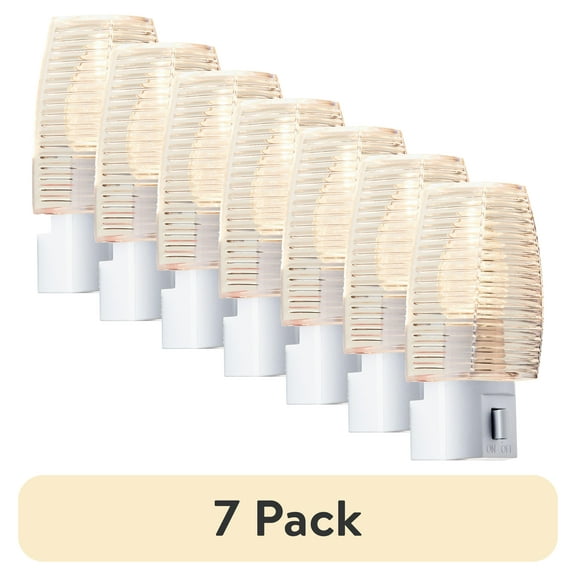
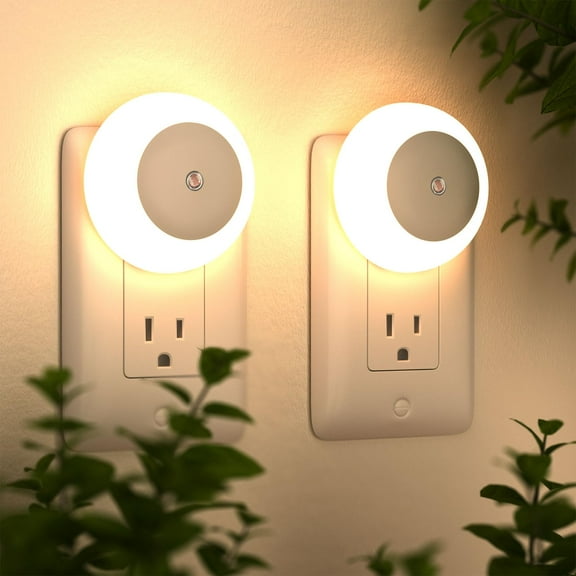


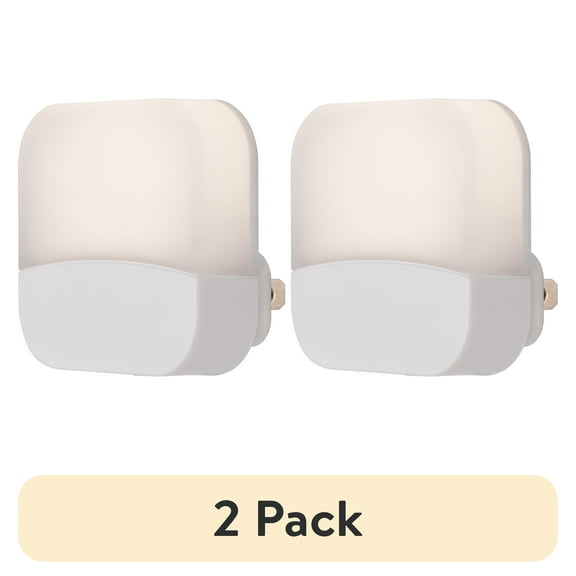

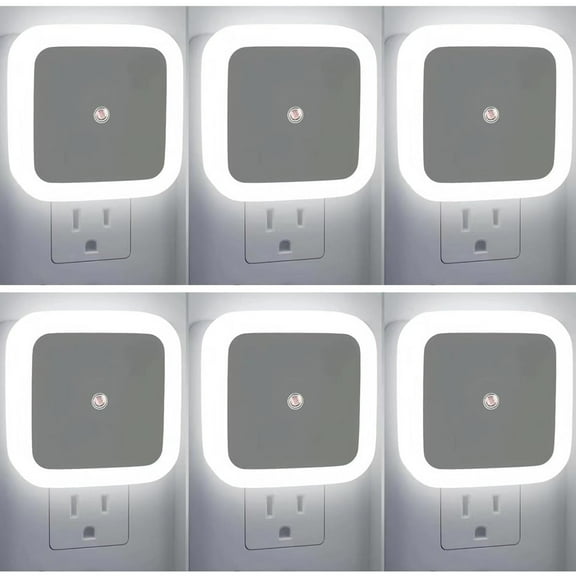













About LED Night Lights in Night Lights - Walmart.com
LED night lights help you add gentle guidance after dark without harsh overhead light. You can compare plug in night lights, sensor night lights, and nursery-friendly styles that fit your rooms and routines.
Choosing led night lights by power source
When you compare power options, you should start with where your light will sit and how often you'll use it. You can choose plug-in, battery-operated, or rechargeable styles based on outlet access and placement.
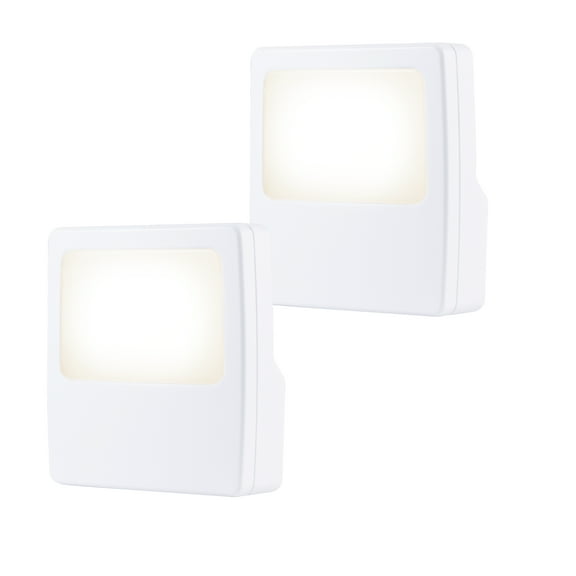
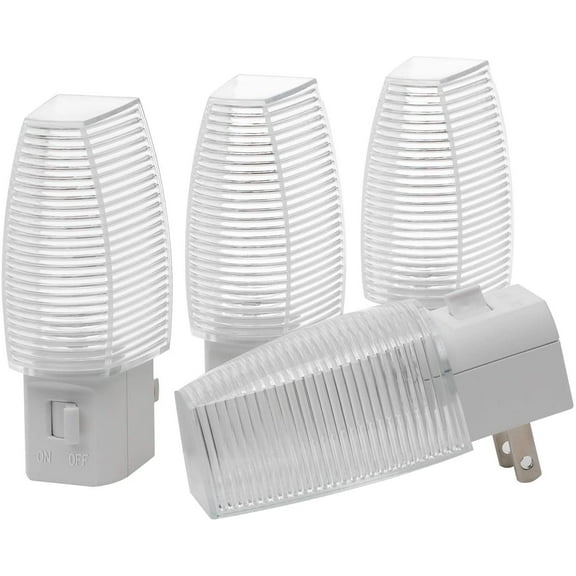
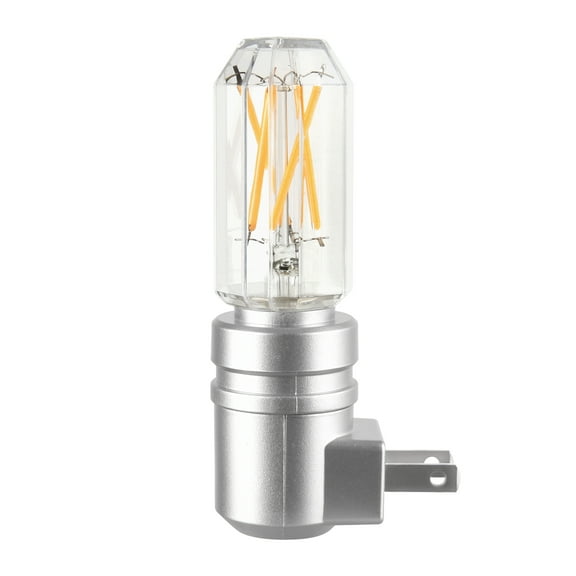
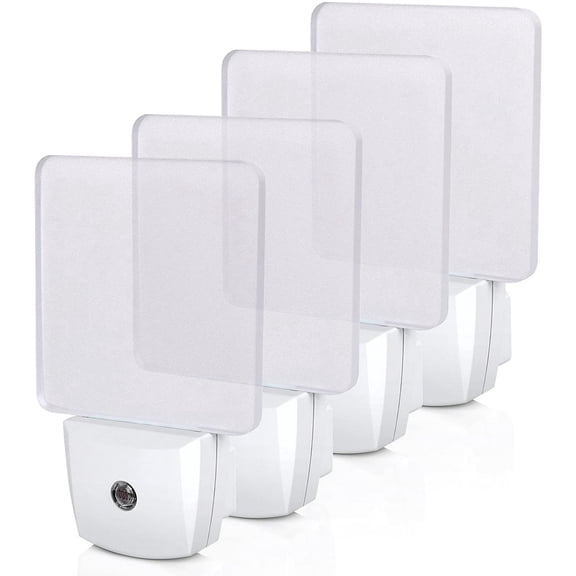
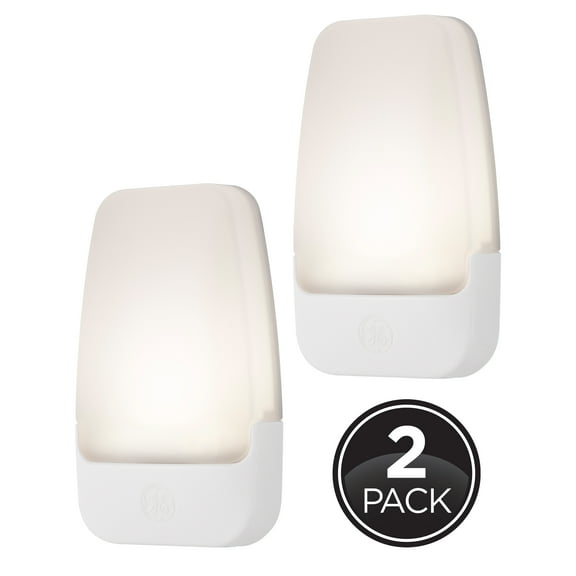
For hallways and bathrooms, you may prefer plug in night lights because you won't need to recharge or replace batteries often. You should check prong orientation and clearance dimensions if your outlet sits behind furniture or near another plug.
In nurseries, closets, or stair corners, you may want battery-operated or rechargeable options when outlets aren't convenient. You can place those lights where cords would feel awkward and where portable light matters.
Comparing sensor night lights and automatic night lights
Sensor type changes how your light behaves after sunset, so you should match it to your daily habits. You can choose dusk-to-dawn, motion-activated, always-on, or manual switch designs for different spaces.
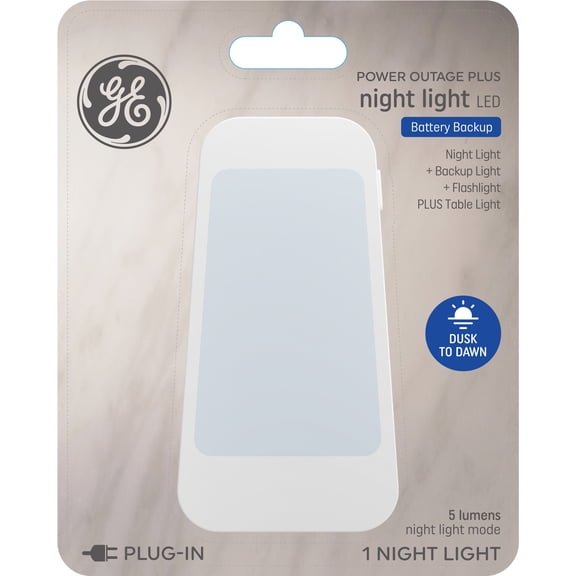
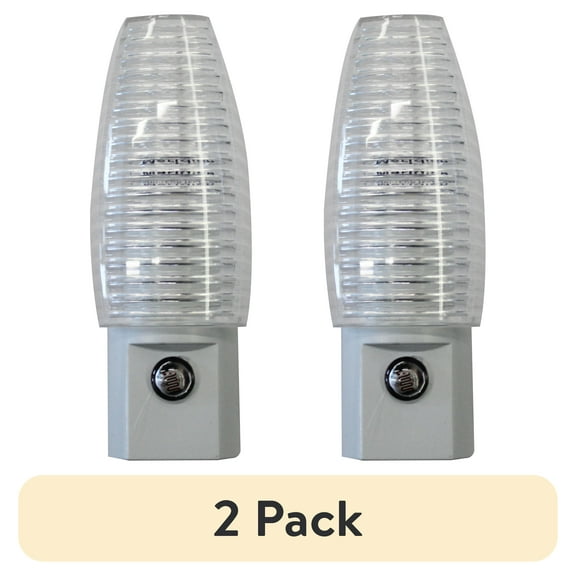
If you want hands-off lighting, you may like automatic night lights with dusk-to-dawn sensors. You won't need to flip a switch, and your light can turn on when the room gets dark enough.
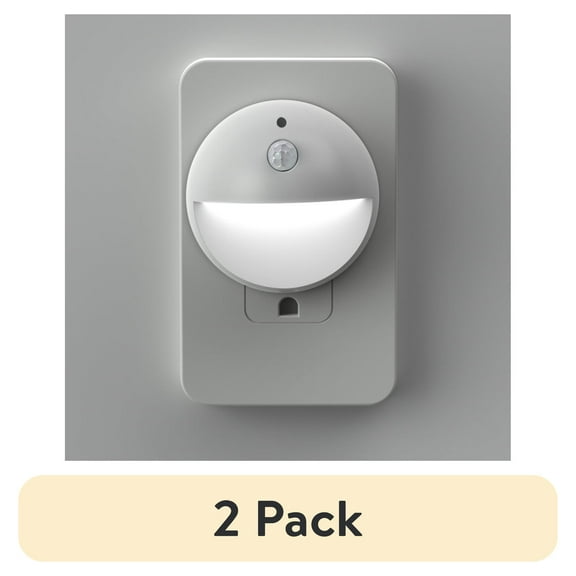
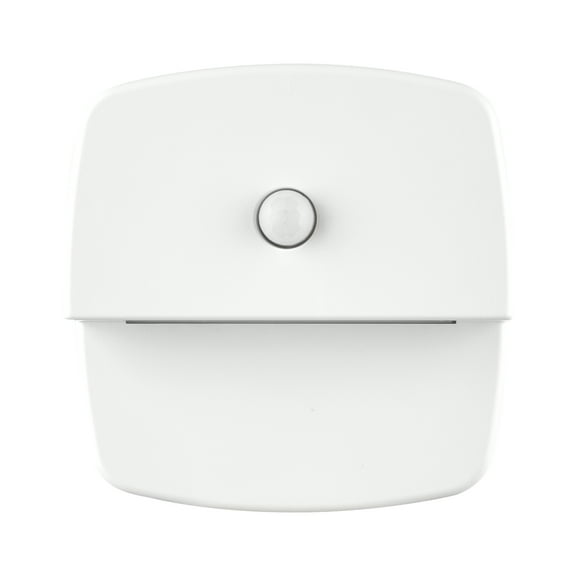
For bathrooms, kitchens, and stairs, you may prefer motion-activated sensor night lights that respond when you pass by. You should compare detection distance and responsiveness, especially if you want coverage across a wider walkway.
- You can use dusk-to-dawn lights for steady overnight glow in bedrooms and halls.
- You can pick motion-activated lights for brief guidance in bathrooms, stairs, and kitchens.
- You can choose manual switch styles when you want direct control over timing and brightness.
- You can keep always-on options in spots where you want constant visibility through the night.
Understanding LED light technology and brightness
When you choose light technology, you should focus on efficiency, appearance, and everyday comfort. You may notice LED options use low wattage and stay useful for longer stretches of regular use.
Brightness matters too, so you should compare lumens before you decide. You may want lower lumens for a bedroom or nursery, while you may need stronger hallway guidance near stairs or long corridors.
Color temperature also shapes how your room feels at night. You can look for warmer Kelvin ratings when you want a softer glow, or cooler light when you want clearer visibility.
Many shoppers also compare LED options with incandescent or neon designs for style and output. You'll often find LED choices easier to fit into everyday rooms where cool-to-the-touch housing and low wattage matter.
Matching led night lights to each room
Your room should guide your choice because each space needs a different kind of light. You can narrow your options faster when you match brightness, sensor style, and power source to the location.
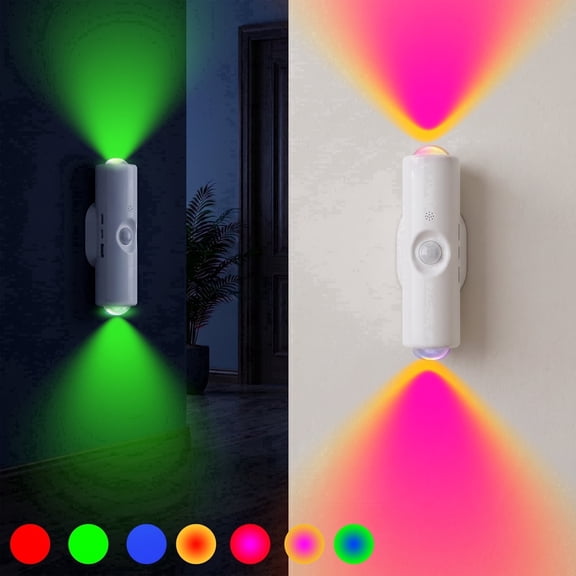
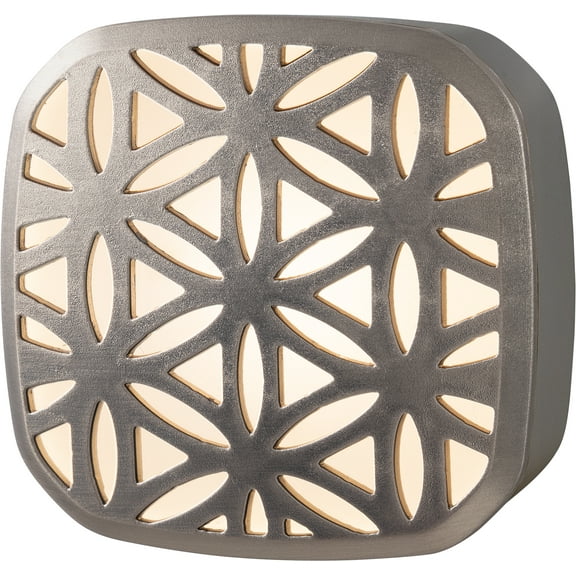
In a hallway, you may want wall night lights with stronger output and a slim profile. You should check whether the shape leaves room for a second outlet and keeps the path softly lit.
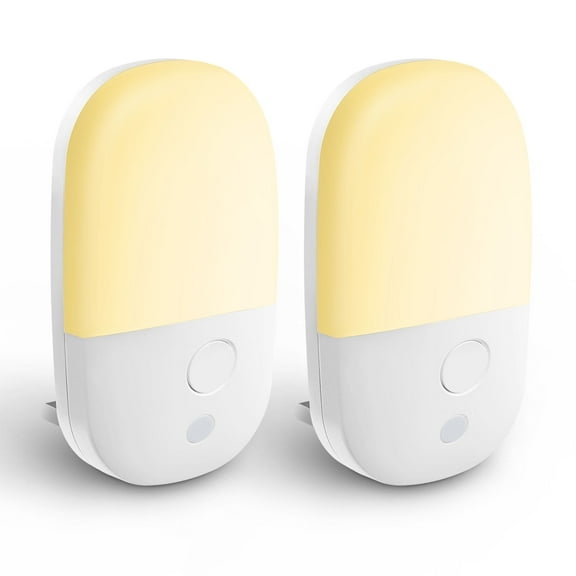
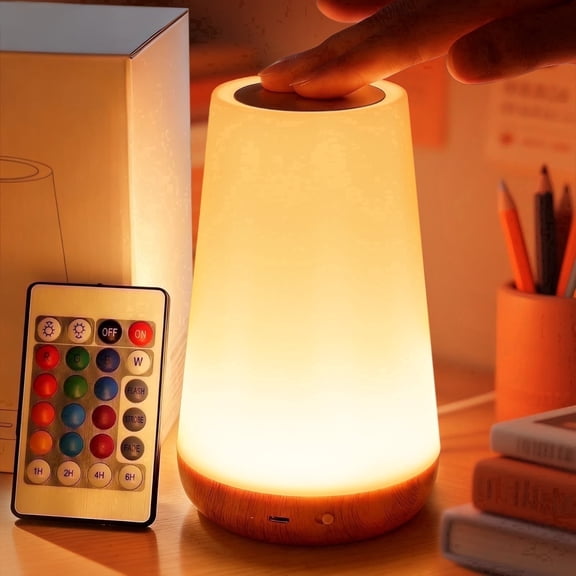
For a bedroom, you may want a dimmable light that won't feel distracting overnight. You can choose warmer tones when you want a calmer glow near beds, dressers, or doorways.
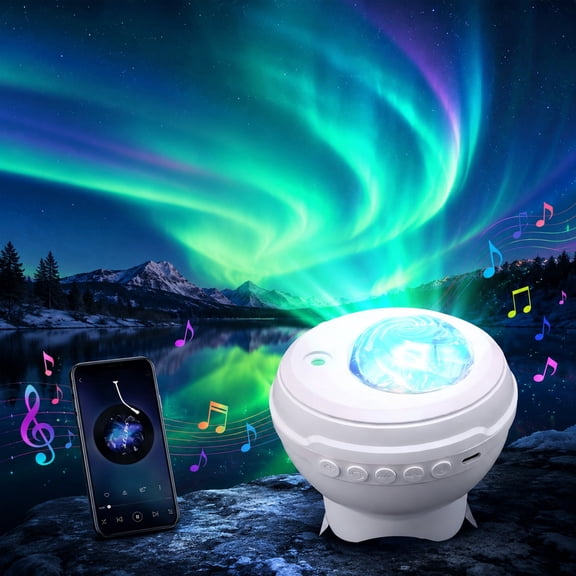
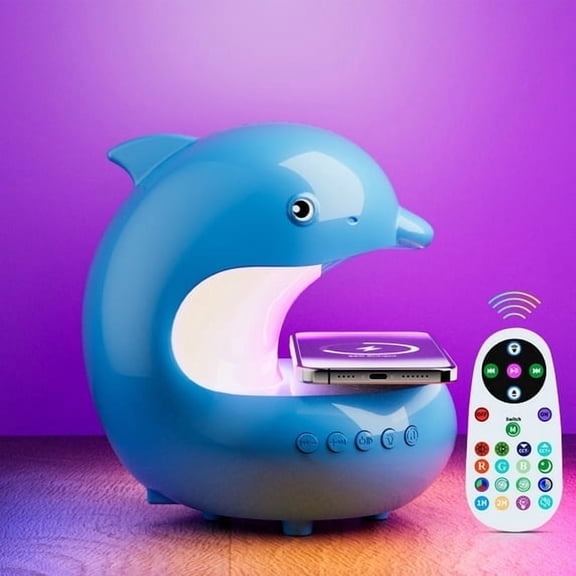
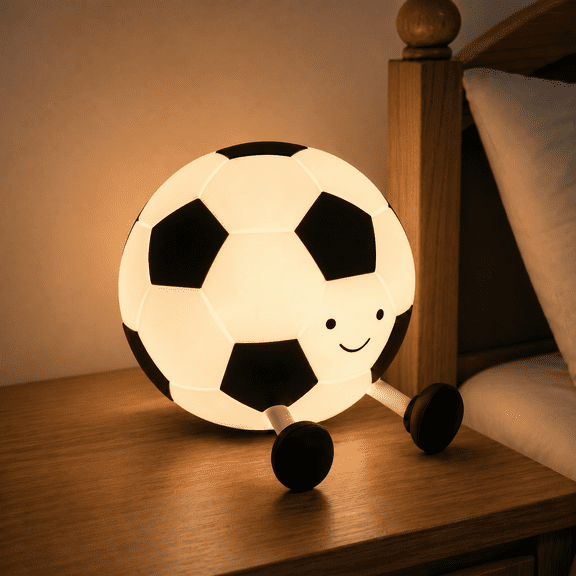
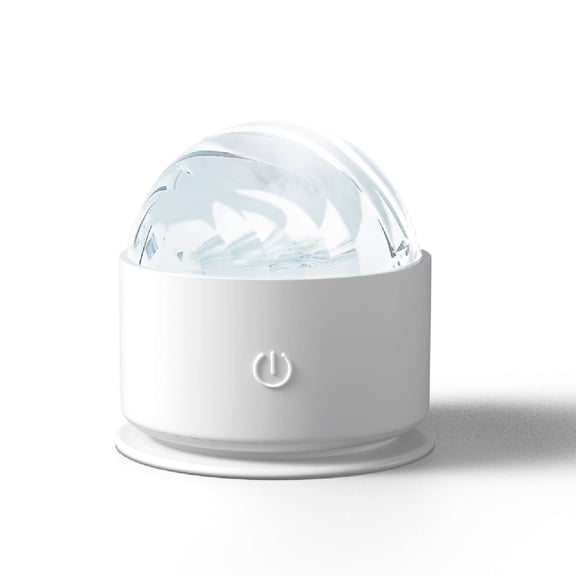
In a nursery, you may look for kids night lights with soft brightness and simple controls. You can also consider color-changing designs if you want a gentler atmosphere during nighttime check-ins.
Bathrooms and kitchens often work well with motion settings because you may only need light for a short visit. You can keep those spaces easier to navigate without turning on bright ceiling fixtures.
Comparing features like dimmable and smart controls
Extra features can make your choice more precise, especially when your household uses rooms in different ways. You can compare dimmable, color-changing, cool-to-the-touch, and smart home compatible designs.
Dimmable settings help you adjust output for bedtime, midnight trips, or shared rooms. You can lower brightness in a nursery, or raise it in a hallway where you want clearer guidance.
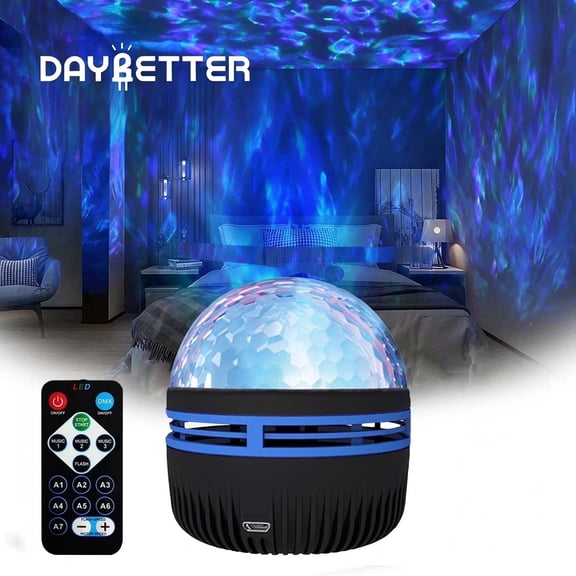
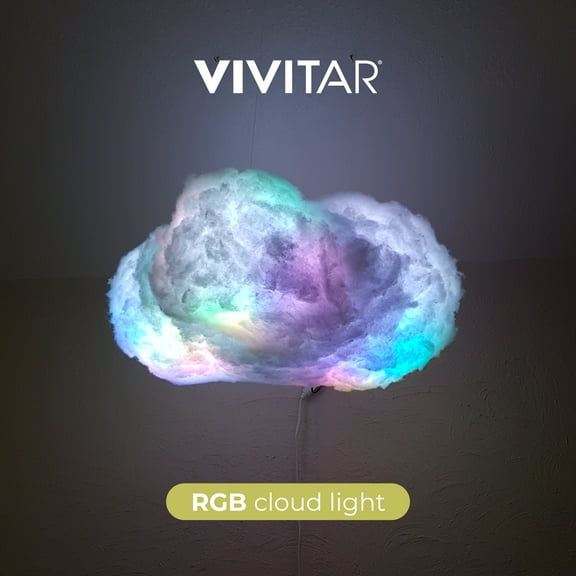
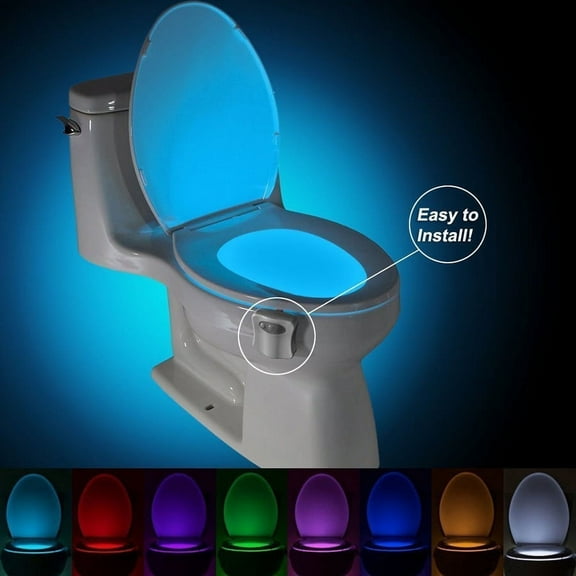
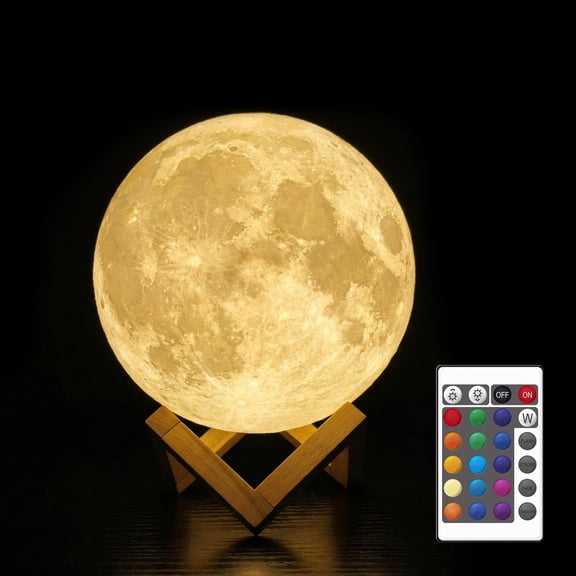
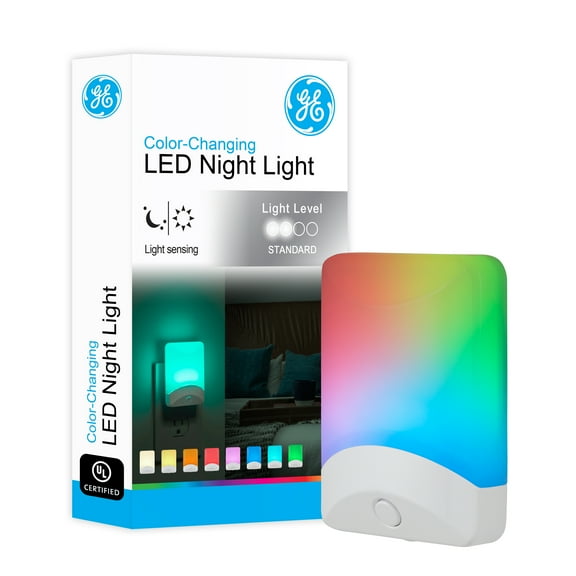
Color-changing lights give you more flexibility when you want a playful look or a softer mood. You may like those styles in kids night lights, bedrooms, or family spaces with changing preferences.
If you use connected devices, you may want smart night lights that fit into your home setup. You can check app control, scheduling options, and voice compatibility before you choose.
You should also look for cool-to-the-touch housing, low wattage draw, and recognized safety certification details. You'll feel more confident when your light fits everyday household use and stays simple to maintain.
How to choose the right led night lights
To narrow your options, you should measure your outlet area, consider your room size, and decide how automatic you want the light to be. You can then compare lumens, Kelvin ratings, and feature sets with more confidence.
If you want a cleaner fit, you should check whether the body blocks the second outlet. When you match power source, sensor type, and brightness to your space, you get light where you need it most.