



Baby Walkers in Baby Activities & Gear








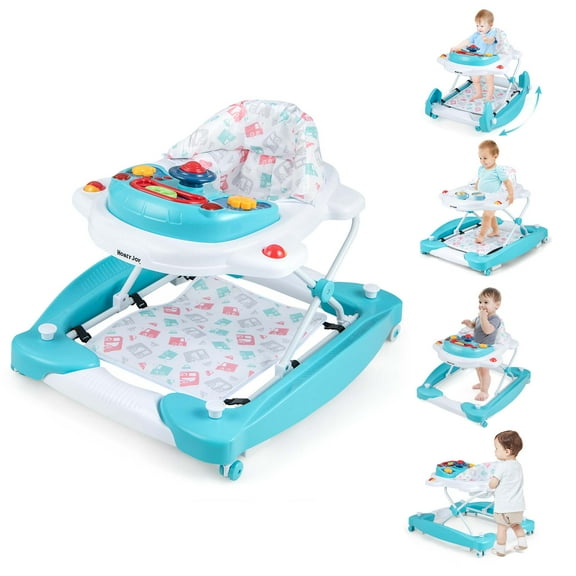


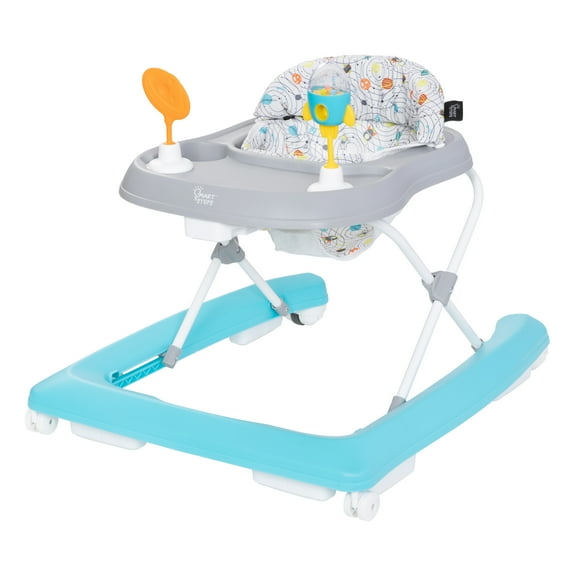


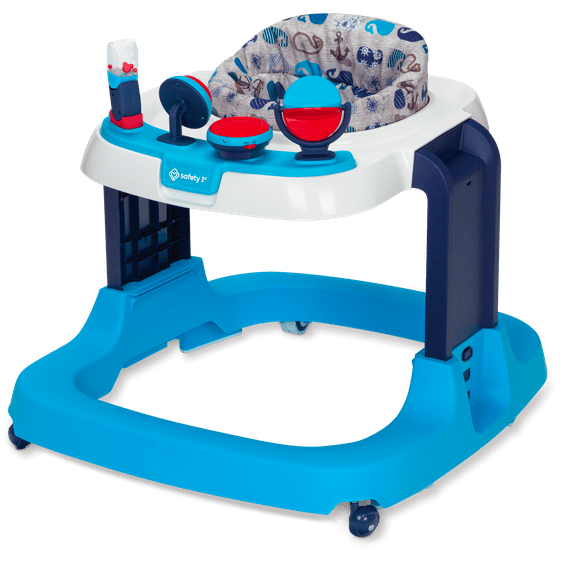


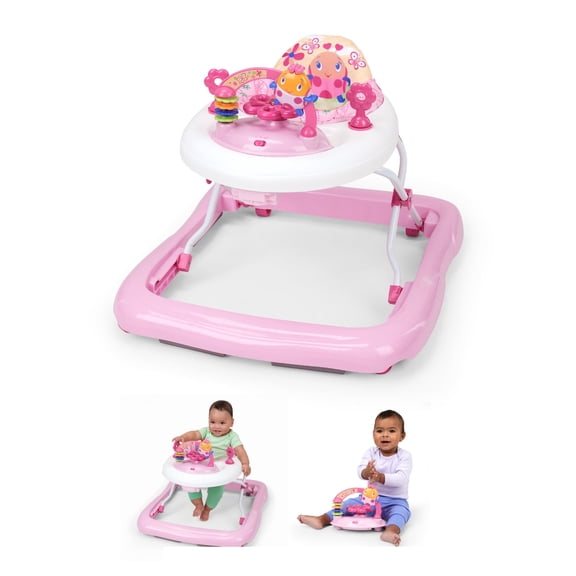






















About Baby Walkers in Baby Activities & Gear - Walmart.com
Baby walkers help you support early movement, play, and exploration with designs that match your space, your floor type, and your child’s stage. You can compare seated styles, push toys, and activity options that bring motion and play together in one category.
When you shop this category, you’ll notice important differences in wheel traction, frame shape, and interactive panels. You can use those details to narrow your choice faster and pick a walker that fits your routine.
How to choose baby walkers by activity type
You’ll want to start with activity type because it changes how your child uses the walker each day. You can compare a sit to stand baby walker, a seated walker, a push toy, or an activity center.
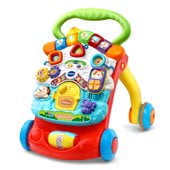
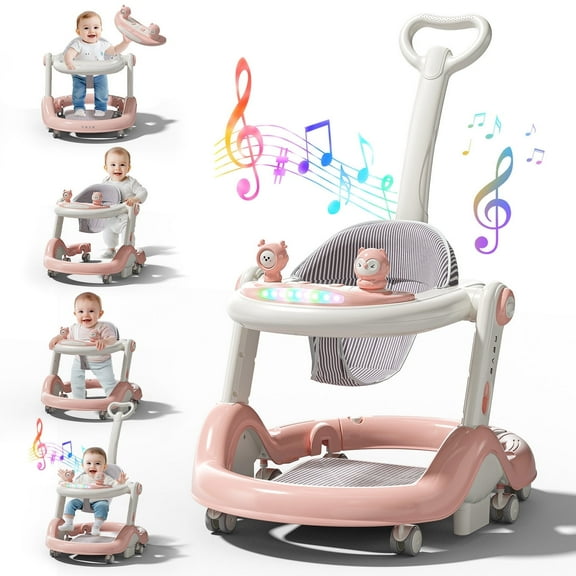
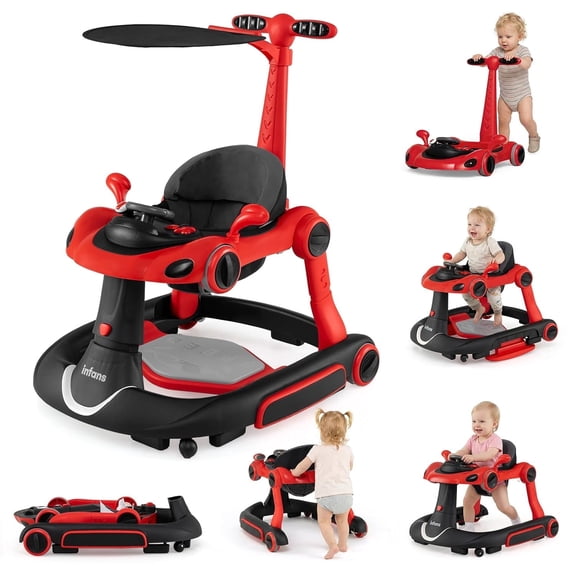
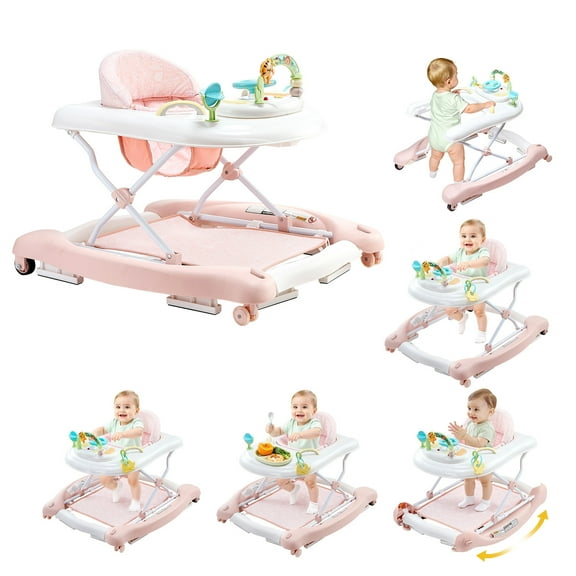
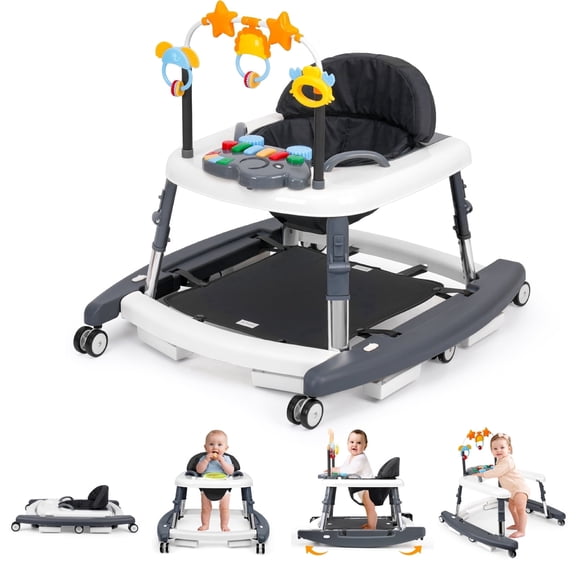
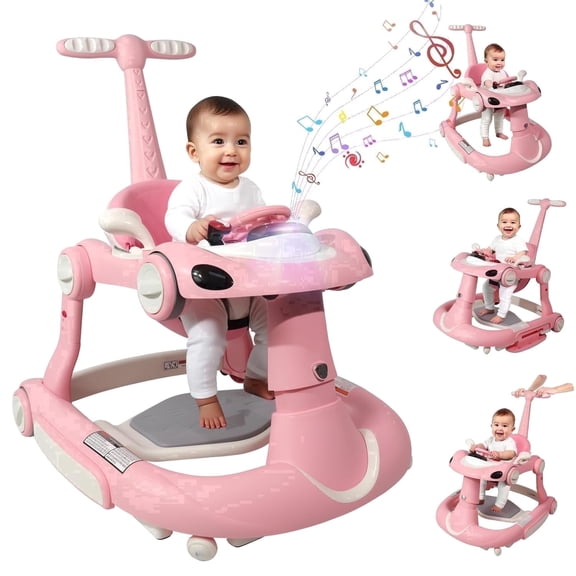
If you want one item to support multiple stages, you may consider a sit to stand baby walker. You can begin with seated play or supported steps, then keep using it as walking skills grow.
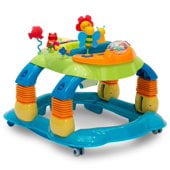
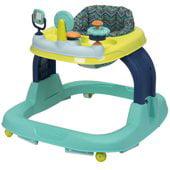
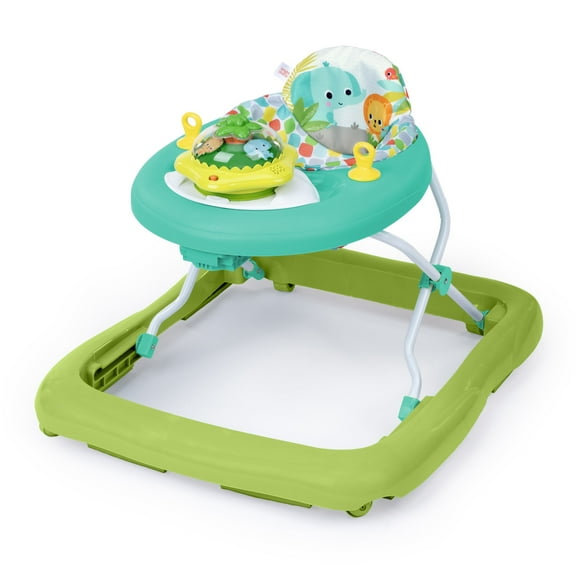
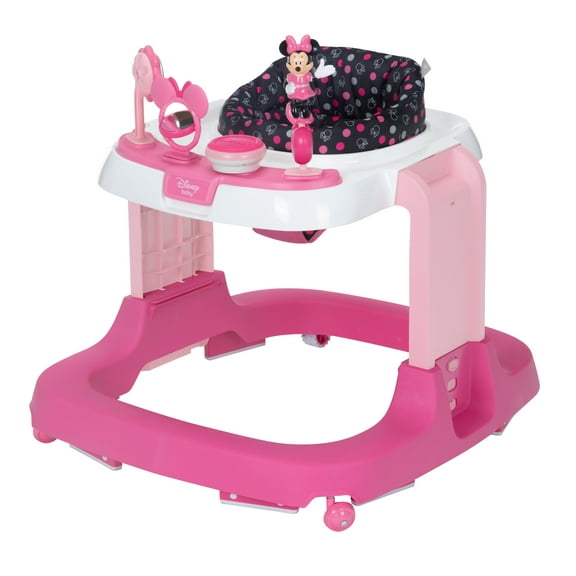
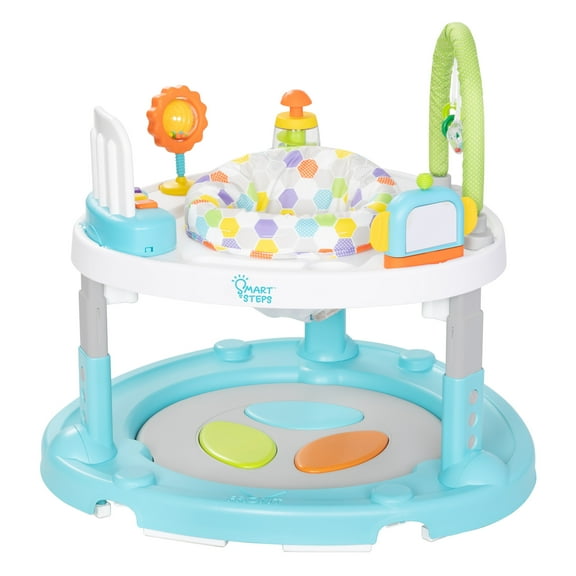
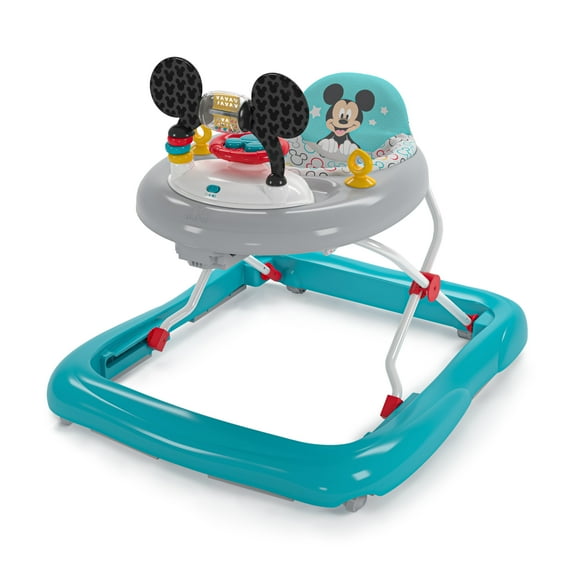
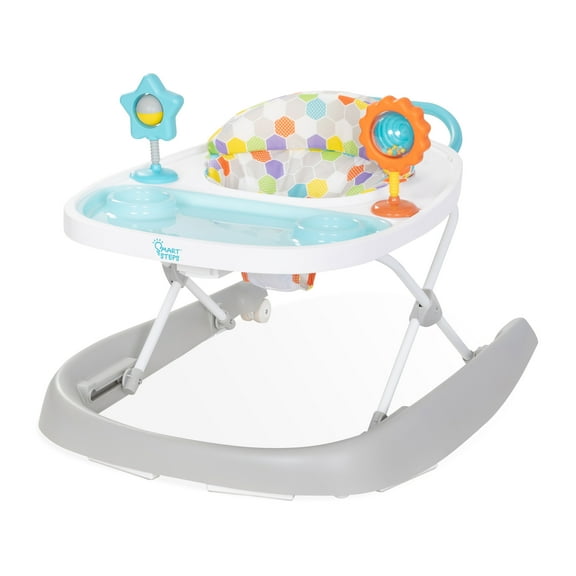
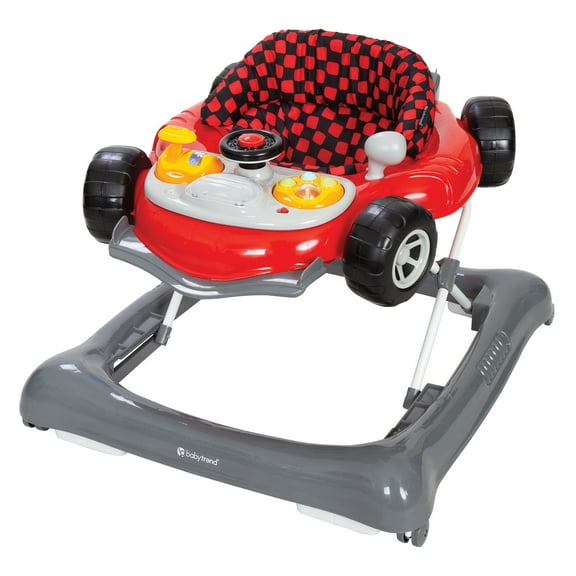
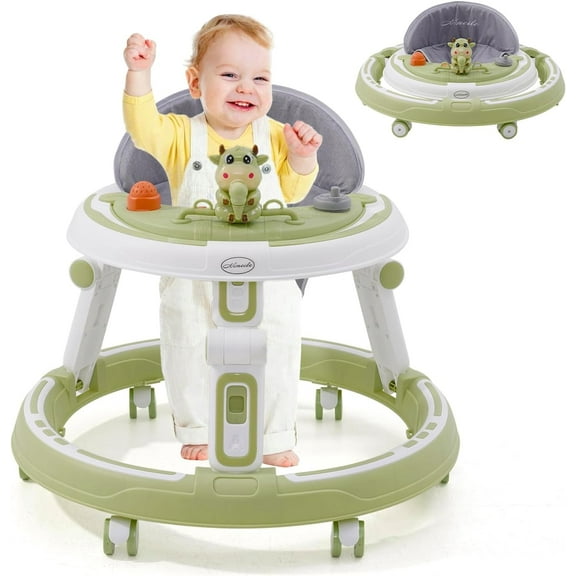
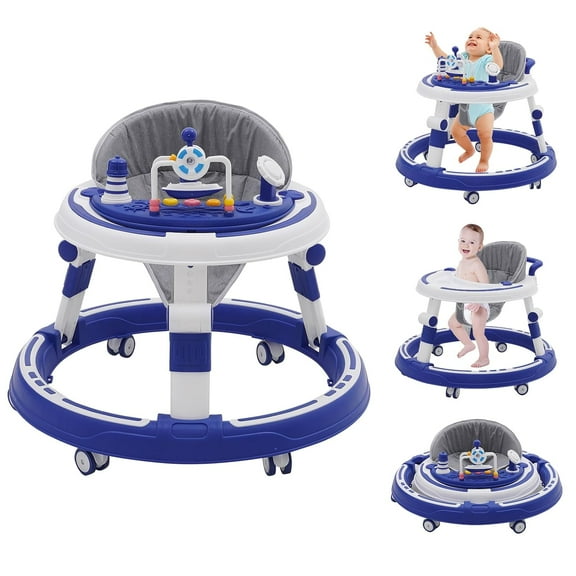
A seated walker can give you a place for movement and toy access in one setup. You may prefer that format when you want a tray, built-in toys, and rolling motion together.
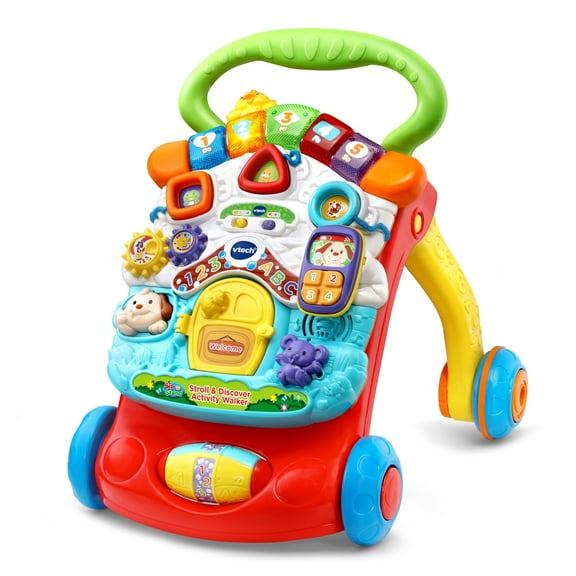
A push walker for baby works well when you want upright support without a surrounding seat. You can guide early walking practice while keeping the focus on pushing, steering, and balance.
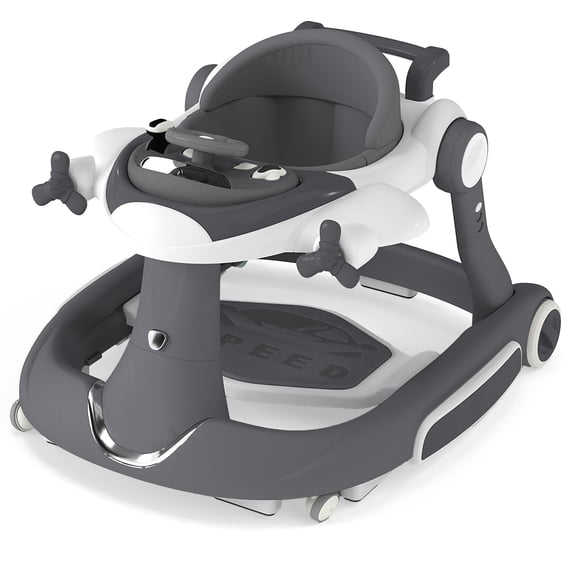
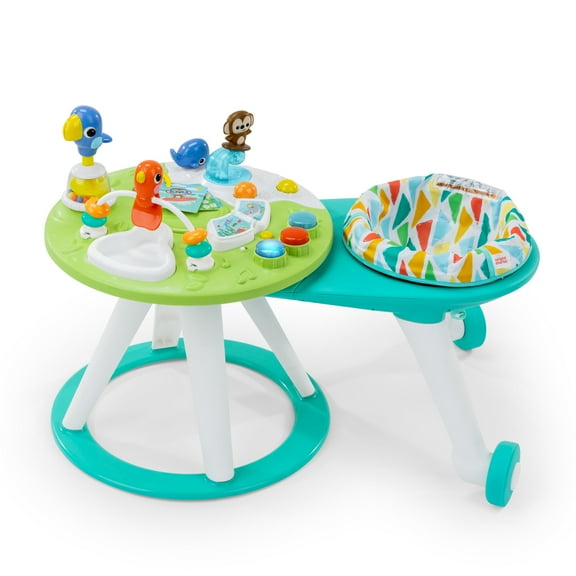
An activity walker or activity center can keep play features close while your child explores buttons, panels, and textures. You may like that option when you want motion and engagement in the same piece.
What to look for in a baby walker with wheels
You should compare wheel design closely because floor type changes how a walker moves. You can look for wheel traction, friction strips, and speed control when you have hardwood, tile, or mixed surfaces.
Wheel traction helps you understand how easily the walker rolls across smooth floors. You’ll want steady movement that feels controlled instead of overly quick.
Friction strips add resistance where extra grip matters during movement. You can use that feature as a decision point when your floors feel slick or polished.
Speed control can help you compare how fast a baby walker with wheels may glide. You should check for this feature when you want a more measured pace during early practice.
A wide base can give you more room around the frame and a steadier footprint. You may also look for wheel locks when you want a stationary play option between movement sessions.
- You can compare traction features for hardwood, tile, or low-pile rugs.
- You can look for a wide base when you want a steadier frame shape.
- You can check wheel locks for moments when you want stationary play.
- You can consider speed control if you want gentler rolling movement.
Choosing materials, height settings, and storage features
You’ll also want to compare what the walker is made from and how it stores. You can find wooden baby walker styles, lightweight plastic frames, and foldable designs for easier storage.
A wooden baby walker may appeal to you when you want a classic look and a push-toy format. You can place it in living spaces where visible baby gear needs to blend with your furniture.
Plastic frames can feel lighter to move from room to room during the day. You may prefer that build when you want easy wipe-down care and a tray with molded play details.
Some shoppers look for BPA-free components because labeled material details can guide their comparison. You can use that information alongside frame style, toy layout, and storage needs.
Height adjustability matters because your child’s reach and leg position change quickly. You should check whether the seat or handle height adjusts, so the walker continues to fit comfortably.
Foldable frames make storage easier when you need open floor space after playtime. You can slide some styles into a closet or along a wall without keeping them out all day.
Comparing interactive features in an activity walker
You can use play features as a practical way to compare one walker to another. You’ll often see toy trays, musical buttons, removable play panels, and lights across this category.
A toy tray can keep built-in activities in front of your child during seated play. You may prefer that layout when you want toys attached and easy to reach.
Musical buttons and lights add sensory variety that keeps playtime active and engaging. You can compare the panel layout when you want simpler buttons or more hands-on options.
A removable play panel can extend use beyond the walker itself. You might like that feature when you want a panel that works during floor play or travel.
Matching baby walkers to your home and routine
You should match the walker to how you’ll actually use it each week. You can choose a seated style for play breaks, a push toy for walking practice, or a foldable frame for smaller spaces.
If your home has mixed flooring, you may focus on traction, friction strips, and speed control first. You can make a smarter choice when you compare those details before colors or toy themes.
If you want longer use from one item, you can compare transition-focused designs that support sitting, standing, and pushing. You’ll often see that flexibility in sit to stand baby walker options.
If storage matters every day, you should check foldability and frame width before you decide. You can avoid bulky surprises by measuring your open floor area and storage spot first.
Baby walkers can feel easier to compare when you focus on movement style, safety features, materials, and play elements in that order. You’ll make a more confident choice when your walker fits your floor, your space, and your child’s stage.