





Leaf Vacuums in Leaf Blowers


![Hyper Tough 12 Amp Electric Leaf Blower and Vacuum Combo HT21-401-002-05 [New]](https://i5.walmartimages.com/seo/Hyper-Tough-12-Amp-Electric-Leaf-Blower-and-Vacuum-Combo-HT21-401-002-05-New_c558c6fd-8f1f-40e1-adfe-788b3fdf99a7.b550b59595563bd794397a888b0d2852.jpeg?odnHeight=576&odnWidth=576&odnBg=FFFFFF)















About Leaf Vacuums in Leaf Blowers - Walmart.com
Leaf vacuums help you clear loose yard debris faster and turn leaves into smaller pieces for easier cleanup. You can compare power source, mulch ratio, and configuration to match your yard and routine.
How to choose leaf vacuums for your yard
When you compare leaf vacuums, you should start with your yard size and the debris you collect most often. You’ll notice dry leaves, pine needles, and small twigs can call for different airflow and bag capacity.
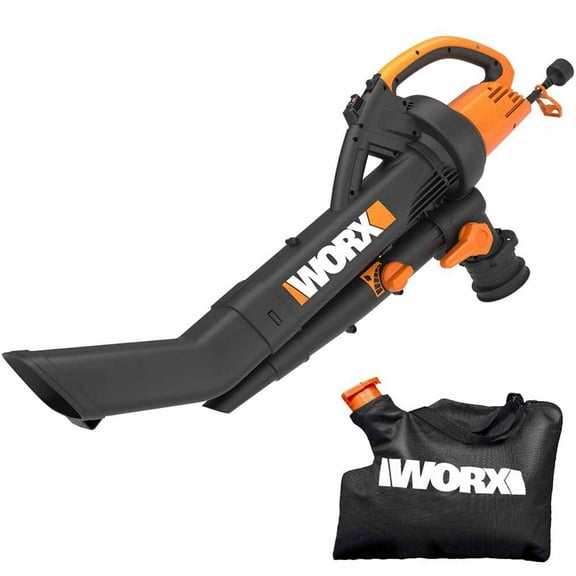
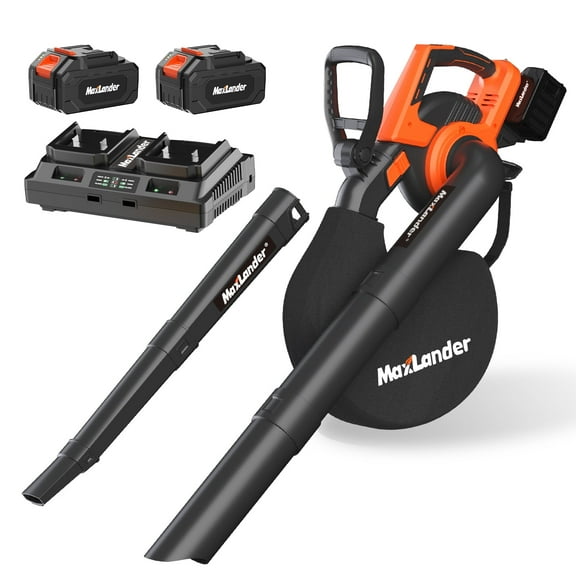
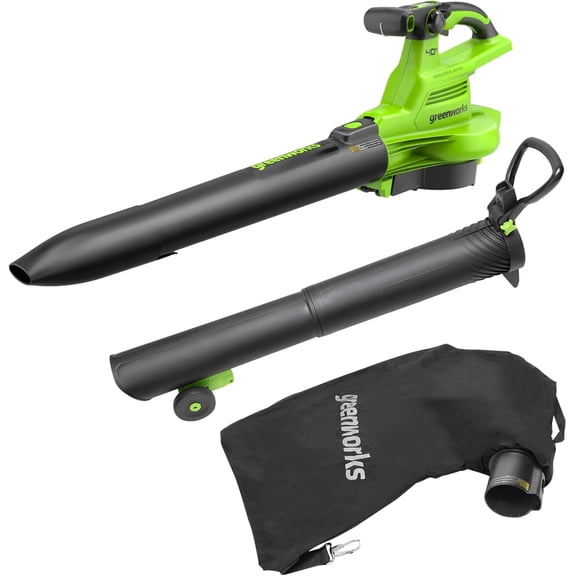
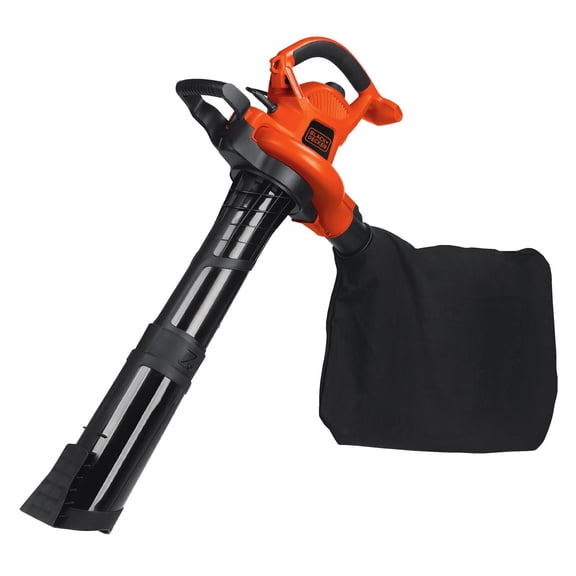
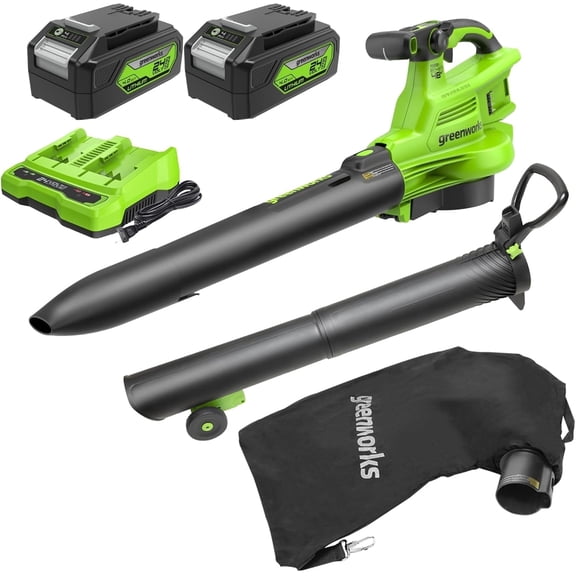
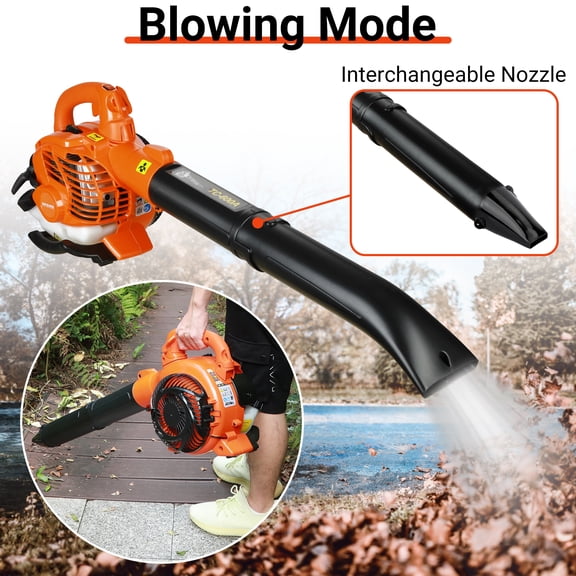
If you want one tool for several tasks, you may prefer a leaf blower vacuum that switches modes without tools. You can move from blowing patios to vacuuming garden beds with fewer stops.
You should also check how the collection bag attaches and empties after a long cleanup session. You’ll appreciate zipper placement, strap comfort, and balanced weight when you carry full bags.
Choosing the right power source for leaf vacuums
Power source shapes how you work, how long you run, and how much mobility you get. You can narrow your options quickly by matching the tool to your yard size.
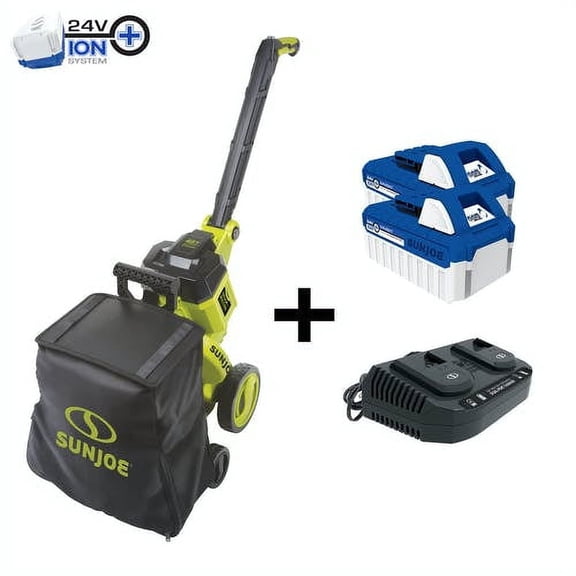
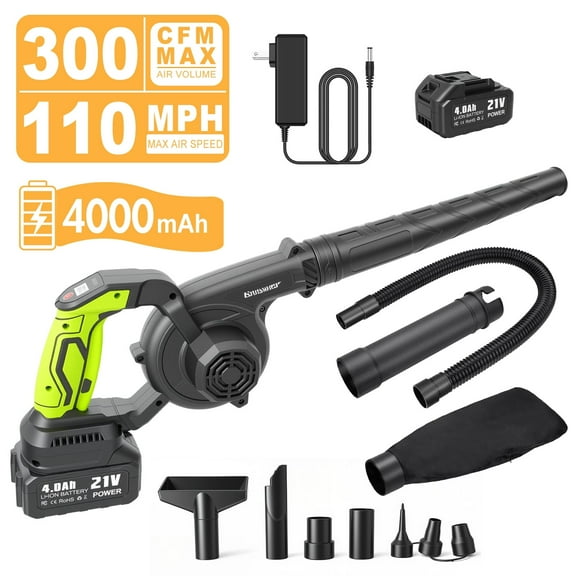
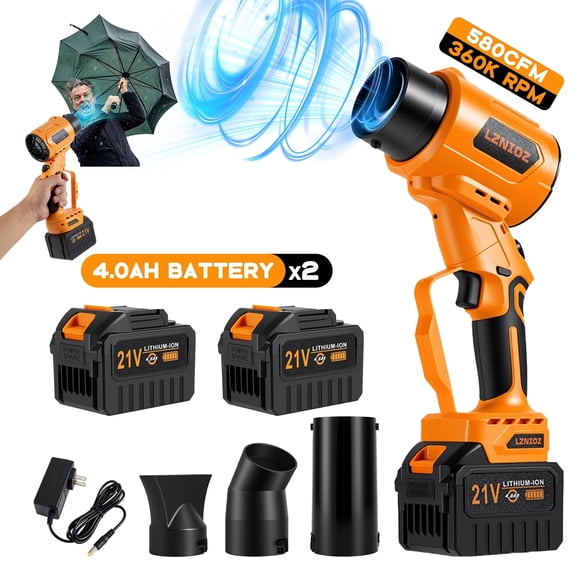
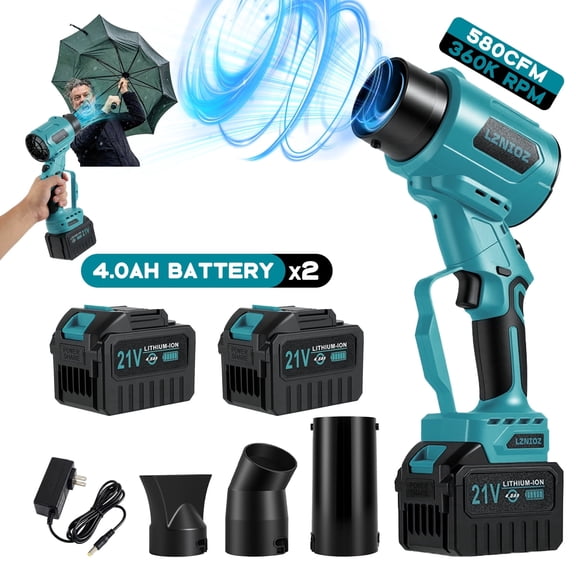
A cordless leaf vacuum gives you easy movement around trees, fences, and driveways without managing a cord. You can recharge between sessions and keep cleanup simple in medium yards.
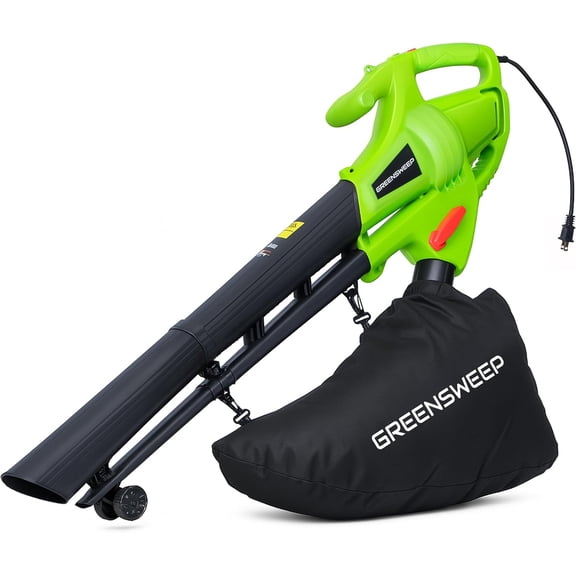
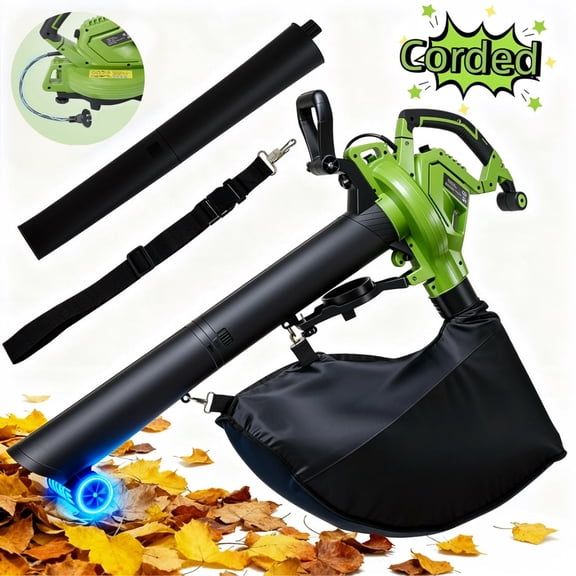
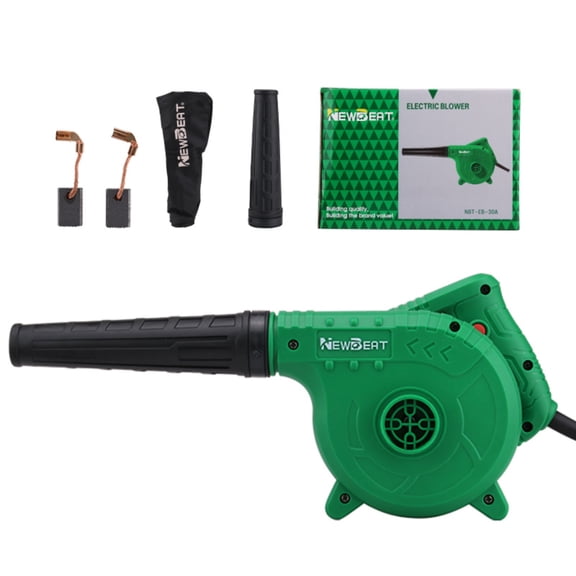
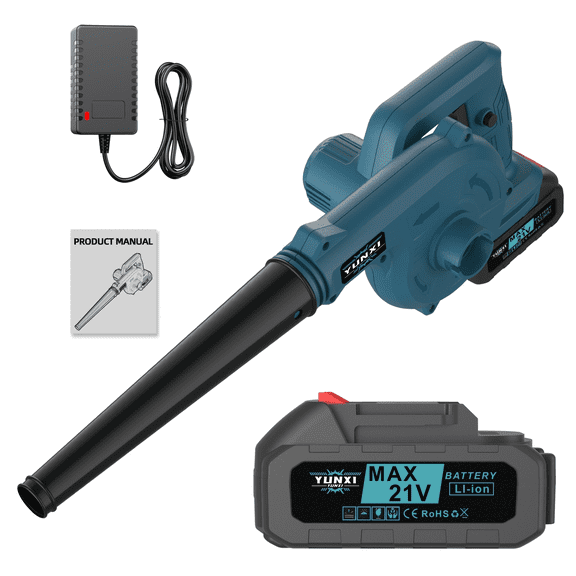
A corded electric leaf vacuum blower gives you steady runtime for smaller spaces near an outlet. You can keep working without battery swaps when you clean patios, decks, and short lawn edges.
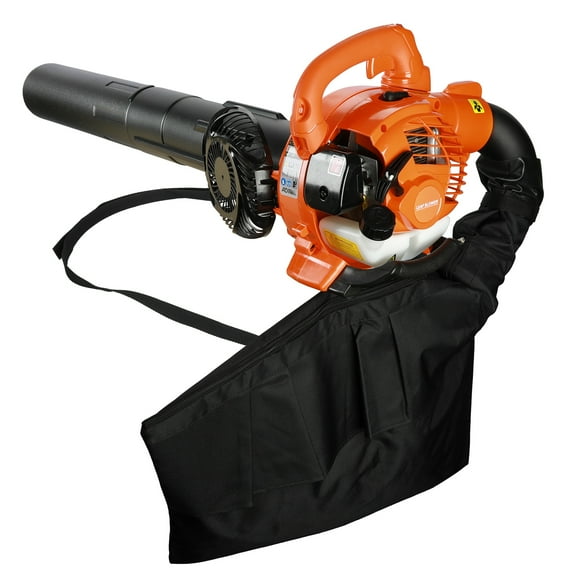
A gas leaf vacuum mulcher often suits larger properties where you need longer runtime and wider reach. You can cover bigger sections without staying close to a cord or charging station.
- You can choose cordless battery models for quick movement and flexible cleanup.
- You can choose corded electric models for continuous power in compact yards.
- You can choose gas powered models for larger spaces and longer sessions.
- You can compare mode changes if you want blower and vacuum functions in one tool.
Choosing the right mulch ratio
Mulch ratio is an important spec you can compare before you buy. You can use it to estimate how many bags of leaves become one bag after shredding.
If you choose a 10:1 ratio, you’ll get solid volume reduction for routine seasonal cleanup. If you choose a 16:1 ratio, you can fit more debris into the bag before emptying.
If you choose an 18:1 ratio, you may spend less time walking to empty the bag during larger jobs. You’ll usually want higher reduction when your yard drops heavy leaves each week.
You should compare mulch ratios with bag capacity because both affect how often you stop. You can finish faster when your tool shreds well and collects enough debris per pass.
Comparing configuration and handling
Configuration affects how the tool feels in your hands and how you move across the yard. You can choose handheld, backpack, or walk-behind styles based on workload and comfort.
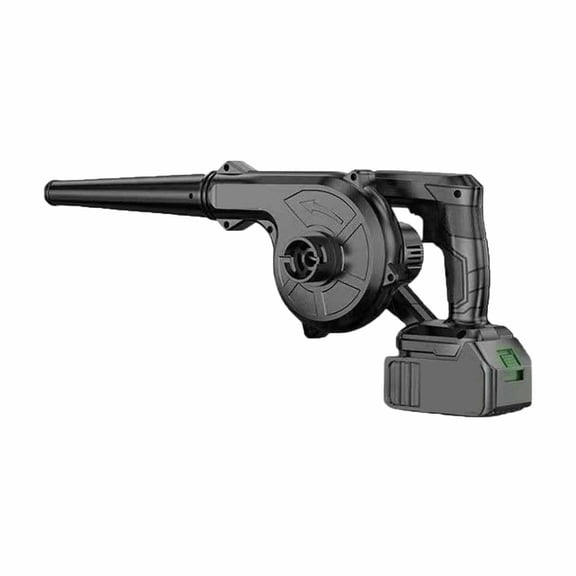
A handheld leaf blower vacuum works well when you clean steps, porches, garden edges, and tight corners. You can lift it easily and switch directions quickly around landscaping.
A backpack option helps you spread weight across your shoulders during longer sessions. You can stay more comfortable when you cover larger areas with frequent stops and starts.
A walk-behind yard vacuum can make sense when you collect steady debris across wider lawns or long paths. You can guide it over open ground and gather leaves with less carrying.
What to look for in bags and debris pickup
Bag design matters because you’ll handle collected material many times during peak leaf season. You should look for capacity, easy-release points, and openings that make dumping less awkward.
If you pick up dry leaves, you’ll want smooth airflow and reliable shredding through the tube. If you collect pine needles and small twigs, you should check intake size and bag space.
You may also want a shoulder strap that helps balance the load while the bag fills. You’ll notice comfort features matter more as cleanup sessions get longer.
For mixed debris, you should compare how easily the tool transitions from blower to vacuum mode. You can move from clearing a driveway to collecting piles without interrupting your flow.
Matching leaf vacuums to common yard jobs
If you maintain a small yard, you may prefer a corded electric model with steady runtime and straightforward storage. You can handle weekly touchups on sidewalks, patios, and front lawn borders.
If you clean a medium yard with trees, a cordless leaf vacuum can give you flexible movement around beds and fences. You can cover several zones without dragging a cord behind you.
If you manage a larger property, you may lean toward a gas leaf vacuum mulcher with a stronger focus on runtime. You can keep up with long fence lines, broad lawns, and repeated fall cleanup.
If you want one versatile tool, a leaf blower vacuum with tool-free conversion can simplify seasonal work. You can blow dry debris into piles, then vacuum and mulch it in the same session.
When you compare leaf vacuums by power source, mulch ratio, and configuration, you can choose with more confidence. You’ll end up with a cleaner yard and fewer bulky bags after each cleanup.