

Pellet Gun Ammo in Pellet Guns














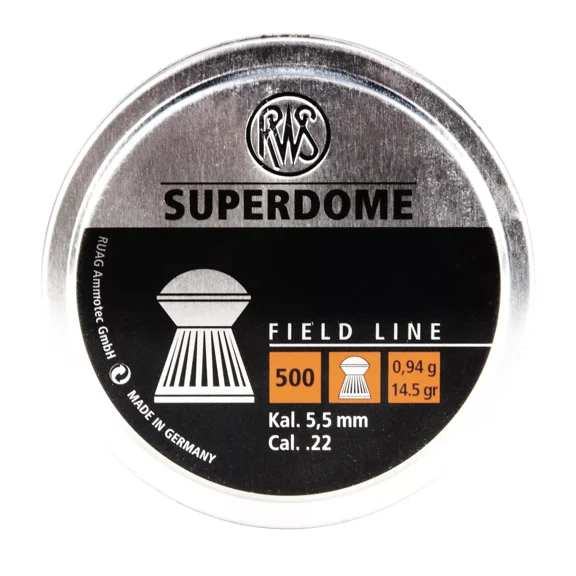

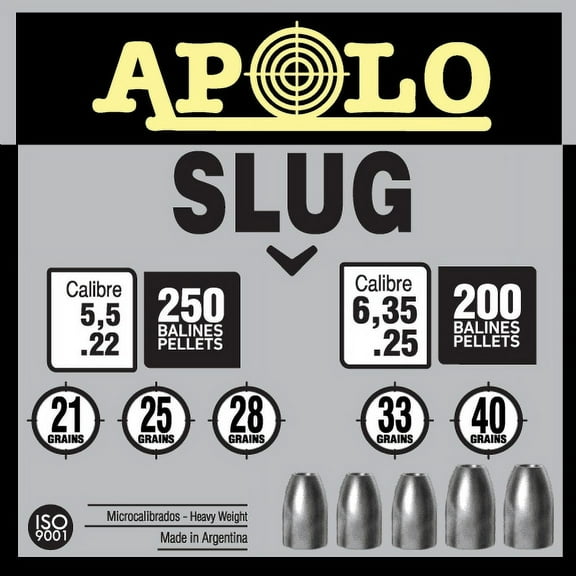
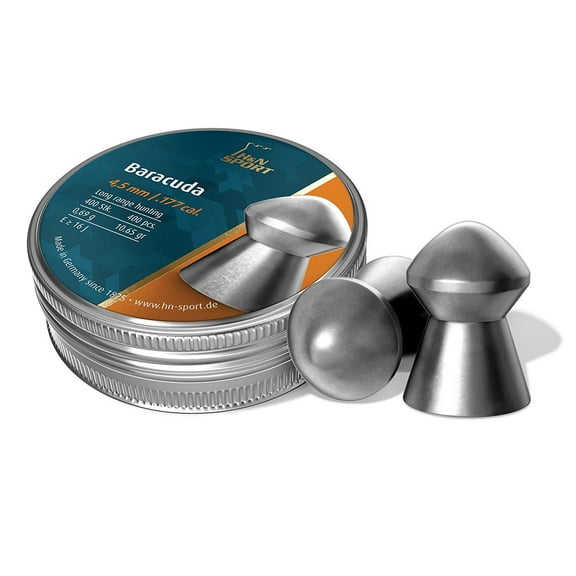
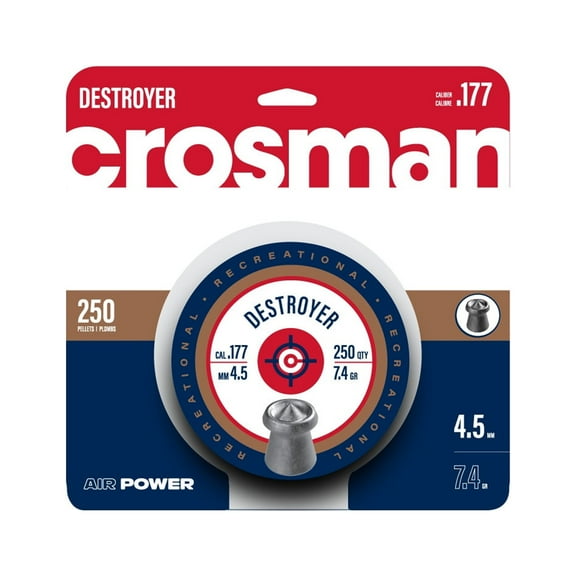
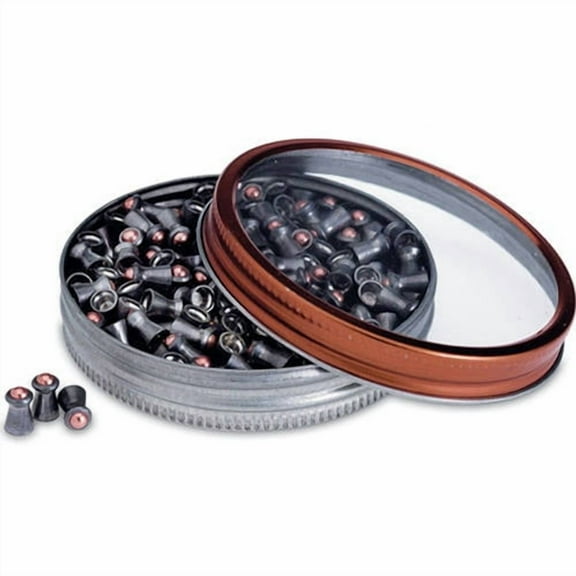
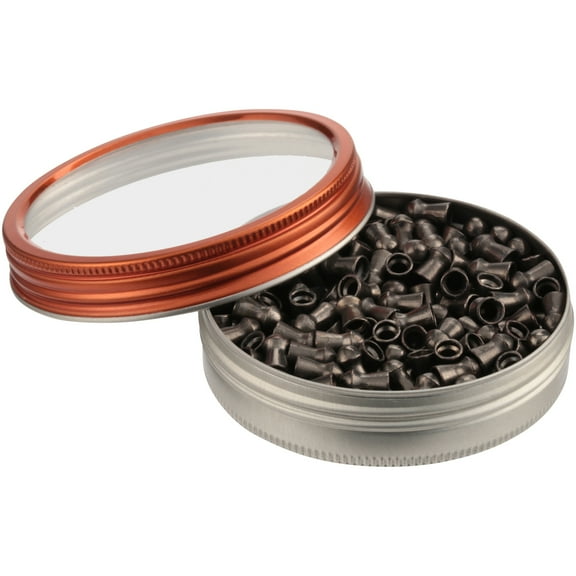


About Pellet Gun Ammo in Pellet Guns - Walmart.com
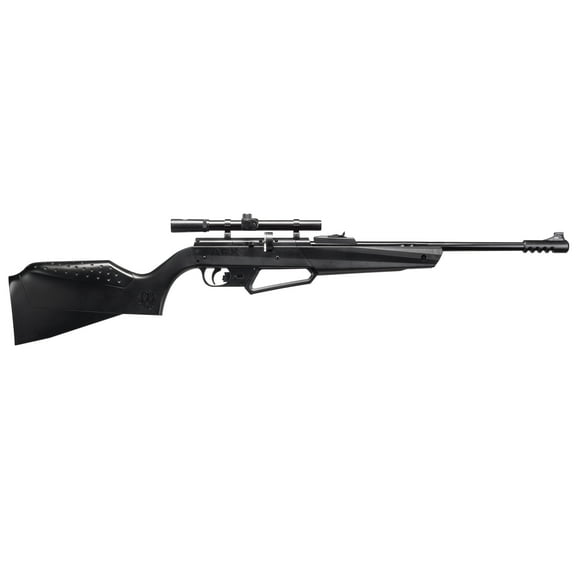
Pellet gun ammo helps you match your air gun to the right caliber, shape, and weight for cleaner grouping and more consistent shots. You can compare .177 pellets, .22 caliber pellets, and other options with clear decision points that fit target practice, plinking, and hunting.
If you're choosing for different air rifles or pellet guns, you'll want category guidance that goes beyond pack counts. You can narrow your options faster when you compare caliber fit, pellet shape, grain weight, and material in one place.
How to choose pellet gun ammo by caliber
You should match pellet gun ammo to your air gun's marked caliber exactly every time. You can start with .177 pellets for common target shooting setups and move to .22 caliber pellets when you want a heavier projectile.
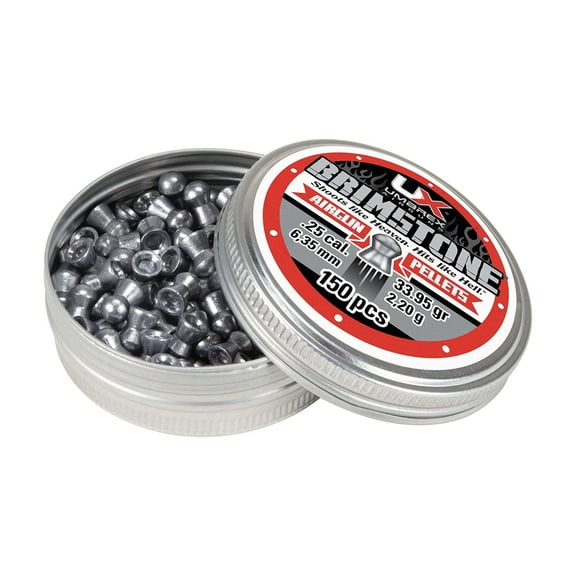
When you compare .25 and .30 options, you should check your platform's stated caliber before you buy. You'll usually see larger calibers paired with air rifle pellets built for heavier impact and longer-range use.
- You can use .177 pellets for paper targets, backyard plinking, and many entry-level air guns.
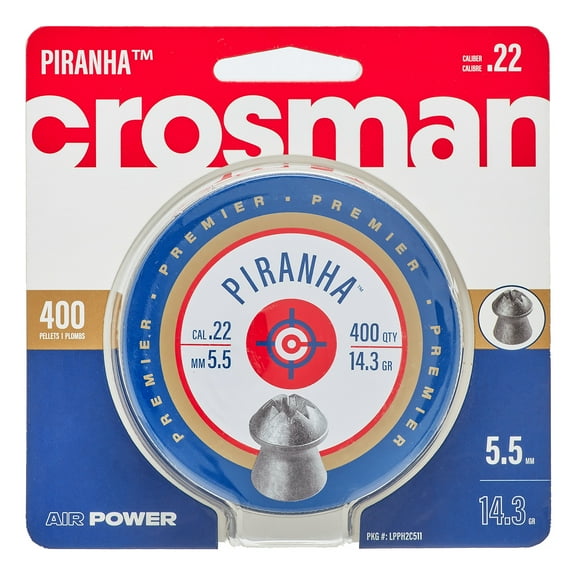
- You can choose .22 caliber pellets when your setup favors added weight and downrange energy.
- You can look at .25 or .30 pellets when your air rifle is built for those larger calibers.
- You should always confirm caliber markings on your barrel, manual, or ammo packaging.
Choosing pellet gun pellets by shape
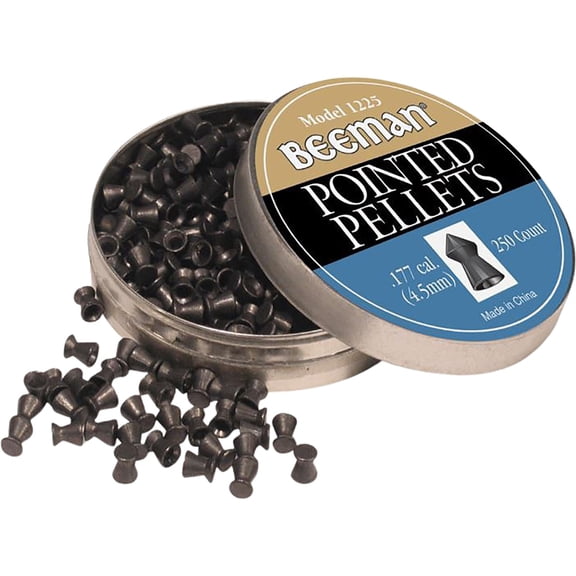
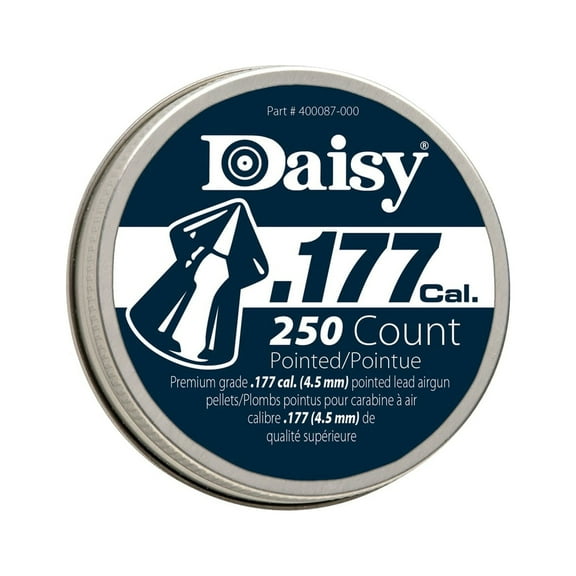
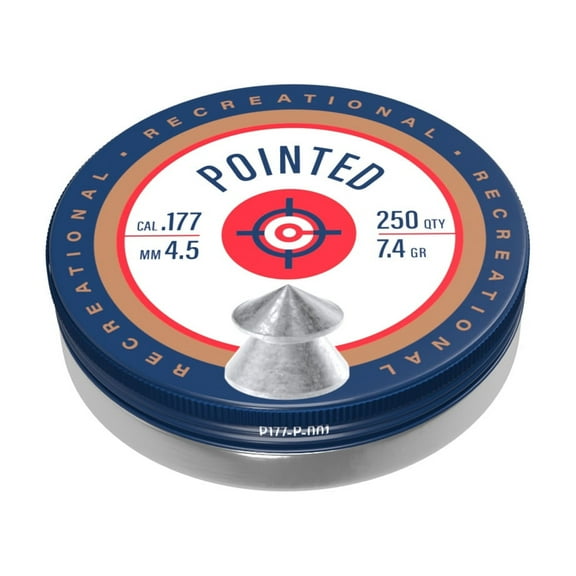
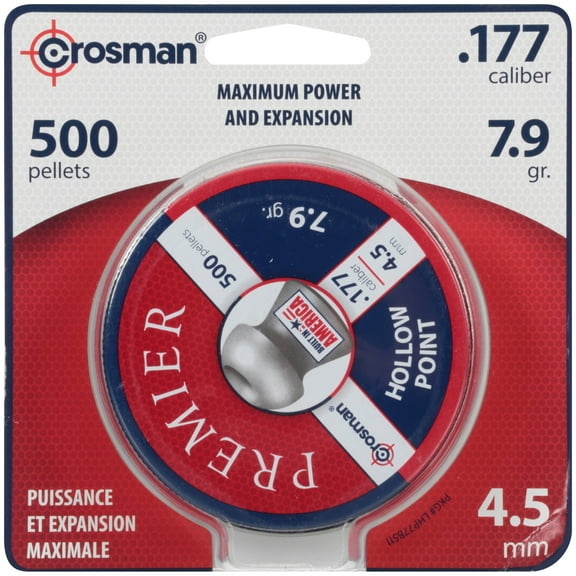
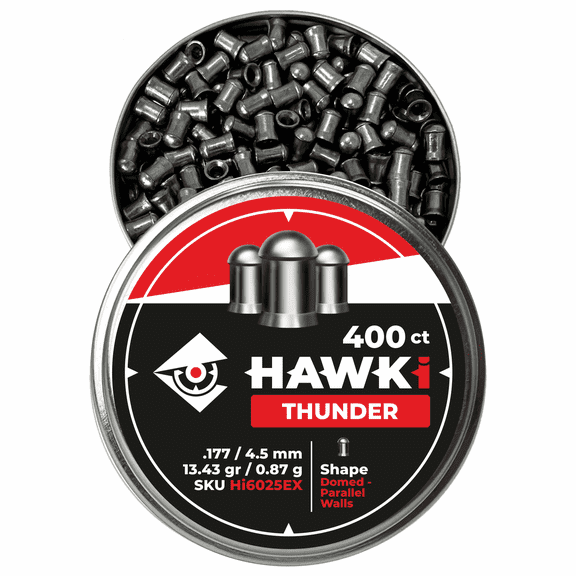
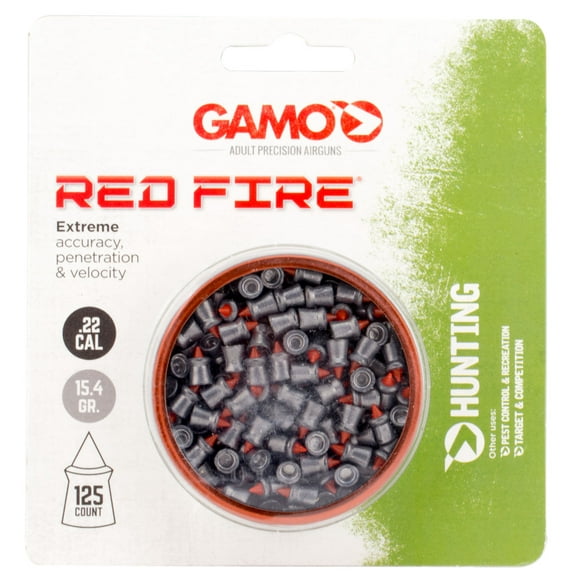
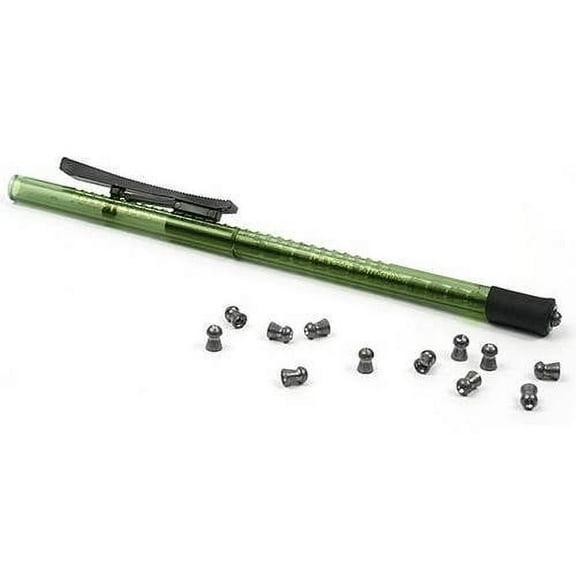
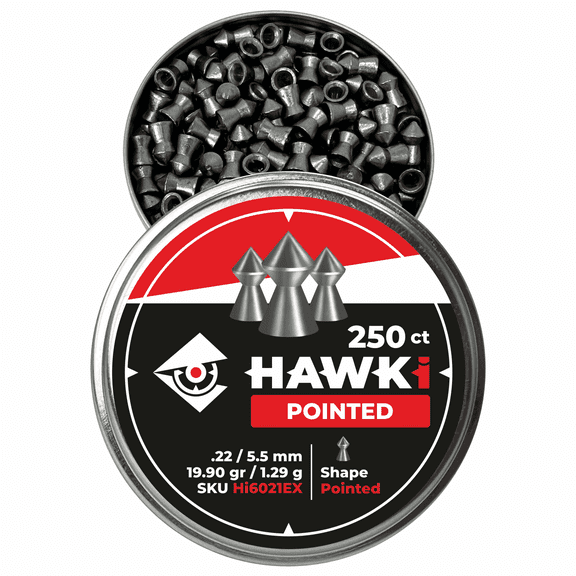
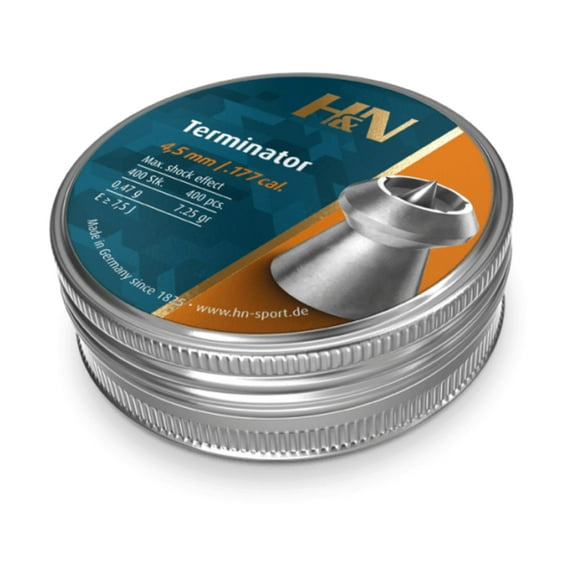
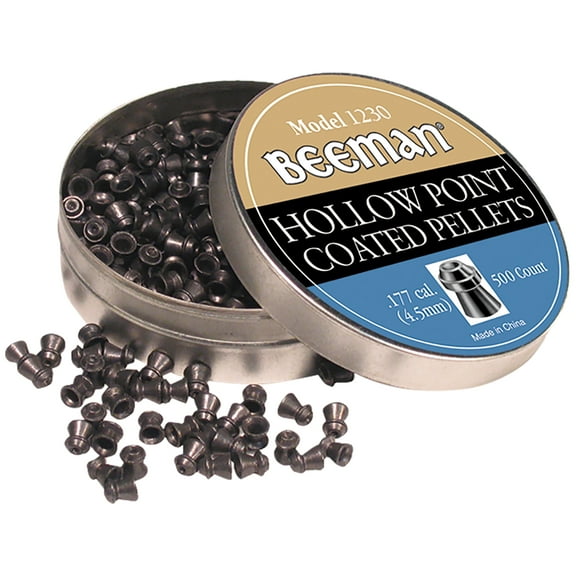
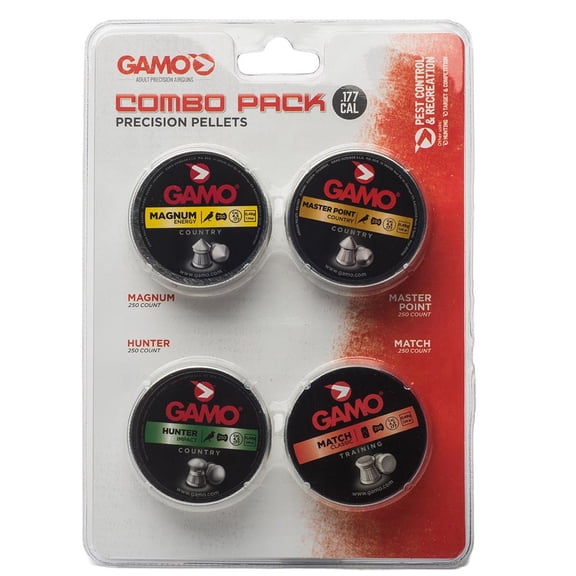
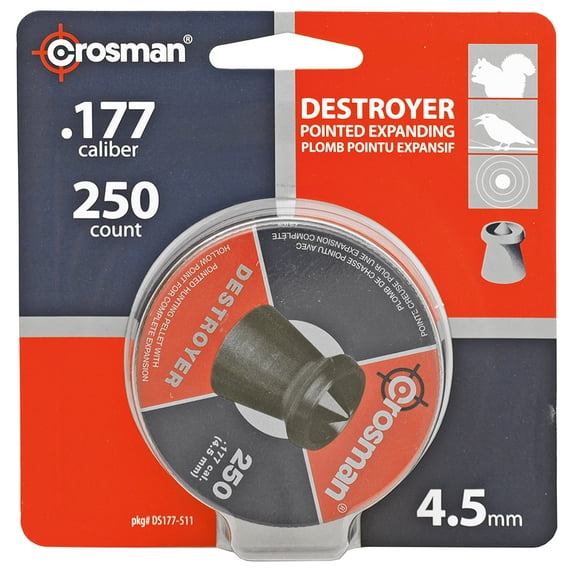
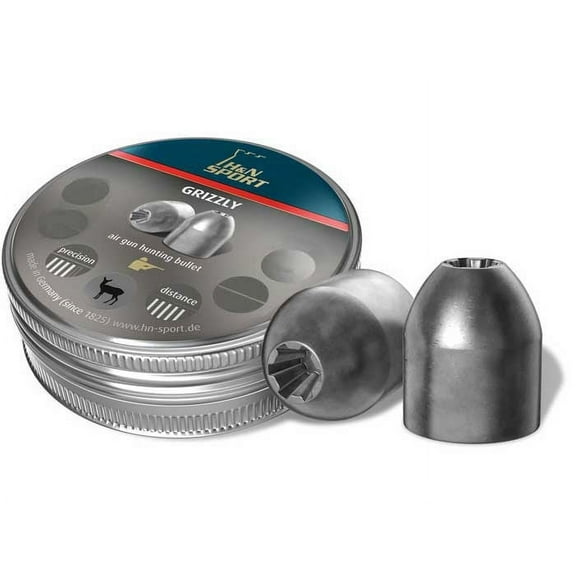
You can use pellet shape to match your shooting style instead of guessing from the label alone. You'll often see domed pellets for steady accuracy, wadcutters for clean paper holes, pointed pellets for penetration, and hollow point pellets for expansion.
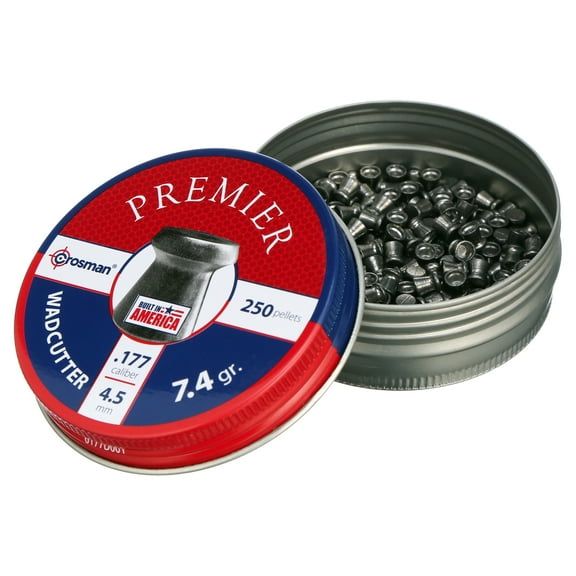
If you're focused on targets, you may prefer wadcutter styles that cut easy-to-read circles on paper. When you're shooting at longer distances, you may lean toward domed designs that hold accuracy more consistently.
You can also compare pointed and hollow point pellets by intended use and distance. You'll want to test a few shapes in your specific air gun because barrel preferences can vary.
What to look for in weight and material
You should check grain weight because it changes how your pellet behaves after it leaves the barrel. You'll generally notice lighter pellets support higher speed, while heavier pellets can offer more impact and steadier flight.
If your air rifle lists a recommended weight range, you should stay within that range for more predictable results. You can use that grain guidance to narrow choices before you compare brand-specific pack options.
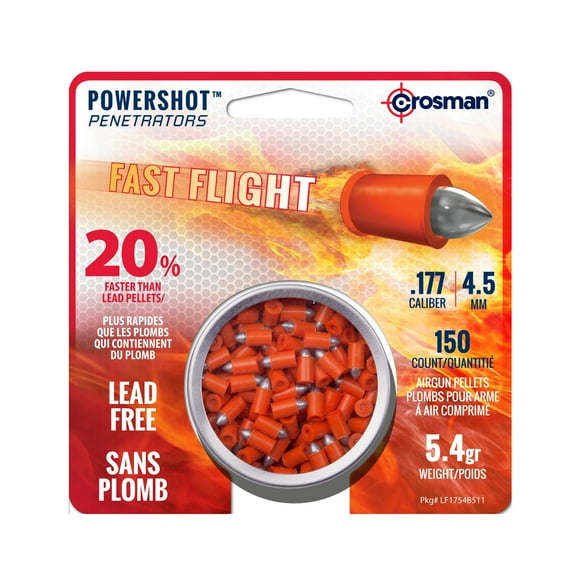
Material matters too, especially when your local range or shooting area has specific rules. You can compare lead, lead-free alloy, and copper-plated options based on handling preference, barrel compatibility, and local shooting requirements.
Matching use case to pellet gun ammo
You can simplify your search by matching use case to pellet design before you look at counts or packaging. If you're training for tighter groups, you'll want a shape and weight that support repeatable target practice in your air gun.
For plinking, you may want versatile pellet gun pellets that feed smoothly and perform consistently across casual sessions. If you're choosing hunting pellets, you should compare caliber, shape, and grain weight together instead of picking only by speed.
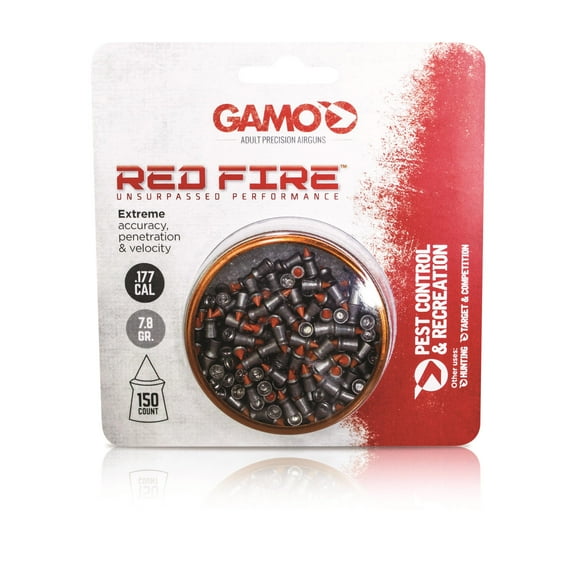
When you need ammo for pest control, you can focus on compatible calibers and purpose-built hollow point pellets or pointed styles. You'll get a more useful shortlist when you align pellet design with your specific shooting task.
Key differences between common pellet types
You can compare common pellet types faster when you break them into practical tradeoffs. Domed pellets often suit accuracy-focused shooting, while wadcutters usually suit short-range paper targets.
Pointed pellets may appeal to you when penetration is part of your decision. Hollow point pellets may fit your needs when you want a shape designed for expansion at suitable air gun velocities.
If you're choosing between lead and alloy pellets, you should also consider local shooting rules and your preferred handling feel. You'll often find that material and shape work together as part of the same buying decision.
How to build a smarter shortlist
You can build a smarter shortlist when you compare caliber first, then shape, then grain weight, and finally material. That order helps you remove incompatible options before you spend time comparing smaller details.
If you shoot more than one platform, you may keep separate ammo types for each caliber and use case. You'll make faster decisions when your pellet gun ammo matches your barrel markings, your target type, and your usual shooting distance.
With the right match, you can get cleaner loading, steadier accuracy, and more predictable results from every session. You'll feel more confident when your ammo choice fits your air gun and your purpose from the start.