

Laundry Sorters in Laundry Storage & Organization


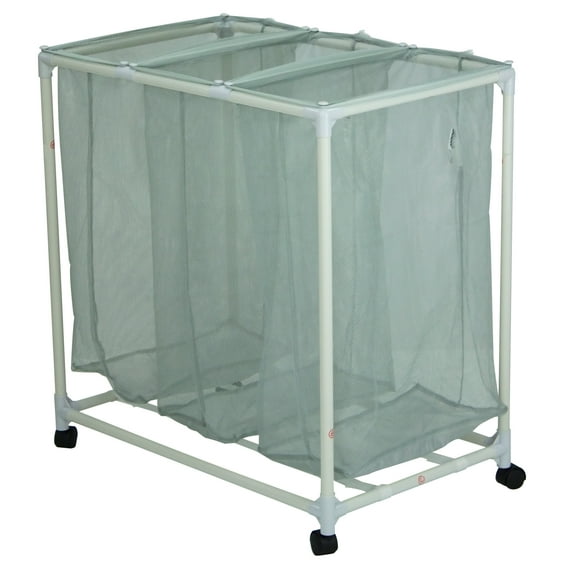
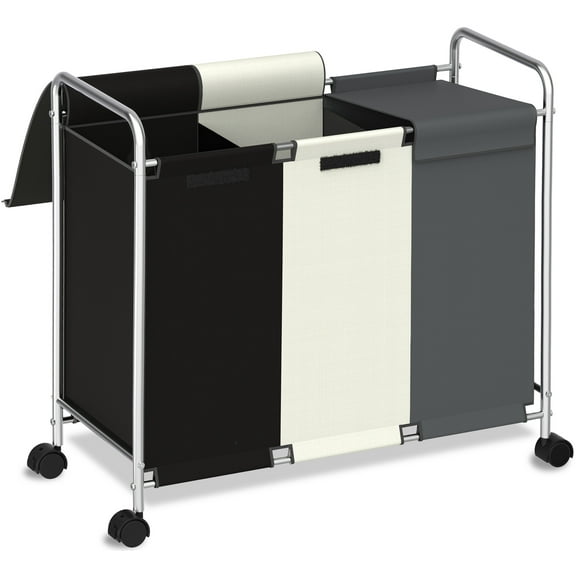


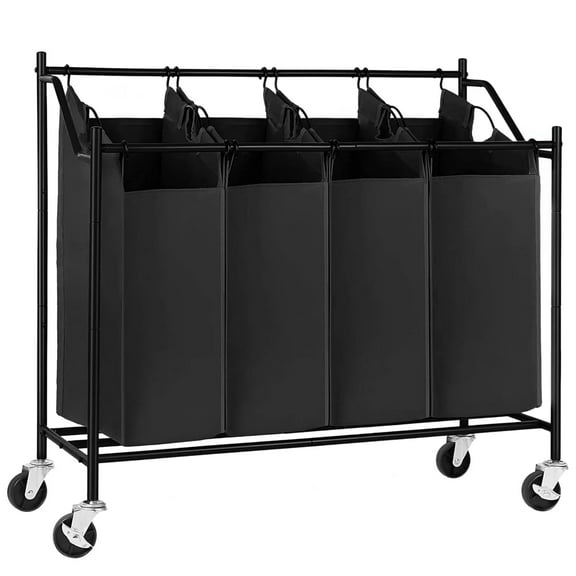


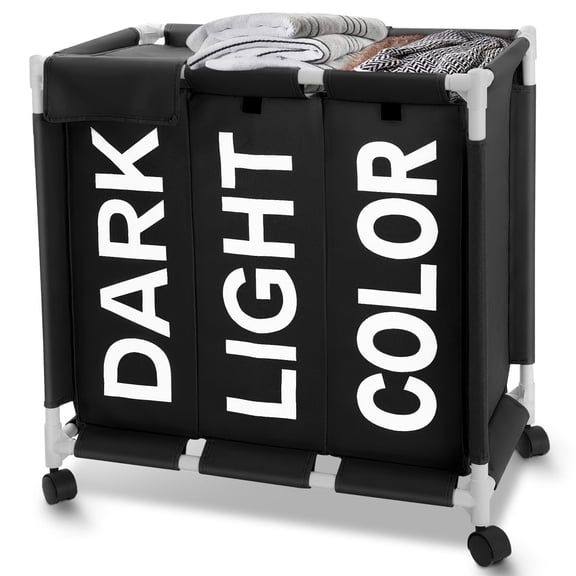




















About Laundry Sorters in Laundry Storage & Organization - Walmart.com
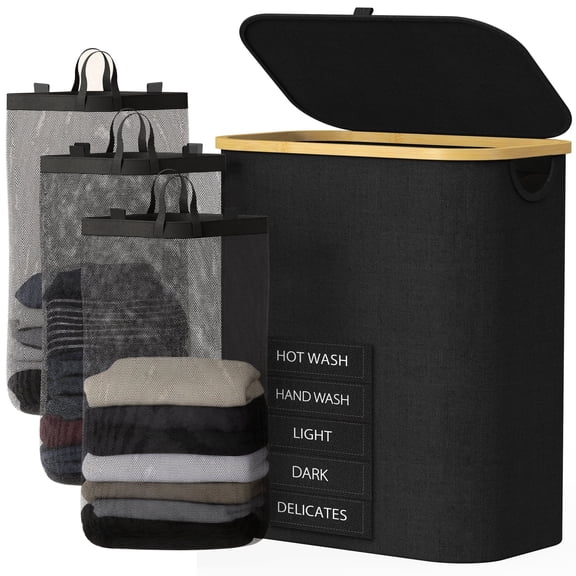
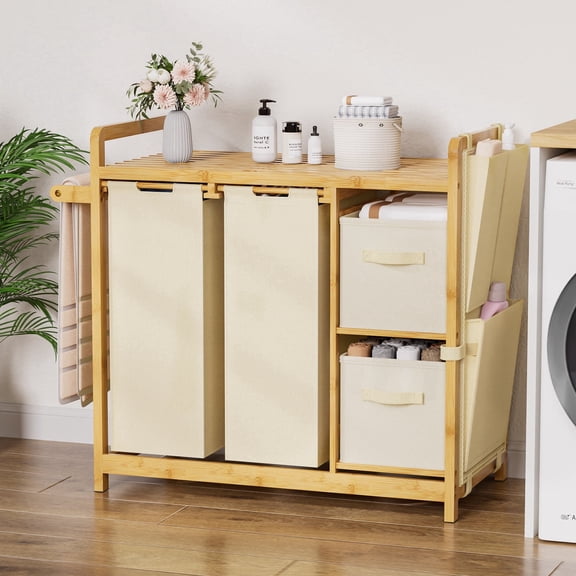
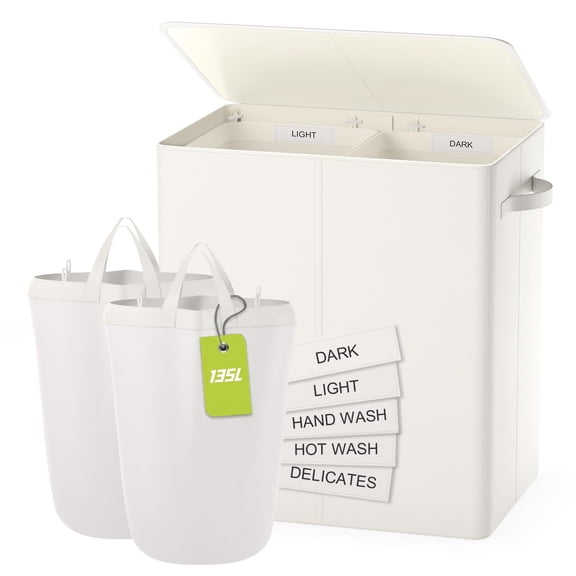
Your laundry sorter helps you separate lights, darks, and delicates before wash day starts. You can compare bag count, wheel design, and lid style when you want a setup that fits your space.
If your floor collects loose piles, you can use this guide to compare layouts that match your routine. You'll also see how a laundry sorting system adds structure, mobility, and faster transfer to the washer.
How to choose a laundry sorter
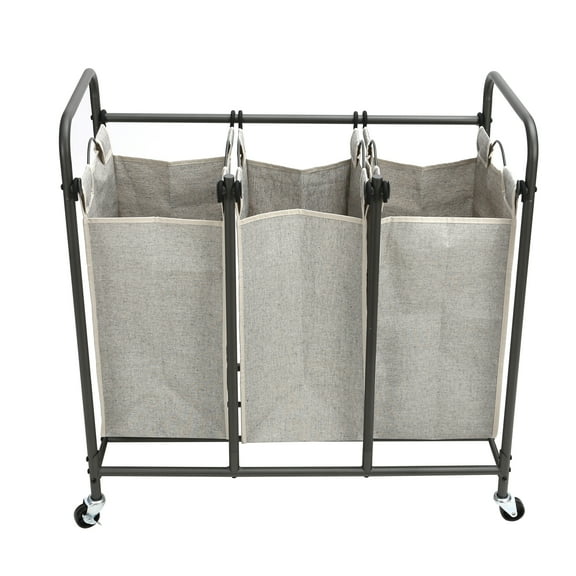
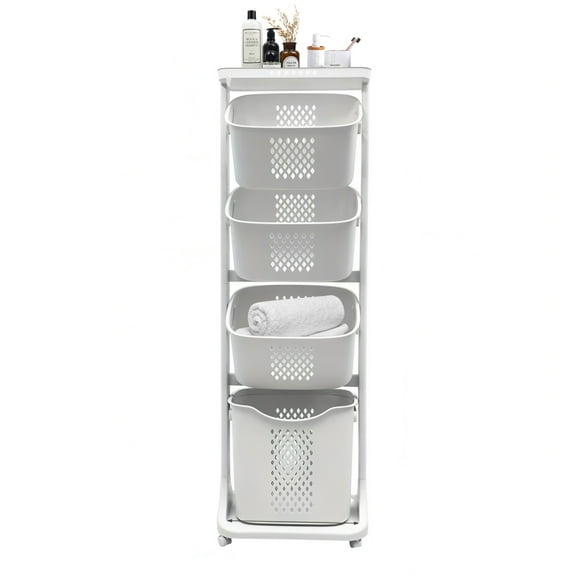
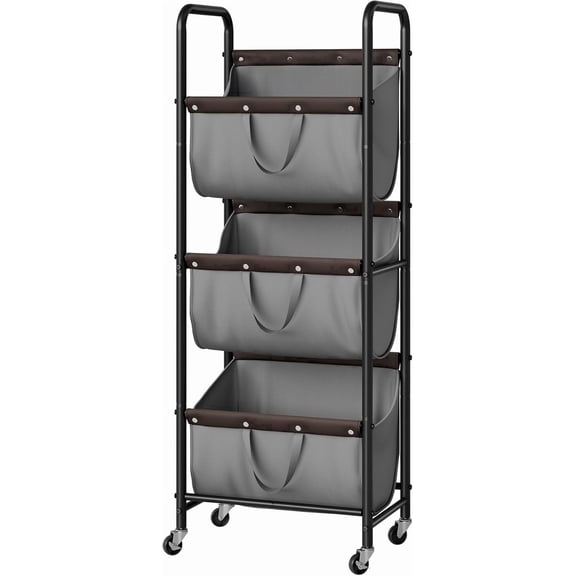
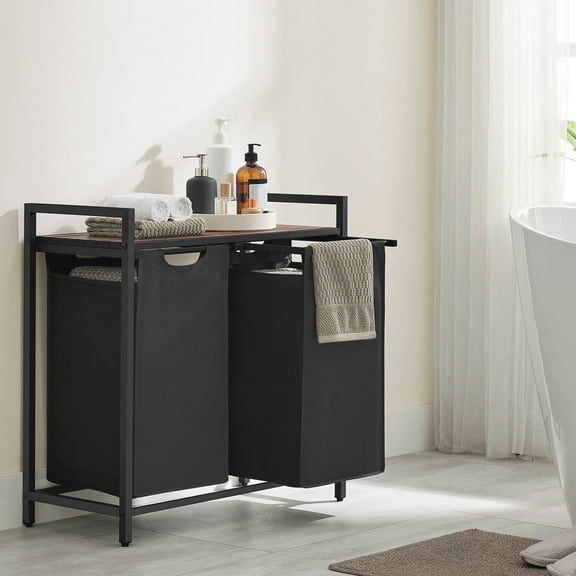
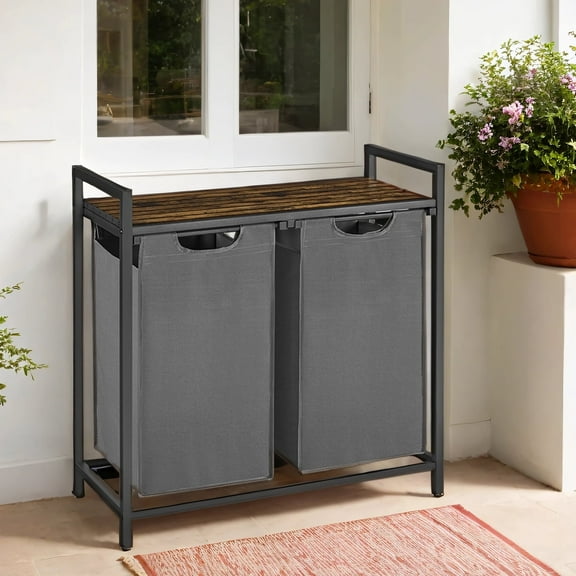
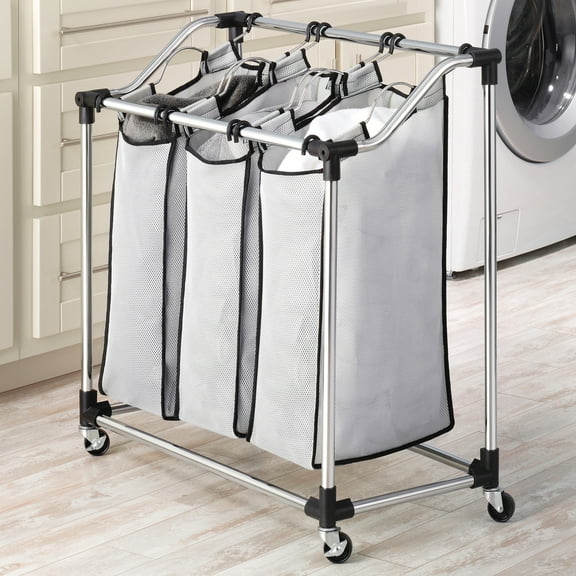
Start with compartment count, because your sorting routine usually decides the right setup first. You might prefer two-bag designs for simple separation, or choose three-bag and four-bag layouts for family loads.
Next, measure your floor space before you compare width, depth, and height. You can place a narrow unit beside a washer, while a wider frame suits a dedicated laundry room.
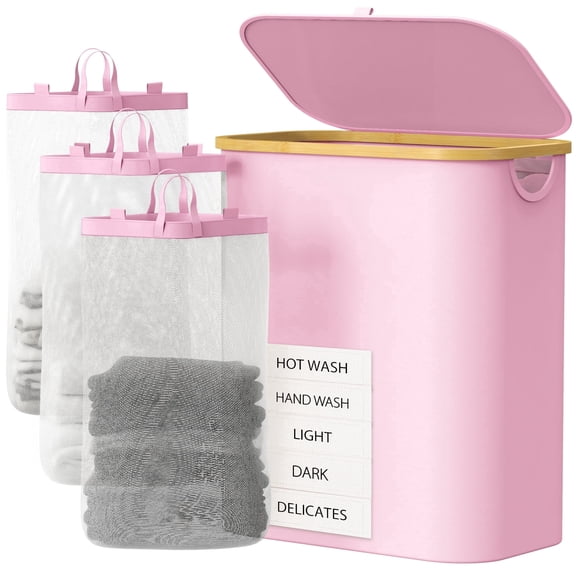
Consider lid style based on how visible you want your laundry to be. You may like open-top designs for quick drops, or choose a sorting hamper with lid for a tidier look.
- Your loads stay separated before wash day, so lights, darks, and delicates don't mix.
- Your trips to the washer feel easier when wheels or removable bags reduce carrying.
- Your laundry area looks more organized when compartments replace piles and overfilled baskets.
- Your routine moves faster when you sort clothes once instead of resorting at the washer.
Choosing the right laundry sorting system
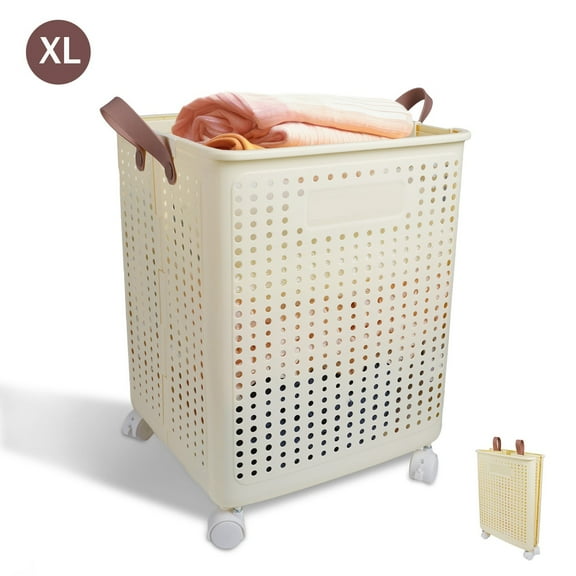
When you compare a laundry sorting system, look first at mobility and wheel design. You may want stationary frames for corners, while rolling caster wheels help you move fuller loads.
Check whether your caster wheels lock if you want the frame to stay put during loading. You'll get steadier placement on tile, laminate, or other smooth flooring with lockable wheels.
Frame construction matters when your sorter holds towels, jeans, or multiple weekly loads. You can compare heavy duty steel, plastic, and wire frame options based on stability and weight.
If you need a laundry sorter heavy duty option, compare steel tube gauge and listed load capacity in pounds. You'll use those details to judge how firmly the frame supports full bags.
Comparing laundry divider and bag options
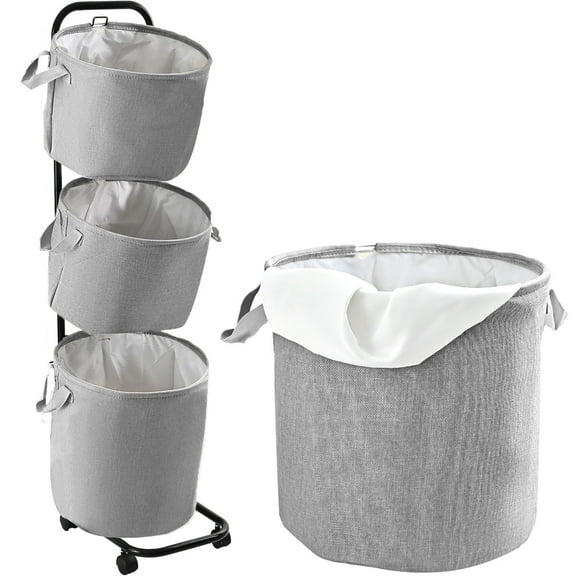
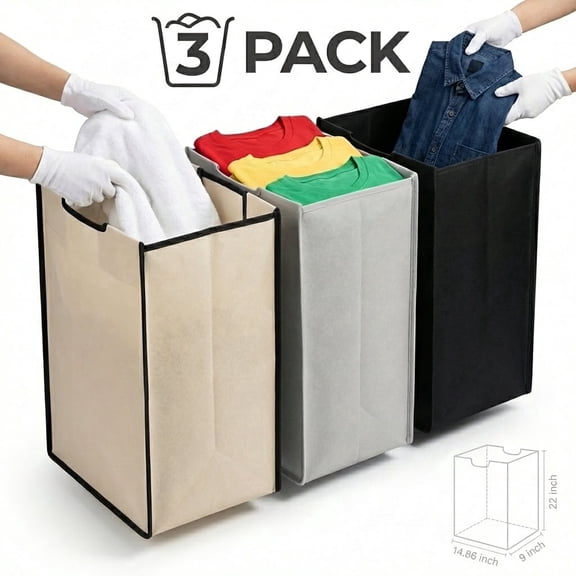
A laundry divider setup changes daily use based on section count and bag material. You can choose canvas or polyester for a softer look, mesh for airflow, or plastic baskets for firmer sides.
Removable bags make washer trips simpler when you want grab-and-go loading. You should also compare handles, hook attachments, and basket depth if your loads get heavy.
Some shoppers prefer a sorting laundry basket style because each section feels more defined. You might use that setup when you separate school clothes, workwear, and household linens.
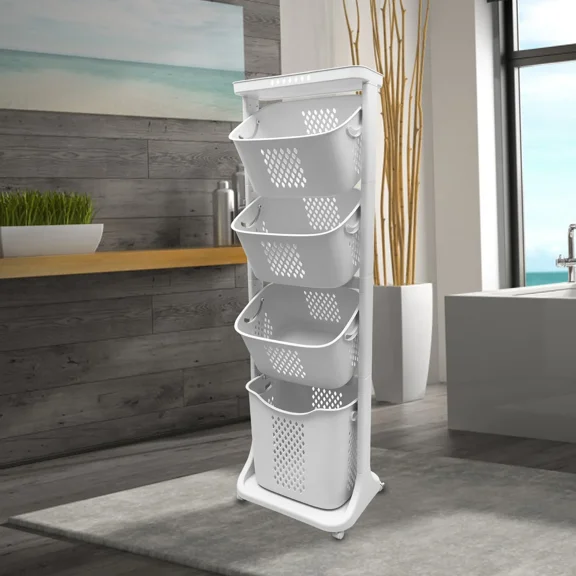
If your room is tight, compare taller frames with slimmer compartments before you decide. You can get a laundry basket separator effect without giving up too much floor space.
Choosing mobility and dimensions for daily use
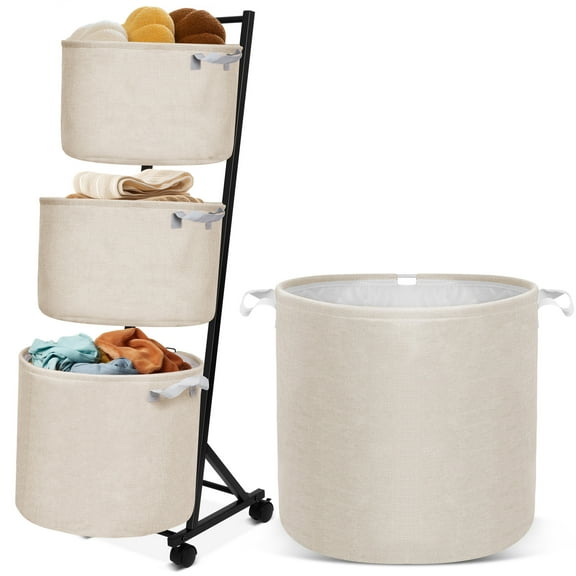
Mobility affects whether your sorter becomes part of your routine every day. You may choose a laundry sorting cart when you want one station for collecting, sorting, and moving loads.
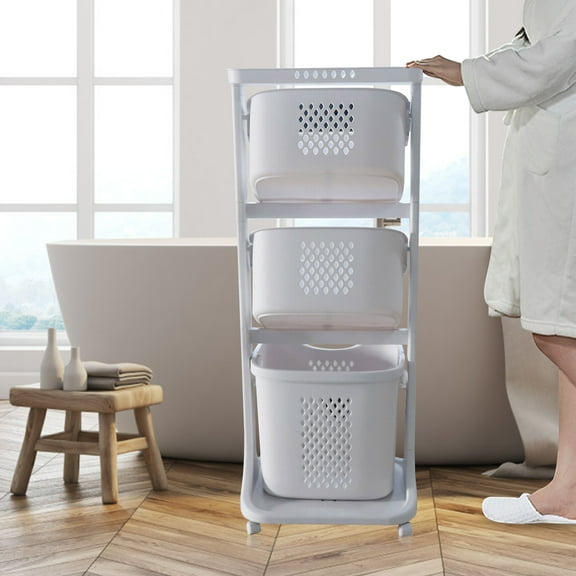
For shared homes, a laundry divider on wheels helps you keep loads grouped by person. You can roll everything to the washer in one trip and return the frame easily.
Dimensions matter as much as features because an oversized unit can crowd doors and walkways. You should measure width for wall fit, depth for clearance, and height for shelves or counters.
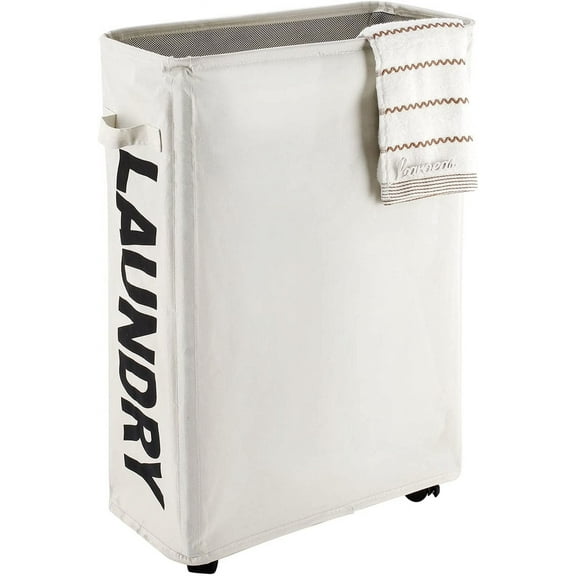
If your laundry area is small, compare frame shape as carefully as bag count. You may use a tall, narrow layout for a closet nook, or a lower frame under counters.
Matching a laundry hamper sorter to your routine
A laundry hamper sorter works differently depending on your household size and wash frequency. You might choose two-bag models for one or two people, while larger homes may need more sections.
If you sort every day, open tops and removable bags keep the process quick and visible. You may prefer lids when your sorter sits in a hallway, bedroom, or other shared area.
For heavier fabrics, compare frame joints, crossbars, and listed load capacity before you choose. You'll narrow your options faster when you match those details to towels, jeans, and weekly loads.
When you match the right footprint, compartment count, and wheel design to your room, your routine feels simpler. You'll keep laundry sorted earlier and move loads with less clutter around your space.
Your decision gets easier when you compare sorter types by space, mobility, and capacity instead of guessing. You'll end up with a laundry setup that keeps each load organized from hamper to washer.