


Home Gym Lat Pulldown Machines & Pulldown Stations














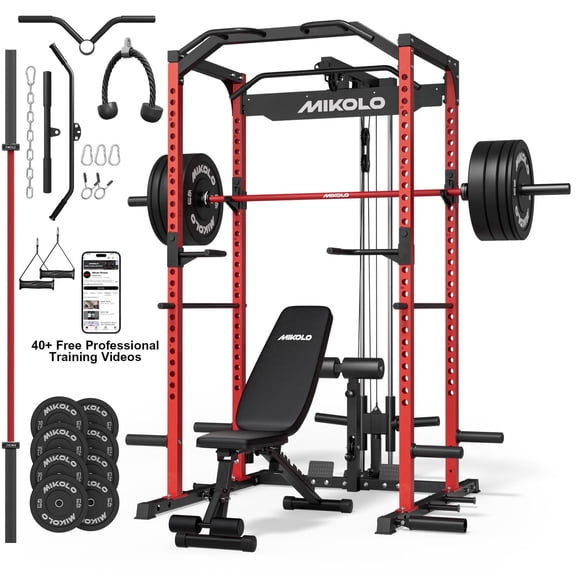


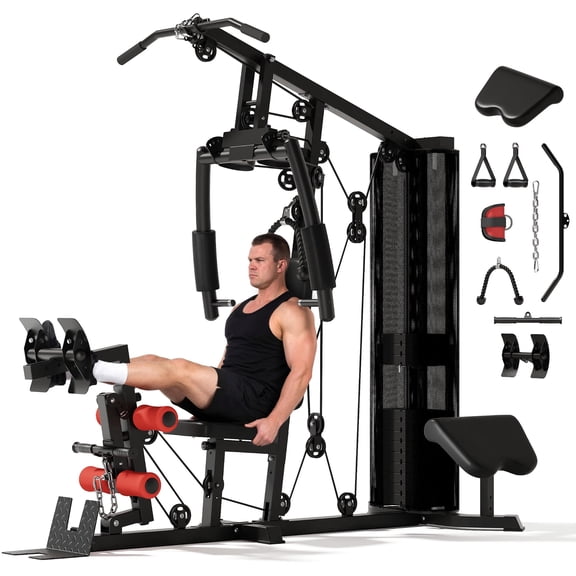
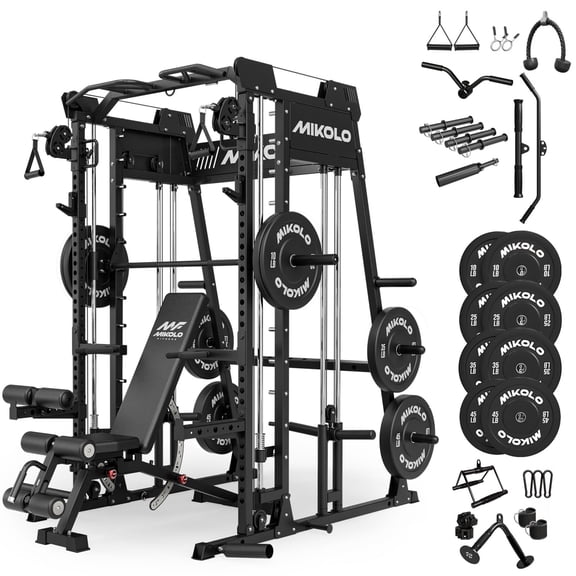
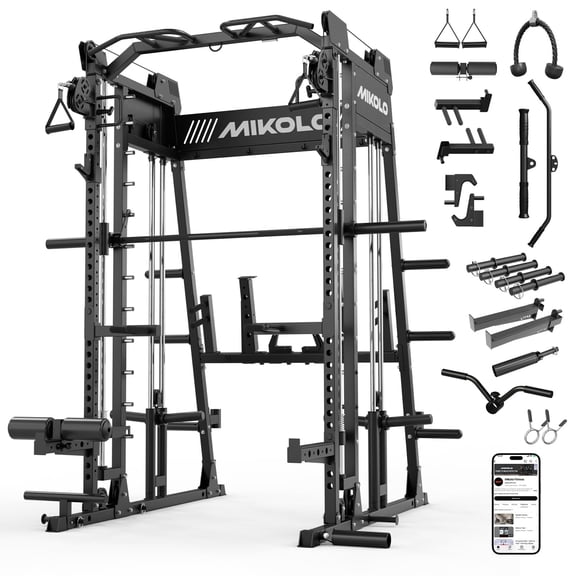


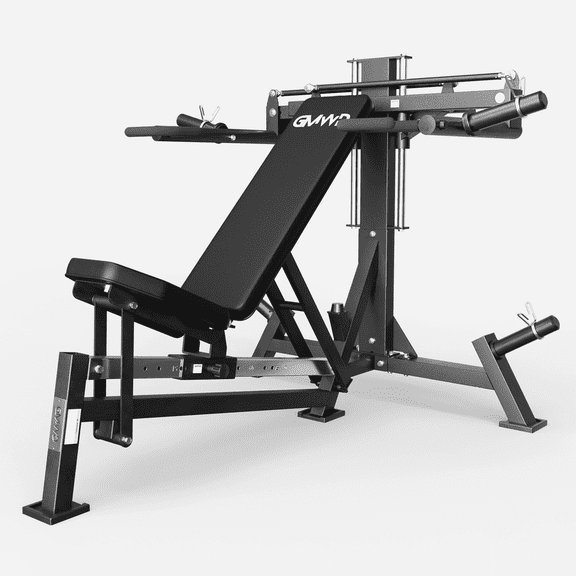
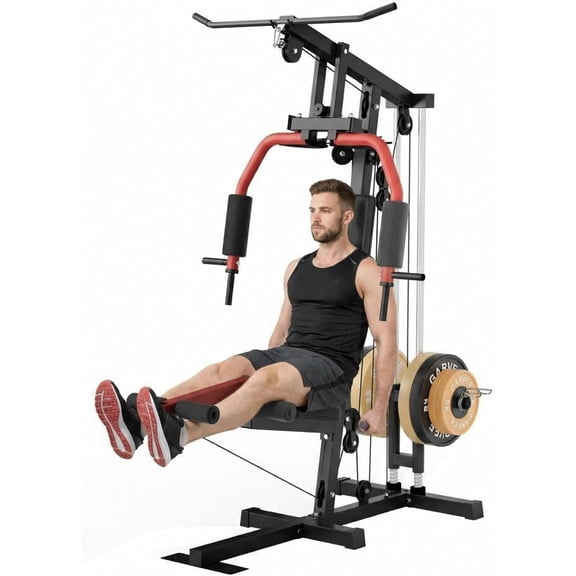

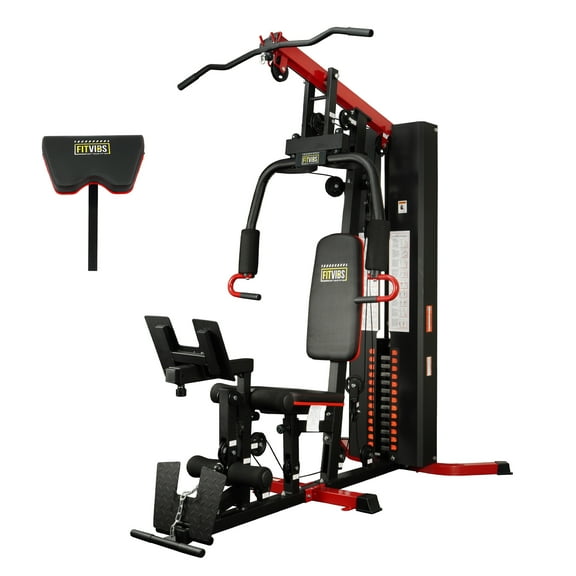


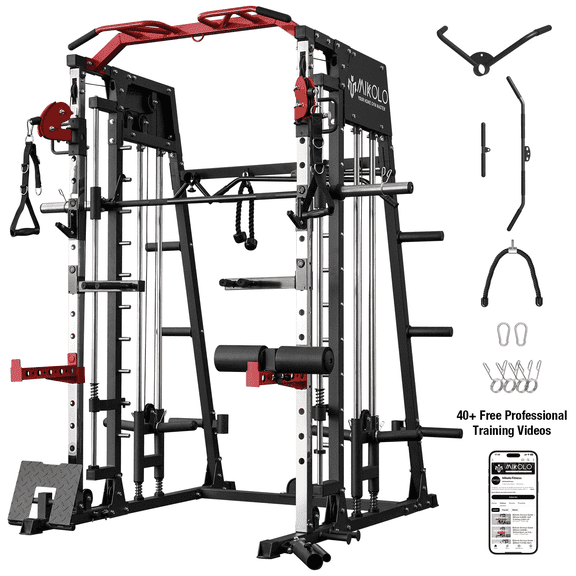





















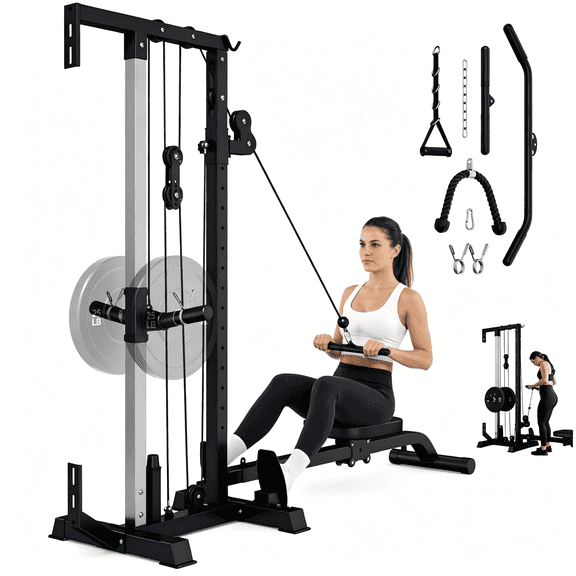


About Home Gym Lat Pulldown Machines & Pulldown Stations - Walmart.com
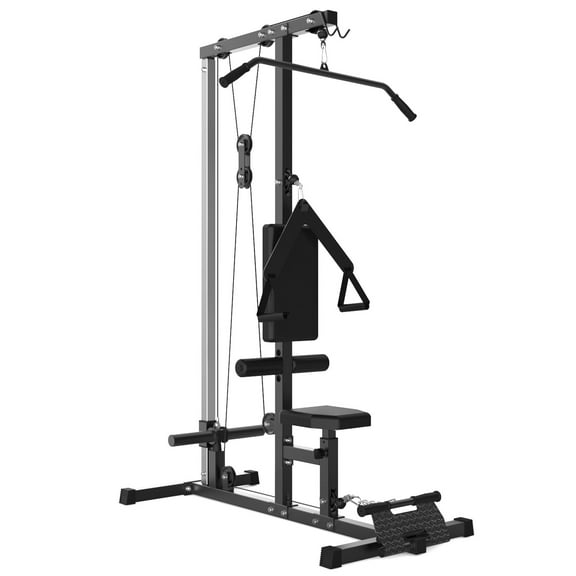
Your home gym lat pulldown machine should fit your space, match your strength level, and deliver smooth cable movement for steady training. You can compare plate-loaded towers, weight stack units, and rack attachments to build a setup that supports back work, rows, and pressdowns at home.
Choosing a home gym lat pulldown machine
When you compare a home gym lat pulldown machine, you should start with the weight system and station layout. You can narrow your options faster when you know whether you want a standalone tower, a pulldown station, or a rack-mounted add-on.
Many shoppers who search gym machines pull want a compact setup that still feels steady through each rep. You may also want a design that adds low rows and cable work without taking over your floor space.
How to compare weight system types
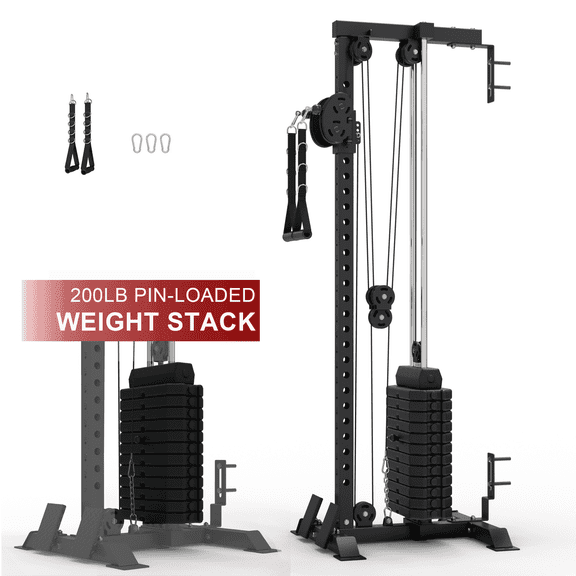
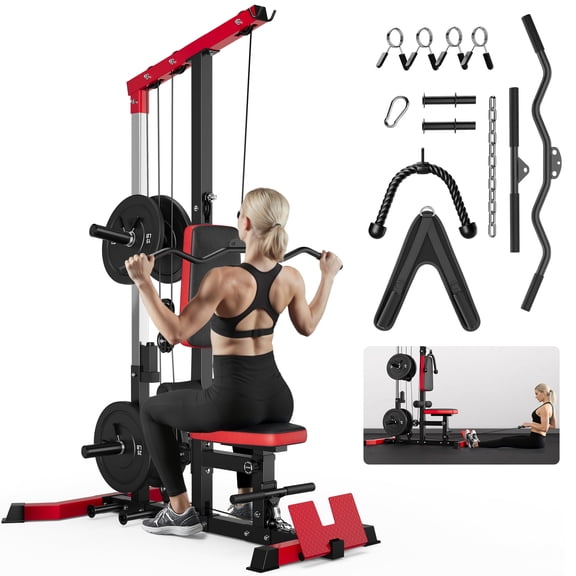
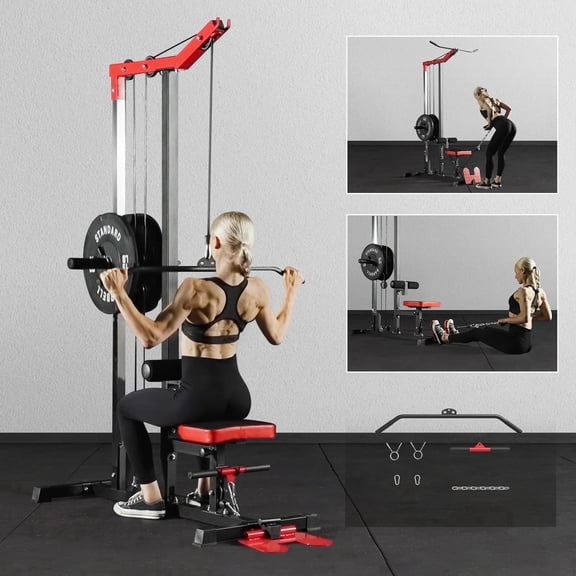
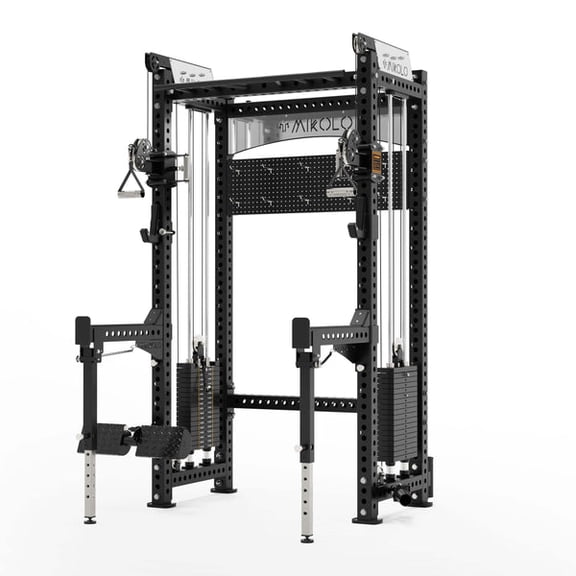
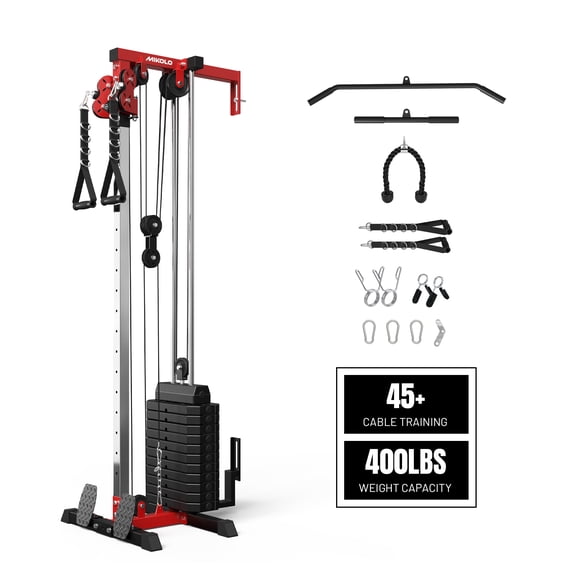
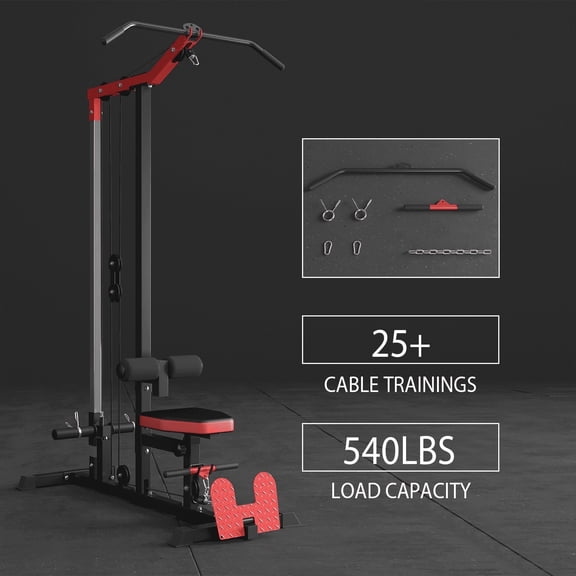
You should choose plate-loaded units if you already own plates and want room to increase resistance over time. You can choose selectorized weight stack models if you want quicker changes between sets and simpler day-to-day use.
If you want lighter resistance and easier storage, you can consider resistance band versions for smaller rooms. You should check the listed capacity, because your training style and strength level affect how much resistance you’ll actually use.
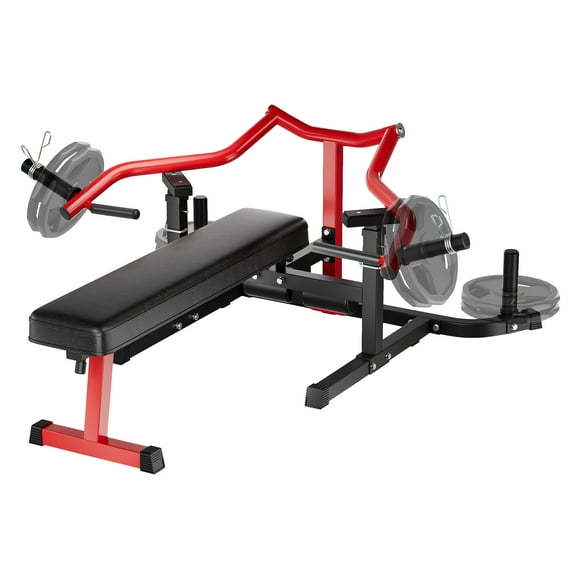
- You can use plate-loaded designs when you want flexible loading with standard weight plates.
- You can use selectorized weight stack models when you want fast pin changes and less setup.
- You can use resistance band options when you want a simpler lat pulldown machine for light home training.
- You can compare included low row parts if you want more exercises from one cable weights machine.
You should also think about how each system changes your workout flow. You may prefer a weight stack if you share your machine, while you may prefer plates if you already train with a rack.
Choosing the right pulldown station configuration
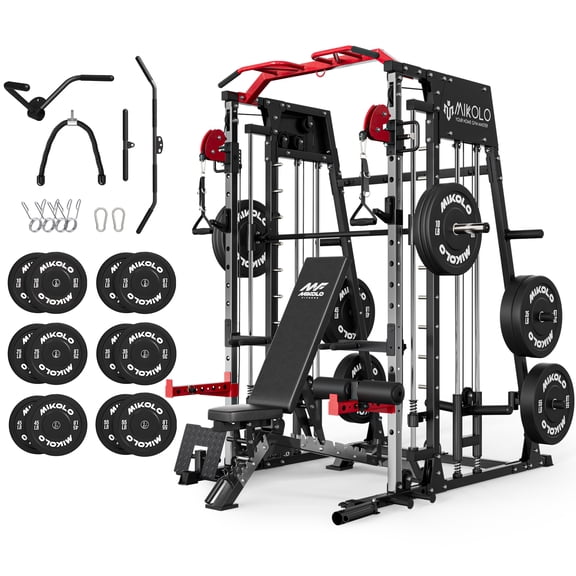
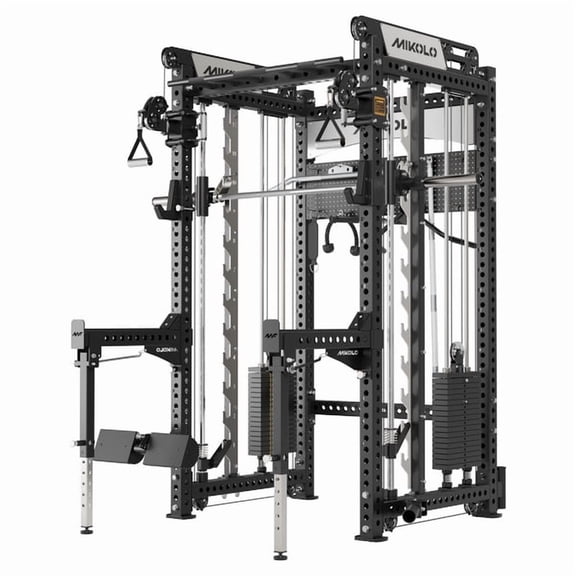
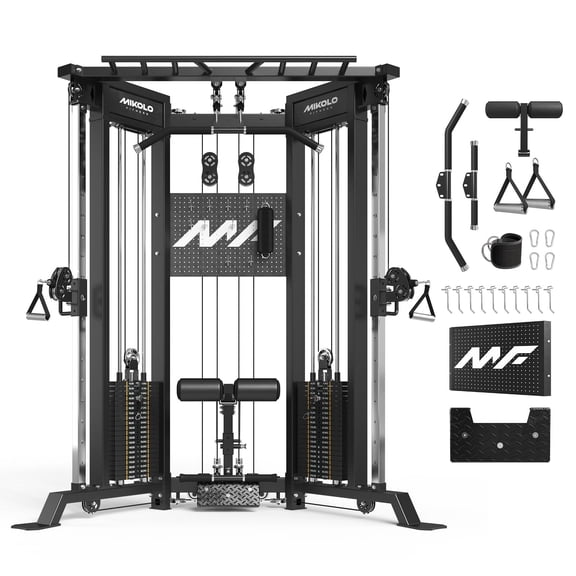
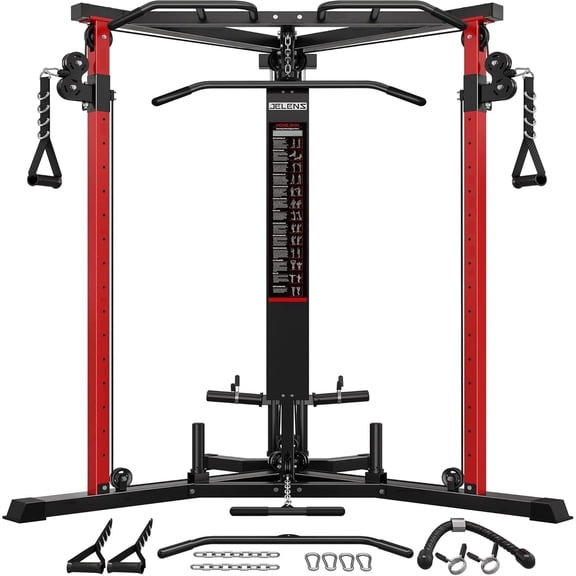
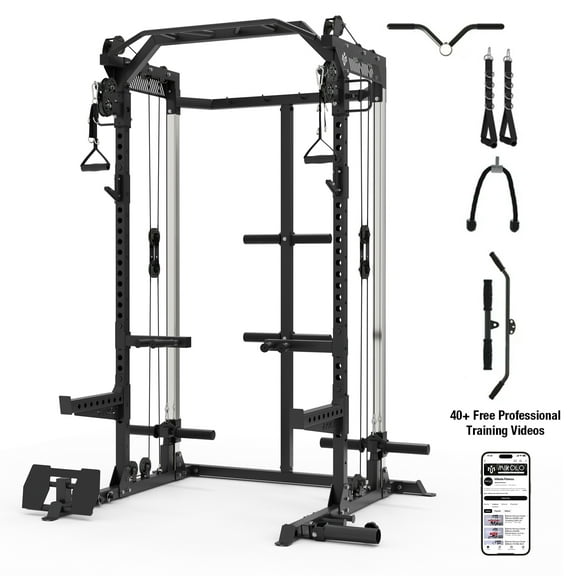
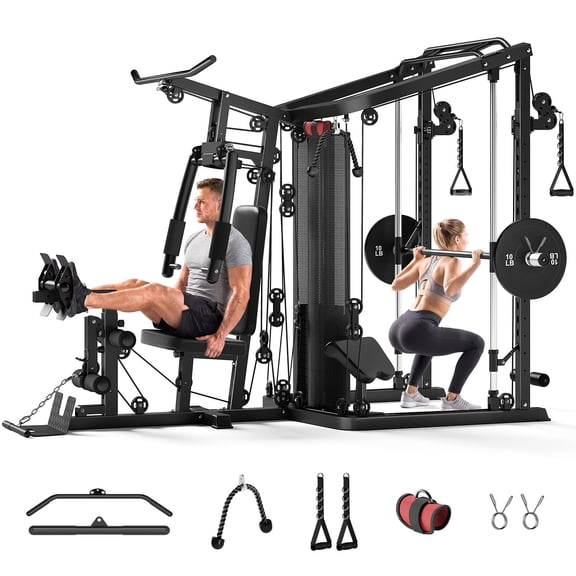
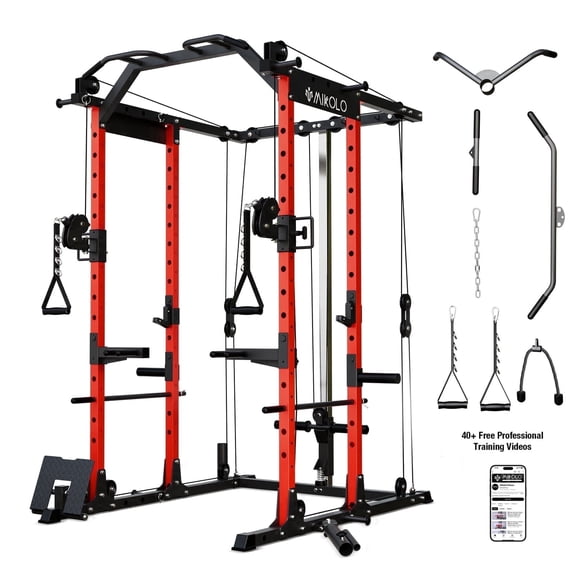
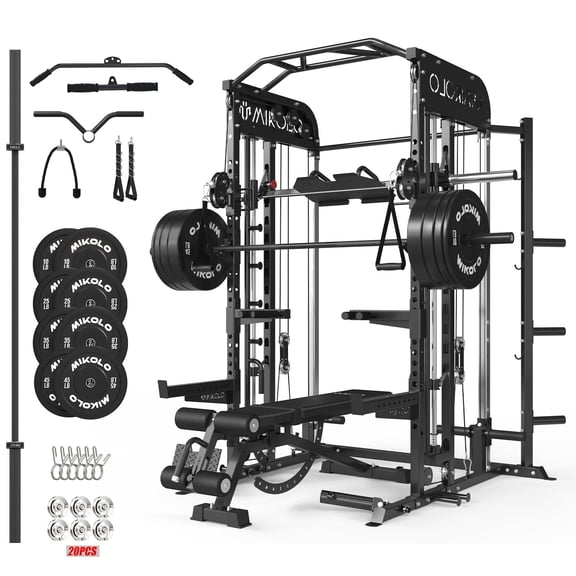
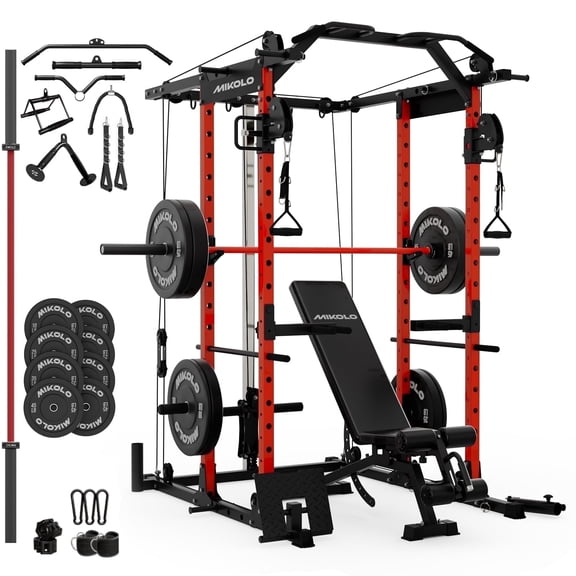
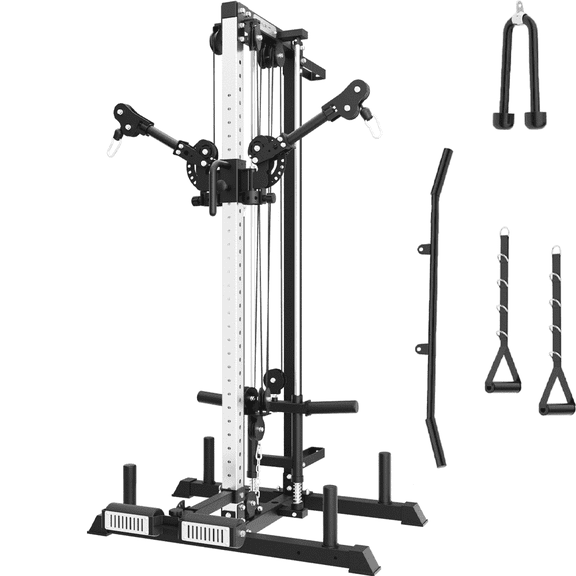
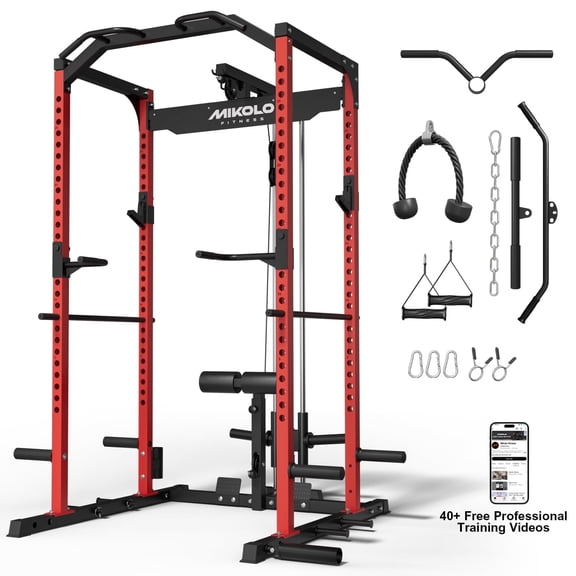
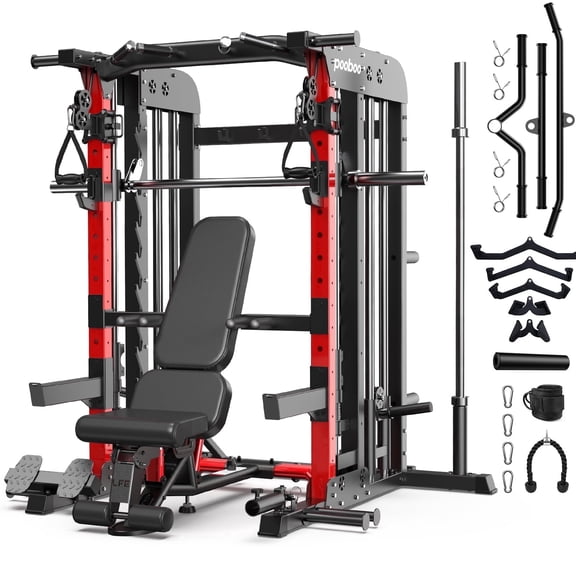
You can find a pulldown station in single-station, multi-gym combo, wall-mounted, and power rack attachment formats. You should choose based on your room layout, your current equipment, and how many exercises you want in one footprint.
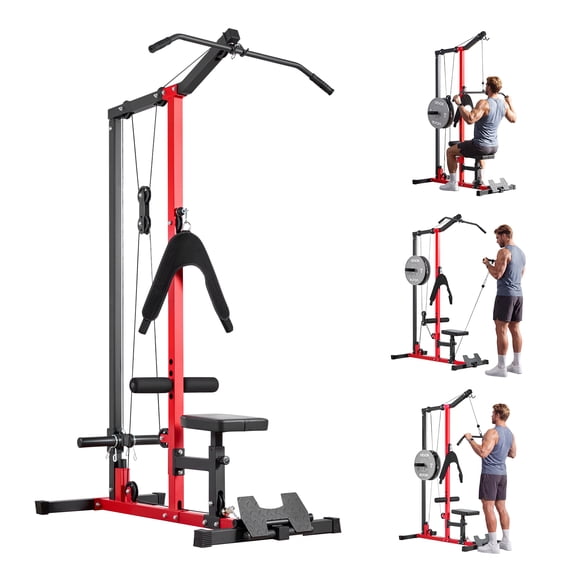
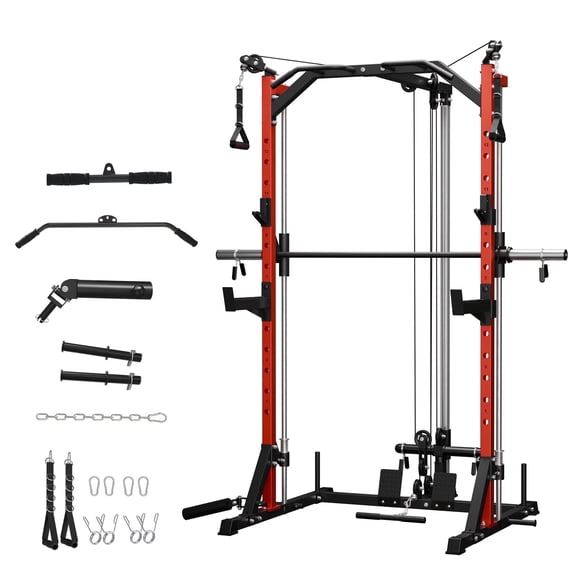
A single-station tower can suit dedicated back and arm work without extra moving parts. A multi-gym combo can give you more exercise variety, while a power rack attachment can help you use vertical space efficiently.
You should measure your floor area before you choose any station configuration. You should also check ceiling height clearance, because the upper pulley and frame height can affect where your machine fits comfortably.
What to look for in cable and pulley performance
You should compare cable and pulley details if you want smoother movement through each pull. You’ll often notice that steel cables and ball-bearing pulleys create a steadier feel during lat work and seated rows.
A one-to-one ratio usually means the resistance feels closer to the number you load or select. A two-to-one ratio can feel smoother and lighter per handle movement, which may suit controlled reps and longer cable travel.
You should read the product details for pulley ratio, cable construction, and handle path. You can use those specs to judge whether a cable machine with lat pulldown fits your training pace and resistance preferences.
Matching footprint and portability to your room
You should compare compact, folding, and heavy-duty commercial styles based on where you’ll train. You may want a compact unit for a spare room, while a folding design can help you keep open floor space between sessions.
If you’re building a dedicated setup, you may prefer a heavier frame that stays planted during hard sets. You should check width, depth, and overall height so your at home lat pulldown machine fits your layout without crowding nearby benches or racks.
You should also think about assembly and placement before delivery day. You can make setup easier when you leave room for the seat, knee pads, and the full path of the bar.
How you can use a lat pulldown machine at home
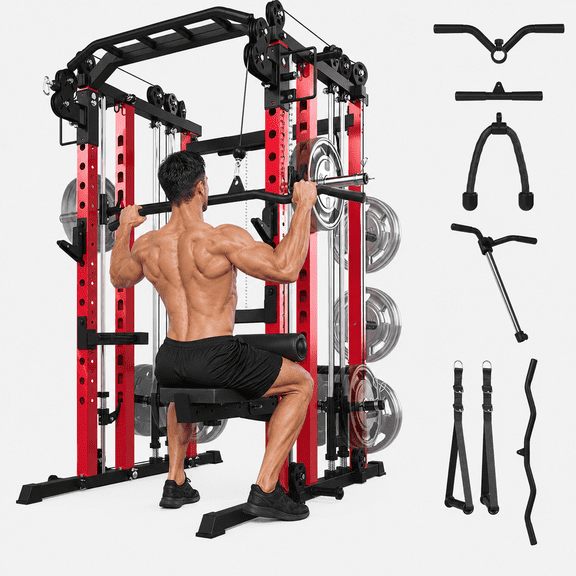
You can use a lat pulldown machine for wide-grip pulls, close-grip pulls, and controlled back training when free weights aren’t ideal. You may also use the lower pulley for seated rows, curls, and tricep pushdowns if the station includes those attachments.
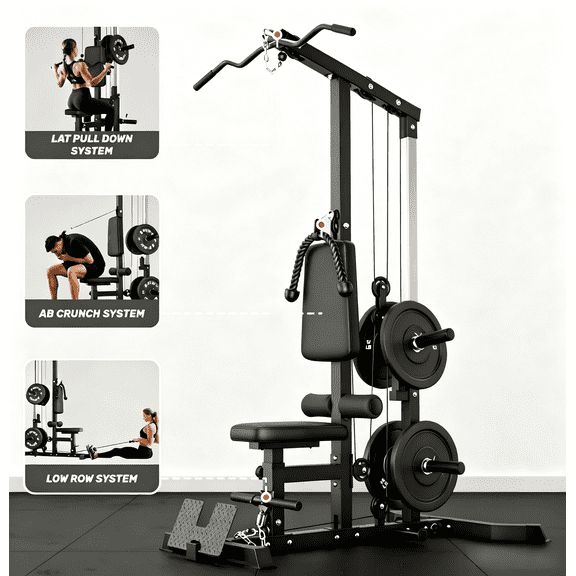
If you want one station to cover several movements, you should compare a cable machine with lat pulldown and low row capability. You can get more training variety from one machine when your setup supports multiple handle positions and attachments.
You might want a simple lat pulldown machine when you only need direct back work in a small room. You may want a broader cable weights machine when your plan includes accessory training for shoulders, arms, and upper back.
You should feel more confident when you compare weight system type, station configuration, pulley ratio, and room fit before you choose. Your setup works harder for your routine when your home gym lat pulldown machine matches your space, your strength, and your exercise goals.