

Utility Hooks in Wall Organization






















About Utility Hooks in Wall Organization - Walmart.com
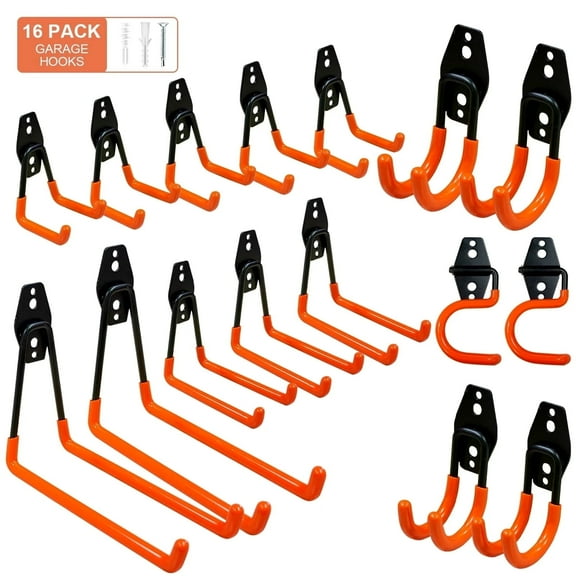
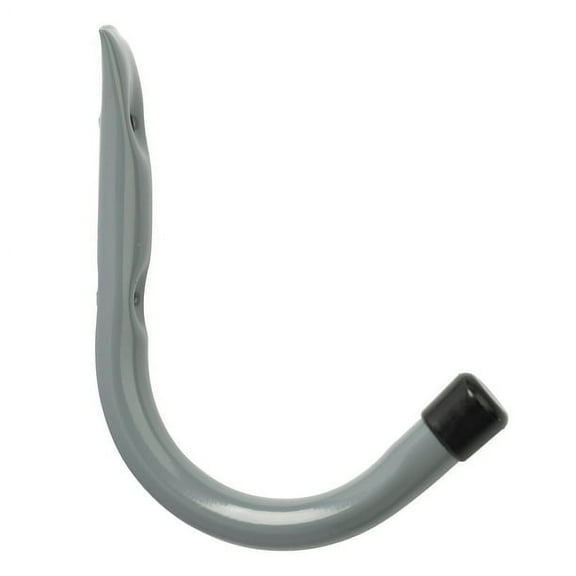
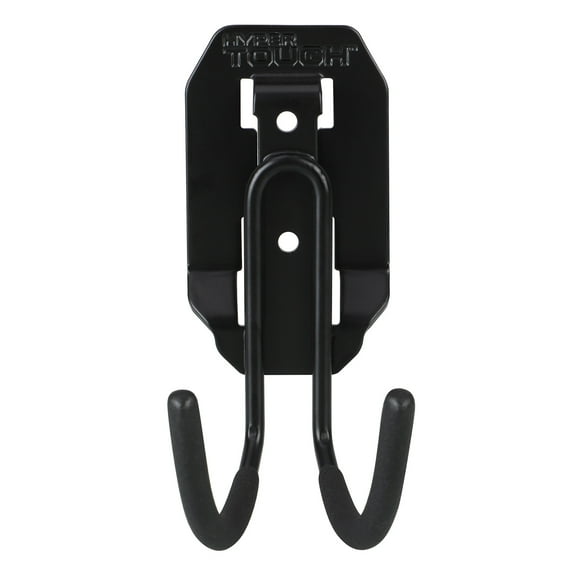
Utility hooks turn open wall space into practical storage for tools, ladders, and gear in busy garages. On Walmart.com, this category stays focused on individual hook solutions, not full rack systems. That makes it easier to add storage exactly where clutter starts. Choose styles made for garages, workshops, sheds, and utility rooms. Hang items upright, off the floor, and ready for the next project.
Plan your layout before you install. Group hooks by what you grab often and what you store seasonally. A simple row at eye level can keep daily tools in reach. Higher placement can hold long items like rakes and extension cords.
Why utility hooks work for garage organization
Wall-mounted storage reduces pileups on benches and frees floor space for carts and projects. Utility hooks also keep items visible, so you don’t rebuy tools you already own. Many garages need flexible storage that can change as hobbies change. Hooks let you adjust without rebuilding your whole setup.
Garage hooks can protect surfaces by keeping sharp edges and oily tools away from countertops. They also help keep pairs together, like hedge shears and hand pruners. When everything has a home, cleanups feel faster after weekend work. You’ll also spot missing pieces before you leave for a job.
- Clear floor space by hanging bikes, hoses, ladders, and yard tools on the wall.
- Reduce clutter on shelves by storing bulky items vertically and separating cords and chains.
- Keep grab-and-go tools visible, so your workflow stays smooth during projects.
- Create zones for sports gear, gardening, and automotive tools using simple hook rows.
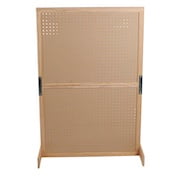
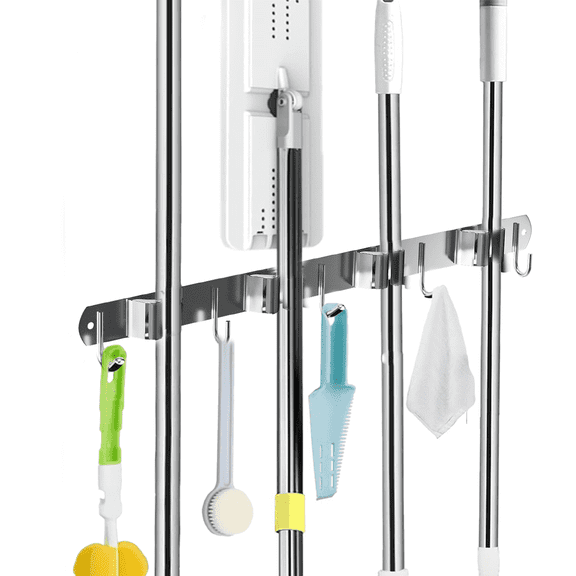
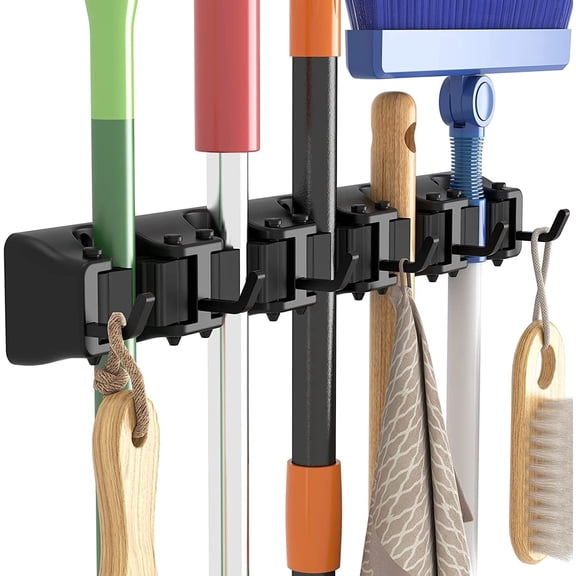
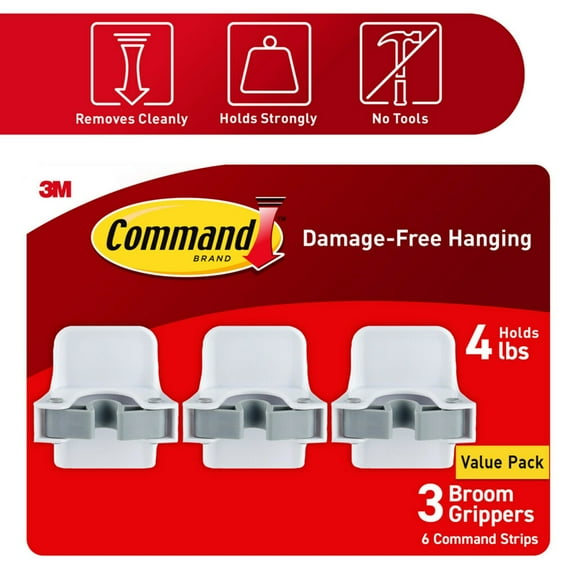
Utility hooks also help in laundry rooms and mudrooms. Use them for brooms, mops, and utility bags. In workshops, they keep clamps and hand tools organized along a pegboard strip. In basements, they can support seasonal decorations and storage totes handles.
Choosing heavy duty utility hooks for the right load
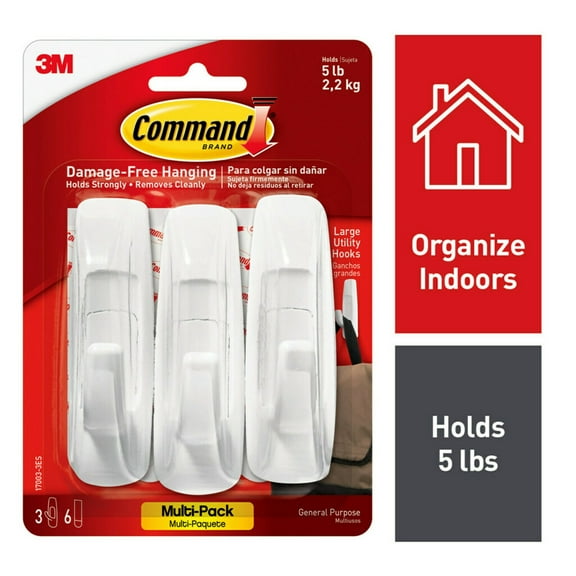
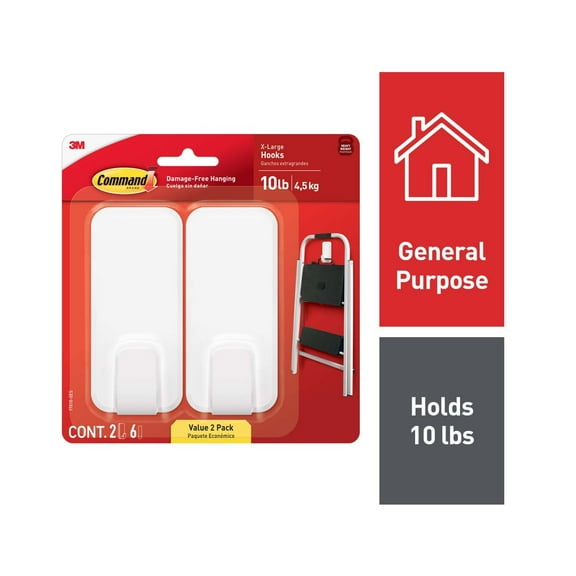
Start with the load rating listed on the package and match it to what you plan to hang. Heavy duty hooks are designed for bigger items like ladders, bikes, and power equipment. For lighter tools, smaller profiles can keep the wall tidy. When in doubt, size up to allow future changes.
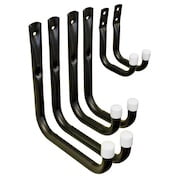
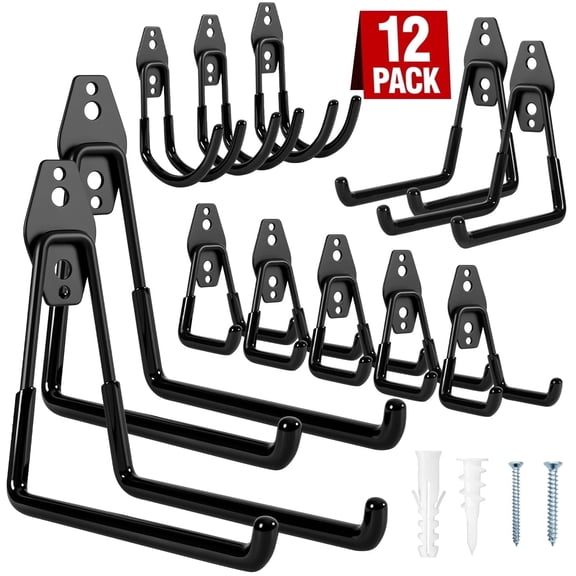
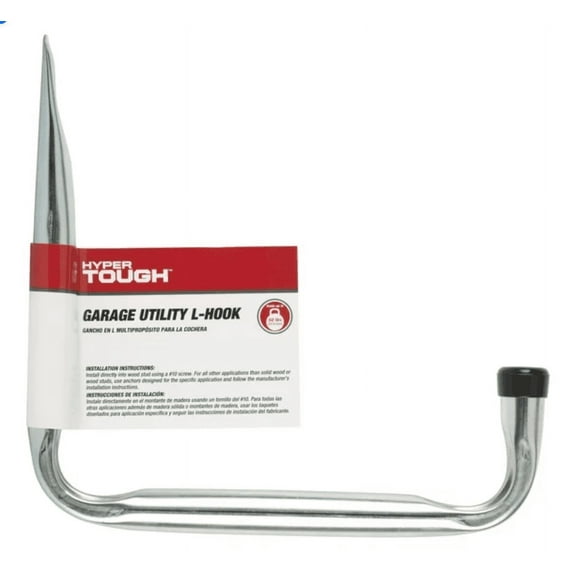
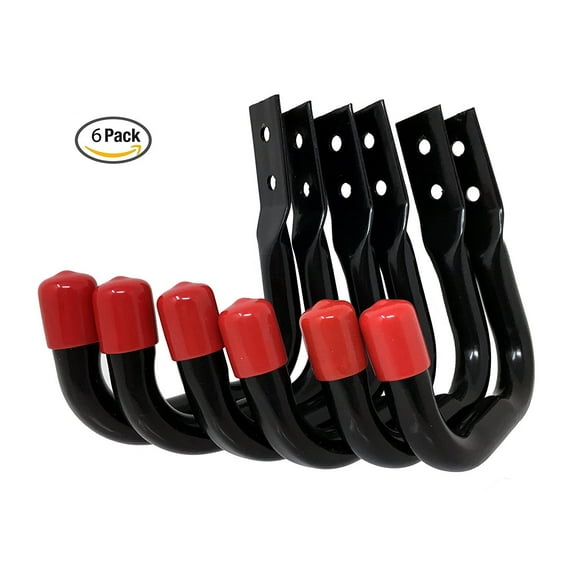
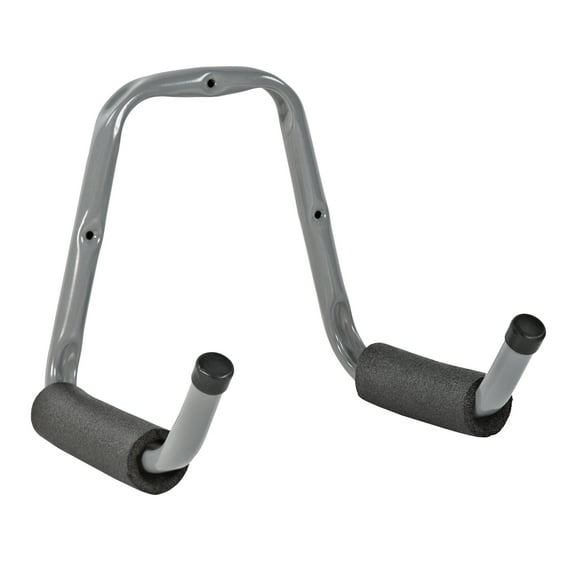
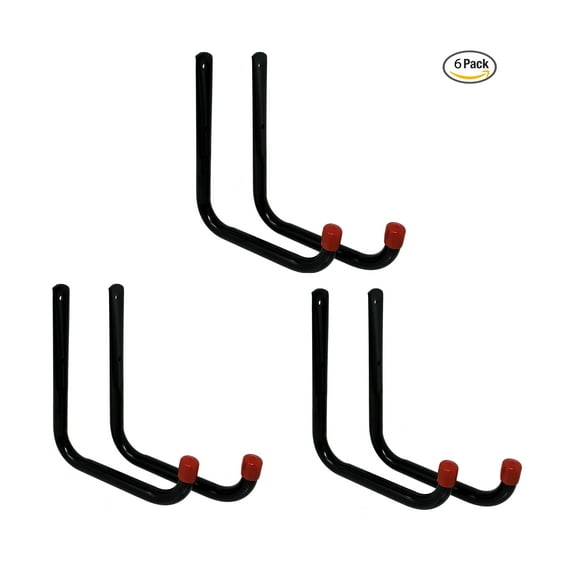
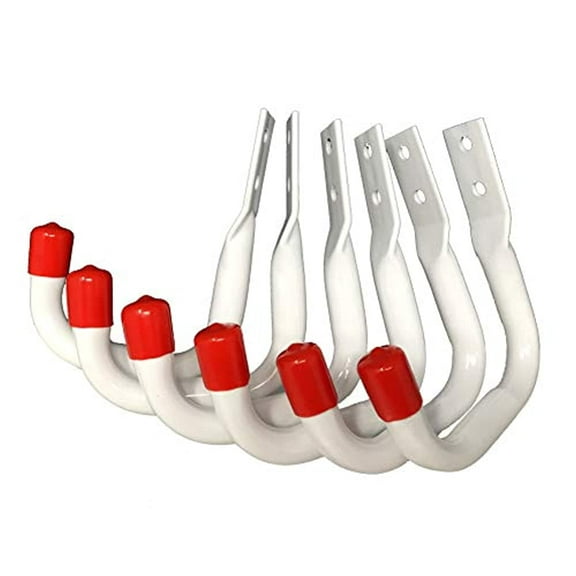
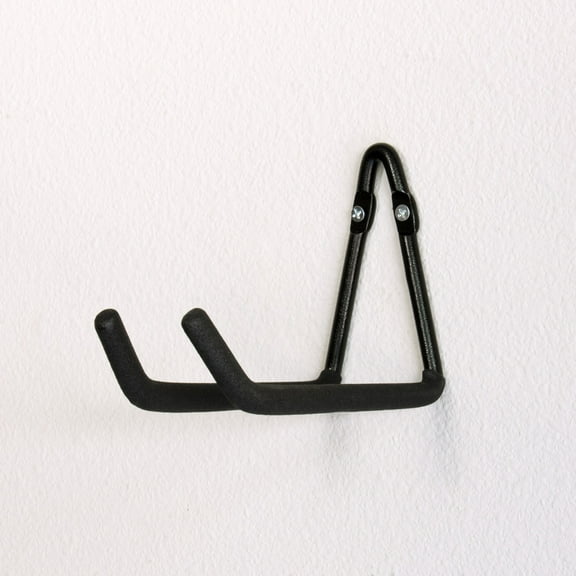
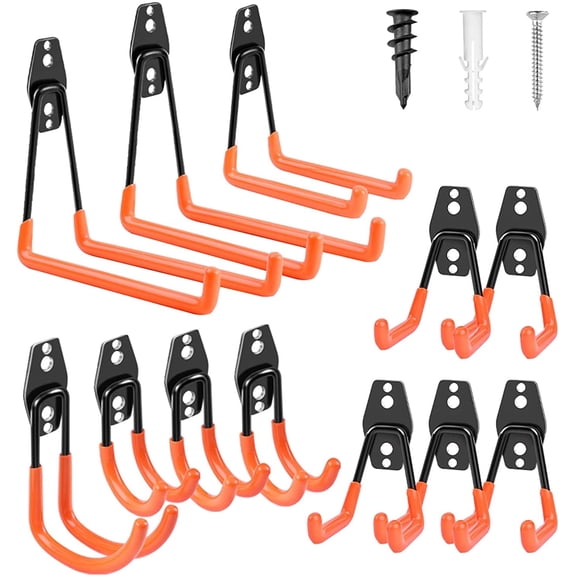
Pay attention to hook shape and coating. A wide cradle supports ladder rails and reduces pressure points. Curved ends help keep handles from slipping during quick grabs. Many garage wall hangers include vinyl or rubber coatings for extra grip. Coatings can also help reduce scuffs on painted handles.
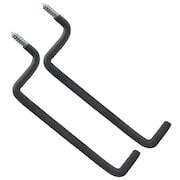
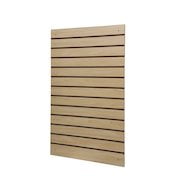
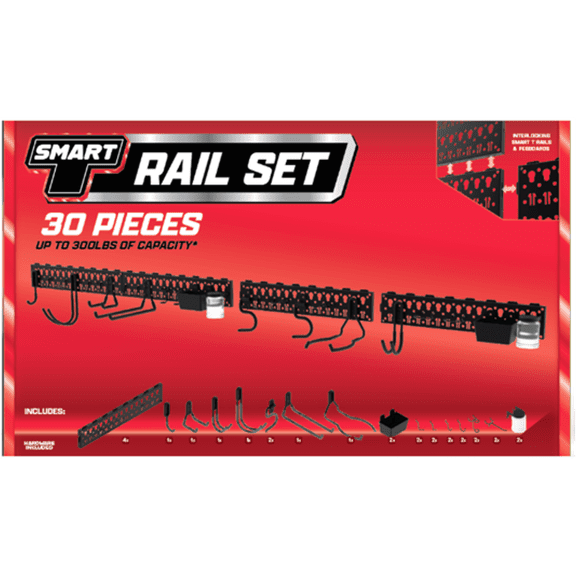
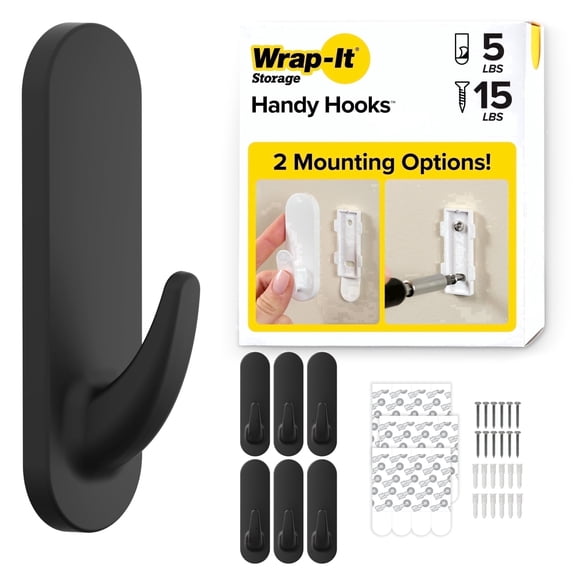
Installation style matters as much as strength. Screw-in hooks can mount into wood studs for a solid hold. Some wall mounted hooks use brackets and multiple screws to spread weight. Others are designed for pegboard or slatwall panels. Match the hook system to the wall you already have.
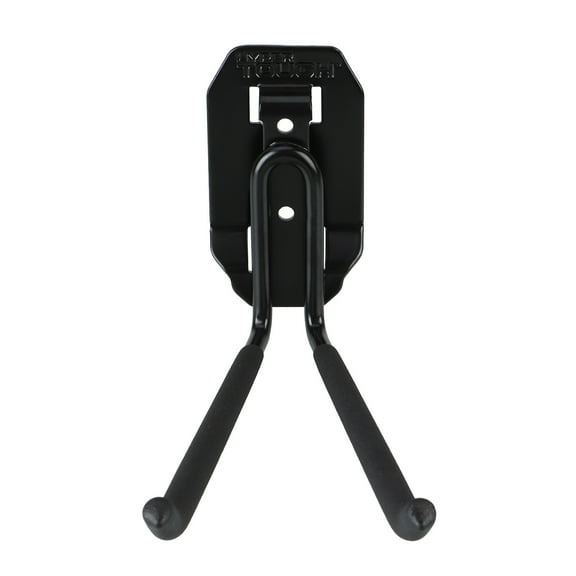
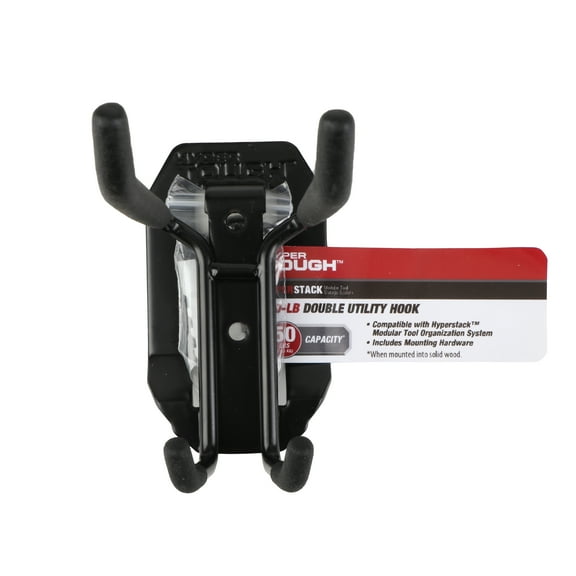
Consider spacing and clearance. Longer hooks need room so items don’t bump each other when you lift them off. Double hooks can store two tools in the footprint of one. Folding styles can sit flatter when not in use. Angled designs can hold items securely while staying easy to remove.
Garage wall hangers and surfaces to mount on
Different walls call for different hardware. Stud-mounted hooks work well for heavy items and frequent use. Drywall installations often use anchors that match the screw size and load. Concrete and block walls may need masonry hardware and a compatible bit. Always match the fastener to the surface and hook design.
Many tool hooks for garage setups are easier to install when you mark a level line first. A consistent line helps a row of hooks look clean and function better. Use a tape measure to keep spacing consistent for long items. Leaving a small gap between zones can prevent tangles with cords and hoses.
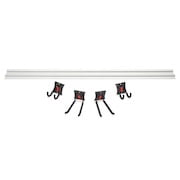
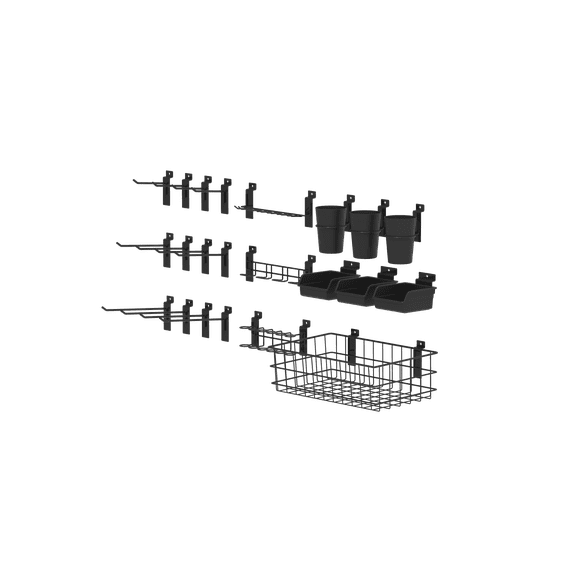
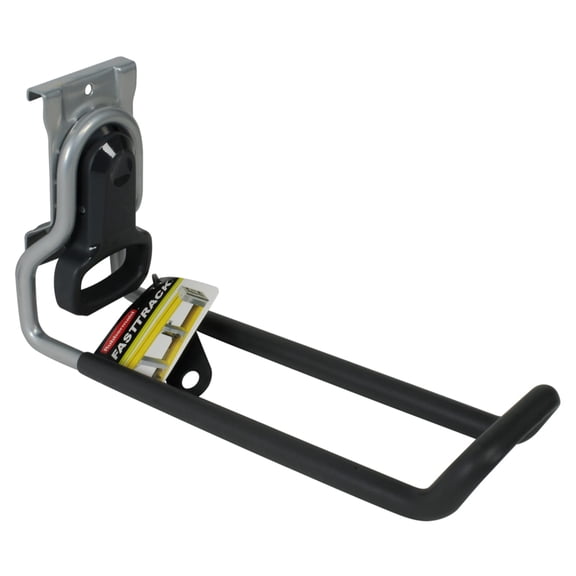
If you’re building a modular wall, hooks that fit slatwall or track systems can be repositioned. That flexibility is useful when you add new tools or switch hobbies. It also helps if you share a garage space with sports gear. You can rearrange without leaving extra holes behind.
Popular use cases for utility hooks in real spaces
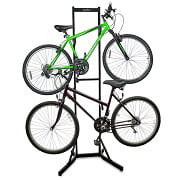
In a garage, store ladders along a side wall to keep the center bay clear. Use heavy duty hooks for the ladder rails and add a smaller hook for the stabilizer. For bikes, choose a style that supports the wheel or the frame. Place bike storage away from car doors and walk paths.
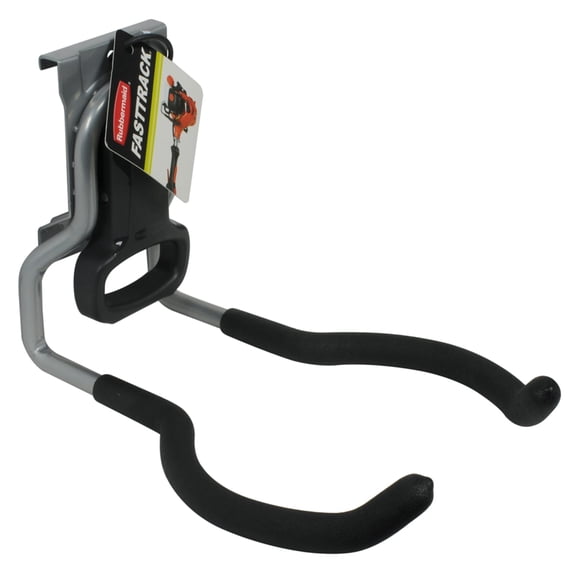
For yard work, garage storage hooks can hold rakes, shovels, and trimmers in a tight vertical lineup. Pair a wide hook for the trimmer shaft with a smaller one for the strap. Add a separate zone for extension cords to prevent tangles. A dedicated hook for a leaf blower keeps it off shelves.
For power tools, use tool hooks for garage walls to keep cases and chargers organized. Hang drill cases by their handles and keep batteries on a nearby shelf. Use short, sturdy hooks for sanders and jigsaws with built-in hand grips. Create a charging corner that keeps cords routed neatly.
In utility rooms, hooks can hold step stools, dustpans, and folding drying racks. In basements, they work well for seasonal bins, string lights, and sports bags. In sheds, hang watering cans and hand tools where you can see them. A simple hook row can turn a cramped corner into usable storage.
Finish your setup with a clean, workable wall
Utility hooks help you build storage in small steps, starting with the items that cause daily clutter. Choose the right load rating, shape, and mounting style for your wall. With a clear layout, your garage stays open for projects and parking. The payoff is faster access to the tools you use most.