

Lacquer Finish on Wood & Lacquer Paint - Walmart


























About Lacquer Finish on Wood & Lacquer Paint - Walmart - Walmart.com
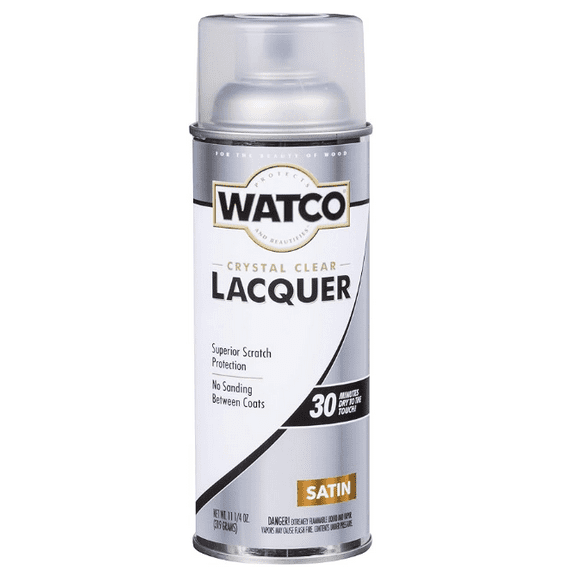
You can use lacquer to give indoor wood projects a smooth, hard finish with quick dry times and a polished look. When you compare sheen, formula, and application method, you can match your project with less guesswork.
How to choose lacquer for your project
You may shop lacquer for furniture, cabinets, musical instruments, or small wood crafts that need a refined surface. A lacquer wood finish usually builds fast, so you can move through coats without long waits between steps.
Because this category includes several formulas, you should compare dry time, clarity, and application style before you start. You can also narrow options by the look you want, from gloss shine to a softer matte surface.
Why lacquer works for indoor wood surfaces
You’ll often choose lacquer when you want a finish that levels smoothly and highlights wood grain with clear visual depth. You can use it on detailed trim and carved edges where a heavy coating may hide fine lines.
Another key benefit is speed during multi-coat projects, especially when you’re finishing shelves, side tables, or cabinet doors. You can keep your project moving because many lacquer formulas dry quickly compared to traditional varnishes.
You’ll also have options for the final appearance, which helps you coordinate with modern, classic, or workshop-built pieces. Your finish can look bright and reflective, softly satin, or more understated with a matte effect.
- You can build a smooth finish quickly on indoor wood projects.
- You can choose gloss, semi-gloss, satin, or matte for your preferred look.
- You can match spray or brush application to your tools and experience.
- You can compare acrylic, nitrocellulose, and water-based formulas by clarity and dry time.
Choosing the right clear lacquer finish
You should start with sheen because it changes how your wood surface looks in the room. If you want bold reflection on cabinets or decor pieces, you may prefer a clear lacquer finish with gloss.
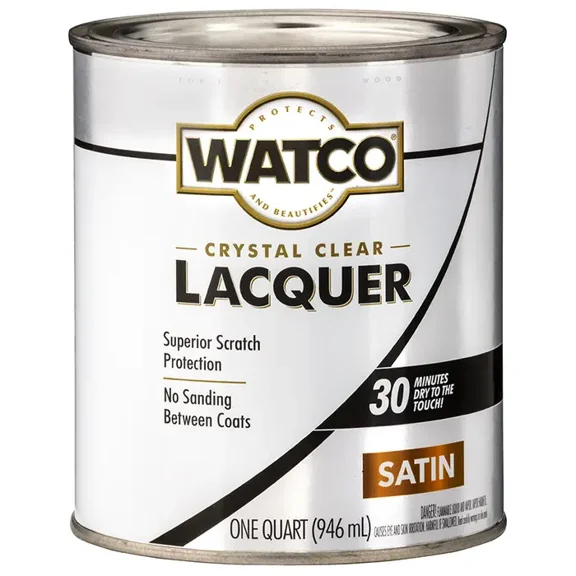
If you want a softer appearance, you can consider semi-gloss or satin for furniture with visible grain and everyday styling. When you want muted reflection, you can look at matte for wood crafts and understated pieces.
You should also compare how clear the finish stays over time, especially on pale woods. If your project uses maple, birch, or white-toned surfaces, you may prefer acrylic lacquer for a clearer appearance.
Nitrocellulose lacquer can appeal when you want very quick dry times and a classic finishing approach on indoor wood. You should check whether slight ambering matters for your wood color and your desired final tone.
Water-based options can help you choose a lacquer with a lower-odor application experience for indoor projects. You may notice they often take longer to fully cure, so your timeline should guide your choice.
Choosing between wood lacquer spray and brush on lacquer
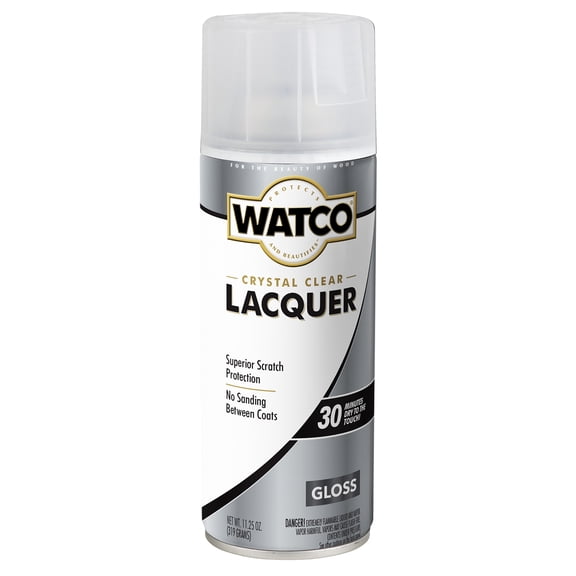
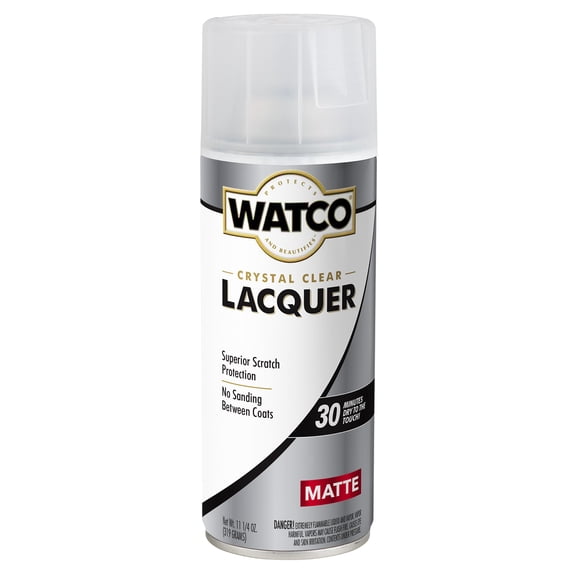
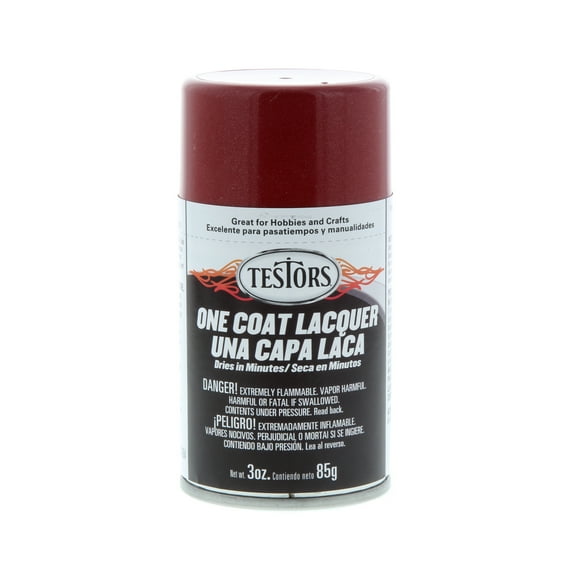
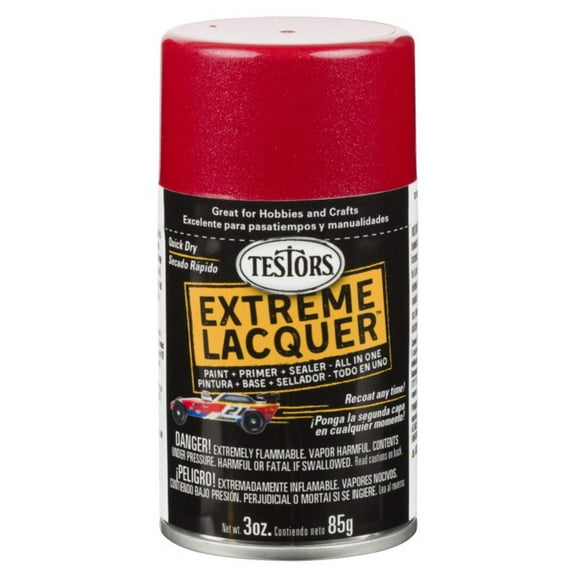
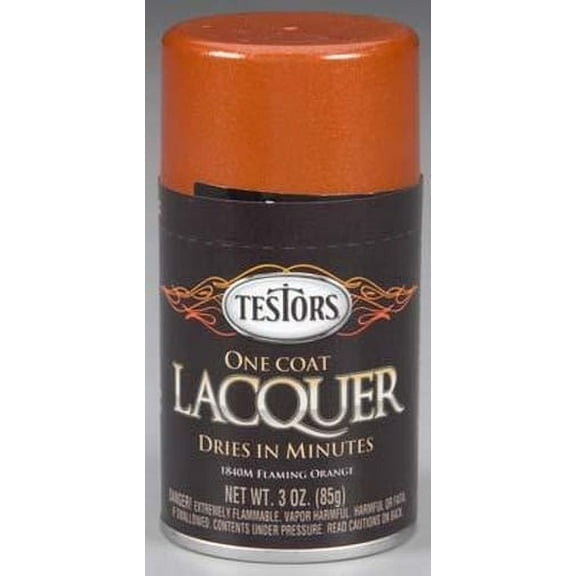
You should compare your tools before choosing between wood lacquer spray, brush on lacquer, or spray gun formulas. If you want convenience for smaller jobs, you may prefer spray aerosol options that cover edges and corners easily.
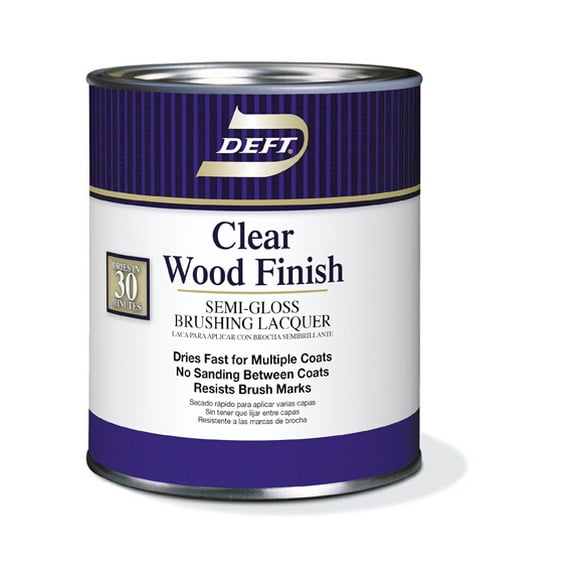
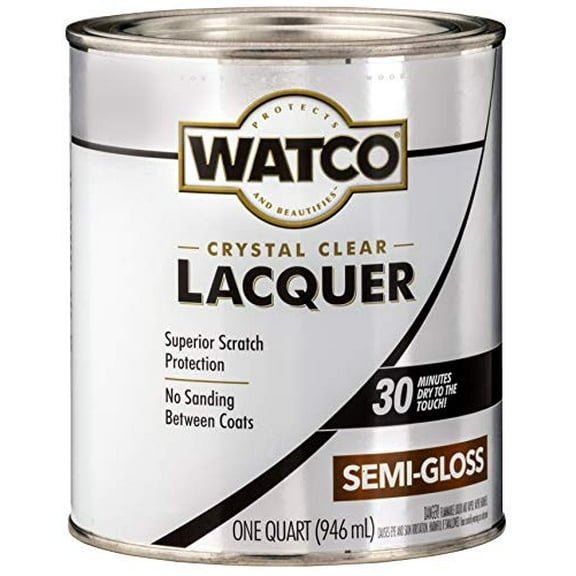
When you need more control on flat panels or trim, you may like brush on lacquer for steady, guided application. You should check the label so your chosen formula matches brushing instead of spray-only use.
If you’re finishing multiple cabinet doors or larger furniture pieces, you may consider a spray gun formula for broader coverage. You’ll want to compare whether your setup supports HVLP or another sprayer style before you begin.
Your equipment choice also affects the finish look on detailed surfaces and broad panels. You can often get into spindle backs, routed edges, and narrow frames more easily with a wood lacquer spray format.
Comparing acrylic, nitrocellulose, and water-based lacquer
You can use acrylic lacquer when you want a clear look that helps lighter woods keep their original color character. If yellowing is a concern for your project, you should compare acrylic formulas first.
You may choose nitrocellulose lacquer when your priority is very quick drying between coats on indoor pieces. If your workspace supports strong airflow, you can move through furniture finishing steps with less waiting.
You can look at water-based lacquer when you want simple cleanup and a lower-odor finishing experience. Because cure time can run longer, you should plan extra time before regular use of the finished piece.
Your decision often comes down to balancing speed, clarity, and application style for your project. If you want a clearer appearance on light wood, you may lean acrylic, while fast-paced work may point to nitrocellulose.
How to match lacquer to furniture, cabinets, and crafts
You can use gloss lacquer on decorative furniture when you want a crisp shine that reflects light across the surface. Satin or semi-gloss often fits cabinets because you get polish without an overly reflective look.
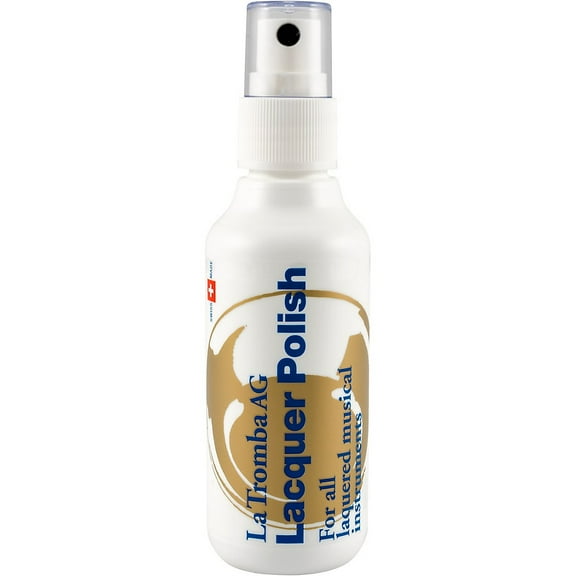
For musical instruments, you may focus on a smooth finish that keeps detail visible and coats building evenly. You should compare formula type and application method carefully because smaller curves can favor spray application.
If you’re finishing wood crafts, you may want a clear coat that dries quickly and doesn’t overwhelm small details. A brush on lacquer can work for touchups, while aerosol spray may help you reach tight corners.
When your project includes cabinet frames, chair spindles, or turned legs, you should consider how the finish reaches narrow areas. You can often choose a format that matches both the project shape and your finishing routine.
You’ll get more predictable results when you compare sheen, formula, and application equipment before opening the can. With the right lacquer, you can give indoor wood projects a smooth, clear finish that suits your space.