

Kombucha in Juices



















About Kombucha in Juices - Walmart.com
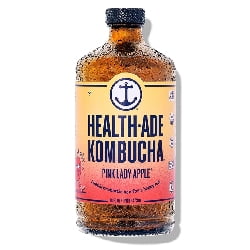
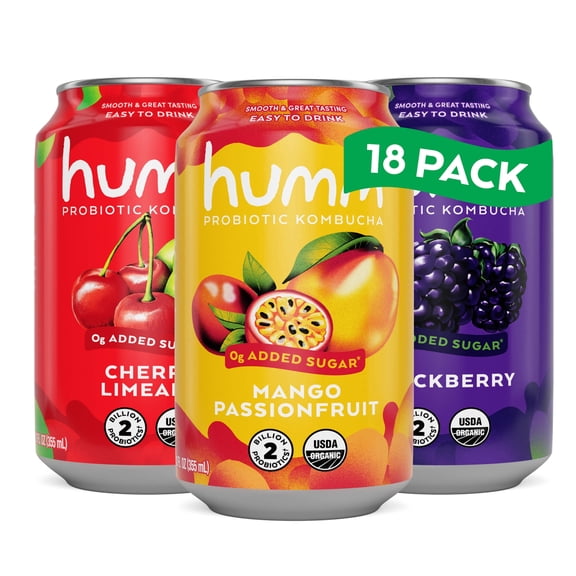
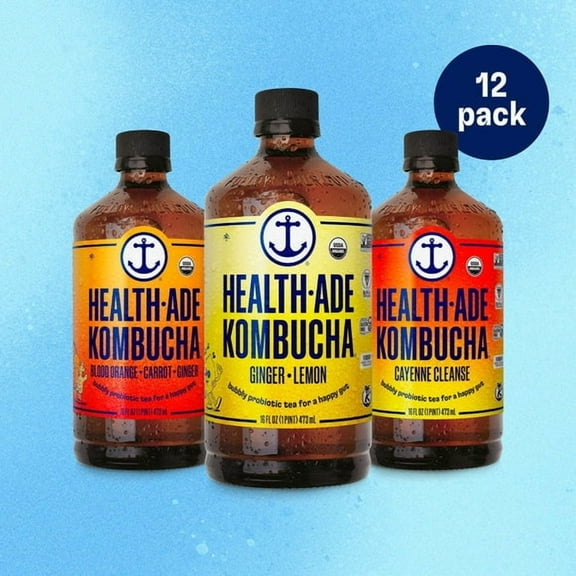
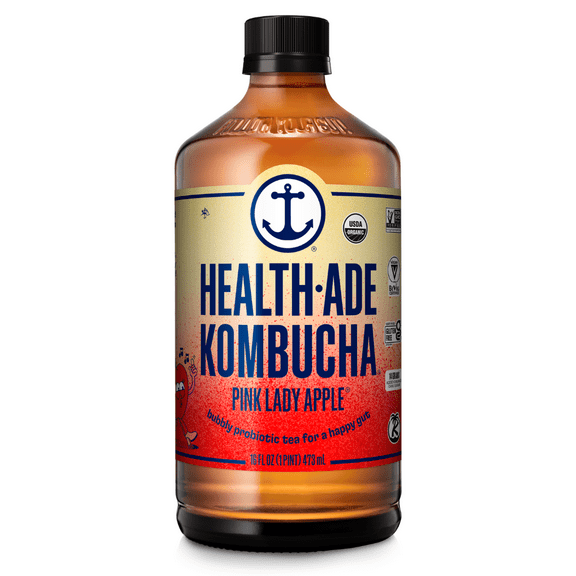
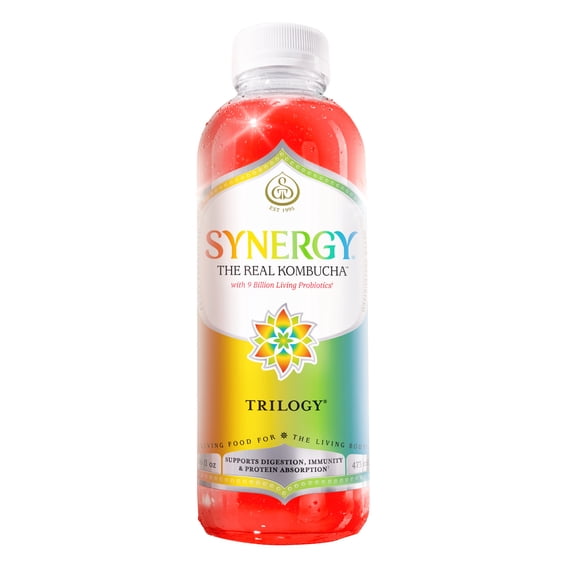
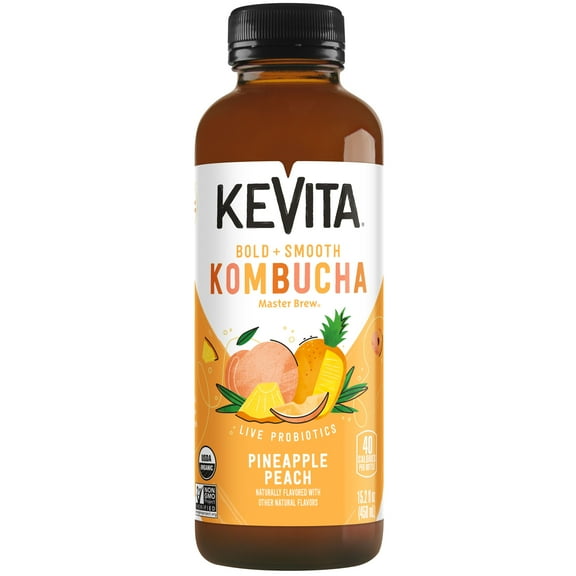
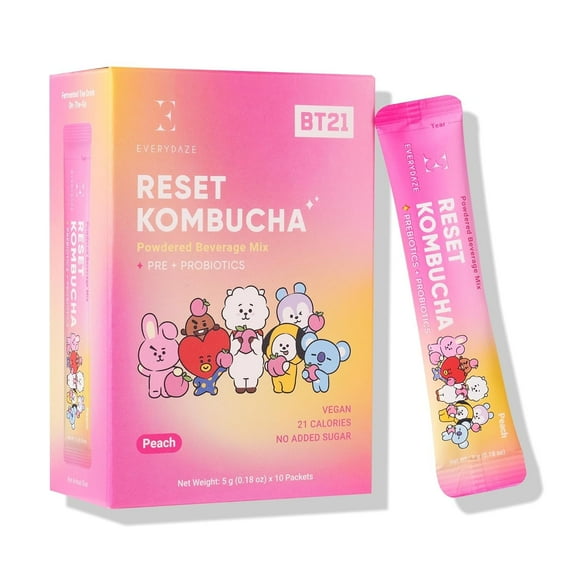
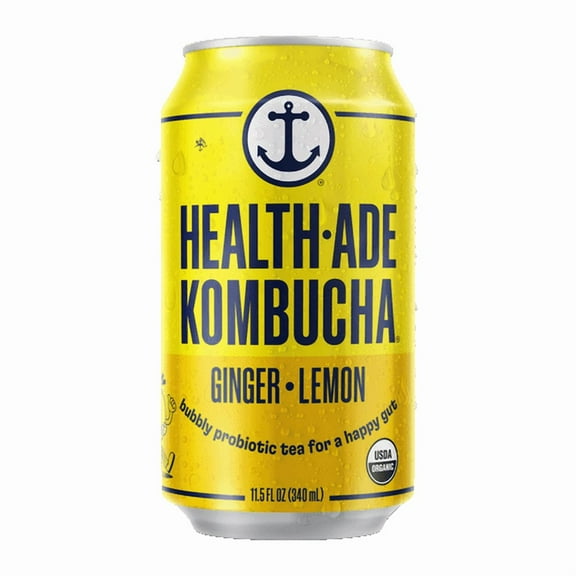
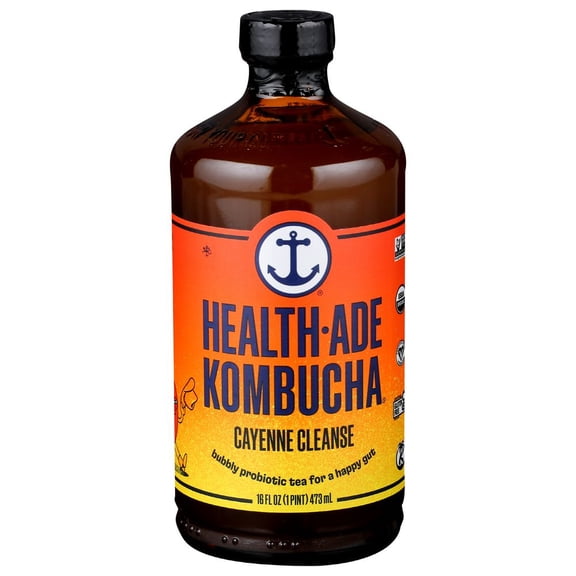
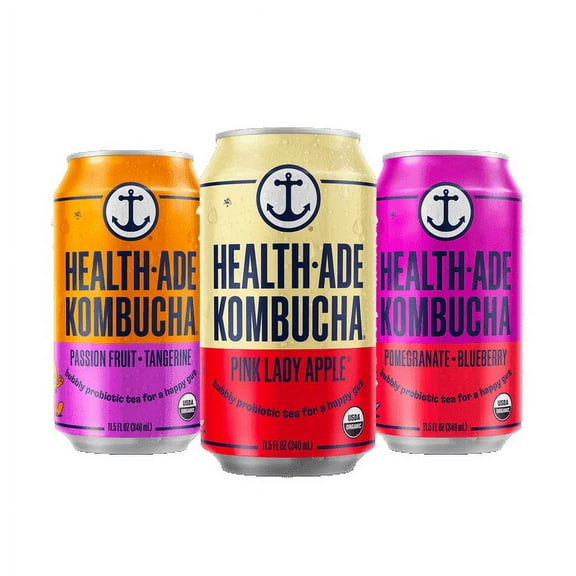
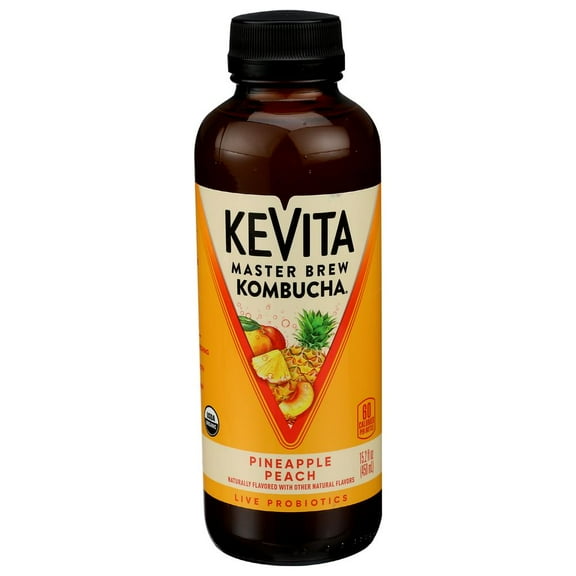
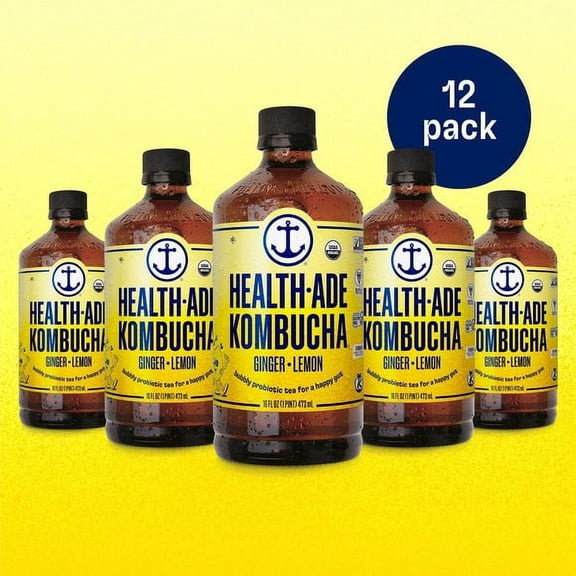
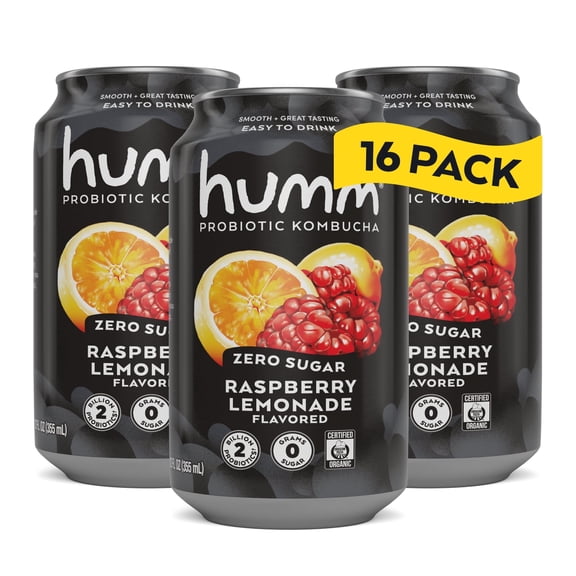
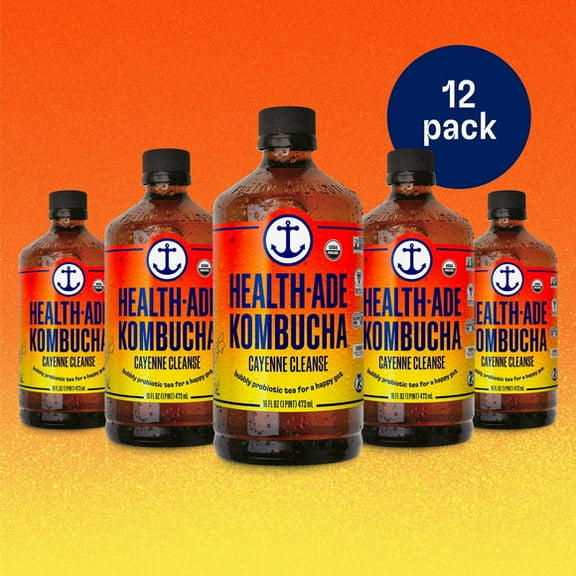
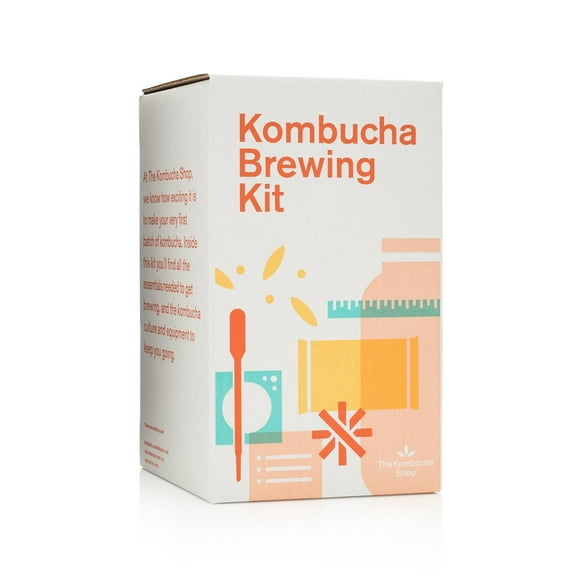
Kombucha probiotic drinks give you a refreshing way to explore fermented tea, live cultures, and bold flavor variety in one category. You can compare organic options, sugar levels, and tea bases to match your daily routine and taste.
How to choose kombucha probiotic drinks
When you shop kombucha probiotic drinks, you should start with the choices that affect taste, storage, and ingredients. You can narrow your options faster when you compare flavor profile, tea base, certification, cultures, and sweetness.
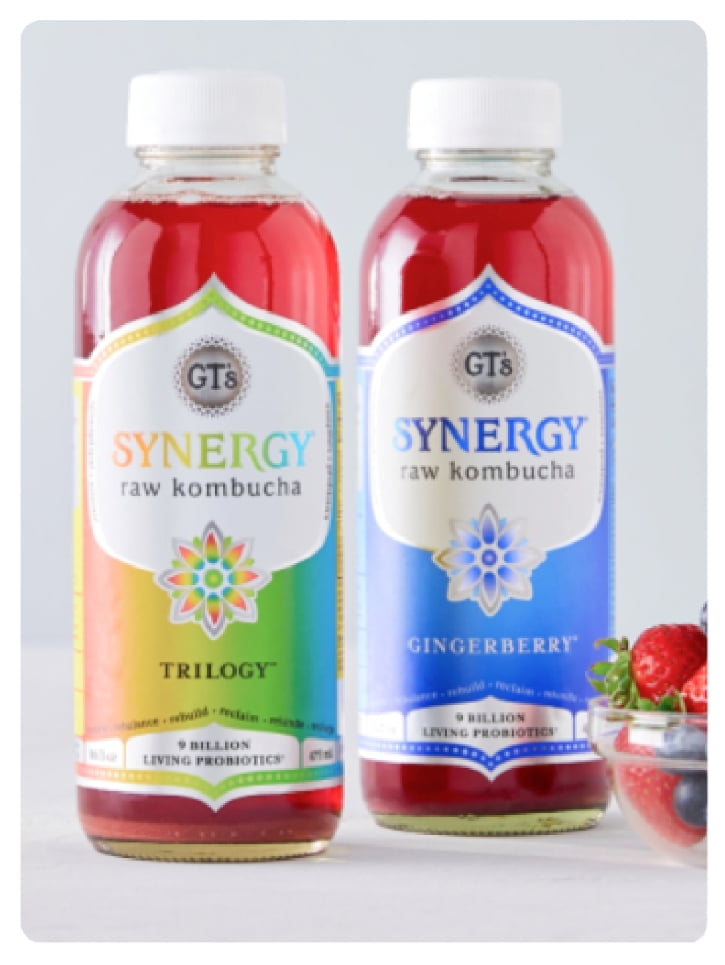
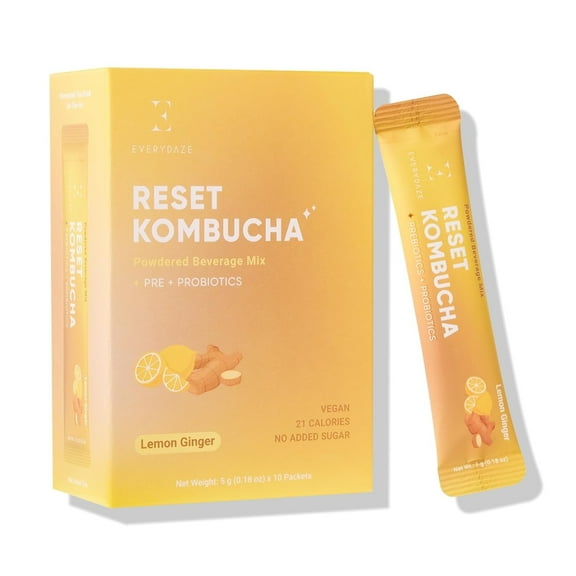
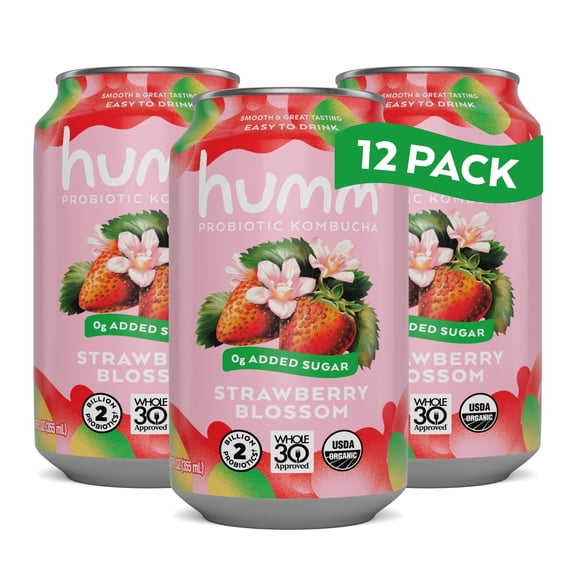
Flavor profile shapes your first sip and your finish. You may prefer ginger for a spicy edge, berry for fruit-forward notes, citrus for brightness, or lavender for a softer botanical taste.
Base tea type changes the character of each bottle. You’ll often notice black tea tastes fuller, green tea feels lighter, white tea drinks smoother, and rooibos brings a mellow profile.
Comparing organic kombucha and ingredient standards
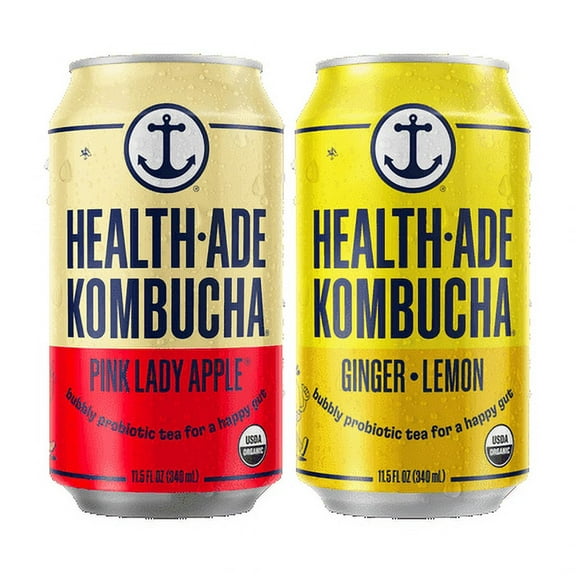
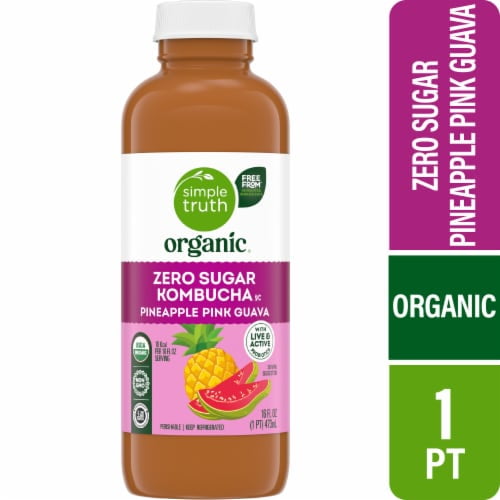
Organic certification helps you sort choices quickly when ingredients matter in your routine. You can look for USDA Organic, compare Non-GMO labels, or choose conventional options based on your shopping priorities.
Organic kombucha often appeals to shoppers who want a more defined ingredient standard. You can use that filter to compare bottles and multipacks without guessing which products fit your preferences.
- You can use flavor filters like ginger, berry, citrus, and lavender to match your taste.
- You can compare black tea, green tea, white tea, and rooibos for a lighter or fuller sip.
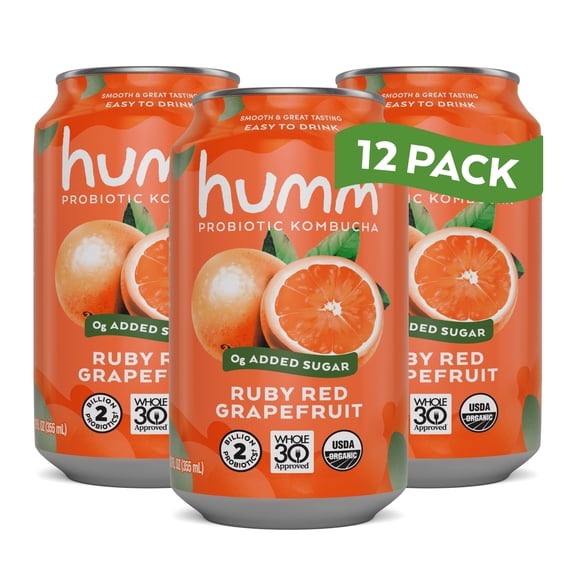
- You can check sugar wording like low sugar, no added sugar, or unsweetened before you choose.
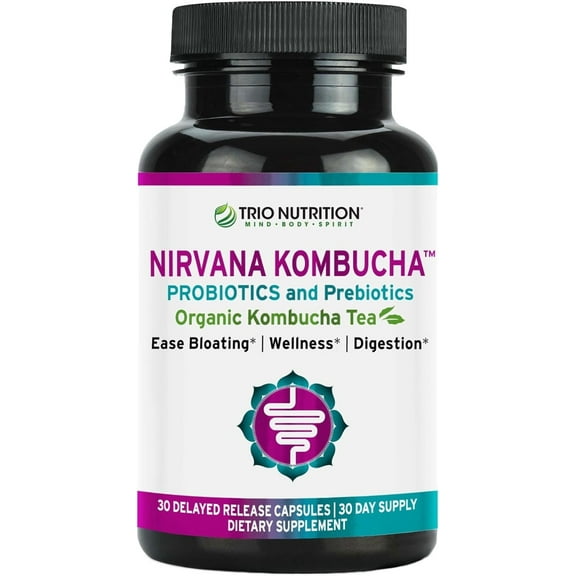
- You can review live cultures or listed CFUs when probiotic beverages are part of your routine.
Sugar wording also works as a practical decision point. You can compare low sugar, no added sugar, and unsweetened options to find a flavor balance that fits your preferences.
That matters because kombucha can range from tart and crisp to rounded and juicy. You’ll often find that sweetness level changes how bold the fermented tea notes feel.
What to look for in probiotic beverages
Probiotic beverages can vary in culture details, refrigeration needs, and processing style. You should check whether a drink mentions live active cultures, live cultures, or a listed count like one or two billion CFUs.
Those details help you compare bottles with more confidence. You can use CFU information as a simple label cue when you want a clearer read on the drink’s culture content.
Refrigeration is another key choice in this category. You should check whether your kombucha needs chilled storage, because live active cultures and pasteurization affect how the product is handled.
That label guidance matters when you stock your fridge, plan delivery timing, or build a pantry order. You can choose refrigerated options for fresh rotation or shelf-stable formats for added convenience.
Carbonation level also changes your drinking experience. You may enjoy a mild fizz for easy sipping, or you may want a sharper sparkle with a more vinegary edge.
Tea base and fermentation style often work together in that experience. You’ll usually notice green and white tea options feel lighter, while black tea blends can taste deeper and more robust.
Matching fermented tea to your routine
Fermented tea fits into many everyday moments when you want something flavorful and distinct from standard soft drinks. You can keep single bottles chilled for quick refreshment or choose multipacks for weekly planning.
If you like bright flavors with food, you may reach for citrus or ginger varieties at lunch. If you want a softer profile later in the day, you might prefer berry or lavender blends.
For warm-weather planning, summer probiotic drinks often center on crisp citrus, juicy berry notes, and lively carbonation. You can pick lighter tea bases when you want a more refreshing sip on hot afternoons.
If ingredient standards lead your decision, you can start with organic kombucha and then compare flavor and sweetness. That approach helps you narrow a large assortment without losing sight of taste.
If sugar balance matters most, you can begin with unsweetened or low sugar labels and then compare carbonation. You’ll have an easier time finding gut health drinks that align with your preferred flavor intensity.
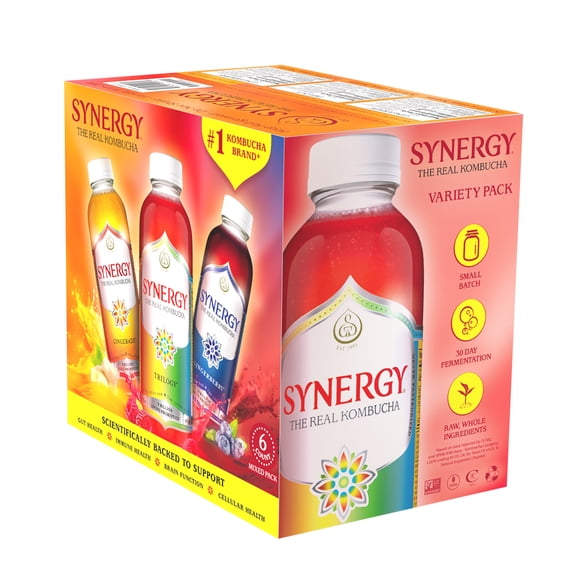
Multipacks can also simplify repeat purchases for shared households or steady routines. You can keep a few flavor profiles on hand so your fridge feels stocked for different moods and meals.
Why this category stands out
Kombucha probiotic drinks stand out because you’re choosing across fermentation style, tea type, cultures, and sweetness, not just flavor alone. You can make a more confident pick when labels clearly show those decision points.
With organic kombucha, probiotic beverages, and varied fermented tea styles in one place, you can compare the details that shape every sip. You’ll end up with a drink that matches your taste, storage needs, and routine.