

Kitchen Knives in Kitchen Knives Knife Block Sets and Cutlery













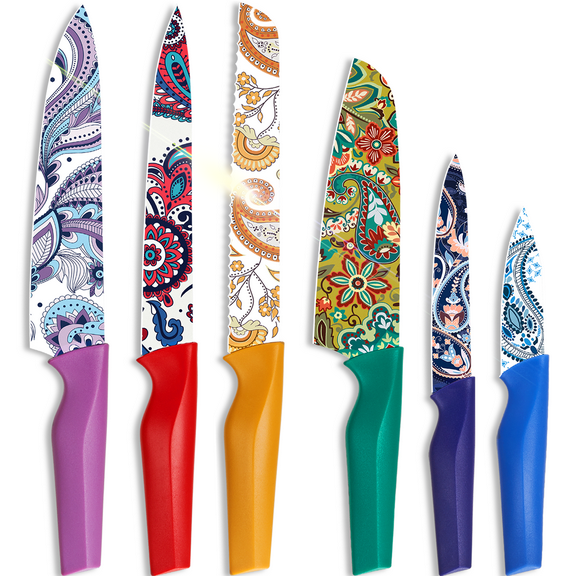
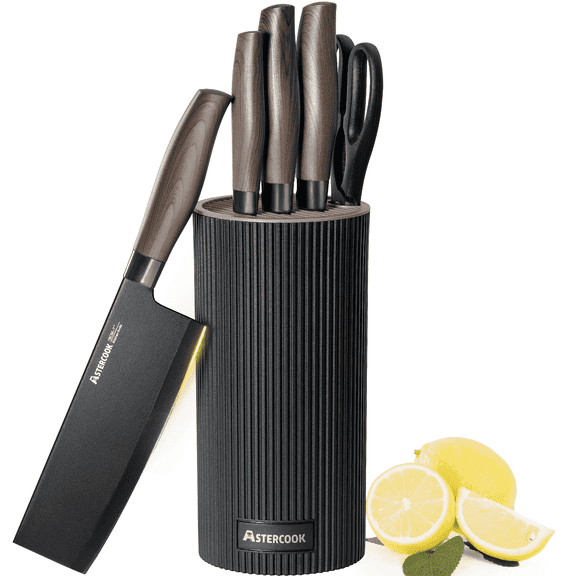

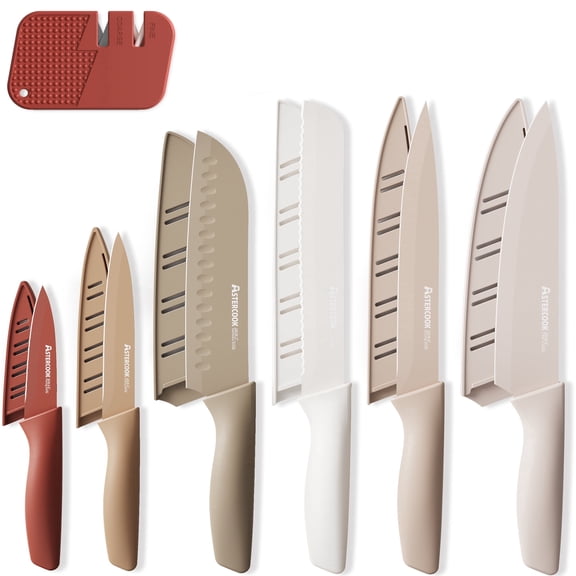


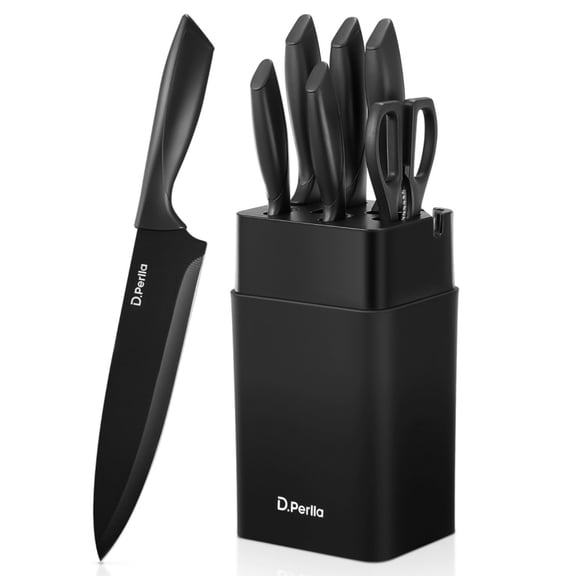








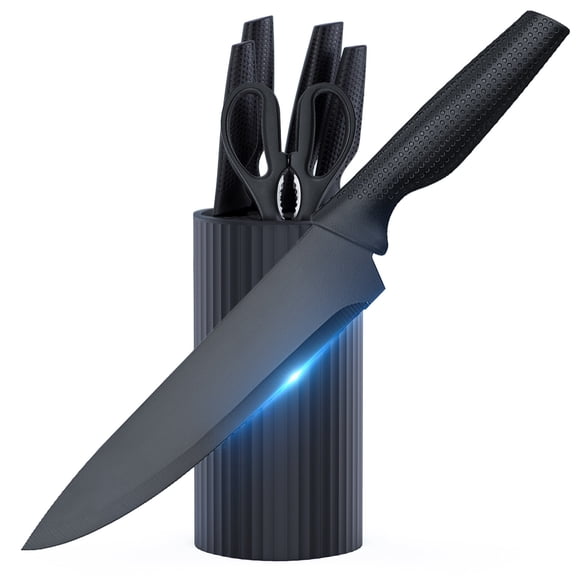


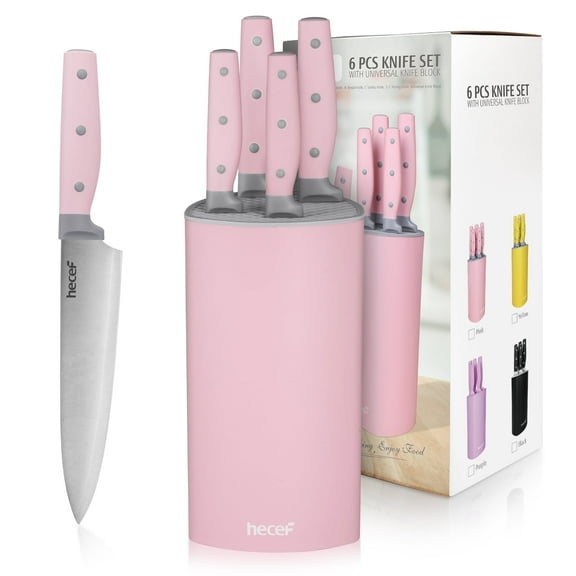


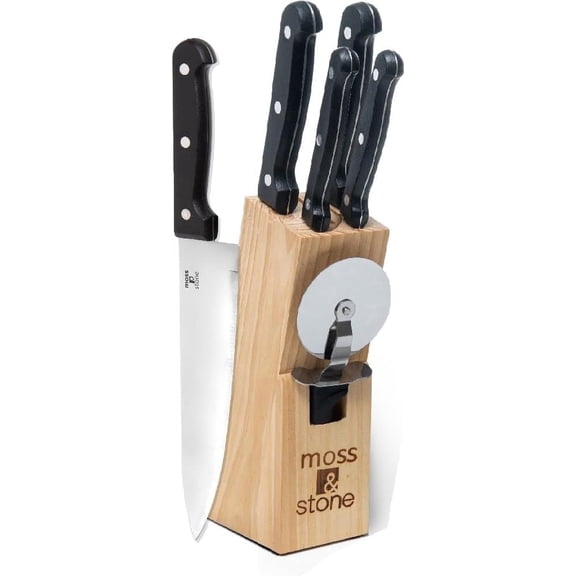





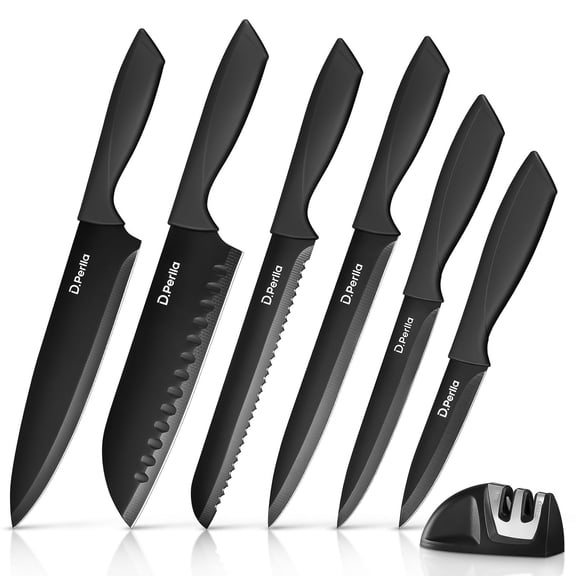
About Kitchen Knives in Kitchen Knives Knife Block Sets and Cutlery - Walmart.com
Kitchen knives help you prep faster, cut cleaner, and choose tools that match your cooking routine. You can compare blade material, edge style, and set configuration to narrow your options with less guesswork.
If you cook often, you may want a single chef's knife for everyday prep or a fuller set for varied tasks. You can also look for pickup and delivery options when you want convenient access from Walmart.
Choosing kitchen knives for your cooking style
When you compare kitchen knives, you should start with how you cook most days. You may need one versatile blade for chopping onions, slicing herbs, and cutting proteins.
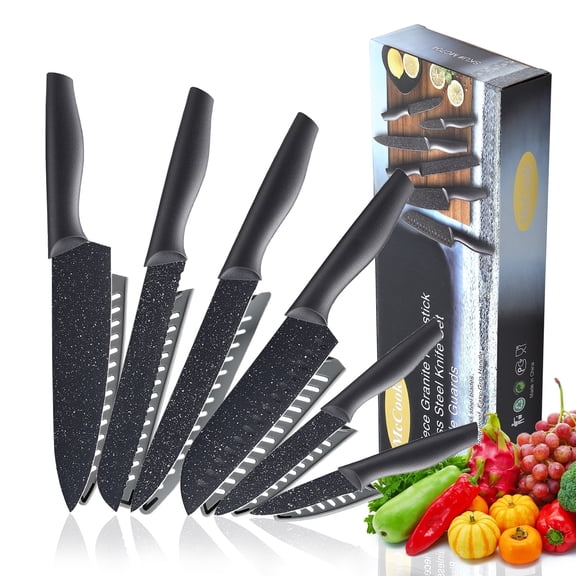
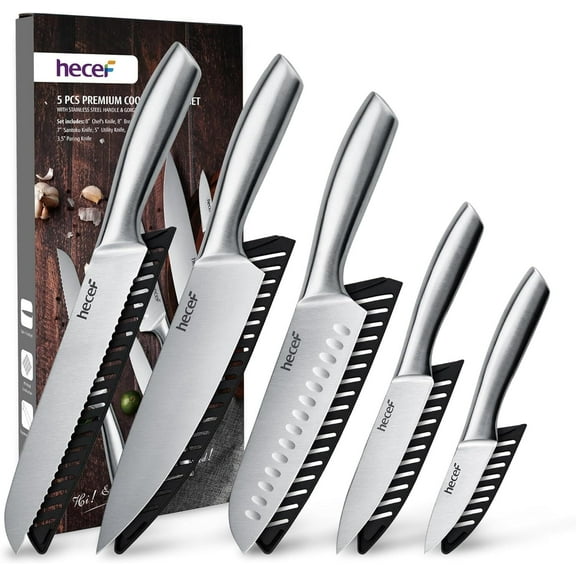
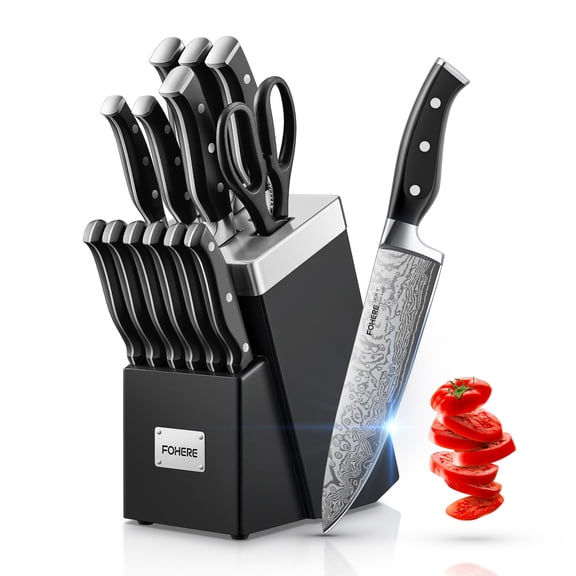
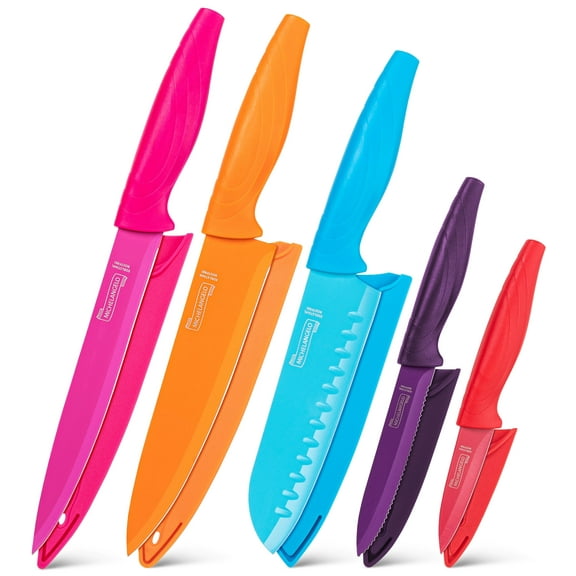
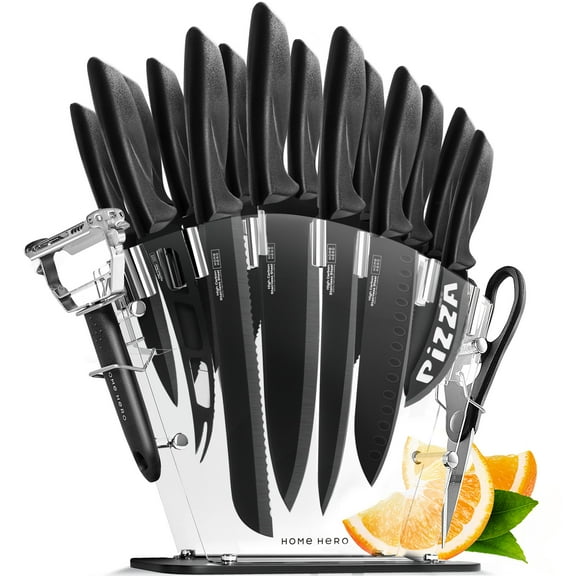
If you prep many ingredients at once, you may prefer a block knife set with coordinated pieces. You can keep a paring knife for detail work and a utility knife for midsize cutting jobs.
- You can use a chef's knife for repeated chopping, dicing, and slicing on busy prep days.
- You can choose a block set when your recipes call for several blade sizes in one place.
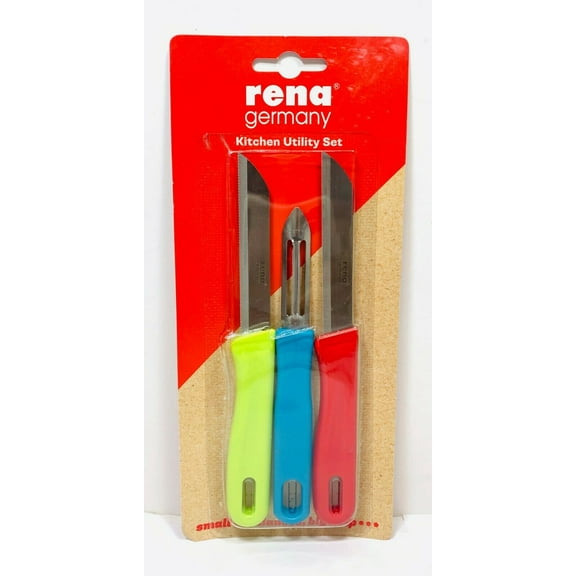
- You can add a paring knife when your prep includes peeling fruit or trimming small vegetables.
- You can select a utility knife when you want a lighter option for sandwiches, citrus, and quick cuts.
Edge type also changes how your knife feels in daily use. You can choose a fine edge for smooth slicing, or your serrated edge can handle crusty bread and soft produce.
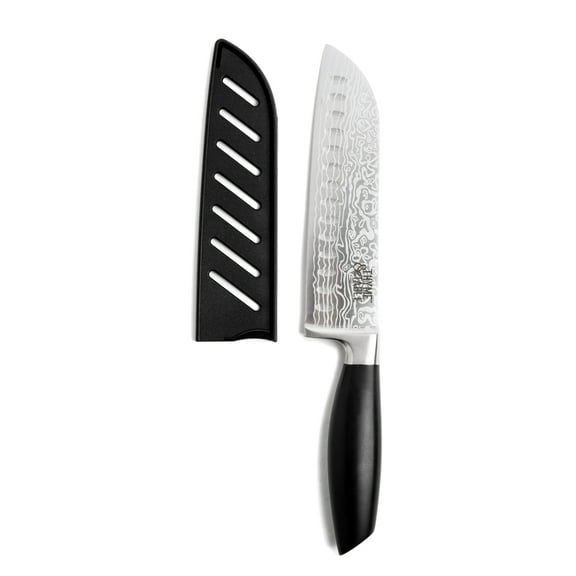
If you want cleaner food release, you may look for a hollow ground or Granton edge. You can notice those shallow grooves help sliced ingredients separate from the blade.
Comparing kitchen steel knife materials and construction
Blade material affects upkeep, cutting feel, and long-term performance in your kitchen. You can compare stainless steel, high-carbon steel, ceramic, and Damascus steel based on your routine.
If you want easier maintenance, you may lean toward stainless steel for corrosion resistance and familiar care. You can wipe it clean, dry it promptly, and keep it ready for everyday cooking.
If edge retention matters to you, high-carbon steel can stay sharp longer between touch-ups. You should know it often asks for more attentive drying and storage after washing.
Ceramic can feel very light in your hand, which may suit precise slicing tasks. You may prefer it when your prep focuses on fruits, vegetables, and boneless ingredients.
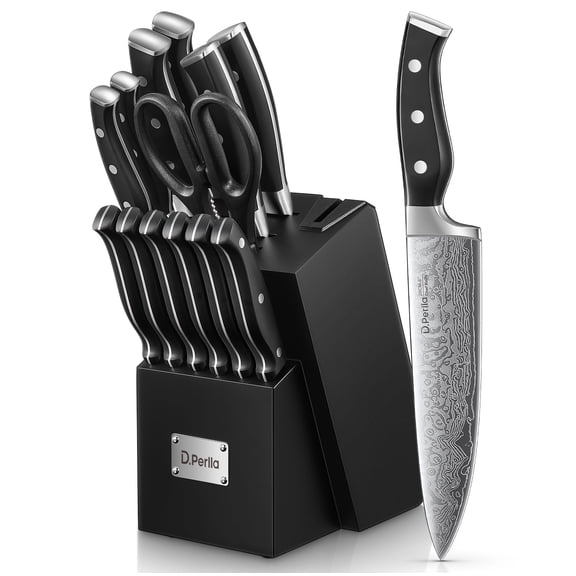
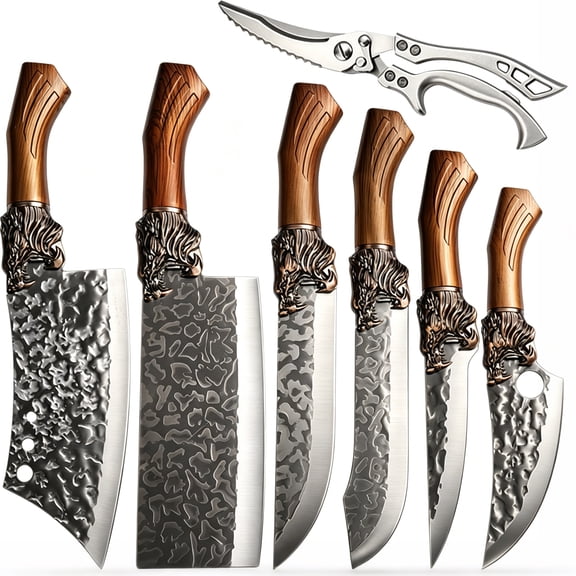
Damascus steel stands out when you want layered patterning and a distinct cutting feel. You can compare it alongside other materials when appearance matters as much as function.
Construction matters too, especially when you cook often and want steady balance. You can compare forged and stamped blades to understand weight, feel, and control.
A forged knife usually feels heavier and more substantial in your hand during repeated prep. A stamped knife usually feels lighter, which can suit you during longer cutting sessions.
Full-tang construction means the metal runs through the handle for added balance and stability. You can look for that detail when you want a more anchored feel while chopping.
What to look for in handles, grip, and set configuration
Your handle shape changes comfort more than many shoppers expect during daily prep. You can compare triple-rivet polymer, ergonomic stainless steel, and natural wood based on grip preference.
Triple-rivet polymer often gives you a familiar, secure hold with a classic kitchen look. Ergonomic stainless steel can give your setup a streamlined feel with easy wipe-down care.
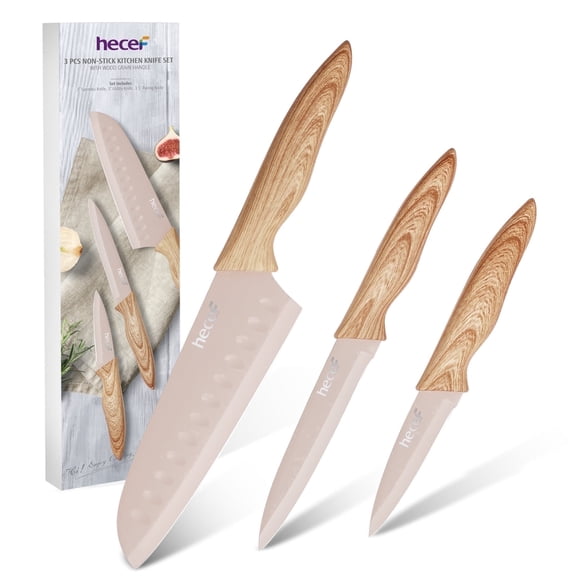
If warmth and texture matter to you, natural wood may feel more traditional in your hand. You should also check handle shape, because your grip comfort depends on contour as much as material.
Balance matters when you slice for several minutes at a time. You can look for a handle and blade combination that feels steady instead of tip-heavy.
Set configuration should match your space, your recipes, and your prep habits. You may want an individual chef's knife if you prefer one multi-purpose tool and a simpler countertop.
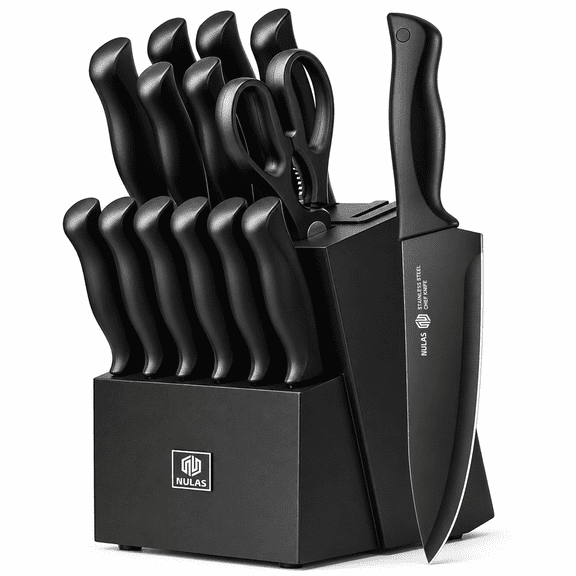
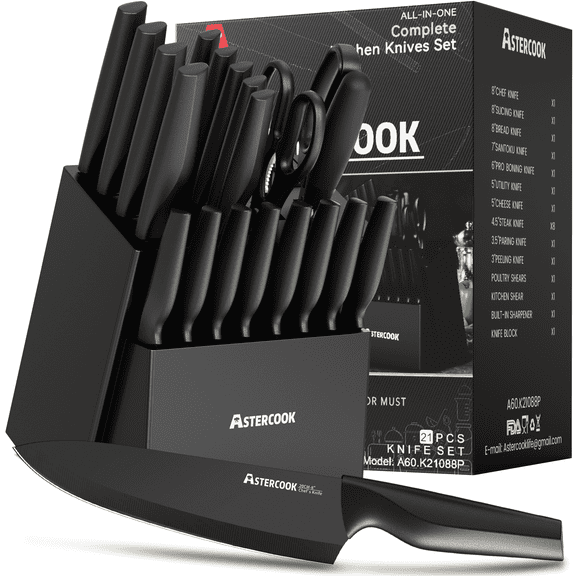
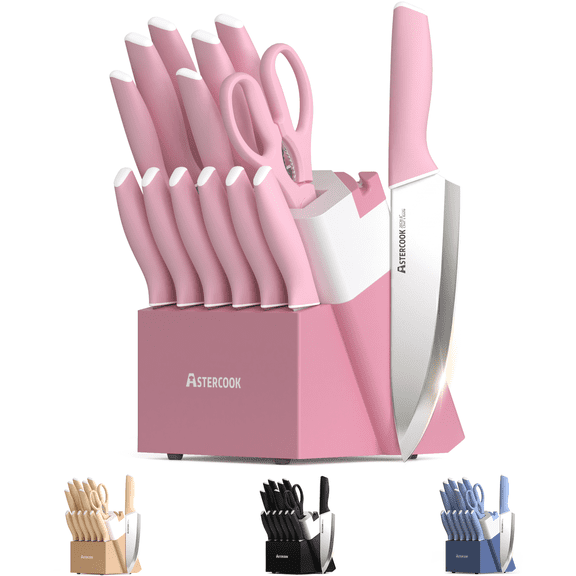
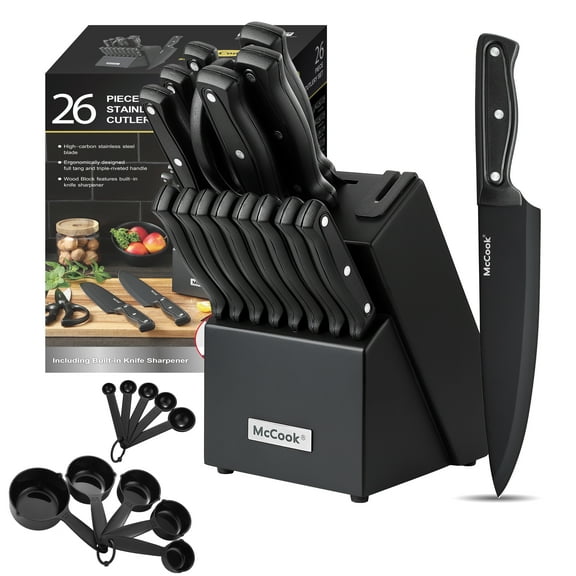
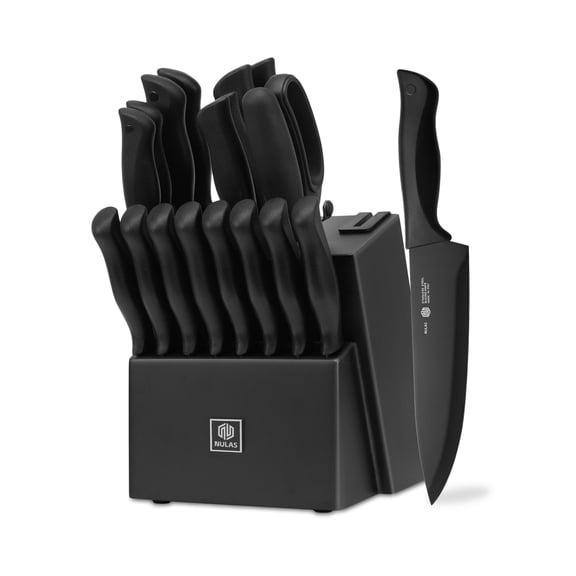
If you cook a wider range of meals, a sharp knife set for kitchen prep can cover more cutting tasks. You can keep matching pieces together and move from trimming to chopping with less switching.
Matching kitchen knives to real kitchen tasks
You can match blade choices to your weekly meals for a more practical purchase. If you cook family dinners often, you may want a chef's knife plus a paring knife.
For sandwich prep, fruit slicing, and quick lunch assembly, you may reach for a utility knife more often. You can choose a lighter profile when speed and control matter most.
If your routine includes bread, tomatoes, and delicate produce, a serrated edge can help maintain cleaner slices. You can use a fine edge when you want smooth cuts through herbs, onions, and boneless meats.
When you host or batch cook, a block set can keep multiple tools ready in one spot. You can move from peeling to slicing to carving without pausing to wash one blade repeatedly.
If you want convenient access, you can check Walmart for pickup and delivery availability in your area. You can use those options when you want kitchen knives without adding another stop to your day.
You may also compare knife sharpeners and storage options to support your routine over time. You can pair the right blade with honing tools and organized storage for more consistent prep.
With the right kitchen knives, you can build a setup that fits your ingredients, grip, and prep style. You can feel more confident at the cutting board with blades that match how you cook.