

Kids’ Step Stools in Kids’ Furniture










About Kids’ Step Stools in Kids’ Furniture - Walmart.com
Kids step stools help your child reach sinks, counters, and shelves during daily routines. This category focuses on child-sized height, steady footing, and easy storage.
Choosing kids step stools by use case
Start with where the stool will live most often. Bathroom sink access, potty training, kitchen helping, and bedroom reach call for different shapes.
If the stool will live in your bathroom, choose a compact footprint. That shape fits beside vanities and toilets without crowding the room.
For kitchen tasks, look for a broader platform and steady base. Those details can support mixing, washing produce, and reaching countertops.
Bedroom or closet reach often works well with lightweight designs. Your child can move them from a dresser to a bookshelf with less effort.
- Bathroom use often benefits from compact sizing and non-skid feet.
- Potty training setups often pair well with easy-clean surfaces and low first steps.
- Kitchen use often calls for a wider top and extra grip details.
- Bedroom reach often favors portable designs that tuck away quickly.
Comparing construction types for toddlers and kids
Construction type changes how a stool feels underfoot and how it stores away. Compare single-step, two-step, folding, and fixed options before choosing.
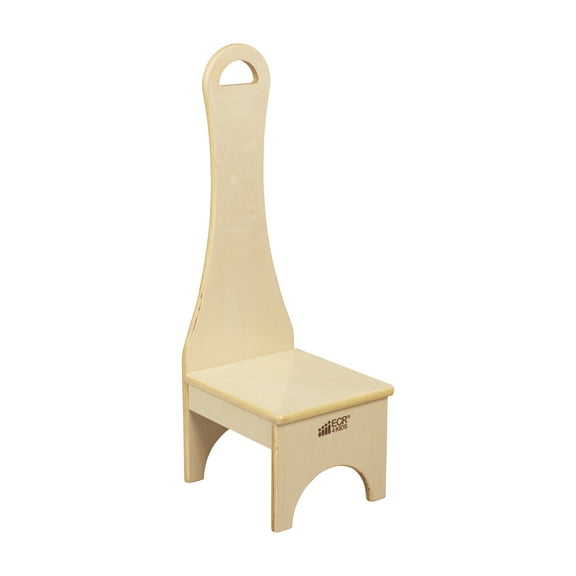
Single-step styles suit lower counters, beds, and shelves. They keep the climb simple for younger users and fit into tighter spaces.
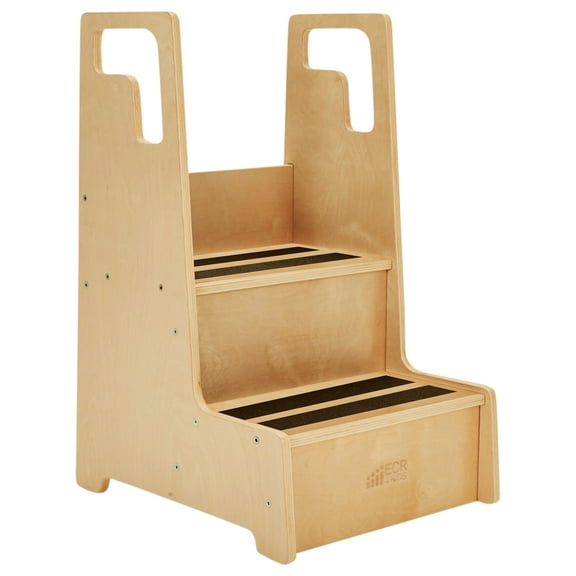
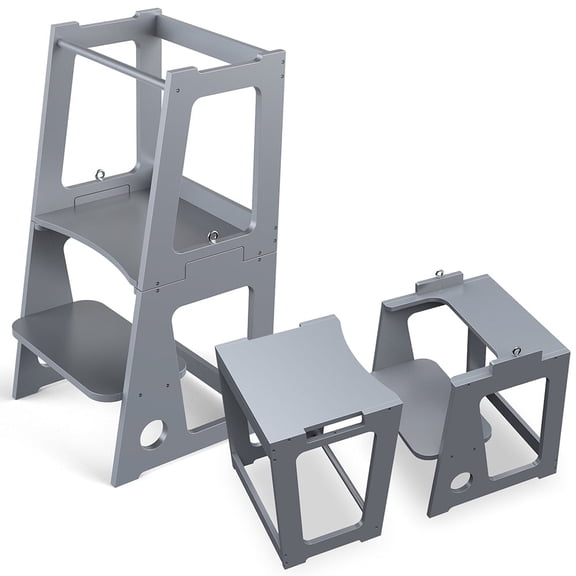
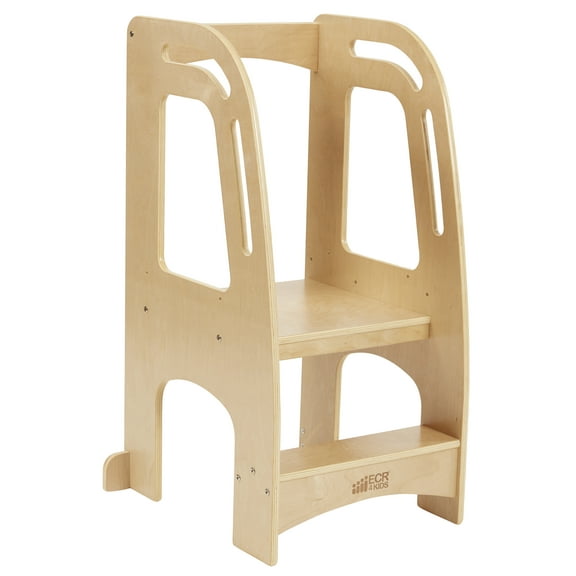
Two-step designs can provide added height for taller vanities and deeper kitchen counters. They also create a smaller climb between steps.
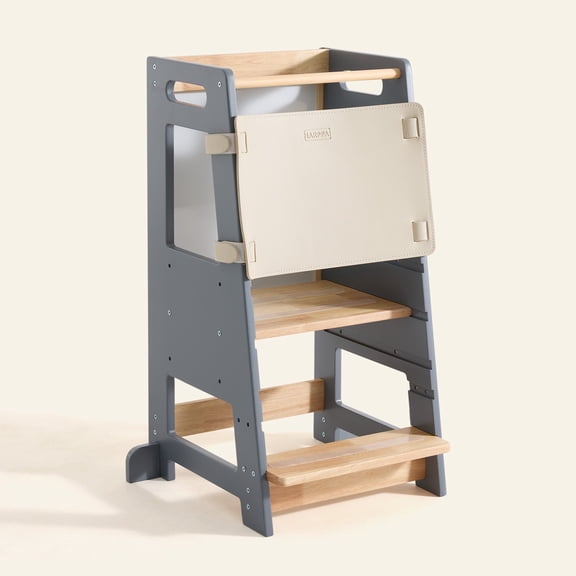
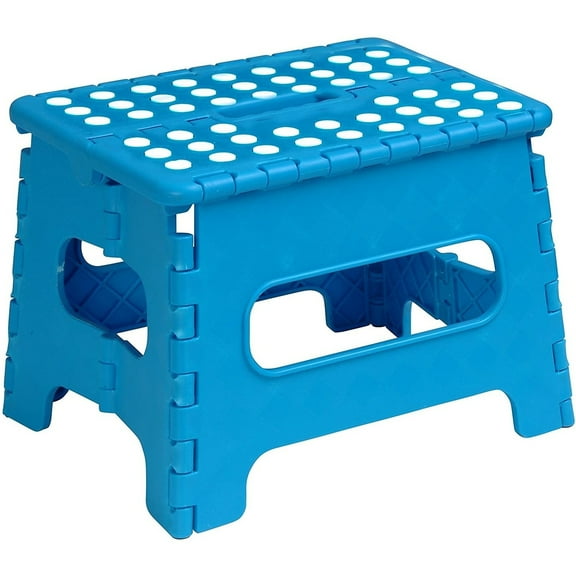
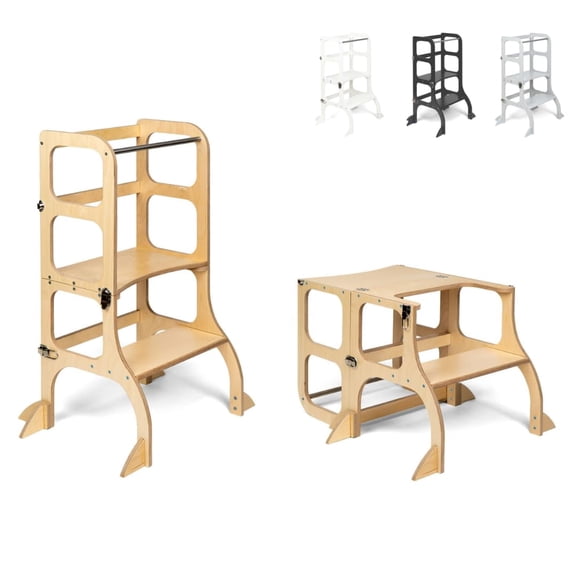
A folding step stool for toddlers makes sense when floor space stays limited. It can slide beside a washer, pantry wall, or bathroom cabinet.
Fixed stools tend to stay in place and can work well for repeat daily tasks. That makes them useful for routines like brushing teeth or bedtime cleanup.
What to look for in support features
Support details shape day-to-day confidence and steadiness. Compare handles, side rails, non-slip tops, and non-skid feet as key decision points.
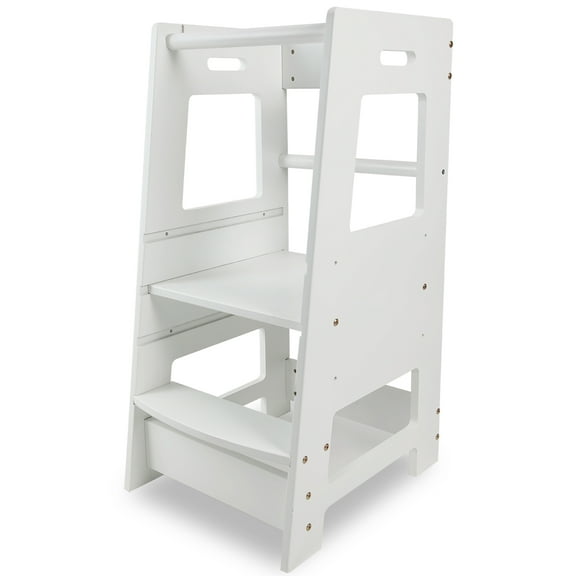
A toddler stool with handles can give little hands a place to hold while stepping up. That design can feel especially helpful during early bathroom routines.
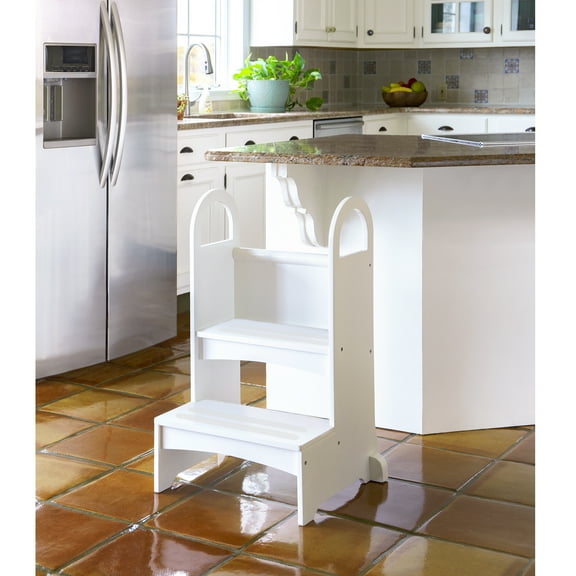
Side rails add a more enclosed feel around the standing area. They often appear on stools meant for kitchen helping or taller reach points.
Check the top surface closely before choosing. Textured, non-slip tops help shoes and bare feet stay planted during quick step-ups.
Non-skid feet matter on tile, laminate, and other smooth floors. They help the stool stay positioned when your child climbs up or steps down.
Choosing materials, style, and portability
Material affects look, weight, and where the stool fits in your home. Common choices include plastic, wood, oak, and metal frames.
Plastic styles are often lighter to carry from room to room. They also suit everyday sink access and quick cleanup needs.
Wood designs bring a furniture-like look to bedrooms and bathrooms. An oak step stool can pair neatly with wood vanities, shelving, or dressers.
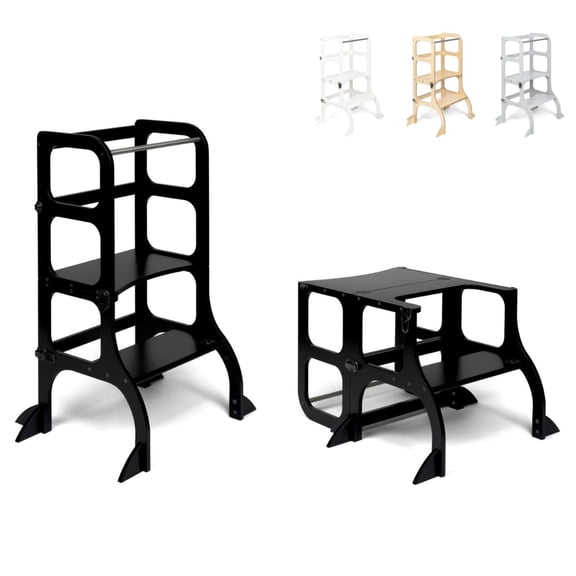
Metal-framed options often focus on structure and slim storage. They can work well in laundry spaces, closets, and utility corners.
Size and portability matter just as much as material. Compact, lightweight, foldable, and space-saving designs support homes with busy shared rooms.
Measure the target spot before choosing a stool. Check the floor area, the height needed, and where the stool will rest when not in use.
Matching age and stage to the right fit
Age and stage help narrow the field fast. Toddlers, preschoolers, and big kids often use step stools in different ways.
A step up stool for toddlers usually works well with a lower platform and easy hand placement. Those details support early independent routines.
Preschool users may be ready for extra height in a two-step design. They often use stools for bathroom sinks, crafts, and simple kitchen tasks.
Big kids may need a taller reach point with a stable standing area. That setup suits closets, bunk access, or shared family counters.
Consider shoe size and standing room along with age labels. A wider top can feel more comfortable during longer activities like handwashing or helping bake.
How to choose kids step stools for everyday spaces
Use the room, height, and storage needs to guide the final choice. Kids step stools for kitchens often differ from stools meant for potty training.
If the stool moves between rooms, look for a lightweight frame. If it stays by one sink, a fixed style may fit the routine well.
When storage matters, compare foldable designs with slim profiles. When countertop helping matters, compare two-step platforms and support rails instead.
Kids step stools work hardest when the size matches the task and the room. The right choice supports smoother routines from handwashing to kitchen helping.