







Kids’ Sheets




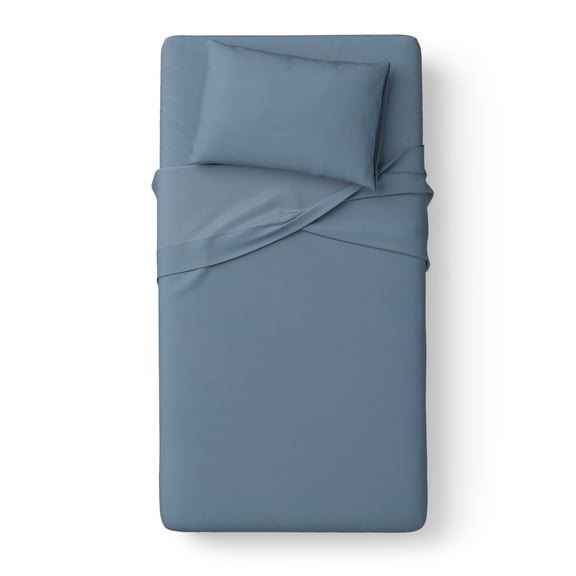


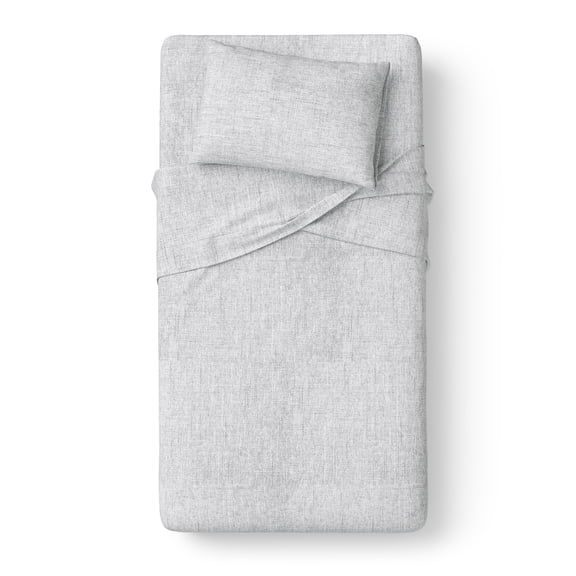


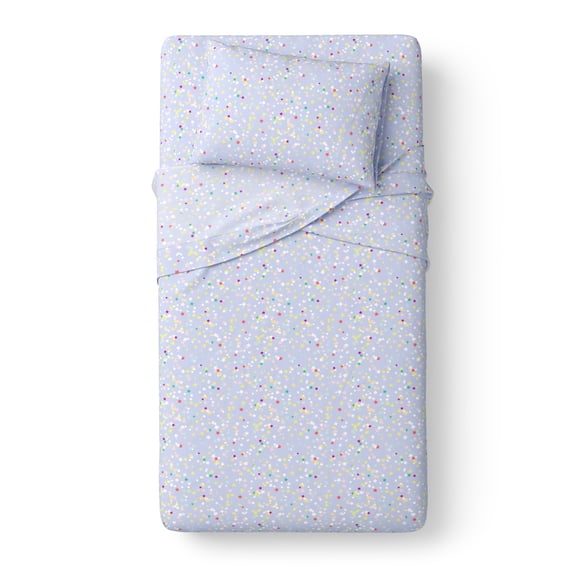


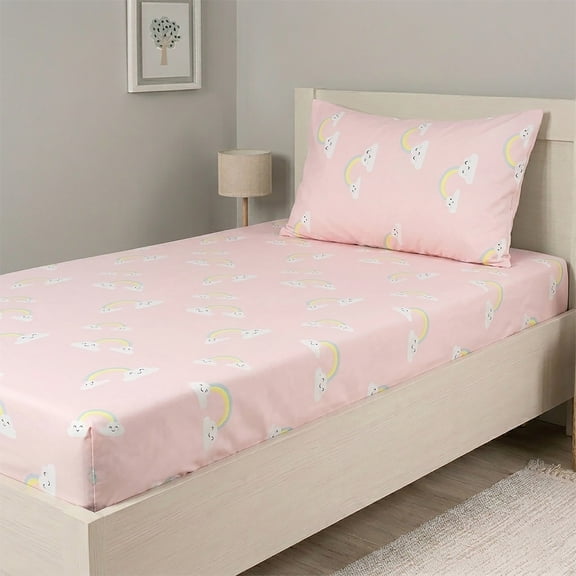




























About Kids’ Sheets - Walmart.com
Kids sheets and pillowcases help you choose bedding that fits the mattress, feels comfortable, and supports frequent washing. You can compare size, material, set components, and theme in one place. This helps you choose bedding that suits bedtime routines and room decor.
How to choose kids sheets and pillowcases
When you shop this category, you can start with bed size, then compare fabric, then review design theme. This order helps you narrow options without missing fit details. You can also check whether a set includes the pieces you need for everyday use.
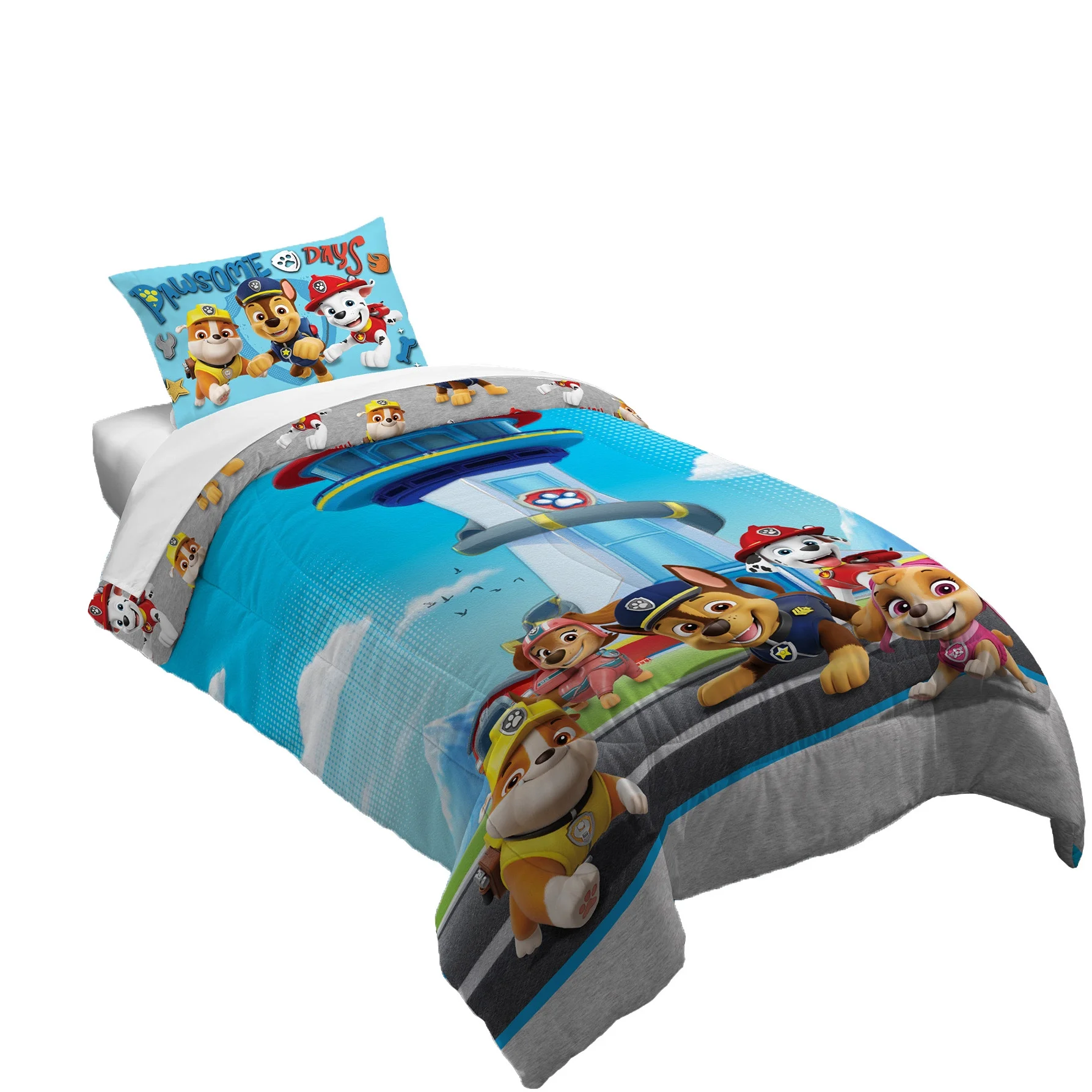
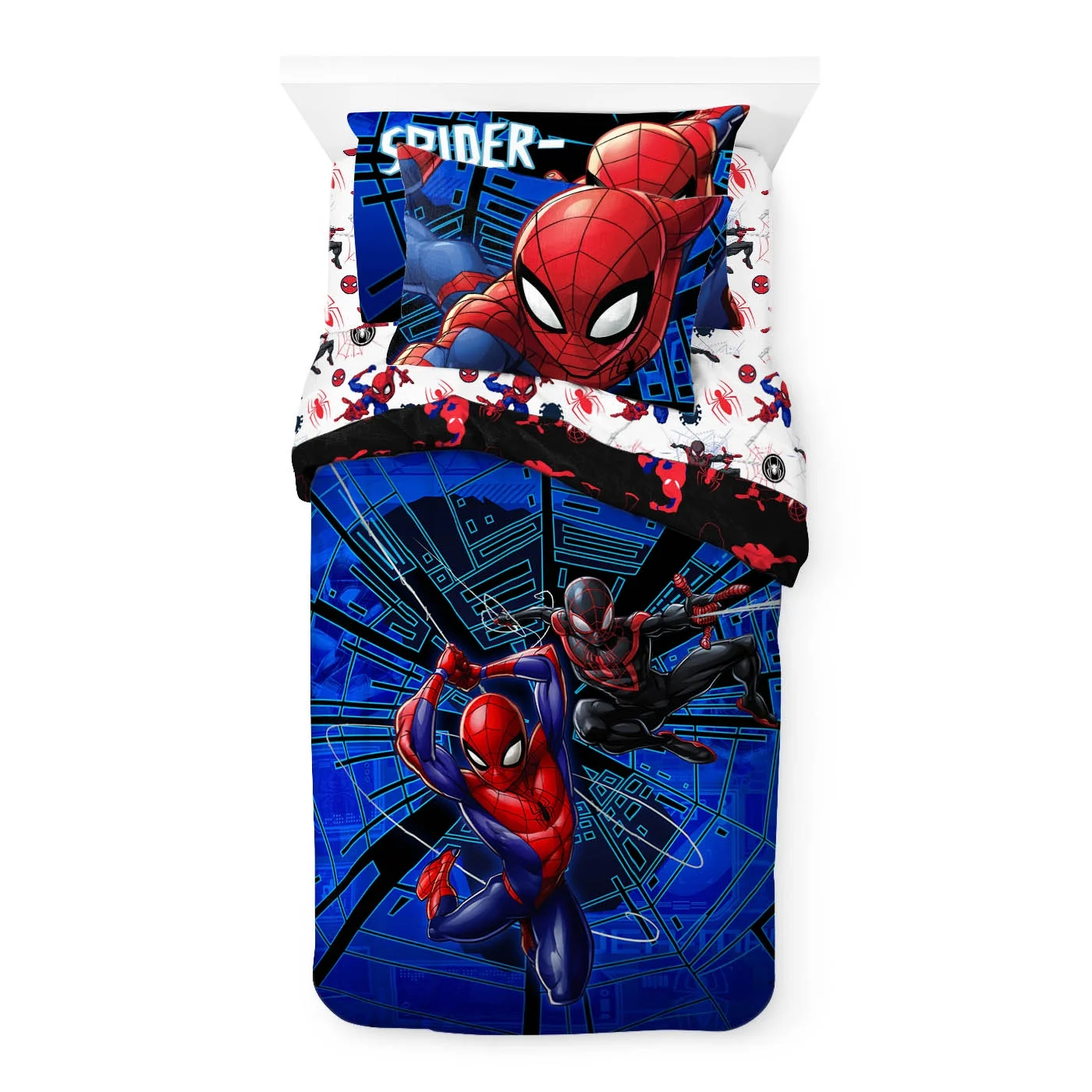
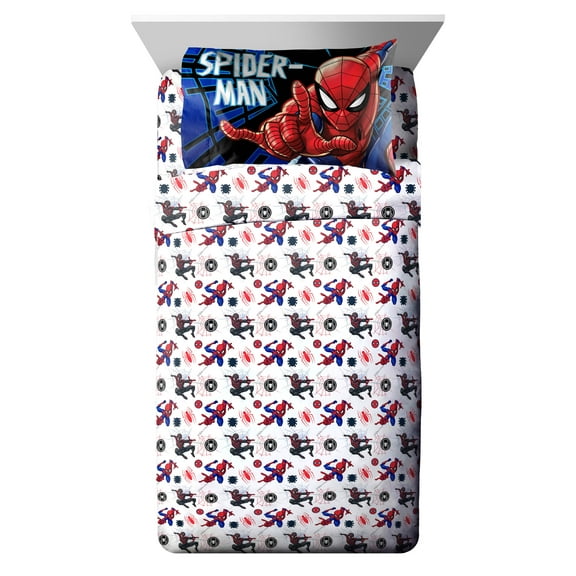
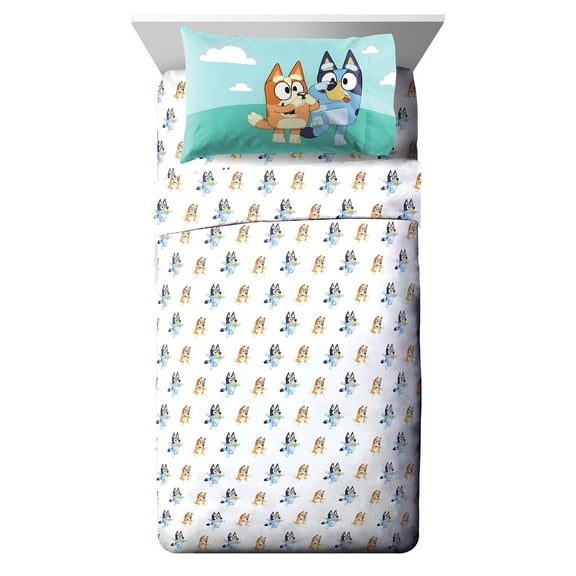
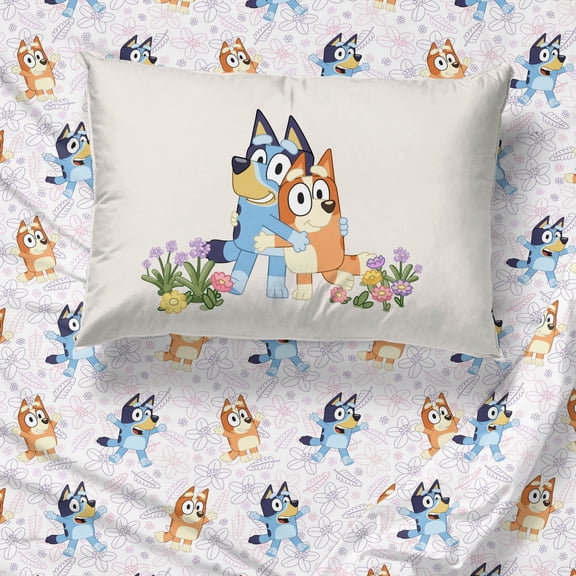
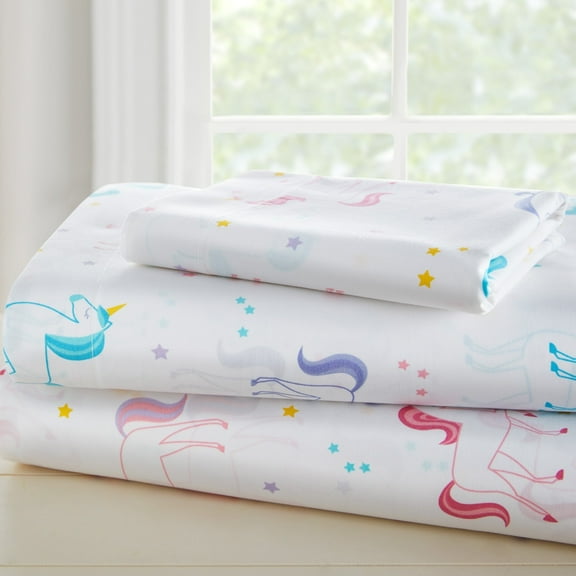
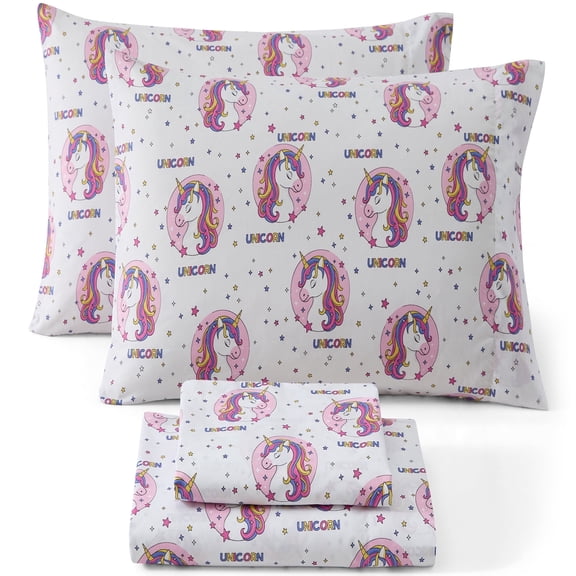
If you’re updating a shared room, you may compare solids, animals, and geometric patterns for a cleaner look. If you’re decorating around favorite shows, you may prefer character sheets for kids with matching pillowcase options. You can create a more coordinated setup when your bedding theme fits the room.
- You can coordinate the bed with a fitted sheet, flat sheet, and kids pillowcases in one set.
- You can keep laundry days simpler with fabrics that feel soft and wash easily.
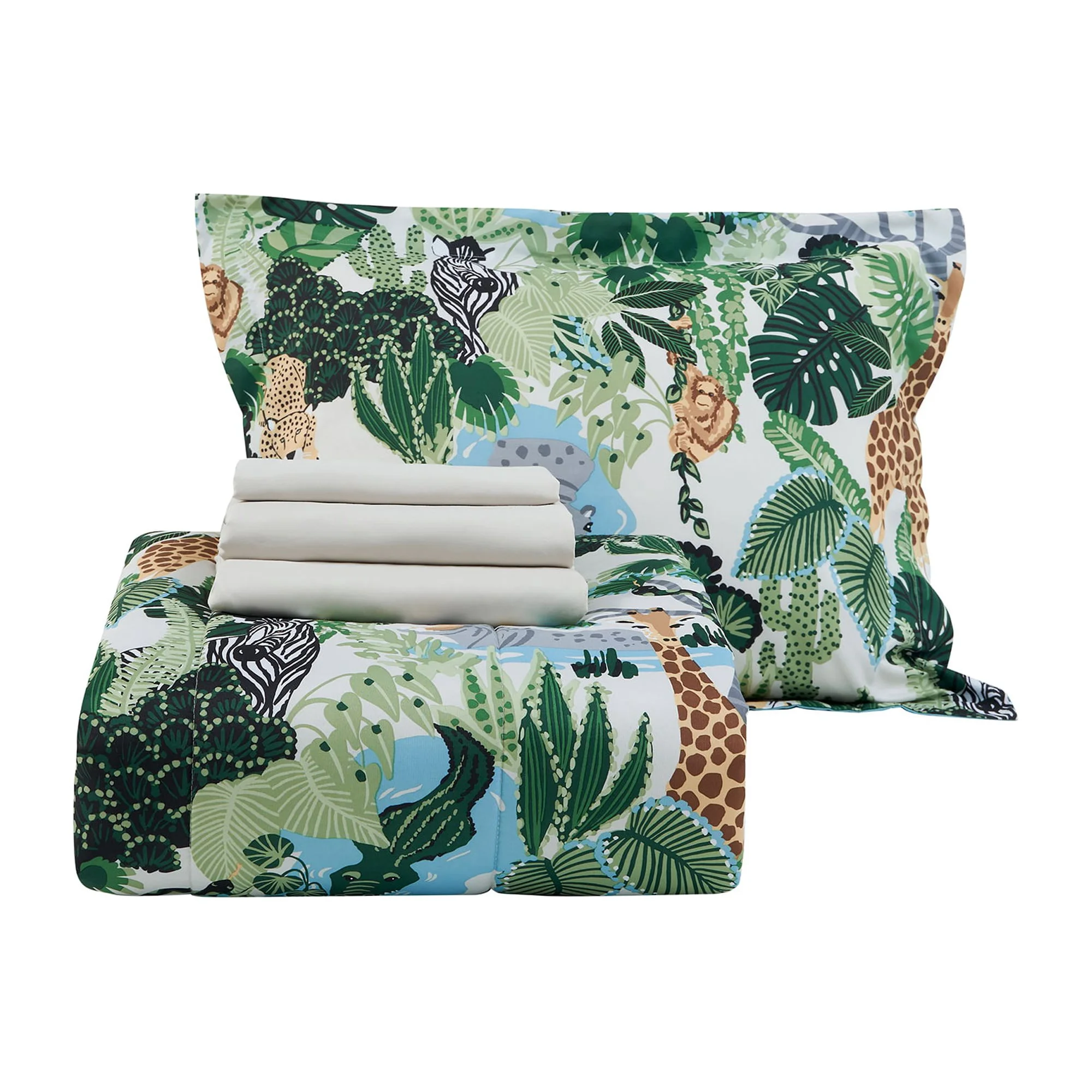
- You can match room decor with character prints, solid colors, geometric patterns, or animal themes.
- You can reduce bunching by checking mattress size and fitted sheet pocket depth before you choose.
Choosing between kids twin sheets and toddler sheets
You can start with mattress size because fit affects how the bed looks and feels each night. You can usually find kids twin sheets, full sets, toddler sheets, and some queen options for growing spaces. You should compare listed dimensions before you choose a set.
If you’re shopping for a standard kid bed, kids twin sheets often give you a wide range of prints and colors. If you’re outfitting a larger bed, full or queen sizes can give you extra room for reading and lounging. You can match the bed size to the room layout and daily routine.
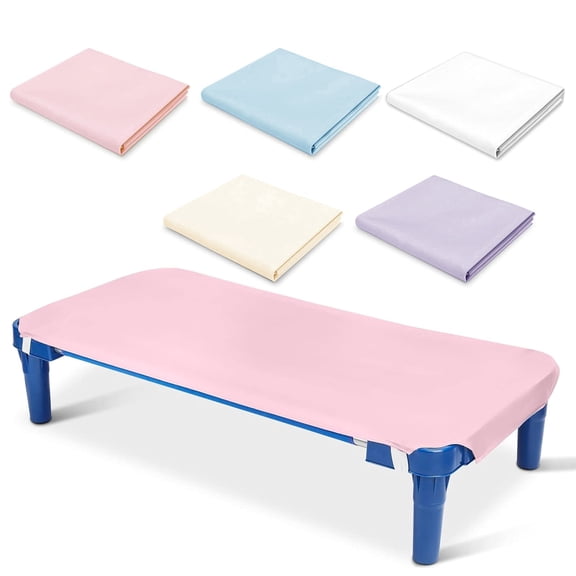
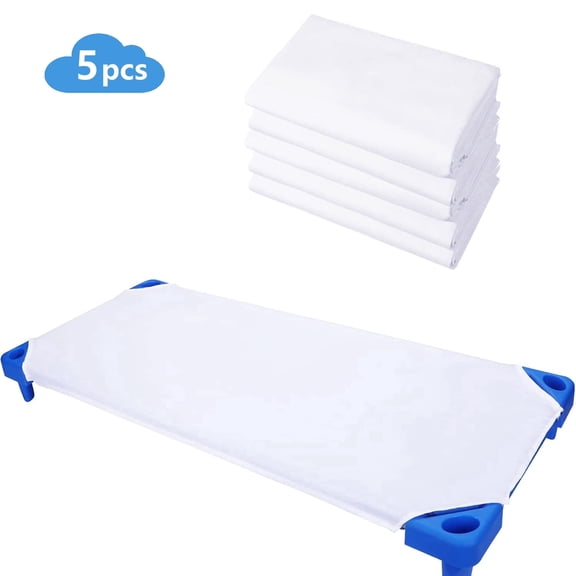
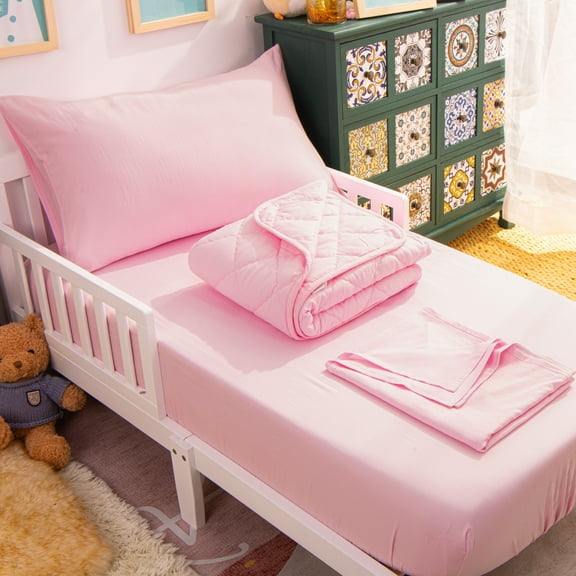
For younger sleepers, manufacturers design toddler sheets for smaller mattresses and shorter bed lengths. You should check listed measurements carefully, because a toddler mattress doesn’t fit like a twin mattress. This helps you avoid loose fabric and uneven corners.
Comparing cotton kids sheets and microfiber
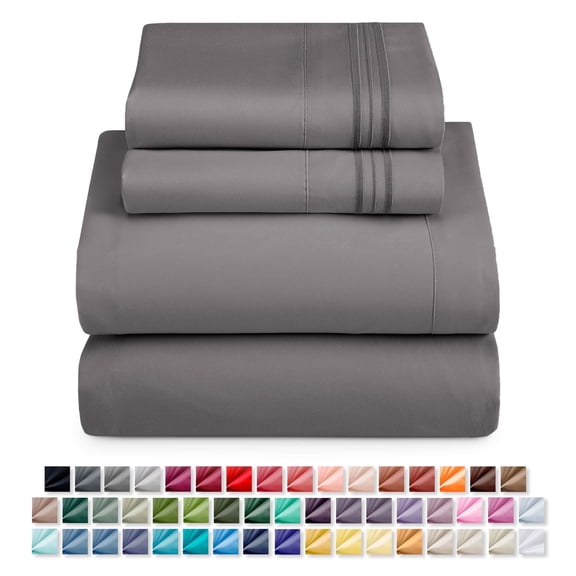
You can narrow your options quickly when you compare how each material feels and washes. Cotton kids sheets often feel breathable and familiar, while microfiber can feel smooth and lightweight. You may also see organic cotton or polyester blends in this category.
If you want a natural fiber feel, you may look for cotton or organic cotton options. If you want simple daily care, you may prefer microfiber or a polyester blend that dries quickly. You can compare these materials based on softness, texture, and routine washing.
You should also consider how the room feels through the year. Cotton can feel airy in warmer months, while microfiber can feel cozy with a brushed texture. You can use material choice to match sleep preferences and season changes.
Checking pocket depth, fit, and set components
You can avoid slipping corners by checking fitted sheet pocket depth before you choose. Pocket depth tells you how many inches the fitted sheet can cover around the mattress. You should measure mattress height if you want a neater fit.
If your child’s mattress measures eight inches deep, you should look for a fitted sheet that matches that height. If you use a mattress topper, you should measure the full height first. This helps you get a smoother fit around the corners.
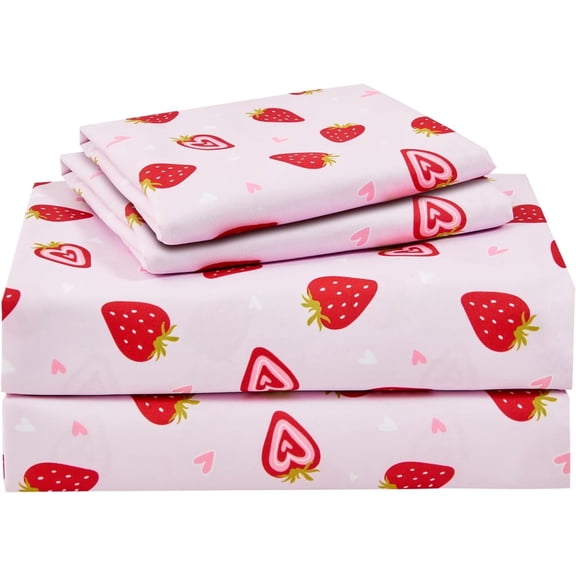
You can also compare elastic edges and corner construction when fit is a priority. Some sets include a fitted sheet, a flat sheet, and one or two kids pillowcases, depending on size. You should check package details so your bed setup feels complete.
Choosing kids pillowcases and design themes
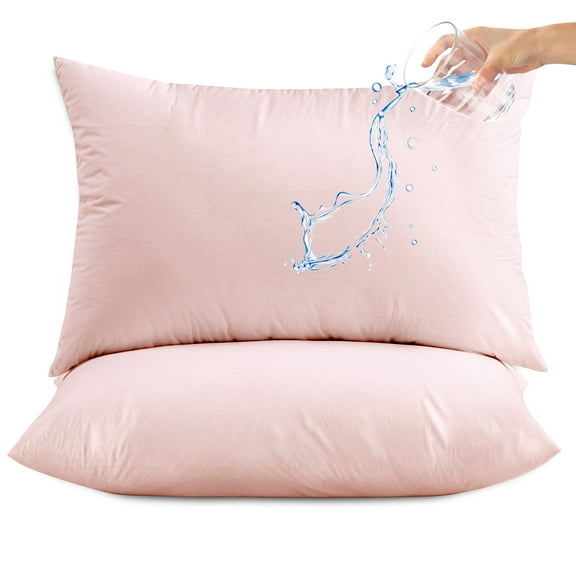
You can compare kids pillowcases by checking pillow size, set count, and the look you want on the bed. A close size match helps your pillow look smooth instead of loose or bulky. You may prefer separate pillowcase sets when you want quick refreshes between washes.
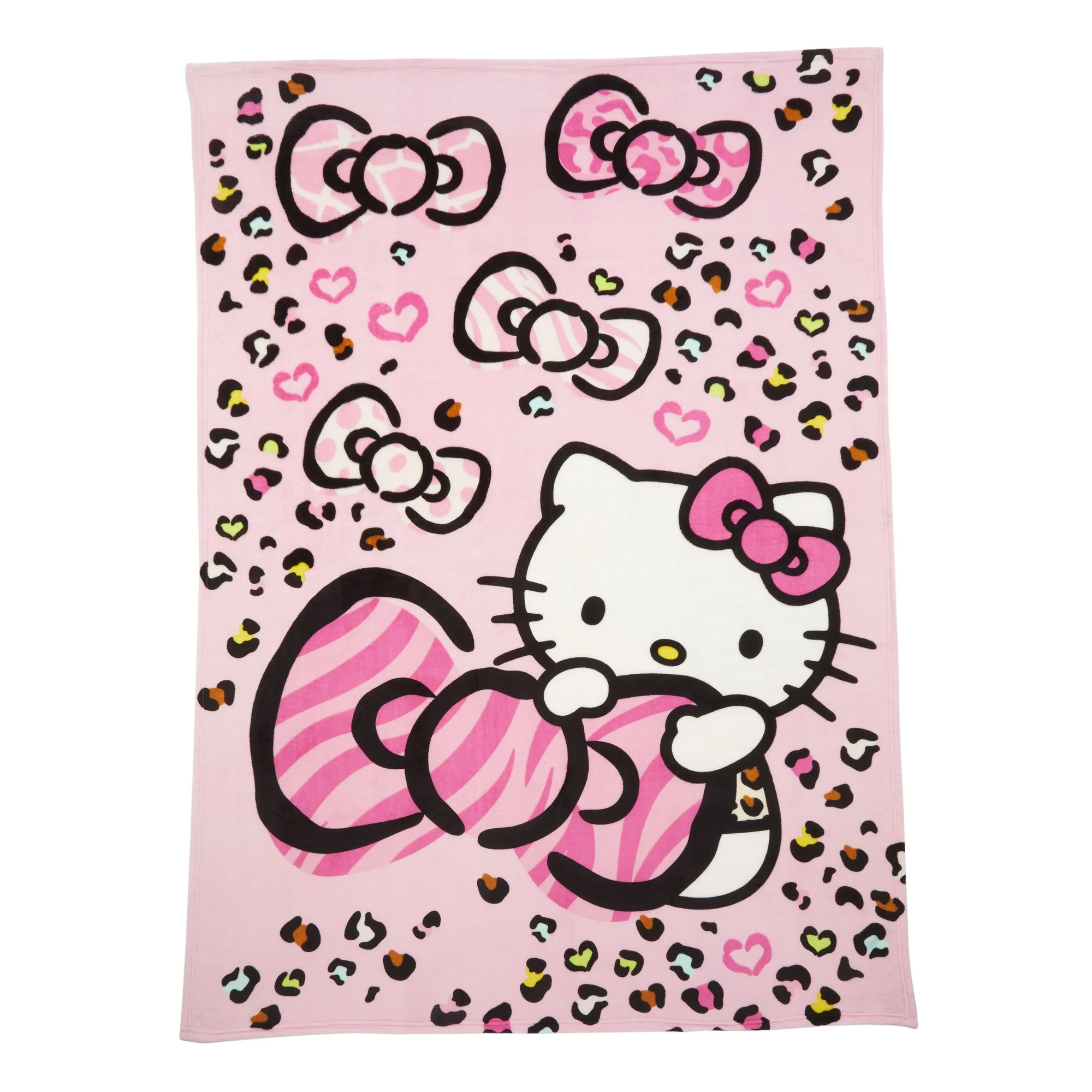
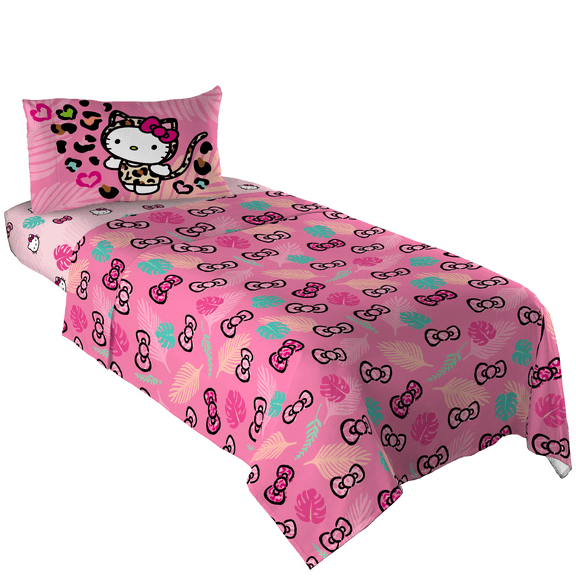
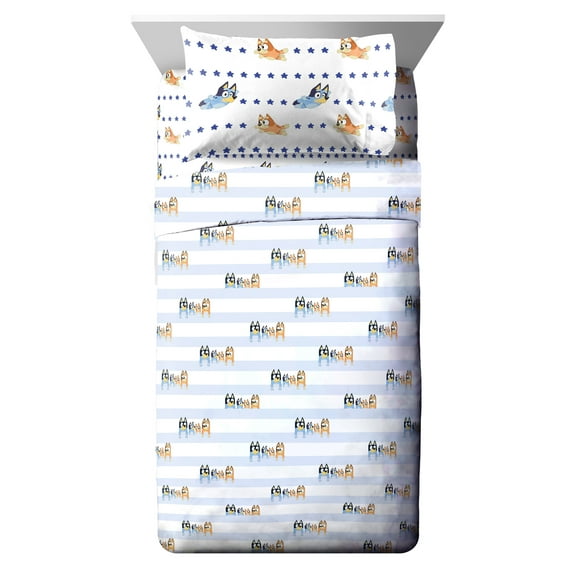
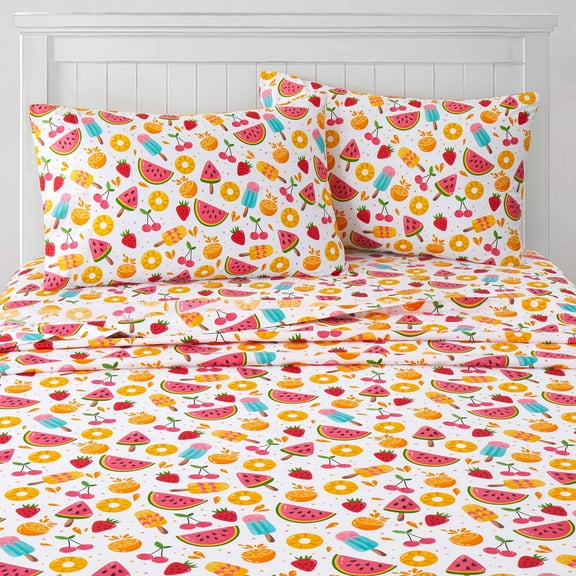
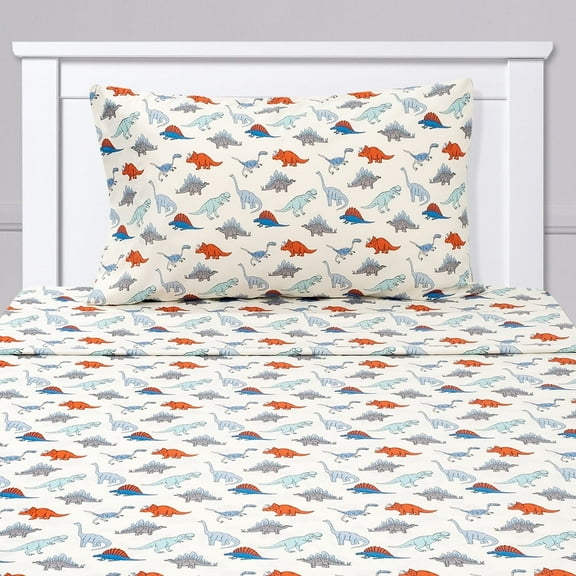
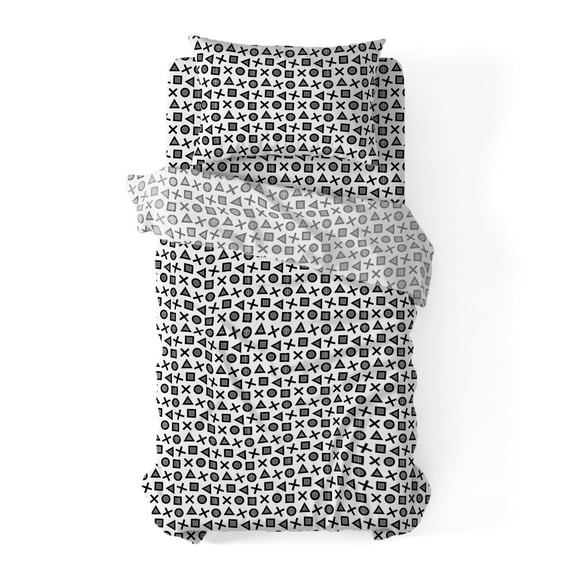
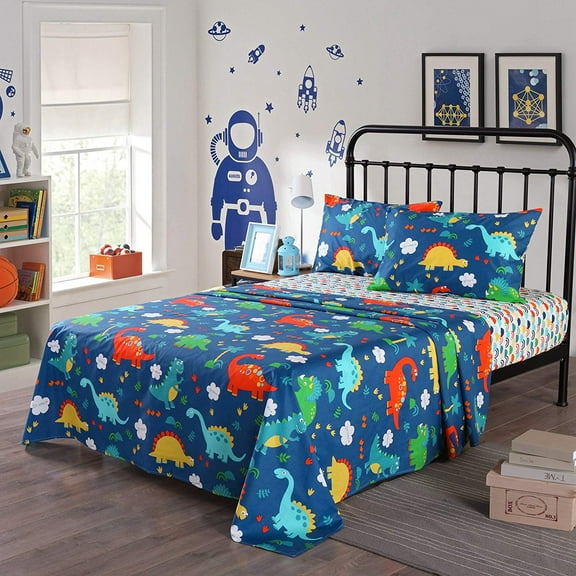
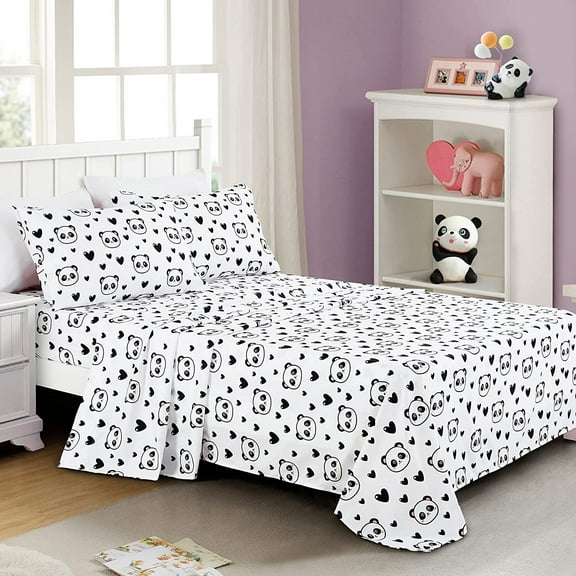
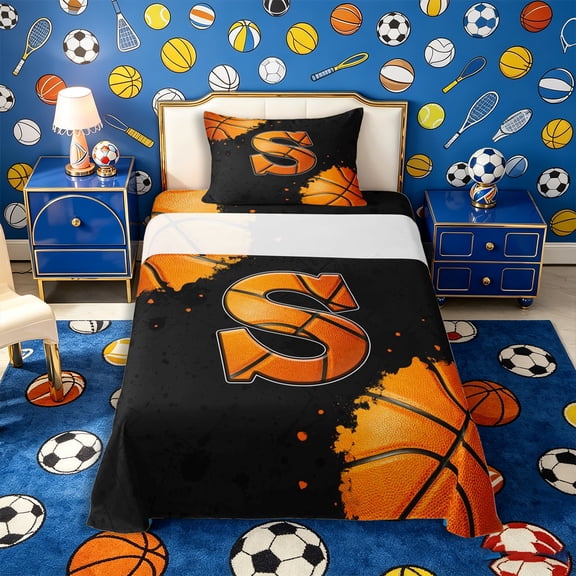
Theme can shape the whole room, so you should compare prints with your child’s favorite colors and decor. Character sheets for kids can add familiar faces, while solid colors and geometric patterns create a cleaner style. Animal prints can also bring playful detail without overwhelming the room.
If your child’s interests change often, you may prefer stars, stripes, or simple patterns that mix with many blankets. If your child loves a favorite character, you may choose matching sheets and pillowcases for a coordinated look. You can use theme to tie together comforters, pillows, and wall colors.
Matching everyday routines to the right bedding
If you wash bedding often, you should focus on material, print, and fit that support repeat use. Easy-care fabrics and dependable sizing can make weekly bedding changes feel less complicated. You can compare these details before you choose a set for busy routines.
For bunk rooms, sleepovers, or school nights, you may want kids sheets and pillowcases that go on easily and stay in place. For toddler transitions, you may want smaller sizes and softer textures that feel familiar at bedtime. You can match bedding choices to age, room setup, and washing habits.
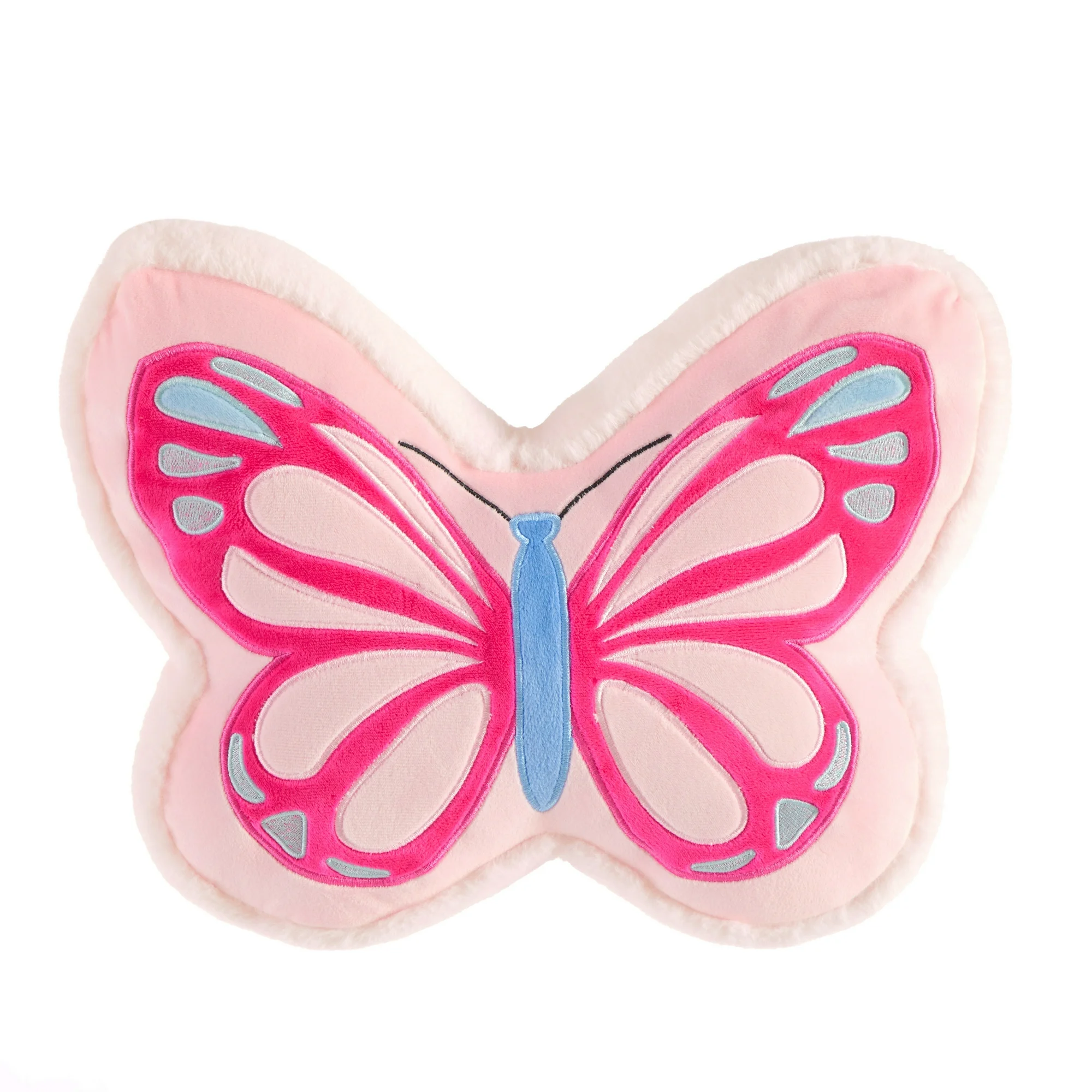
If you’re building a layered bed, you can pair these basics with comforters, quilts, and kids pillows for a finished setup. When you choose the right size, fabric, pocket depth, and theme, you can get bedding that fits cleanly and washes well. That approach helps your child’s room feel coordinated and ready for nightly use.
You can shop this category with more clarity when you compare size, material, pocket depth, and design theme together. This approach helps you choose kids sheets and pillowcases that fit neatly, wash easily, and keep the room pulled together.