

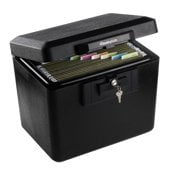
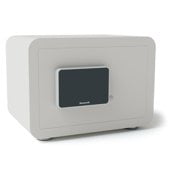
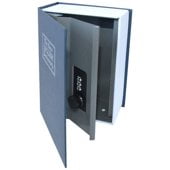
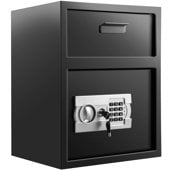
Key Lock Boxes in Safes & Lockboxes


























About Key Lock Boxes in Safes & Lockboxes - Walmart.com
Key lock boxes help you store spare keys with controlled access at home, at work, or on the go. You can compare mount styles, lock types, and weather-ready designs that fit daily routines.
If you need a key lock box for house access, you can narrow options by placement, capacity, and code style. You’ll also find details that matter for real use, like dust covers, reset steps, and room for larger car keys.
How key lock boxes support everyday access
You can keep a spare key available without hiding it under a mat or planter. You’ll get a more consistent handoff for family members, guests, service visits, or scheduled property access.
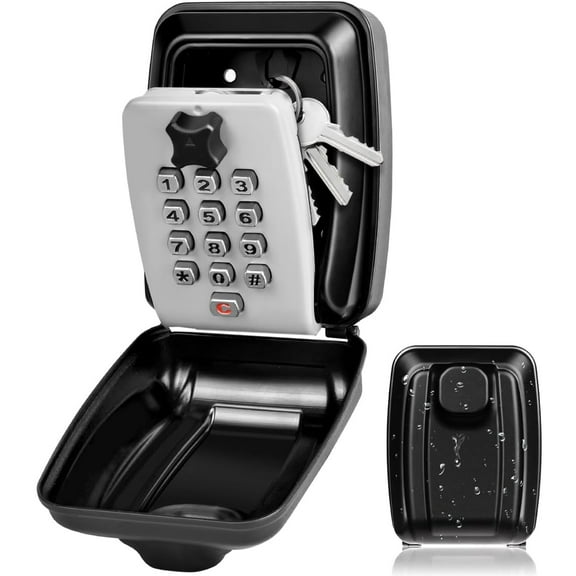
For outdoor setups, you can look for rust-resistant bodies and covered dials or buttons. You’ll want those details because rain, dirt, and changing temperatures can affect daily convenience.
- You can store a single house key or several keys, depending on your routine.
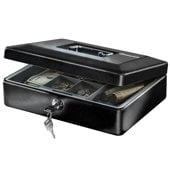
- You can choose a combination key lock box when you want shared access without extra copies.
- You can use a security key box for home entry, rental turnover, or managed property access.
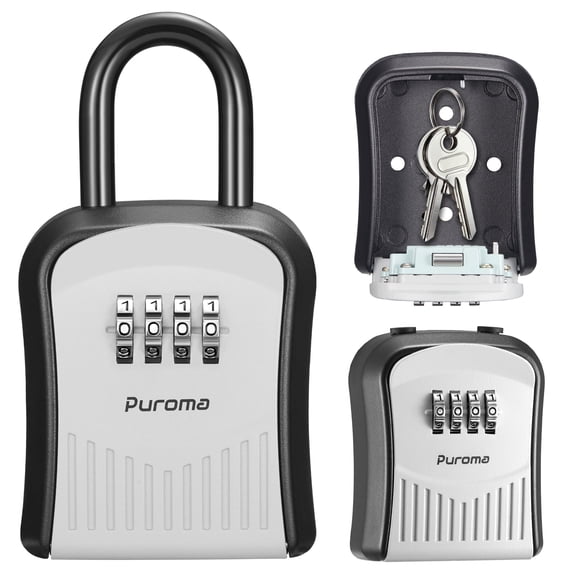
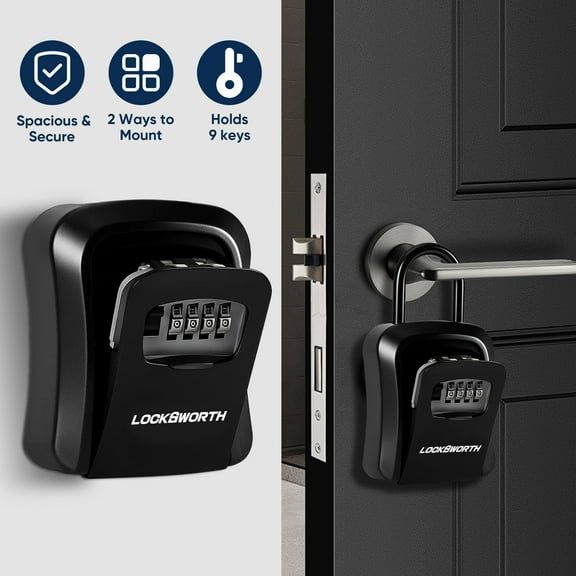
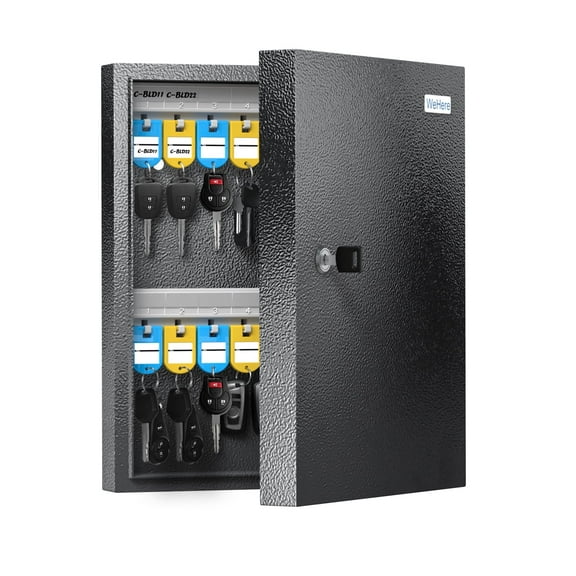
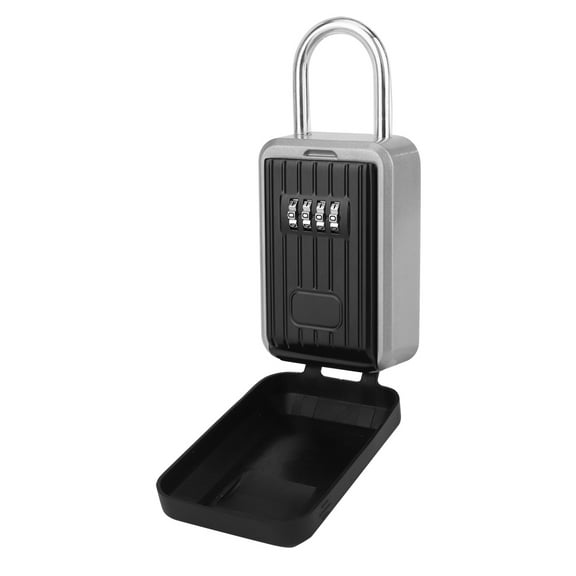
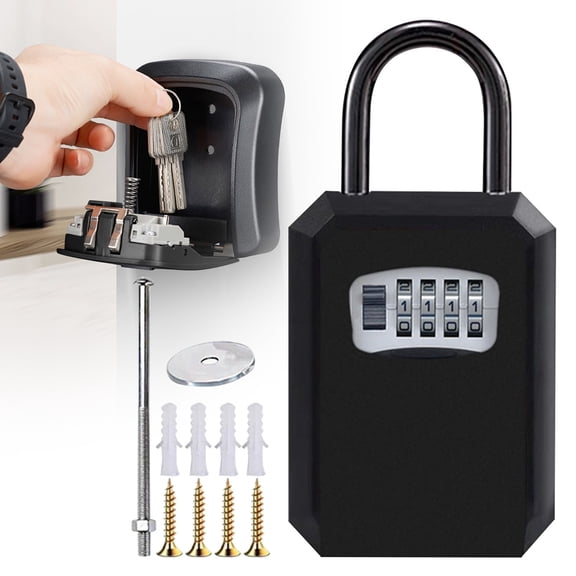
- You can compare portable shackle styles with fixed wall-mounted designs.
When you manage different users, you can reset many codes instead of replacing the whole box. You’ll appreciate that flexibility when guests change, cleaners rotate, or access needs shift.
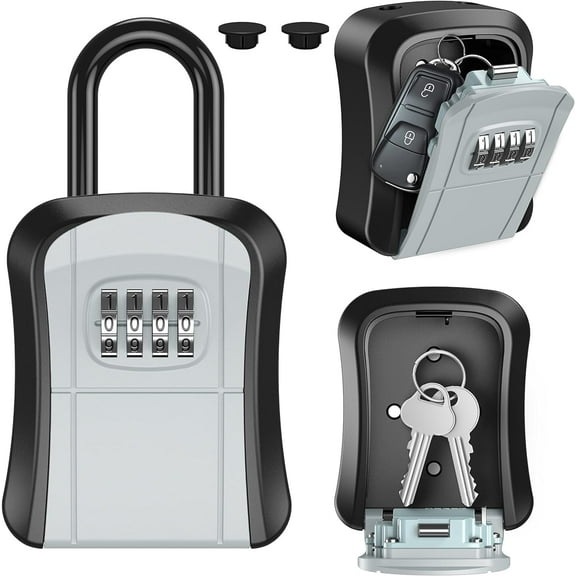
If you use larger key heads or smart car keys, you should check internal clearance before choosing. You’ll avoid cramped storage that makes retrieval slower or less convenient.
Choosing the right mount type for your space
You can start with mount type because it changes where and how you use the box. You’ll usually compare wall mount, shackle, magnetic, and freestanding formats.
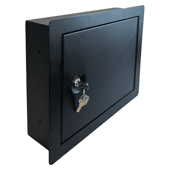
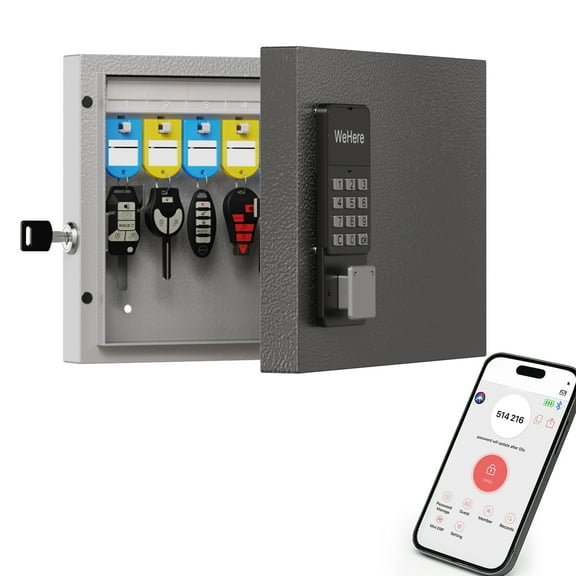
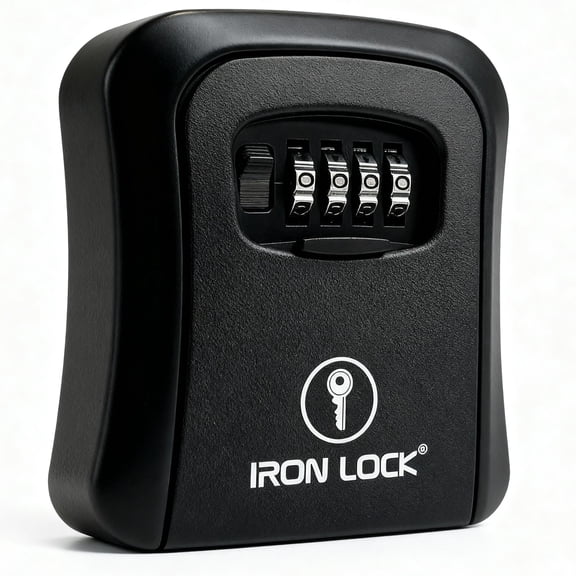
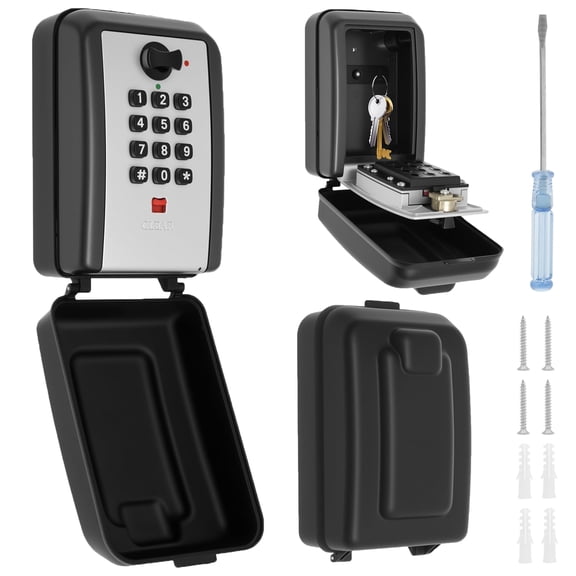
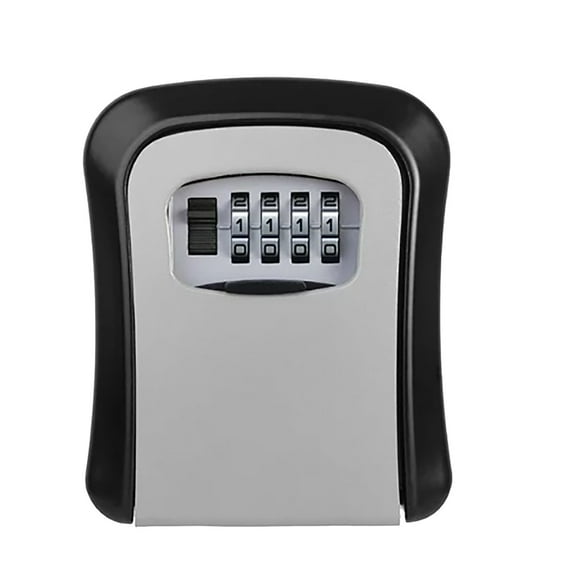
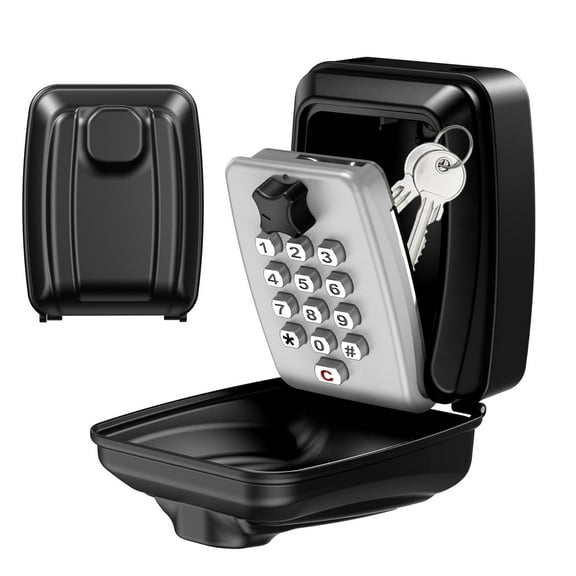
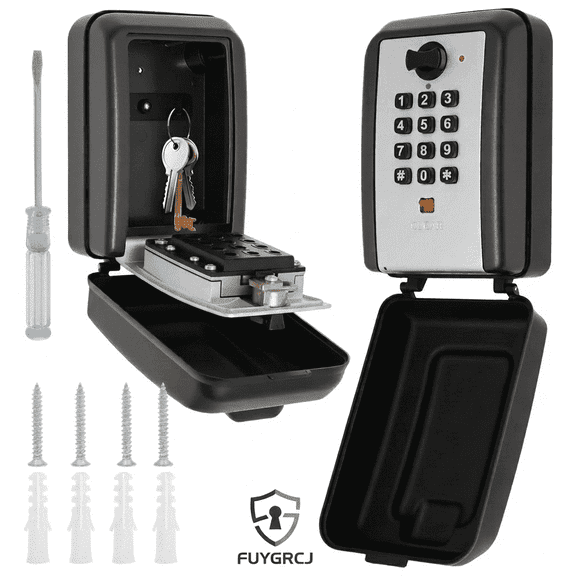
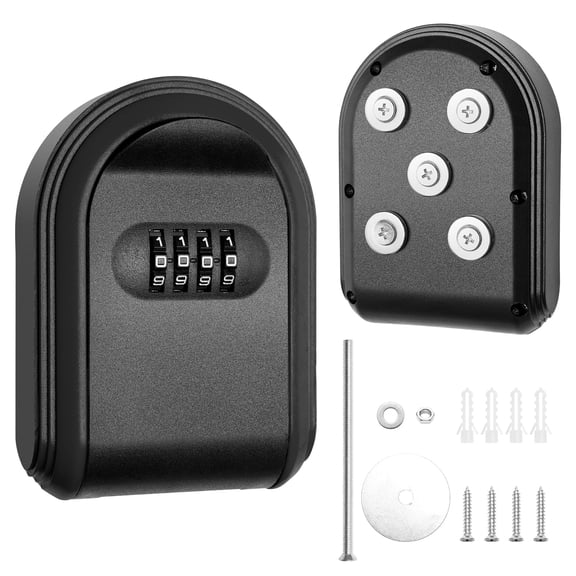
A wall mount key lock box works well when you want a fixed location near an entry point. You’ll need a suitable surface and hardware placement, but you’ll get a steady, predictable spot.
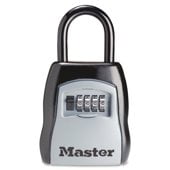
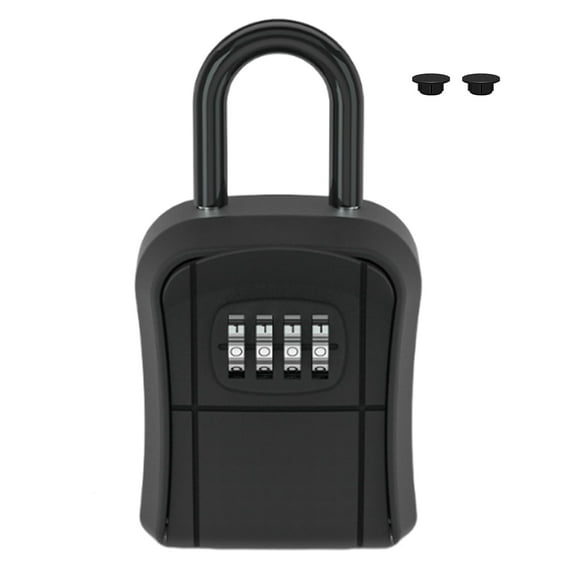
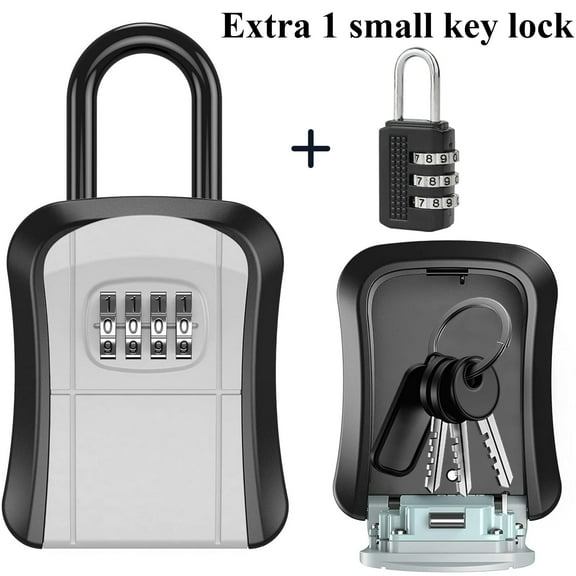
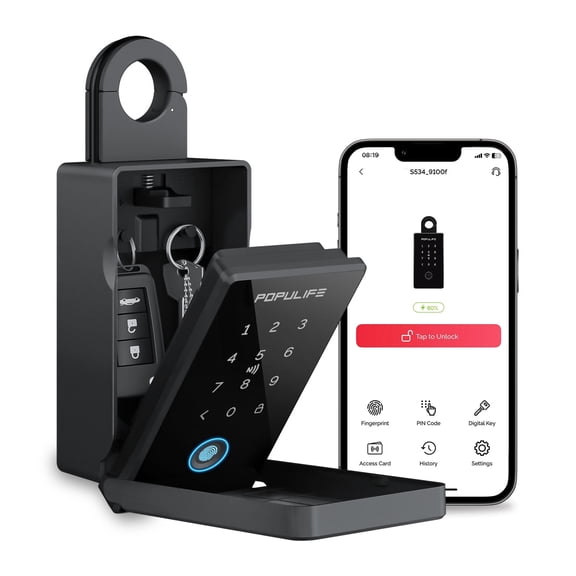
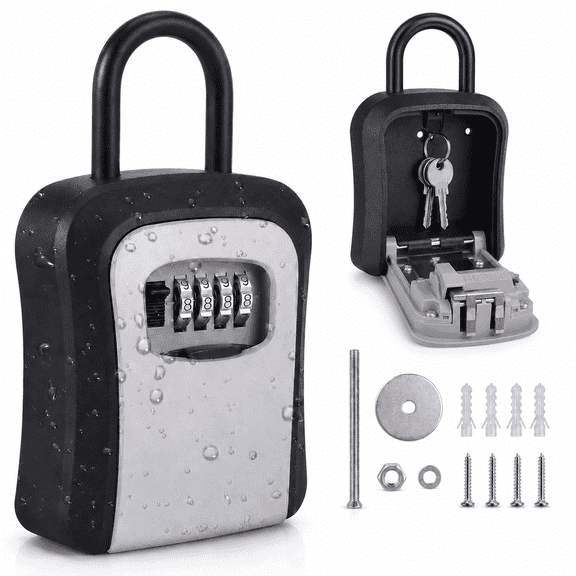
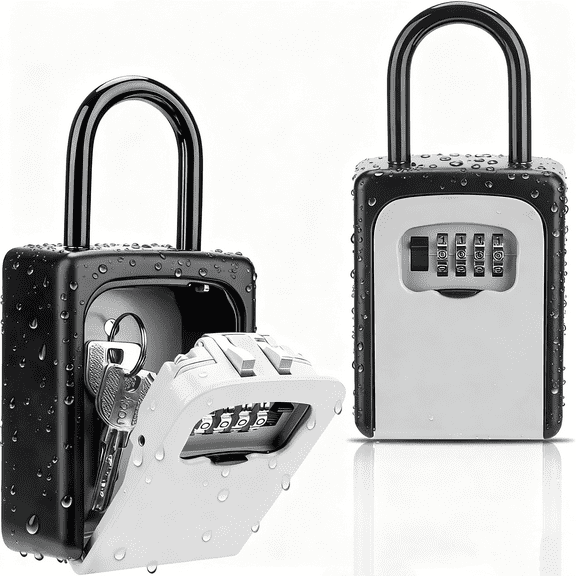
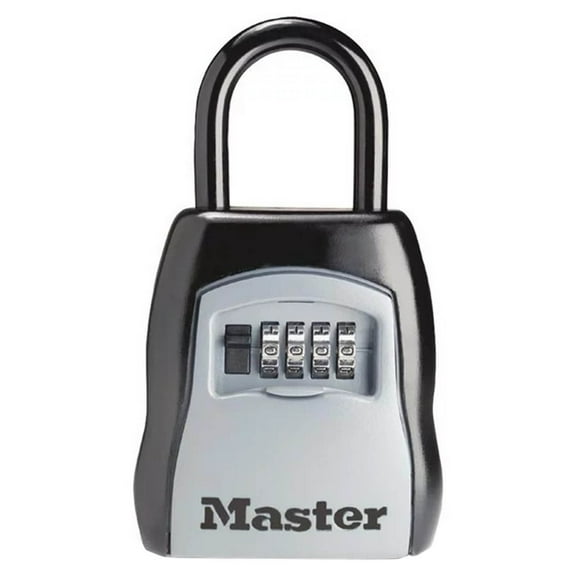
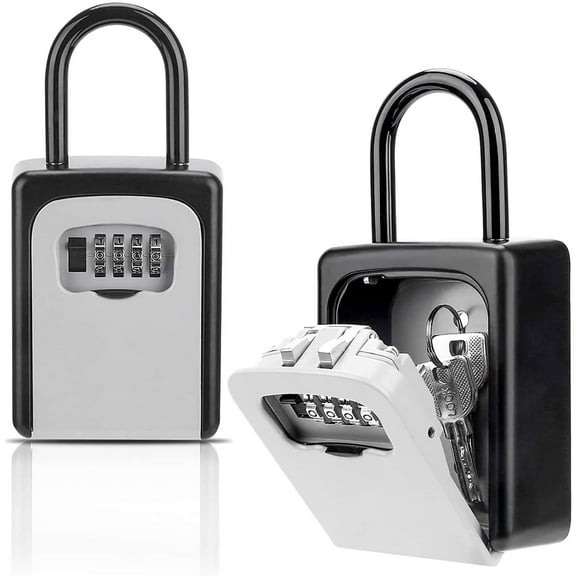
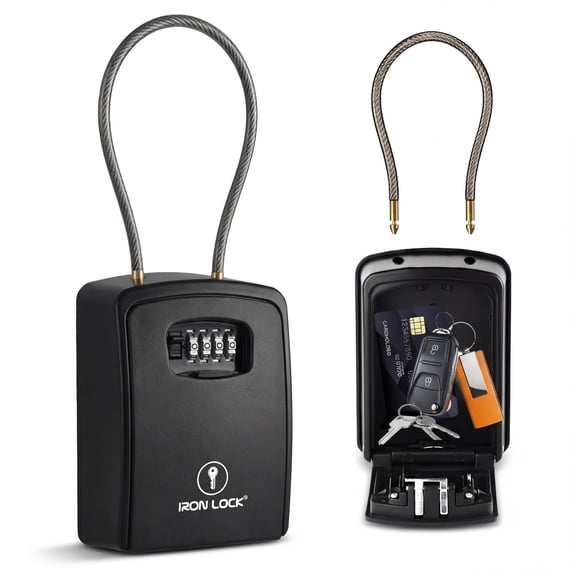
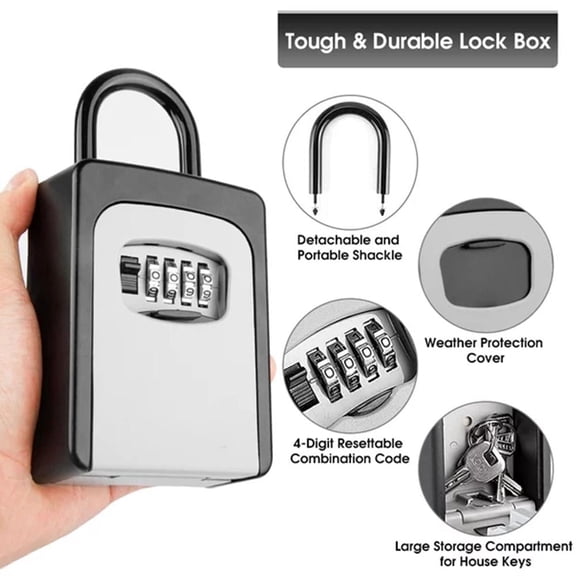
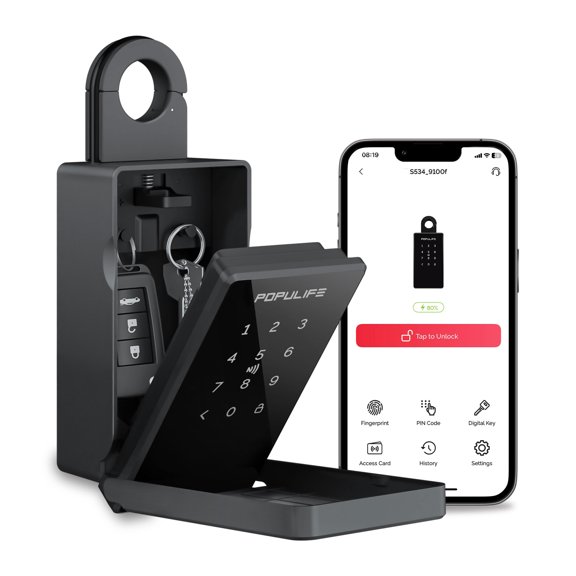
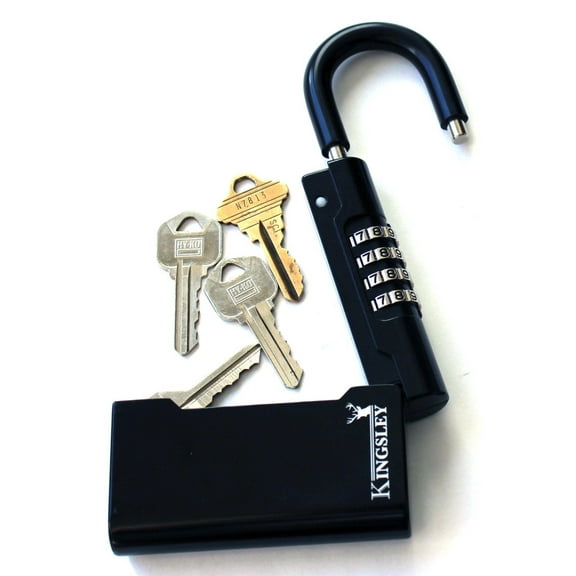
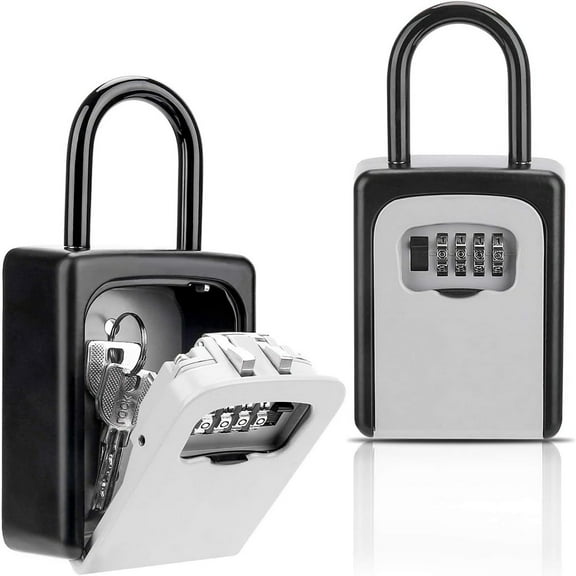
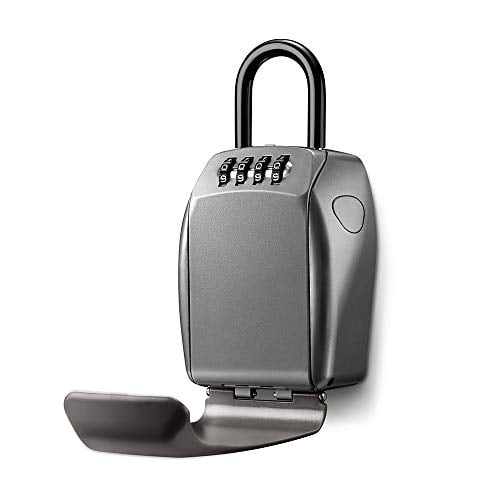
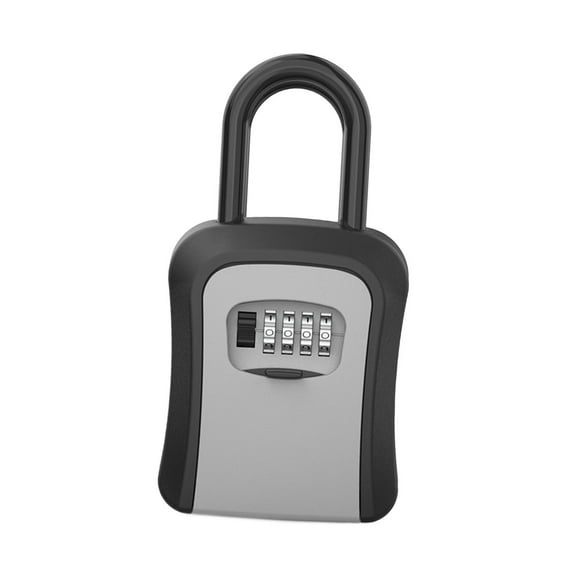
A shackle style gives you more portability because you can hang it from a knob, gate, or secure fixture. You may prefer that flexibility when your access point changes between visits or properties.
If you’re comparing magnetic styles, you should focus on intended placement and fit. You’ll want to confirm the surface works for the design and the box stays easy to reach.
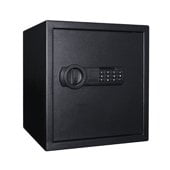
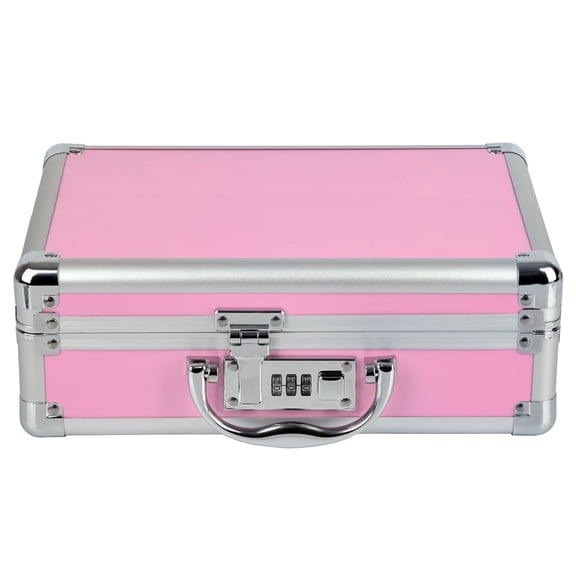
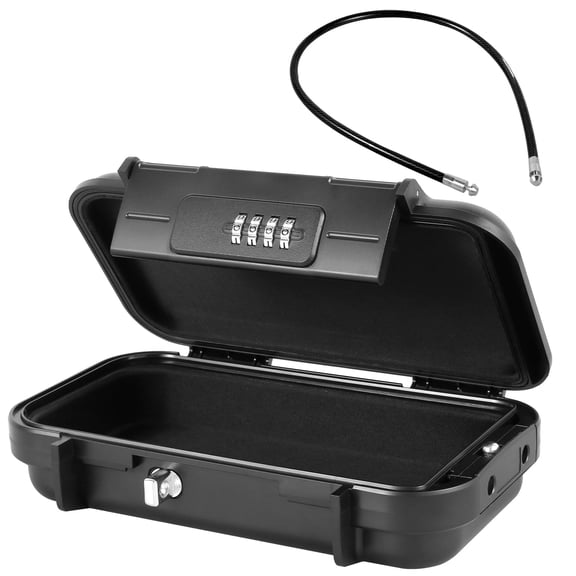
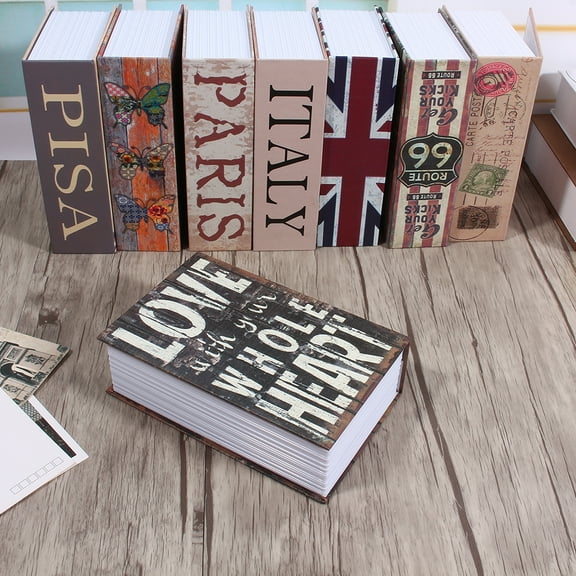
Freestanding options can suit indoor desks, counters, or managed access stations. You can use them when fixed installation isn’t your first choice and portability matters more.
Comparing lock mechanisms and reset steps
You can choose a lock mechanism based on who needs access and how often codes change. You’ll commonly see combination dial, push button, electronic keypad, and key access options.
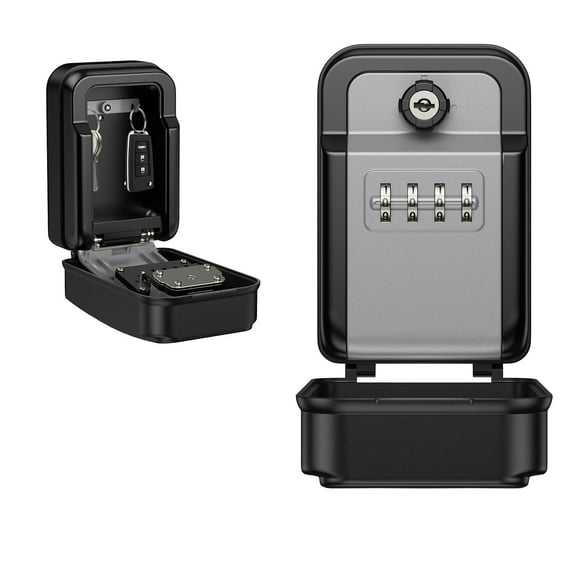
A combination key lock box can feel familiar if you want a mechanical format without batteries. You can rotate to a set code, then update it when your access list changes.
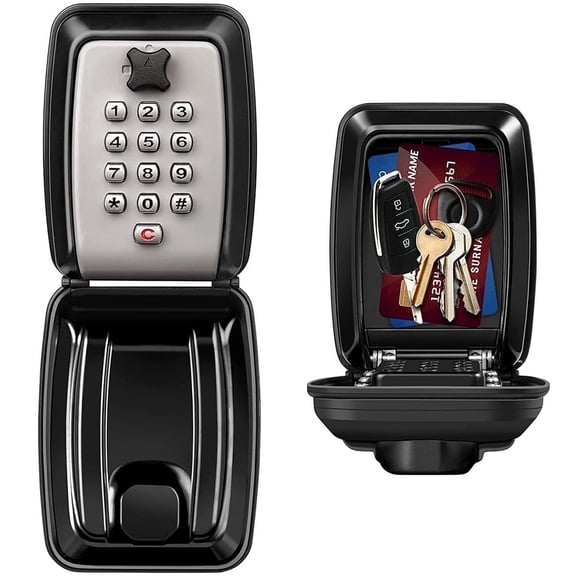
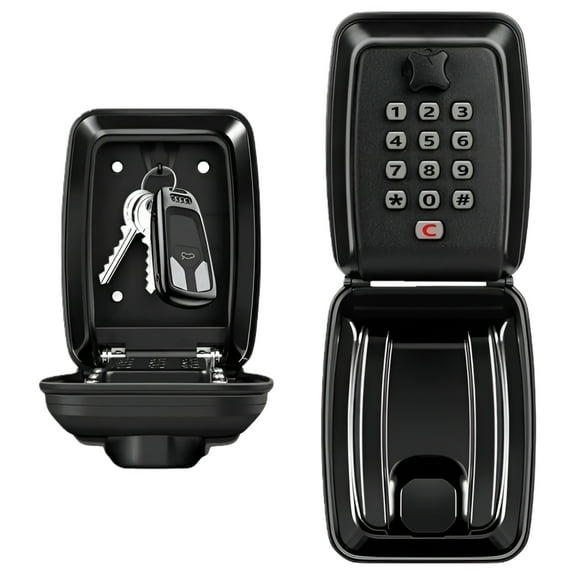
Push button styles can help you enter a code quickly with clear number presses. You may like that layout when you want simple input and straightforward daily use.
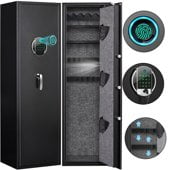
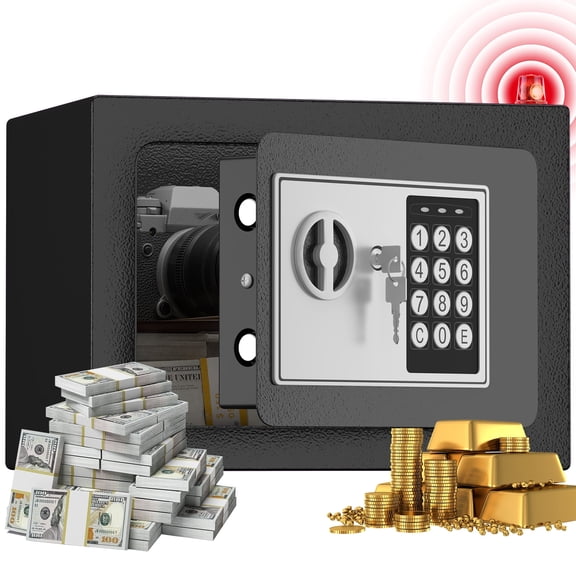
If you consider an electronic keypad, you should check power needs and control preferences. You’ll want that format when you prefer digital entry and a modern interface.
For code changes, you should look for a clear reset process before you choose. You’ll usually open the box, move the reset switch or lever, set a new code, and confirm it.
That reset flow matters because you may update access after a guest stay or contractor visit. You’ll want steps that feel easy to repeat without confusion.
What to look for in an outdoor key safe
An outdoor key safe should match the weather exposure at your entry point. You can look for rust-resistant construction, covered controls, and a design that keeps out dust and debris.
If your box sits near sprinklers, wind, or regular rain, you should prioritize a protective cover. You’ll get easier code entry when buttons or dials stay cleaner between uses.
You can also compare placement by routine, including outdoor, indoor, realtor use, and car storage. You’ll want the box location to match how often you open it and who uses it.
For realtor use, you may prefer a portable shackle design that moves between properties. You can pair that format with quick code changes when showing schedules shift.
For car placement, you should pay close attention to internal dimensions and key shape. You’ll need enough clearance for thicker fobs and larger smart keys, not just flat metal keys.
Matching capacity and use cases to your routine
You can choose capacity by counting what needs to fit inside each time. You’ll see options for a single key, multiple keys, or a key plus a fob access card.
If you only need backup entry, a compact key lock box for house use may be enough. You’ll keep the footprint smaller while still storing your essential spare key.
When several users need access, you should consider extra room for multiple keys. You can avoid crowding and make pickup faster when each item fits more cleanly.
For vacation properties or managed rentals, you may want space for keys and entry cards together. You’ll simplify check-ins when one box holds the full access set.
Internal size matters just as much as outside size, especially for wide plastic heads and car fobs. You should measure your largest item so your box opens and closes with less friction.
When you compare key lock boxes with these decision points in mind, you can choose a setup that fits your entry routine. You’ll end up with more reliable access, cleaner installation planning, and easier key handoffs.