

Junk Journal Supplies in Paper Crafting























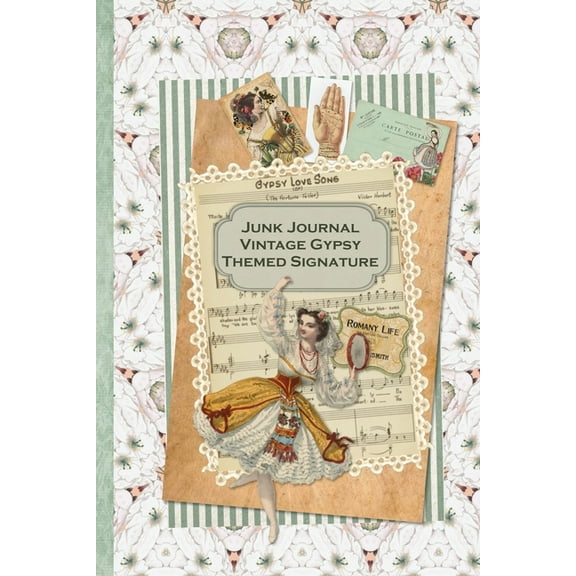
About Junk Journal Supplies in Paper Crafting - Walmart.com
With junk journal supplies, you can build layered pages that feel personal, textured, and full of collected character. You can compare papers, kits, and embellishments that fit vintage, floral, gothic, or celestial journal themes.
If you're starting your first project, you may want simple essentials that help you assemble pages without guesswork. If you're expanding your stash, you can focus on paper weight, texture, and coordinating accents.
How to choose junk journal supplies
You should start by deciding whether you want a junk journal supplies kit or separate pieces. A kit can simplify matching papers, trims, and embellishments when you want a coordinated look.
If you already know your style, you may prefer individual papers, washi tape, stickers, stamps, or pockets. That approach helps you mix eras, colors, and textures across several projects.
You can narrow your choices easily when you compare a few key decisions before you create. You should consider material type, format, accessory type, and aesthetic style together.
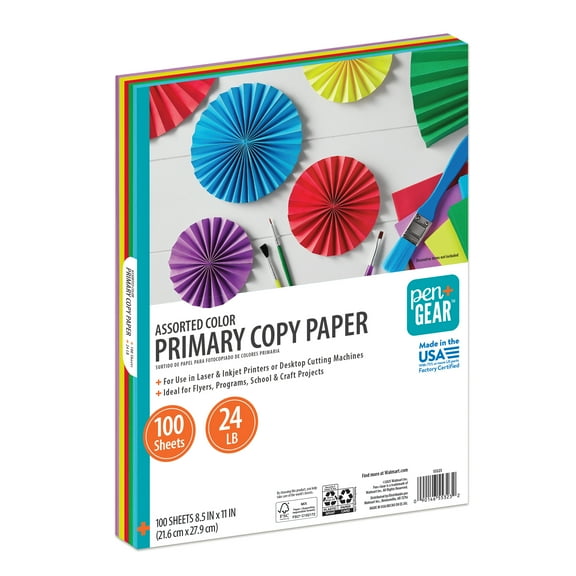
- You can use paper and cardstock for writing, layering, and sturdy page bases.
- You can add vellum for soft overlays and fabric for tactile tabs, covers, or trims.
- You can use ephemera packs, charms, stickers, and pockets to create dimension and visual variety.
- You can choose complete kits when you want a guided starting point with coordinated pieces.
Choosing junk journal materials by material type
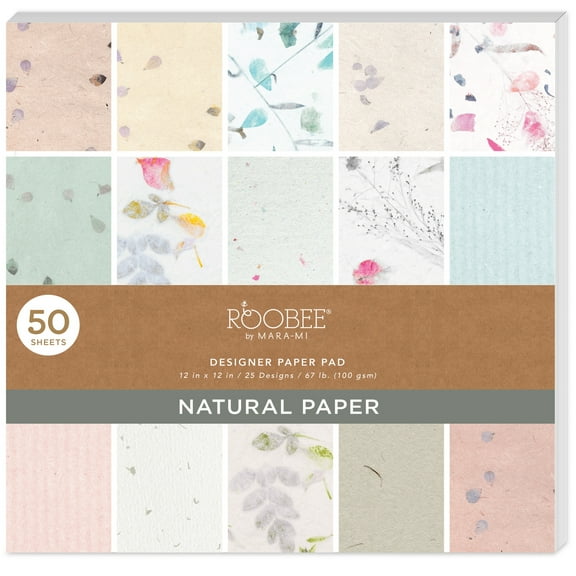
You should compare junk journal materials by feel as much as color or print. Paper gives you flexible layering, while cardstock gives your tags and tuck spots more structure.
If you want translucent layering, you can use vellum over book pages, labels, or floral prints. If you want softer texture, fabric can add frayed edges, tabs, and cover accents.
You may also want ephemera for ticket shapes, labels, postcards, and miniature art pieces. Those details help you create pages that look collected instead of flat.
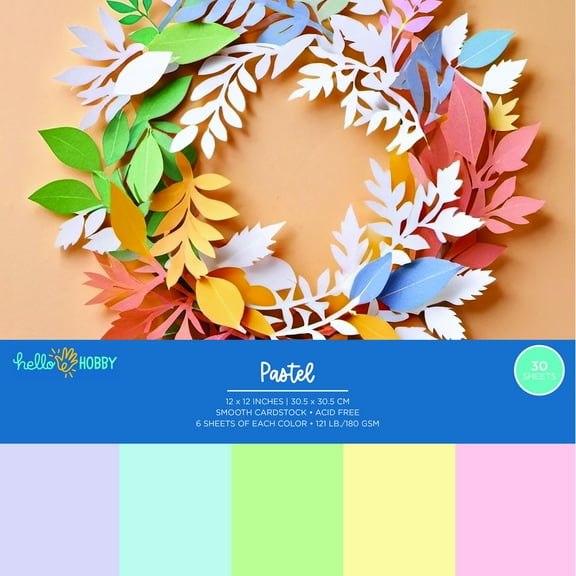
When you compare paper weight, you should check GSM because it affects feel and handling. Lower GSM sheets feel lighter, while heavier cardstock supports pockets, inserts, and layered tags.
You can use lighter papers when you want easy folding, tearing, or distressed edges. You can use thicker sheets when you want cleaner stamping surfaces or sturdier bases.
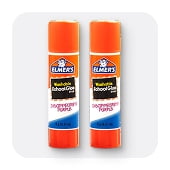
If you're combining delicate papers with embellishments, you should also think about adhesive compatibility. You may prefer glue sticks, tape runners, or double-sided tape based on paper texture.
Key differences in kits, packs, and junk journal accessories
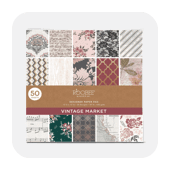
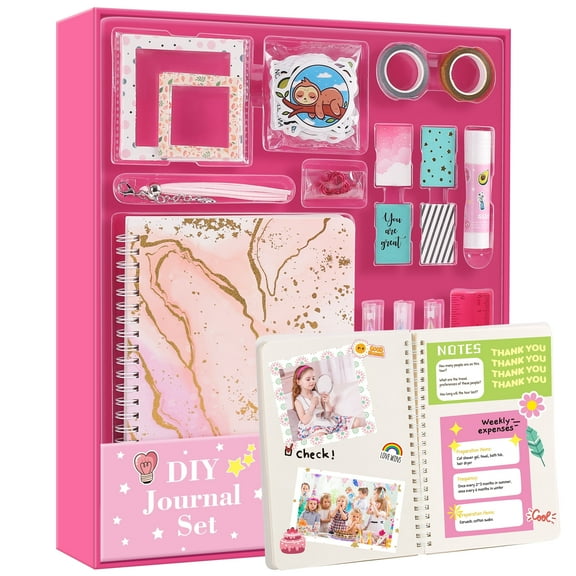
You can save planning time when you choose a junk journal supplies kit for a first journal. Kits often group papers, stickers, labels, and accents around one theme or color story.
If you want full control, you can build your own set from individual sheets and ephemera packs. That option works well when your current journal already has a strong style direction.
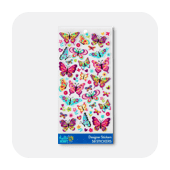
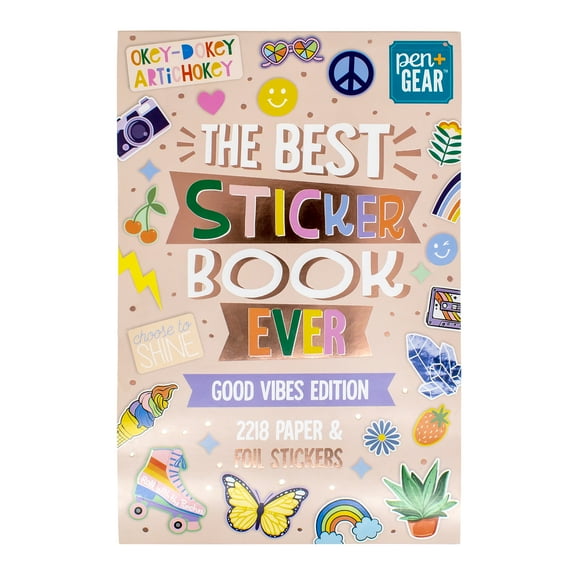
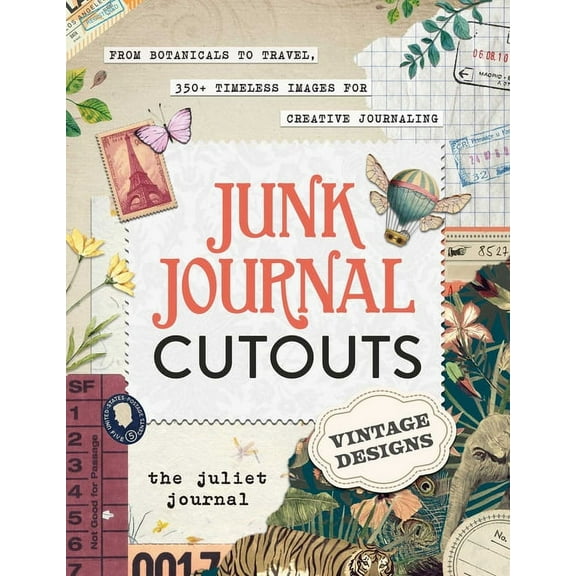
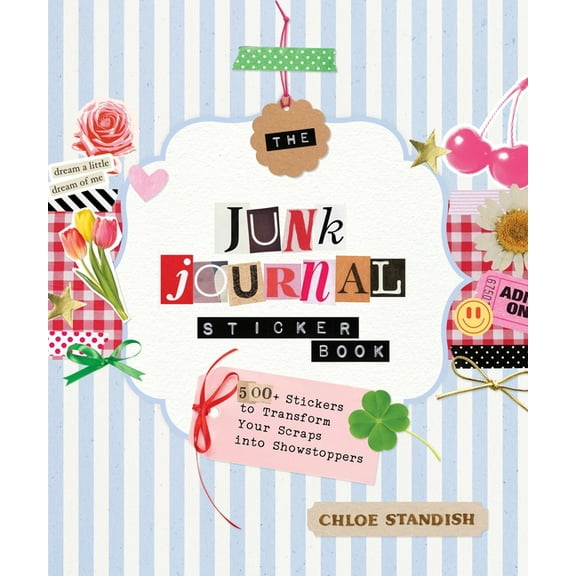
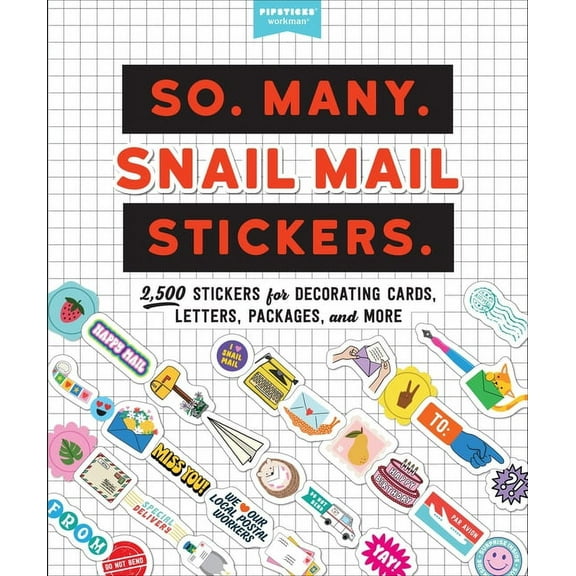
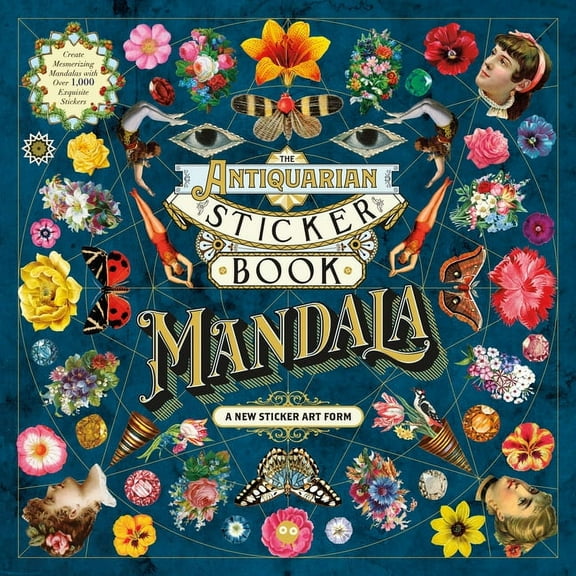
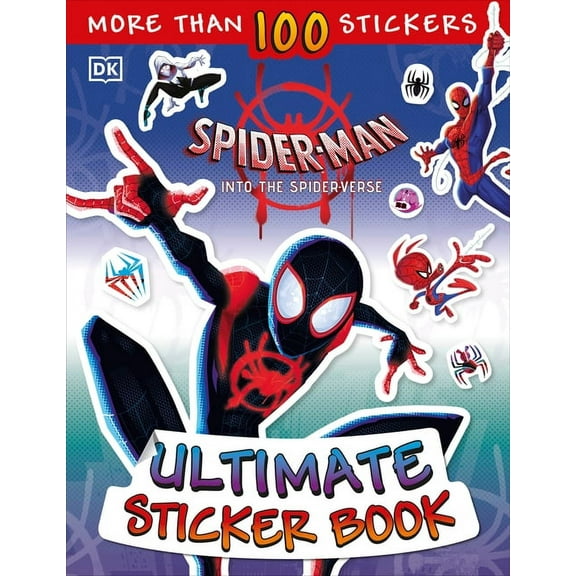
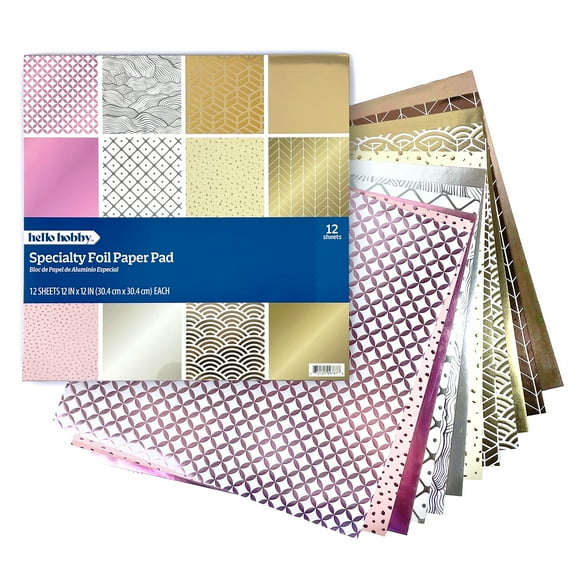
You should compare formats carefully because each one supports a different workflow. Individual sheets help you handpick textures, while sticker books keep coordinated accents in one place.
Ephemera packs can give you quick page fillers like frames, tickets, and layered labels. Complete kits can help you start quickly when you want matching pieces from the beginning.
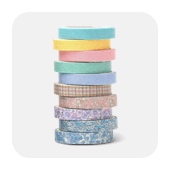
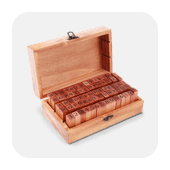
You can also sort junk journal accessories by function, not just appearance. Washi tape helps you frame photos and edges, while stamps let you repeat motifs across many pages.
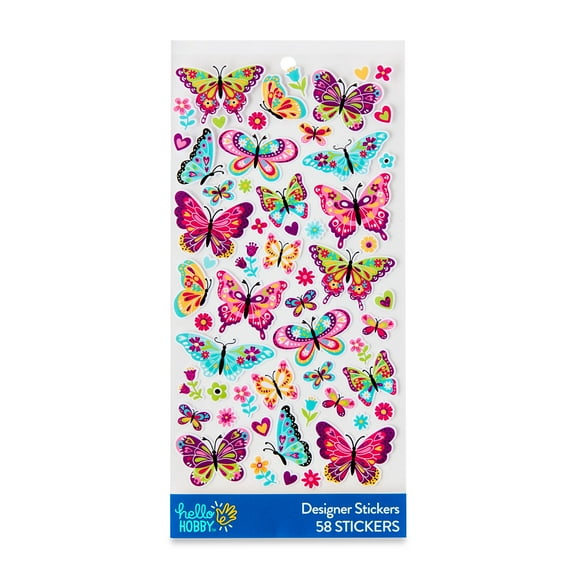
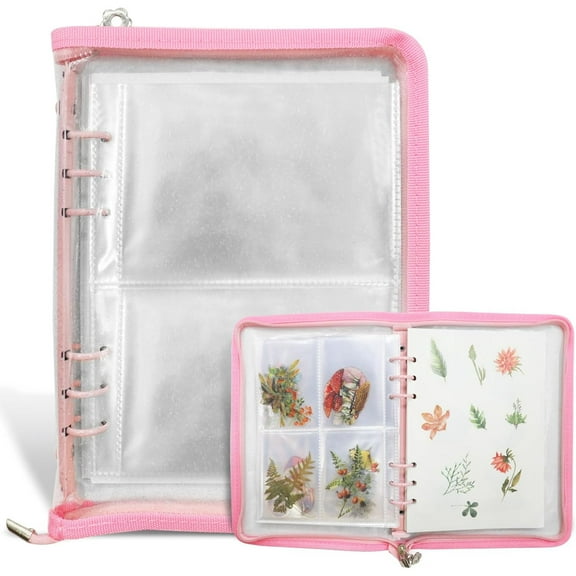
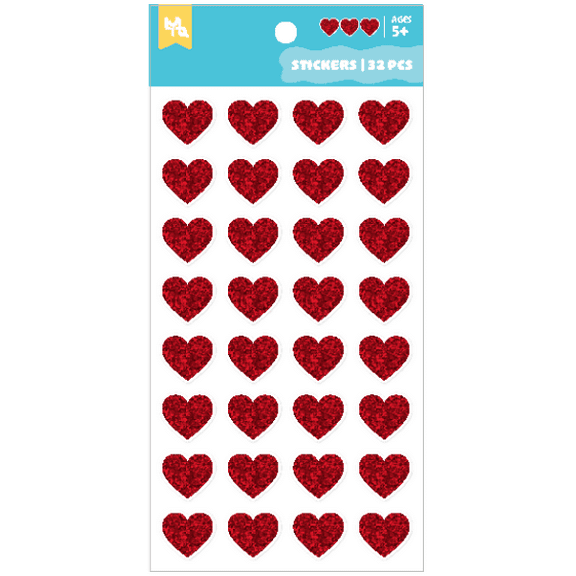
Stickers can add quick focal points, and charms can give covers or closures extra detail. Pockets create useful space for notes, tags, and fold-out inserts inside your journal.
Matching scrapbook journaling supplies to your theme
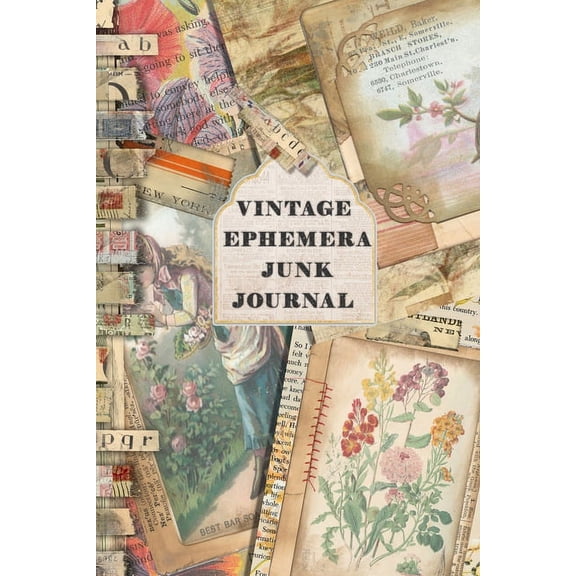
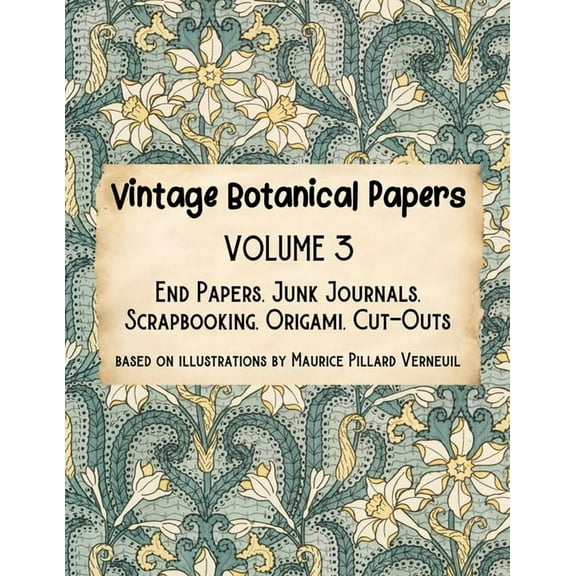
You should choose scrapbook journaling supplies that support your project theme from the first page to the last. Vintage prints can suggest age and patina, while retro patterns can feel playful and graphic.
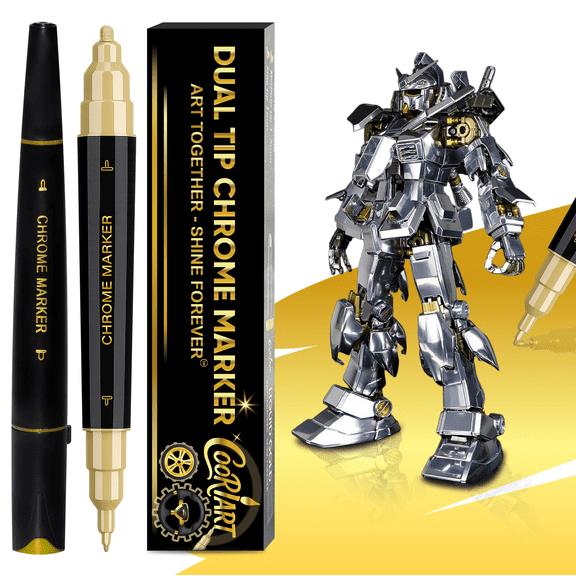
If you want a softer look, you can combine floral papers with vellum overlays and label stickers. If you want a darker mood, gothic motifs pair well with deep tones, script prints, and metallic accents.
You can use celestial designs when your journal centers on moon phases, stars, or dreamlike imagery. That style often works well with dark paper, gold-tone details, and layered translucent pieces.
You should also think about how your theme affects mixing and matching. A focused palette can make varied materials feel cohesive, even when you use paper, fabric, and ephemera together.
If you're making gifts, memory books, or seasonal journals, you can match the style to the occasion. Coordinated themes help you choose stamps, washi tape, and pockets without slowing your process.
Using junk journal supplies for real projects
You can use junk journal supplies for daily journaling, memory keeping, pen pal inserts, or creative scrapbooking. Different combinations suit your project depending on how much writing, layering, and decoration you want.
If you're a beginner, you may want a complete kit, medium-weight paper, stickers, and washi tape. That mix keeps setup simple and gives you enough variety for several spreads.
If you like interactive pages, you can choose cardstock, pockets, and charms for structure and movement. Those elements support fold-outs, hidden notes, and tag storage inside thicker journals.
You may prefer vellum, floral paper, and label ephemera for wedding memories or family keepsakes. You can create soft layering that still leaves room for handwriting and photos.
For darker or dramatic themes, you can combine gothic prints, stamps, and textured fabric accents. You can build contrast through torn edges, darker backgrounds, and metallic details.
If you already keep scrapbooks, you can blend scrapbook journal supplies with your current crafting tools. That overlap helps you use familiar adhesives, stamps, and paper trimmers across both hobbies.
When you compare materials, themes, and formats carefully, you can build pages that feel cohesive from cover to closure. You can create journals with texture, personality, and details that suit your style.