



Inflatable Boats in Boats

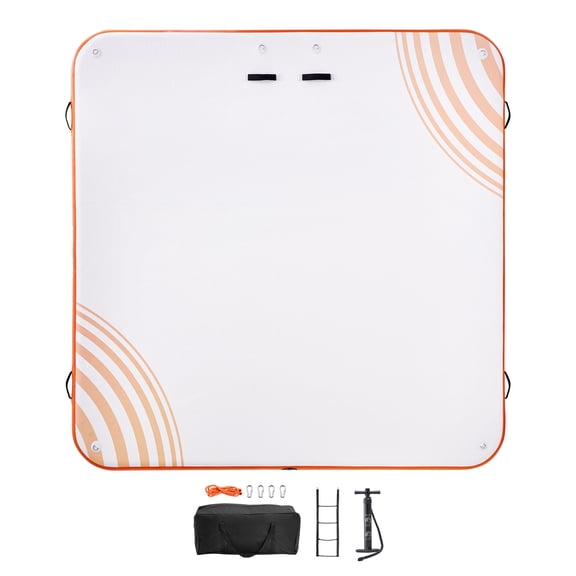

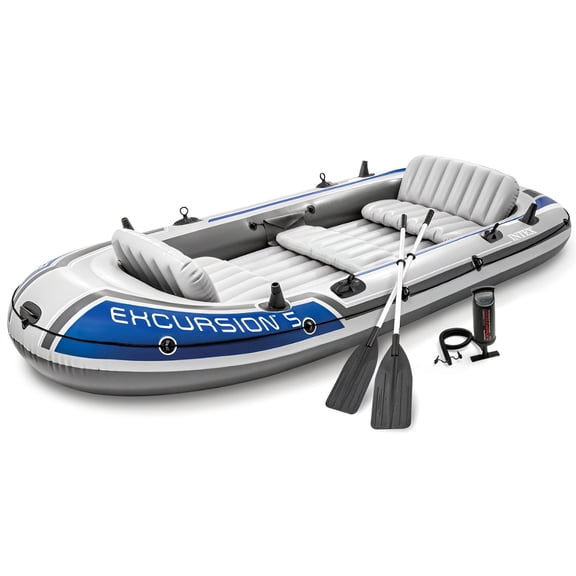


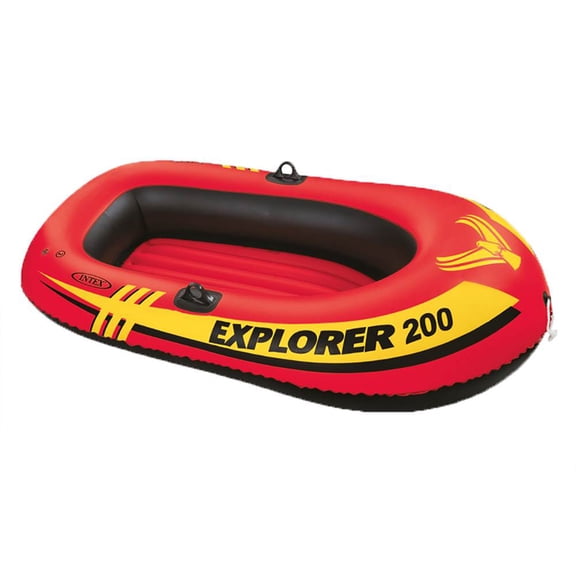
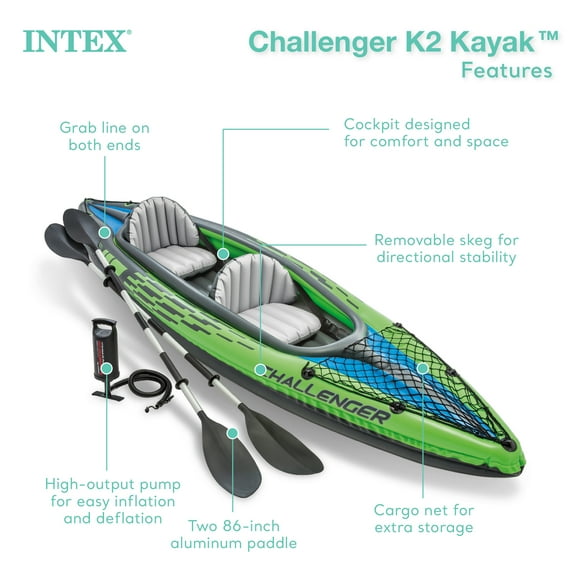
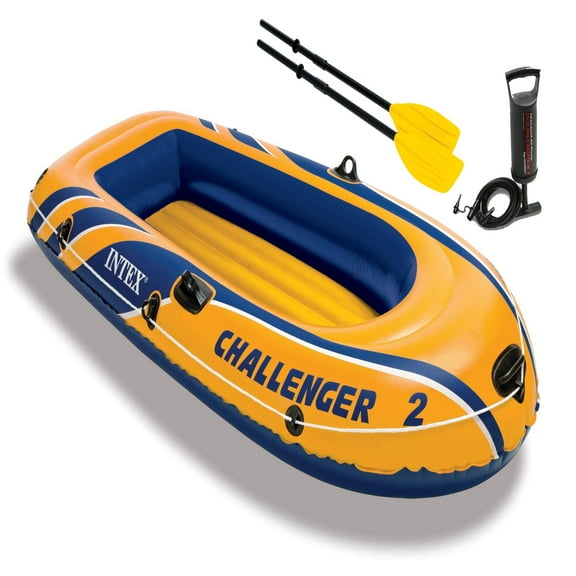
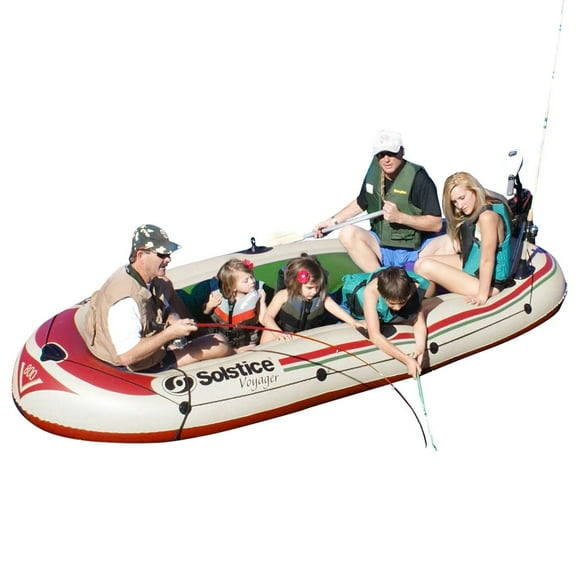


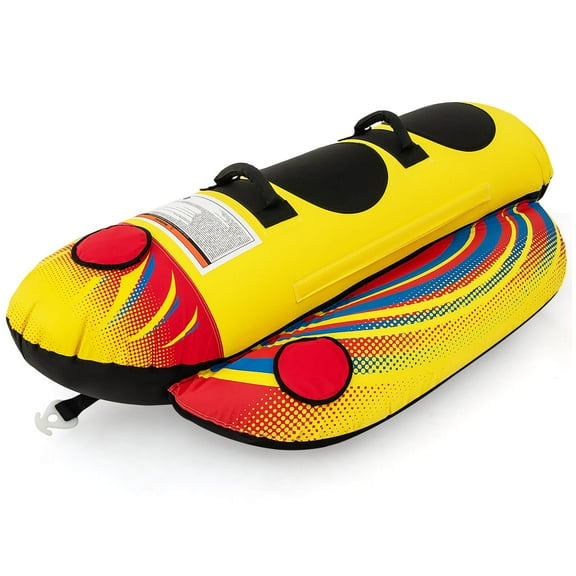
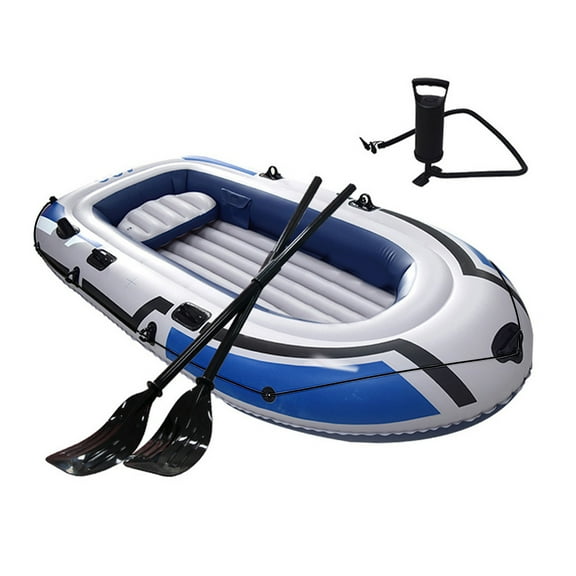
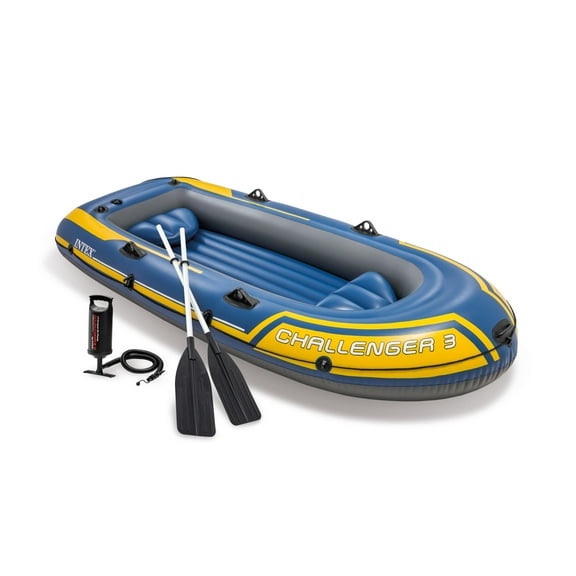
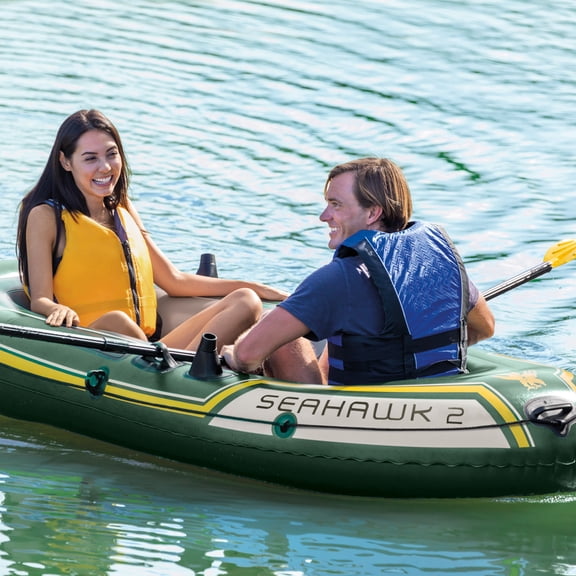
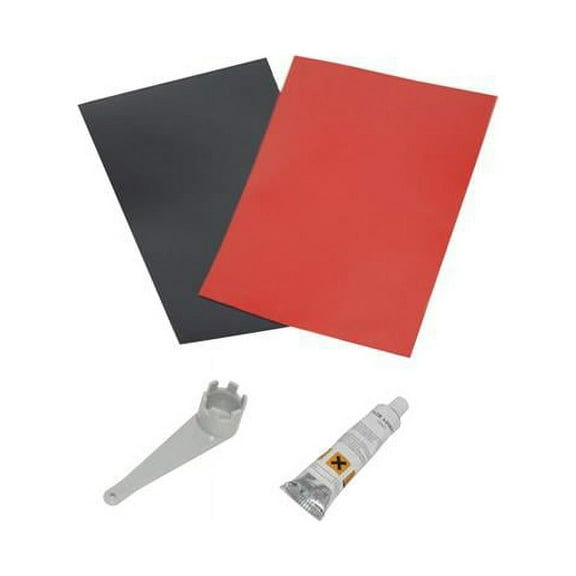
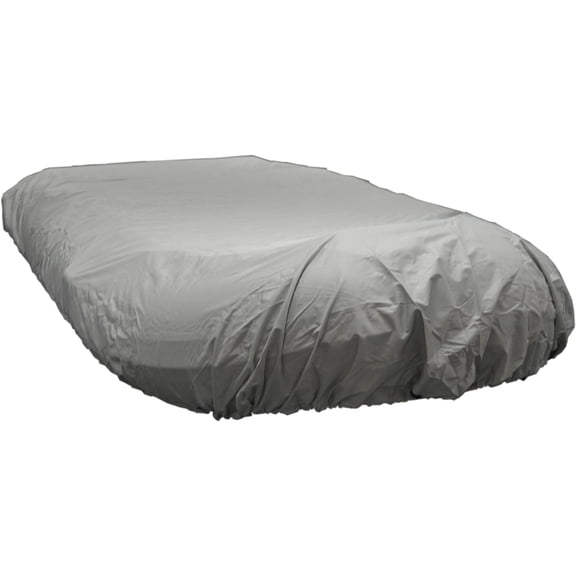
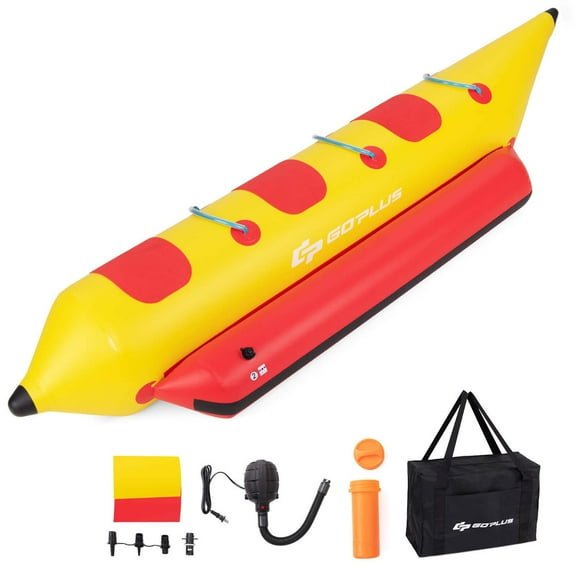
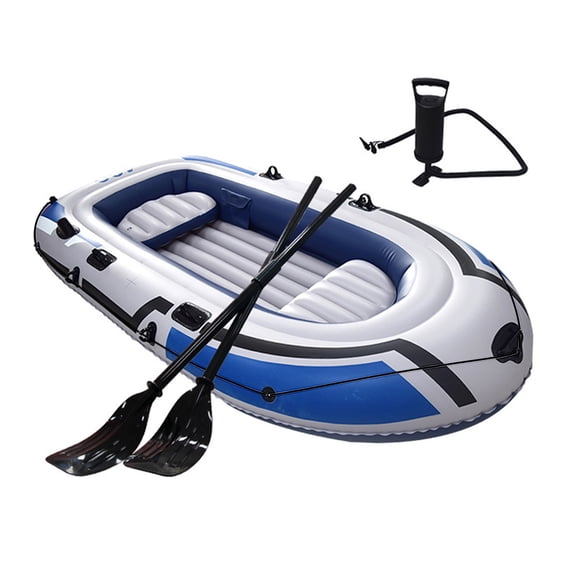

About Inflatable Boats in Boats - Walmart.com
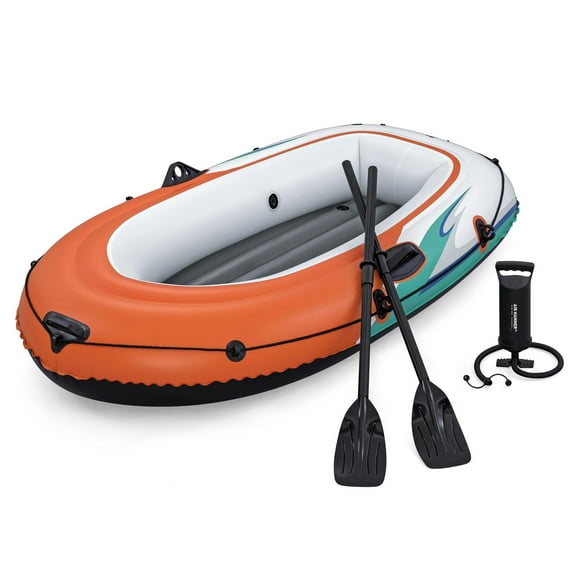
Inflatable boats give you a portable way to reach the water, pack into your trunk, and match your plans for fishing, rafting, or tender use. You can compare capacity, floor type, and motor compatibility to choose a setup that fits your crew, your gear, and your launch style.
How to choose inflatable boats for your plans
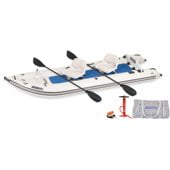
You'll want to start with capacity because passenger count changes how your boat feels on the water. You can choose one-person models for solo trips, two-person options for quick outings, or a 4 person inflatable boat for shared gear and longer days.
You'll also want to match your boat to your launch spot and storage space. If your trunk space is tight, you may prefer blow up boats that deflate compactly and inflate fast at the shoreline.
When you compare inflatable rafts and dinghy styles, you'll notice that shape affects tracking and room. You may prefer a wider raft profile for relaxed lake use, while your inflatable dinghy may suit dock transfers and tender tasks.
- You can pick a capacity that fits adults, kids, and gear.
- You can compare compact packed sizes for easier transport.
- You can choose between rowing, trolling motor use, or an outboard motor mount.
- You can select a floor style that matches stability and setup preferences.
Choosing capacity and use case
You should check how many adults and how much gear your boat needs to carry before you choose a size. If your trips include tackle boxes, coolers, or dry bags, you'll want extra room beyond the seat count.
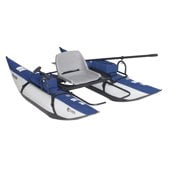
For fishing days, you'll likely want inflatable fishing boats with space for rods, tackle, and steady casting positions. If your plans center on calm water, you may prefer inflatable lake rafts built for relaxed cruising and easy boarding.
For moving between shore and a larger boat, you may want an inflatable dinghy with practical seating and simple oar handling. If your route includes moving water, you can compare river rafts and whitewater-ready shapes with secure chamber layouts.
Comparing materials and heavy duty inflatable boats
You should compare material choices because durability affects where and how often you launch. Heavy duty PVC can suit frequent recreation, while hypalon often appeals when you want flexible handling and repeated outdoor exposure.
You may also look for puncture-resistant construction when rocky banks, docks, and gear contact are part of your routine. Heavy duty inflatable boats often include reinforced seams and multiple air chambers, which can support steadier confidence on varied water conditions.
If denier ratings appear in product details, you can treat higher numbers as a sign of thicker fabric. You'll still want to compare chamber design, seam construction, and intended water type before you decide.
Checking motor compatibility and power options
You should confirm whether your boat is designed for rowing oars, a trolling motor, or an outboard motor mount. If you plan to add power, you'll want transom compatibility and a stated horsepower rating that matches your setup.
When you review an inflatable boat with motor mount, you should check shaft length guidance and mounting style. You'll get a more useful comparison when you match your motor specs to the boat's transom height and rating.
If you paddle short distances, you may prefer a lighter model that rows easily and packs smaller. If your route covers more water, inflatable boats with motor mounts can help you cover distance with less manual effort.
Understanding floor types and on-water feel
You can use floor type as a quick guide to comfort, stability, and setup time. Air deck floors usually keep weight lower, while aluminum floor designs may feel firmer underfoot during fishing or loading.
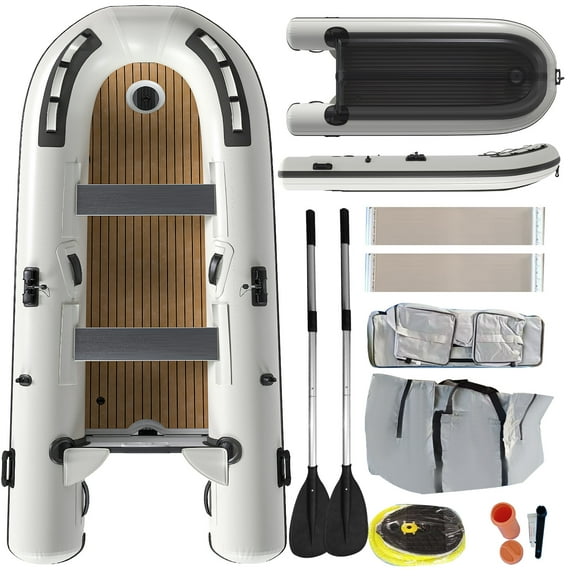
If you want a simpler packed format, you may like a slat floor that breaks down quickly. If you stand often, your hard floor inflatable boat may offer the more structured feel you want.
You should also think about how your floor choice affects transport and assembly. A lighter floor can help when you carry your boat farther from parking to the launch point.
Planning for setup, storage, and real trip scenarios
You can make your choice easier by thinking through inflation time, pump style, and packed dimensions. If you store gear in a closet, garage shelf, or car trunk, compact deflated size may matter as much as on-water room.
For weekend anglers, you may pair inflatable fishing boats with trolling motors, oars, and life jackets for a ready launch kit. For family recreation, you may choose inflatable rafts with higher capacity and a wide floor for coolers and towels.
If you need a tender for marina use, you may prefer an inflatable dinghy with straightforward oarlocks and manageable carrying weight. If your summer plans include drifting coves and shoreline stops, inflatable lake rafts can keep transport simple from home to water.
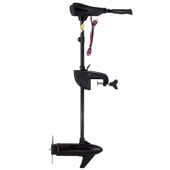
You can also compare accessories that complete your setup, including boat oars, pumps, and carrying bags. If motor use is part of your plan, you may also want to review trolling motors that match your boat's rating.
With the right inflatable boats category guidance, you can narrow your options by capacity, material, floor type, and motor fit. You'll end up with a boat that packs efficiently, launches smoothly, and fits the way you use the water.