

Impact Sockets in Ratchets & Sockets
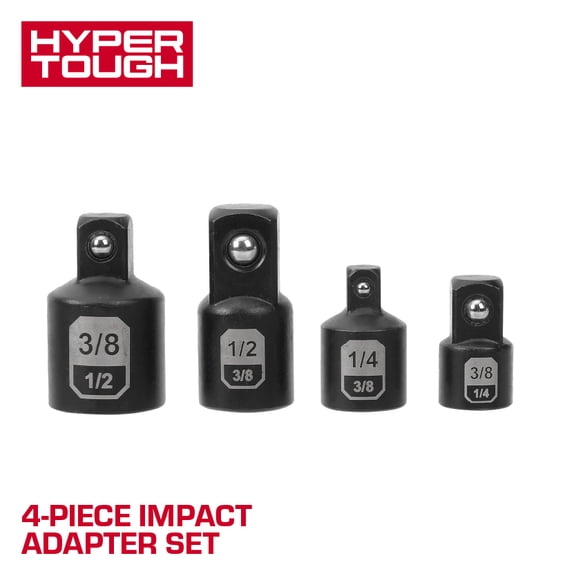


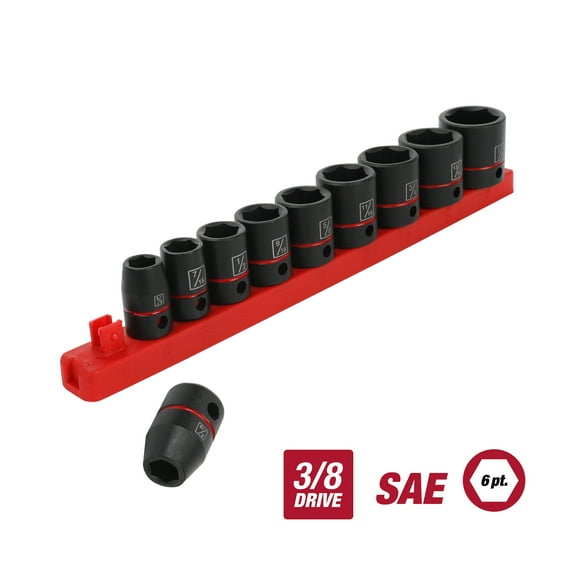
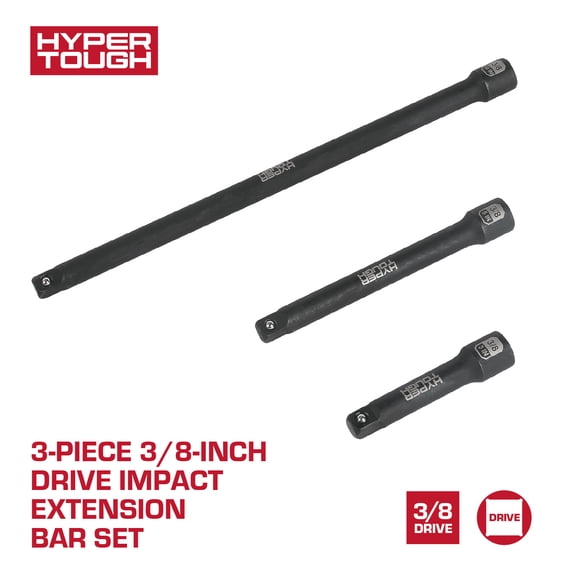

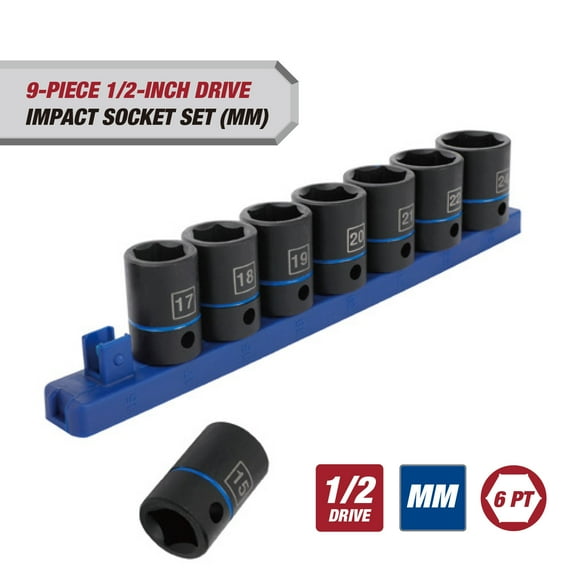
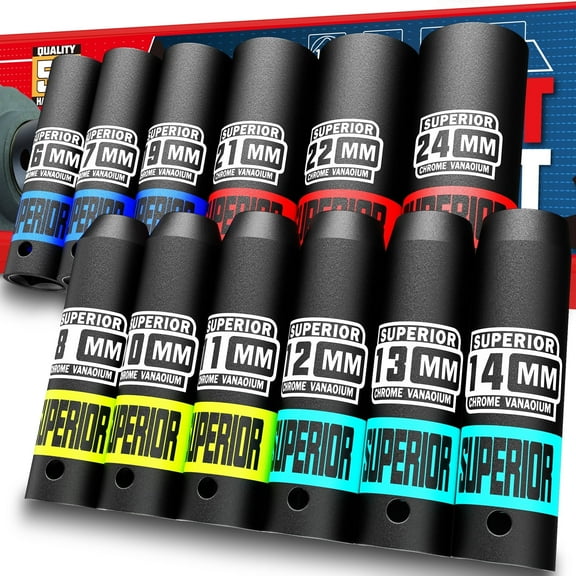
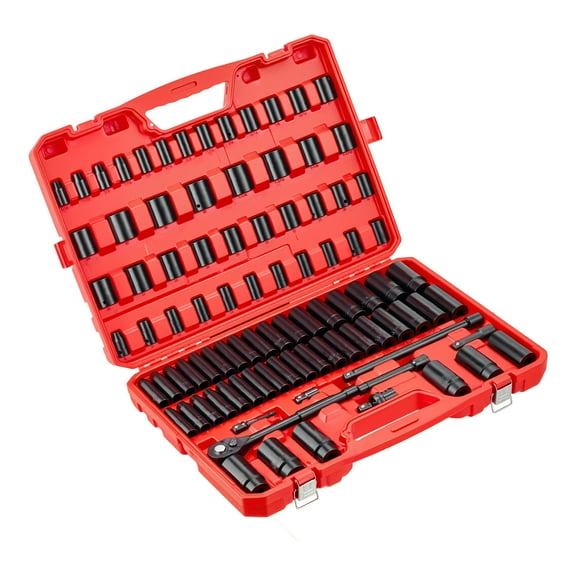
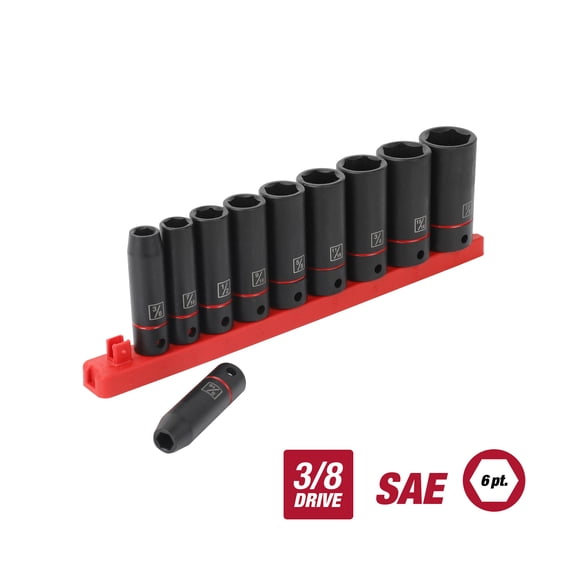


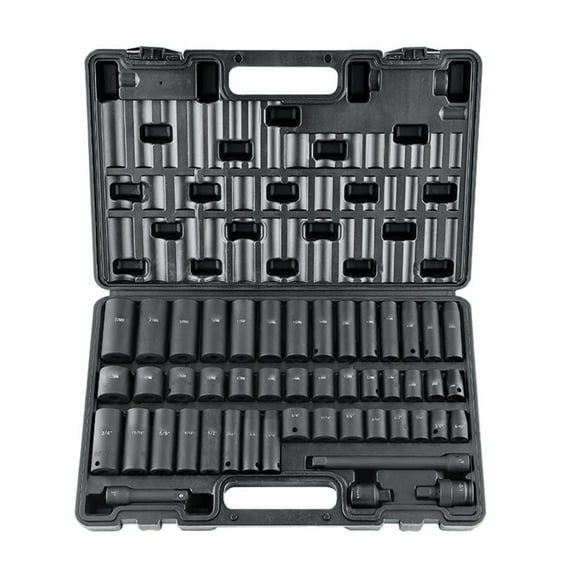






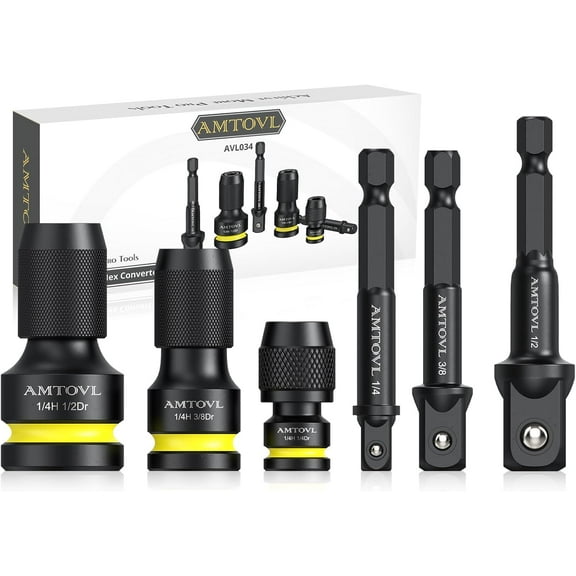

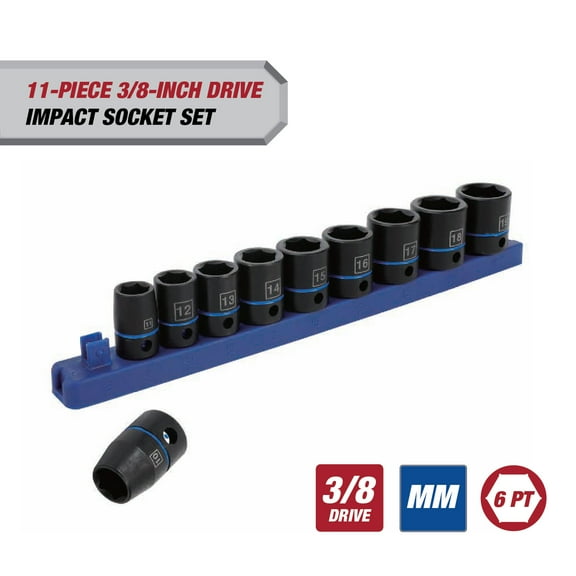
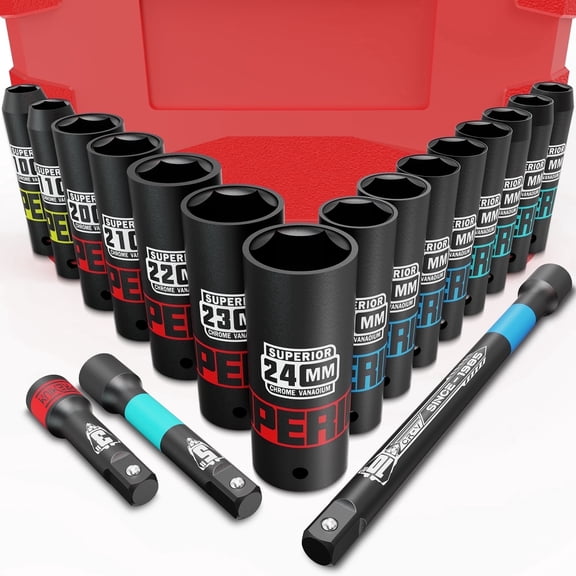
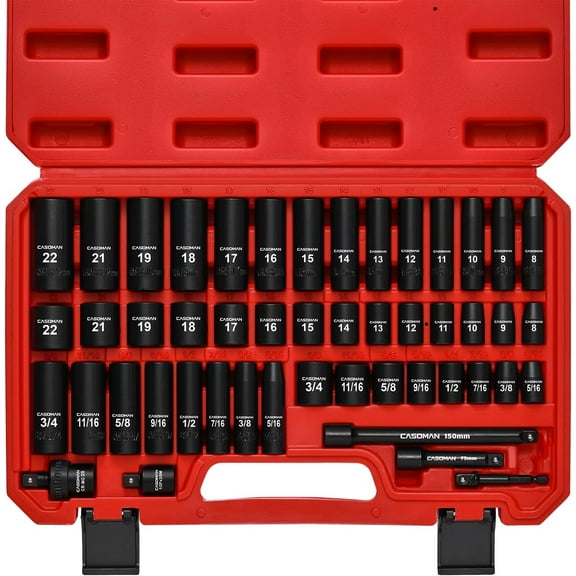
About Impact Sockets in Ratchets & Sockets - Walmart.com
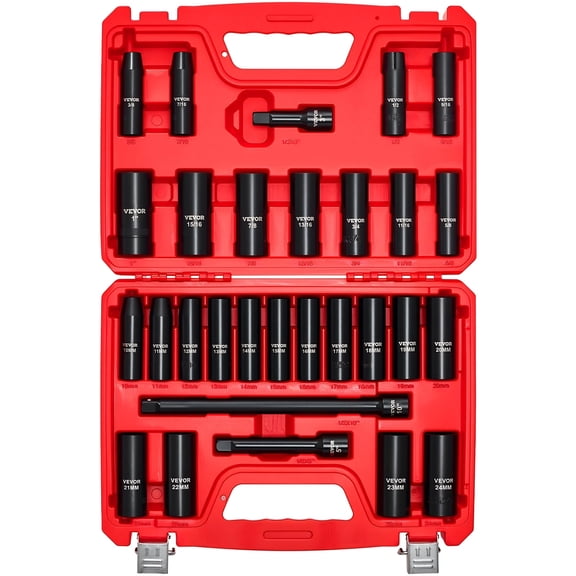
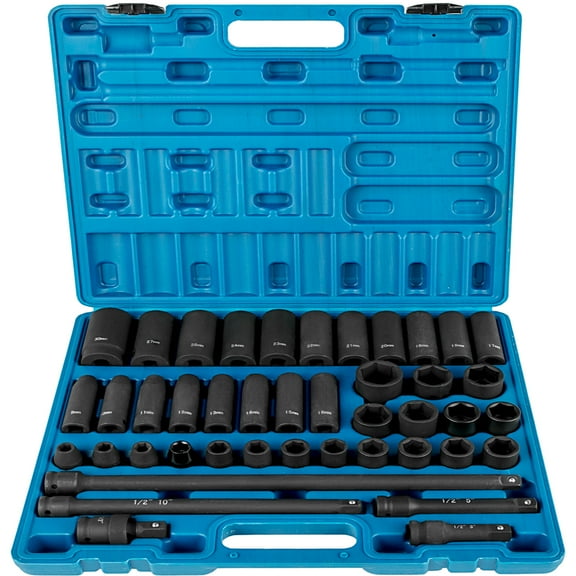
Impact sockets help you handle high-torque fastening with a fit that matches your impact wrench and your hardware. You can compare drive size, socket depth, steel type, and point style, so your setup suits demanding shop work.
If you use pneumatic or cordless tools, you need sockets built for repeated hammering action. You’ll also want options like deep impact sockets, metric impact sockets, and organized sets for efficient job flow.
How to choose impact sockets for your setup
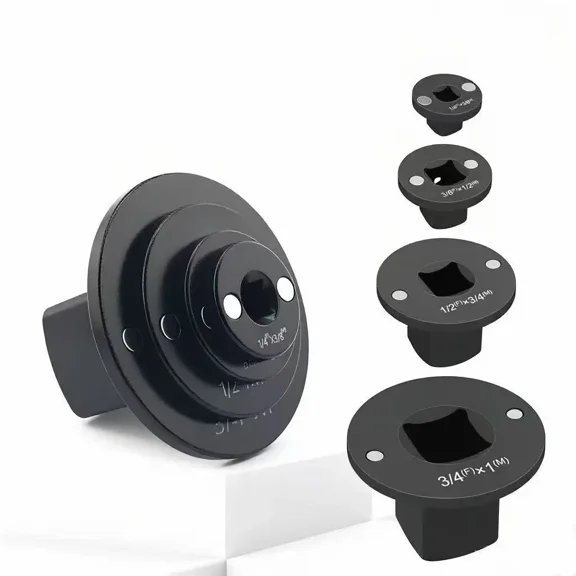
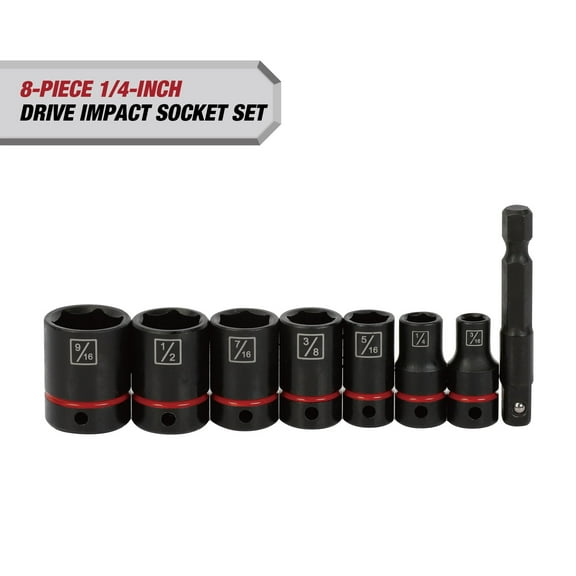
Start by checking your tool’s anvil size, because your socket must match your impact wrench correctly. You’ll usually compare 1/4 inch, 3/8 inch, 1/2 inch, 3/4 inch, and 1 inch drives.
If you reach for lighter fastening tasks, you may prefer smaller drive sizes for tighter spaces. If you tackle lug nuts, suspension hardware, or larger bolts, you may need 1/2 inch impact sockets.
You should also compare torque rating before choosing a drive size for your tool. A larger drive usually gives your setup a sturdier connection during heavier output.
- You can match your socket drive to your impact wrench for cleaner fitment.
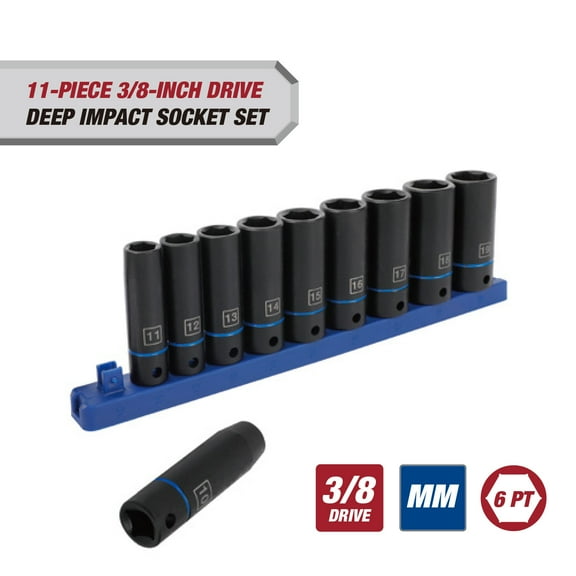
- You can choose deep, shallow, or semi-deep profiles based on fastener access.
- You can compare metric and SAE sizes to fit your vehicle or equipment hardware.
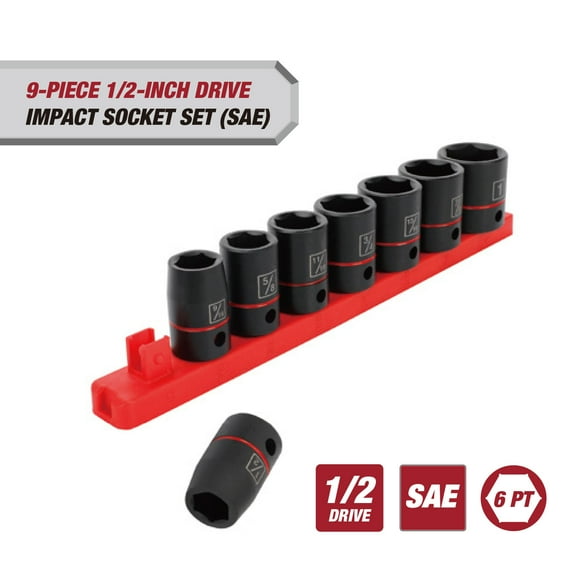
- You can look for 6 point impact sockets when you want firm contact on hex fasteners.
Choosing deep impact sockets, shallow styles, and semi-deep options
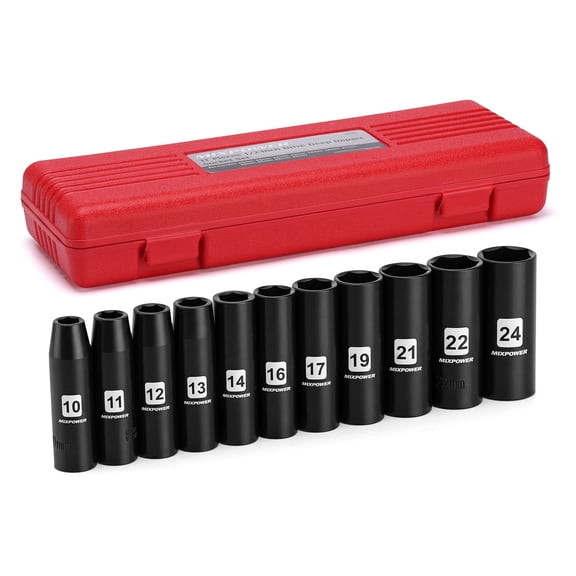
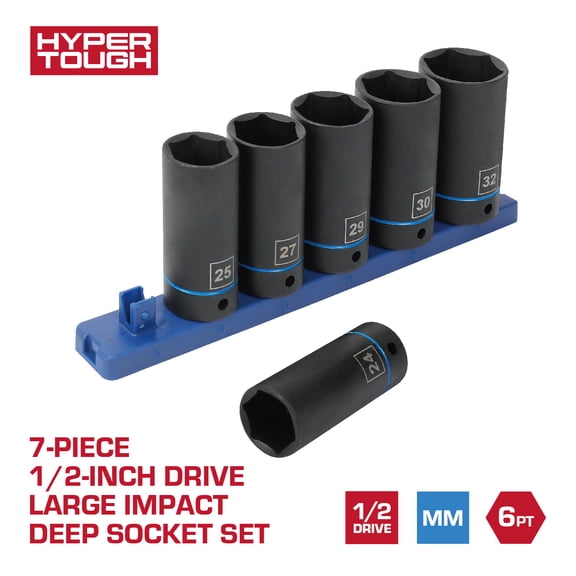
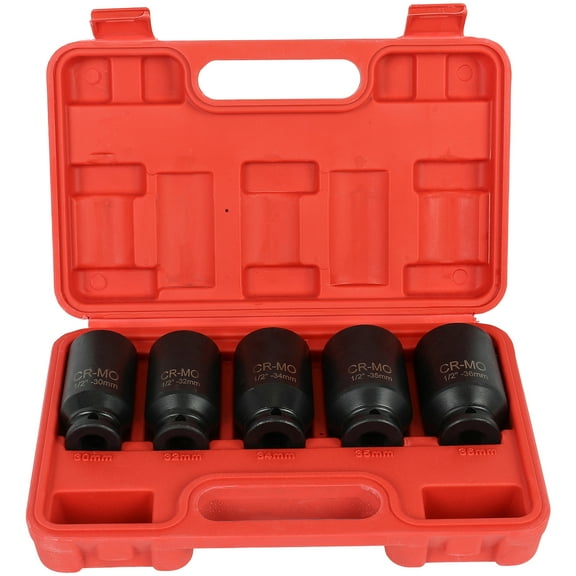
Socket depth changes how easily you reach the fastener you need to remove or install. You’ll usually choose deep impact sockets when studs or long bolts extend beyond the nut.
You may prefer shallow impact sockets when clearance is tight and the fastener sits closer to the surface. You can also consider semi-deep options when you want extra reach without the full length.
If you work around recessed areas, you should measure the space before choosing socket depth. That step helps you avoid extra wobble and helps your setup stay compact.
You’ll notice depth also affects balance during repeated fastening. A shorter socket can feel easier to control in cramped engine bays, while a deeper socket clears longer threads.
Choosing metric impact sockets or SAE sizes
You should choose the measurement system that matches the hardware on your vehicle, equipment, or shop project. Metric impact sockets fit many modern cars, trucks, and machines.
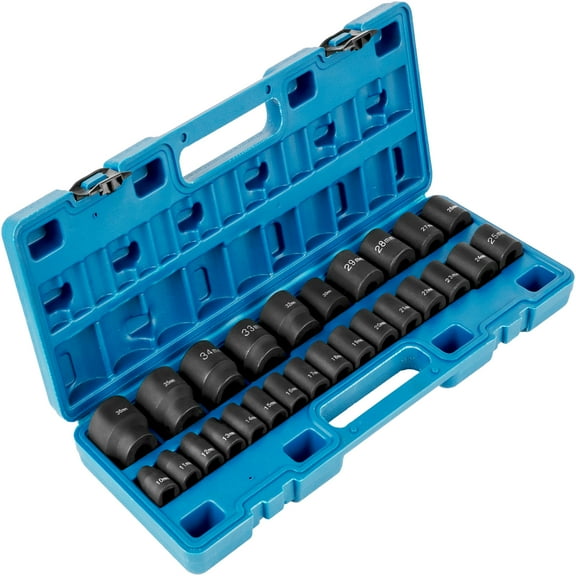
You may still need SAE sizes when you work on older vehicles, agricultural equipment, or mixed hardware collections. If your projects vary, an impact socket set with both systems can simplify tool prep.
You should check the fastener head before starting, because an almost-right size can slow you down. A proper metric or SAE fit helps you keep solid contact during heavy tool use.
You can also compare size markings when you want quick socket changes at the bench or under the hood. Clear labeling helps you move through repeated tasks with less guessing.
Comparing chrome molybdenum and chrome vanadium
You’ll often see chrome molybdenum sockets when you need steel intended for impact use. Many mechanics choose Cr-Mo for repeated hammering from pneumatic and cordless impact wrenches.
You may also compare chrome vanadium when you’re reviewing steel types across your kit. For impact applications, you should check product details carefully so your socket matches that intended use.
If you’re deciding between chrome vanadium and chrome molybdenum, you should focus on tool compatibility first. That comparison matters because impact tools deliver striking force differently than hand ratchets.
You can use this material check as a quick filter before you compare size ranges or set counts. That step helps you narrow options built for high-torque work instead of general hand-tool tasks.
What to look for in point configuration and socket sets
You should compare 6-point and 12-point openings based on the fasteners you handle regularly. Many shoppers choose 6 point impact sockets because you get broad contact on hex fasteners.
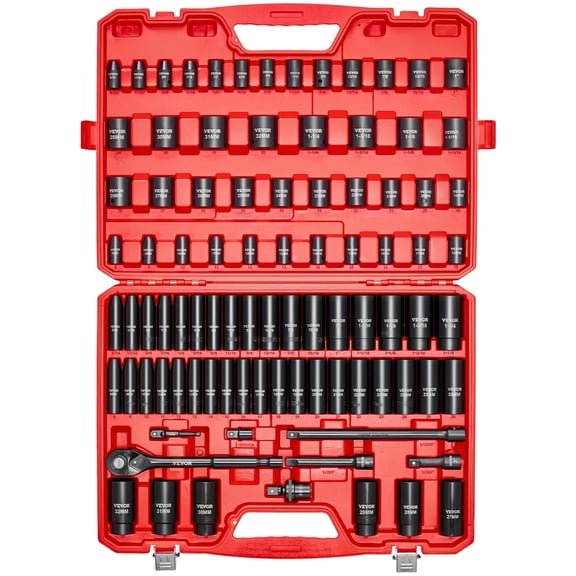
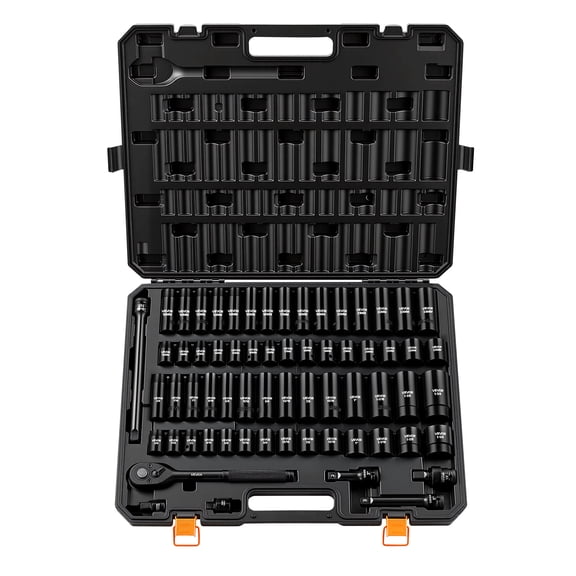
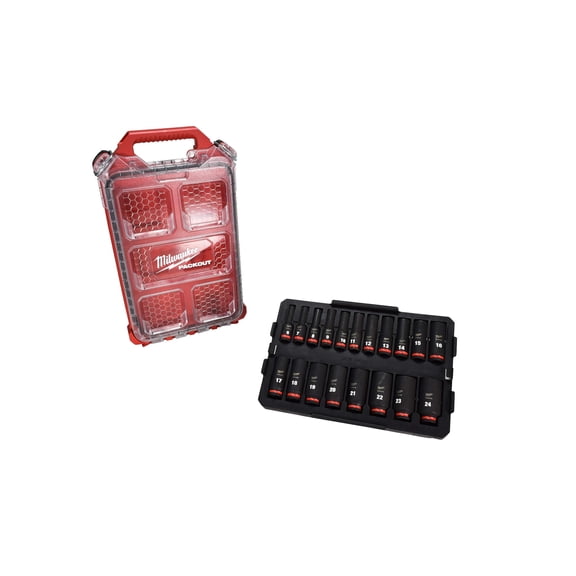
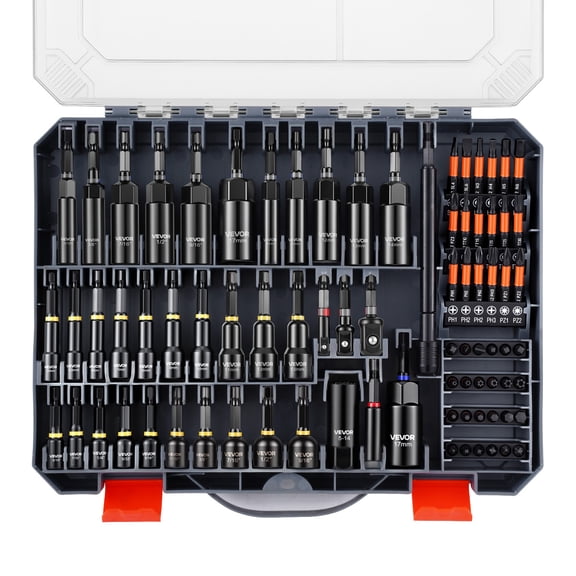
If you want fewer interruptions during repetitive jobs, you may prefer an impact socket set with common sizes together. You can also compare rails, cases, and labeled trays for organized storage.
You should review set coverage before starting automotive or equipment work. A wider size spread can help you move from brake hardware to axle fasteners without stopping to switch kits.
You may also want individual sockets when you already own many sizes and need a direct replacement. That approach works well when your work centers on a few common fastener sizes.
Using impact sockets across automotive and shop tasks
You can use impact sockets for wheel service, suspension work, engine repairs, and equipment maintenance. If you handle lug nuts often, you’ll likely compare drive size, depth, and metric or SAE fitment first.
When you work in tight engine compartments, you may reach for shallow sockets and compact drive sizes. When you service longer studs, you’ll usually want deeper profiles that clear extra thread length.
If your garage handles mixed brands and model years, you may need both measurement systems close at hand. That mix helps you move between modern metric hardware and standard-sized fasteners without delay.
You should also consider whether your tool is cordless or pneumatic when reviewing socket compatibility notes. That check helps you match your accessories to repeated high-torque use and everyday shop routines.
With the right impact sockets, you can match your wrench, your hardware, and your workspace more confidently. You’ll finish with a setup that fits hard-working automotive and equipment jobs with fewer fitment surprises.