


Baseball Tees & Batting Tees in Store & Online | Walmart
















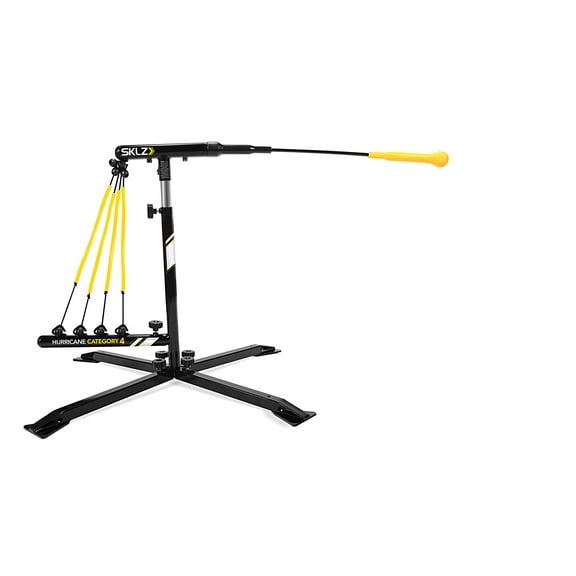






About Baseball Tees & Batting Tees in Store & Online | Walmart - Walmart.com
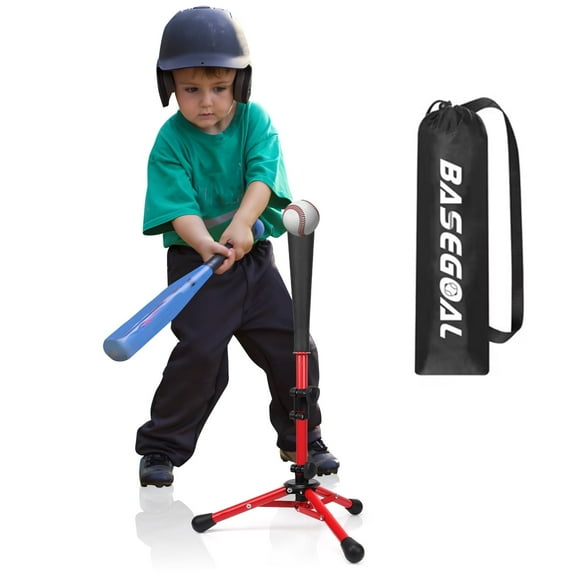
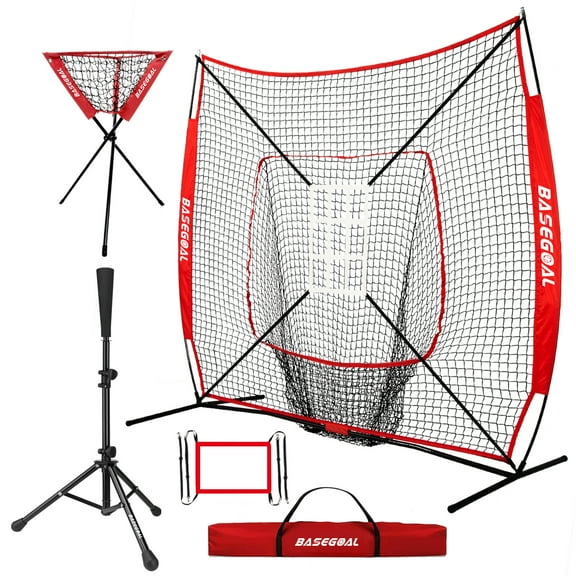
Your baseball tee setup supports repeat swing work, simple transport, and steady contact practice. You can compare adjustable heights, base styles, and sport-specific designs to match your routine.
How to choose a baseball tee
You should start with the hitter's age, swing path, and practice space. You can narrow options when you compare adjustability, portability, target sport, and base type.
A t ball t for early drills differs from a model for cage sessions. You may want a broader height range, a heavier base, or a flexible topper.
You can keep practice focused when the stem adjusts quickly and the base stays planted. Your reps stay consistent when the contact point matches your stance and ball path.
- You can train baseball, softball, t-ball, or wiffle ball with sport-specific height and ball placement.
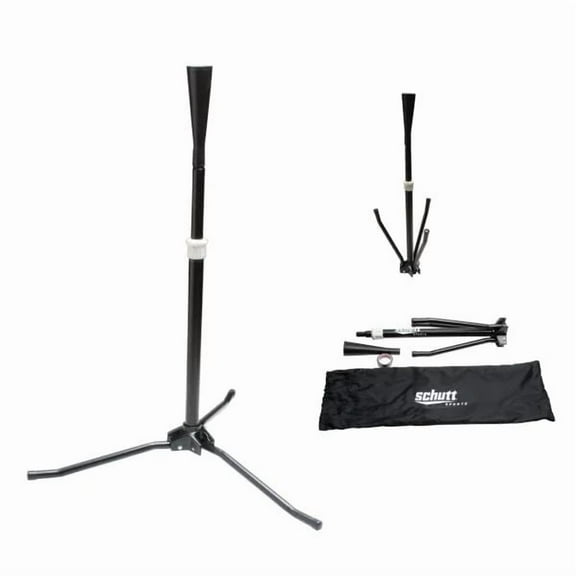
- Your gear bag stays manageable when you choose a collapsible or folding portable tee.
- You get stable reps when your weighted base or home plate base resists movement after contact.
- Your young hitter can use the same station longer with an adjustable batting tee.
Choosing adjustability on a baseball tee
You should check the height range first when multiple players share one station. You can compare exact inch measurements to see whether a tee fits a t-baller and a high school hitter.
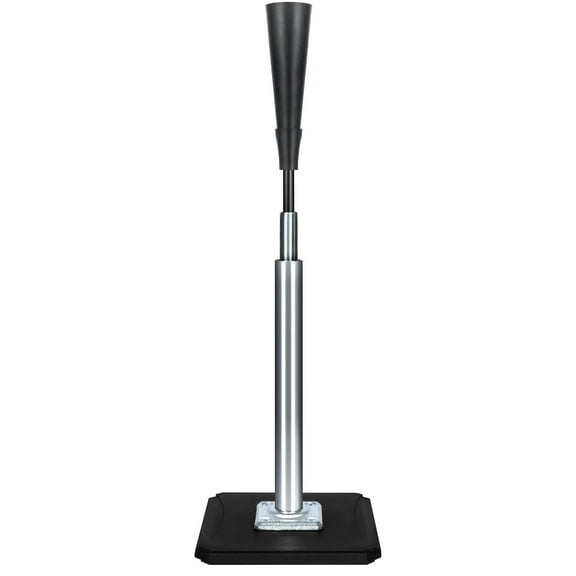
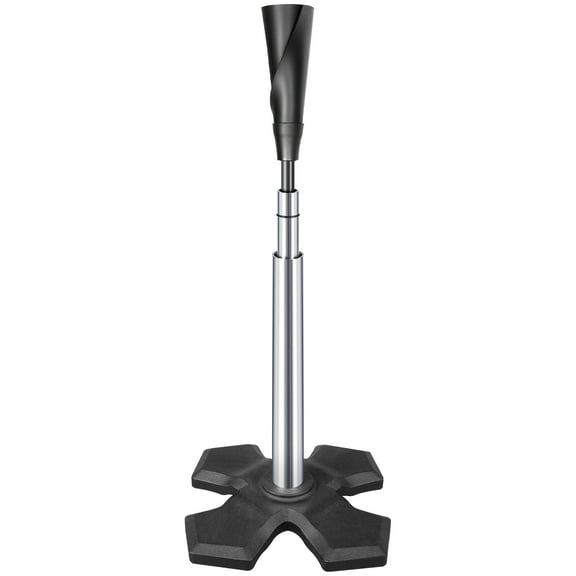
Many adjustable batting tee designs use telescoping stems for a broad range. You can raise the contact point for taller players and lower it for compact swings.
You may prefer fixed height options when your practice needs stay simple. Your setup has fewer moving parts, and your fitting choices stay narrower.
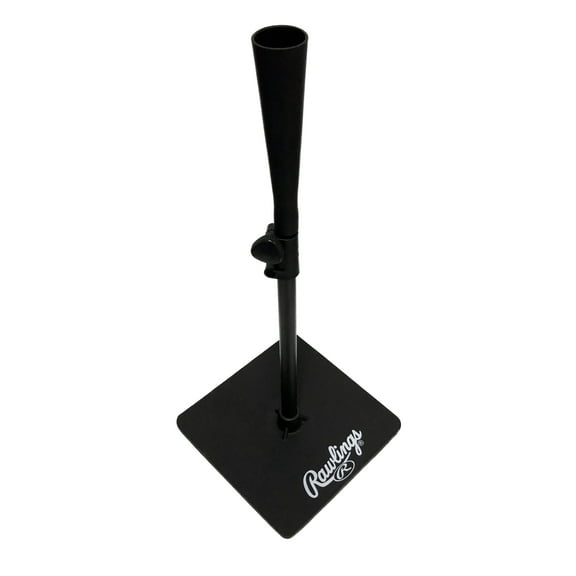
Another detail matters during repeated swings. You should check whether the stem locks firmly, so your settings stay in place through a full bucket.
Comparing portable tee designs
You can make transport simpler by checking whether a frame collapses or folds flat. Your portable tee should fit in a gear bag, trunk, or team bucket.
Some travel-friendly designs pack small for backyard sessions and rotating fields. You can also compare heavy-duty builds when your practice space stays in one spot.
You should look at how many loose parts a tee uses before choosing one. Your setup feels more organized when the stem, topper, and base store together.
Space matters before and after practice. You can break down a folding model quickly when your schedule includes lessons, cages, or team workouts.
Matching the tee to baseball, softball, and t-ball drills
You should match the target sport to the hitter's swing plane and ball size. Your softball practice tee may need a different contact height than a baseball setup.
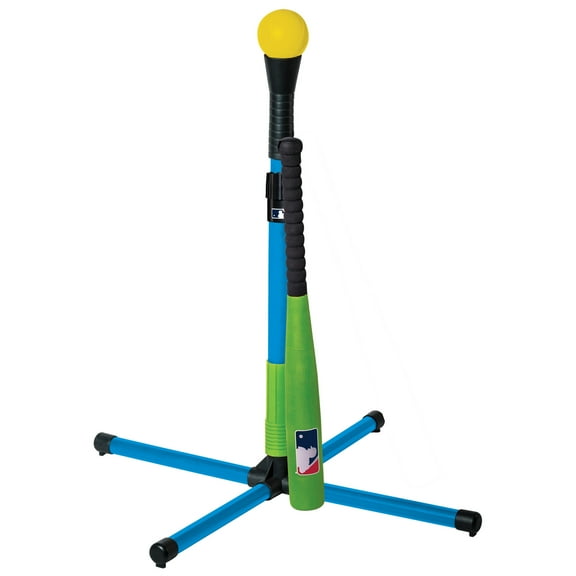
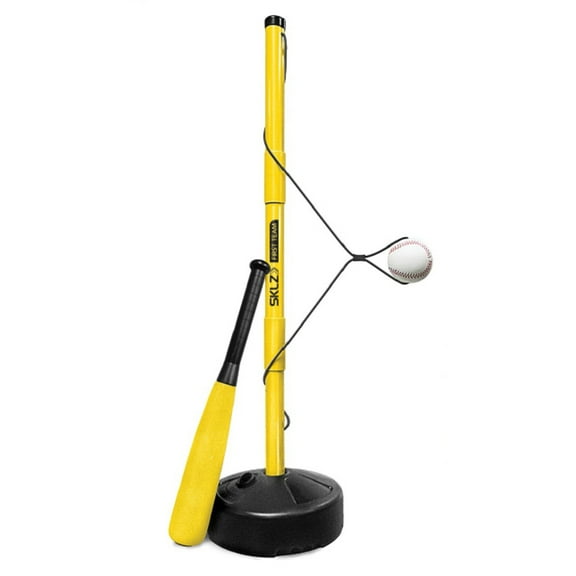
You can use a tball t for hand-eye work, stride drills, and entry-level swings. Your younger player benefits from lower settings and a stable base.
For baseball drills, you may want a contact point for line drives, inside pitch practice, or opposite-field work. Your wiffle ball tee sessions may suit lighter, quick-move setups.
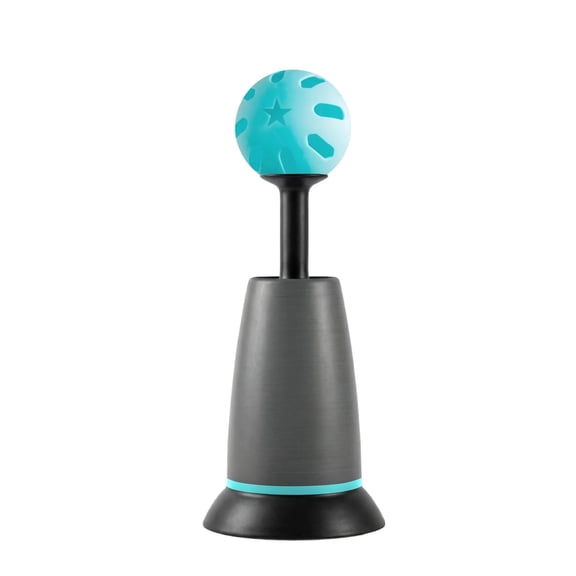
You should compare topper shape and flexibility for each sport before deciding. Your ball should rest clearly on the cone without rolling or sinking too deep.
Understanding base type and batting tee stability
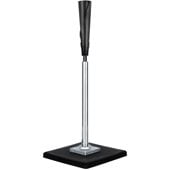
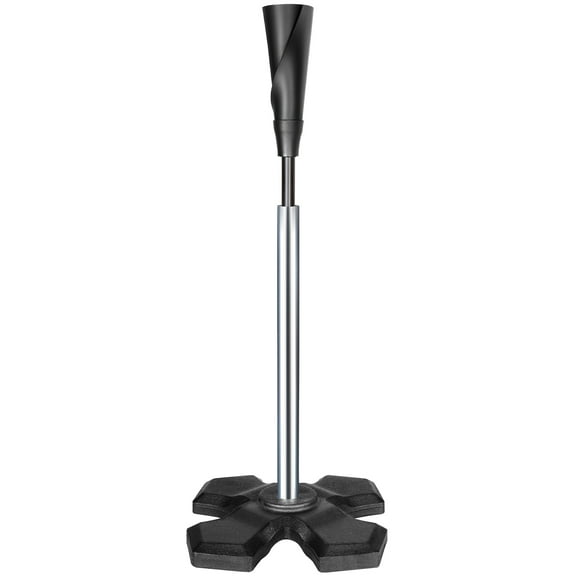
You should consider base design if you want fewer resets after contact. Your weighted base often stays planted on turf, gym floors, or packed dirt.
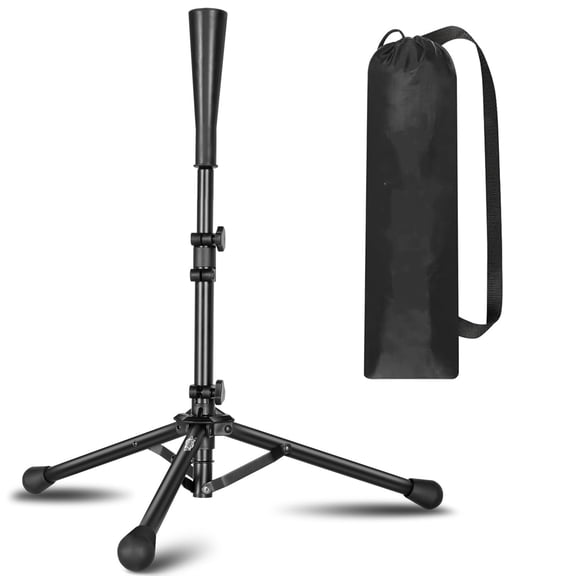
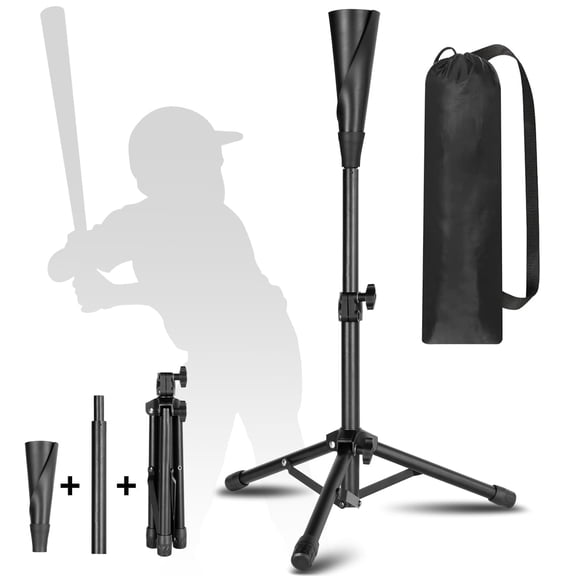
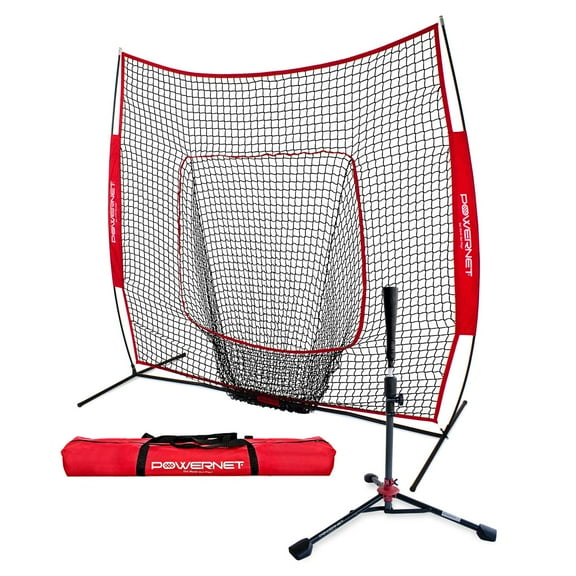
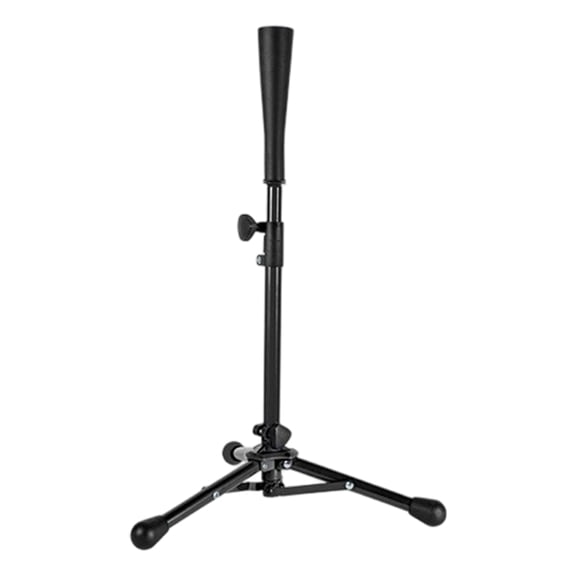
A tripod base can help when packed size matters and surfaces stay level. You should check leg spread and balance if transport ranks above base weight.
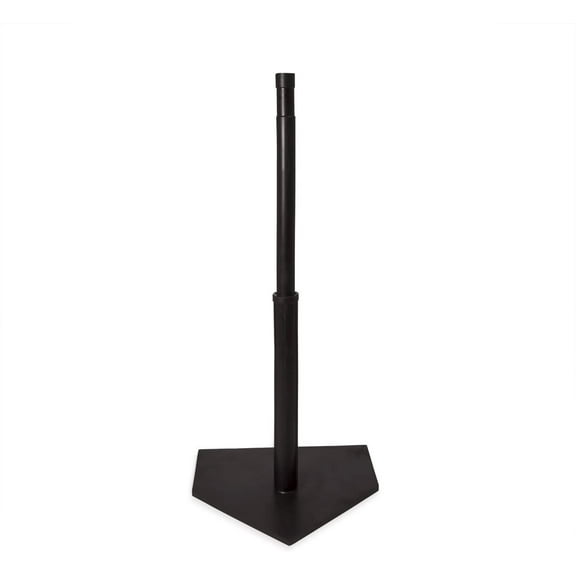
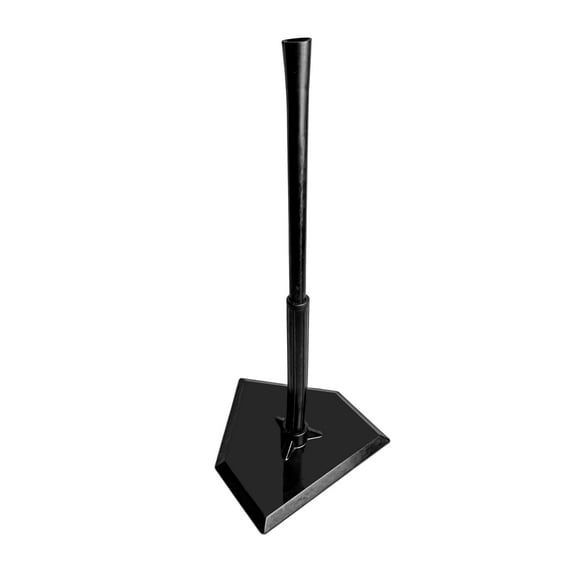
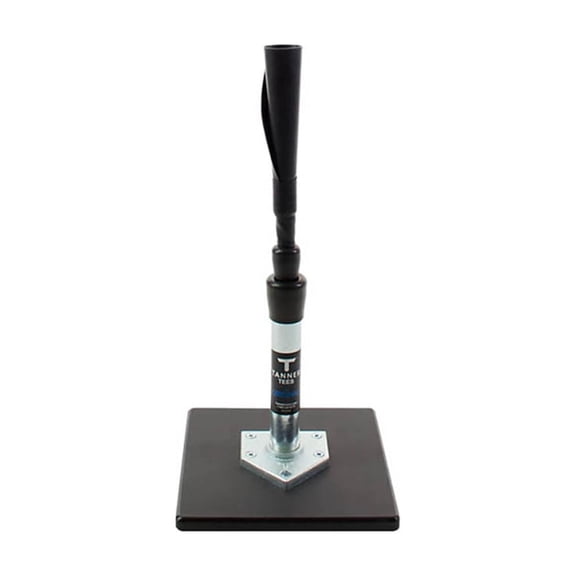
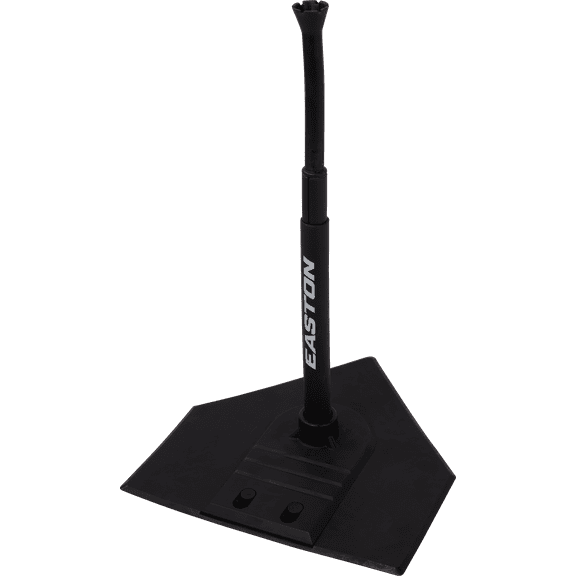
You may prefer a home plate base when stance alignment matters during practice. Your hitter gets a visual reference for front-foot placement and contact position.
Rubber construction also affects grip during repeated swings. You can compare weighted rubber and tripod styles in plain terms by asking how much movement you can accept.
What to look for in topper durability
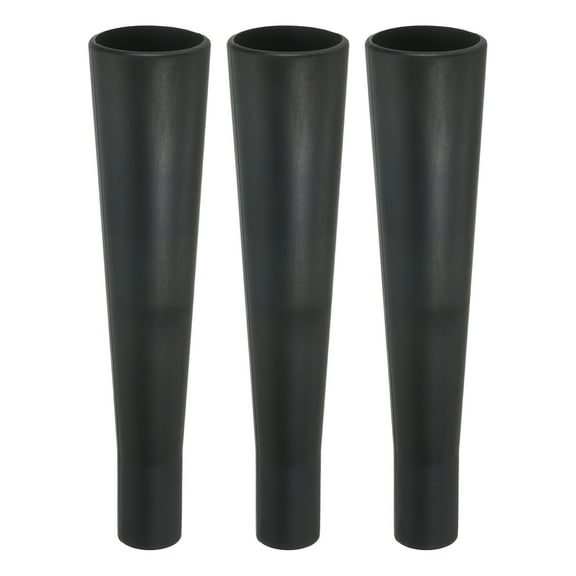
You should inspect the topper because it takes repeated contact during every session. Your practice feels consistent when the contact point flexes and returns to shape.
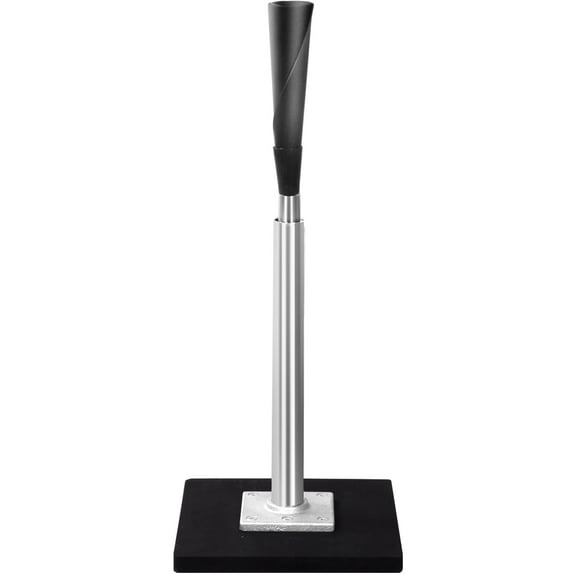
Some models use a rolled rubber cone design for repeated swings. You can also compare rubber durometer notes when product details explain firmness in plain language.
You should look for enough flex without constant wobble between reps. Your hitter benefits when the ball resets quickly and the stem stays upright.
Topper feel can vary by age and training intensity. You may prefer softer flex for young players, while older hitters may choose a firmer response.
Use cases for shared practice spaces
You can set up one station for backyard reps, cage work, or pregame warmups. Your choice depends on whether you need quick carry, broad adjustability, or extra base weight.
At home, you may want a telescoping model for siblings with different heights. Your family can switch inch settings without tools when younger and older players share practice time.
On the road, a portable tee fits tournament travel and changing fields. You can pack it beside helmets, balls, gloves, and other baseball hitting tools for kids.
For stronger batters baseball training, you may choose a heavier setup with a durable cone. Your reps stay on track when the base remains steady and the topper rebounds into position.
You should choose by training goal, not just by appearance. Your baseball tee supports repeat reps when the height range, topper style, and base design match your routine.
You can practice with more consistency when your tee fits your sport, bag space, and hitter size. Your setup supports focused swing work from first rounds to final buckets.