


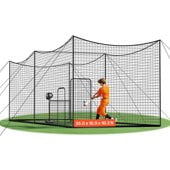
Hitting and Swing Trainers in Baseball Training Equipment


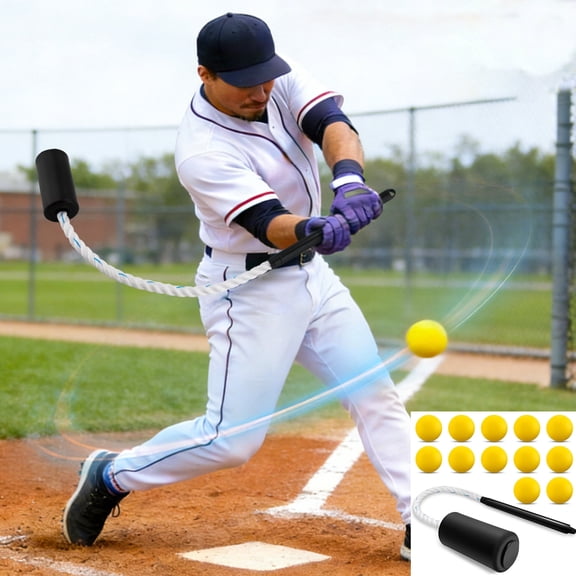


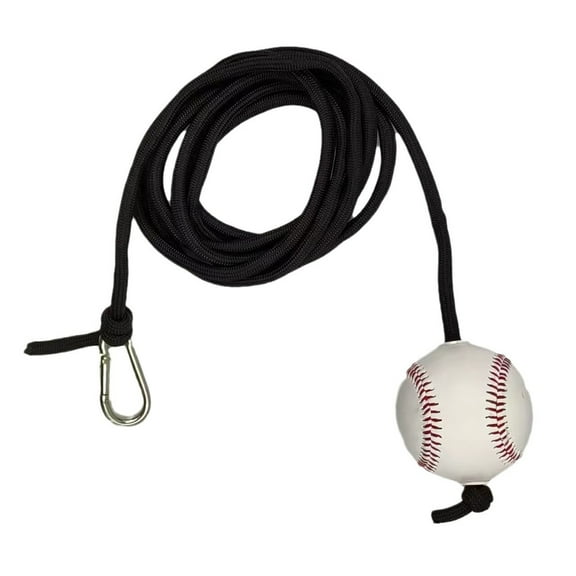

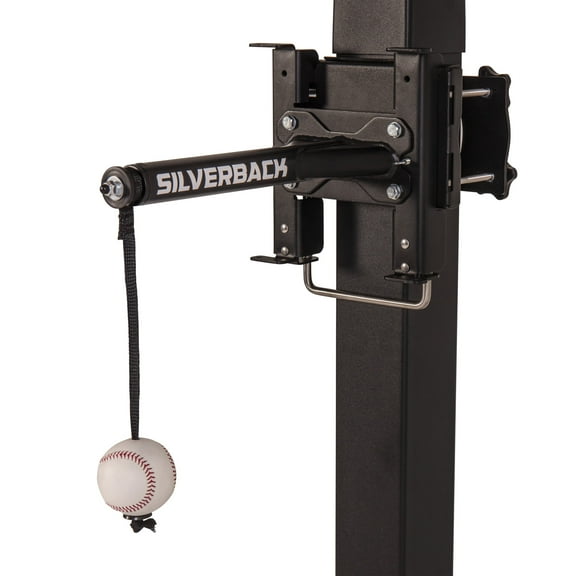




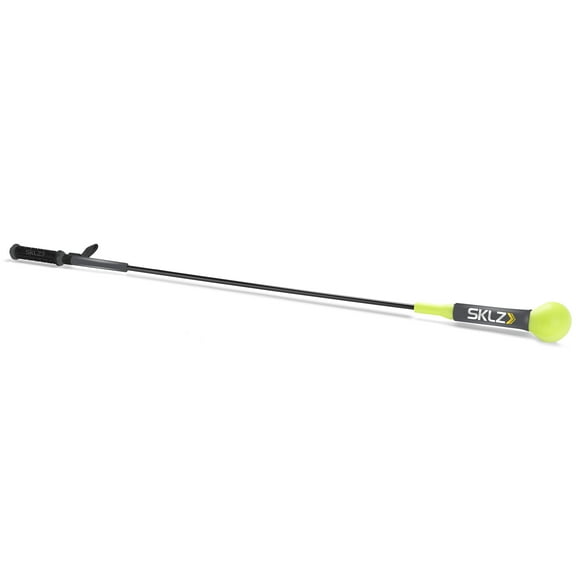

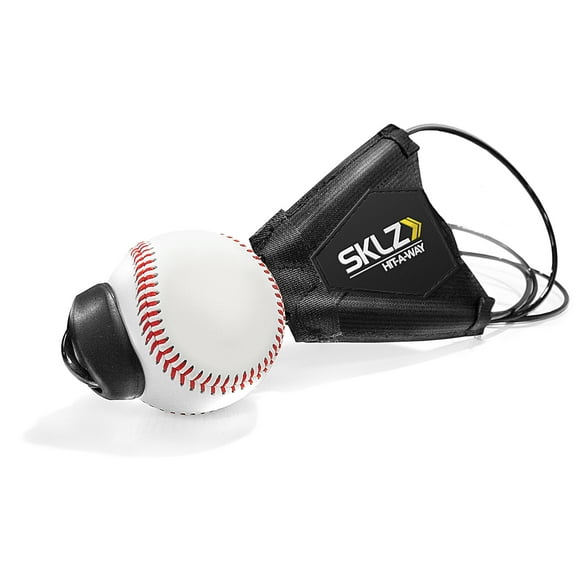

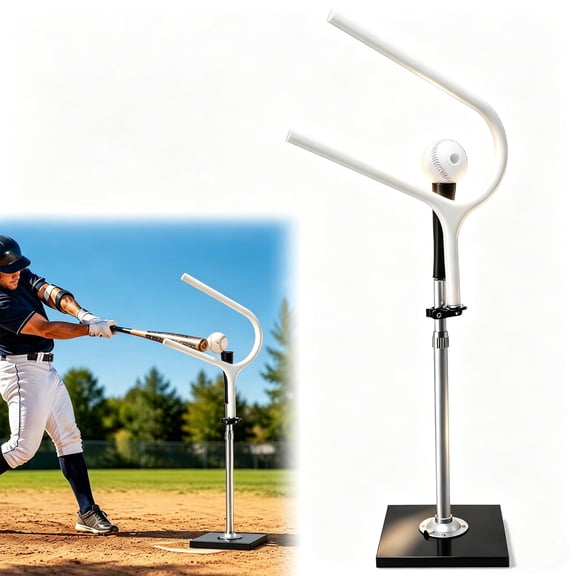
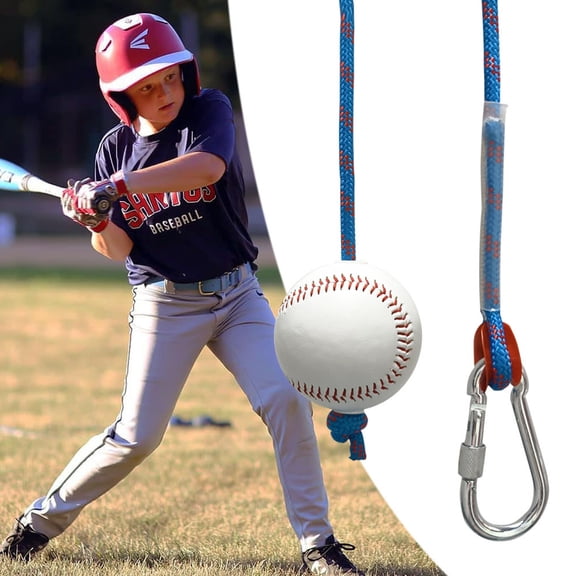








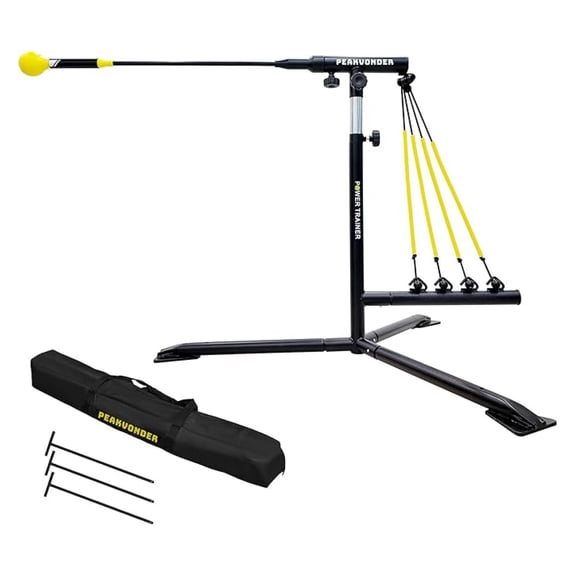
About Hitting and Swing Trainers in Baseball Training Equipment - Walmart.com
You can use a batting trainer to build cleaner swing mechanics, repeat contact points, and practice with setup styles that fit your space. You’ll also find options for baseball and softball drills, including tee-based, tethered, and coach-assisted formats.
How to choose a batting trainer by player age and skill level
You should start with player age and experience, because sizing and resistance can change how each drill feels. You’ll usually want lighter, simpler setups for youth players and more advanced feedback tools for older players.
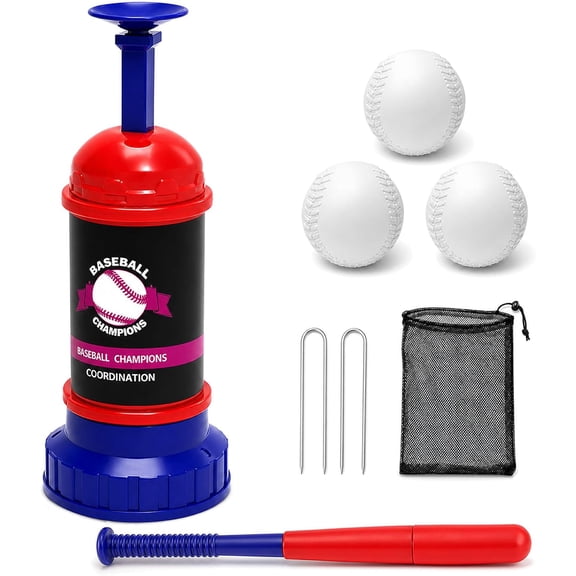
If you’re choosing a kids batting trainer, look for compact designs and clear ball paths that help younger hitters repeat the same motion. You may prefer adjustable heights for t-ball, Little League, and growing players who need longer use.
When you’re shopping for teens, varsity players, or adults, compare stronger frames and firmer return action. You’ll often notice those details matter more during faster, more frequent practice sessions.
- You can choose youth-focused models with easy height changes and lighter components.
- You can compare advanced options with stronger resistance for repeated swing work.
- You can match baseball or softball use to the player’s usual bat path and contact zone.
- You can pick simple designs when your player is learning timing and stance basics.
Choosing the right swing baseball trainer for your practice space
You should measure your practice area before you decide between a full frame, a tethered trainer, or a hand-held setup. You’ll want enough room for a full swing, follow-through, and easy reset between reps.
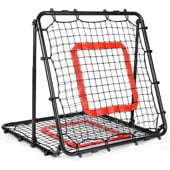
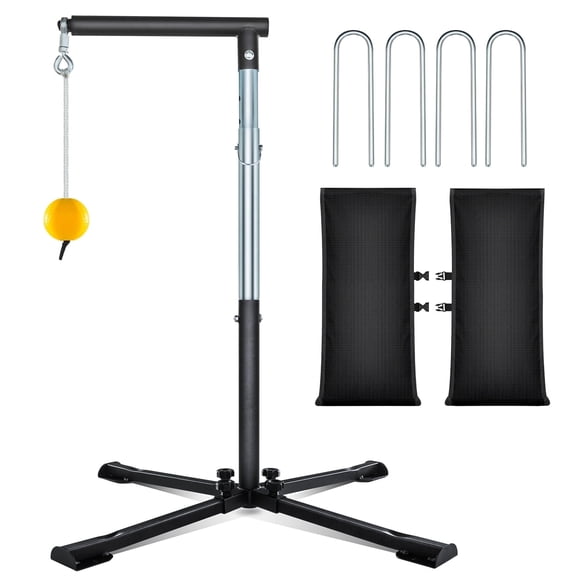
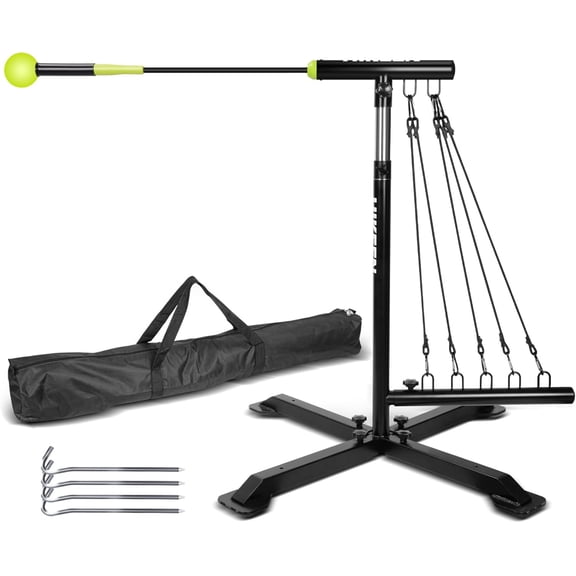
If you practice in a backyard, you may want a wider base or a steel frame that stays steady during repeated cuts. You’ll also appreciate designs that move easily from grass to dirt or a driveway.
When you need indoor practice, you should look for compact batting trainers with smaller footprints and quick assembly. You can keep drills moving in a garage, basement, or team training room.
You may also want to compare foldable parts and tool-free setup if you move equipment often. You’ll notice that faster setup helps you fit more reps into shorter practice windows.
What to look for in solo and partner training
You should decide whether you want independent reps or drills with a coach, parent, or teammate. You’ll find that some formats return the ball automatically, while others depend on hand feeds or front toss.
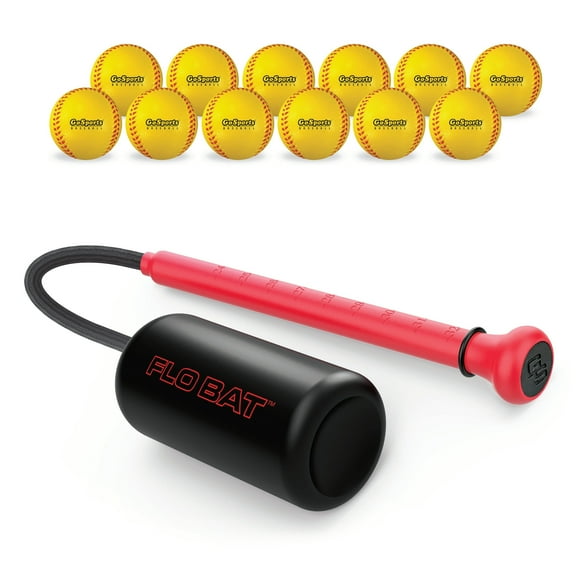
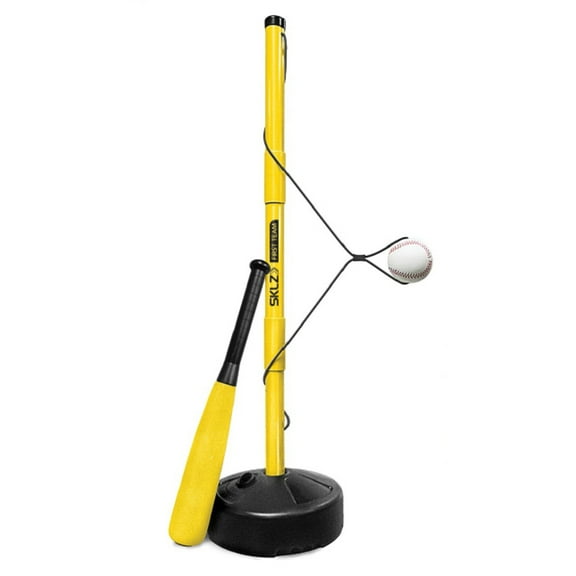
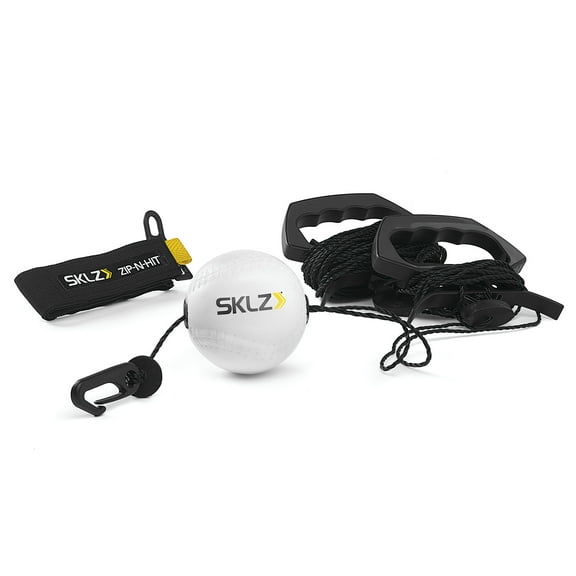
If you want a batting trainer for kids who practice alone, look for tethered balls or return systems. You can keep swings consistent without chasing balls across the yard.
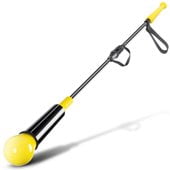
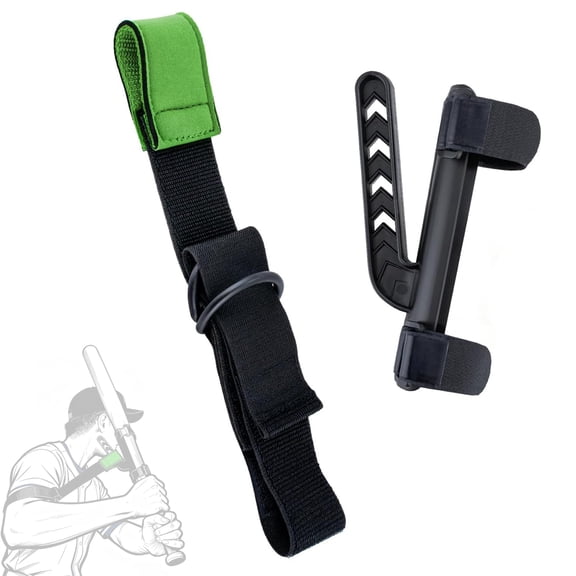
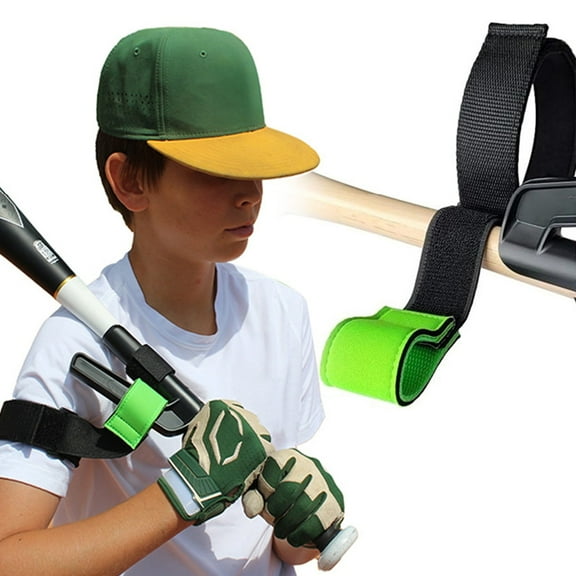
When you train with a partner, you may prefer hand-held trainers or contact tools that guide barrel position. You’ll get immediate feedback on swing plane, hand path, and point of contact.
You can also use a softball batting trainer for front toss routines and timing drills before games or team practice. You’ll find that partner-assisted tools work well when you want quick coaching cues.
Comparing materials, frame strength, and durability
You should check materials closely if you practice often or share equipment across a team. You’ll usually want high-impact plastic in contact areas and steel in bases or support frames.
If you see steel frame gauge listed, you can treat it as a clue about overall sturdiness. You’ll often get a steadier feel from thicker steel during repeated swings and harder contact.
When you compare high-impact plastic parts, you should focus on how often the trainer resets cleanly after contact. You’ll want durable joints, secure connectors, and surfaces that hold alignment over time.
You may also want weather-ready finishes if your gear stays in a shed or travels to fields. You’ll appreciate parts that wipe clean and stay ready between baseball and softball sessions.
How batting trainers support real practice goals
You can use batting aids for kids to teach stance, hand position, and contact timing during early lessons. You’ll make practice feel more structured when each rep follows the same setup.
If you’re coaching a baseball swing trainer for kids, you may focus on keeping the barrel through the zone longer. You can also use visual targets to reinforce where solid contact should happen.
When you’re training older hitters, you might use a baseball swinging trainer for launch consistency and path control. You’ll be able to repeat drills that match tee work, soft toss, and pregame routines.
You can also choose batting trainers for mixed baseball and softball households that need flexible drill options. You’ll get more useful practice when height adjustments and contact points match each hitter.
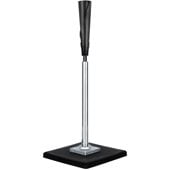
If you’re building a backyard station, you may pair your trainer with nets, tees, or training balls. You can create short sessions that focus on timing, barrel control, and repeatable mechanics.
You should feel confident choosing a batting trainer when you compare age fit, space needs, training style, and frame materials. You’ll end up with a setup that supports more consistent reps and clearer swing feedback.