



Hip Thruster Machines for Home Gym Workouts




































About Hip Thruster Machines for Home Gym Workouts - Walmart.com
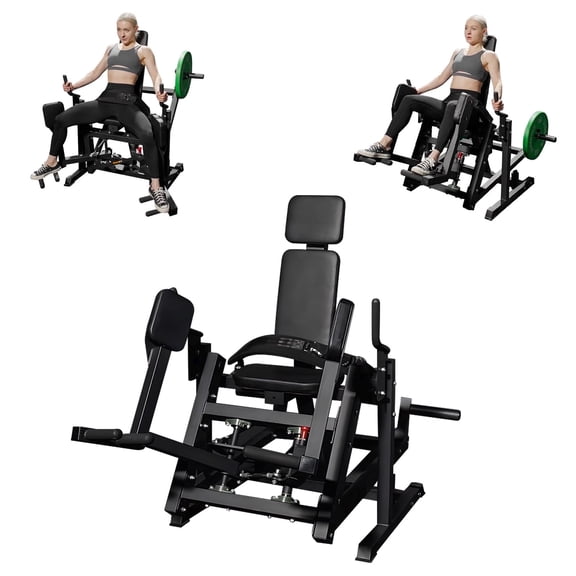
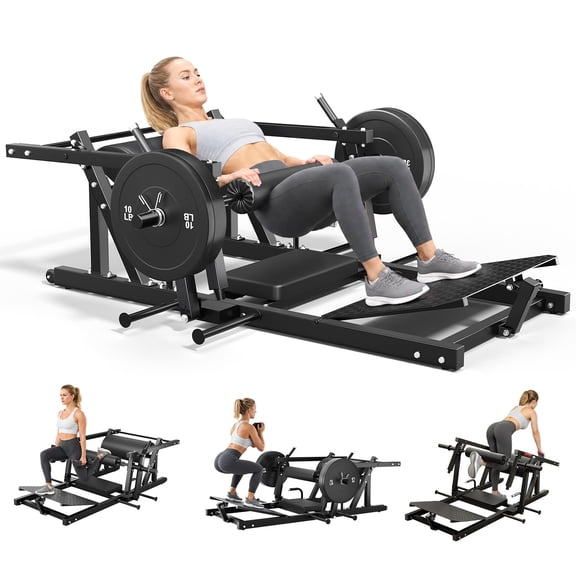
Hip thruster equipment helps you build a focused lower-body setup with stable support for bridges, thrusts, and glute drive work. You can compare benches, machines, platforms, and pads by space needs, resistance style, and comfort.
If you're building a home gym, a hip thruster gives you a dedicated position for repeatable setup and steady contact. You can also find options that fit tight rooms, heavier lifting plans, or portable training needs.
How to choose a hip thruster
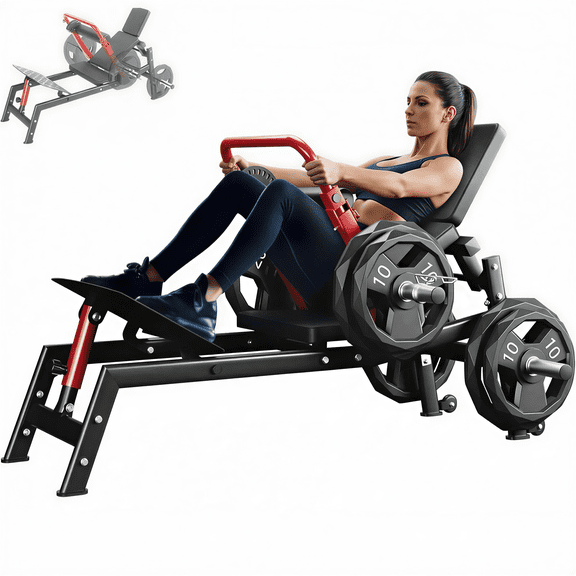
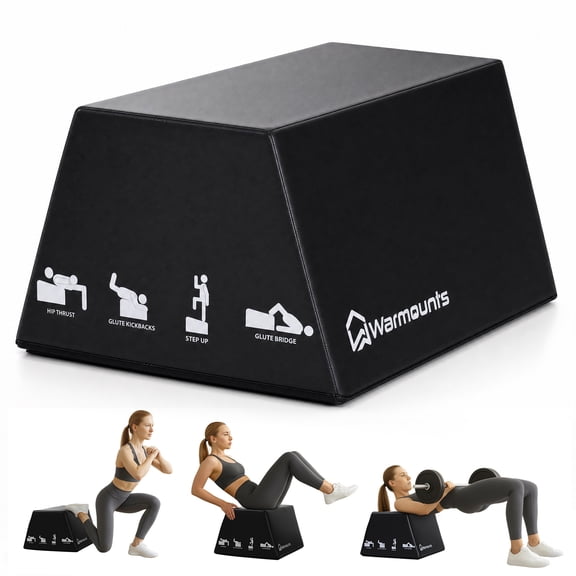
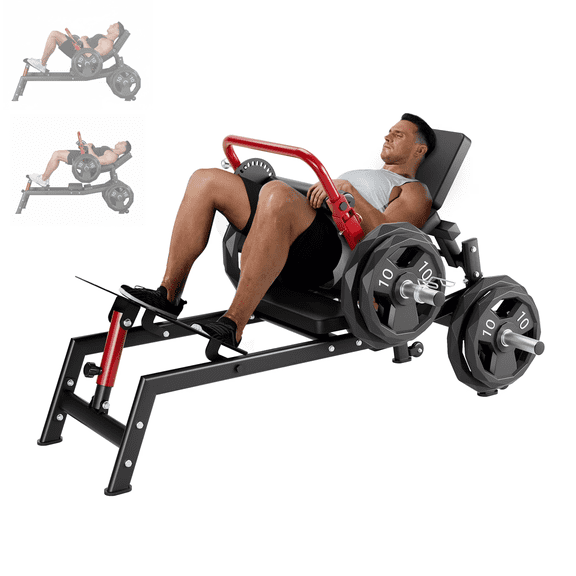
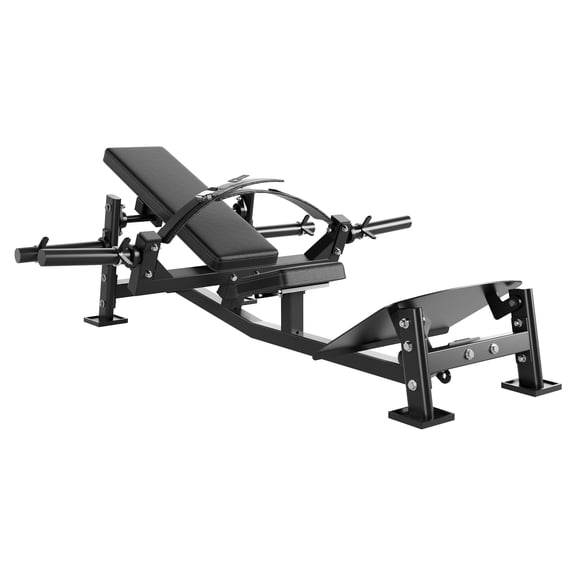
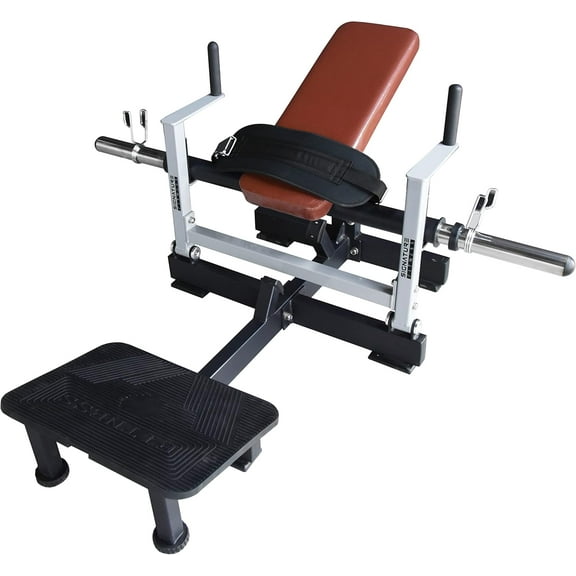
You should start with equipment type because each design changes how you set up and train. You can use a bench for shoulder support, a machine for guided motion, a platform for height, and a pad for cushioning.
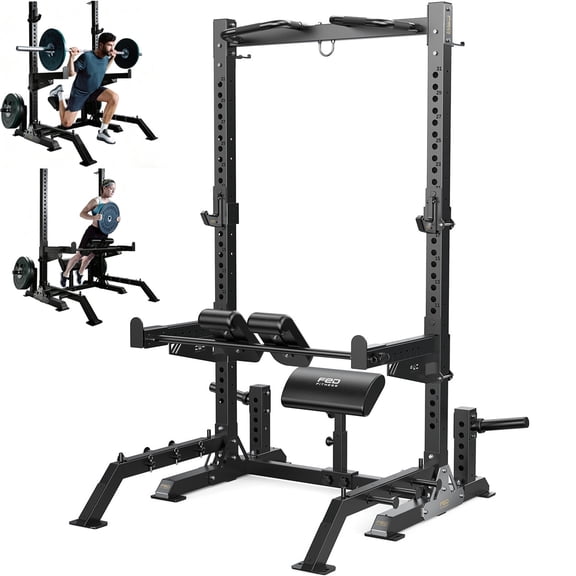
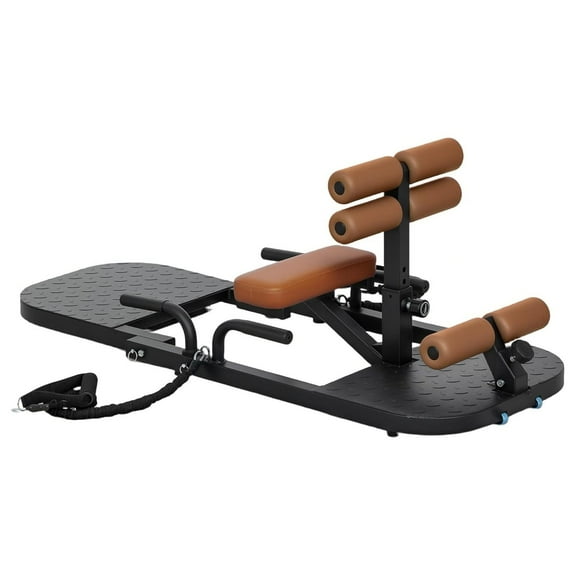
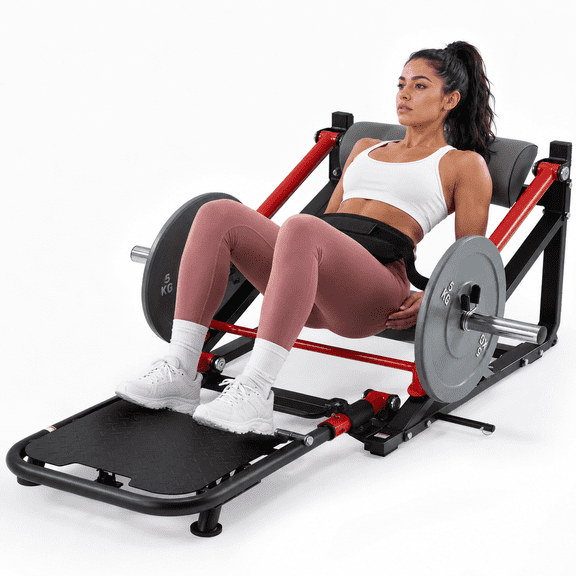
When you compare a hip thrust bench with a full machine, you may notice a bench often takes less room. If you want guided positioning, you may prefer a larger frame with fixed foot placement.
You should measure your training area before you choose. A compact or foldable unit can suit smaller rooms, while a commercial-grade frame can suit a dedicated strength space.
Choosing between machine, bench, platform, and pad
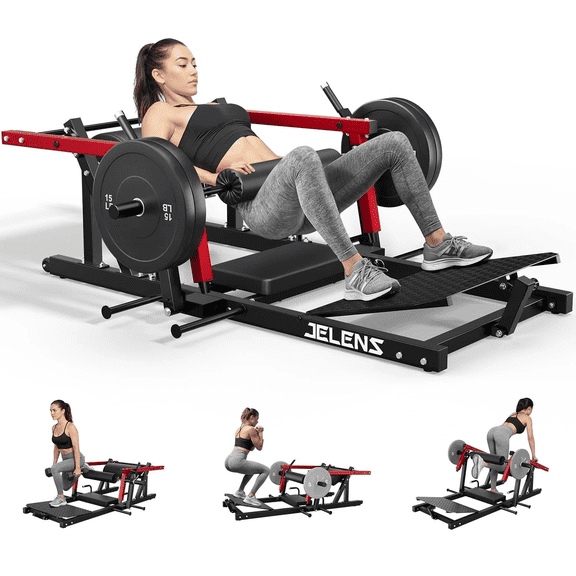
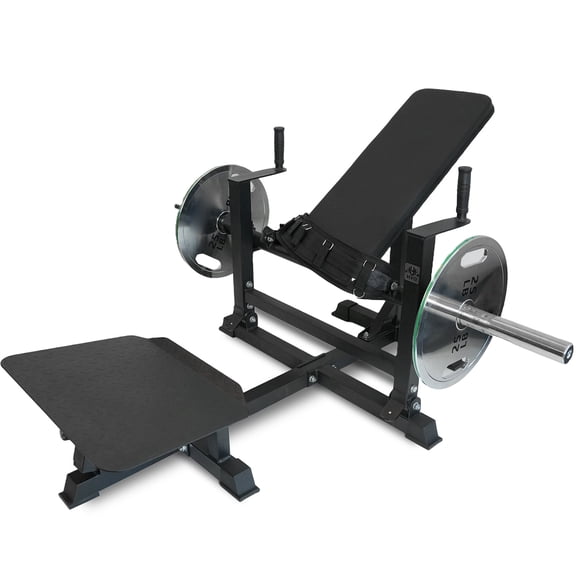
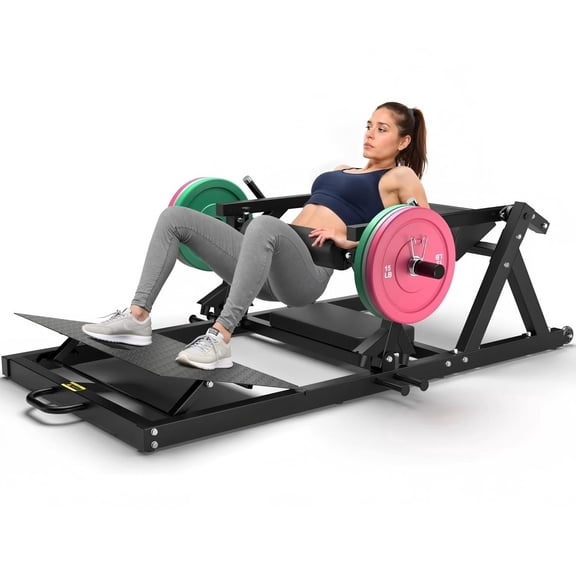
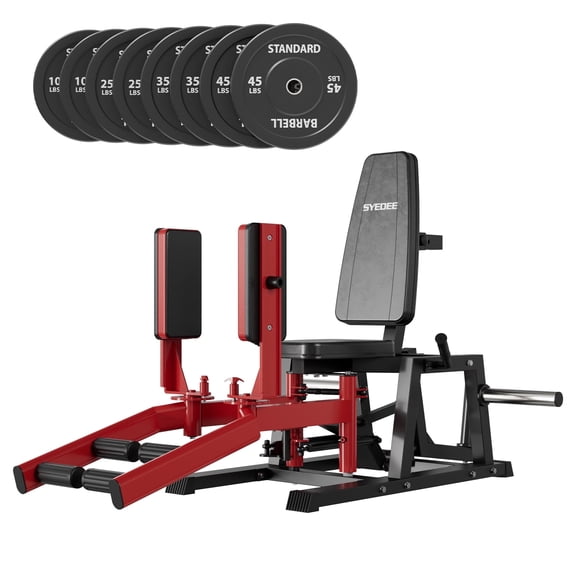
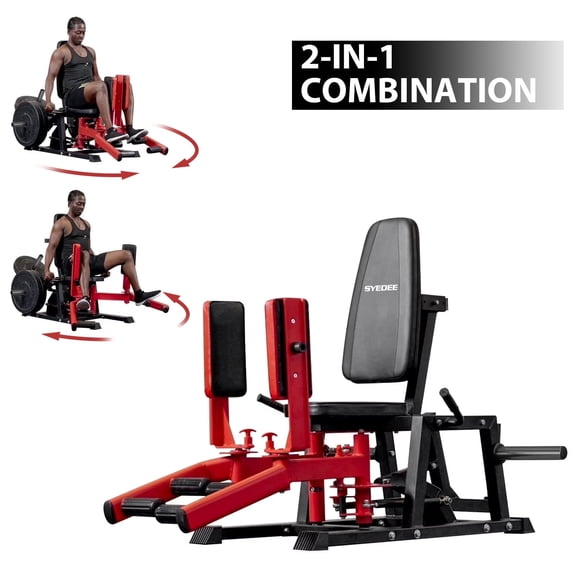
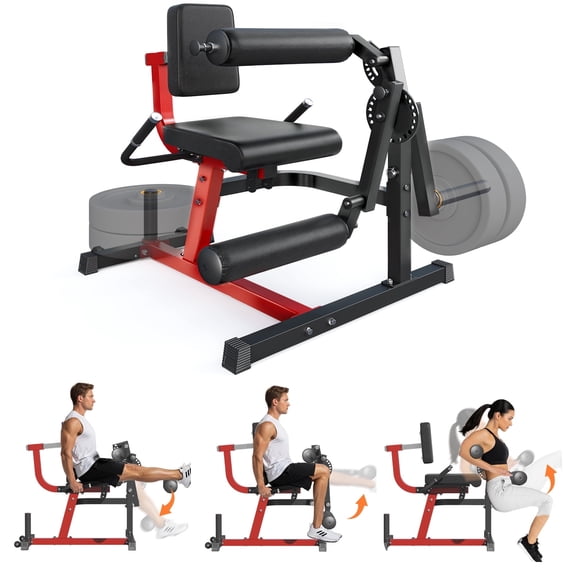
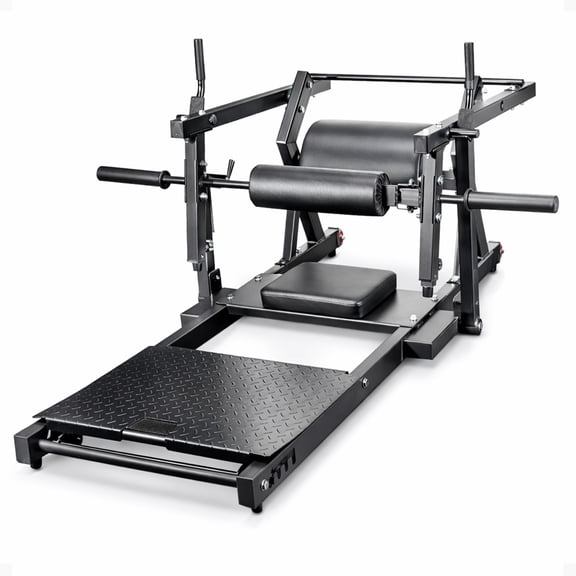
If you want a complete station, a hip thrust machine can keep your setup consistent from set to set. You can get a structured base that helps you line up your shoulders and feet.
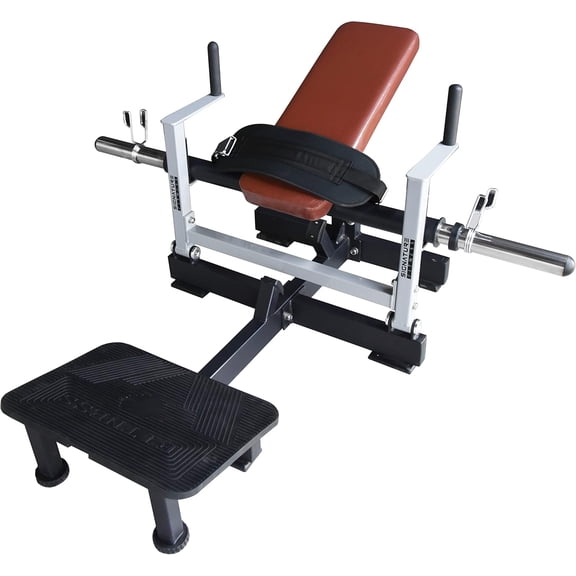
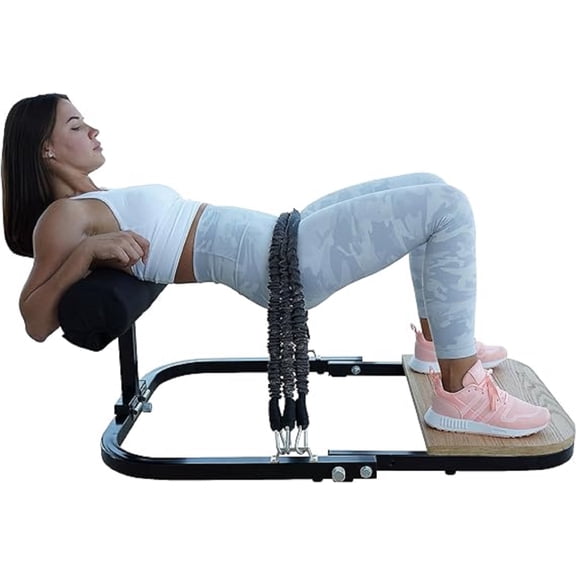
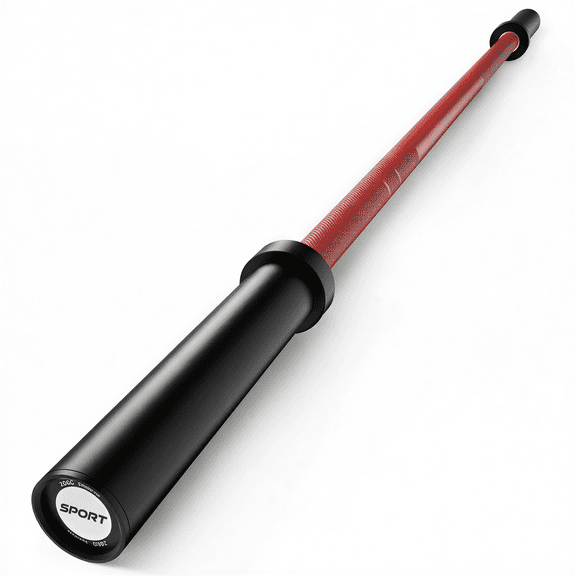
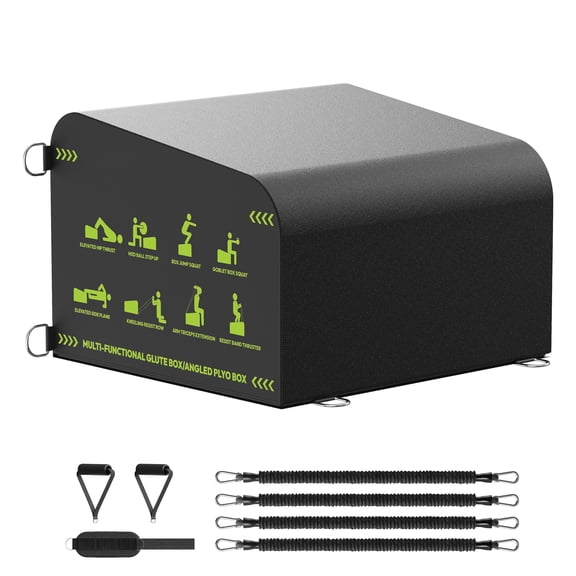
If you already own bars and plates, you may prefer a hip thrust bench or hip thruster platform. You can keep your routine flexible while adding the elevated support that many lifters want.
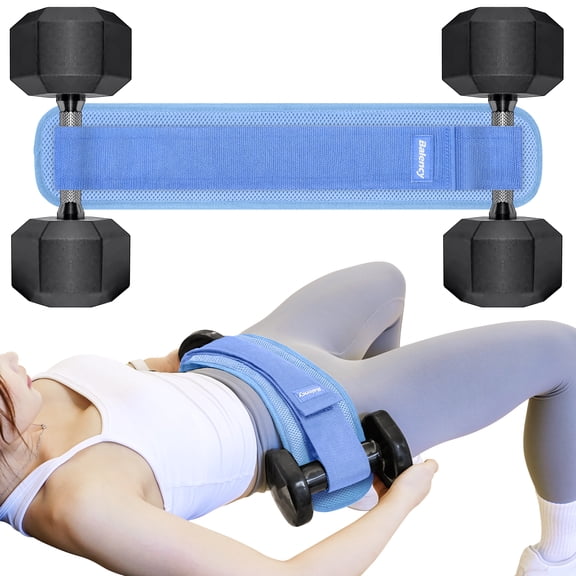
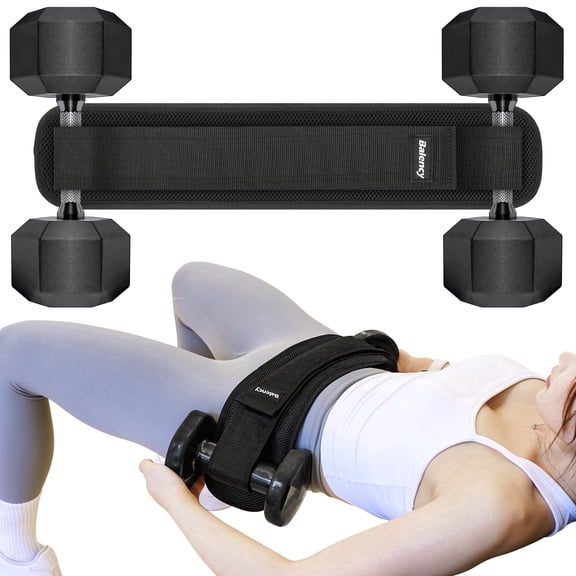
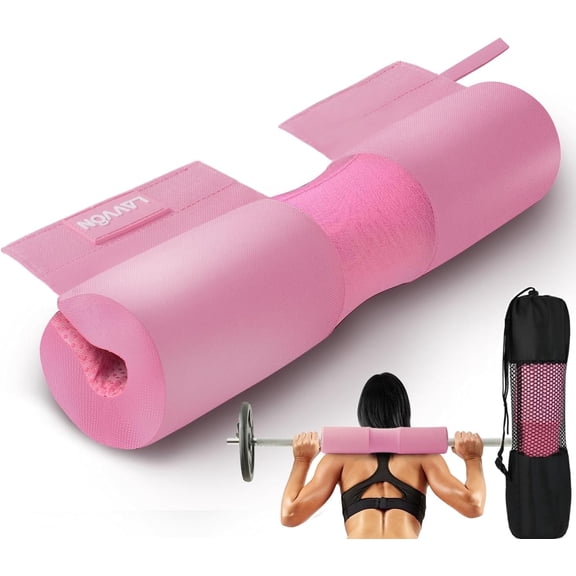
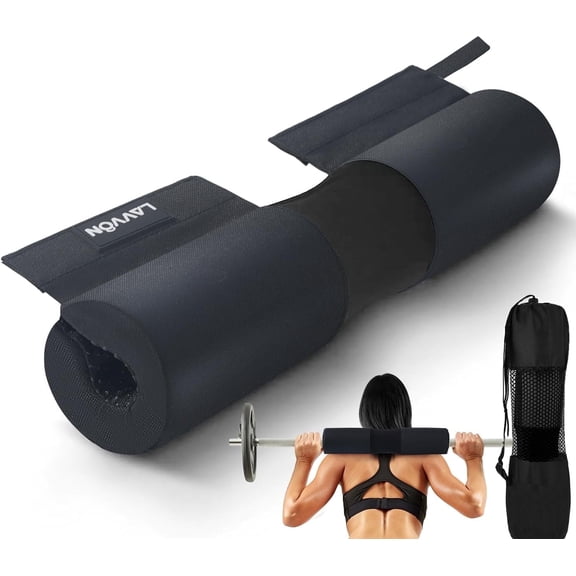
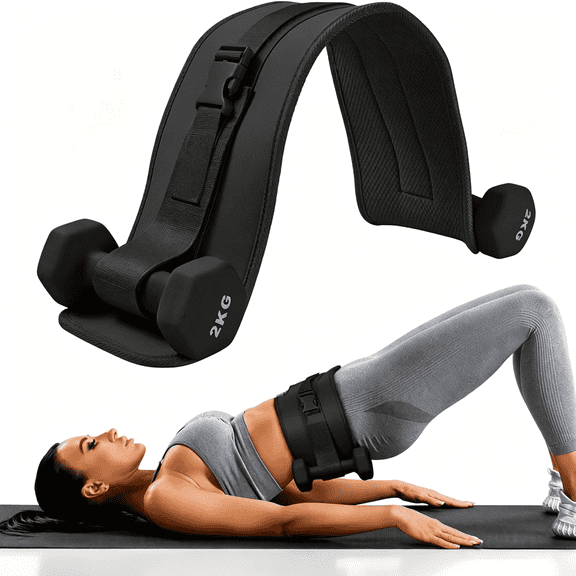
A pad works well when you want a simpler setup and already have a bench or floor routine. You can add cushioning at the contact point, which matters during heavier training sessions.
- You can choose a machine for guided setup and repeatable positioning.
- You can choose a bench for a smaller footprint and flexible barbell workouts.
- You can choose a platform when you want a dedicated lifting height.
- You can choose a pad if you need added comfort with gear you already own.
What to look for in a hip thrust machine
You should check the maximum load rating first because it shows how much total weight the frame supports. You should match that number to your current lifts and your planned progression.
Stability matters just as much as load rating when you're driving through the top of each rep. You should look for a wide base, secure contact points, and a frame that stays planted.
If you use bands, look for band peg inclusion before you choose. You can add resistance changes without rebuilding your whole setup.
Padding thickness also deserves close attention because your upper back stays in contact throughout the movement. You may prefer cushioning that feels steady during higher-volume sets and heavier loading.
Understanding resistance methods and training feel
You can choose plate-loaded equipment if you want familiar progression with standard gym weight plates. You can track your load clearly and keep your strength work consistent.
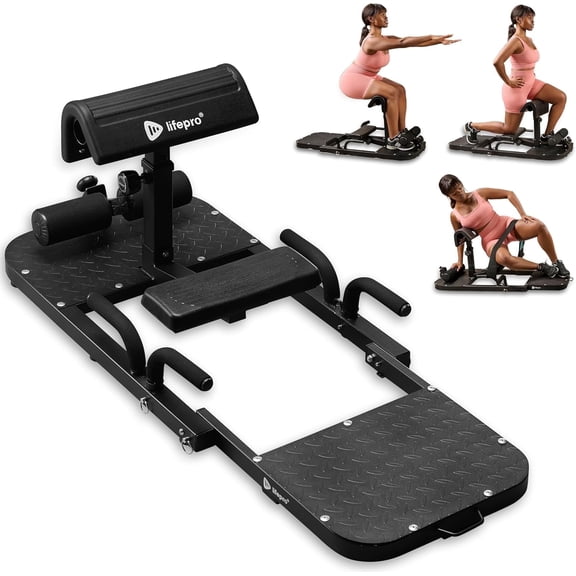
If you prefer lighter equipment, you may like resistance bands or bodyweight-focused designs. You can use these options for warmups, smaller spaces, or portable routines.
A glute drive machine can appeal to you when you want fast transitions and a dedicated movement path. You can spend less time arranging bars and keep your setup consistent across sets.
Matching target muscle groups to your routine
If your main goal is glute-focused training, you can use this category for thrust patterns that emphasize hip extension. You also involve hamstrings and core support as you brace and control each rep.
You may want a glute workout bench when you're pairing thrusts with split squats, deadlifts, and band work. You can create a lower-body station that supports several accessory moves in one area.
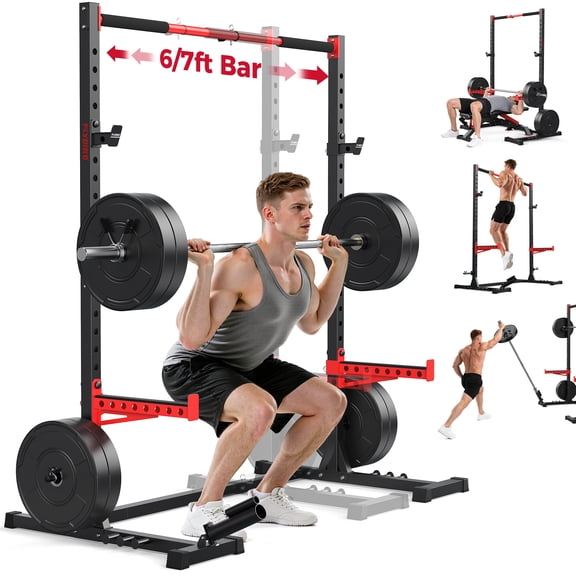
For home gym planning, you should think about how this equipment fits with dumbbells, barbells, resistance bands, and weight benches. You can make your room work harder when your setup supports several strength sessions.
Choosing the right size, portability, and comfort
You should compare machine footprint against your open floor space before you commit. You need room to enter the station, load weight, and move around the frame.
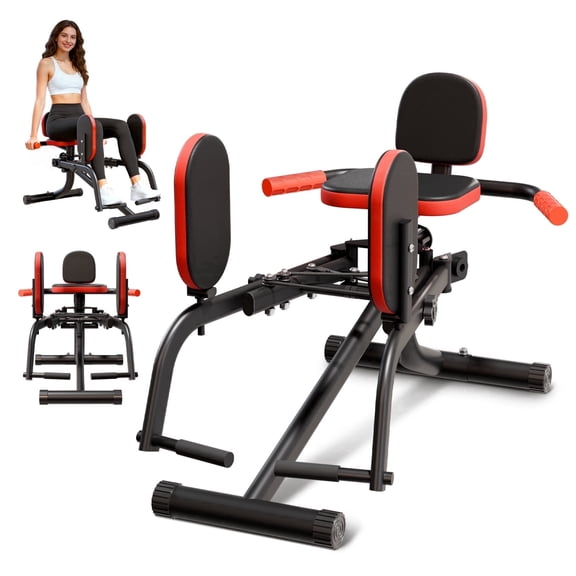
If you rearrange your room often, a foldable or compact design may fit your routine. You can store equipment between sessions without giving up a dedicated thrust position.
Commercial-grade frames can make sense when you want a heavier build and a fixed workout zone. You may notice sturdier construction paired with a larger footprint and more setup presence.
Comfort shapes consistency, so you should compare pad width, thickness, and surface feel. You can appreciate a stable contact area that supports repeat reps without shifting your position.
With the right hip thruster setup, you can train with clearer positioning, steadier support, and equipment that fits your available space. You can feel prepared for consistent glute sessions when your bench, machine, platform, or pad matches your routine.