



High Chairs & Boosters










































About High Chairs & Boosters - Walmart.com
High chairs and booster seats help you set up smoother family meals with less mess and better table fit. You can compare seat type, portability, materials, and adjustability for your dining routine.
Whether your space is compact or roomy, you can choose a setup that matches your table and feeding stage. With this category, you can compare full-size seats, chair-mounted options, and travel-ready designs in one place.
How to choose high chairs and booster seats
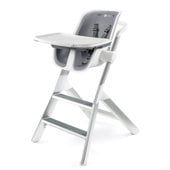
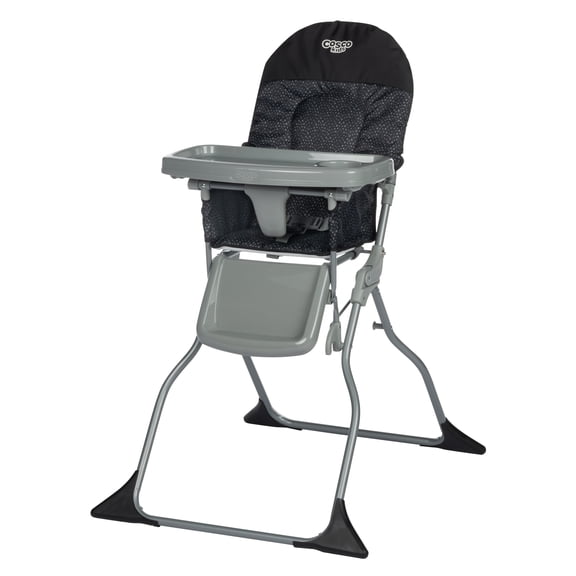
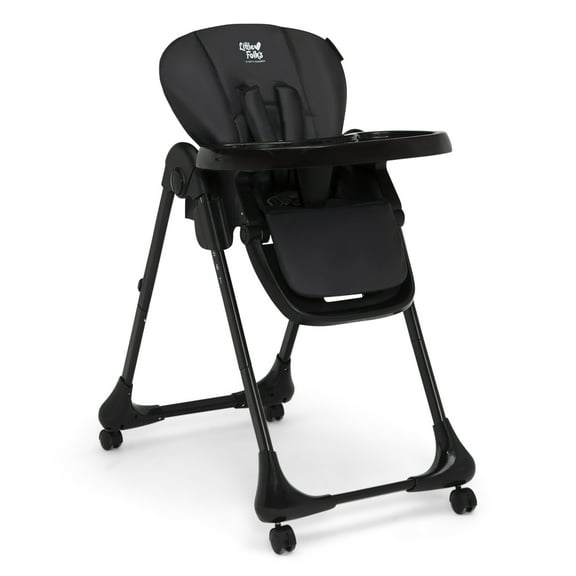
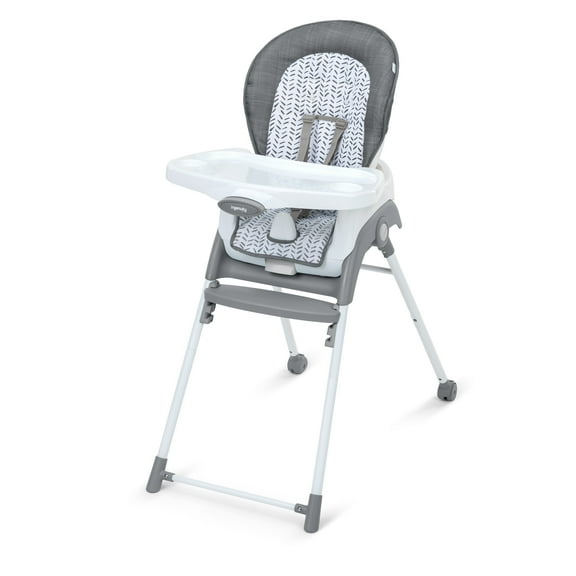
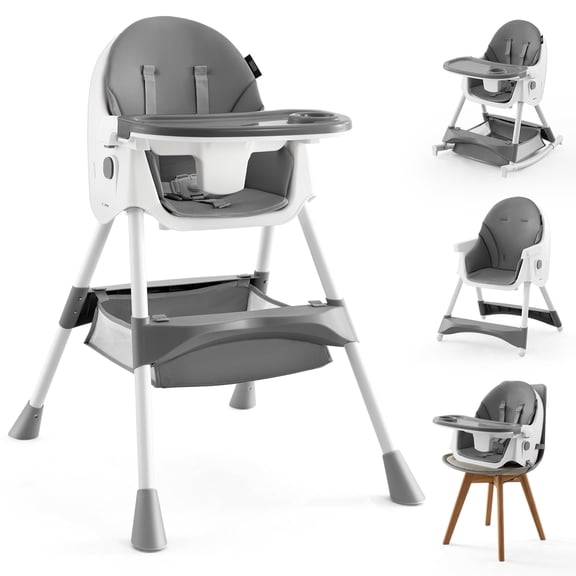
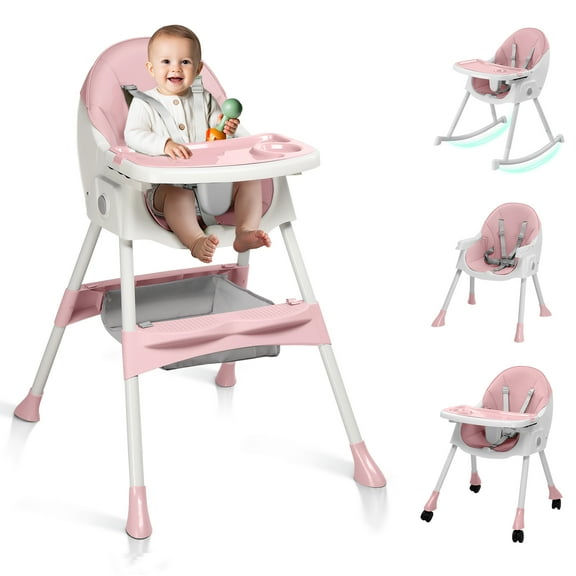
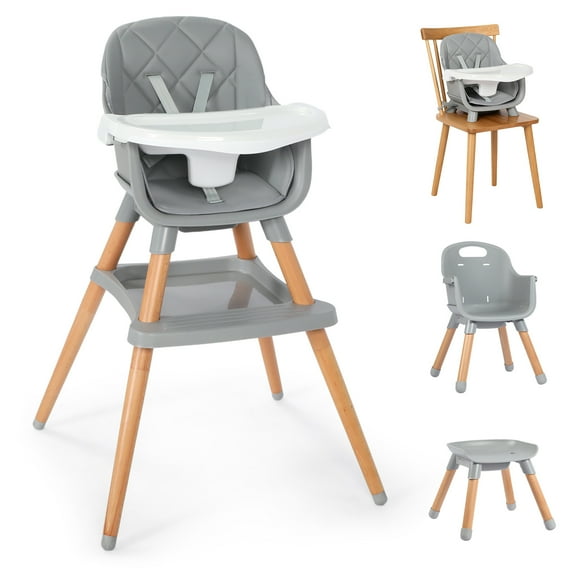
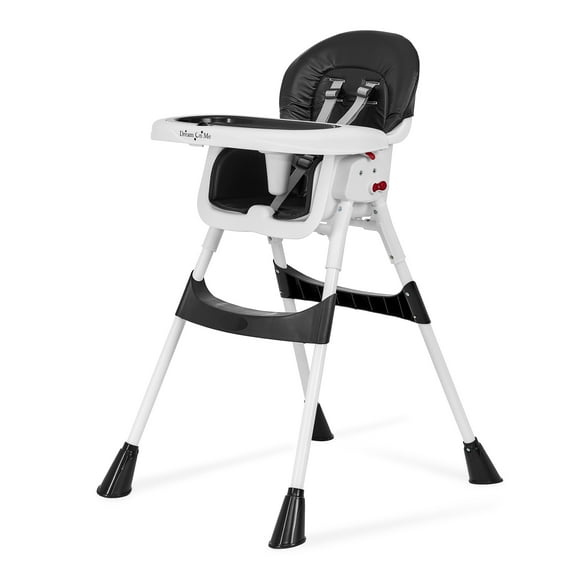
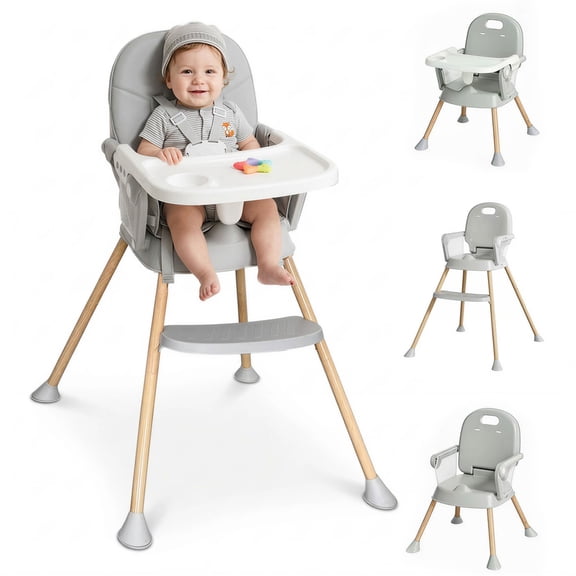
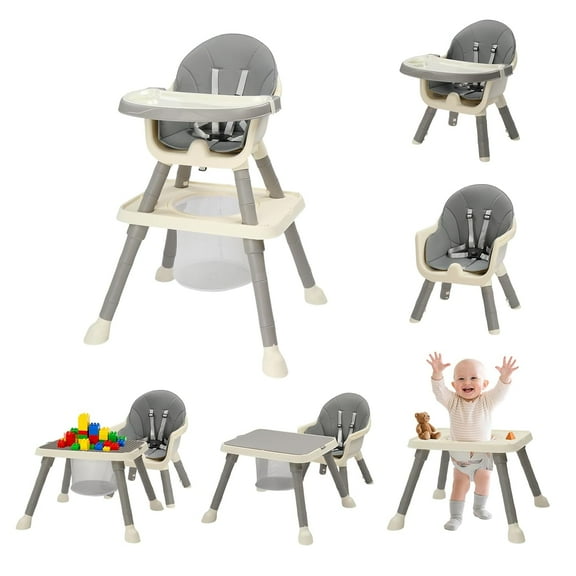
Start with seat type because your choice shapes how your child joins the table each day. For dedicated feeding space, you might prefer baby high chairs with a larger frame and tray.
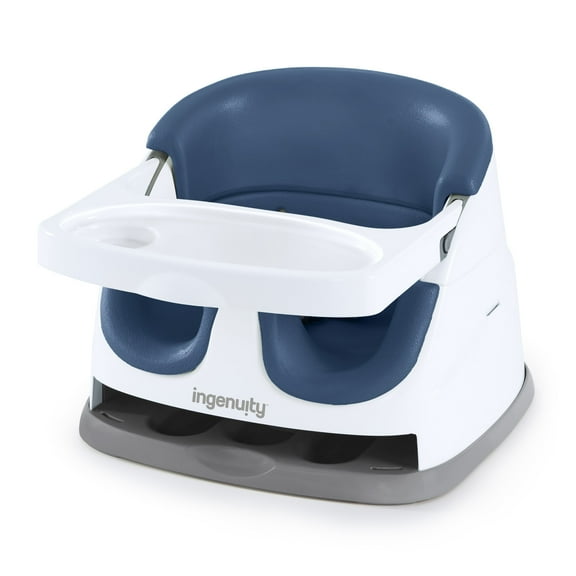
In tighter dining areas, a space-saver model helps you use an existing chair instead of adding another footprint. For shared care routines, portable high chairs can move between homes with less fuss.
Another key decision is age range, because seat support changes as your child grows. During early feeding stages, you may look for recline and a secure harness fit.
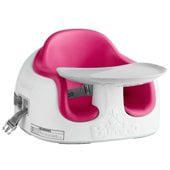
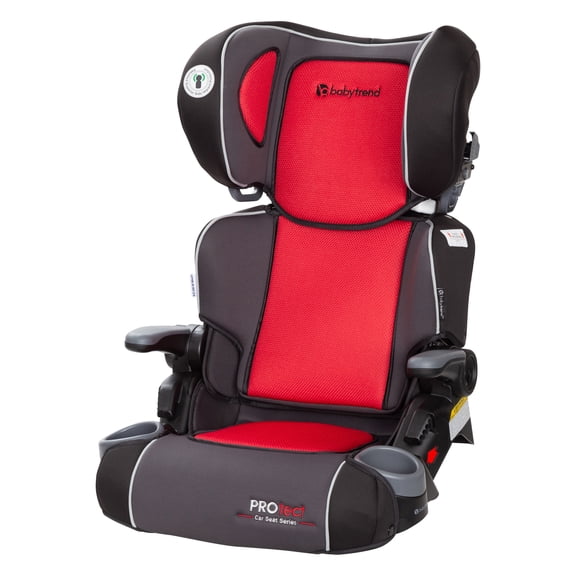
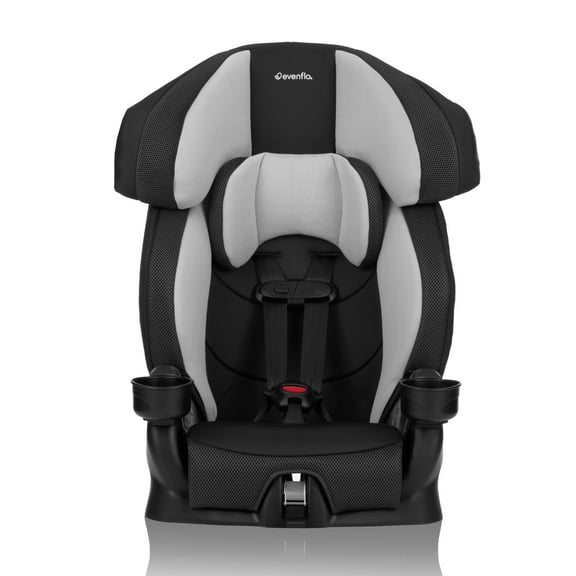
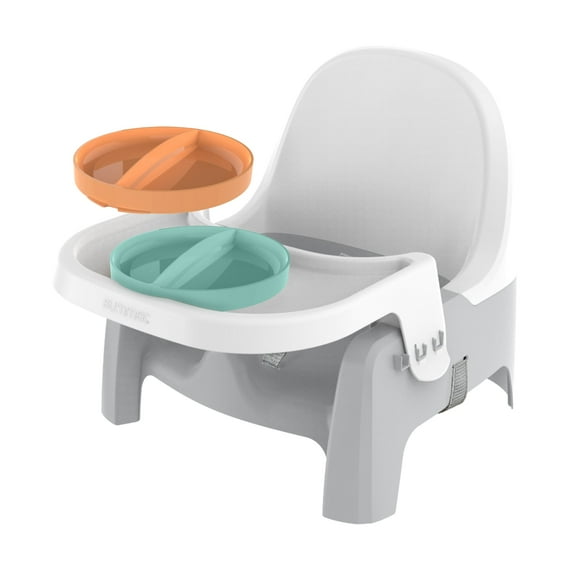
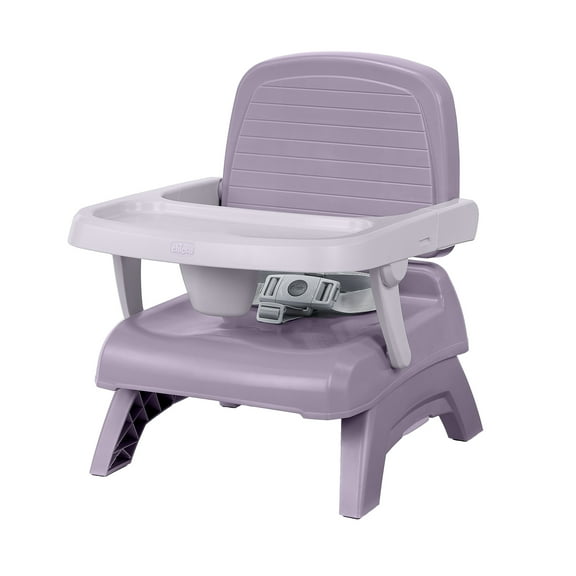
As meals become more interactive, toddler booster seats can raise your child closer to the family table. That setup can help your dining space feel more connected and less crowded.
Key benefits that matter at mealtime
The right seat supports your daily routine in ways you’ll notice at every meal. You can keep your child at a practical height and simplify table positioning.
Cleanup also becomes easier when you compare surfaces, seams, and tray design before choosing. You may prefer easy clean high chairs with wipeable straps and removable tray inserts.
- You can keep your child closer to table height during family meals.
- You can choose surfaces that wipe clean after purees, crumbs, and spills.
- You can use chair-mounted or compact designs when your floor space is limited.
- You can pick convertible seating that adapts through several feeding stages.
When your routine changes from breakfast to dinner, flexible seating can make transitions smoother. Some designs let you move from tray feeding to table dining with less interruption.
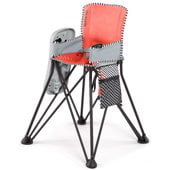
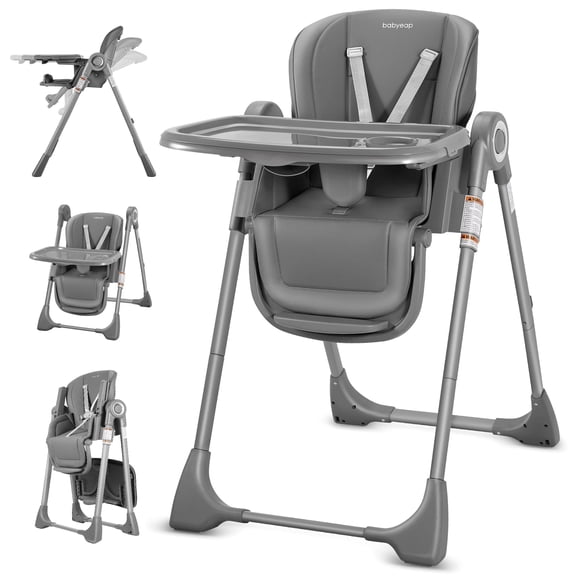
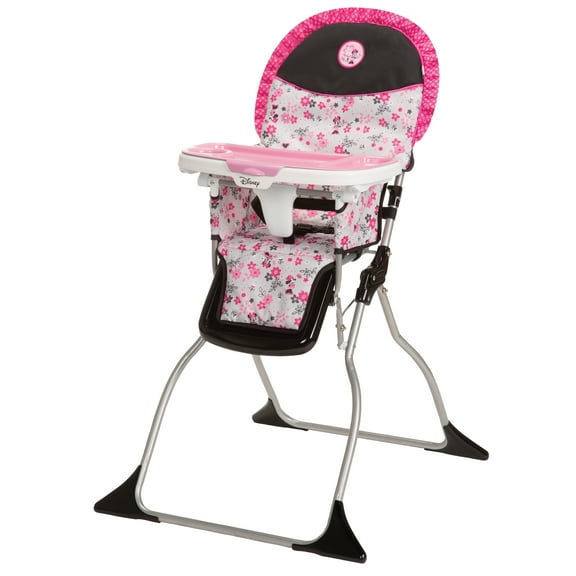
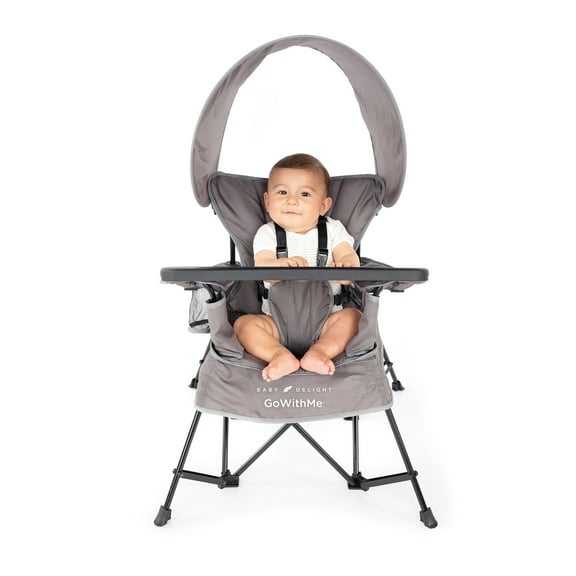
For visits with relatives or weekends away, portability can matter as much as seat comfort. Folding high chairs and lightweight options help you carry feeding gear without a bulky setup.
Choosing features by seat type and material
Compare footprint first, because size affects how your dining area feels between meals. Full-size chairs often suit open kitchens, while booster seats for table use fit smaller rooms.
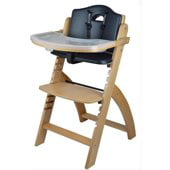
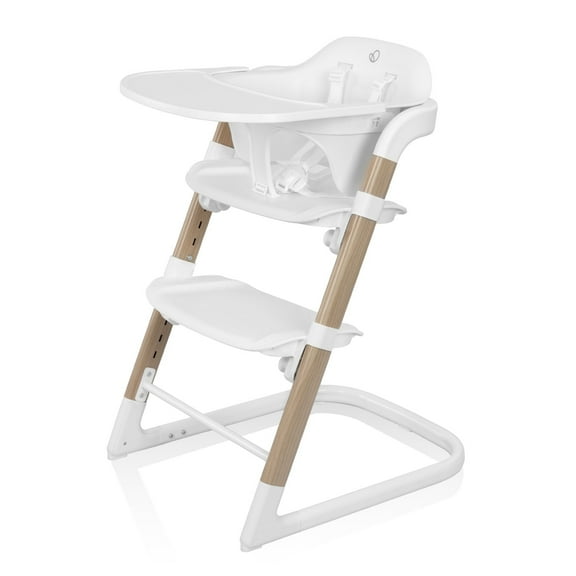
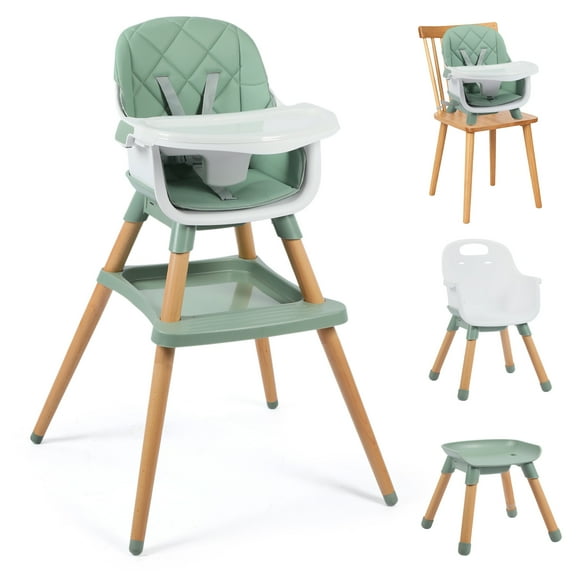
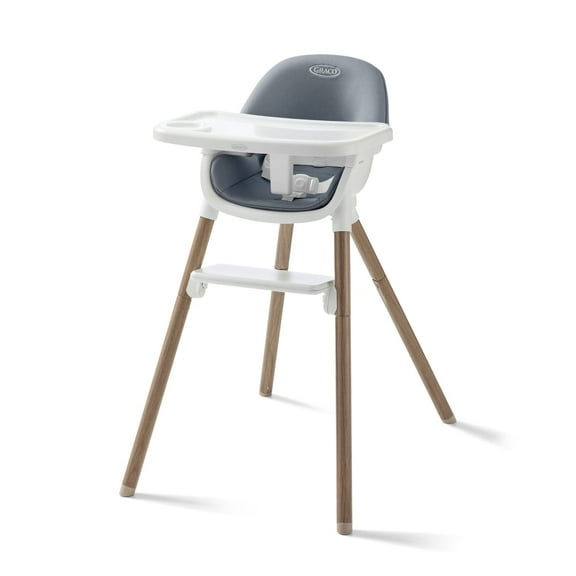
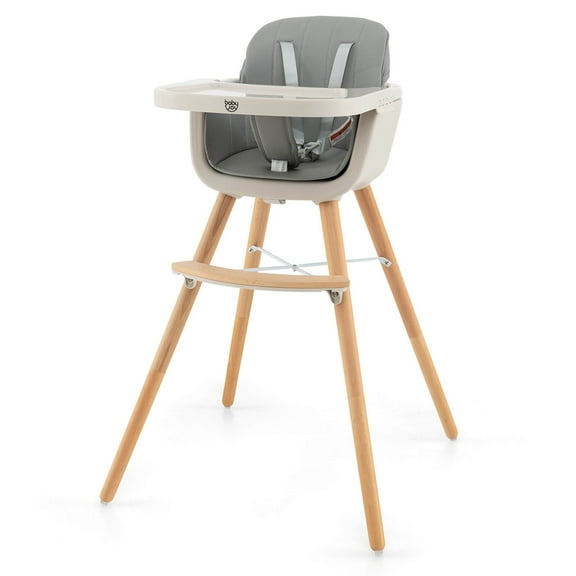
Material also changes how your seat looks and how it fits your care routine. You might choose plastic for straightforward wipe-downs or wooden high chairs for a furniture-style look.
If you prefer a lighter frame, metal construction can feel easier to move around the room. Fabric pads can add softness, and you should check whether they remove easily.
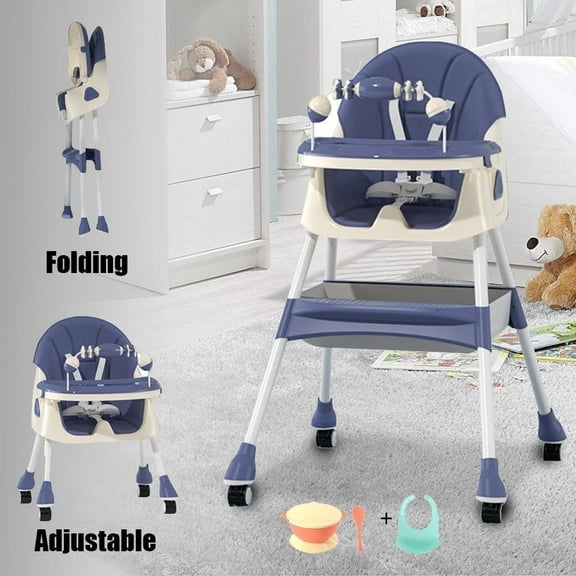
Adjustability matters because your table height and feeding stage may change over time. You can compare multi-height positions, a reclining seat, an adjustable footrest, or a one-hand tray.
Safety details deserve close attention because they affect everyday use, not just setup. You should look for JPMA certification and compare a 5-point harness with a 3-point harness.
A 5-point harness gives you more connection points across the shoulders and waist during seated meals. A 3-point harness can feel simpler, and you should match it to your preferred fit.
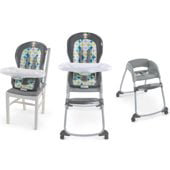
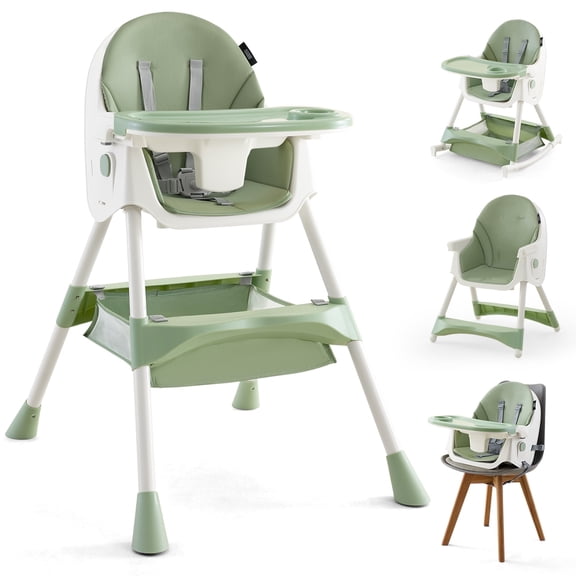
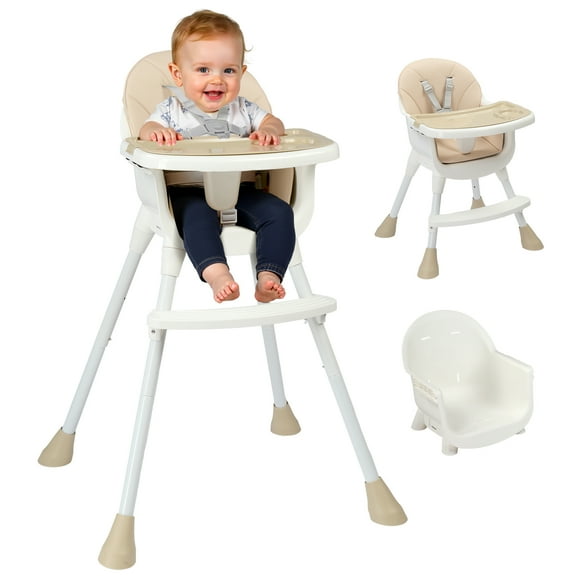
Longevity can also guide your choice when you want one seat for more than one stage. You may compare 3-in-1 or 4-in-1 convertible designs that shift from baby feeding to toddler seating.
Choosing portable high chairs and space-saving options
Measure your dining area before you compare styles, because dimensions affect comfort around the table. You should check chair width, table height, and walking space around each seat.
If storage matters, folding high chairs can tuck into a closet, pantry, or corner between meals. That design works well when your dining room needs to serve more than one purpose.
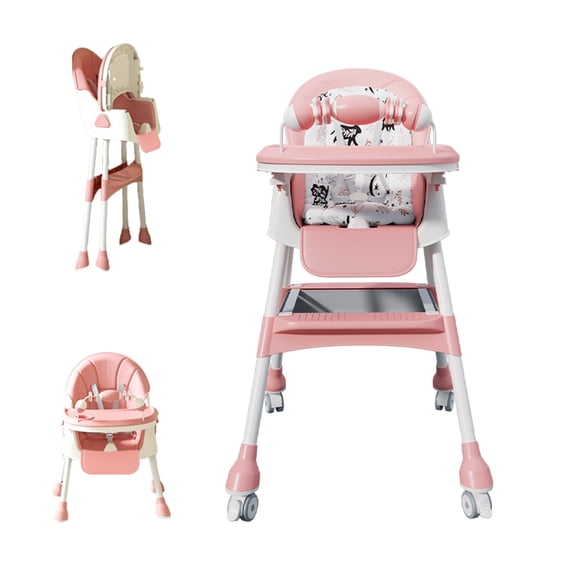
Portable high chairs fit routines that move between kitchens, grandparents’ homes, and travel stays. You can look for lightweight frames or compact folds that pack more easily.
Hook-on chairs suit shoppers who want open floor space under the table during meals. You should check table-edge thickness and compatibility before choosing that style.
Space saver high chairs attach to a standard dining chair and reduce visual bulk in smaller rooms. You can keep a family dining setup without a large standalone frame.
Matching age range and routine to the right seat
Your feeding stage should guide your feature list, because each phase calls for different support. During infant use, you may focus on recline, harness fit, and easy tray access.
For babies between six and 12 months, cleanup features often become more important. You may want dishwasher-safe tray inserts, smooth corners, and straps that wipe down simply.
As your child grows, table participation may become a bigger priority than recline settings. Toddler booster seats help you create a more shared dining experience at the table.
If your home has limited space, chair-mounted models can support daily meals without crowding walkways. If you host meals in different rooms, lightweight seats can be easier to reposition.
When style matters alongside function, material can help you narrow your final choice. You may prefer wooden high chairs for a warm look or molded plastic for easier care.
With the right combination of seat type, harness design, and cleanup features, you can make meals feel more manageable. You’ll gain a setup that fits your table, your space, and your child’s stage.