

HID Light Bulbs in Light Bulbs









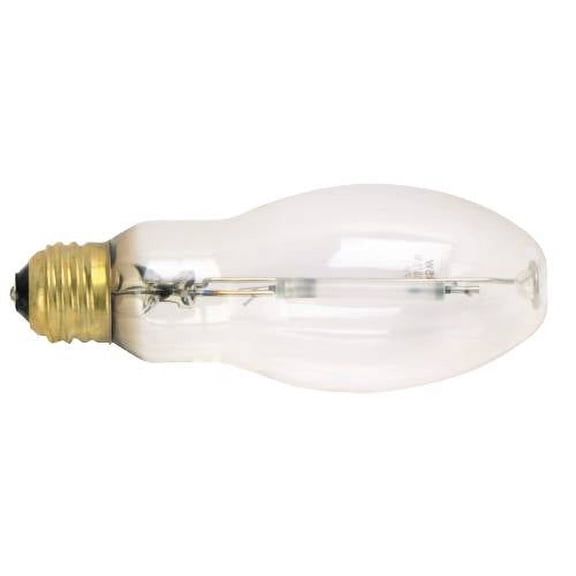
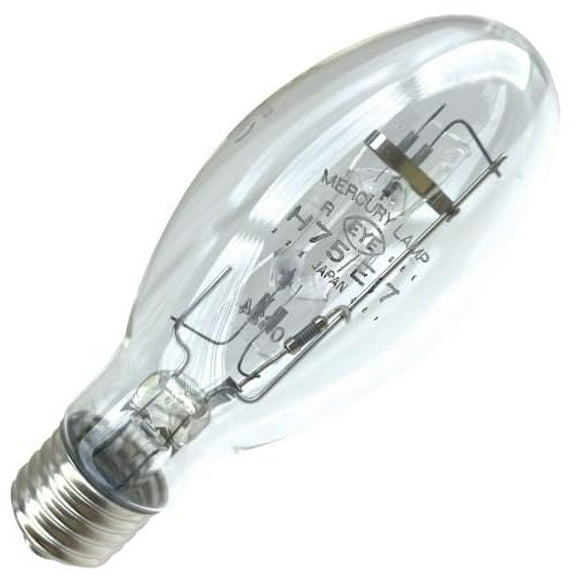
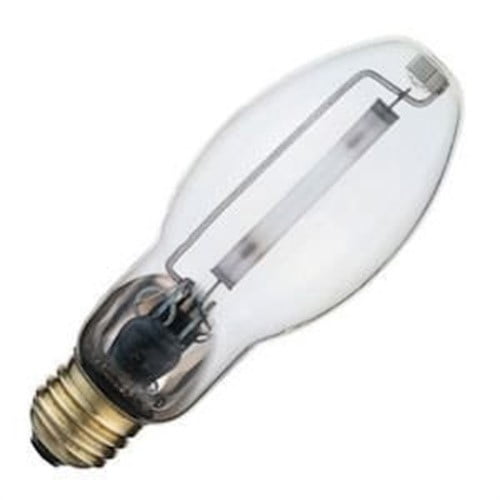

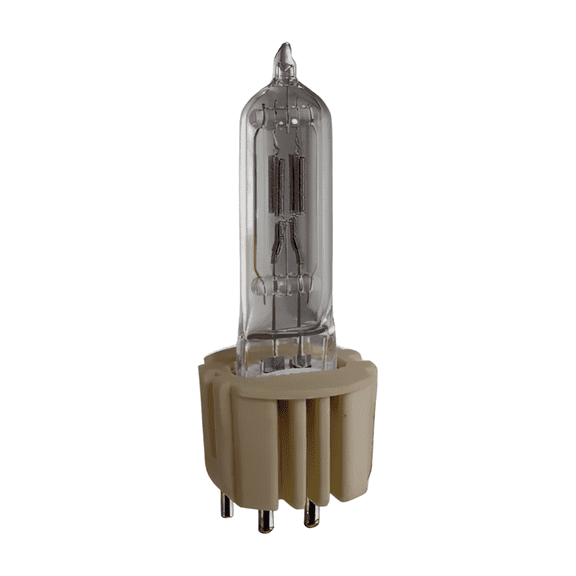





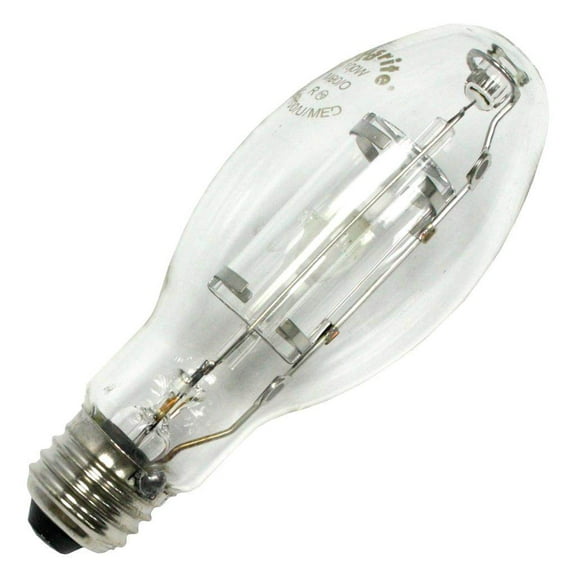
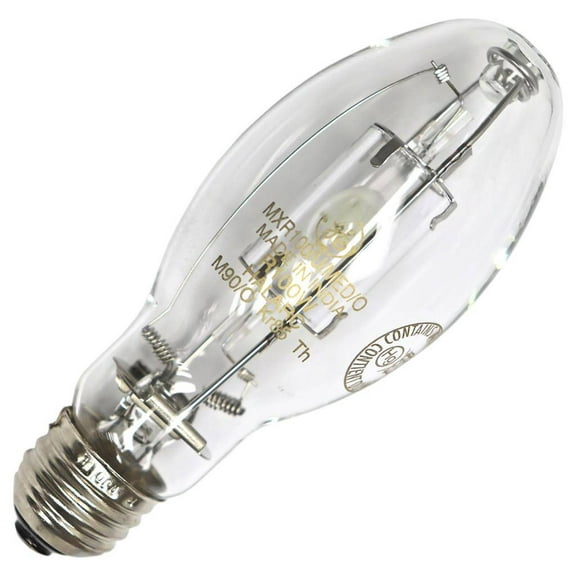
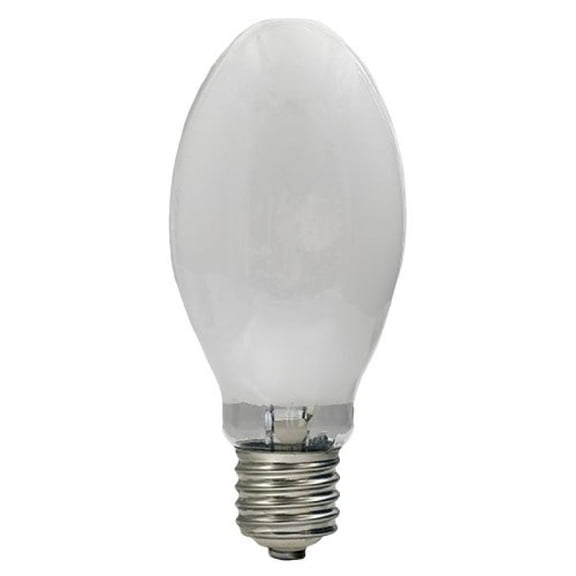


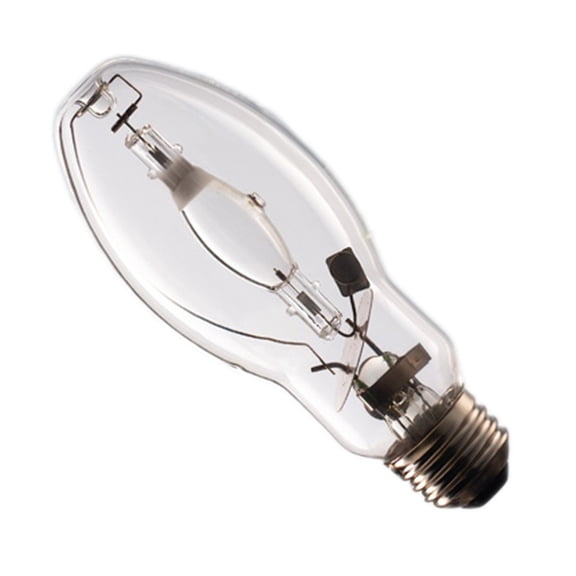
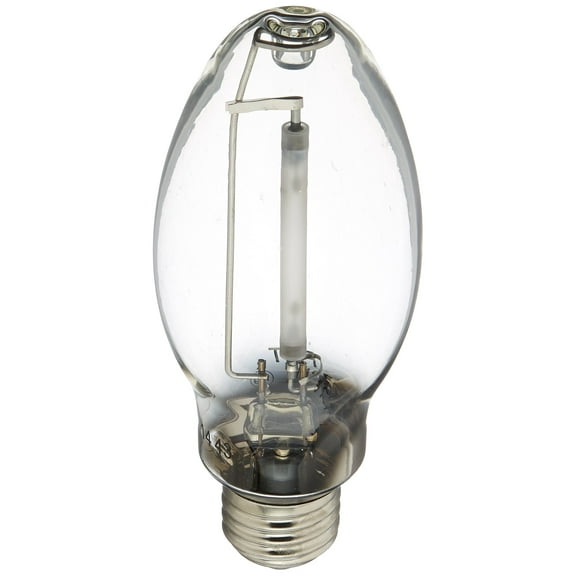
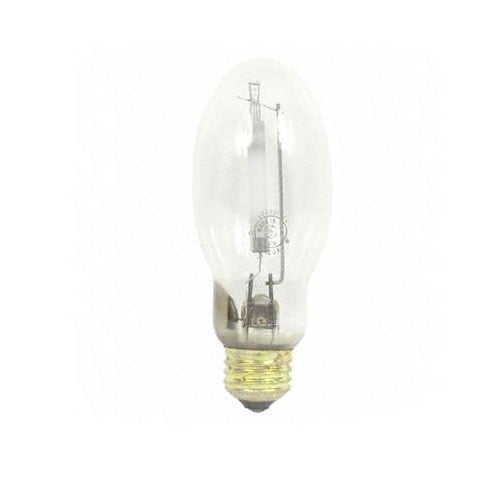
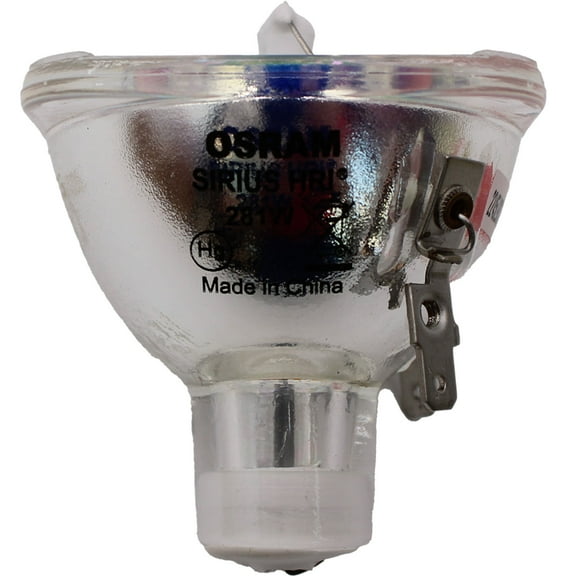


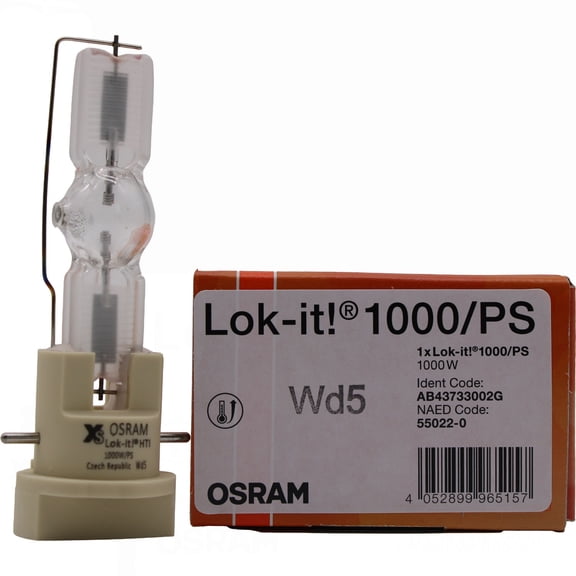
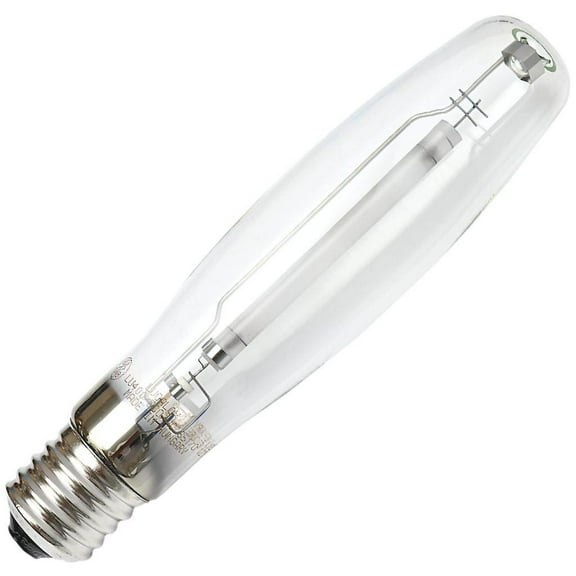
About HID Light Bulbs in Light Bulbs - Walmart.com
Your hid light choice affects fit, startup, and beam color, so you’ll want clear guidance before replacing a bulb. You’ll also need to match ballast, base, and wattage, because HID systems depend on exact compatibility.
How to choose hid light technology
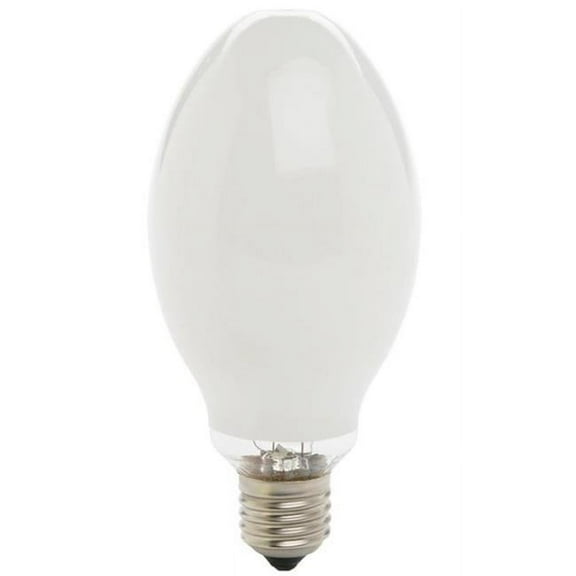
You’ll usually compare Metal Halide, High-Pressure Sodium, Mercury Vapor, and Xenon options by application and light appearance. You can narrow your choice faster when you match the technology to the fixture you already use.
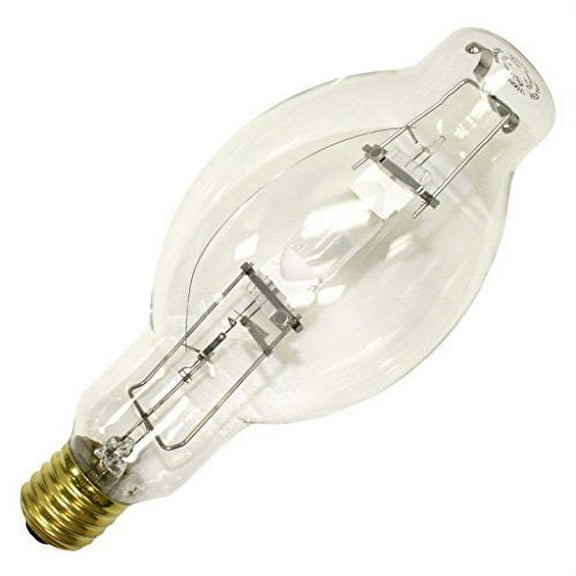
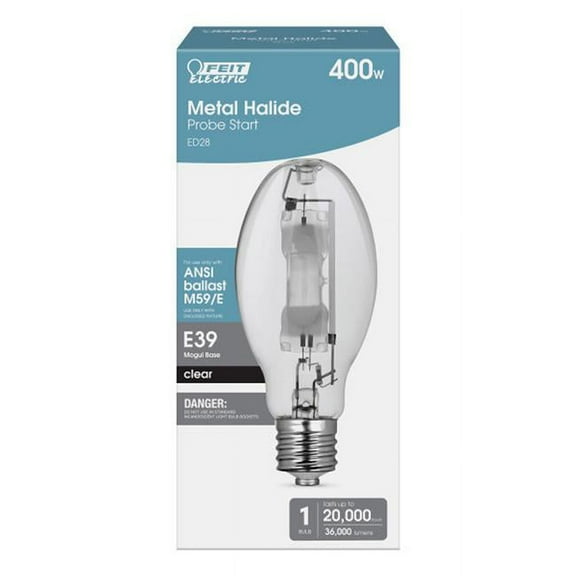
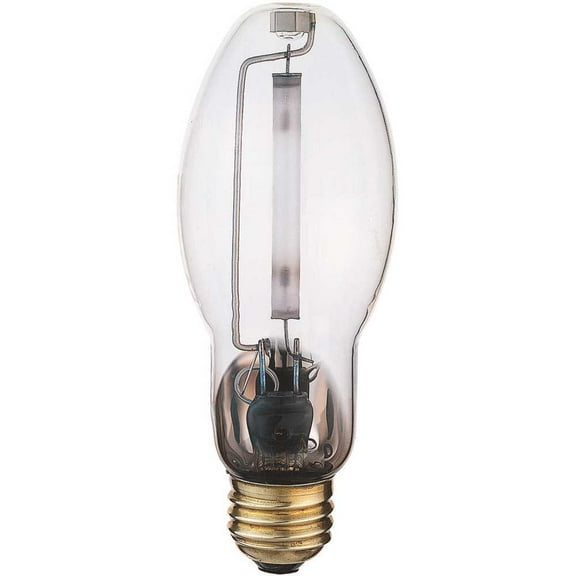
For indoor grow setups, you may prefer Metal Halide for a cooler appearance during vegetative stages. For outdoor security or area lighting, you may choose High-Pressure Sodium for its warm yellow output.
If you’re replacing an older commercial lamp, you may run into Mercury Vapor systems that need like-for-like compatibility. If you’re shopping for automotive headlights, you’ll often focus on Xenon formats and fitment details.
- You’ll get more accurate replacements when you match the bulb technology to your existing system.
- You’ll avoid fit issues when your base type and lamp shape match your fixture.
- You’ll get the color appearance you expect when you compare Kelvin ratings before buying.
- You’ll simplify installation when you confirm ballast type and ANSI code first.
Choosing ballast compatibility and wattage
You should check whether your fixture uses a magnetic or electronic ballast before choosing any replacement lamp. You’ll also want the ANSI code, because that code helps confirm proper electrical matching.
When you compare wattage, you should match the bulb wattage to the ballast wattage already in your system. You may see common options like 35W, 55W, 150W, 250W, 400W, and 1000W.
You’ll notice that higher wattages often suit larger commercial floodlights or wide outdoor coverage. Lower wattages can fit automotive setups or smaller indoor fixtures where you need controlled output.
If you ignore ballast matching, you may end up with poor startup, unstable light color, or a lamp that won’t fit your fixture plan. You can reduce guesswork when you compare wattage, ballast style, and ANSI details together.
Choosing base type and color temperature
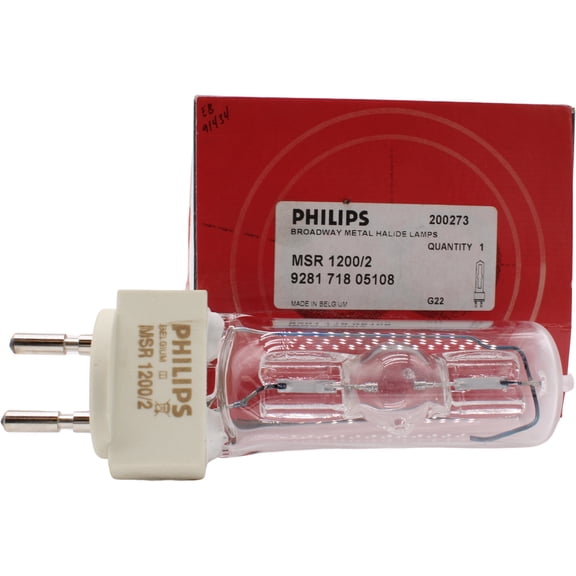
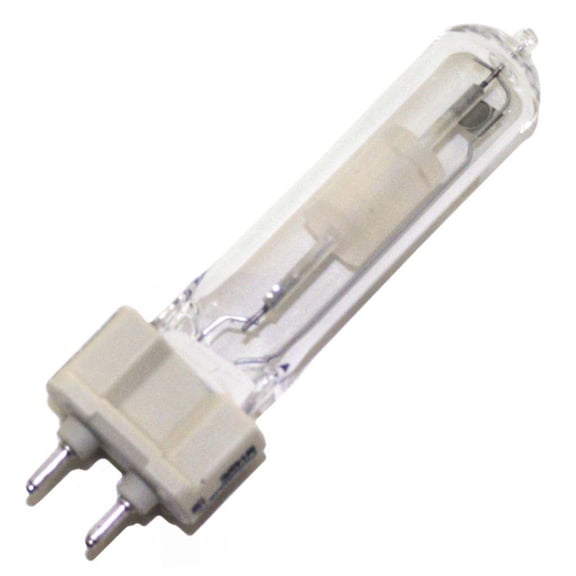
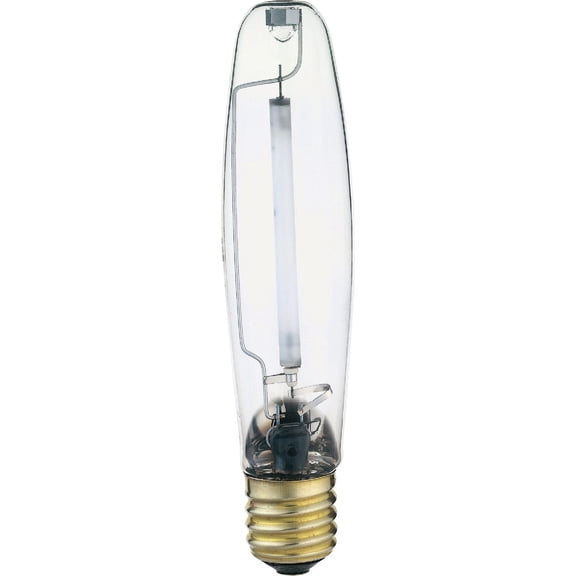
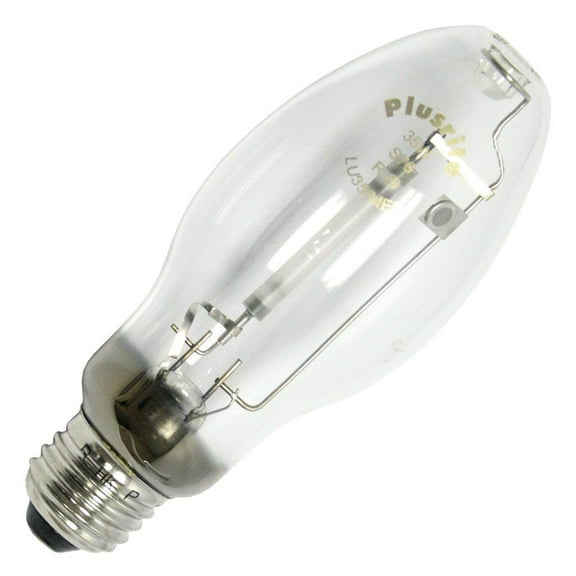
You should measure your socket and confirm base type before you choose a replacement lamp. You may need Mogul E39, Medium E26, Double-Ended Rx7s, or Bi-Pin depending on your fixture.
An E39 Mogul base often appears in larger area lights and commercial fixtures where you need a larger socket size. An E26 Medium base can suit smaller fixtures where you need a more common screw-in format.
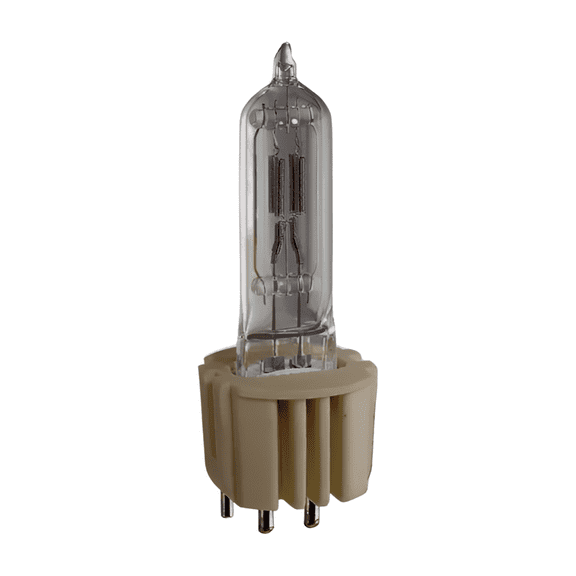
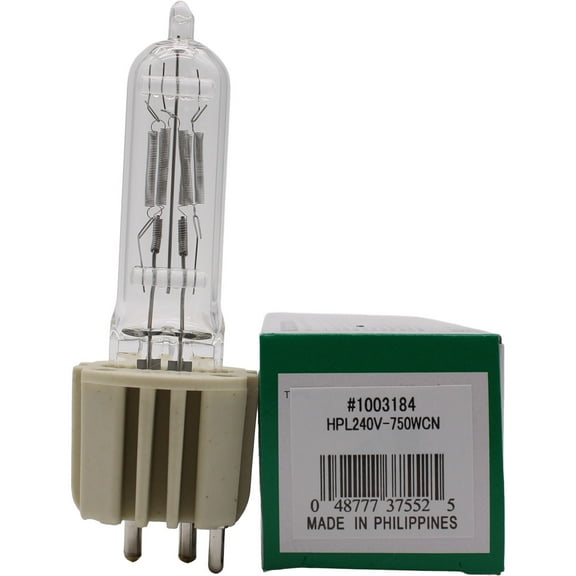
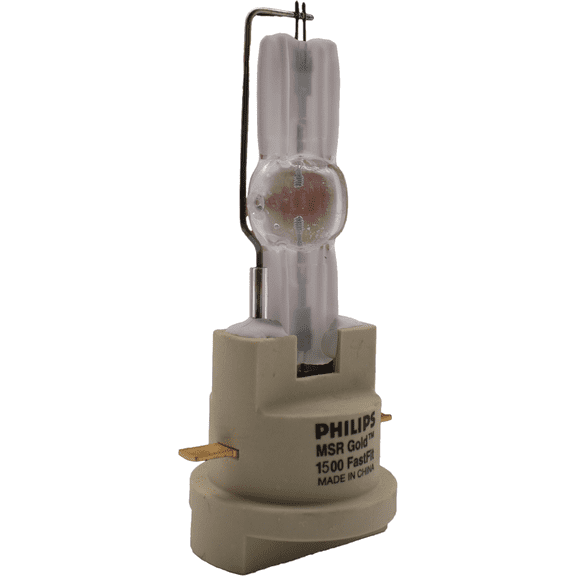
If your fixture uses a double-ended or bi-pin lamp, you’ll need exact fitment because those designs depend on precise contact points. You can avoid returns when you compare the existing lamp label with your fixture requirements.
Color temperature shapes how your space looks, so you should compare Kelvin ratings in plain terms. You may prefer 3000K for warm yellow light, 4300K for OEM white, 6000K for cool white, or 8000K for an ice-blue look.
Matching applications to the right setup
For automotive headlights, you should confirm fitment, ballast compatibility, and color temperature before replacing a lamp. You’ll often want 4300K when you prefer an OEM-style white appearance on the road.
For indoor grow lights, you may compare Metal Halide systems by wattage, base style, and ballast requirements. You’ll want a setup that matches your fixture and your planned coverage area.
For outdoor security lighting, you may look for wider-area illumination and fixture-compatible wattage options. You can compare warmer and cooler color temperatures based on how you want driveways, yards, or entry points to look.
In commercial floodlights, you should check lamp technology, wattage, and base type before replacing older bulbs. You’ll benefit from a closer match when you verify the existing lamp markings and ballast information first.
If you’re updating a mixed property, you may need different HID formats for parking areas, indoor fixtures, and vehicle lighting. You can make faster decisions when you group replacements by application, wattage, and base type.
What to look for before you replace a lamp
You should start with the markings on your current bulb, ballast, or fixture label. You’ll make a more accurate choice when you compare ANSI code, wattage, base size, and Kelvin rating together.
With hid light replacements, you’re not just picking brightness or color alone. You’re choosing a lamp that fits your system correctly, starts reliably, and gives you the light appearance you expect.