

Suggested
Hens(4)
Overall pick Tyson All Natural Premium Chicken Cornish Hen twin pack, 3.25 lb (Frozen) $11.34 $3.44/lb

Tyson All Natural Premium Chicken Cornish Hen twin pack, 3.25 lb (Frozen)
CZ Grain Grit for Healthy Chickens - US Mined Quartzite, Mineral Grit - All Natural Crushed Grit Quartzite, for Healthier Chickens (8 Ounces) From $12.96

CZ Grain Grit for Healthy Chickens - US Mined Quartzite, Mineral Grit - All Natural Crushed Grit Quartzite, for Healthier Chickens (8 Ounces)
Culinary Coop Dried Insect Trail Mix Treat for Chickens 10oz From $10.94
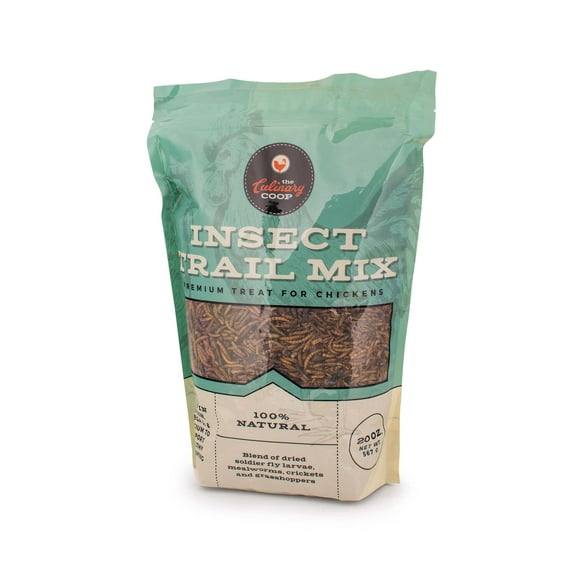
Culinary Coop Dried Insect Trail Mix Treat for Chickens 10oz
CZ Grain Grit for Healthy Chickens - US Mined Quartzite, Mineral Grit - All Natural Crushed Grit Quartzite, for Healthier Chickens (8 Ounces) $12.96
CZ Grain Grit for Healthy Chickens - US Mined Quartzite, Mineral Grit - All Natural Crushed Grit Quartzite, for Healthier Chickens (8 Ounces)
Other options to consider(1)
Country Heritage Poultry Grit, 5# Bag $16.49
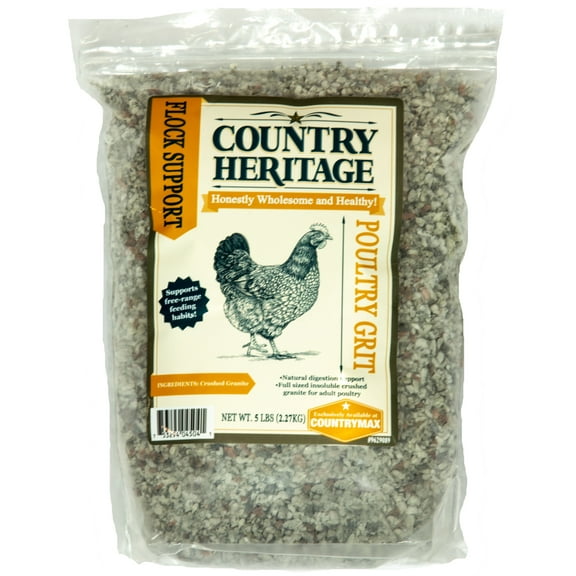
Country Heritage Poultry Grit, 5# Bag
FAQ
What’s the difference between a hen and a chicken?
Great question—people use these terms interchangeably, but they’re not the same.
- Chicken: The species as a whole (any age or sex).
- Hen: An adult female chicken, typically laying or capable of laying eggs.
- Rooster: An adult male chicken.
- Pullet/Cockerel: Teen/young female or male chickens, not yet fully mature.
- Cornish hen: In grocery aisles, this usually means a small, whole young chicken sold for roasting.
On our site, you’ll see both poultry supplies and frozen poultry options. If you’re shopping food, look for whole birds labeled as Cornish hens. If you’re outfitting a coop, browse chicken care supplies. You can shop in store or choose pickup or delivery for convenience.
How do I use hen vs. hens correctly?
Use “hen” for one adult female chicken and “hens” for more than one. Here’s a quick guide:
- Singular: “I have one hen.”
- Plural: “We keep six hens.”
- Shopping food: A listing for one bird may say “Cornish hen”; packs with multiple birds often say “Cornish hens.”
- Talking broadly: Use “chicken/chickens” when you mean the species, or mixed groups with roosters.
Product pages usually clarify quantity in the title or description. When in doubt, check the package size and count. This approach can help you order the right amount, whether you’re stocking the freezer or buying supplies for your flock.
What color helps keep chickens calm in the coop?
Calming spaces tend to be low-glare and consistent. While every flock is different, many keepers find the following can help create a quieter vibe:
- Soft, muted tones: Blues, greens, and natural wood shades can feel less stimulating.
- Fewer high-contrast patterns: Avoid bold, busy visuals near feeders and perches.
- Stable lighting: Gentle, consistent light during the day and darkness at night supports rest.
- Non-reflective finishes: Minimize shiny metal that can reflect and distract.
Color is just one piece of the puzzle. Adequate space, ventilation, enrichment, and a predictable routine often matter more for calm behavior. You can adjust one element at a time and see what your birds respond to best.
What foods should I never feed my chickens?
It’s smart to be cautious with treats. Many keepers avoid the items below because they can be harmful or hard to digest:
- Chocolate, coffee, or energy drinks (caffeine/theobromine)
- Alcohol of any kind
- Raw or undercooked beans (especially kidney beans)
- Green potato peels and sprouts (solanine), and moldy or spoiled foods
- Very salty, greasy, or heavily seasoned foods
- Products containing xylitol (a sweetener)
- Avocado pits and skins
As a general approach, a complete poultry feed can serve as the main diet, with treats offered in moderation. If you’re unsure about a specific food, it’s advisable to check reputable poultry resources or consult a poultry professional for tailored guidance.
Why do backyard chickens need grit, and how do I use it?
Chickens don’t have teeth. Insoluble grit (small stones) sits in the gizzard and helps grind food. This can be especially useful when birds eat whole grains, scratch, or foraged foods.
- When it’s needed: Birds on mash or crumble may need less grit; foragers and scratch-fed flocks typically benefit.
- How to offer: Provide free-choice in a separate, dry dish so birds can take what they need.
- Size matters: Use chick-sized grit for young birds and larger grit for adults.
- Don’t confuse with oyster shell: That’s for calcium, offered separately to laying hens.
You can find grit and other supplies online with pickup or delivery for convenience.
Popular in Hens Food and Nutrition Supplies
Related Products
New Country Organics | Flock Perfect Calcium Poultry Shell to Strengthen Egg Shells in Laying Hens | 8 lbs
 New Country Organics | Flock Perfect Calcium Poultry Shell to Strengthen Egg Shells in Laying Hens | 8 lbs$28.99current price $28.99
New Country Organics Starter Crumble for Chicks and Ducklings, 35 LBs
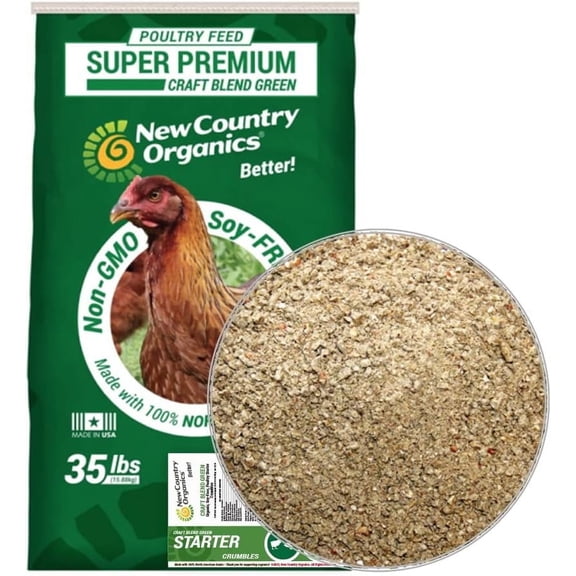 New Country Organics Starter Crumble for Chicks and Ducklings, 35 LBs$82.99current price $82.99
New Country Organics I Power Pellet Layer Feed 40 lbs I Layer Feed for Laying Hens I Soy-Free I 17% Protein I Certified Organic and Non-GMO I 40 lbs
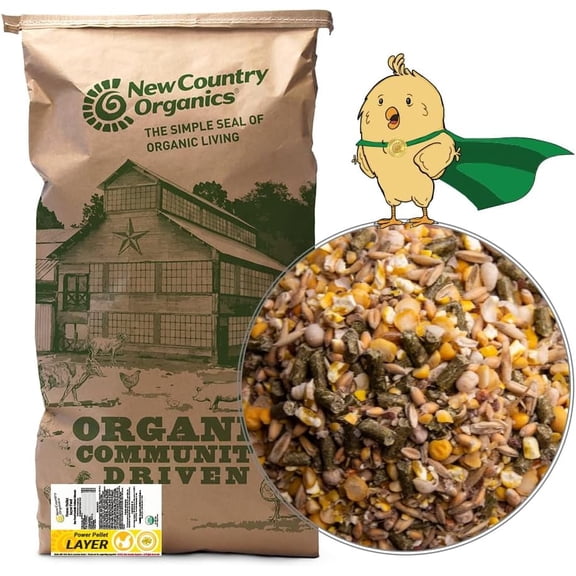 New Country Organics I Power Pellet Layer Feed 40 lbs I Layer Feed for Laying Hens I Soy-Free I 17% Protein I Certified Organic and Non-GMO I 40 lbs$79.99current price $79.99
Kent Multi-Flock Chick N Game 50 Lb. Starter/Grower Crumble 3678
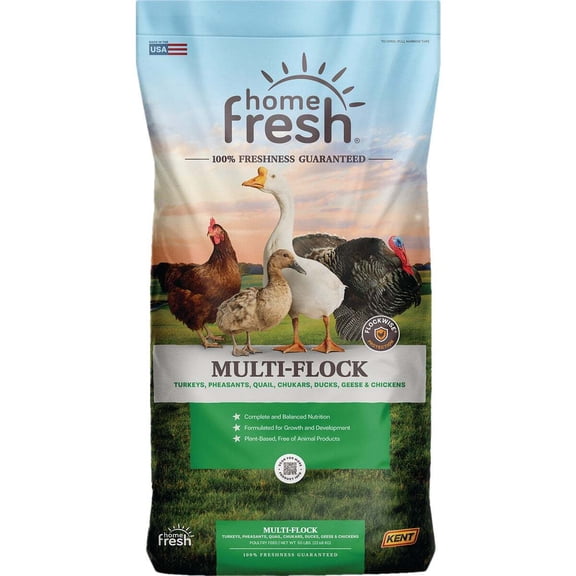 Kent Multi-Flock Chick N Game 50 Lb. Starter/Grower Crumble 3678$76.49current price $76.49
HARTOMPET 1LB Dried BSF Larvae – Non-GMO Brown Feed Supplement for Laying Hens and Adult Poultry, 85x Calcium in Resealable Bag
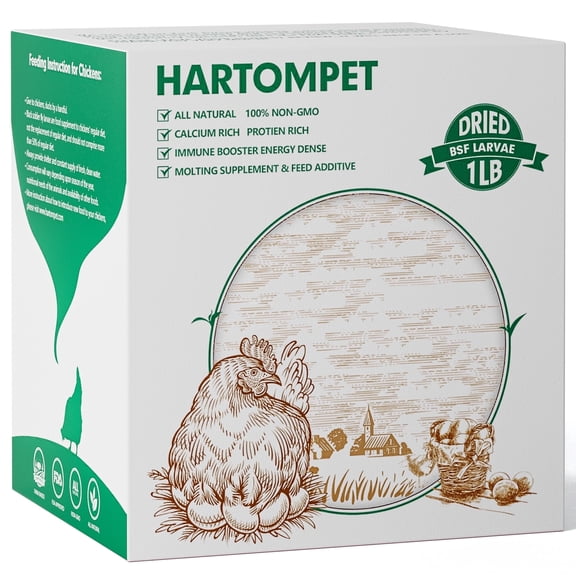 HARTOMPET 1LB Dried BSF Larvae – Non-GMO Brown Feed Supplement for Laying Hens and Adult Poultry, 85x Calcium in Resealable Bag$12.34current price $12.34
New Country Organics - Duck Layer Feed - Duck Food for Adult Ducks & Laying Ducks - Soy-Free - 17% Protein - Certified Organic and Non-GMO - 40 lbs
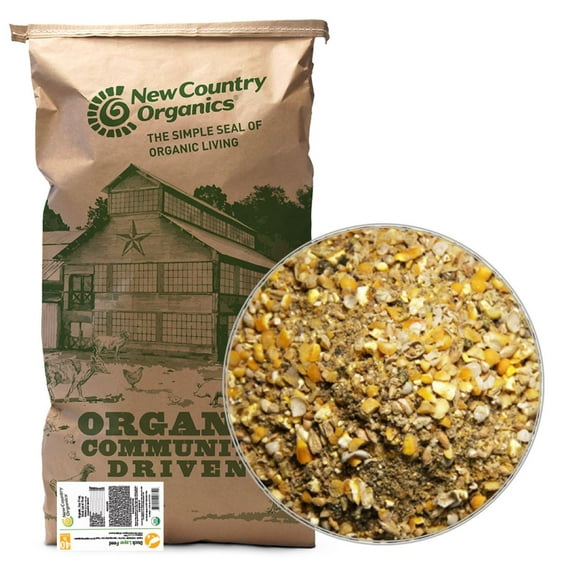 New Country Organics - Duck Layer Feed - Duck Food for Adult Ducks & Laying Ducks - Soy-Free - 17% Protein - Certified Organic and Non-GMO - 40 lbs$69.98current price $69.98
Kent Home Fresh 25 Lb. Poultry Starter Crumble 3647
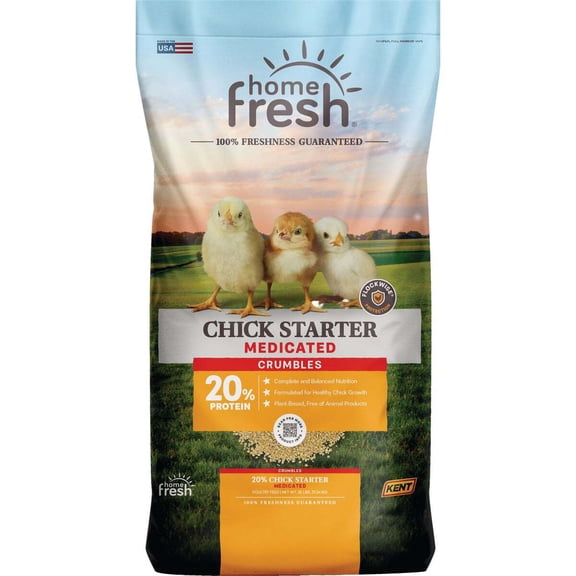 Kent Home Fresh 25 Lb. Poultry Starter Crumble 3647$38.76current price $38.76
Red River Commodities Pecking Order Mealworm & Sunflower Chicken Treat; 3 lb. Bag
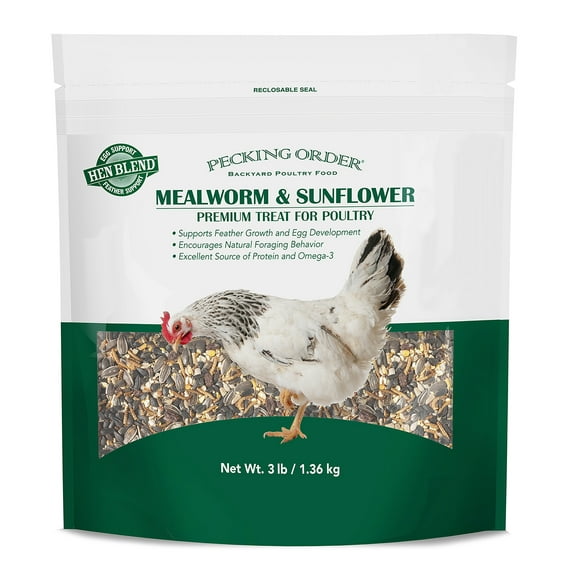 Red River Commodities Pecking Order Mealworm & Sunflower Chicken Treat; 3 lb. Bag$5.96current price $5.96
Kent Home Fresh Goat Herd 18 50 Lb. Goat Feed 3815
 Kent Home Fresh Goat Herd 18 50 Lb. Goat Feed 3815$70.37current price $70.37
Wholesome Harvest Non-GMO Pastured Poultry Grower 19% for Growing Chickens and Ducks - 40 lbs
 Wholesome Harvest Non-GMO Pastured Poultry Grower 19% for Growing Chickens and Ducks - 40 lbs$65.99current price $65.99
Amzey 2 Pack 5.5 LBS Black Soldier Fly Larvae Chicken Feed for Laying Hens, Superior to Dried Mealworms, 11 lbs Total
 Amzey 2 Pack 5.5 LBS Black Soldier Fly Larvae Chicken Feed for Laying Hens, Superior to Dried Mealworms, 11 lbs Total$105.88current price $105.88
Harvest Delight Poultry Treat Chicken Nutricious Food 2 lbs.
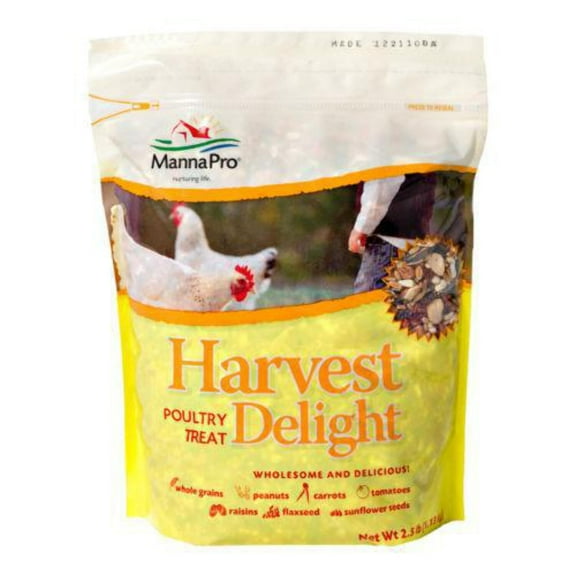 Harvest Delight Poultry Treat Chicken Nutricious Food 2 lbs.$11.49current price $11.49