

Metatarsal Pads in Foot Care





















About Metatarsal Pads in Foot Care - Walmart.com
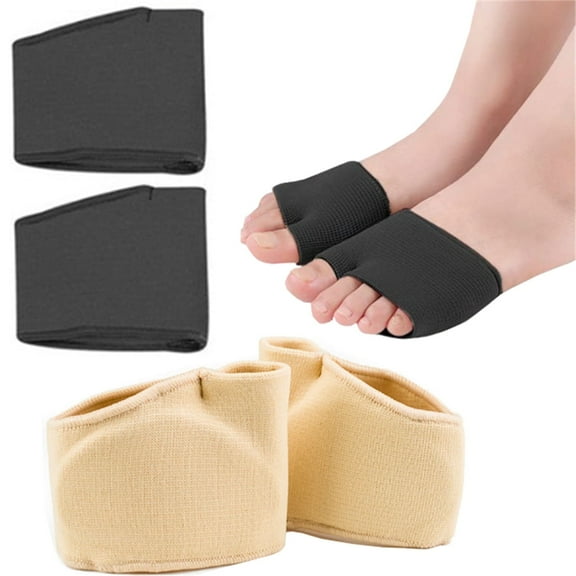
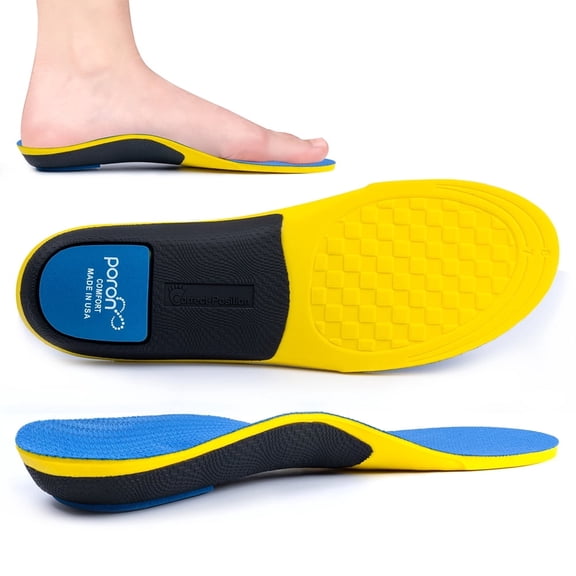
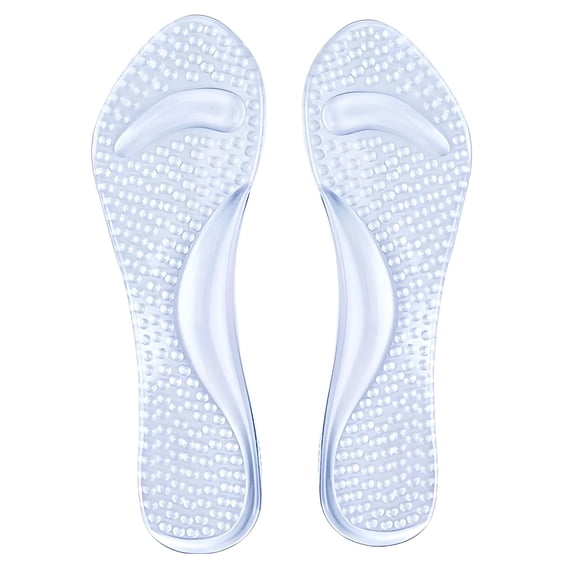
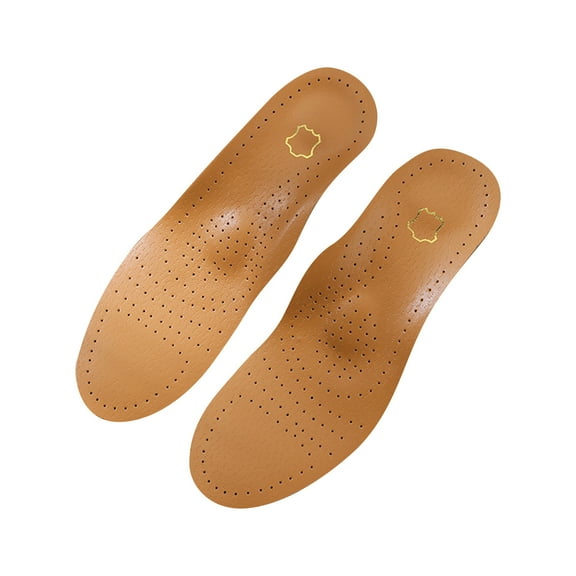
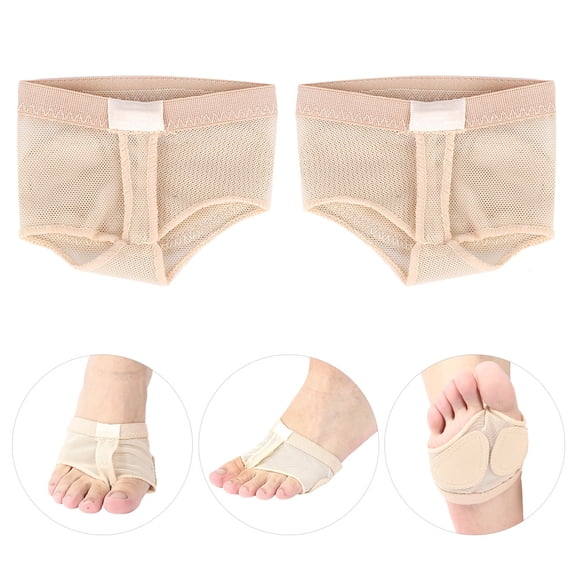
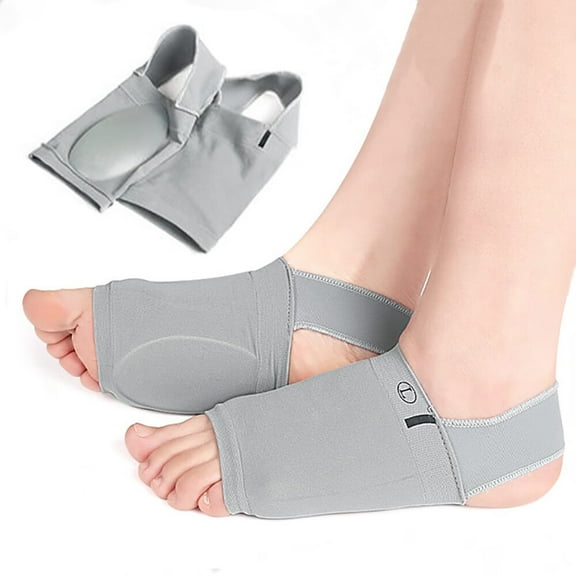
Metatarsal pads help you add targeted cushioning under your forefoot without changing your entire footwear routine. You can compare inserts, sleeves, and toe-loop styles for the shoes and pressure patterns you manage each day. When you review material, thickness, and placement together, you can choose with confidence.
Choosing the right metatarsal pads
You can get targeted support from metatarsal pads when you match the shape to your footwear and pressure area. You should check thickness, attachment type, and material before you choose a pair.
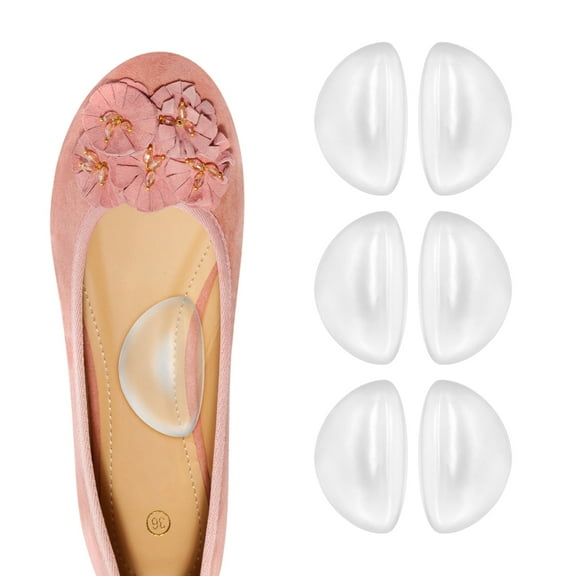
If you wear narrow flats or high heels, you may prefer a slimmer insert that takes up less room. If you stay active, you may prefer a wearable sleeve that moves with your foot. You can compare these formats by how securely they stay positioned during each step.
Instead of guessing, you can compare category details before you choose. You should consider material, target condition, attachment style, and shoe compatibility first.
What to look for in metatarsal foot pads
You can make everyday shoes feel comfortable when cushioning sits under your forefoot instead of adding bulk at the heel. You may also notice steadier placement during long walks, work shifts, or social events.
- You can add focused cushioning under the ball of your foot without replacing your current shoes.
- You can choose lower-profile options when your shoes have limited interior space.
- You can compare gel metatarsal pads with felt styles for different wear habits.
- You can match adhesive inserts, sleeves, or toe-loop pads to the level of hold you want.
For busy days, you may want ball of foot cushions that stay in place inside boots, heels, or athletic shoes. For occasional wear, you may want an insert that you can place quickly. You can also compare forefoot cushions by how easily they move between pairs.
When you compare metatarsalgia pads with general forefoot cushions, you can focus on where support sits under your forefoot. You can also compare pad width if you want broader contact across the front of your foot.
Comparing materials and attachment types
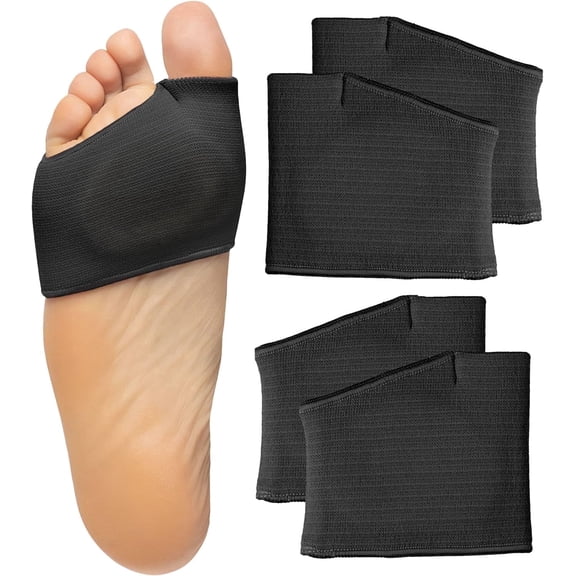
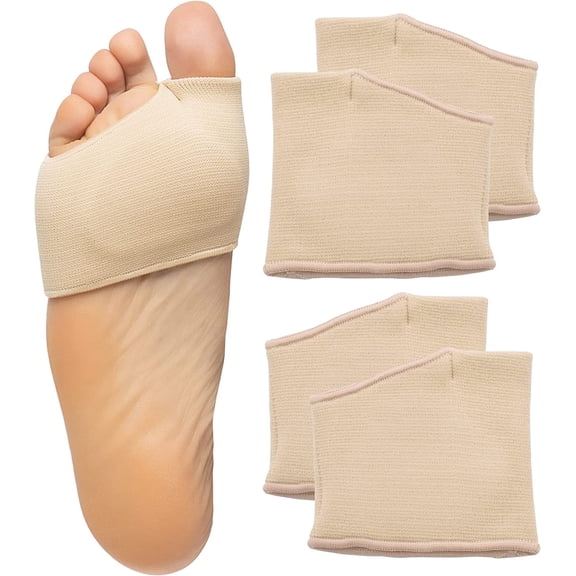
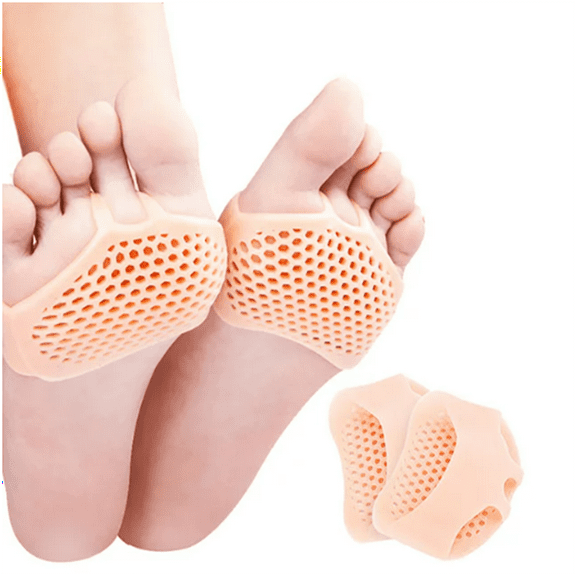
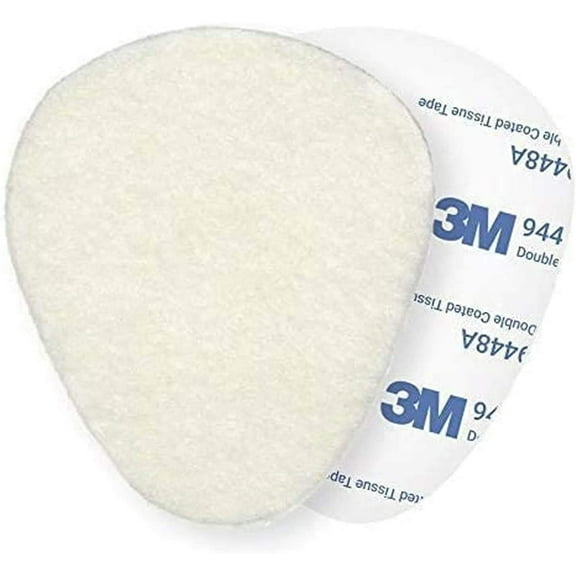
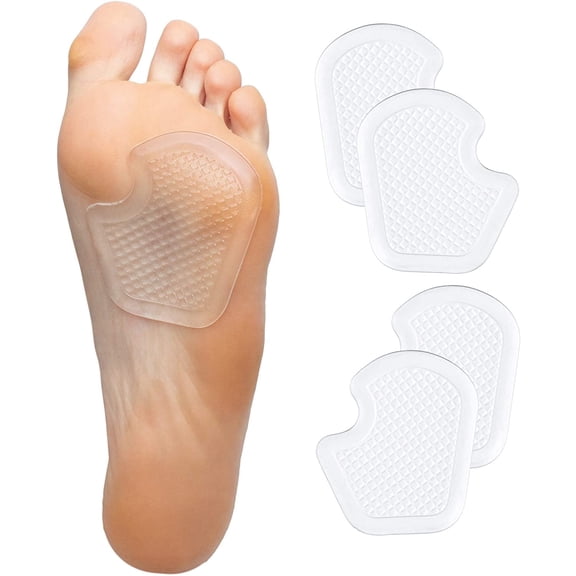
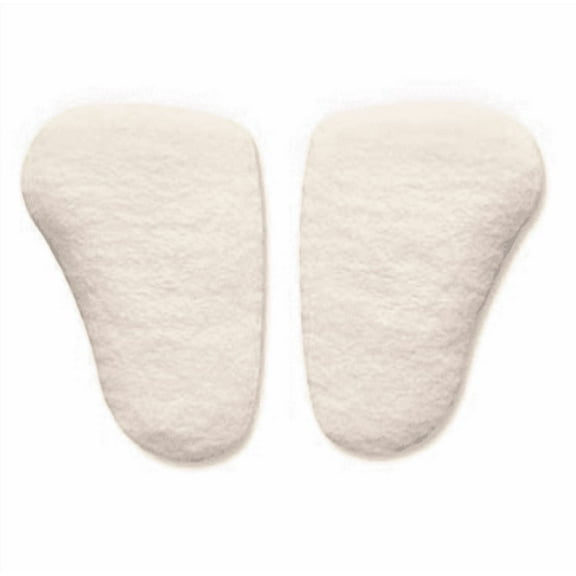
You should compare silicone gel, wool felt, foam, and fabric sleeve designs based on feel, reuse, and upkeep. You may prefer silicone gel when you want a washable surface and repeated wear.
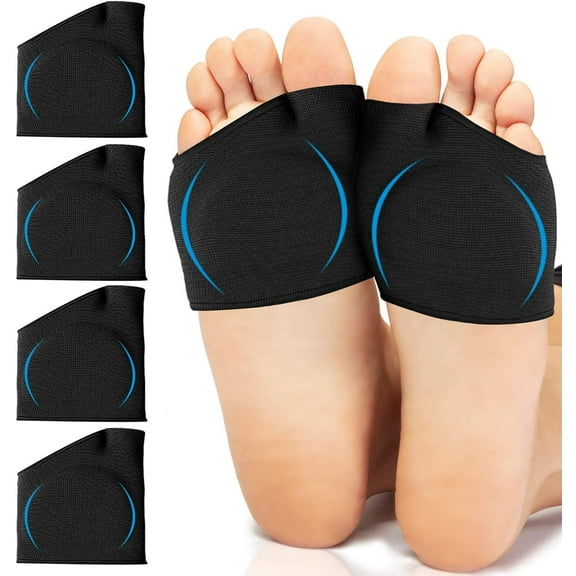
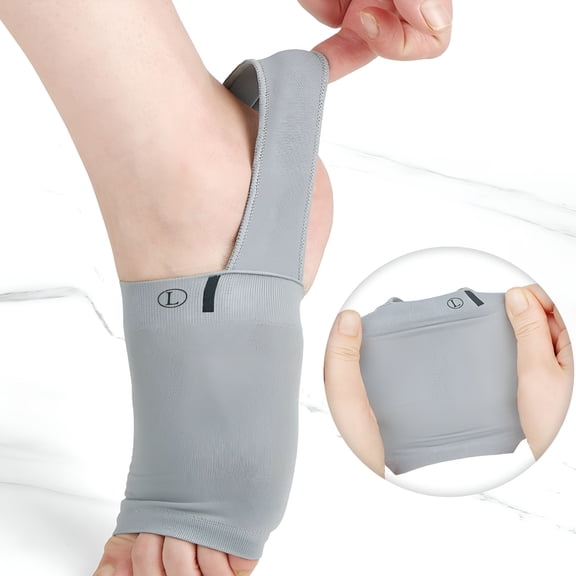
If you want a lighter feel, you may choose felt or foam inserts for occasional use. If you want stable placement, you may choose a fabric sleeve that keeps padding in one spot. You can check whether a self-adhesive insert or wearable elastic sleeve fits your routine more smoothly.
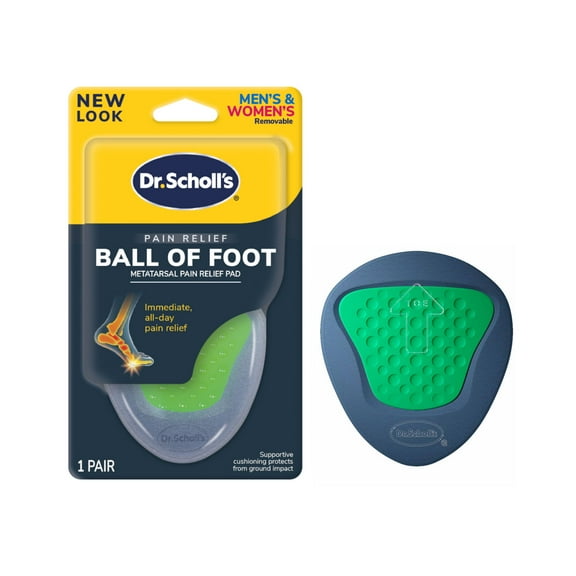
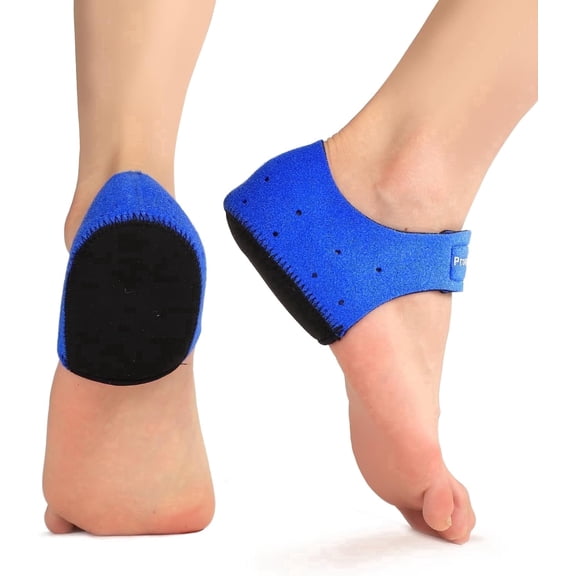
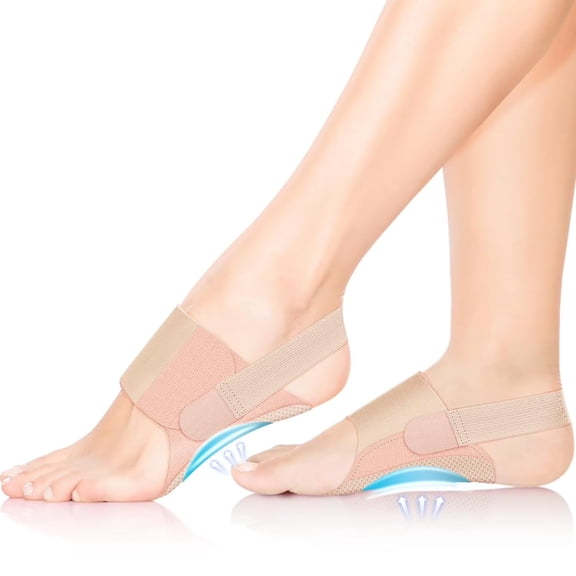
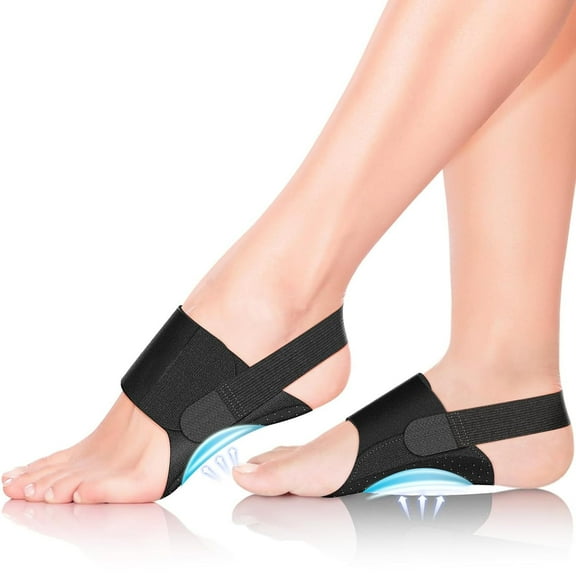
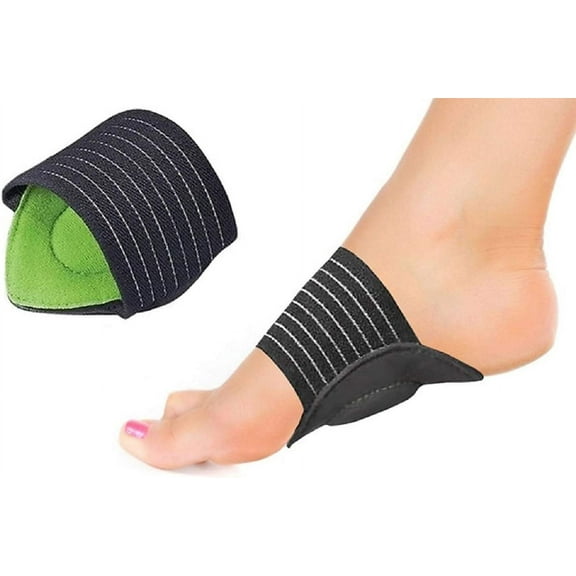
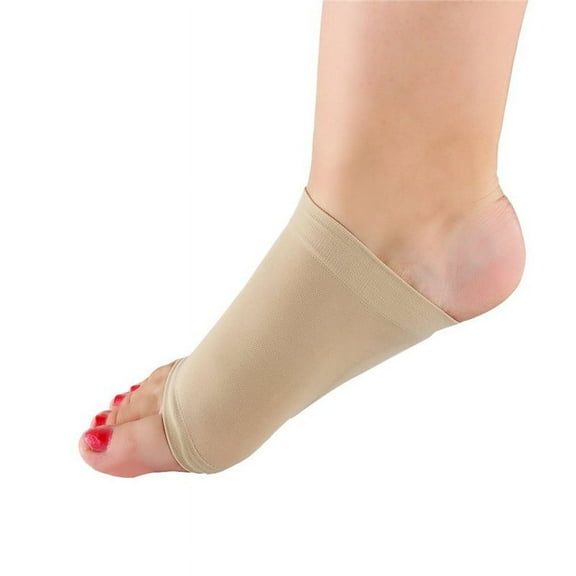
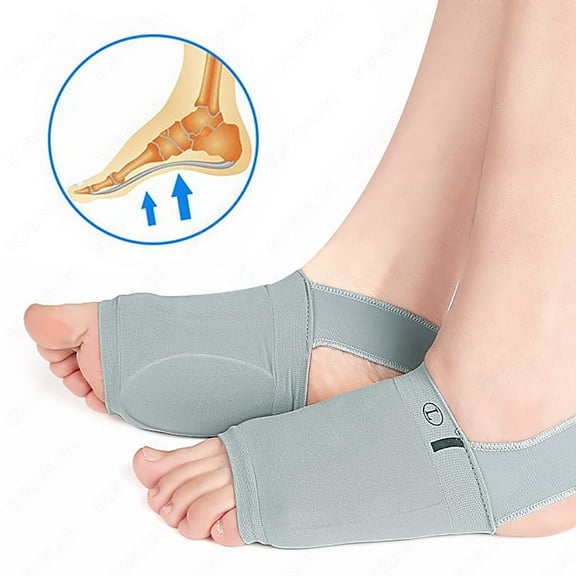
Attachment style changes how the pad works inside your shoe. You can place a self-adhesive insert on the insole, while a wearable sleeve stays aligned as your foot moves.
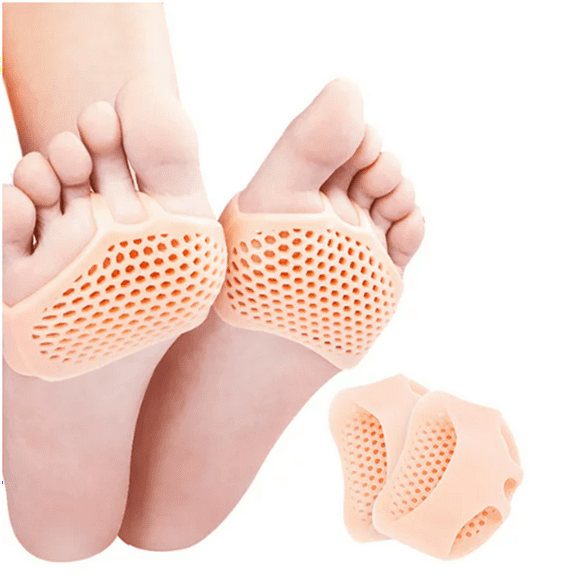
A toe-loop gel pad can help you keep the cushion positioned under the forefoot during movement. You should also check whether the loop shape feels comfortable with your socks and shoe opening.
Thickness matters when your shoes already fit closely through the toe box. You may want a thinner pad for flat shoes or heels, while deeper shoes can hold extra cushioning. You can often use thicker options in boots or running shoes with more interior volume.
Choosing metatarsalgia pads and morton's neuroma pads
You should compare pad shapes based on the type of forefoot pressure you want to address. You may see metatarsalgia pads, morton's neuroma pads, and general ball of foot cushions with different coverage zones.
If you want support for general metatarsal pressure, you may choose a broader pad across the center of your forefoot. If you want targeted placement, you may compare narrower shapes and raised domes. You should check placement guidance so the pad sits just behind the pressure area.
For shifting pressure during walking or standing, you may prefer wearable styles that stay aligned through movement. For dress shoes, you may prefer a slim adhesive insert with less bulk.
How to choose metatarsal pads for women
You may search for metatarsal pads for women when you need options for flats, heels, or narrower shoe shapes. You should compare slimmer profiles, smooth edges, and lower-volume designs when your shoes fit closely.
In high heels, you may prefer a slim adhesive design that adds cushion without crowding your toes. In running shoes, you may prefer a sleeve or wider insert that stays centered through repeated motion. For boots, you can compare inserts that work with thicker socks and deeper footbeds.
If you switch between work shoes and casual pairs, you may want reusable styles that move easily between pairs. You can also keep separate inserts for each shoe type when placement needs stay consistent.
Placement and care questions you may consider
You should place most pads just behind the ball of your foot so cushioning supports your forefoot as you step. You can test placement and adjust the position until it feels centered.
When you compare reusable and single-use styles, you should think about cleaning and replacement habits. You may prefer washable silicone for repeated wear, while felt can suit lighter rotation. You should also check sizing notes if you choose a sleeve or toe-loop style.
With the right thickness, material, and attachment style, you can make your shoes feel supportive where forefoot pressure builds. You can choose with confidence when you compare by condition, shoe type, and pad design.