





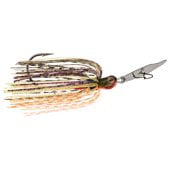
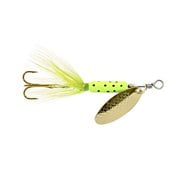
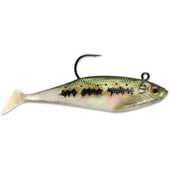


Hard Baits & Fishing Lures (including Jointed Rapala)


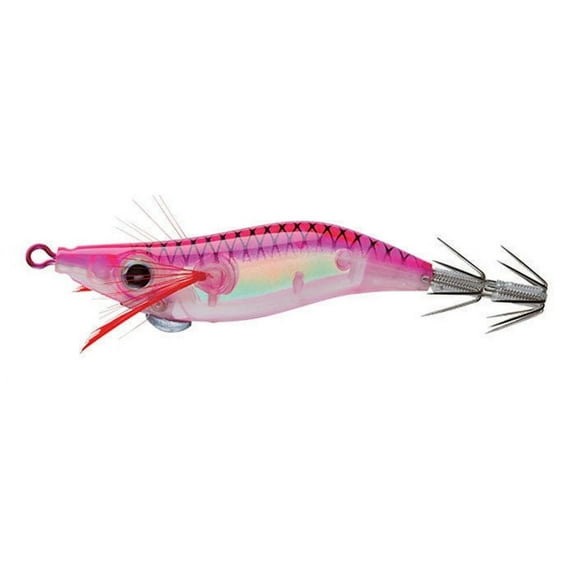

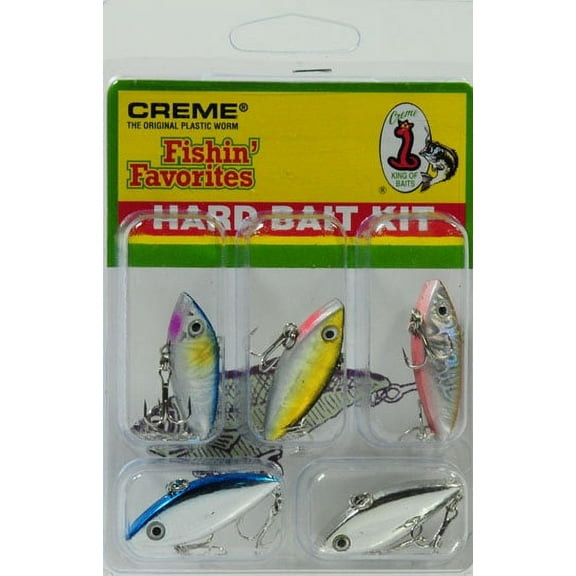
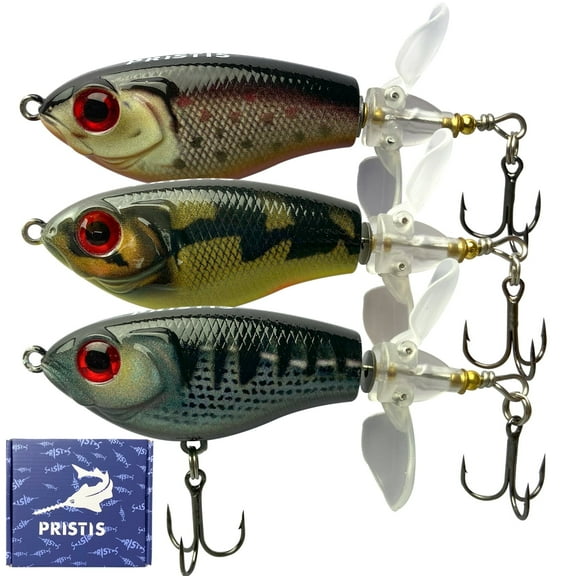


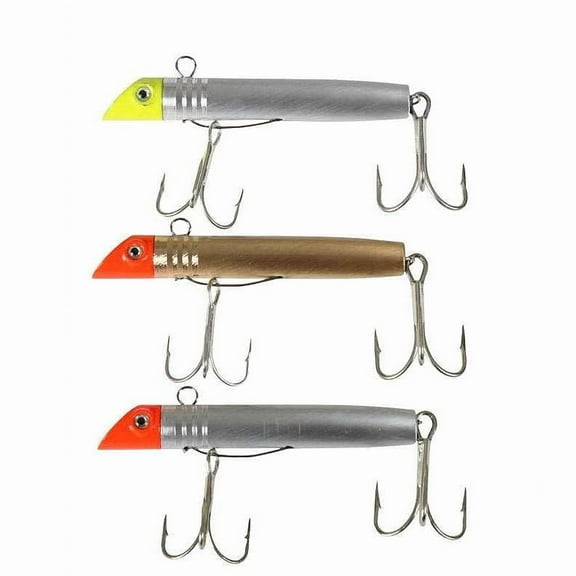
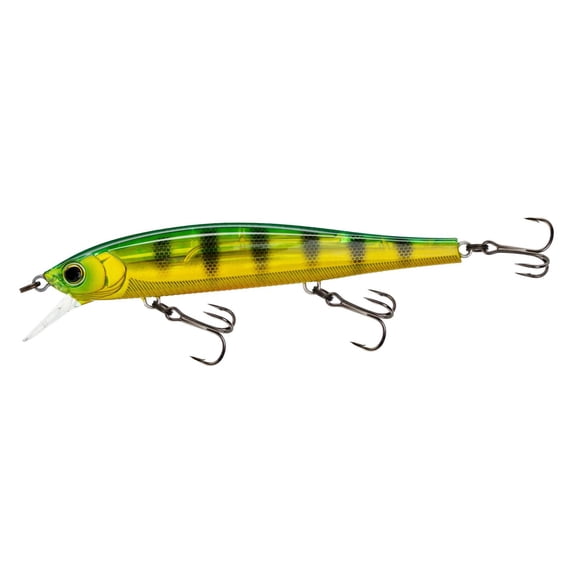


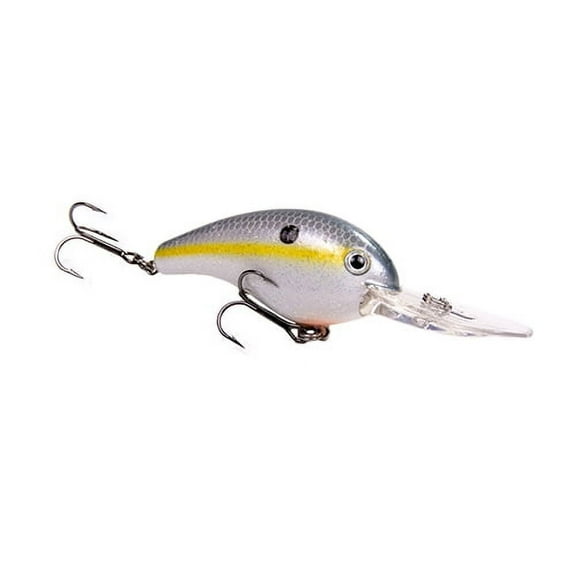


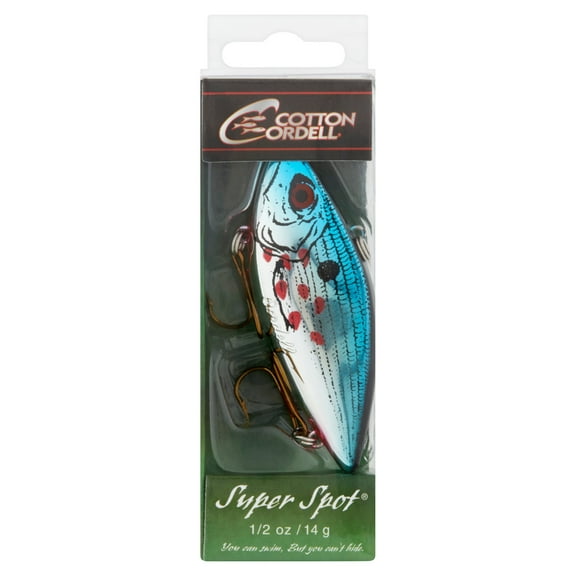
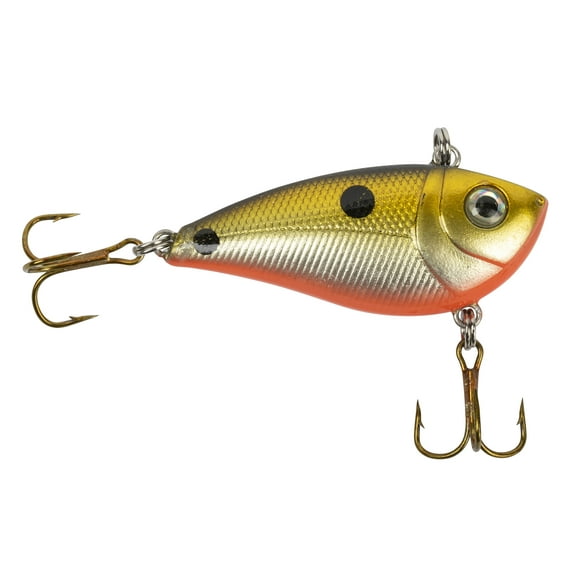


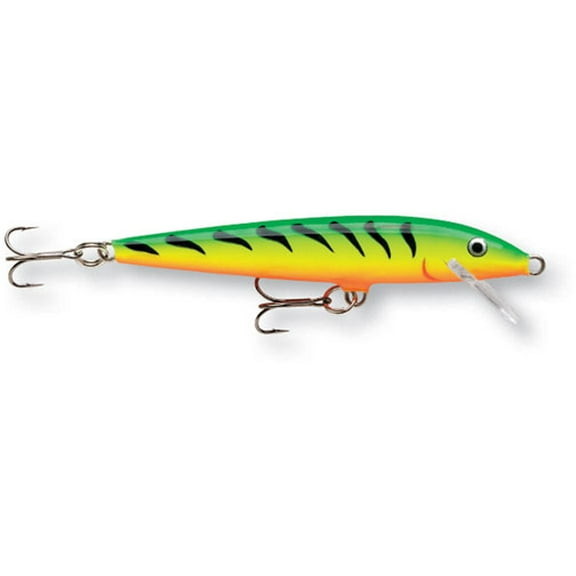


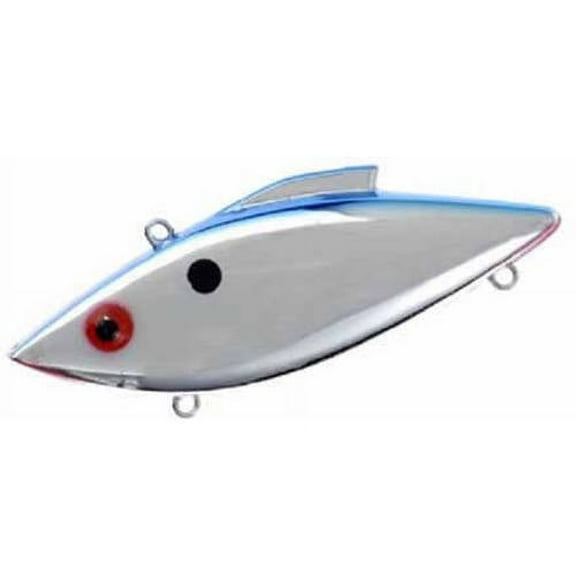


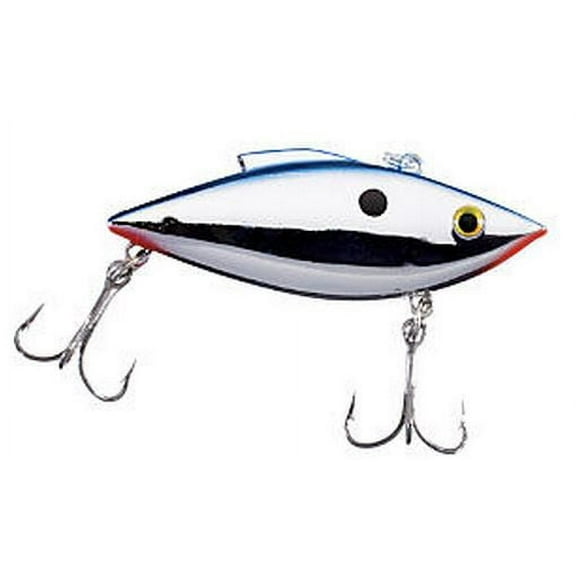


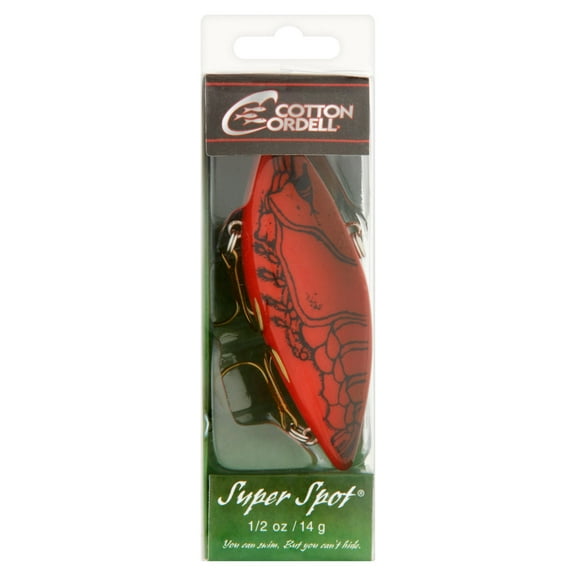








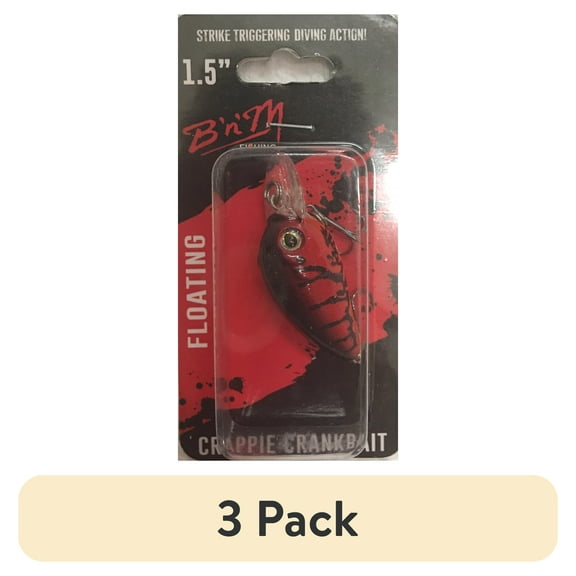
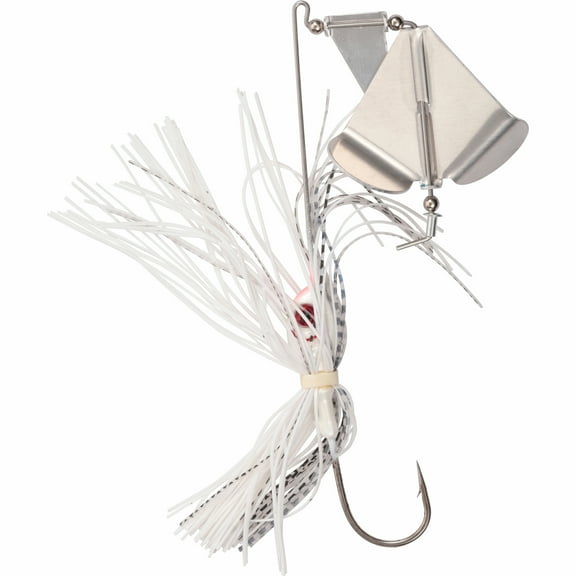


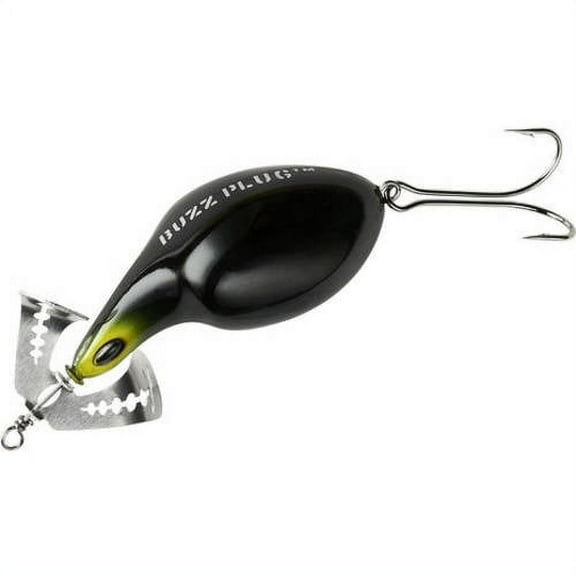


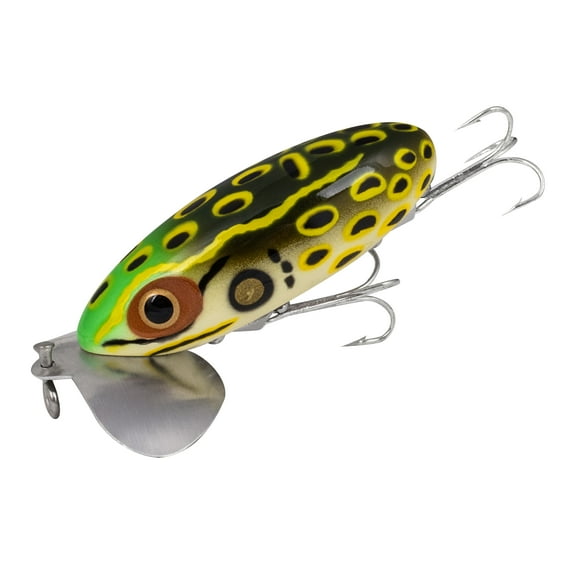




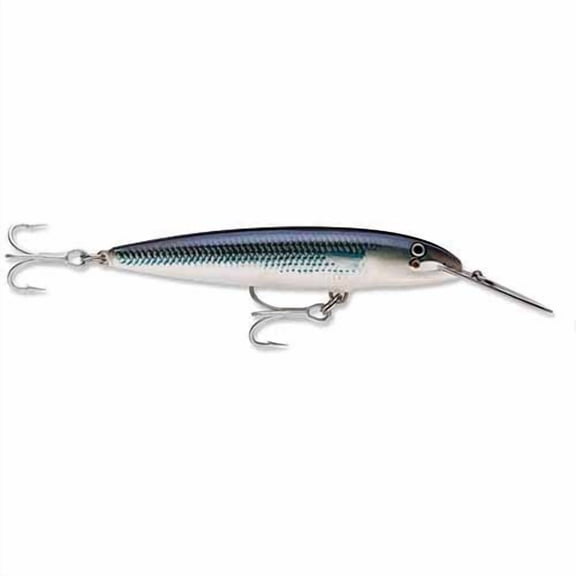


About Hard Baits & Fishing Lures (including Jointed Rapala) - Walmart.com
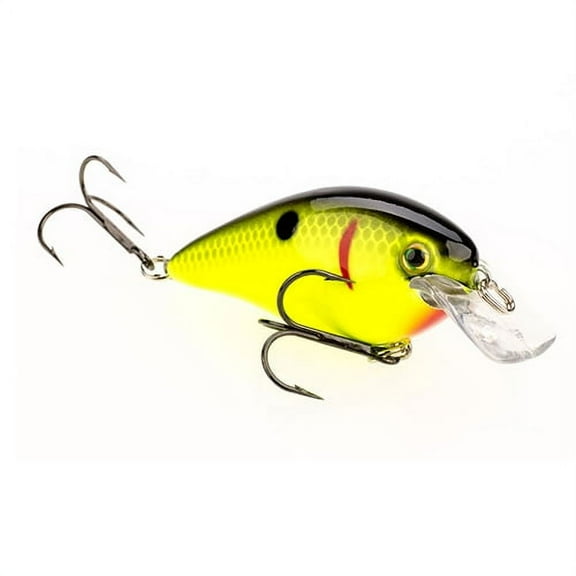
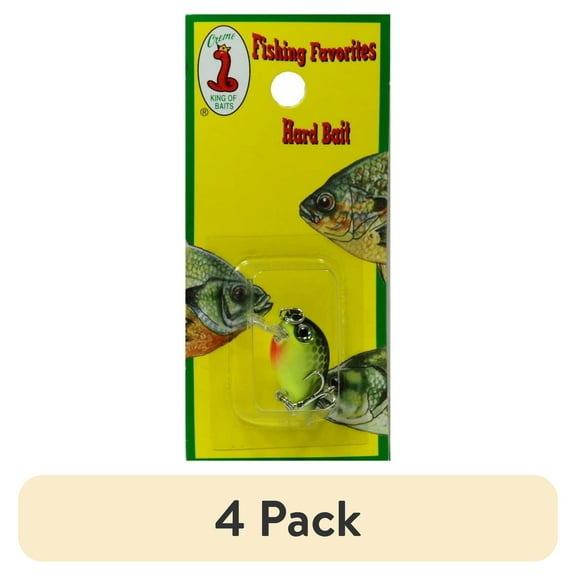
Hard baits help you cover water, target specific depths, and trigger reaction strikes with precise action. You can compare crankbaits, jerkbaits, and topwater lures here using clear decisions that fit your species, season, and retrieve style.
If you're narrowing down hard fishing lures, you'll want guidance that goes beyond color alone. You should also compare lure type, running depth, sound profile, hook size, and forage-matching patterns before you choose.
How to choose hard baits by lure type
You can start with lure type because each design creates a different path and action in the water. You may prefer crankbaits for steady retrieves, jerkbaits for pause-driven presentations, or topwater lures for surface strikes.
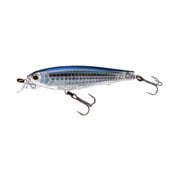
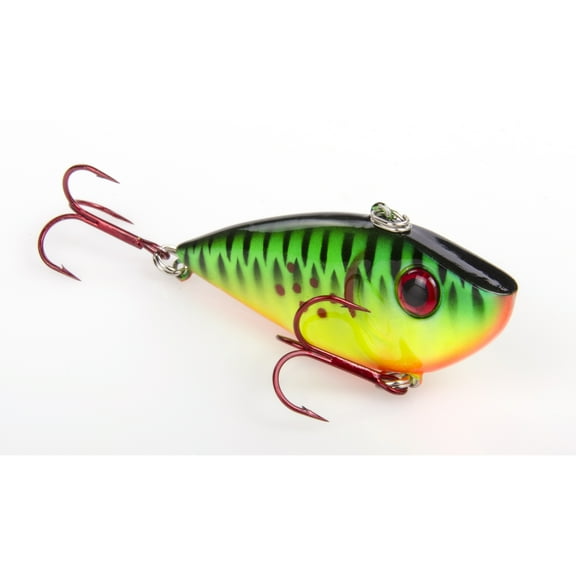
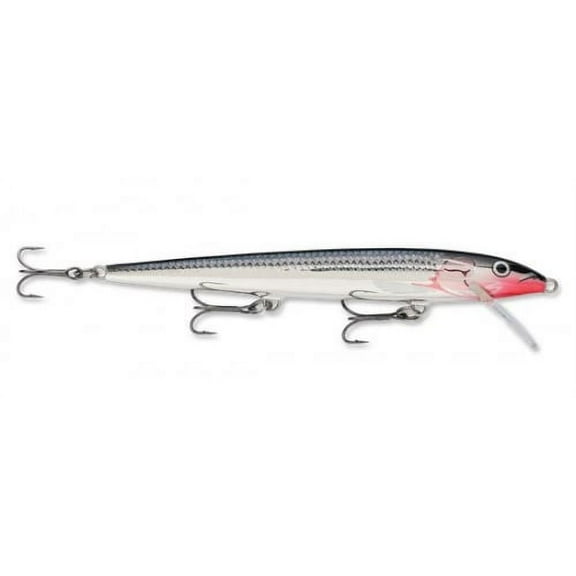
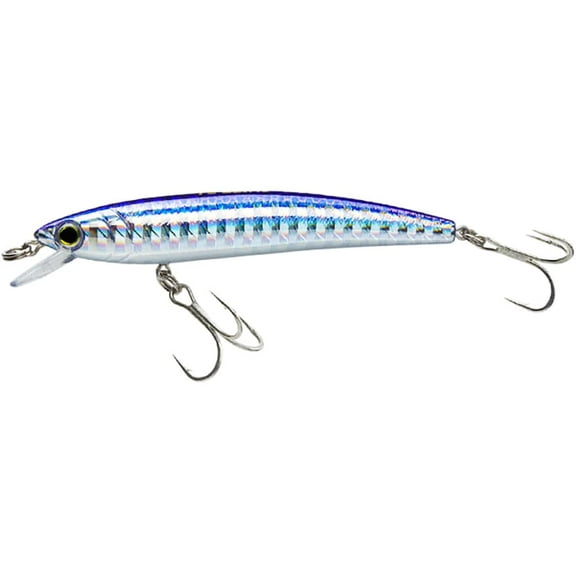
When you want tight vibration and fast coverage, you can look at lipless crankbaits for flats, points, and grass edges. If you need a baitfish profile, you can compare minnow baits that track with a slimmer shape.
- You can use crankbaits when you want a built-in wobble during a straight retrieve.
- You can choose jerkbaits when your fish respond to twitches, pauses, and suspending action.
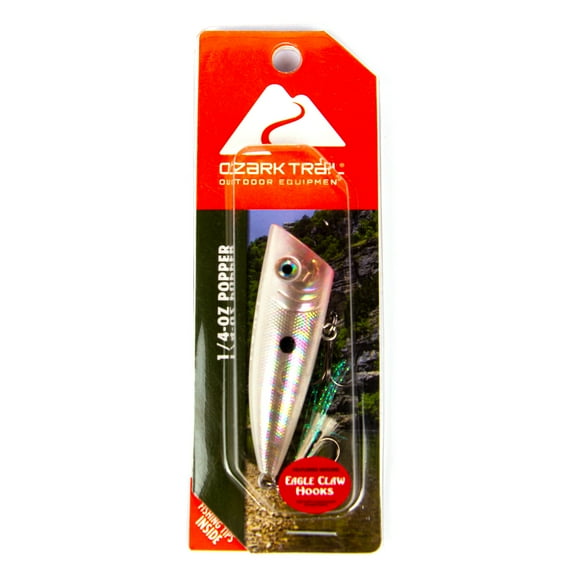
- You can pick topwater lures when you want surface movement around cover, shade lines, or early light.
- You can try lipless crankbaits when you need vibration without a diving bill.
- You can select minnow baits when you want a slender baitfish look for bass, trout, walleye, or pike.
As you compare these options, you should think about how much water you need to cover. You can also match the lure shape to the forage your fish are already chasing.
Choosing hard fishing lures by water depth
You should match running depth to where your fish are holding, because depth control matters on every cast. You can compare shallow runners, medium divers, deep divers, and suspending styles to stay in the strike zone longer.
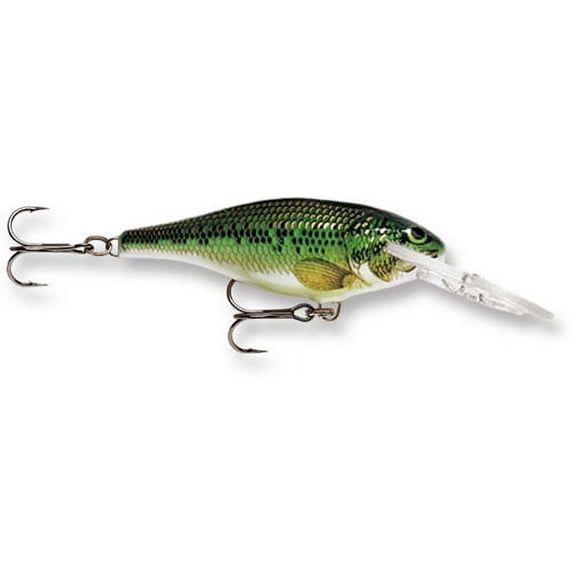
A larger diving lip usually pushes a bait deeper, and you'll notice that change during a steady retrieve. Buoyancy also matters, because you can use floating styles to rise over cover or suspending styles to hold in place.
If your fish are feeding high, you can work shallow runners around banks, laydowns, and rocky edges. When your fish hold deeper, you can move to medium divers or deep divers that reach lower parts of the water column.
During cooler periods, you may want jerkbaits that suspend between twitches instead of rising quickly. In active conditions, you can burn lipless crankbaits or crank down hard plastic baits to trigger quick reaction bites.
What to look for in action, sound, and hooks
You should compare action type because wobbling, slashing, and straight tracking each create a different presentation. You can use wobbling baits for broad movement, while slashing styles help you create sharp side-to-side flashes.
Sound matters too, and you can choose rattling or silent options based on water clarity and fishing pressure. If your water is stained, you may like rattling models, while clear water may call for a quieter look.
Hook setup deserves attention because you'll want treble hook sizing that fits the bait body and target species. You can check whether the hooks look balanced, because oversized trebles can affect action and smaller trebles can reduce hookup consistency.
As you compare options, you should notice how hook size pairs with lure length and body shape. You can also look for replacement-friendly designs if you plan to swap trebles for your preferred setup.
Matching color and species with hard baits
You can narrow your choice quickly when you match the hatch instead of guessing on color. Your lure size and pattern should resemble local forage, whether your fish are keyed on shad, minnows, bluegill, or perch.
For bass, you may lean toward crankbaits and spring bass lures that cover flats, points, and emerging grass. For trout, you might prefer smaller minnow baits and tighter actions that resemble natural baitfish.
If you're targeting walleye, you can compare suspending jerkbaits and medium divers for edges, breaks, and current seams. When you're chasing pike, you may want larger profiles, louder rattles, and stronger hardware for aggressive strikes.
Light conditions also shape your color choice, so you should compare natural finishes with brighter patterns. In clear water, you may want subtle tones, while stained water can call for stronger contrast.
How to use hard baits in real fishing situations
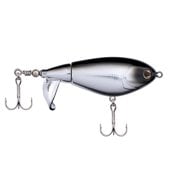
You can use topwater lures around grass, docks, and calm pockets when fish are feeding upward. You may also choose them during low light when surface movement is easy for fish to track.
On windy banks or open flats, you can cast lipless crankbaits to cover water and find active fish quickly. If you contact grass, you can rip the bait free and create a sudden burst of vibration.
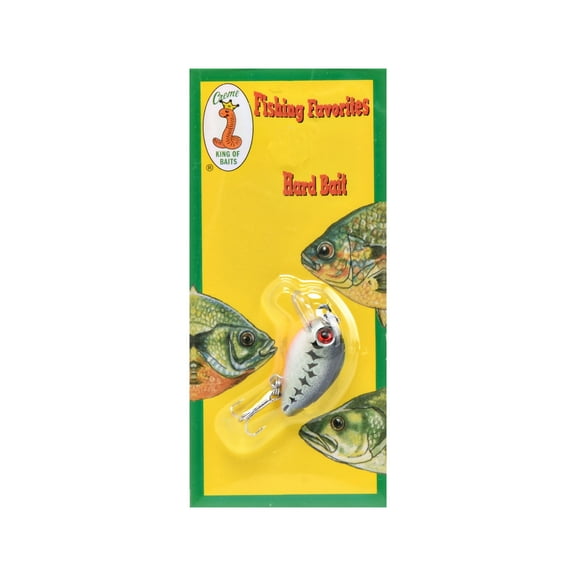
Along rock, wood, and transition banks, you can run crankbaits at a depth that ticks cover without digging too hard. You'll often get consistent action when your retrieve speed matches the bait's designed running range.
For suspended fish, you can work jerkbaits with short twitches and controlled pauses near bait schools. When fish follow without striking, you can adjust pause length, sound profile, or color pattern to refine your presentation.
When you choose hard baits with the right type, depth, action, and forage match, you give yourself a clearer plan on the water. You can fish more precisely and spend less time guessing where your lure should run.