

Immersion Blenders in Blenders

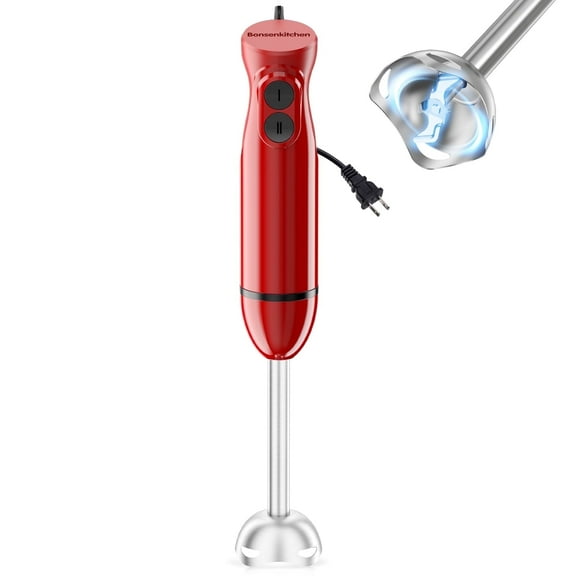
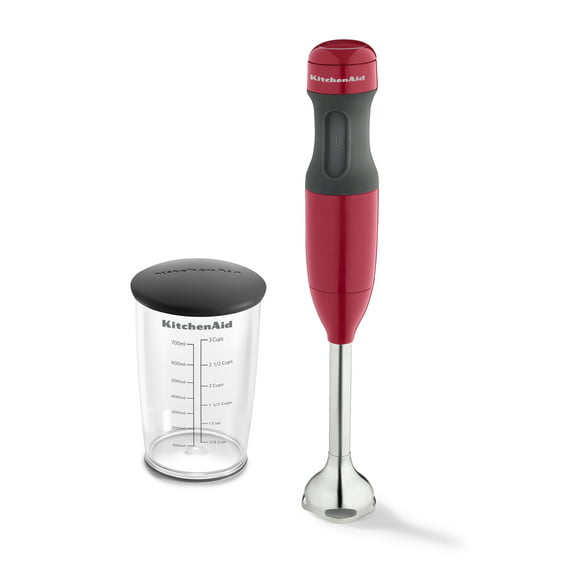
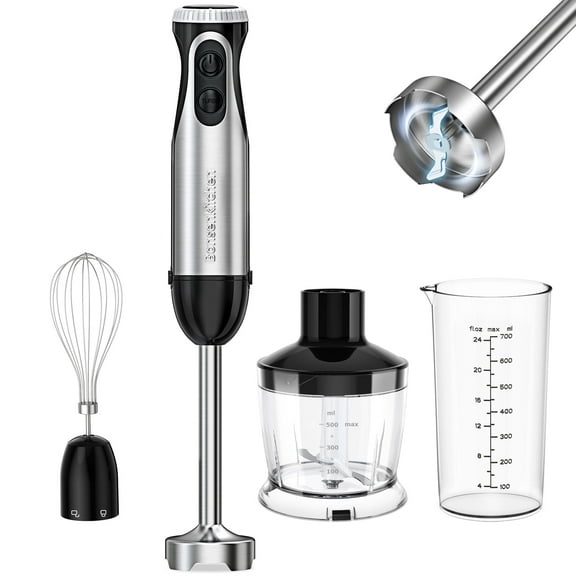
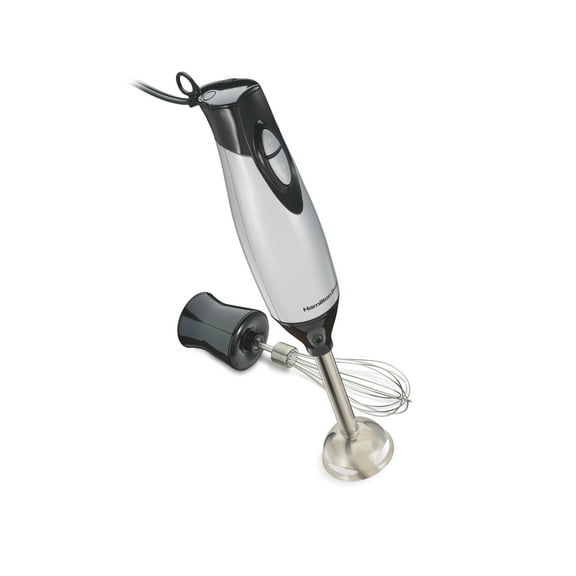
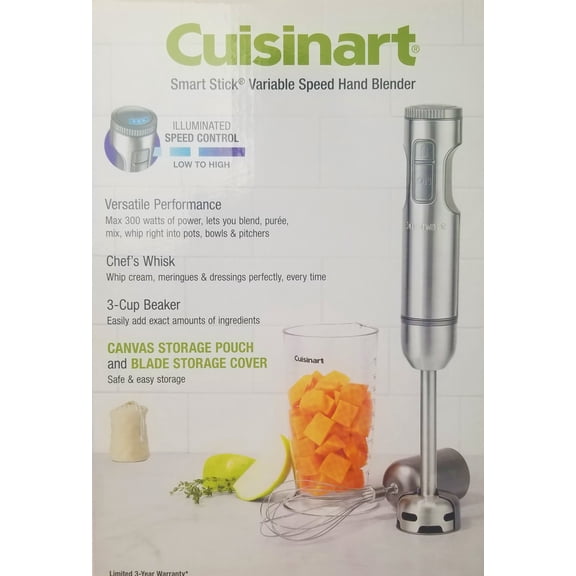

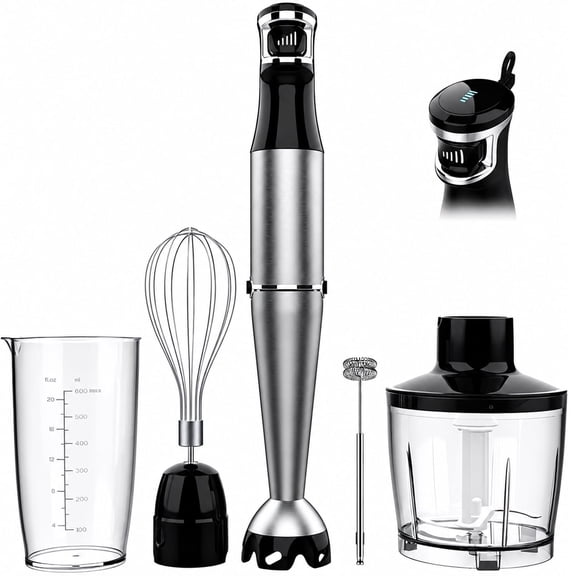


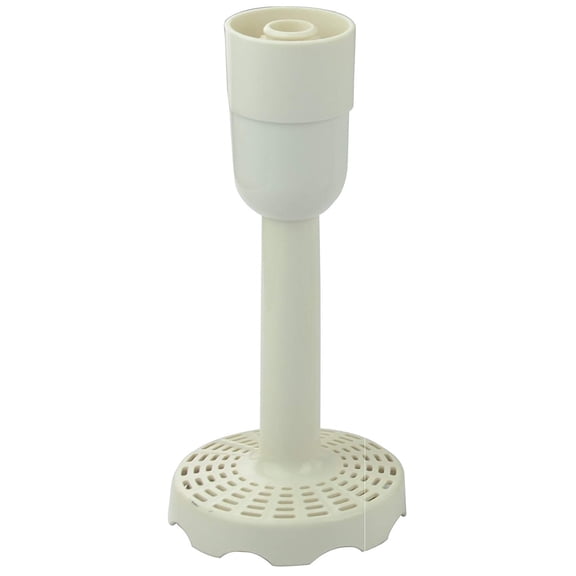
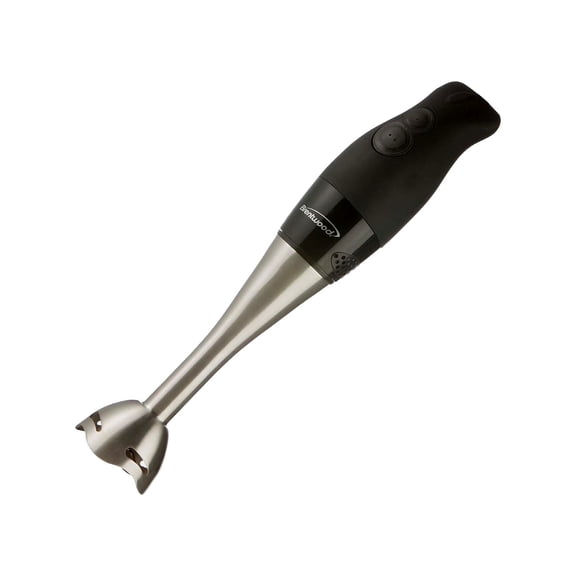






About Immersion Blenders in Blenders - Walmart.com
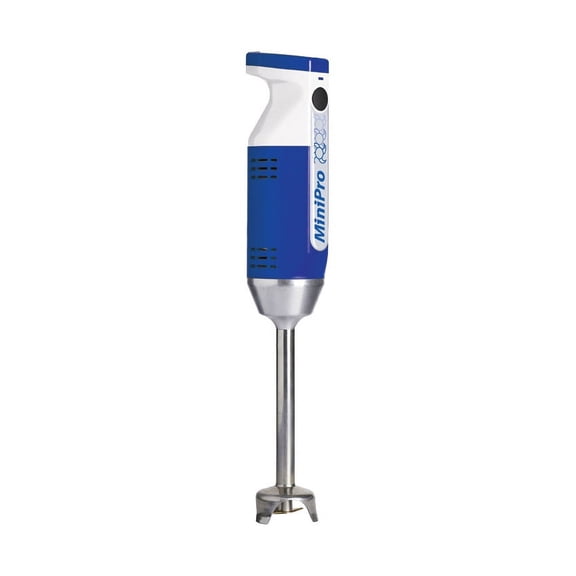
Hand blenders help you blend soups, sauces, and smoothies with quick control in tight spaces. You can choose compact immersion blenders that reach directly into pots, pitchers, and tall mixing cups.
If you want fast prep without a full countertop blender, you’ll appreciate how handheld blenders fit smaller kitchens. You can also compare corded and cordless options, speed settings, and attachments before you pick one.
How to choose hand blenders for your kitchen
When you compare hand blenders, you should start with how and where you blend most often. You may prefer a slim stick blender for soup pots, or a bundled set for sauces and whipped toppings.
Your routine also shapes the right power source, shaft material, and included extras. If you blend often, you should check whether the shaft detaches for easier cleanup after each use.
You can use this category for several kitchen tasks that a standard blender may make less convenient. You’ll keep more control when you puree hot soup in the pot or blend a smoothie in a beaker.
- You can blend directly in pots, mugs, and narrow containers.
- You can store a hand blender more easily than a full-size blender.
- You can switch tasks with whisk, chopper, or frother attachments.
- You can clean detachable shafts faster after everyday prep.
Choosing between corded and cordless immersion blenders
You should compare power source first because it affects how freely you move around your kitchen. Cordless hand blenders give you more reach at the counter, island, or table.
If you want uninterrupted blending for thicker mixtures, you may prefer electric hand blenders with a cord. You’ll get continuous power without waiting for a rechargeable battery to refill.
Rechargeable models work well when you want fewer cords around serving dishes and small workspaces. You should check run time and charging style if you plan longer blending sessions.
For frequent cooking, you may like a corded immersion stick blender for steady use in soups and sauces. For quick mixing jobs, you may enjoy the grab-and-go ease of cordless hand blenders.
What to look for in speed, wattage, and control
You should compare wattage if you blend tougher ingredients like frozen fruit, nuts, or dense vegetables. A 200W model often suits lighter tasks, while 500W or 800W options handle thicker mixtures.
If you want more control over texture, you should look for multi-speed or variable speed settings. You can start slowly to reduce splatter, then increase power as your mixture smooths out.
Single-speed models can suit simple jobs when you want straightforward operation and fewer controls. Variable speed hand blender designs help you fine-tune soups, dips, and batters with closer control.
You should also consider grip style and trigger placement because comfort matters during longer prep. When your hand stays comfortable, you can blend steadily without awkward starts and stops.
Comparing attachments and shaft materials
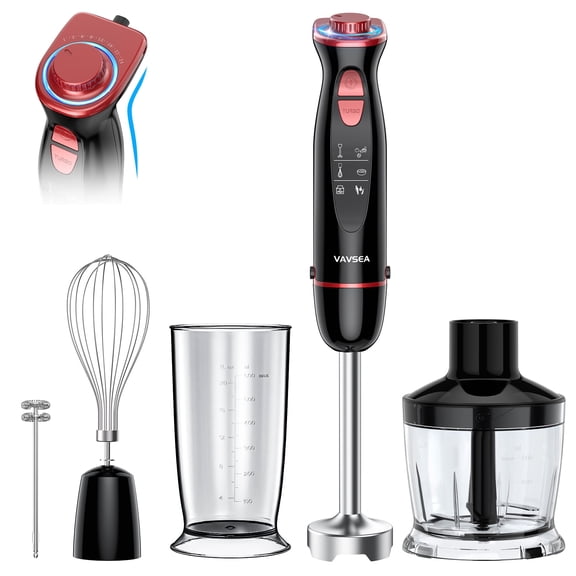
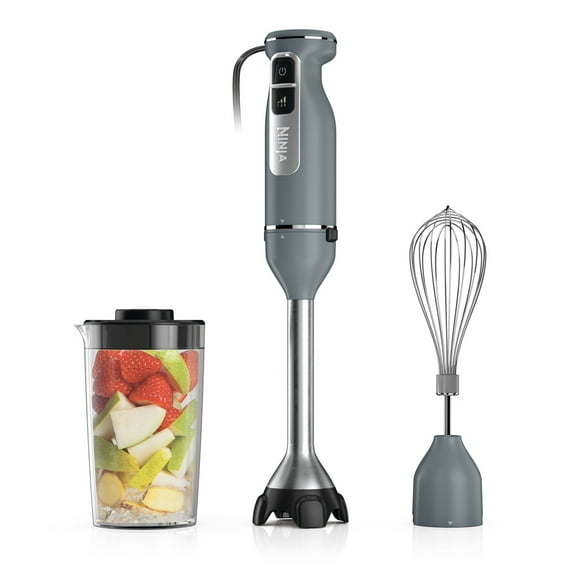
You should decide whether you need only a blending shaft or a more flexible set. A hand blender with whisk can help you mix cream, eggs, and lighter batters in the same drawer-friendly tool.
If you prep small batches of onions, herbs, or nuts, you may want a chopper attachment. A beaker can help you blend smoothies or dressings with less mess in a tall, narrow container.
Some handheld blenders also include a milk frother attachment for coffee drinks and light foam tasks. You should compare attachment locking styles so you can switch parts quickly during meal prep.
Shaft material matters because you’ll use it in different bowls, pots, and containers. A stainless steel immersion blender can suit frequent hot soup blending, while plastic shafts may feel lighter in hand.
Chrome finishes can give you a polished look, but you should still check the underlying material details. If cleanup matters most, you should look for detachable shafts that rinse clean or go in the dishwasher.
Matching stick blenders to everyday cooking
You can use stick blenders for pureed soup, tomato sauce, pancake batter, and quick smoothie prep. During colder months, you may reach for soup blenders that let you blend directly in the cooking pot.
In warmer months, you may want smoothie blenders that handle fruit, yogurt, and ice in a tall cup. If frozen ingredients are common in your kitchen, you should prioritize higher wattage and variable speed control.
You may prefer immersion blenders with whisk attachments when you make whipped cream, vinaigrettes, or scrambled eggs. If you cook in small apartments or dorm-style kitchens, you’ll appreciate the easy storage footprint.
For family meals, you might choose electric hand blenders with choppers for salsa, herbs, or small prep jobs. If you cook one-pan dinners often, you’ll like blending sauces without transferring hot ingredients.
You should compare shaft length, included cup size, and attachment mix to match your routine. When your tool fits your cooking habits, you’ll get smoother blending and faster cleanup from start to finish.
With the right hand blender setup, you can blend, whisk, and puree with less counter clutter. You’ll feel more confident choosing a model that matches your power needs, attachments, and cleanup preferences.