

Hair Nets in Hair Accessories

































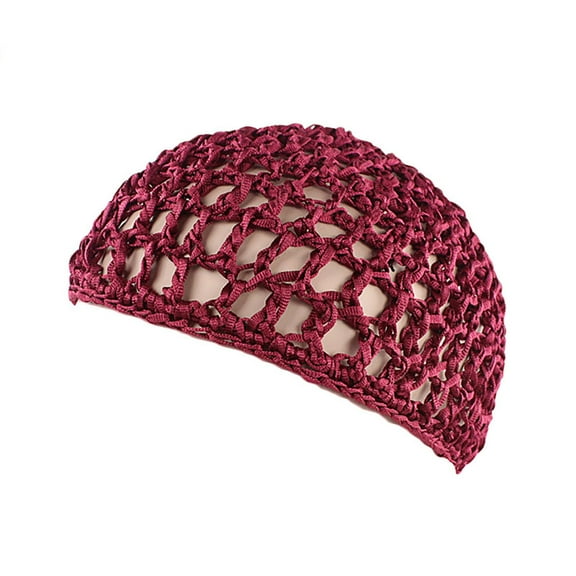


About Hair Nets in Hair Accessories - Walmart.com
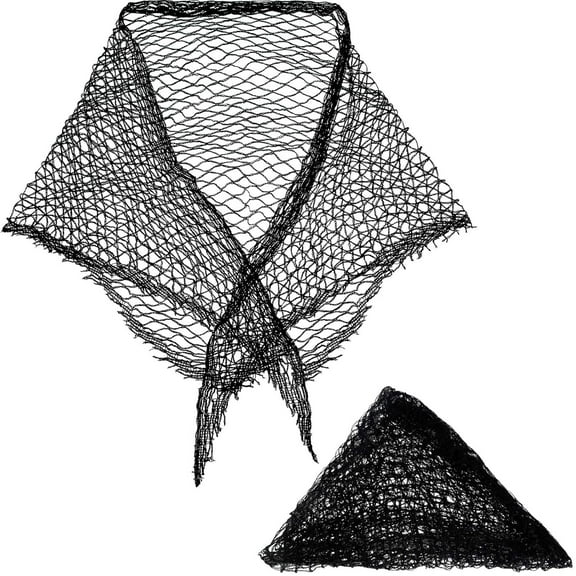
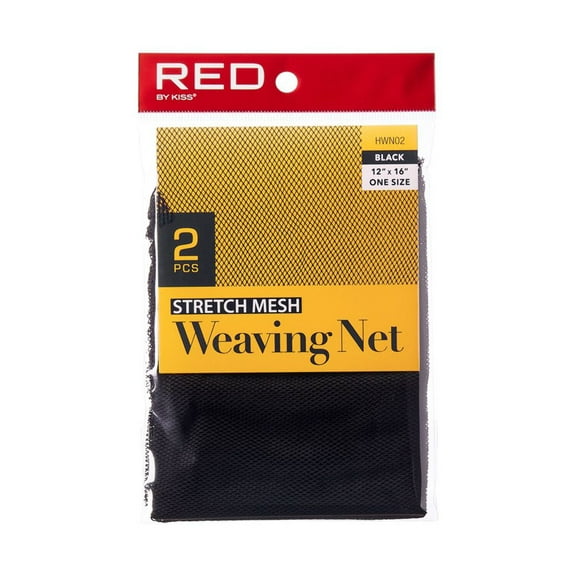
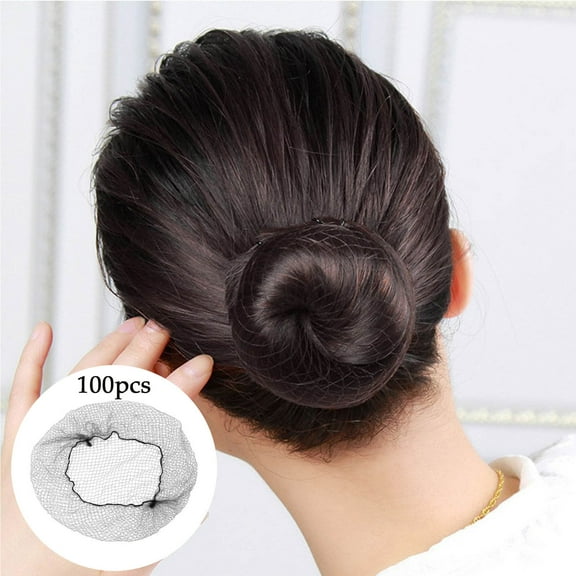
Hair nets help you keep hair contained during busy shifts, prep work, and salon services. You can compare materials, sizes, colors, and pack counts to match your daily routine.
How to choose hair nets for your work and routine
When you shop hair nets, you’ll want choices that fit your setting and coverage needs. You can use category details to narrow options for food prep, lab tasks, beauty services, or home cooking.
Many shoppers start with use case because it shapes material, size, and pack quantity. You can then compare disposable hair nets, nylon hair nets, and elastic hair nets with more confidence.
- You can choose food service hair nets for prep stations, serving lines, and back-of-house tasks.
- You can compare nylon, polyester mesh, and non-woven spunbond for airflow, texture, and coverage.
- You can match 18 inch, 21 inch, or 24 inch sizing to your hair volume and style.
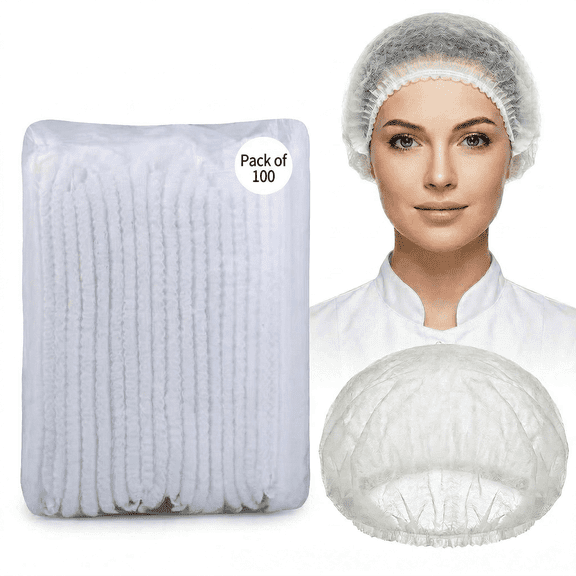
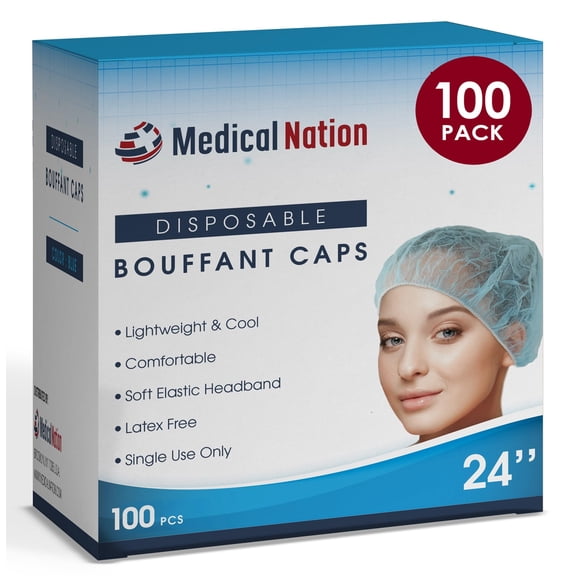
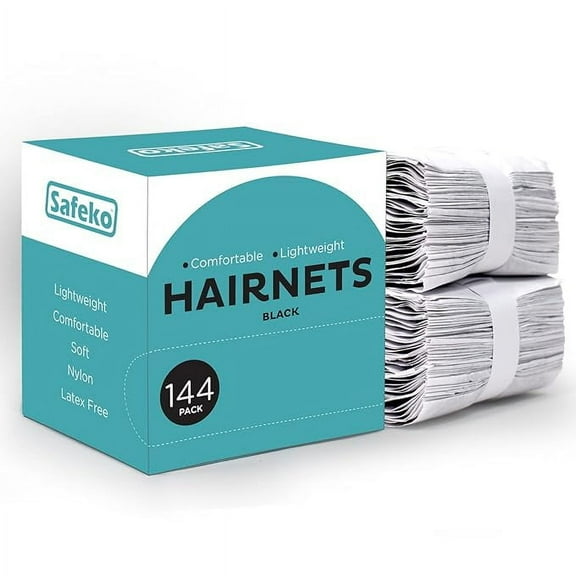
- You can pick 10-pack, 100-pack, or bulk pack quantities for occasional or frequent use.
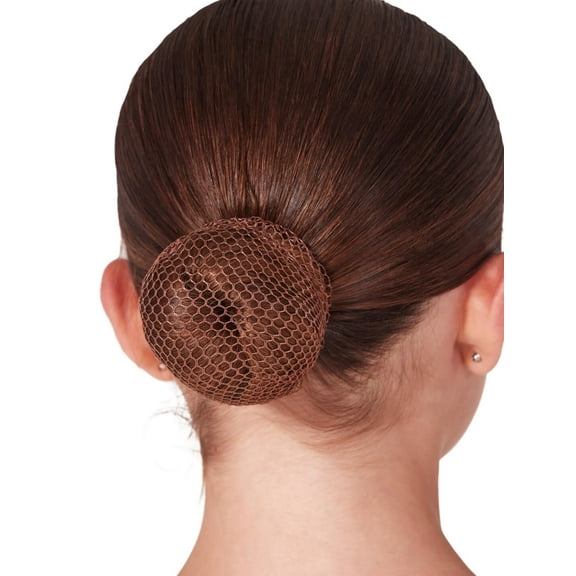
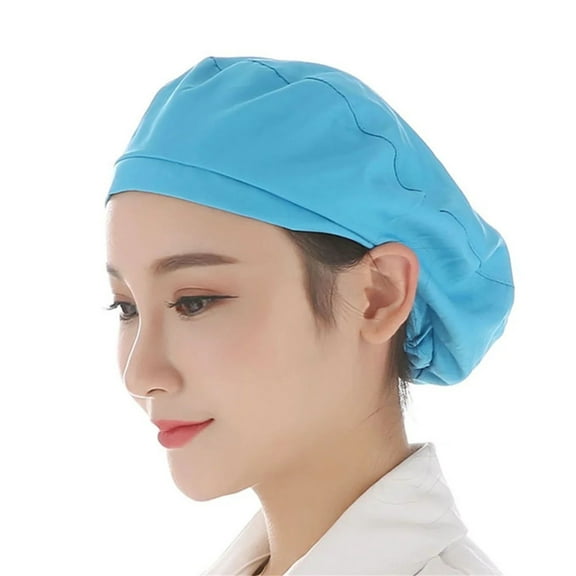
- You can select black hair nets, brown hair nets, white, or blue for your uniform or workplace needs.
You’ll also want a secure edge that stays in place through movement and repeated wear. Your fit matters because a loose opening can feel distracting during long tasks.
Choosing materials, sizing, and pack counts
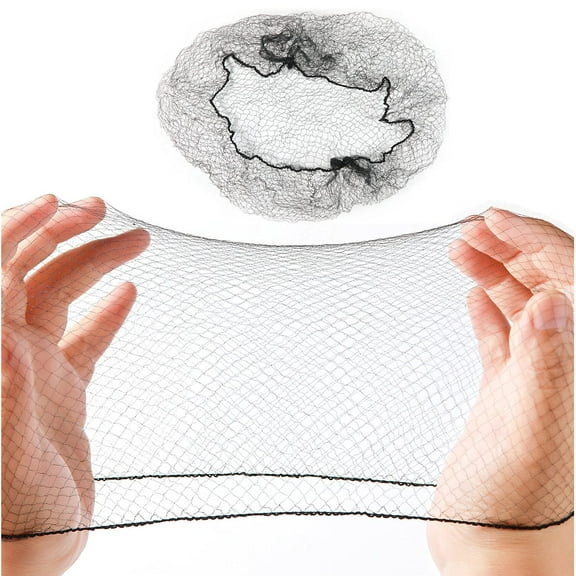
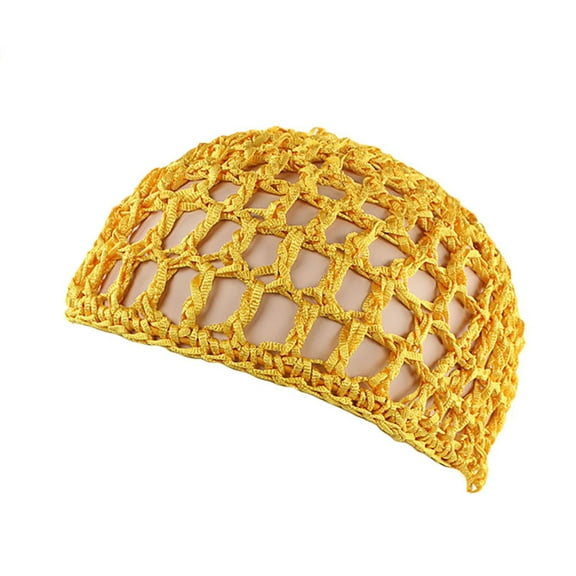
Nylon hair nets usually give you a lightweight feel with visible airflow through the weave. Polyester mesh can give you similar breathability while offering a slightly different texture and appearance.
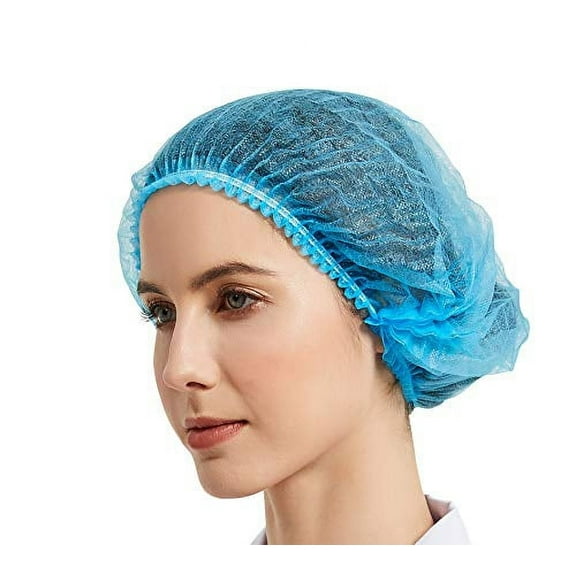
Non-woven spunbond styles can give you fuller coverage when you want a less open construction. You may prefer that format when your workplace expects more complete hair containment.
Size is another key decision because stretch capacity changes how the net sits around your hair. You can use 18 inch options for shorter styles or lower volume hair.
You may prefer 21 inch styles when you want a versatile middle ground for everyday wear. You can look at 24 inch options when your hair is longer, thicker, braided, or pinned up.
Elastic edges matter because they affect how easily you can put a net on and take it off. You’ll notice elastic hair nets can help your fit feel secure without constant adjustment.
Pack size should match how often you use them during a week or shift cycle. You can choose a 10-pack for light household use, while 100-pack and bulk pack options suit repeated commercial use.
Comparing hair nets by use case and compliance needs
Your setting often determines which hair nets make the most sense for daily tasks. You can compare food service hair nets, salon styles, and medical or lab options by how much coverage you need.
For food prep, you may look for hairnets for cooking that fit securely during fast movement. You can also check whether product details reference food handling standards, FDA compliance, or USDA guideline alignment.
Those technical terms matter because they help you compare items for regulated workspaces. You should still read the item details so you can confirm the listed material, intended use, and packaging format.
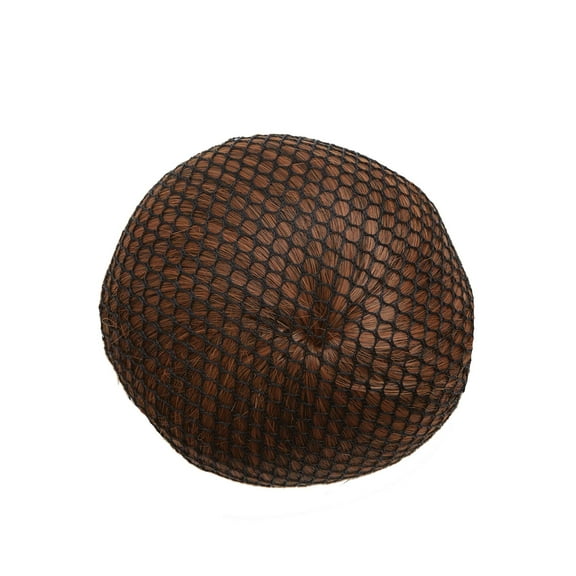
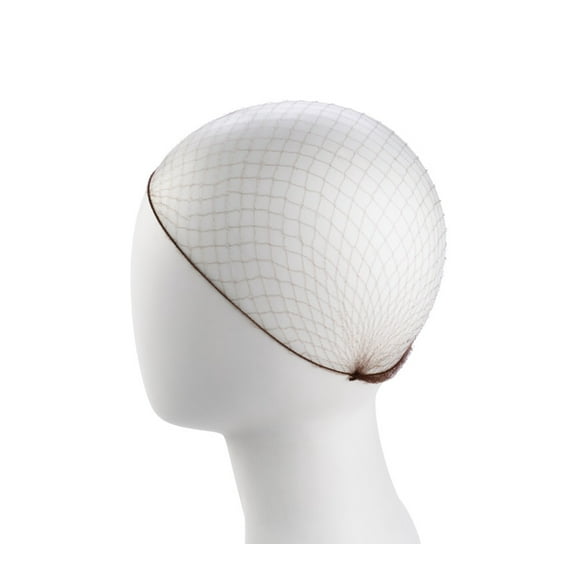
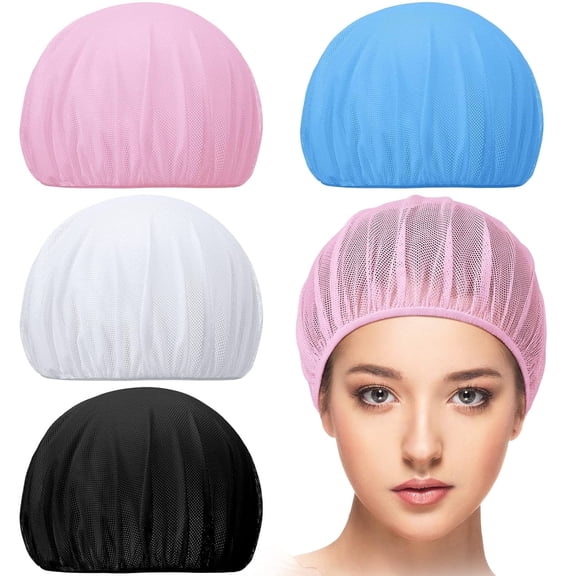
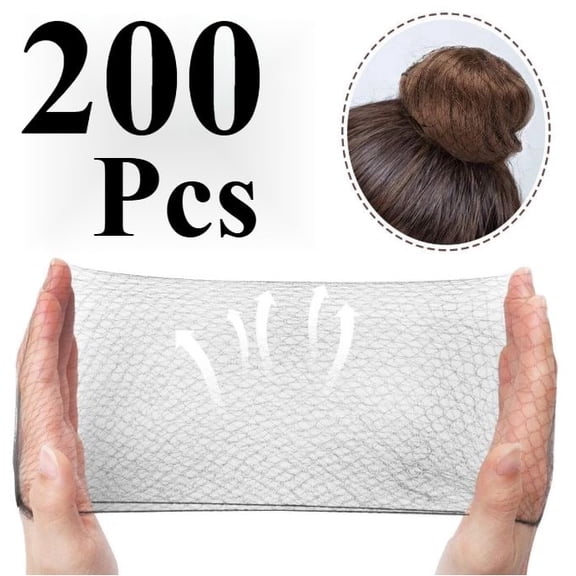
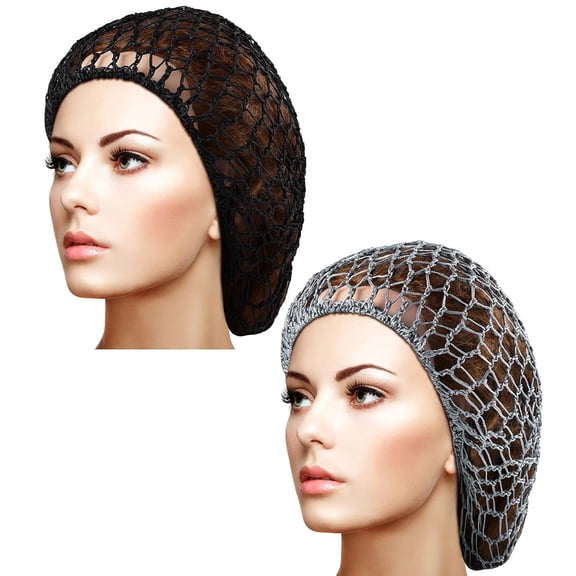
In salon or beauty settings, you may want lighter mesh that keeps hair back during color, cutting, or styling prep. You can also compare black hair nets, brown hair nets, or invisible hair nets for a subtler look.
For lab or clinical environments, you may prefer fuller coverage and dependable stretch around the hairline. You can check whether a style supports your dress code, color preferences, and single-use workflow.
At home, you might use disposable hair nets for baking, meal prep, or batch cooking days. You can choose smaller packs when you only need occasional coverage in your kitchen routine.
What to look for in color, comfort, and daily wear
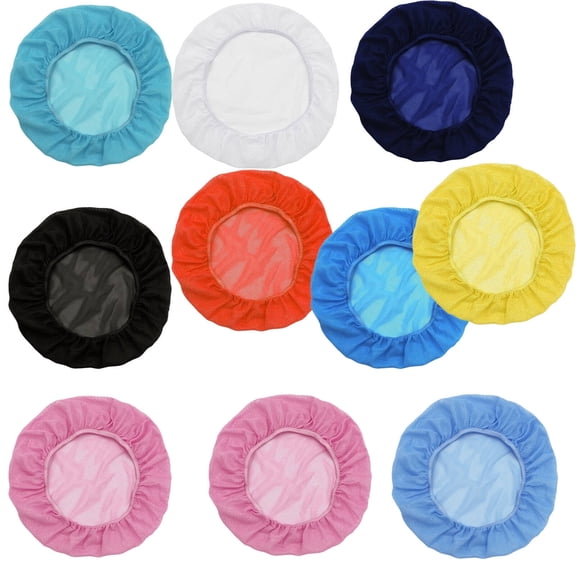
Color can be practical, not just visual, when you’re matching uniforms or workplace expectations. You can choose white or blue for many commercial settings, or pick black and brown for a lower-profile look.
Comfort depends on how the net feels over several hours, especially during active work. You can compare mesh openness, edge stretch, and overall diameter to avoid a fit that feels too tight.
Breathability often matters during long shifts in warm kitchens or busy service areas. You may find honeycomb-style nylon or mesh easier to wear when airflow is part of your decision.
Coverage matters just as much because you want the net to contain loose strands effectively. You can balance comfort and containment by checking size, material, and edge design together.
If you order for a team, consistency can make restocking and training simpler. You can standardize by color, diameter, and pack format so your staff gets a familiar fit each time.
When you compare these details carefully, your purchase becomes easier to match to real tasks. You’ll end up with hair nets that support smoother prep, cleaner presentation, and a more reliable fit.