


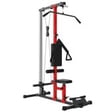
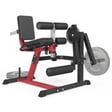
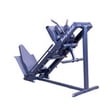
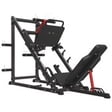
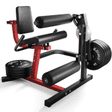
Hack Squat in Home Gym Equipment

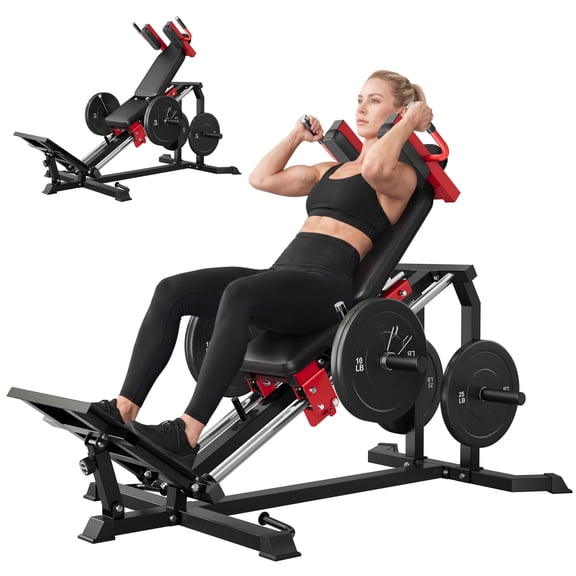
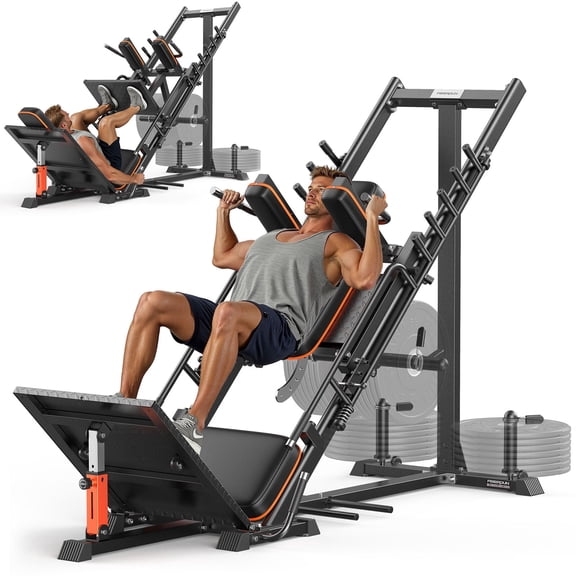

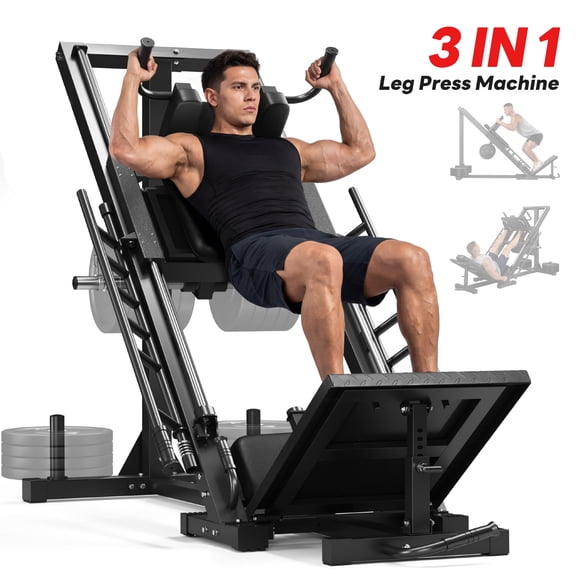


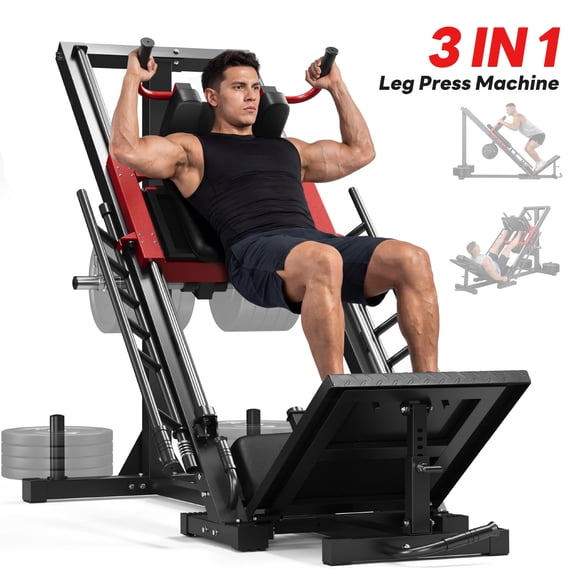


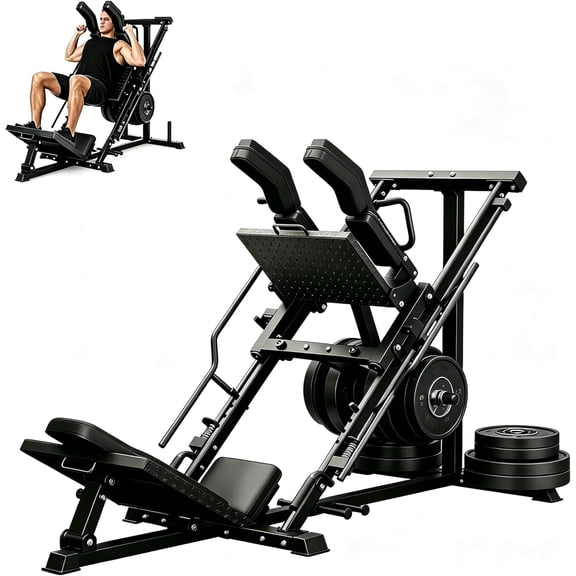
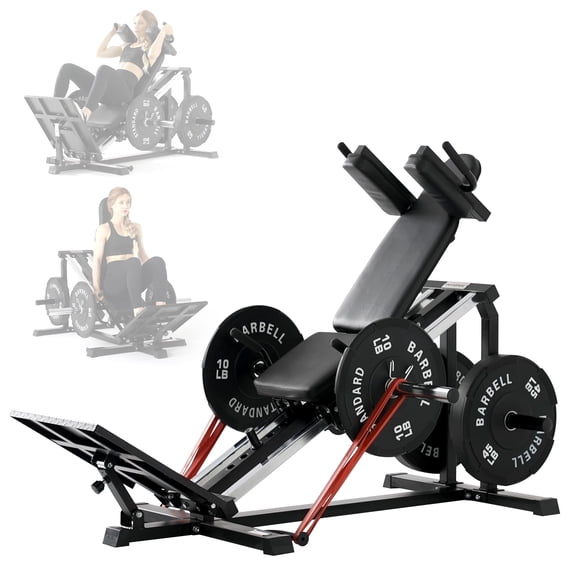
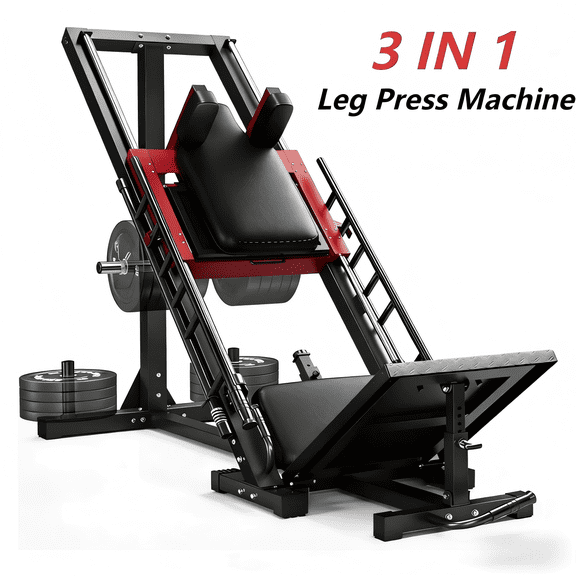






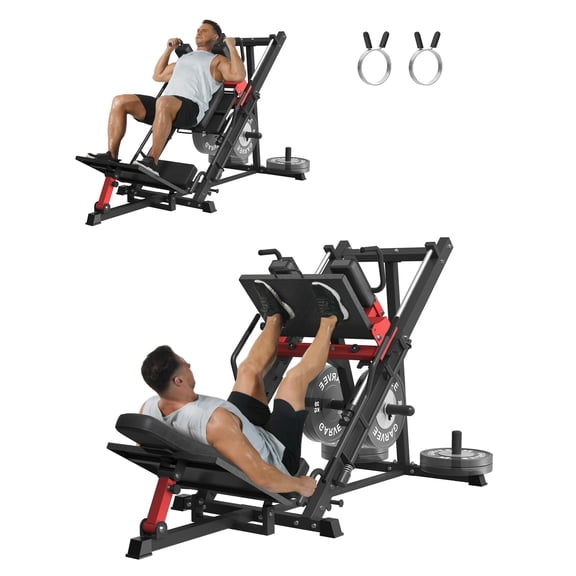


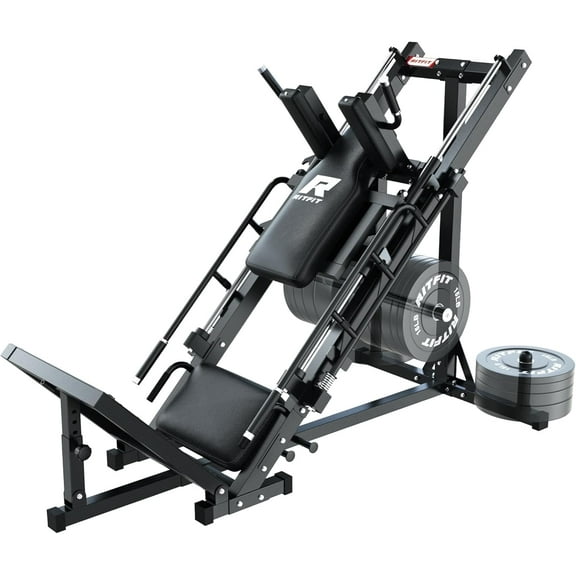


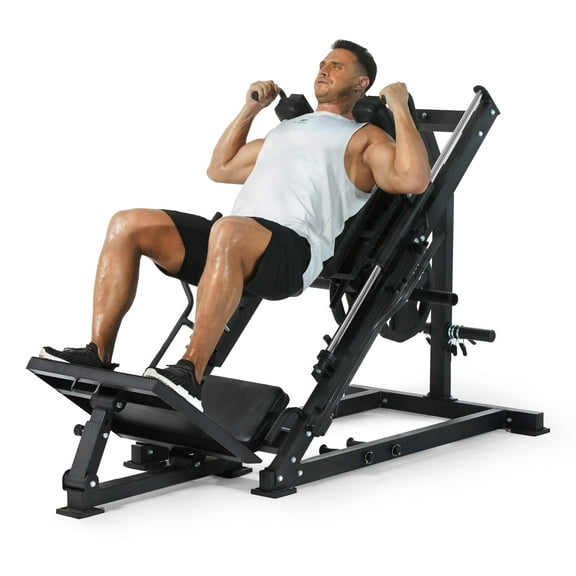
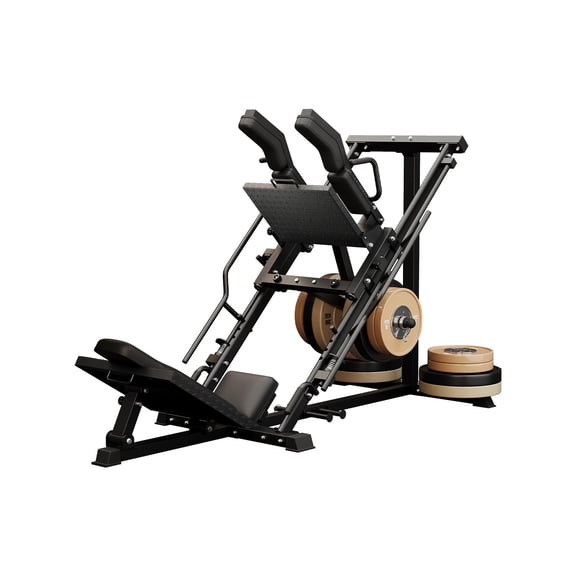
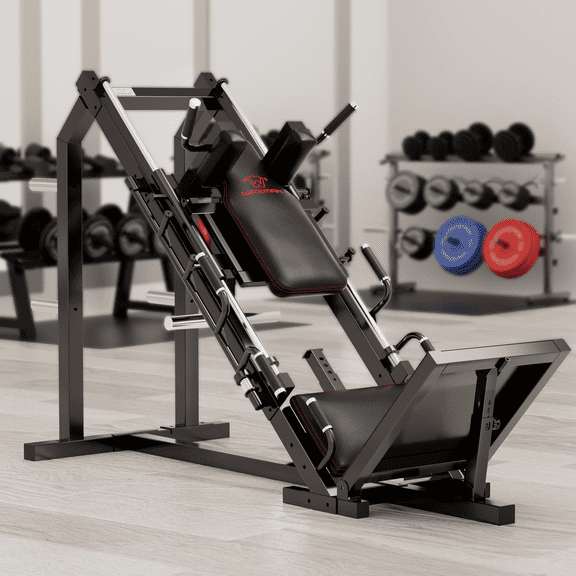
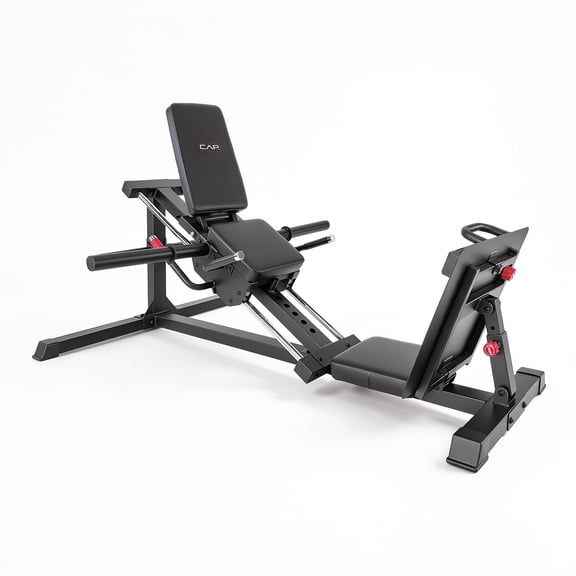
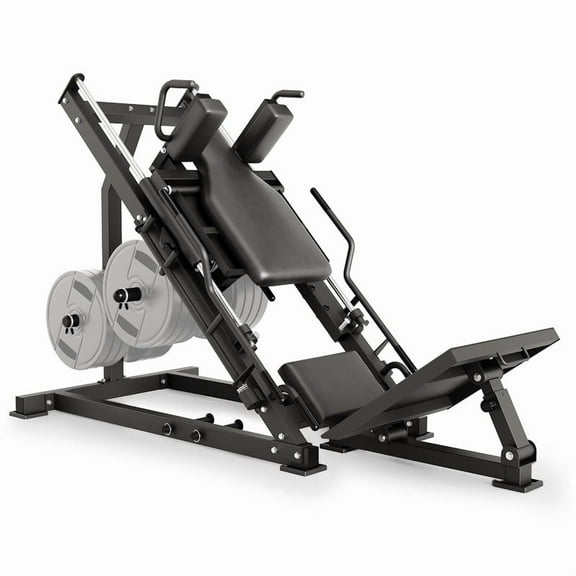
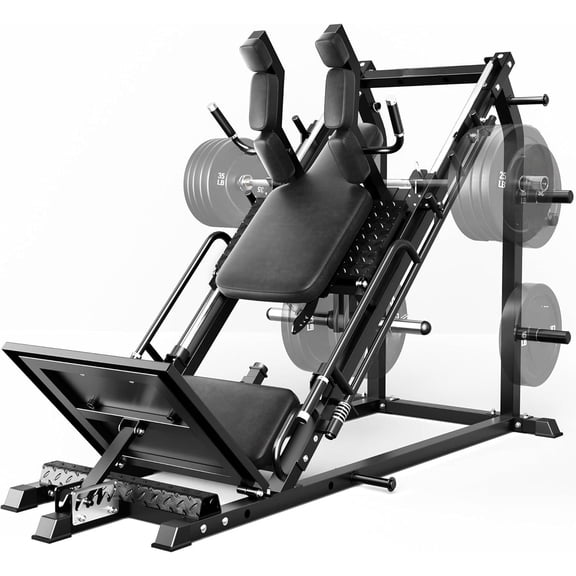








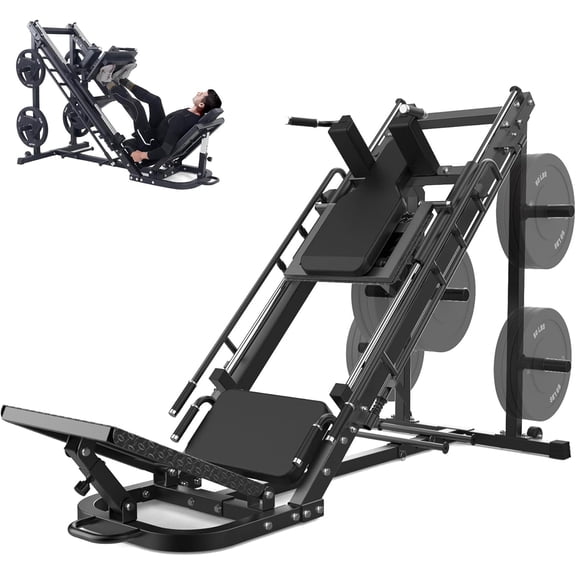


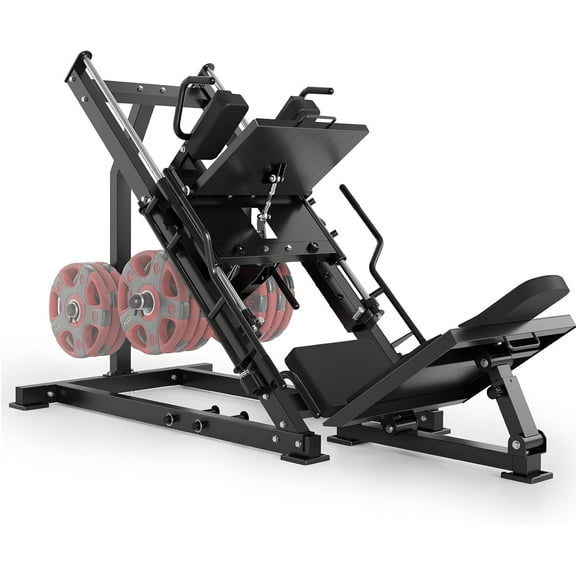


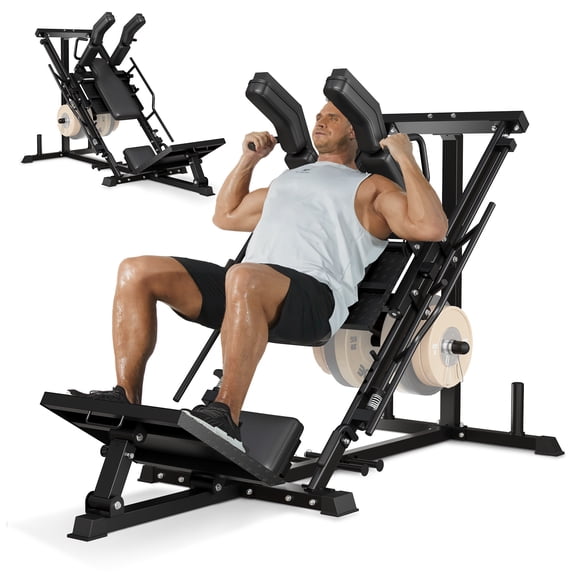
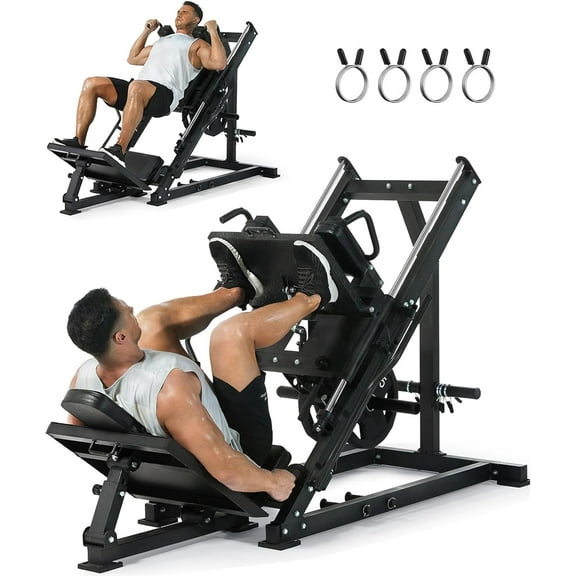
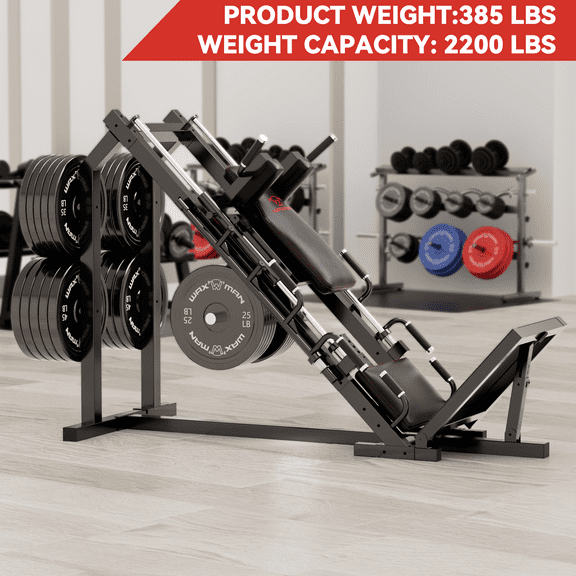
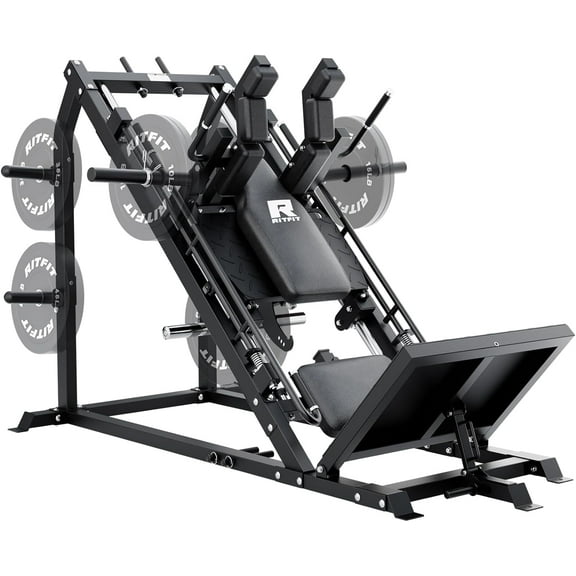


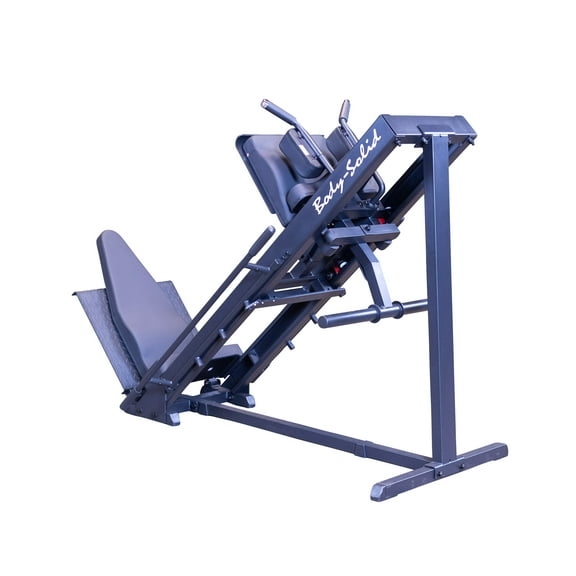
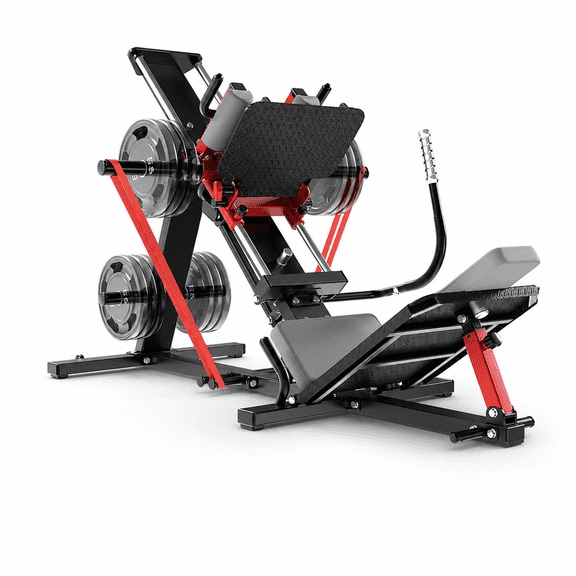
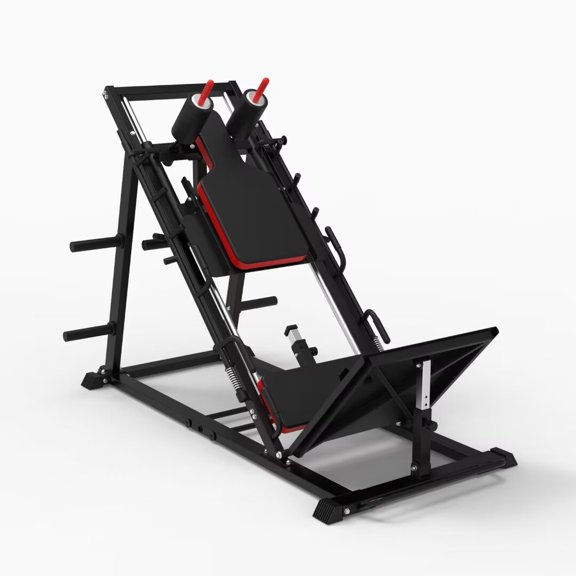

About Hack Squat in Home Gym Equipment - Walmart.com
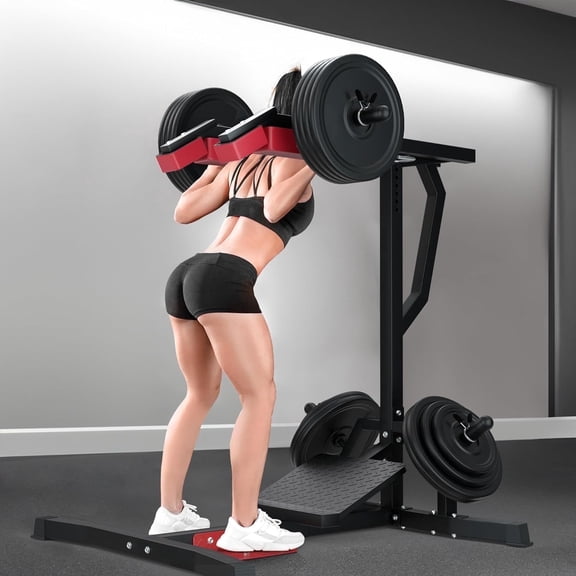
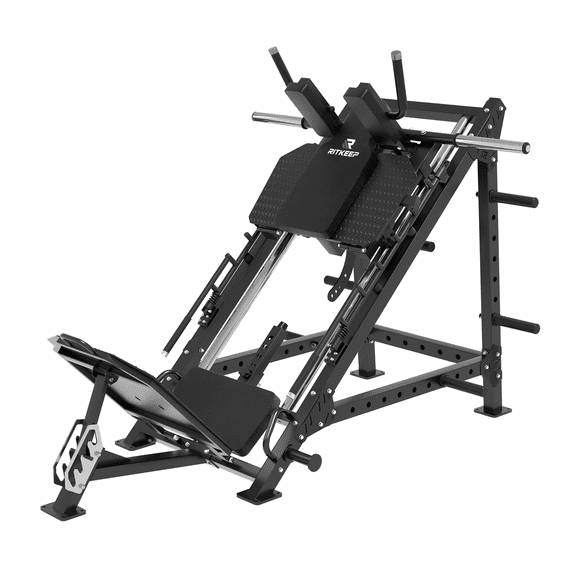
When you choose a hack squat machine, you can build lower-body strength with guided movement and a stable training path. You can compare compact footprints, plate loading, and combo designs that fit your home gym plan.
If you’re outfitting a garage setup or a dedicated room, you’ll want equipment that matches your space and lifting style. You’ll also want details like safety catches, rail angle, and plate compatibility before you commit.
Choosing the right hack squat machine for your home gym
You should start with your available floor space and ceiling clearance before you compare frame styles. You’ll notice a small hack squat machine fits tighter rooms, while heavy-duty frames need more open training space.
When you measure footprint dimensions, you should include room for plate loading and safe entry. You should also check the slide rail angle, because it affects how far the carriage travels.
If you train in a basement or garage, you should compare total machine height with your ceiling. You’ll want extra clearance above the sled path so your setup feels comfortable during each rep.
- You can target quads with a guided path that supports consistent foot placement.
- You can train at hack squat at home gym setups without needing a large rack area.
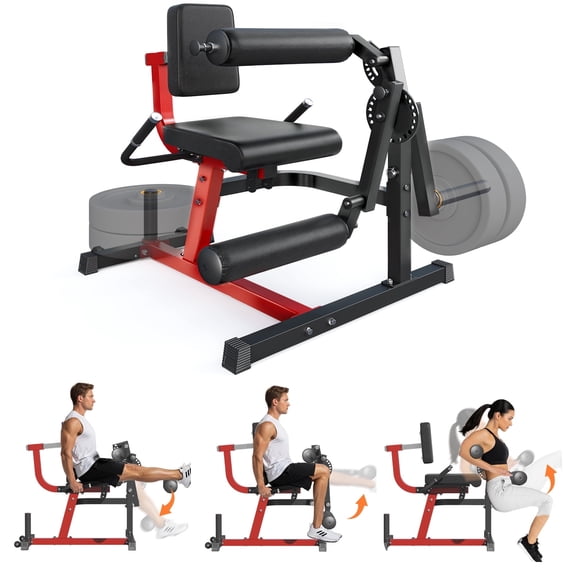
- You can compare combo units when your space needs one machine for multiple lower-body movements.
- You can use safety catch levels to set a clear starting and stopping range.
Comparing size, loading style, and movement feel
You should compare compact, standard, and heavy-duty builds based on your training room and lifting volume. You’ll usually find compact units suit tighter layouts, while larger frames support a bigger overall stance area.
When you review loading style, you may choose plate-loaded, pin-selected, or bodyweight resistance designs. You’ll get different setup routines with each option, and your preference often depends on plate access.
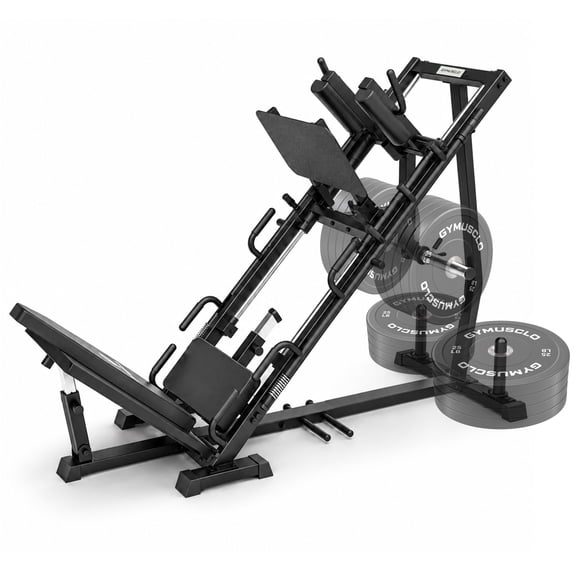
If you already own Olympic plates, you should check sleeve diameter before you buy. You’ll want to confirm whether your machine accepts Olympic plates or standard plates without adapters.
You should also compare weight capacity, because it shapes long-term progression and plate loading confidence. You’ll want enough capacity for your current training and future lower-body sessions.
For carriage movement, you may compare linear bearings and roller wheels on the guide rails. You’ll generally feel smoother travel when the sled moves evenly from the first inch to lockout.
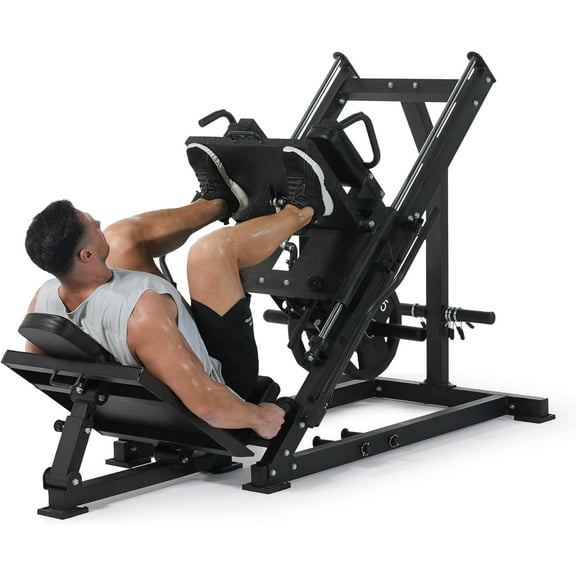
If you’ve seen a lying down squat machine or lying squat machine, you should note the movement pattern differs from a hack setup. You’ll stand on a platform with shoulder support on a hack unit, which changes body position and room layout.
Deciding between hack squat only and combo machines
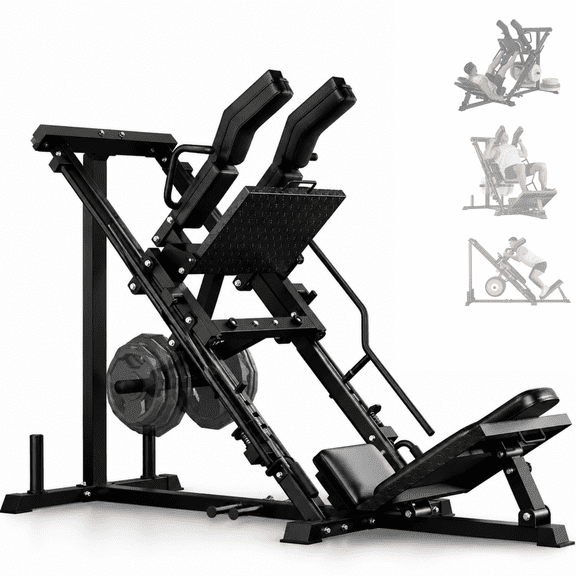
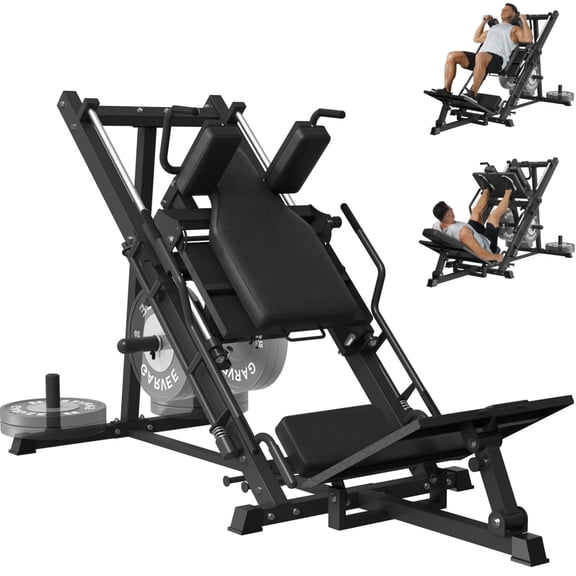
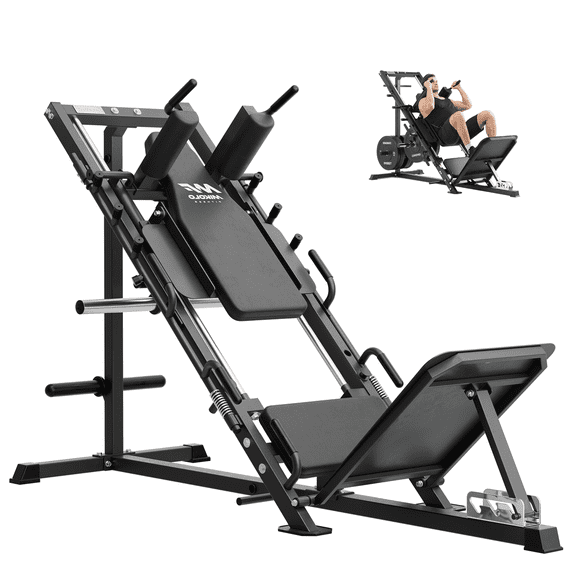
You should think about exercise versatility before you choose a single-purpose frame or a combo design. You’ll often see hack squat only units, hack squat and leg press combo machines, and reverse hack squat options.
If you want more lower-body variety in one footprint, you may prefer a combo format. You can switch training emphasis more easily when your machine supports both hack squat and leg press movements.
When you compare a gym squat machine for shared use, you should consider adjustment points and transition steps. You’ll want handles, back support, and platform access that feel straightforward between sets.
A reverse hack squat option may suit you if you want another stance and loading pattern. You can use that format to expand leg-day variety without adding another large station.
What to look for in safety features and home setup details
You should look for safety catch levels that let you set a comfortable bottom position. You’ll appreciate multiple catch points when you want clearer control over starting depth and reracking.
Hand rails and stable shoulder pads matter when you’re getting into position under load. You’ll want contact points that help you feel steady while you step in and out.
If you train solo, you should check how the emergency stop or catch system engages. You’ll want a design that feels simple to reach without awkward twisting during setup.
For a hack squat machine for home gym use, you should also consider flooring and traffic flow. You’ll want enough side clearance for loading plates and enough rear space for comfortable movement around the frame.
When you compare a hack machine gym setup with a garage layout, you should think about storage for extra plates. You can keep sessions more organized when your plate tree or wall storage sits close by.
Matching the right machine to your training environment
You should match a compact unit to apartments, spare rooms, or narrower basement corners. You’ll usually benefit from a smaller footprint when every foot of training space matters.
A standard frame may fit you if your room allows wider access and regular plate changes. You’ll get a familiar training station that supports consistent lower-body programming in many home setups.
If you equip a garage gym or shared training area, you may lean toward a heavy-duty machine. You’ll want sturdier construction, broader adjustment range, and room for repeated use across different lifters.
When you compare hack squat machine options, you should focus on dimensions, plate fit, and safety operation first. You’ll make a clearer choice when the machine matches your space, your plates, and your training routine.
With the right setup, you can build a more efficient leg station that supports repeatable reps and smoother lower-body sessions. You’ll feel the benefit every time your machine fits your room and training style correctly.