

Guitar Cases Near Me: Hard Cases & Gig Bags | Walmart


























About Guitar Cases Near Me: Hard Cases & Gig Bags | Walmart - Walmart.com
Guitar cases help you protect your instrument during travel, storage, and daily use. You can compare fit, shell style, and lining details to match your guitar and routine.
If you carry your instrument to lessons, gigs, or rehearsals, you need dependable coverage. You can narrow your choice faster when you understand case type, compatibility, material, and interior padding.
How to choose guitar cases for your instrument
You should start with instrument fit, because loose spacing can let your guitar shift inside. You can check body shape, overall length, lower bout width, and neck support before choosing.
When you compare acoustic, electric, bass, and classical shapes, you’ll notice important size differences. You need an acoustic guitar case for dreadnought or concert bodies, while slim electrics need different interior dimensions.
You may also want storage that supports your playing routine outside the home. You can look for pockets or compartments that hold picks, tuners, straps, sheet music, and cables.
Choosing between a hard guitar case and a guitar gig bag
You should compare protection level first, because each case type fits a different routine. You can choose a hard guitar case for structured coverage or a guitar gig bag for lighter carrying.
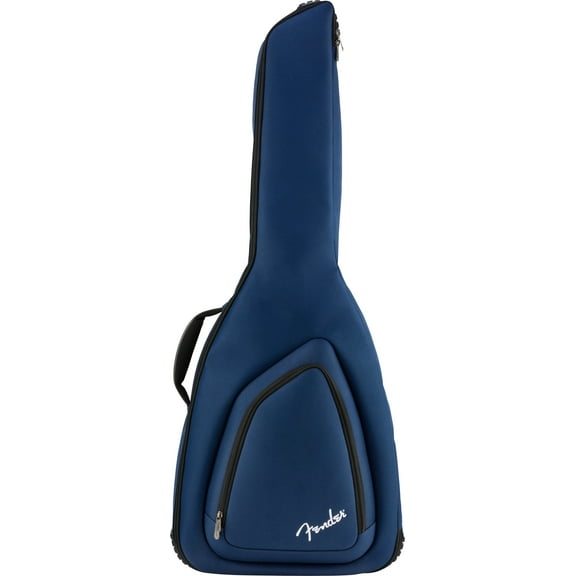
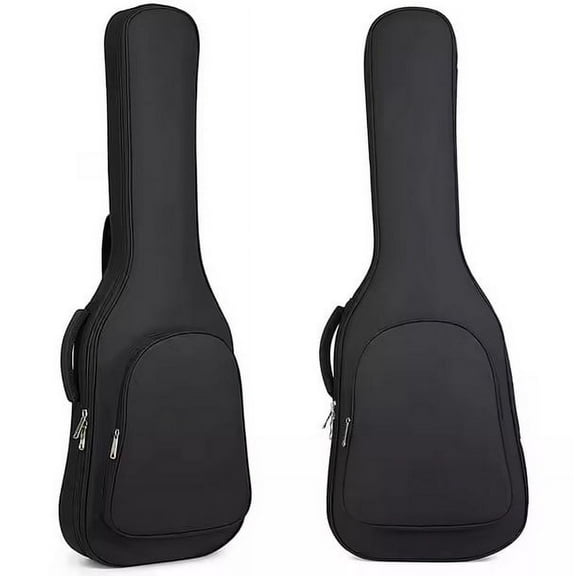
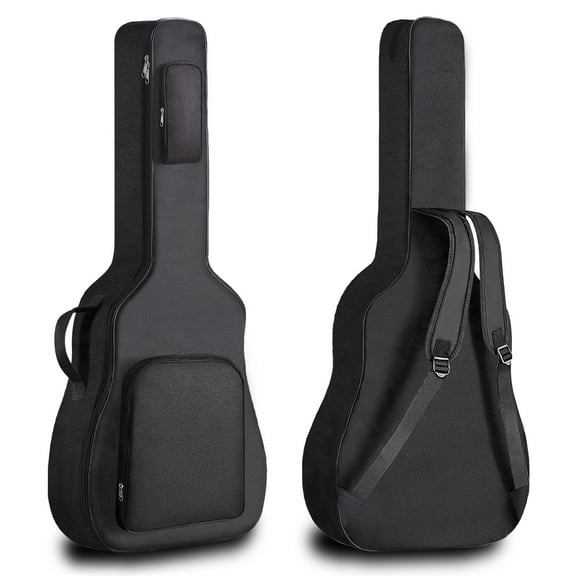
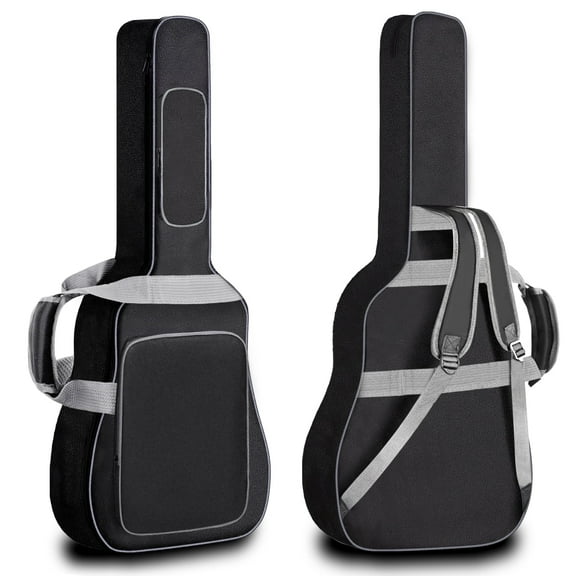
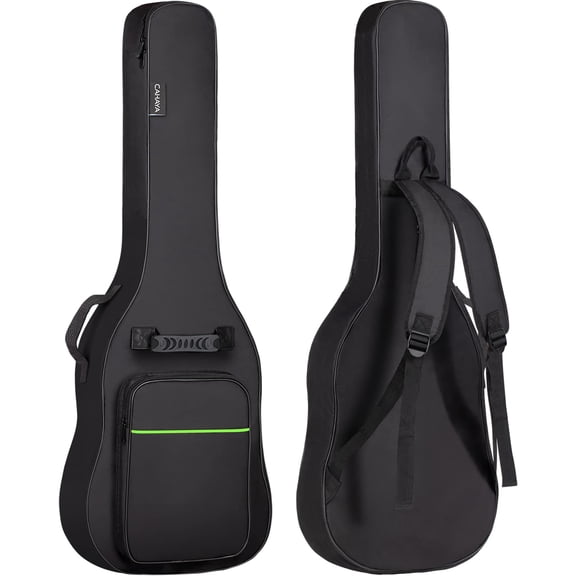
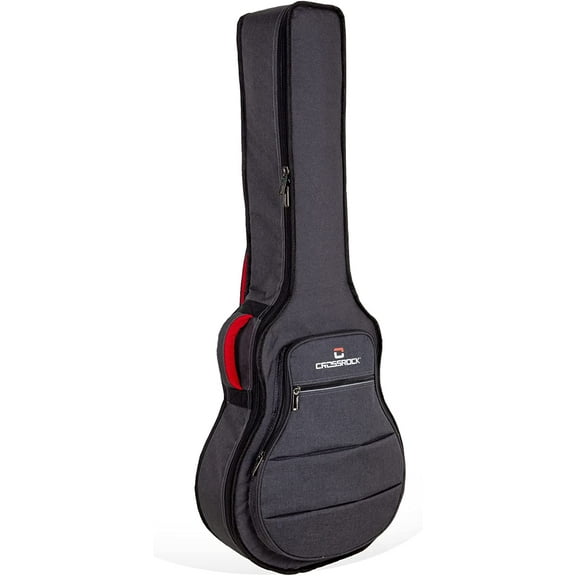
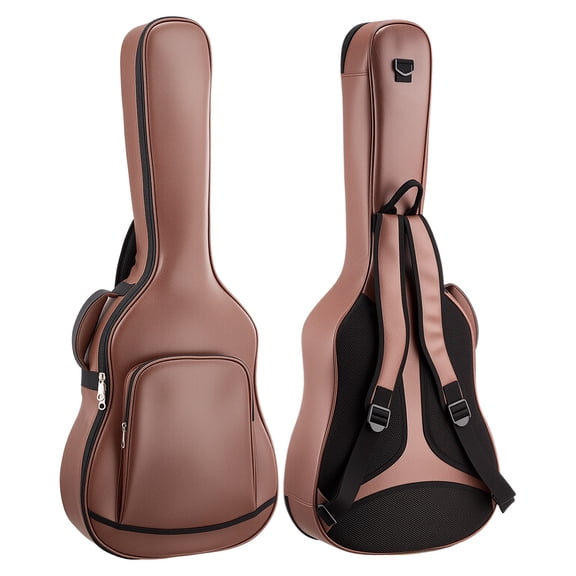
If you drive to local rehearsals or lessons, you may prefer a padded gig bag. You’ll usually get easier carrying, quicker loading, and exterior pockets for small accessories.
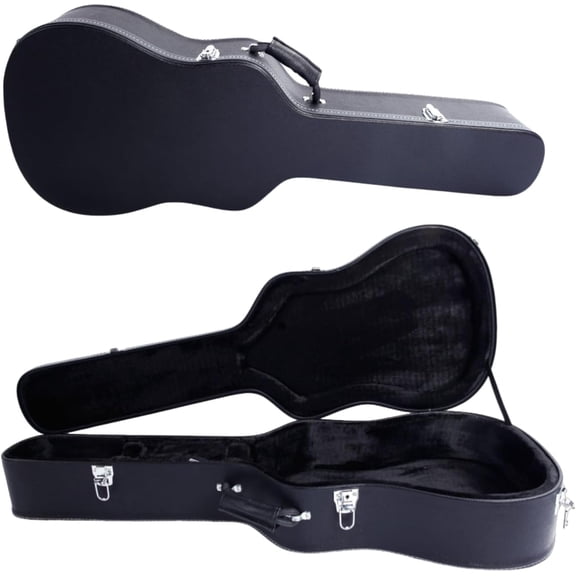
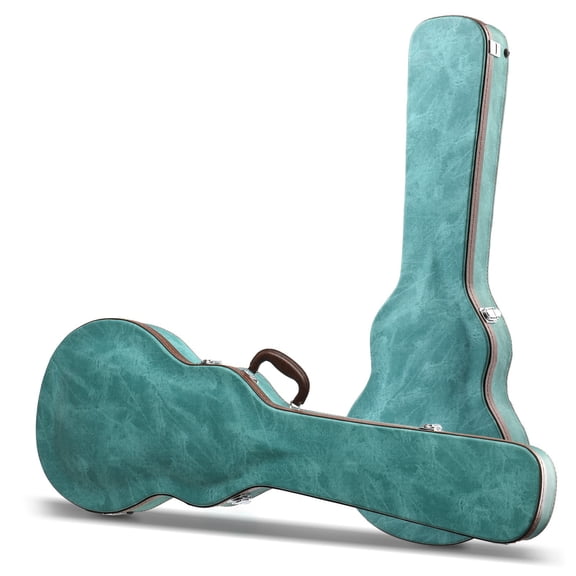
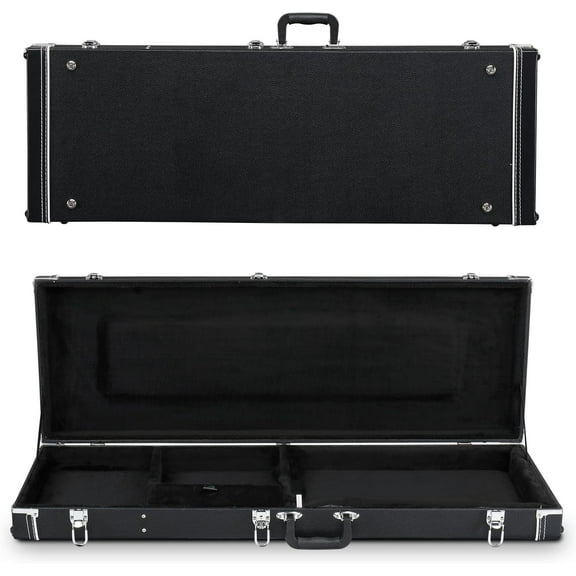
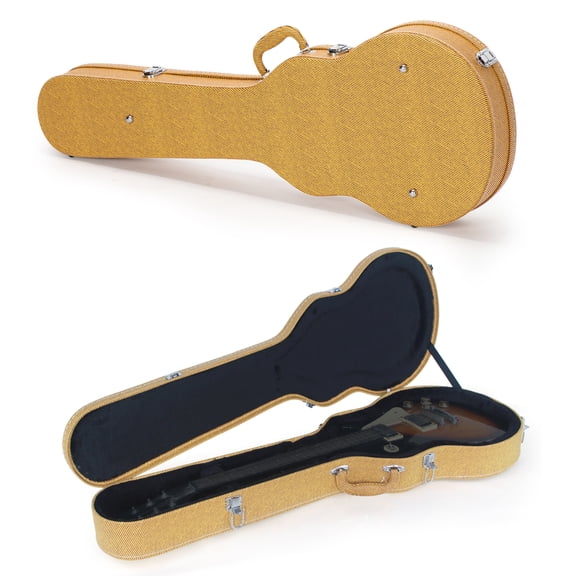
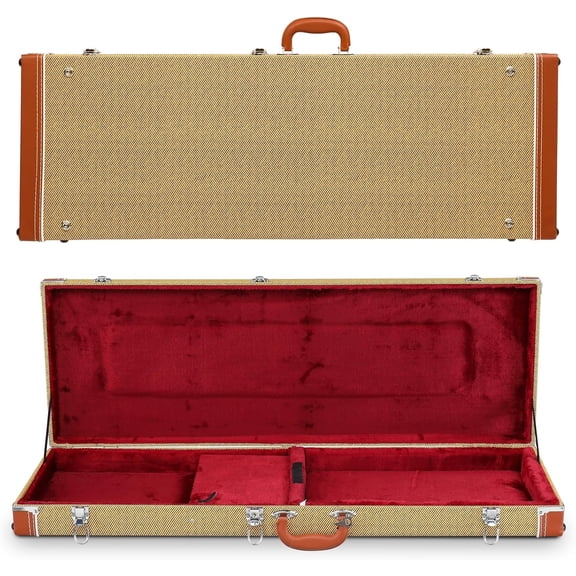
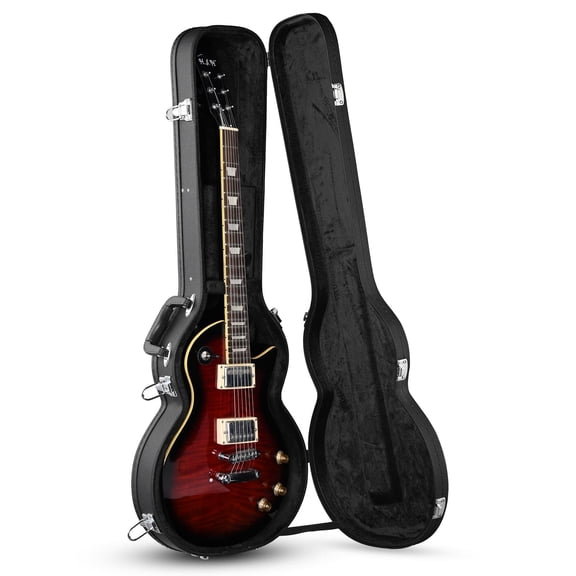
For longer trips, stacked storage, or frequent transport, you may prefer a hardshell case. You’ll get a rigid outer shape that helps your instrument keep its position.
If you move gear through airports or touring setups, you may consider a flight case. You should compare hardware, reinforced edges, and case depth when you need heavier-duty travel support.
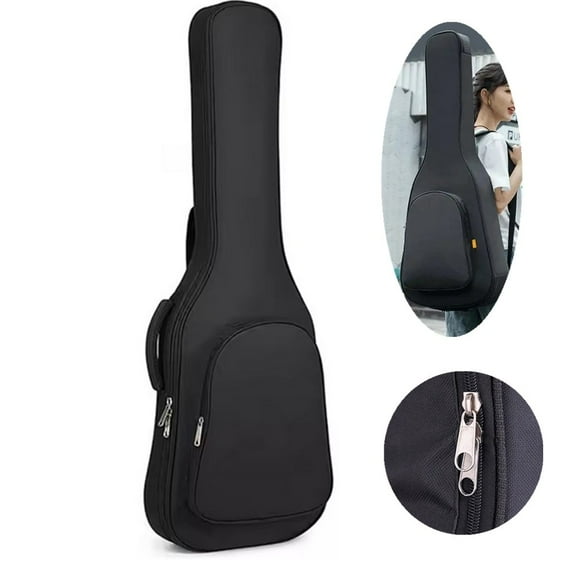
- You can choose a guitar gig bag when you want lighter weight and flexible storage pockets.
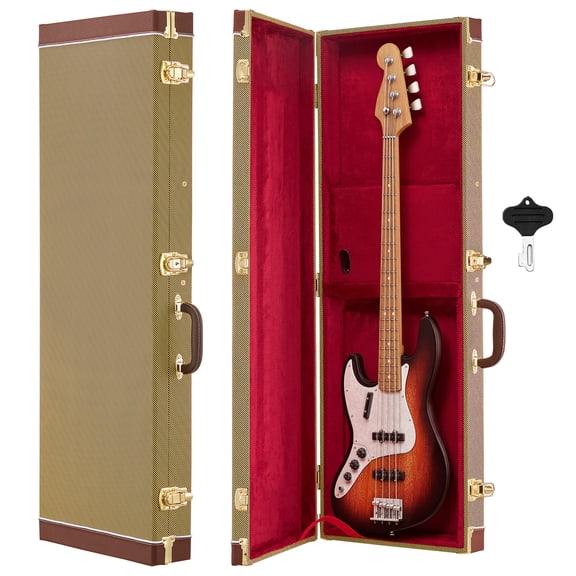
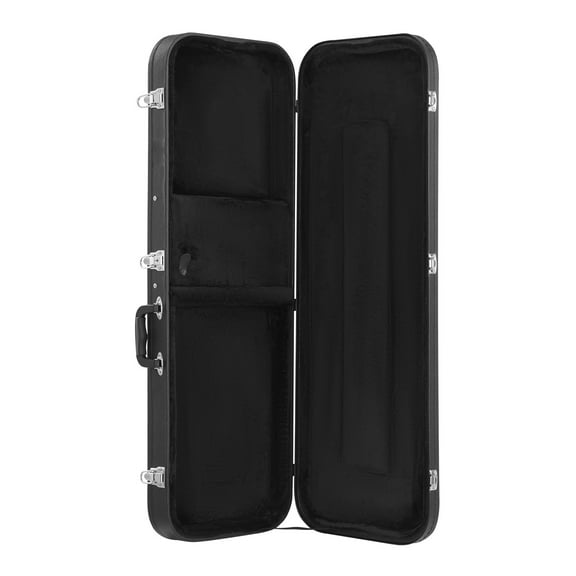
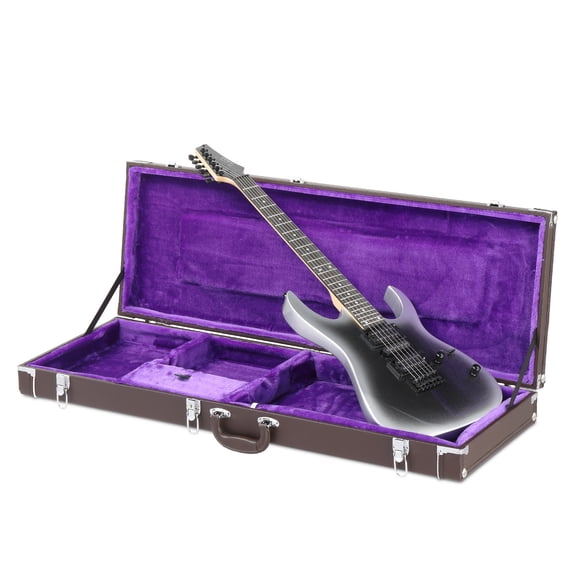
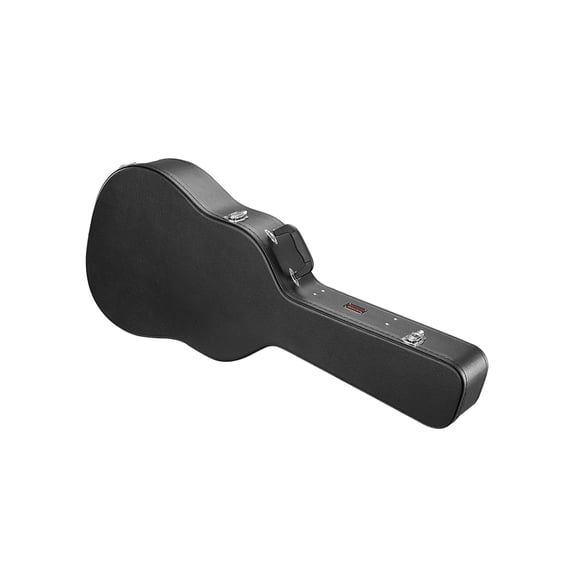
- You can choose a hard guitar case when you want a rigid shell and structured interior support.
- You can choose a flight case when you need reinforced construction for frequent travel handling.
- You can compare handle style and backpack straps to match how you carry your instrument.
Choosing an acoustic guitar case or electric guitar case
You need to match the case to your guitar’s body style before anything else. You can avoid guesswork by comparing compatibility labels with your instrument’s shape and measurements.
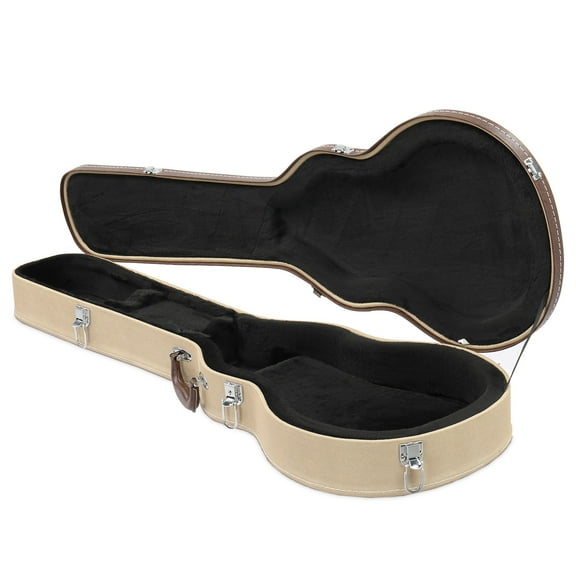
An acoustic guitar case usually allows for deeper bodies and wider lower bouts. You should measure carefully if your guitar has a dreadnought, auditorium, or cutaway shape.
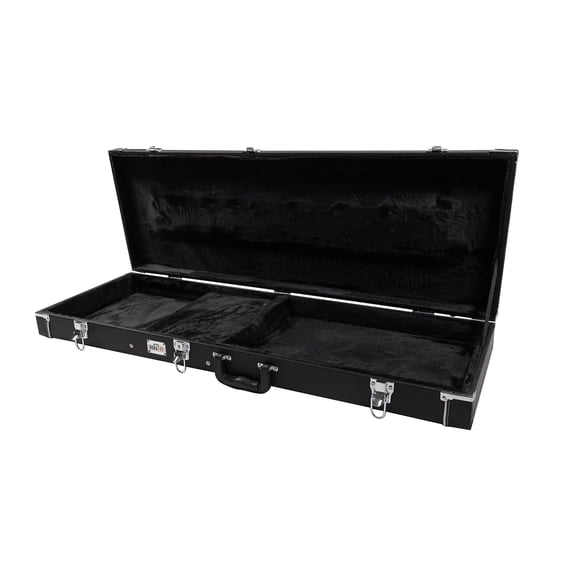
An electric guitar case usually fits a thinner body and different horn contours. You can compare interior shape if your guitar uses single-cut, double-cut, or offset styling.
If you play low-end parts, you’ll want extra attention to bass guitar case sizing. You should check overall scale length and headstock room, because bass models need more interior length.
If you play nylon-string instruments, a classical guitar case can support that distinct body profile. You can compare width and depth, because classical guitars differ from many steel-string acoustics.
What to look for in materials and interior lining
You should compare shell material based on where and how often you travel. You can find wood, ABS plastic, foam, nylon, and carbon fiber options across many guitar cases.
Wood and ABS plastic shells usually give you a firm outer structure. You may prefer them when you want shape retention for storage, transport, or stacked gear setups.
Foam designs can give you a middle ground between rigid structure and lighter carry. You can consider them if you want more support than a soft bag without extra bulk.
Nylon exteriors often appear on soft cases and hybrid styles for everyday mobility. You’ll want to compare padding thickness, zipper layout, and pocket placement for practical use.
Carbon fiber constructions appeal when you want a lighter shell with a sleek feel. You should still confirm fit and interior support, because shell material alone doesn’t determine compatibility.
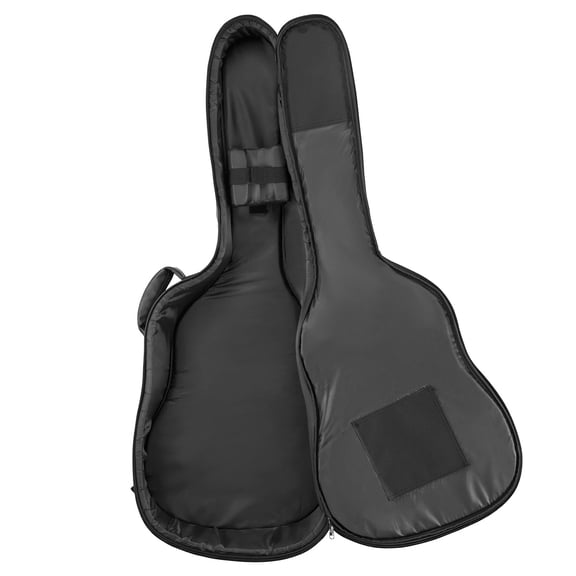
Inside the case, plush lining, micro-fleece, and foam padding shape how your guitar rests. You can look for neck cradles and snug contours that help reduce interior movement.
Matching guitar cases to your routine
If you head to weekly lessons, you may want a guitar gig bag with backpack straps. You can carry music books, a tuner, and cables more easily when exterior pockets are built in.
If you store your instrument between sessions, you may want a hard shell design. You can keep your guitar organized on a stand-by basis with structured support and a defined shape.
If you switch between multiple instruments, you should label sizes by body style and use. You can keep an acoustic guitar case, electric guitar case, and bass option ready for each setup.
For home players, interior lining can matter just as much as the outer shell. You’ll appreciate soft contact points when you place your guitar in and out of the case often.
For gigging players, carrying comfort can shape your whole experience before the first song. You can compare handle placement, strap padding, and overall weight to make transport easier.
If you’re planning longer travel, you should compare shell strength, latch design, and accessory space together. You can choose a case that supports both your instrument and the gear you bring along.
With the right guitar cases, you can protect your instrument and simplify every trip. You’ll feel more prepared when your case fits your guitar, your gear, and your playing routine.