

Rust-Oleum Epoxy Paint & Kits | Concrete & Floor Coatings


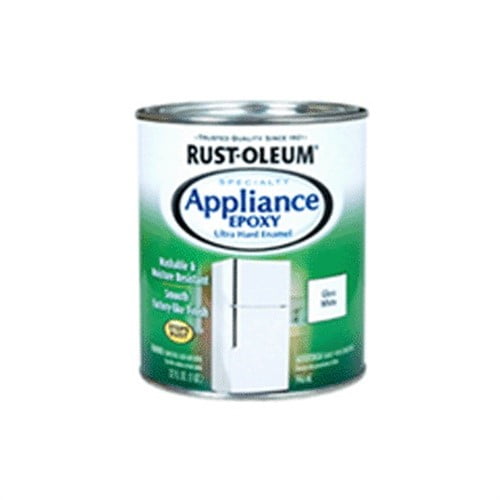
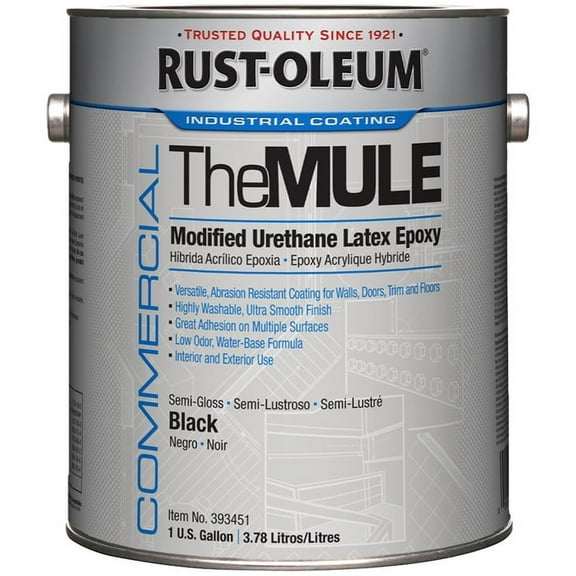
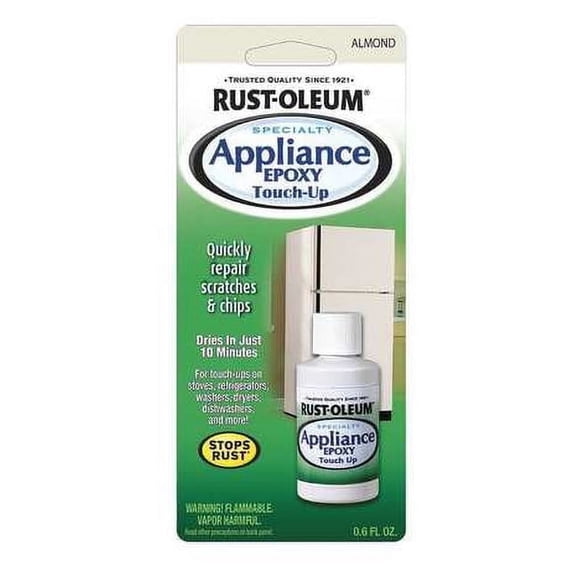



![Rust-Oleum 12 Oz Almond Appliance Epoxy Enamels Spray Paint [Set of 6] Interior & Exterior Use, Professional Finish](https://i5.walmartimages.com/seo/12-Oz-Almond-Appliance-Epoxy-Enamels-Spray-Paint-Set-of-6_e033a096-ae40-475d-9b87-cbf82080817b_1.768d14bcc65acdd83185ea70829c21a4.jpeg?odnHeight=576&odnWidth=576&odnBg=FFFFFF)




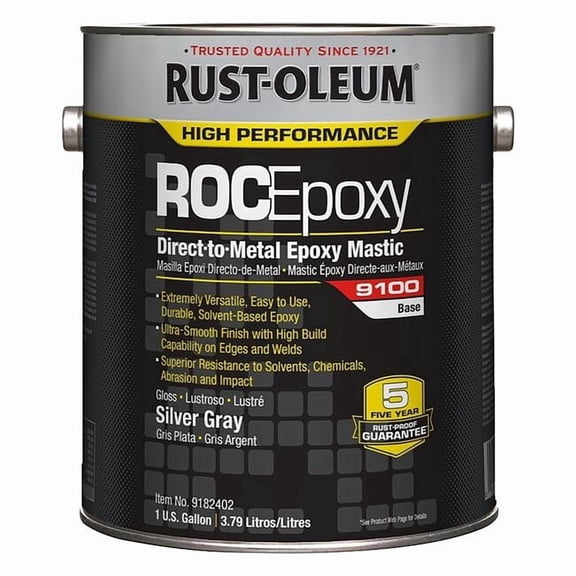


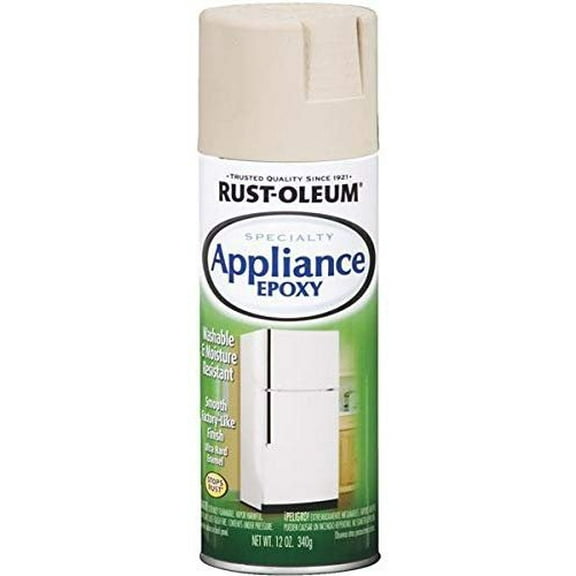
About Rust-Oleum Epoxy Paint & Kits | Concrete & Floor Coatings - Walmart.com
Rust oleum epoxy helps you refresh garage floors, countertops, and concrete surfaces with a hard-wearing finish. You can compare surface type, epoxy system, finish, and coverage before you choose a kit.
You’ll also find category details that matter for real projects, including concrete prep, cure time, and clear topcoat decisions. Your project planning gets easier when you match the coating to the room, surface, and traffic level.
Choosing the right rust oleum epoxy
You should start with the surface you’re coating, because garage slabs and countertops need different formulas. Your results usually depend on whether you’re covering concrete, wood, or metal.
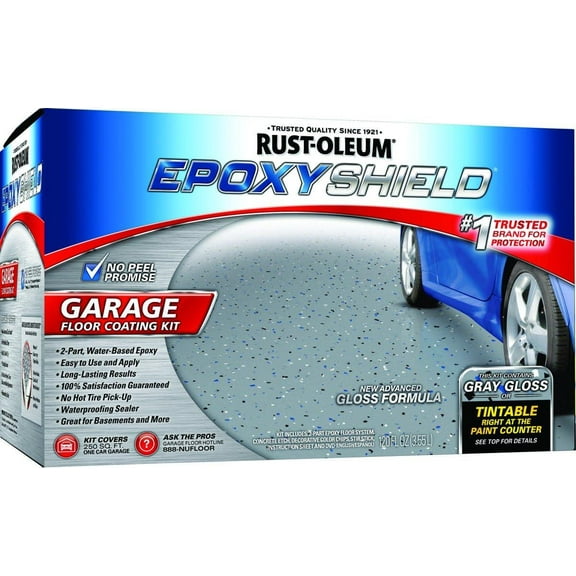
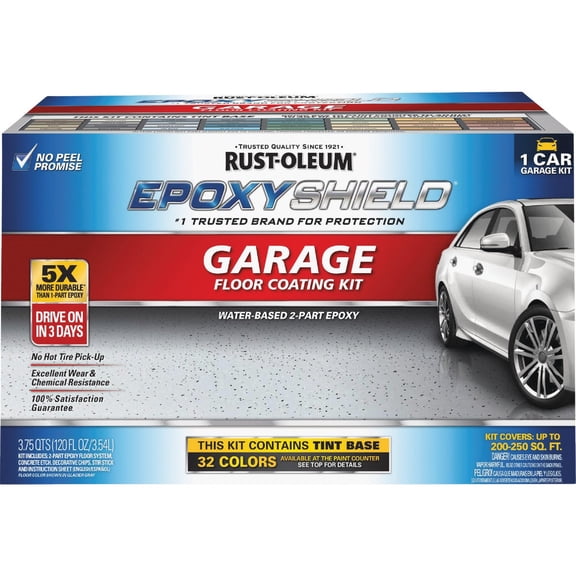
For garage floor projects, you may prefer rust-oleum garage floor epoxy options sized for one-car or two-car spaces. Your coverage estimate should match the square footage, roller path, and edge work.
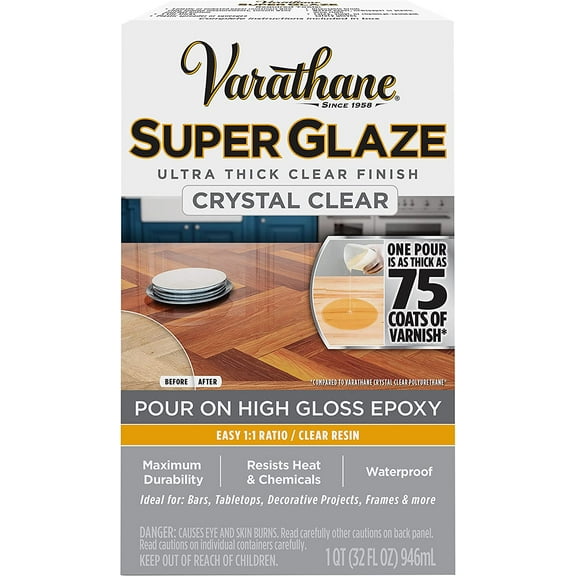
For counters, you may compare rust-oleum countertop epoxy options with smooth finishes and coordinated topcoats. Your kitchen or bath project often needs neat edges, even color, and a clean final sheen.
- You can coat worn concrete and give your space a cleaner, more finished look.
- You can choose a kit size that fits a one-car garage, two-car garage, or small project.
- You can compare clear, satin, semi-gloss, metallic, and high-gloss finishes for the look you want.
- You can match a 1-part acrylic or 2-part epoxy kit to your prep time and application plan.
You may also compare indoor and outdoor use, especially when sunlight reaches the coated area. Your finish choice can affect whether you add a clear coat epoxy for extra surface protection.
How to compare epoxy type and finish style
You’ll want to compare 1-part acrylic and 2-part epoxy systems before you commit. Your choice often comes down to prep steps, mixing, and the level of surface wear.
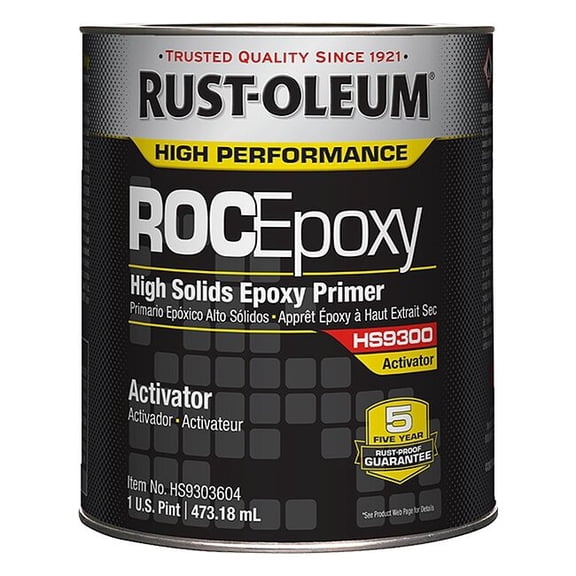
A 2-part epoxy kit usually asks you to mix components before application. You’ll often choose that format when your floor handles parked vehicles, rolling storage, or regular foot traffic.
A 1-part acrylic coating can suit lighter-duty refresh projects with a simpler process. You may like that option when your project is smaller or your timeline is tighter.
You should also look at finish style, because sheen changes how your surface looks day to day. Your space may feel brighter with high-gloss, while satin can soften reflections.
A clear coat epoxy can add another layer over a colored base when your project needs added finish clarity. You may also compare clear topcoats when your space gets more sunlight exposure.
Metallic looks can create a bold visual effect on select surfaces, while clear or semi-gloss finishes stay understated. Your room design and cleaning routine can help guide that choice.
What to look for in surface prep and coverage
You should check prep requirements before you choose any coating system. Your surface condition can affect adhesion, finish consistency, and how smoothly the project moves.
For concrete, you may need concrete prep steps like cleaning, degreasing, and acid etching. Your slab should feel ready for coating before you open the kit and start mixing.
You’ll also want to compare coverage labels closely, because kit size changes from project to project. Your one-car garage may need about 250 square feet of coverage, while two-car spaces may need about 500.
Small project kits can work for utility rooms, steps, worktables, or touch-up zones around the home. You can avoid mid-project interruptions when your chosen kit matches the total area.
You should remember that texture, porosity, and prior coatings can influence how far a kit goes. Your final estimate may need extra allowance for edges, absorbent concrete, or a second coat.
Using rust-oleum garage floor epoxy and countertop coatings
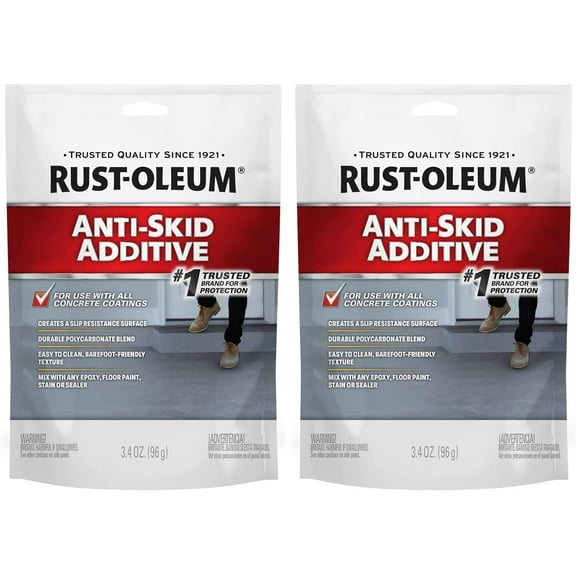
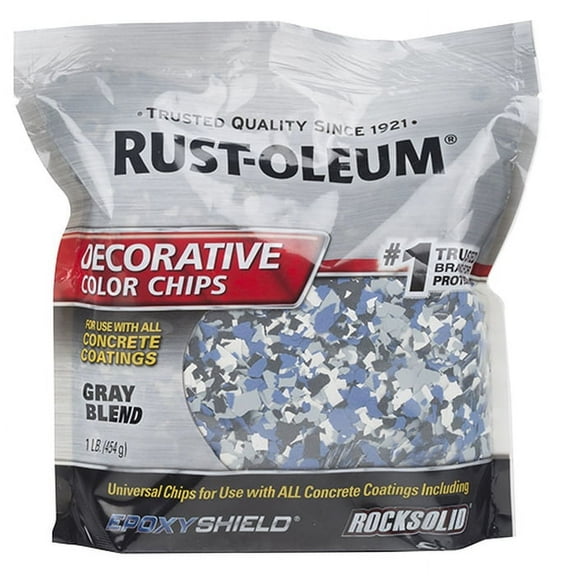
You may use rust-oleum garage floor epoxy when you want a finished surface for parked cars, tools, and storage zones. Your project can also include decorative flakes when you want added texture and visual depth.
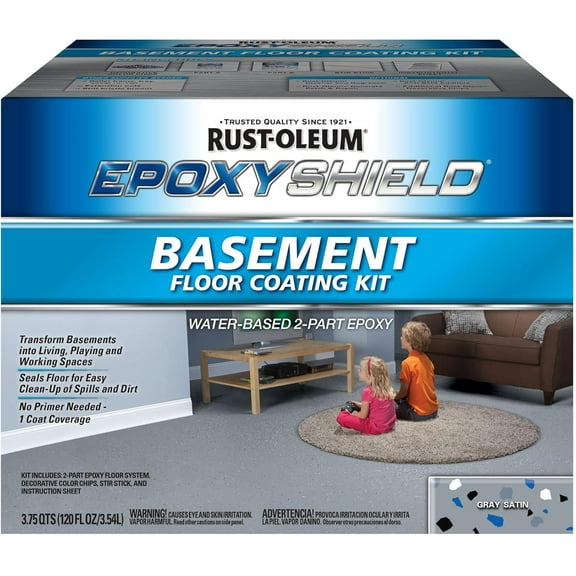
In basements, you may want a coating that gives concrete a cleaner, more polished appearance. Your floor plan may benefit from a finish that’s easier to wipe down after everyday use.
On countertops, you should compare coating systems designed for smooth, visible surfaces and edge detail. Your project may include a base coat and a clear top layer for a refined final look.
For wood or metal projects, you’ll want to confirm that the formula matches the material and use case. Your prep steps may include sanding, cleaning, or checking for an even base.
You should also plan around cure windows before normal use resumes. Your floor may feel dry sooner, but your full cure window matters before vehicles return to the surface.
Hot tire resistance can matter when your coated garage floor handles daily parking. You’ll want to review product details so your cure timeline matches how you use the space.
If your project gets direct light, you may compare whether a clear topcoat supports the final finish outdoors. Your indoor project may need a different top layer than a patio-adjacent entry area.
You can narrow rust oleum epoxy choices faster when you compare surface, epoxy type, finish, and coverage together. Your finished project feels more consistent when the kit matches your prep plan and cure schedule.