

Graters & Zesters

























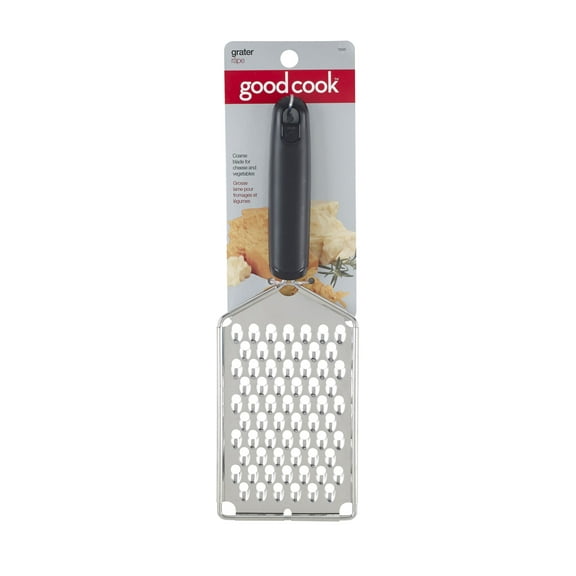
About Graters & Zesters - Walmart.com
Graters help you prep cheese, citrus, chocolate, garlic, and vegetables with the texture your recipe needs. This category brings together box styles, handheld designs, rotary tools, and slim zesters for everyday cooking.
Different ingredients call for different cutting surfaces. Fine teeth lift lemon zest without digging into pith, while coarse holes turn cheddar into fluffy shreds for tacos.
Why graters earn a place in busy kitchens
The right kitchen grater gives you more control over texture and finish. You can create soft cheese strands, delicate citrus ribbons, or thicker vegetable shreds in minutes.
That control changes how food looks and cooks. Freshly grated Parmesan melts evenly, and hand-shredded cabbage keeps a crisp bite for slaws.
- Use coarse blades for potatoes, zucchini, and cheddar when recipes need thicker shreds.
- Choose fine surfaces for hard cheese, nutmeg, chocolate, ginger, and garlic.
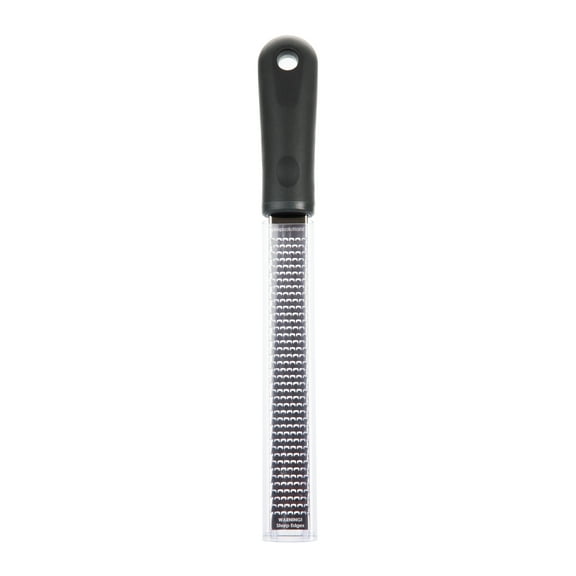
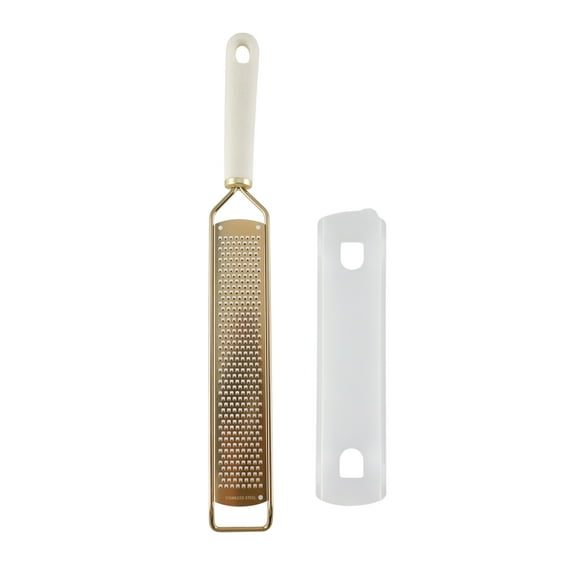
- Reach for a zester when you want narrow strips of lemon, lime, or orange peel.
- Pick a box design when you want multiple blade options in one tool.
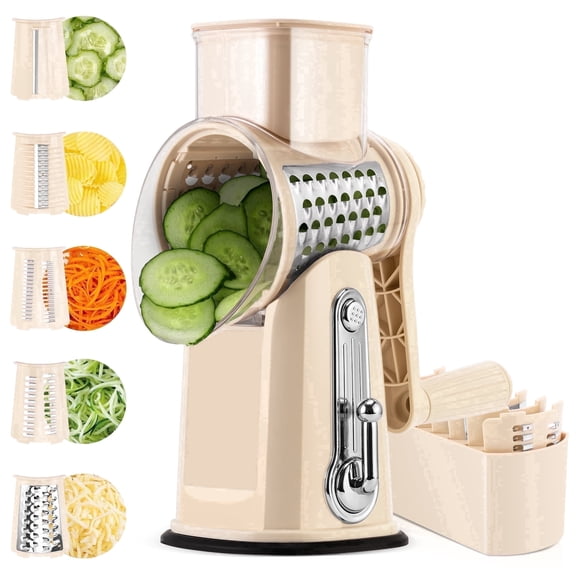
- Try rotary styles for steady grating over pasta, salads, and soups.
Many shoppers also want tools that fit their cooking habits. Compact handheld pieces store easily, while larger frames suit meal prep and batch cooking.
Choosing the right graters for your prep style
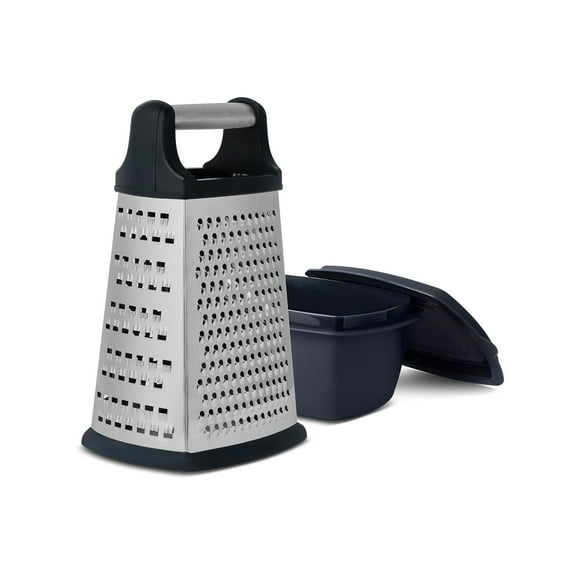
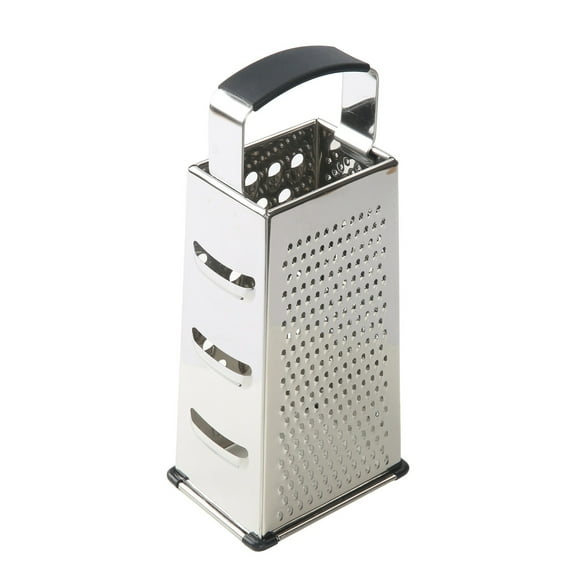
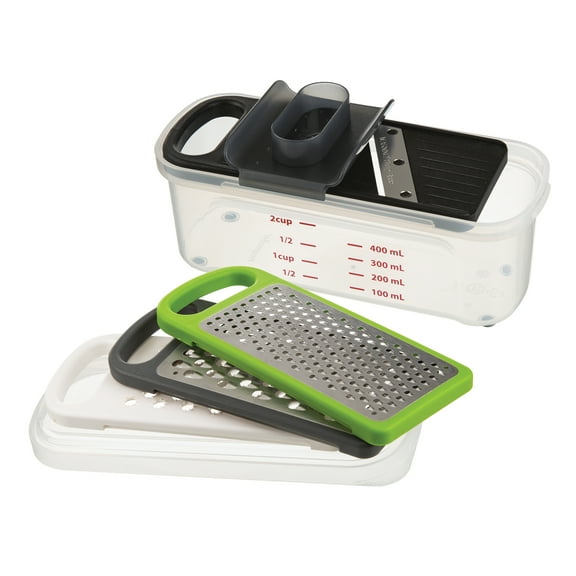
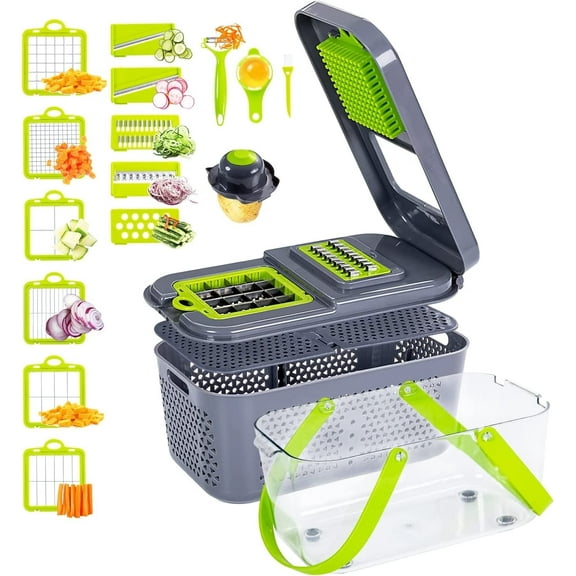
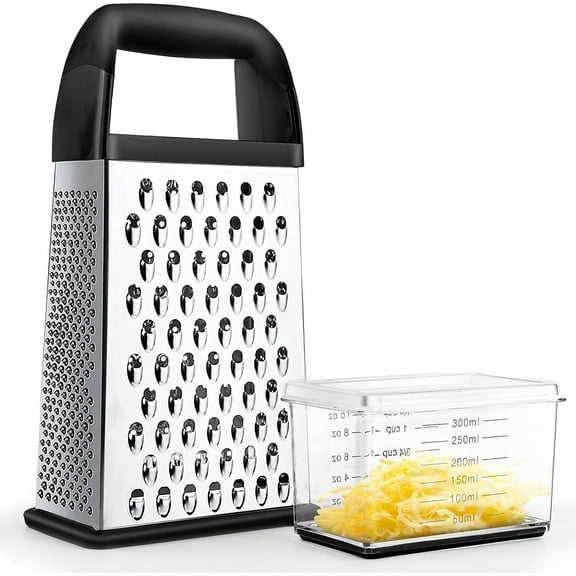
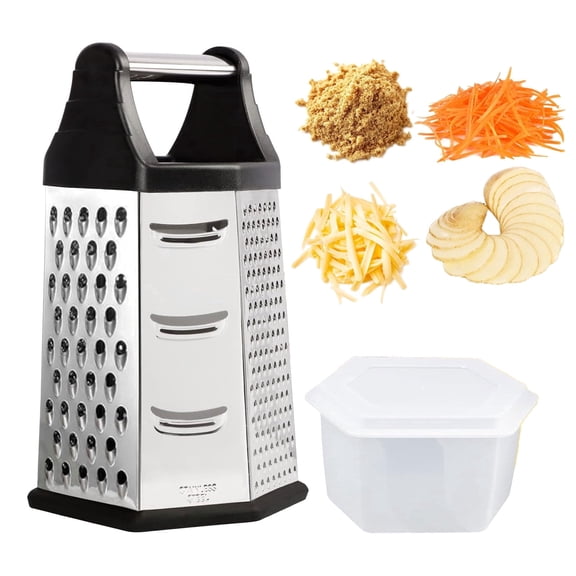
Box graters are versatile because each side handles a different task. One side can shred carrots, another can grate cheese, and another can slice cucumbers.
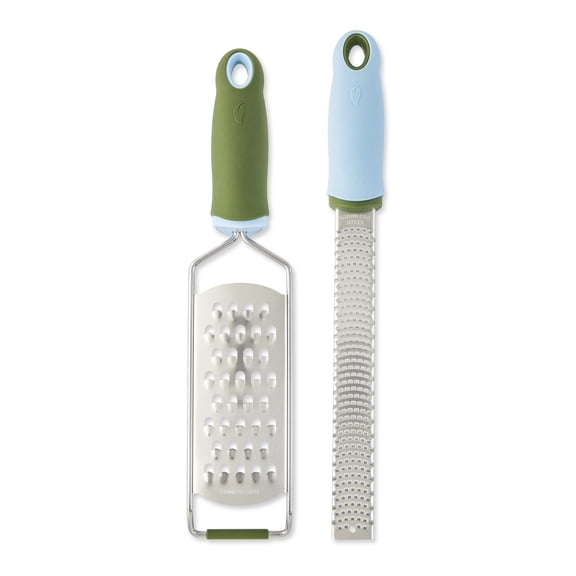
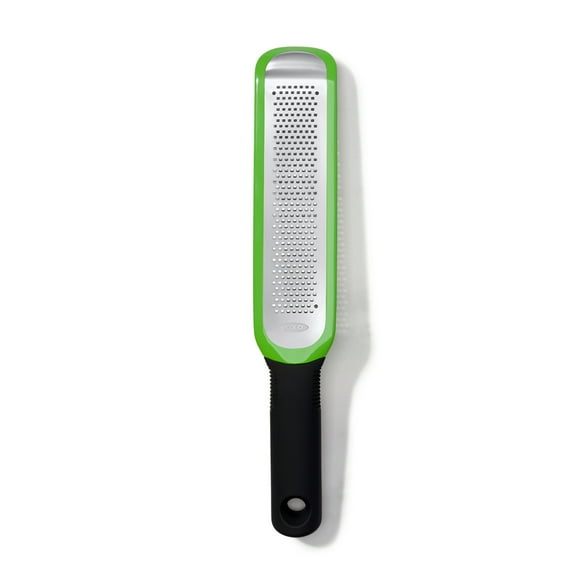
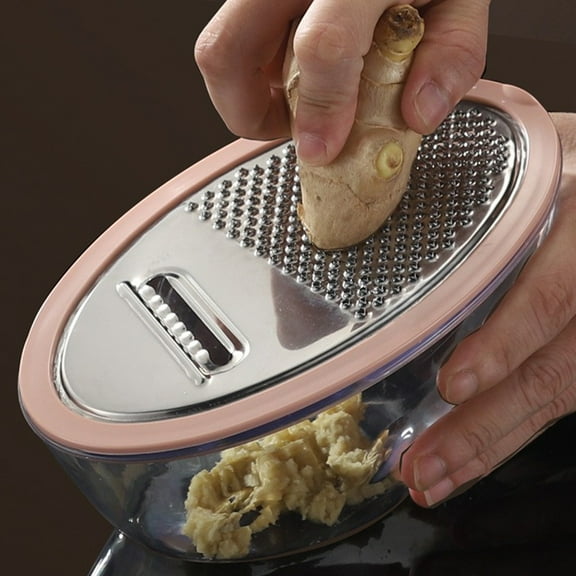
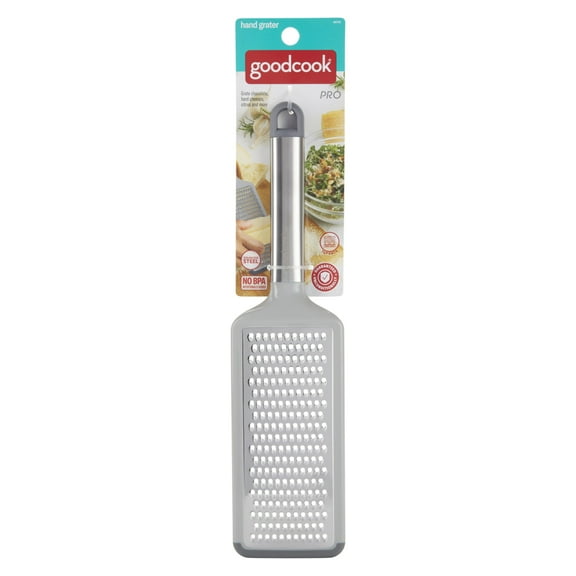
Handheld models work well when you need quick control over a bowl or cutting board. They suit small jobs like grating a garlic clove or finishing brownies with chocolate.
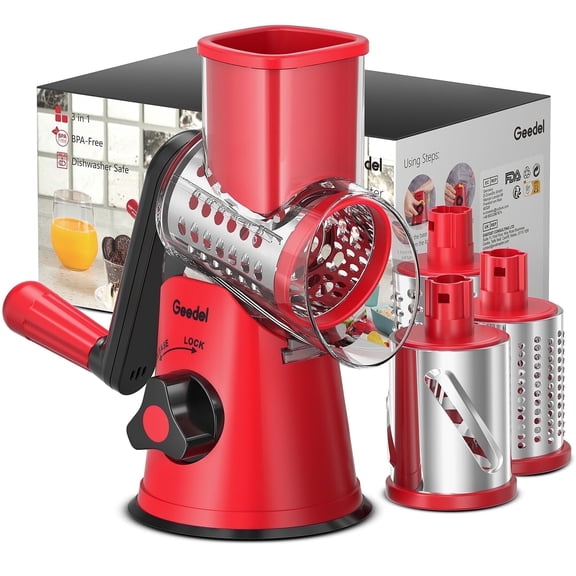
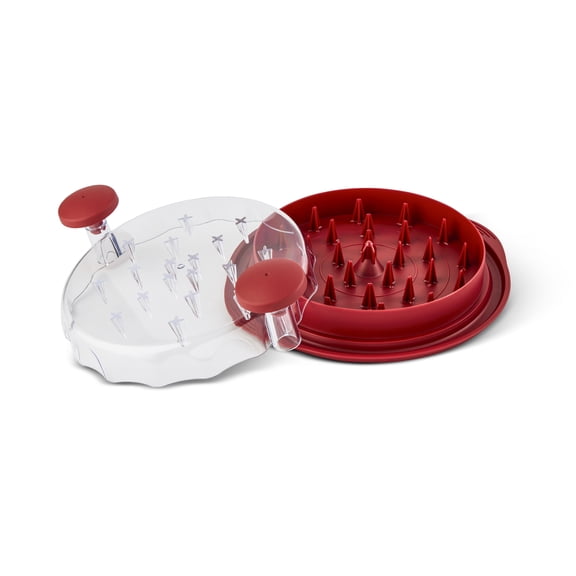
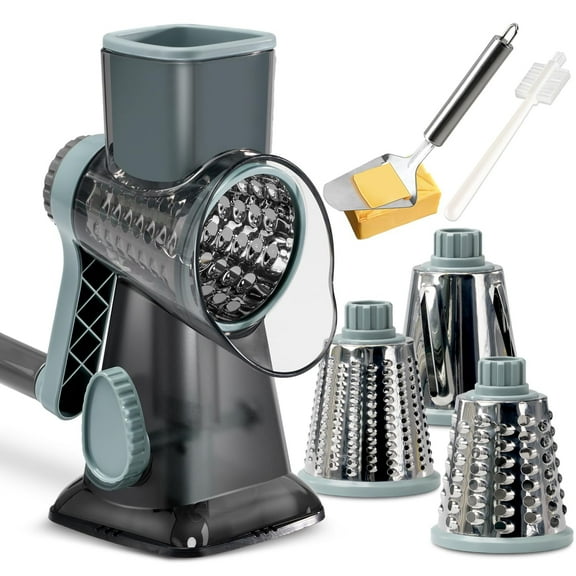
Rotary options keep ingredients moving through a drum for uniform results. They can be useful when youu're grating firmer cheese for pizza or pasta night.
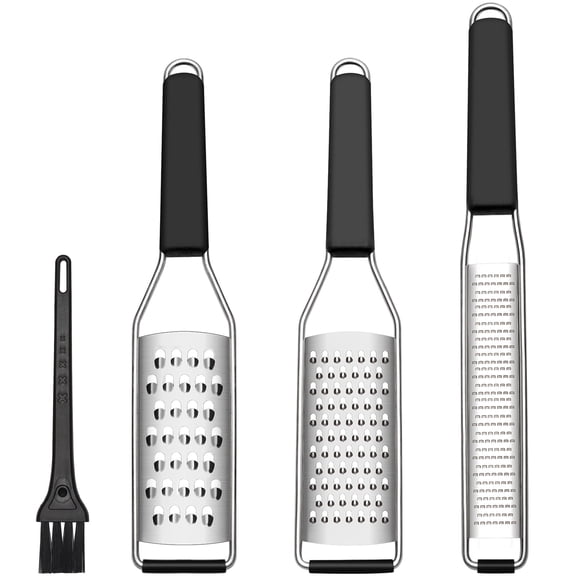
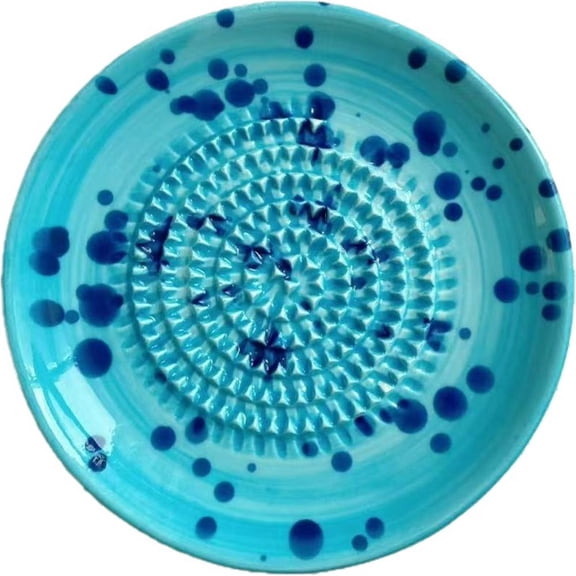
Surface pattern matters as much as shape. Coarse holes create broad shreds, medium holes support everyday prep, and etched fine blades produce lighter flakes.
Handle design also affects comfort and control. Look for non-slip grips, hanging loops, and stable bases that help the tool stay steady during use.
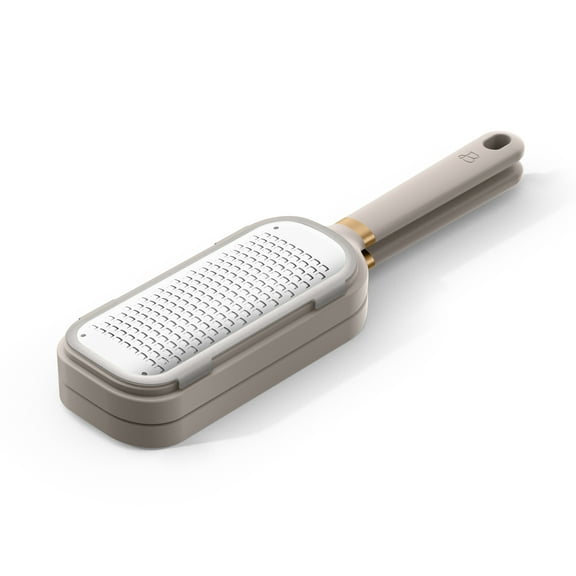
Some pieces include containers or catch trays under the blade. Those details help keep grated ingredients together when youu're working with smaller amounts.
Grater vs zester: key differences
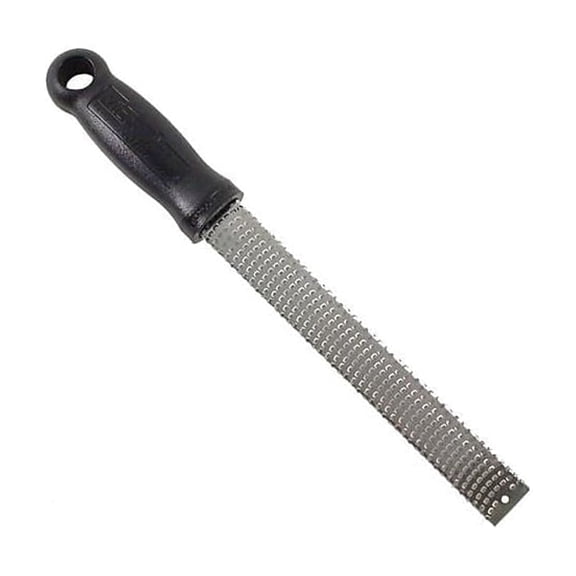
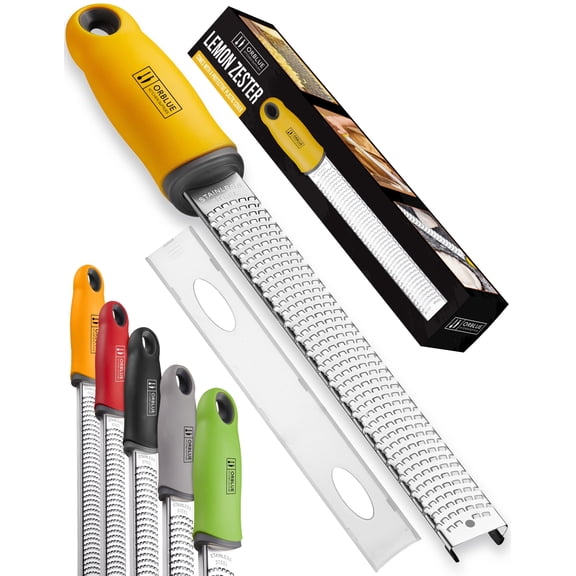
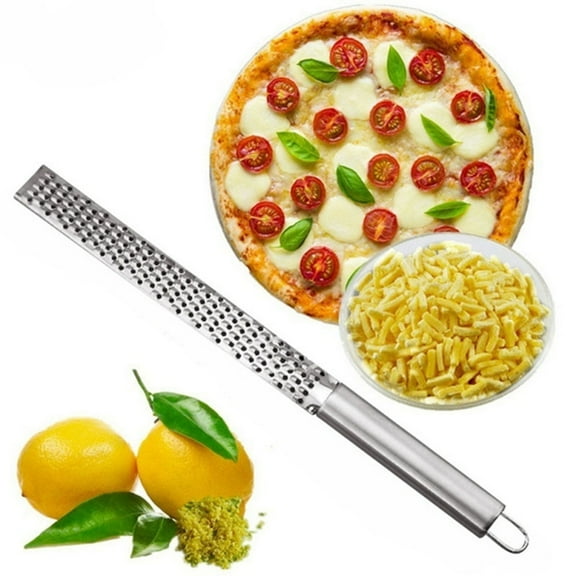
A grater usually handles cheese, vegetables, chocolate, and other foods that need shredding or fine flakes. A zester is designed for citrus peel and very fine aromatic ingredients.
That distinction matters when texture affects the final dish. A lemon zester creates thin strands of peel, while a standard grater can remove wider pieces.
For recipes calling for bright citrus flavor, a zester gives cleaner, narrower strips. For hash browns, coleslaw, or grated mozzarella, a grater is the more practical tool.
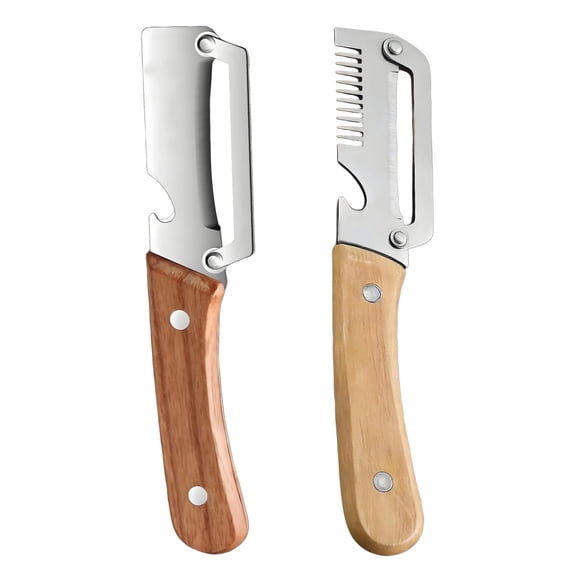
Some tools combine both functions in one body. That can be useful if you switch between pasta toppings, baking prep, and cocktail garnish during the week.
Keeping this difference in mind makes shopping easier. It also helps you choose the right blade for every food grate task in your kitchen.
Features that matter in a kitchen grater
Blade material influences consistency and upkeep. Stainless steel cutting surfaces are common because they stay sharp-looking and pair well with frequent kitchen use.
Frame size shapes how you work. Taller boxes can hold more volume over a board, while slim handheld styles fit drawers and smaller kitchens.
Base construction matters when youu're grating firmer foods. A wide base or foot helps stabilize the tool while you shred carrots, potatoes, or chilled cheese.
Cleaning design is another important detail. Open frames, detachable drums, and fewer tight corners can make post-cooking cleanup much simpler.
Youu'll also see specialty shapes for specific ingredients. Extra-fine rasp tools suit citrus and hard spices, while broad slicer panels help with cucumbers or firm vegetables.
If presentation matters, look at the shred pattern. Thin ribbons work for salad toppings, while shorter flakes suit casseroles, omelets, and baked pasta dishes.
How shoppers use graters every day
Weeknight cooks often need one tool that covers several tasks. A box grater can shred cheddar for tacos, grate onion for meatballs, and slice zucchini for sautés.
Bakers use fine blades for chocolate curls, citrus zest, and whole spices. Those smaller shavings distribute evenly through batters, frostings, and cookie dough.
Pasta night calls for different textures depending on the cheese. Hard cheeses like Parmesan often need a finer grate, while mozzarella usually works with larger holes.
Prep for salads and slaws often benefits from medium or coarse shredding. Cabbage, carrots, radishes, and cucumbers keep appealing texture with the right surface.
Entertaining brings another use case. A handheld grater for food lets you finish garlic over crostini, grate nutmeg over drinks, or add citrus peel at serving time.
Smaller kitchens may favor narrow tools that tuck into a drawer. Larger households may prefer multi-sided pieces that cover several prep jobs without extra gadgets.
Graters also work well when you want fresh ingredients instead of pre-shredded options. The texture can feel lighter, and the ingredient stays closer to your intended cut.
With the right design, you can move from lemon zest to cheese shreds to chocolate flakes using the texture each dish calls for. That makes prep cleaner, faster, and more precise.