

Gas Fireplace Logs | Propane & Natural Gas Sets















About Gas Fireplace Logs | Propane & Natural Gas Sets - Walmart.com
Gas fireplace logs help you update your hearth with steady flame control and a built-in look. You can compare fuel type, venting style, controls, and sizing before you choose a set.
If you want fireplace gas logs for a living room, den, or finished basement, you’ll want clear guidance first. You can use this guide to compare indoor gas fireplace logs with the features that fit your firebox.
Where do I find gas fireplace logs for my home?
You can find gas fireplace logs on Walmart.com with options for shipping, pickup, and convenient delivery. If you’ve searched where to buy gas fireplace logs, you can narrow choices by fuel, venting, and control style.
Because your fireplace opening and fuel hookup matter, you should compare the details before you order. You’ll make a more informed pick when you check firebox measurements, burner type, and ignition method together.
How to choose gas fireplace logs by fuel type
You should start with fuel compatibility because your set must match your existing hookup. You’ll usually choose between natural gas and lp gas fireplace logs for a proper fit.
If your home has a fixed gas line, you may need a natural gas set with the right burner setup. If your hearth uses a tank connection, you may prefer propane gas logs or liquid propane options.
- You can match your log set to natural gas or liquid propane connections.
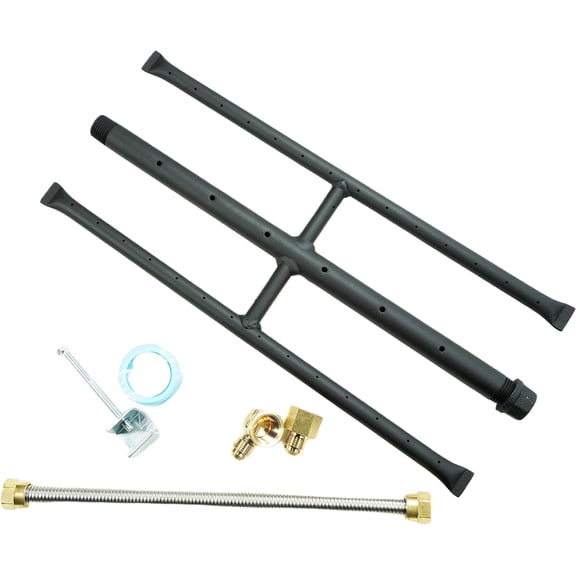
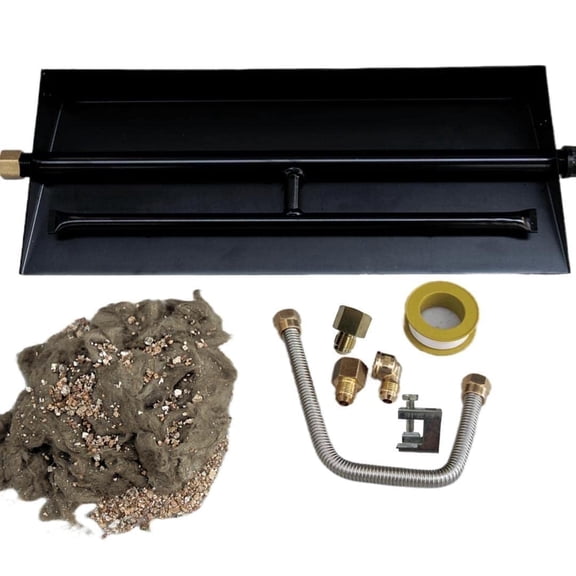
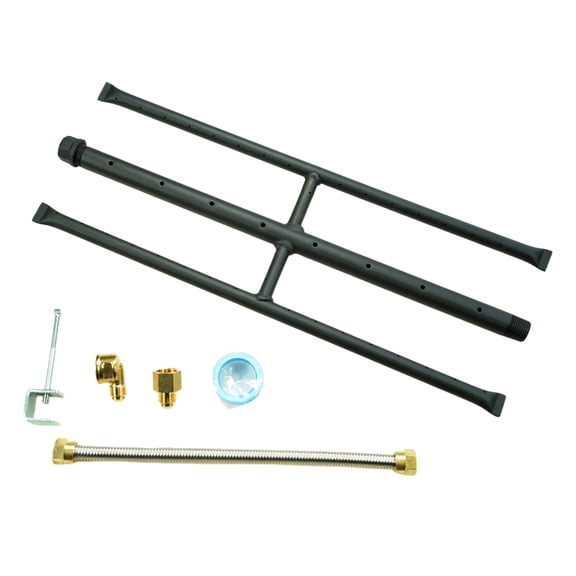
- You can compare burner kits designed for steady indoor fireplace use.
- You can choose fuel-specific sets that align with your existing setup.
- You can review pickup and delivery availability when you want convenient access.
When you compare fuel types, you should also review control compatibility and installation space. You’ll avoid guesswork when you choose a burner and log set designed for the same fuel source.
Choosing vented or vent-free indoor gas fireplace logs
You should compare vented and vent-free styles because each one fits a different fireplace setup. You’ll usually need to check whether your firebox and chimney support the style you want.
With vented sets, you can create a flame presentation that works with an open chimney. With vent-free or unvented sets, you can focus on a setup designed for approved enclosed applications.
You should read the product details closely because clearance needs differ by venting style. You’ll want to measure width, depth, and height so your logs and burner fit your firebox correctly.
If you’re replacing older fireplace gas logs, you should compare your current venting style before switching. You can keep your project straightforward when your new set matches your fireplace design.
Comparing control types and ignition options
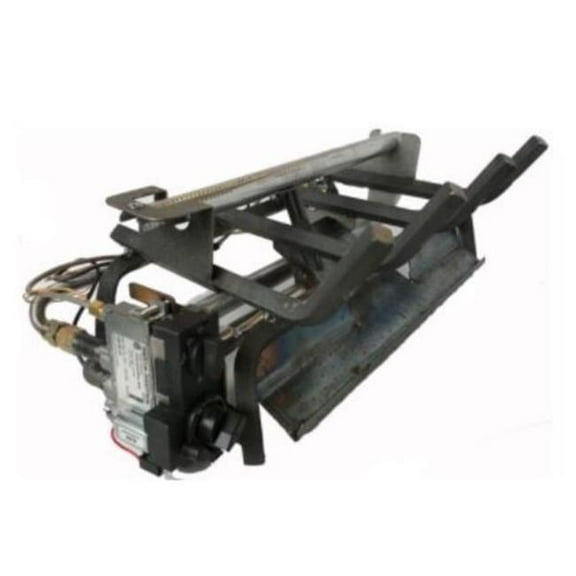
You can choose manual, remote control, wall switch, or millivolt options based on how you use your room. You’ll notice each control type changes how quickly you start and adjust your fire.
If you want simple operation, you may like a manual set with straightforward controls. If you want added convenience, you may prefer gas fireplace logs with remote functions from the sofa.
You should also compare ignition styles with your daily routine and room layout. You’ll appreciate a wall switch or millivolt setup when you want dependable on-and-off control.
For family rooms and primary living spaces, you may want a remote option for convenient everyday use. For occasional use, you may find a manual setup fits your needs without extra complexity.
What log materials mean for your fireplace
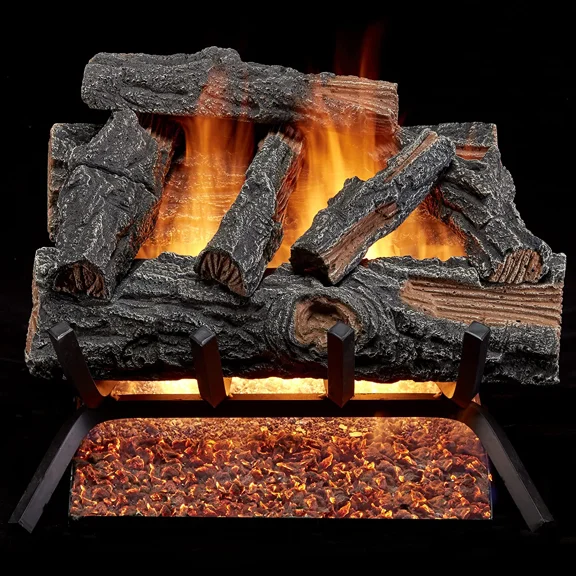
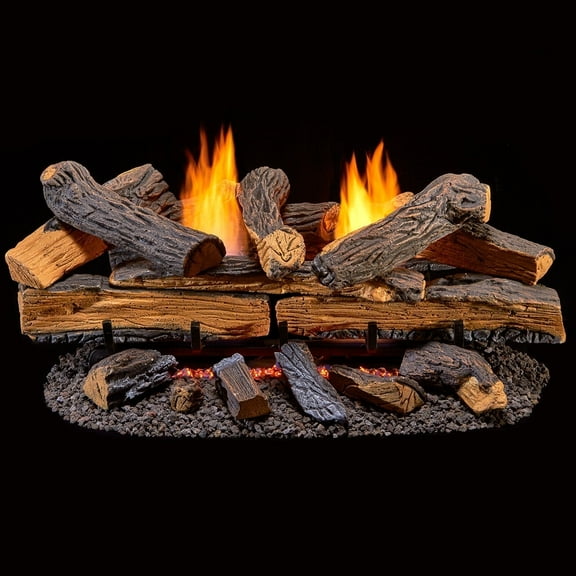
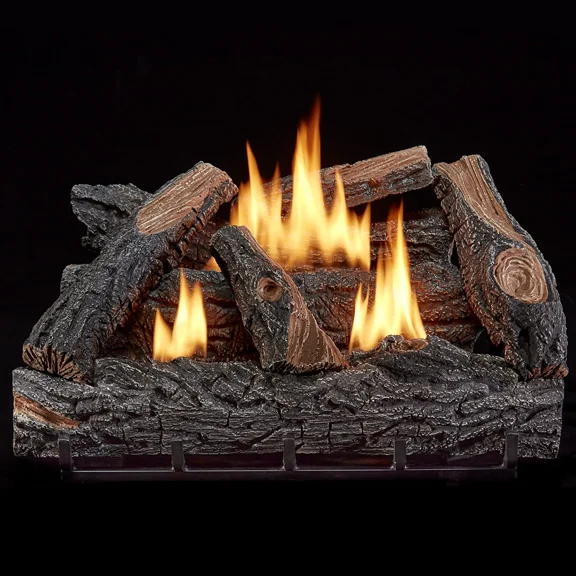
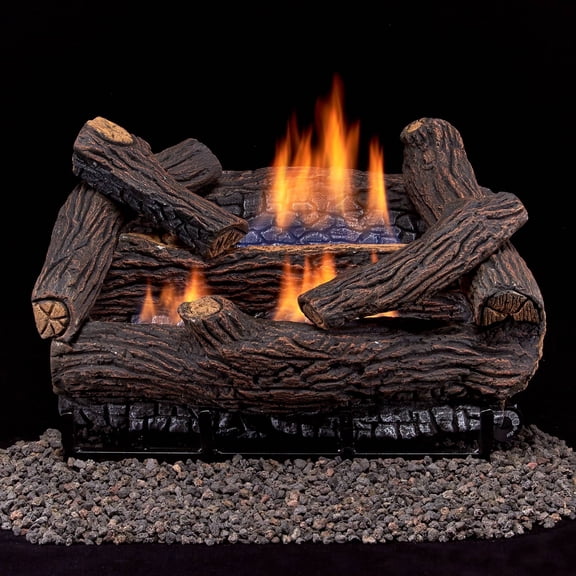
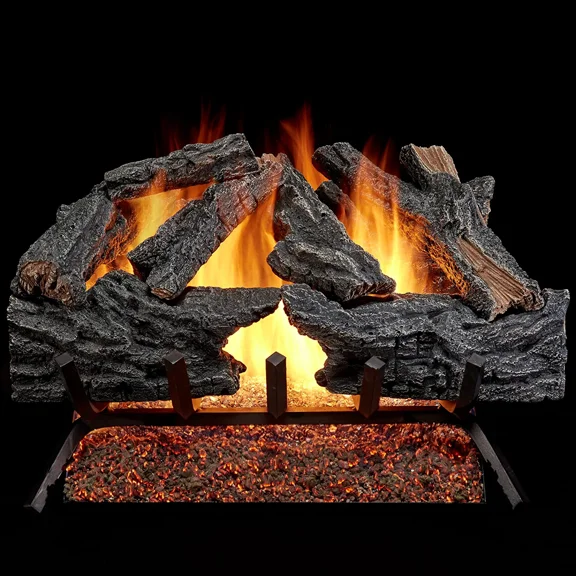
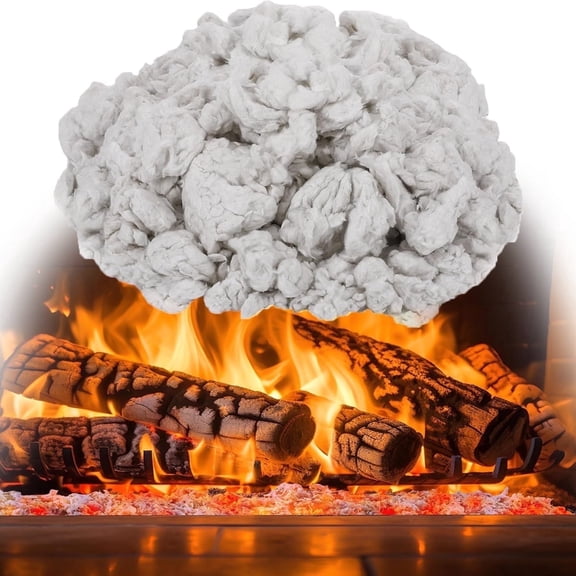
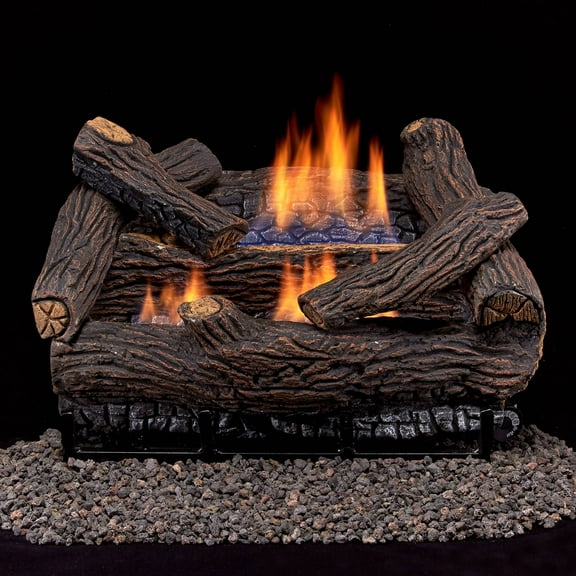
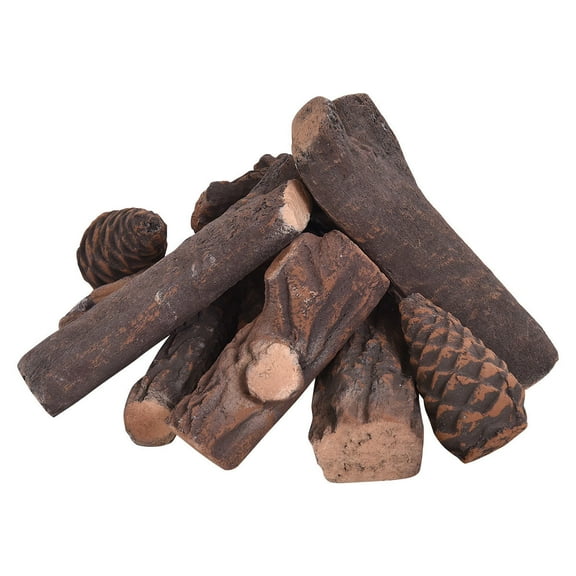
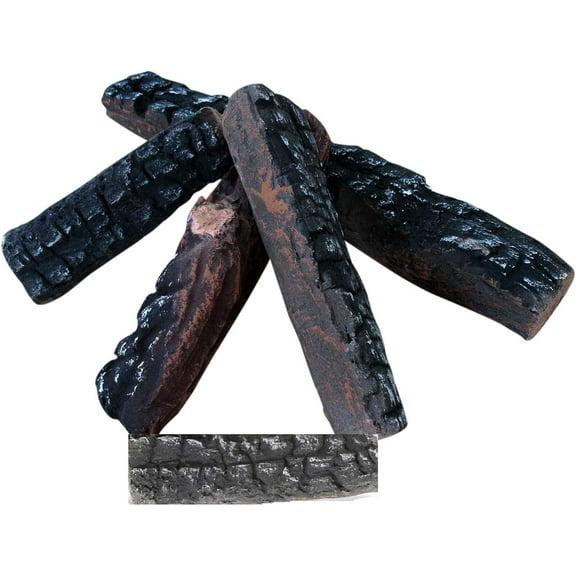
You should compare log materials because appearance and texture can vary across sets. You’ll commonly see ceramic fiber, refractory clay, and ceramic concrete in gas log sets.
If you want a lighter set, you may look at ceramic fiber logs with molded bark details. If you want a denser feel, you may compare refractory clay or ceramic concrete constructions.
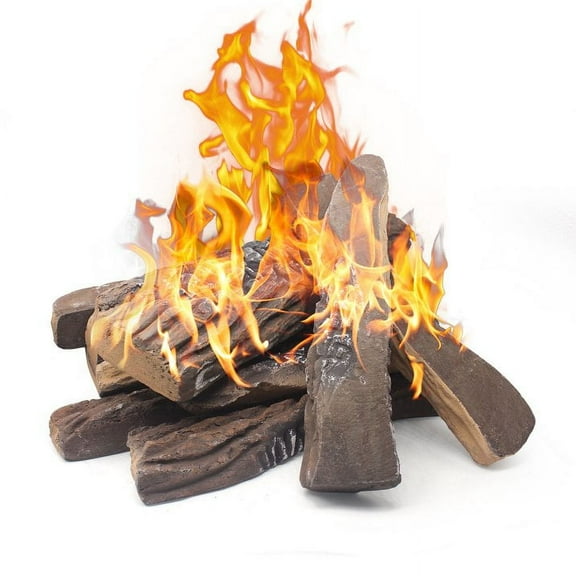
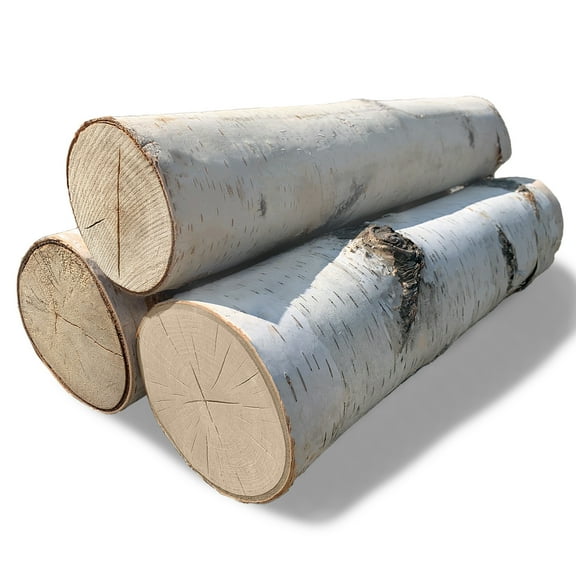
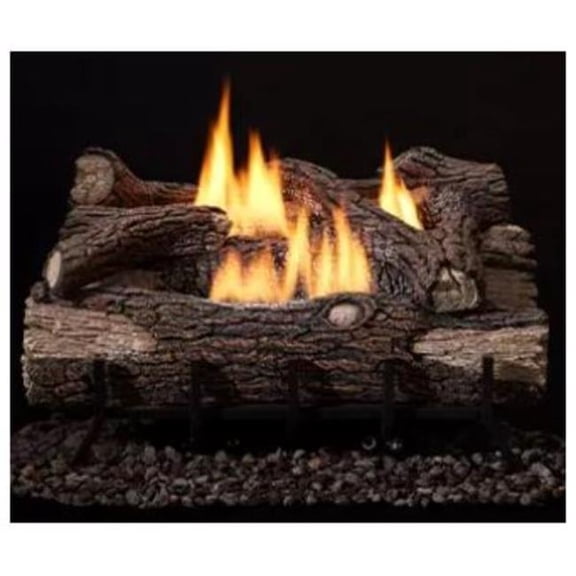
You can use material differences to narrow the look you want in a traditional or rustic hearth. You’ll also want to compare the number of logs and the shape of the stack.
Using firebox size to choose the right set
You should measure your firebox before you choose because size affects fit and flame presentation. You’ll want the front width, rear width, depth, and height before you compare sets.
If your fireplace opening is compact, you may need a smaller burner and shorter logs. If your hearth is wider, you may want a fuller arrangement with more visual coverage.
You should check sizing charts alongside burner recommendations for a highly useful comparison. You’ll reduce returns when your measurements match the listed fit range.
Matching gas log sets to real rooms and routines
If you’re updating a formal living room, you may want vented gas fireplace logs with realistic detailing. You’ll often pair that look with a remote or wall switch for convenient everyday use.
For a den or finished basement, you may focus on indoor gas fireplace logs that match your existing hookup. You can compare natural gas and propane options based on the fuel already available.
If convenience matters most, you may look for gas log sets with remote operation and delivery options. You’ll address the same intent behind searches for gas log sets near me without sacrificing flexibility.
When you want dependable fit, you should compare fuel type, venting, controls, and materials in one pass. You’ll feel more confident when your chosen set aligns with your fireplace and your routine.
Gas fireplace logs work effectively when you match the set to your fuel source, firebox size, and control needs. You’ll get a straightforward selection process and a fireplace setup that looks right from the start.