

Gang Boxes in Electrical Boxes







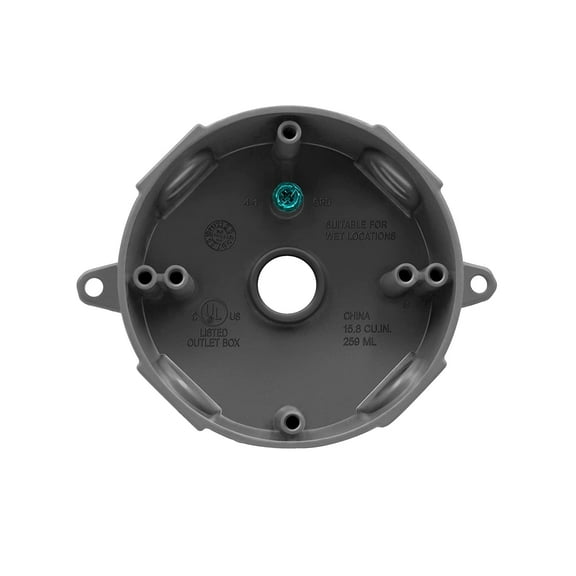

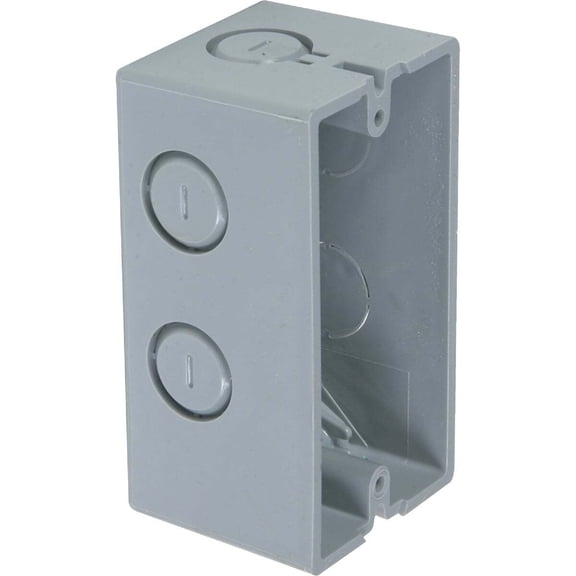
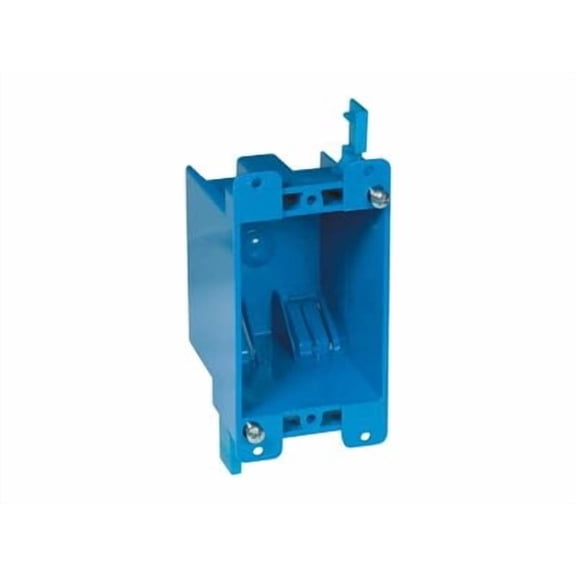

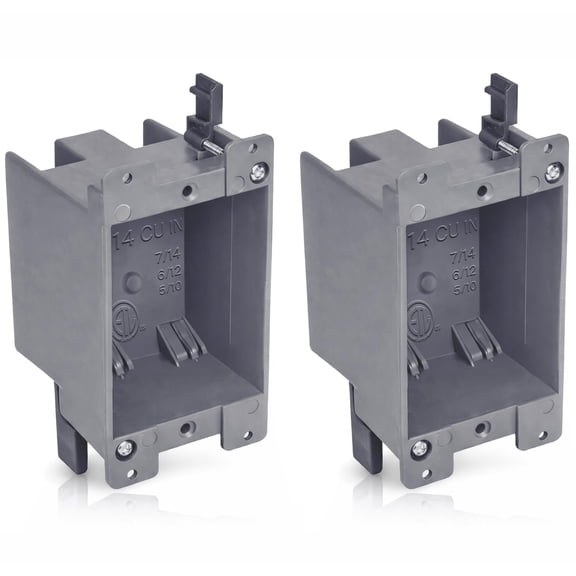















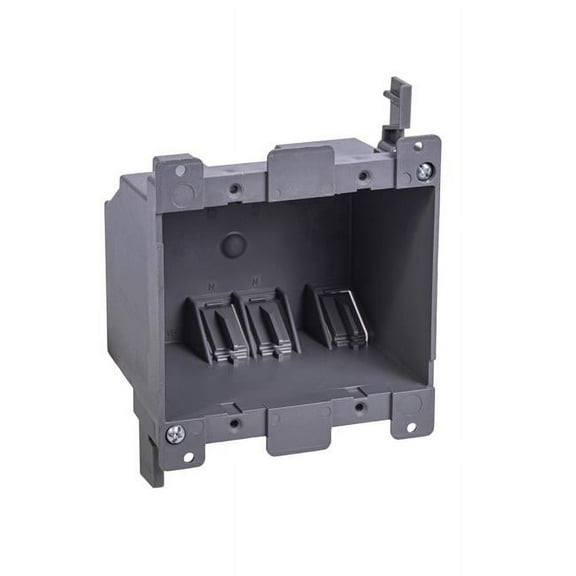
About Gang Boxes in Electrical Boxes - Walmart.com
Gang boxes help you match outlets, switches, and wiring to your wall type and installation plan. You can compare material, gang count, mounting style, and box depth to fit your project.
If you're replacing one switch or planning a multi-device layout, you need guidance that matches real electrical work. You can use these decision points to narrow options efficiently and choose a box that fits your space.
How to choose gang boxes for your project
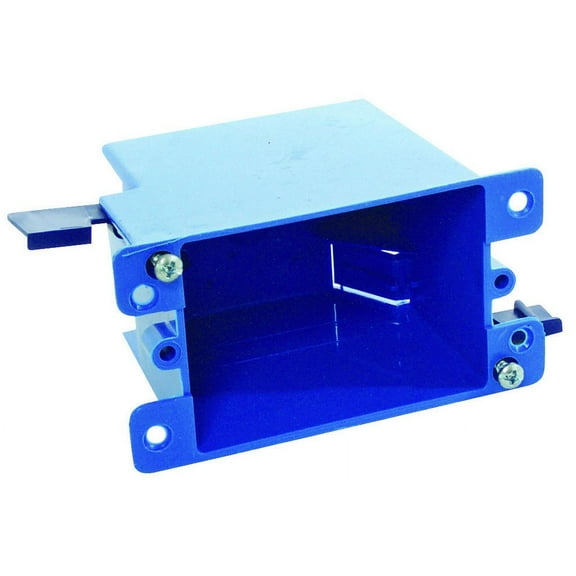
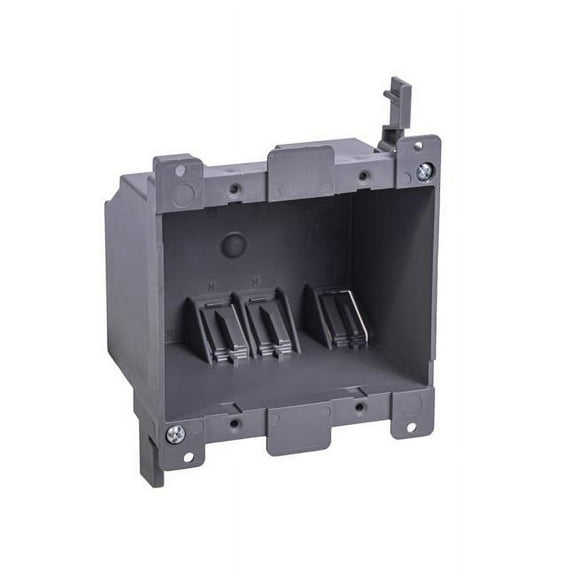
You should start with the number of devices your wall opening needs. A one-gang box fits one switch or outlet, while a 2 gang electrical box fits two devices side by side.
When your layout includes more controls, you may need three-gang or multi gang electrical box options. You can keep your cover plate aligned when your gang count matches your planned device layout.
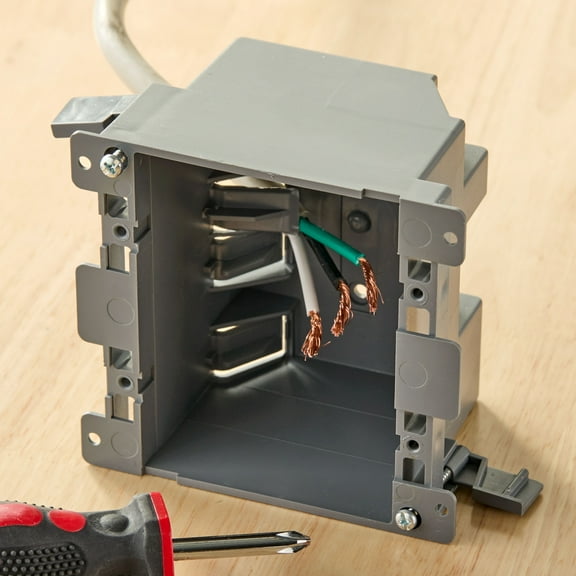
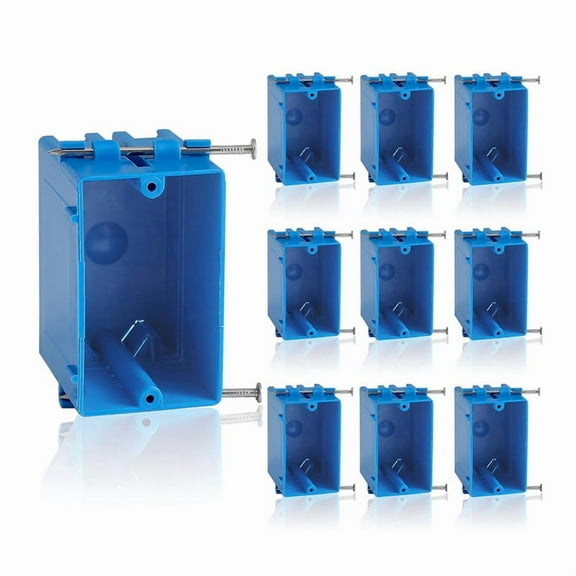
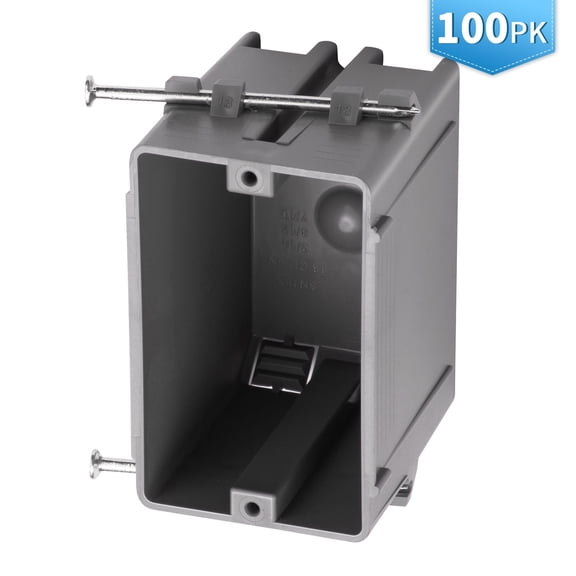
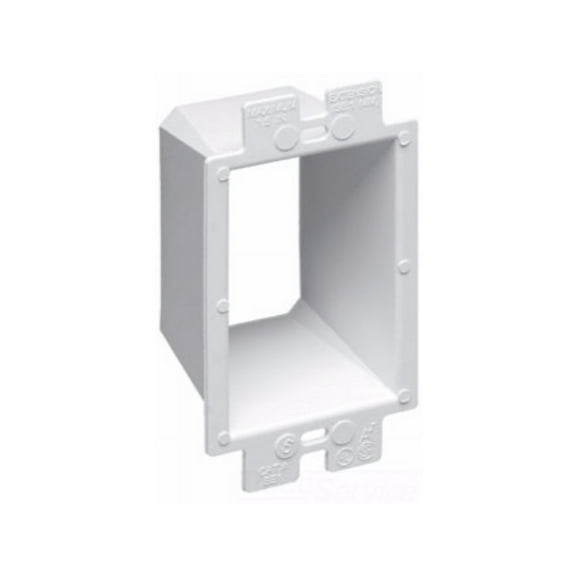
You should also check whether your job is new work, old work, or retrofit. New work boxes attach to framing before drywall, while old work styles usually use drywall clamps.
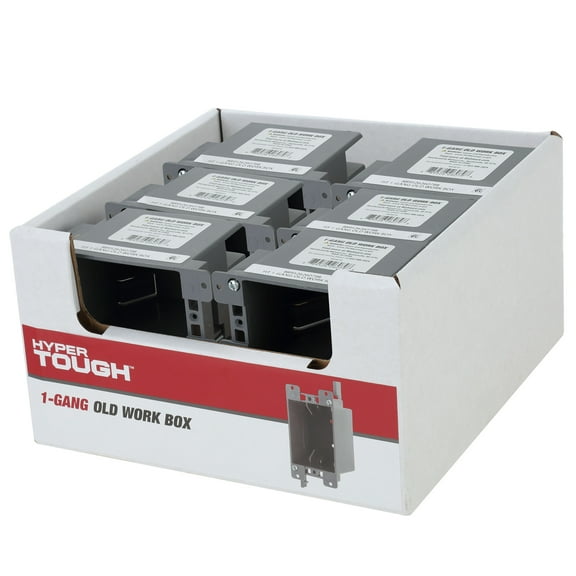
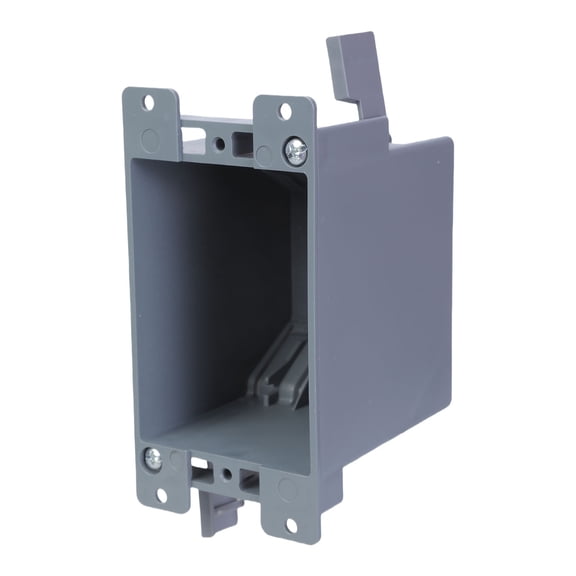
If you're updating an existing room, your old work selection can simplify installation inside finished walls. You can often avoid extra wall changes when your mounting type matches the job stage.
Comparing electrical gang boxes by material
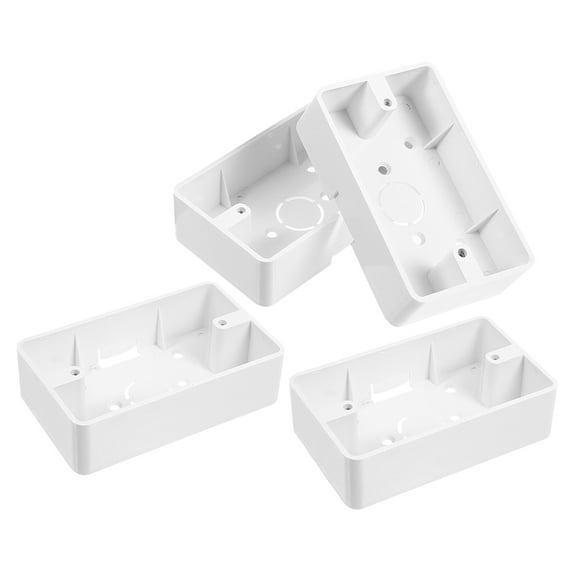
You can choose electrical gang boxes in plastic, PVC, metal, or steel, depending on your wiring method and wall environment. Plastic options can suit many indoor branch circuit projects where nonmetallic cable is common.
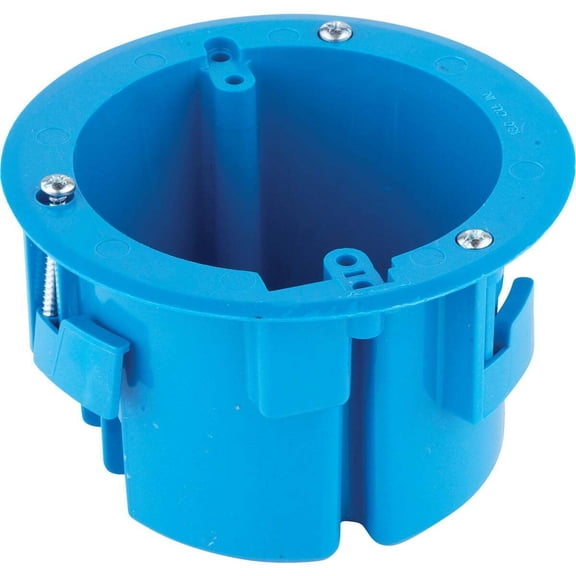
If you're considering a plastic gang box, you may prefer lighter weight and built-in cable clamps. You can often use plastic styles when your installation calls for nonmetallic cable and a nonmetal box.
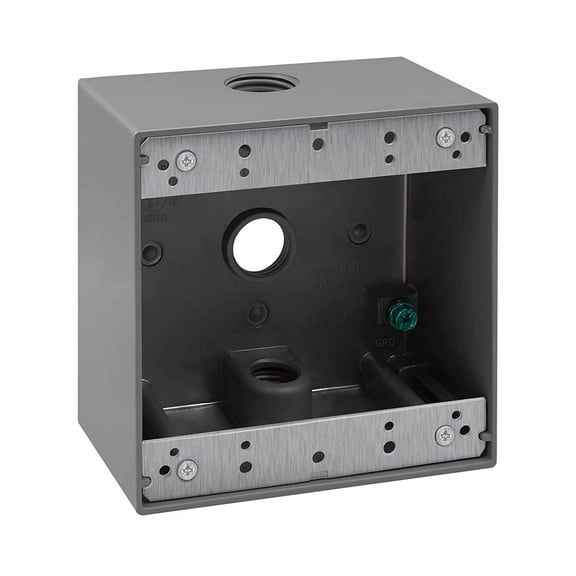
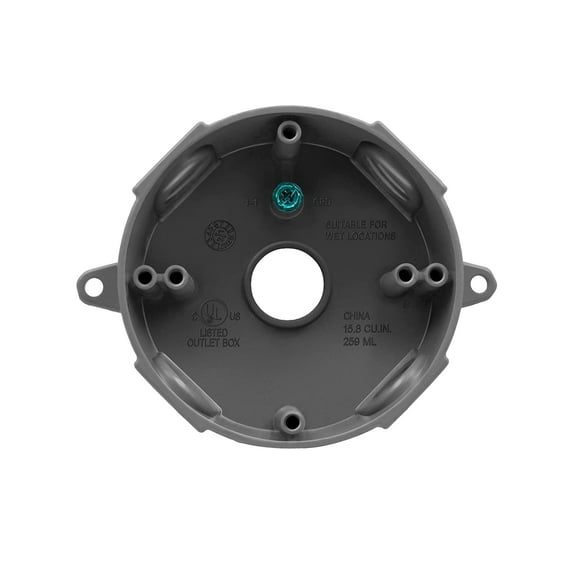
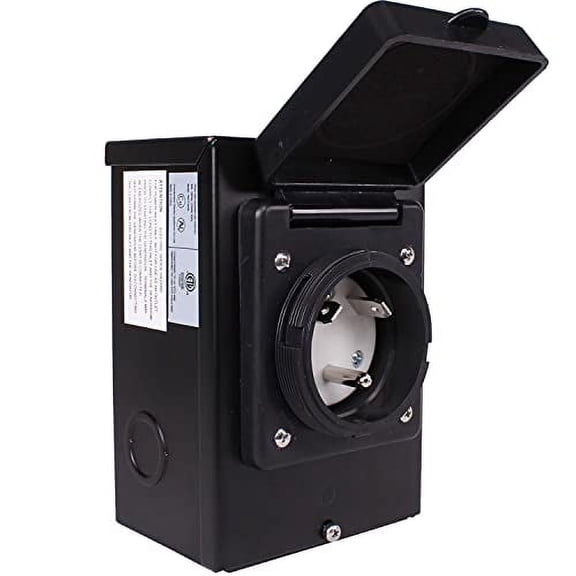
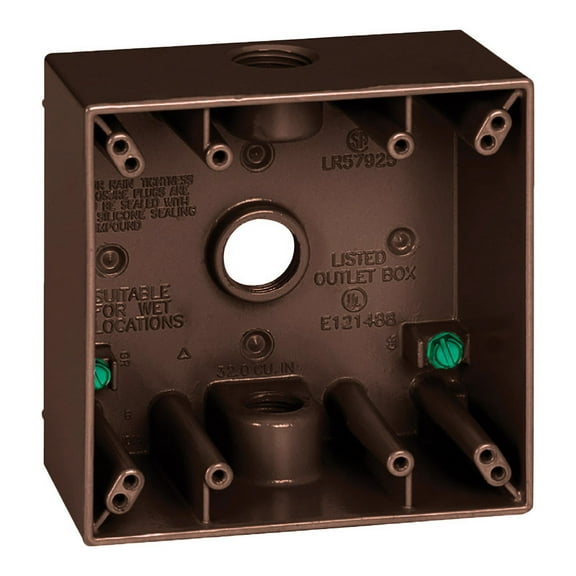
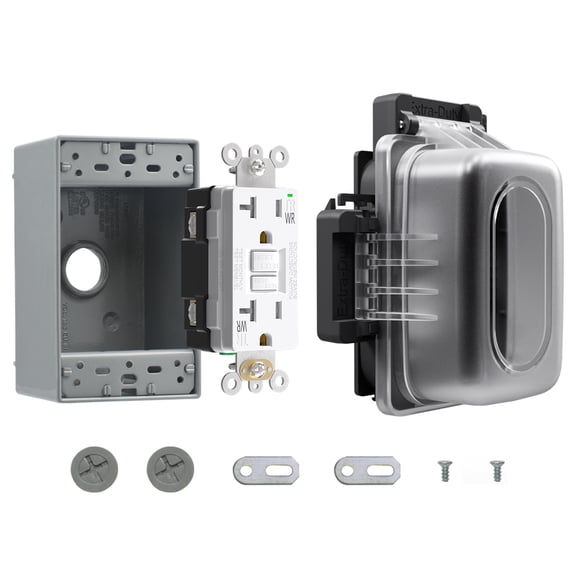
You may choose metal gang boxes when you need a durable box for conduit runs or armored cable setups. Metal gang boxes can also support grounding paths when your installation requires a bonded metal enclosure.
Because grounding details matter, you should check your wiring method before choosing metal or plastic. You can use that step to match the box material to your project requirements and hardware.
- You can match plastic or PVC boxes to many nonmetallic cable installations.
- You can choose metal or steel boxes for conduit, armored cable, or demanding jobsite conditions.
- You can select the right gang count for one device or a larger switch bank.
- You can compare shallow, standard, and deep boxes based on wire volume needs.
- You can pick new work or old work mounting styles to fit your wall stage.
What to look for in box depth and capacity
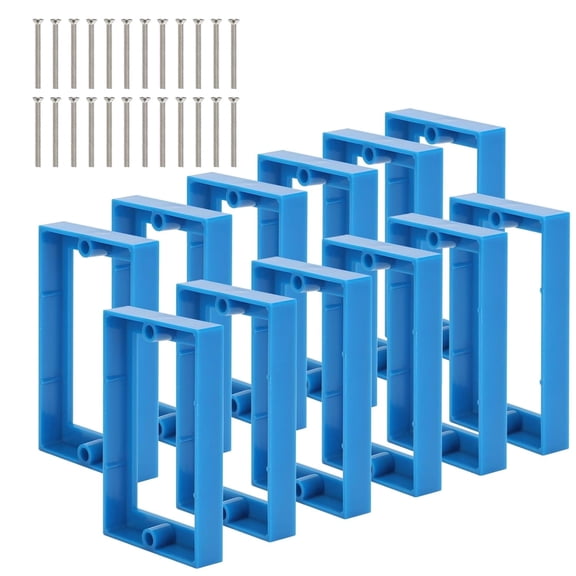
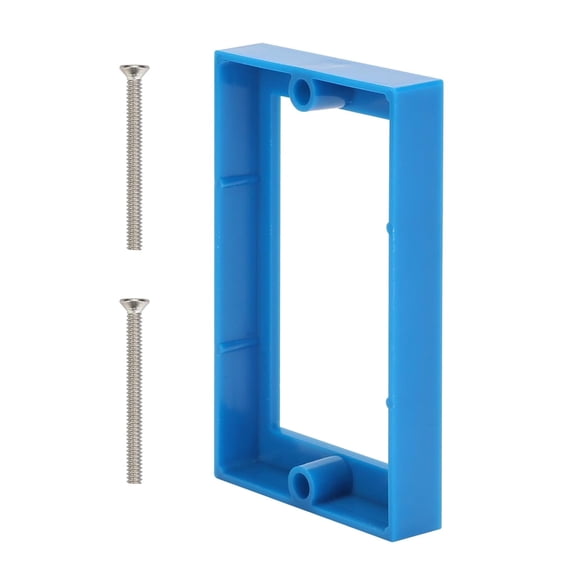
You should measure more than the wall opening when you compare gang boxes. Box depth affects how much room you have for conductors, connectors, and device bodies behind the cover plate.
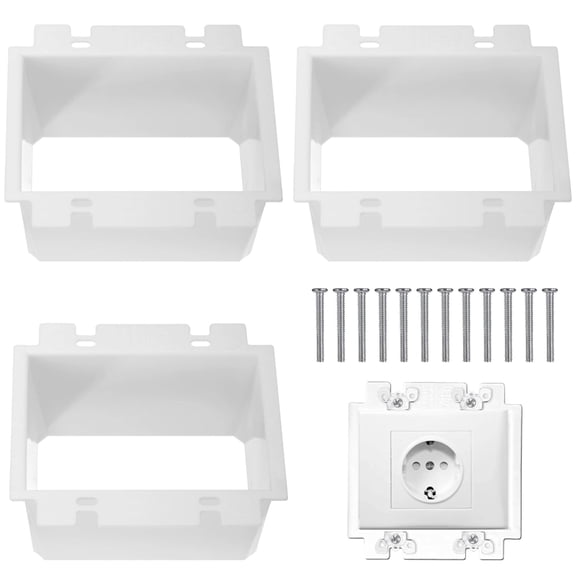
If your wiring setup includes more conductors, a deep electrical box can give you extra interior space. You can reduce crowding when your box volume fits the number of wires and devices.
Shallow boxes can help when wall cavities are tight or surface conditions limit depth. You should still confirm that your selected depth supports your planned device and wiring count.
Standard-depth options work for many common switch and outlet jobs in finished rooms or new builds. You can compare dimensions carefully when you need room for dimmers, smart switches, or heavier wiring bundles.
Because capacity affects layout, you should review product dimensions before you choose a cover plate or device combination. You can avoid fit issues when your box depth supports the components you plan to install.
Matching gang boxes to real installation scenarios
If you're wiring a basic bedroom switch, you may only need a one-gang box with the right mounting type. You can keep the project straightforward by matching the box to one device and your wall condition.
When you're placing a switch and receptacle together, a 2 gang electrical box can support that paired layout. You can create a clean finish when your device spacing matches your wall plate.
If you're building a kitchen backsplash control area, a multi gang electrical box can group several switches in one location. You can keep lighting and fan controls organized with the correct gang count.
For new construction, you should look for boxes with brackets that fasten to studs before drywall goes up. You can position device height easily when you set the framing attachment first.
During a remodel, you may need old work or retrofit boxes that secure through the drywall opening. You can update an outlet or switch location without opening the whole wall cavity.
If you're running conduit in a garage, basement, or utility area, you may lean toward metal gang boxes. You can pair the enclosure type with your wiring method for a suitable installation setup.
When your wall has limited depth, you should compare shallow options against your device body size. You can prevent cramped placement by checking both box dimensions and the device profile.
Choosing the right electrical gang boxes with confidence
You can narrow gang boxes quickly when you compare material, gang count, mounting type, and depth in that order. Your project gets a clean fit when each box matches your wiring method, wall stage, and device layout.
With the right electrical gang boxes, you can support a neat installation and a cover plate that lines up correctly. You also get the box capacity your switches, outlets, and conductors need.