

French Press in Coffee Shop
























About French Press in Coffee Shop - Walmart.com
Your french press choice should fit how you brew, pour, and clean each day. You can compare material, size, insulation, and filter design for a smoother coffee routine.
If you want a french press coffee maker that feels easy to use, you should start with daily habits. You’ll narrow your options faster when you match capacity and materials to your routine.
How to choose a french press
When you choose a french press, you’re deciding how much coffee you brew and how long it stays warm. You’ll also want a brewer that fits your counter space and cleanup style.
A french press coffee maker gives you control over steep time and strength. You can press grounds after brewing, which helps you get a rich cup without paper filters.
Choosing between glass french press and stainless steel french press
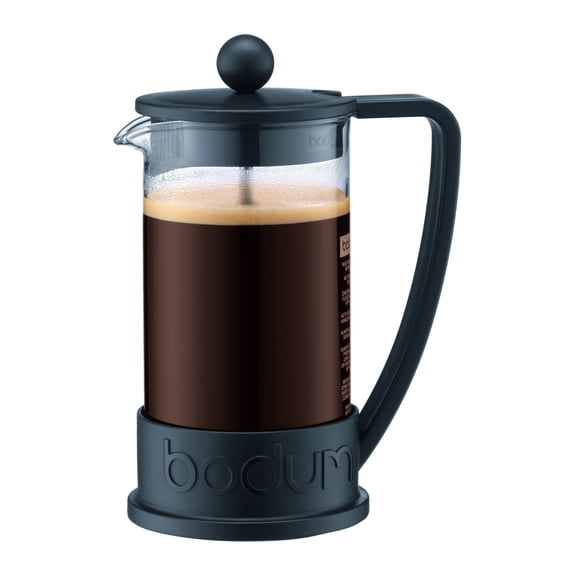
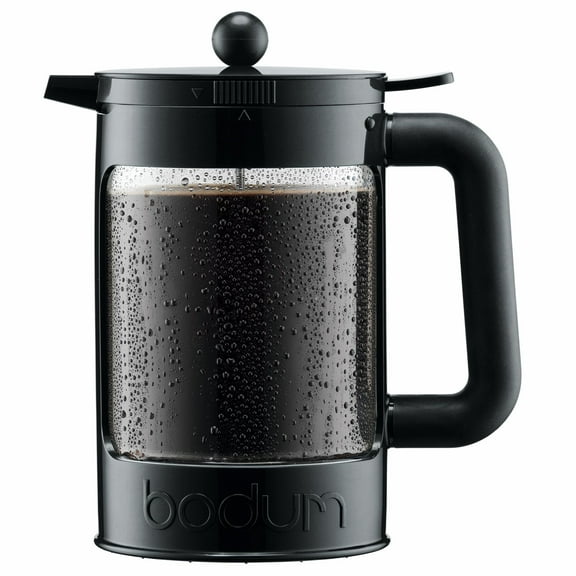
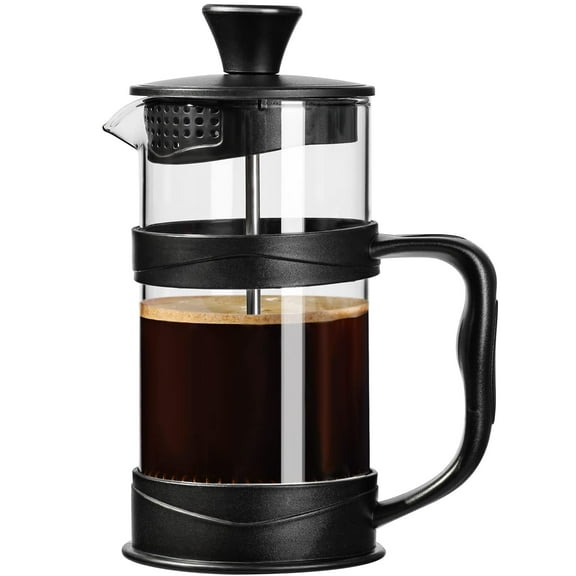
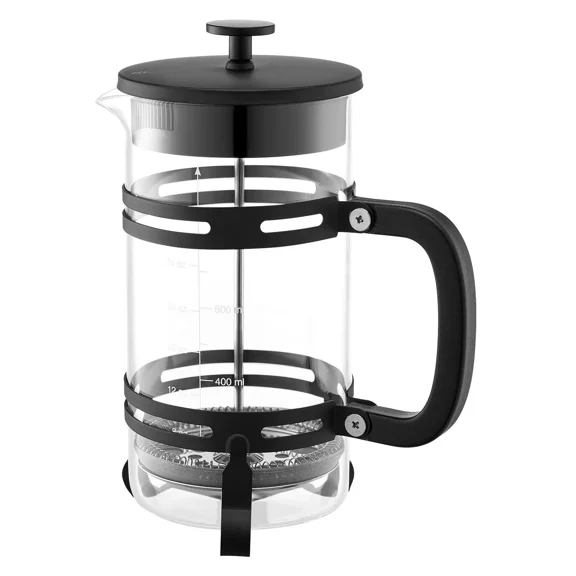
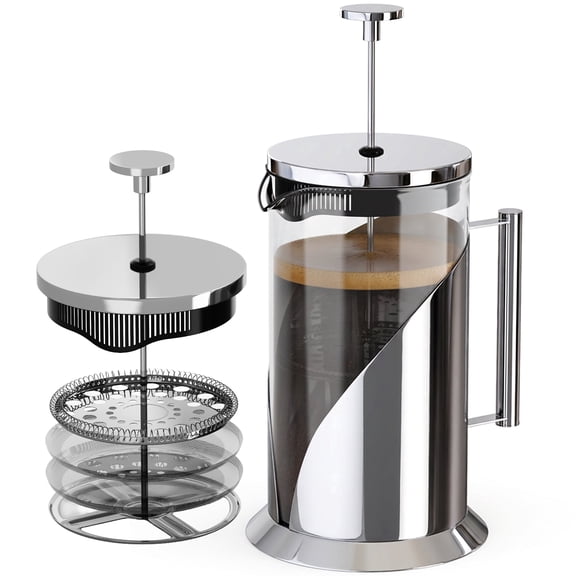
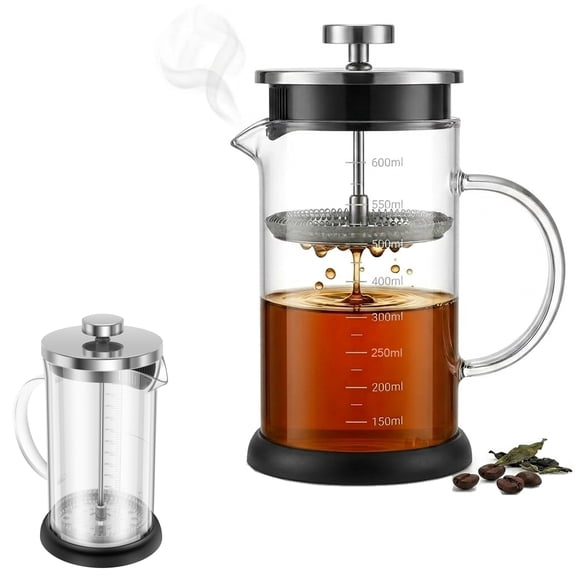
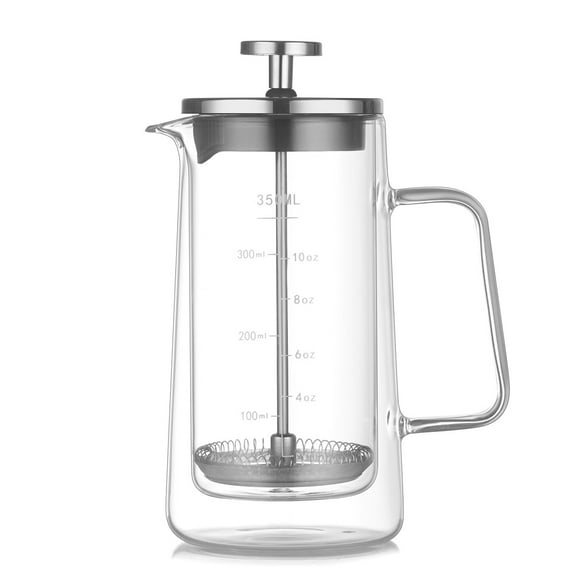
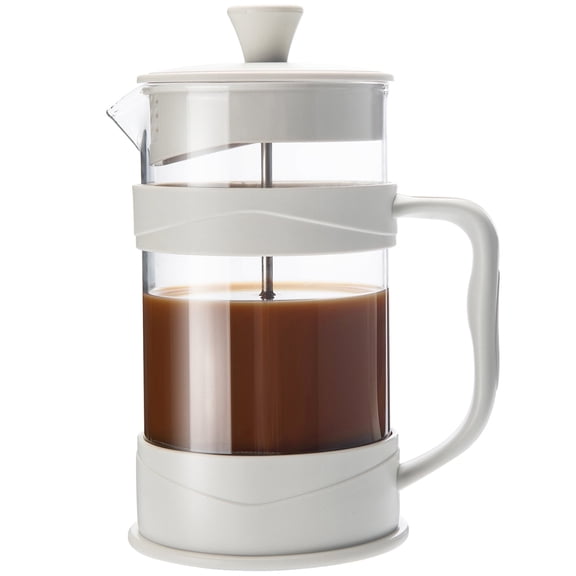
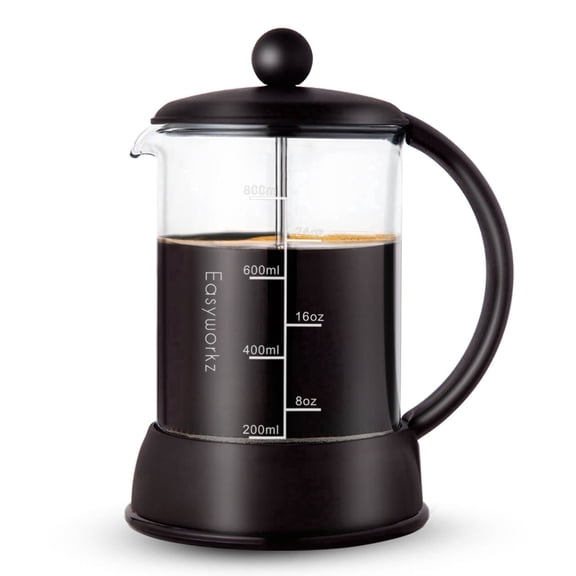
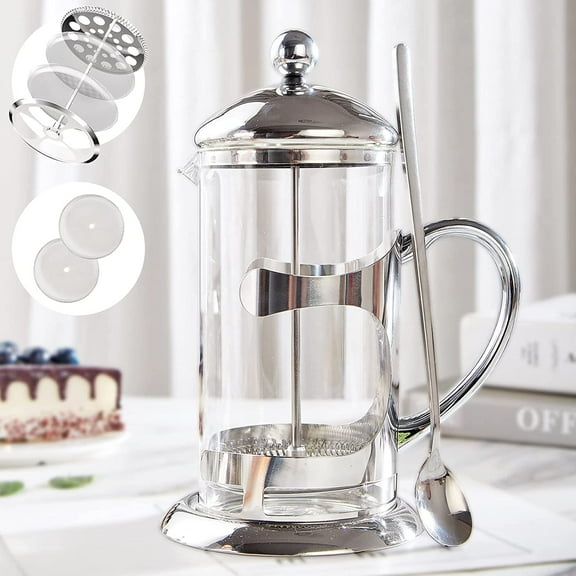
If you like seeing your coffee brew, you may prefer a glass french press with a clear carafe. You can watch color develop, which helps you judge timing during steeping.
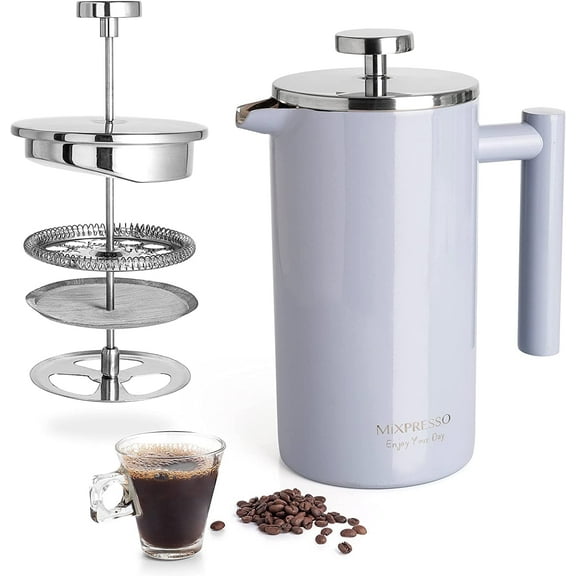
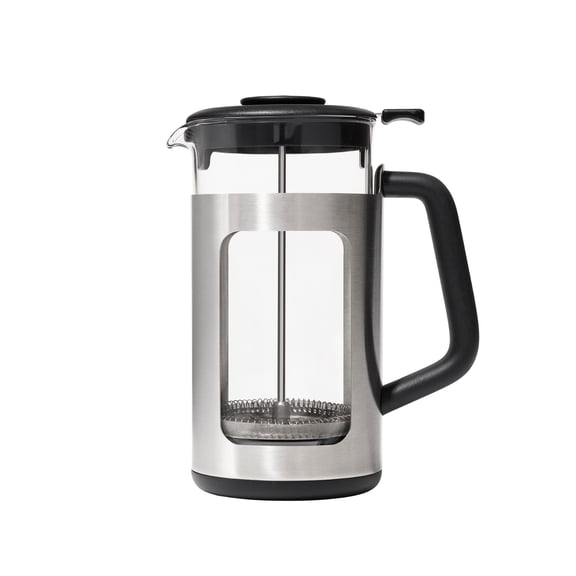
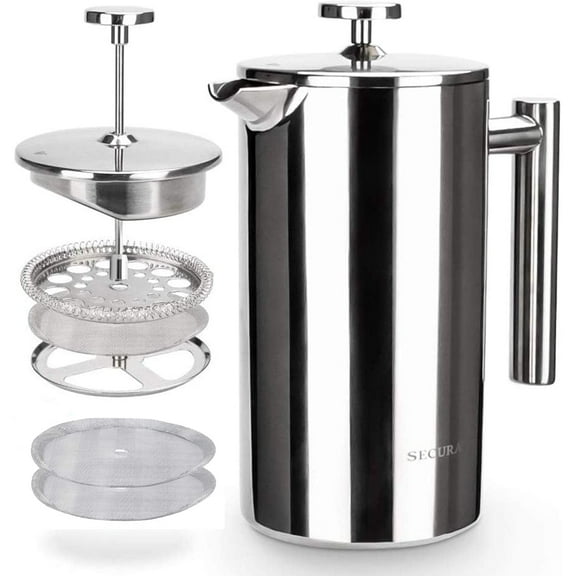
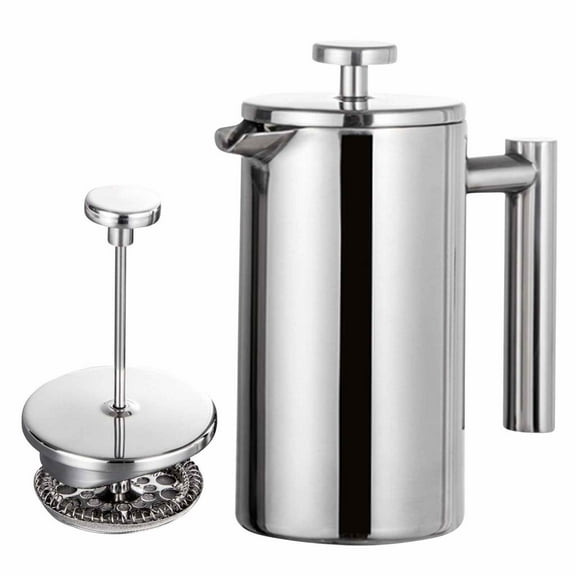
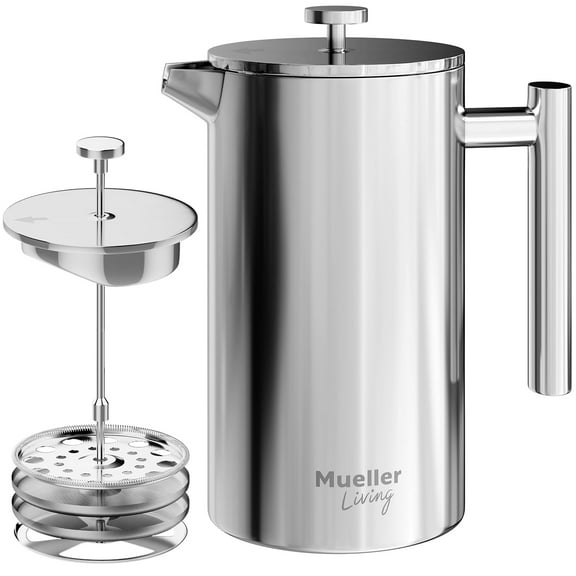
If you want longer heat retention, you may compare a stainless steel french press with a glass model. You’ll usually get a sturdier body that suits busy mornings and repeated use.
Stoneware gives you another material option with a ceramic-style look and feel. You may choose it when your counter setup calls for a solid, substantial brewer.
- You can choose glass when you want brewing visibility and a classic coffeehouse look.
- You can choose stainless steel when you want durability and warmer coffee during longer breakfasts.
- You can choose stoneware when you want a heavier feel and a distinctive tabletop style.
Wall construction matters too, especially if you sip slowly. You may compare single wall and insulated french press designs to see how quickly coffee cools.
A single wall body often feels lighter and simpler to handle. A double wall design helps your brewed coffee stay warmer during breakfast or longer work sessions.
Choosing the right french press size
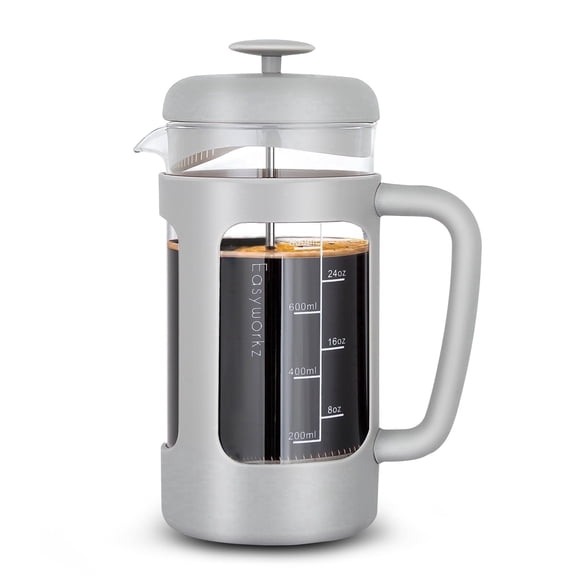
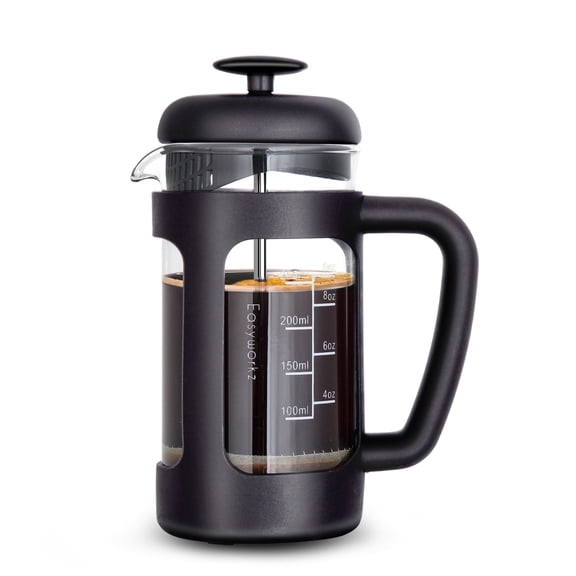
Capacity labels can feel confusing, so you should compare cup counts with fluid ounces before choosing. In coffee gear, one cup often means four ounces, not eight.
A small french press often starts around three cups, which equals about 12 ounces. You may like that size when you brew one mug or prefer fresh coffee each time.
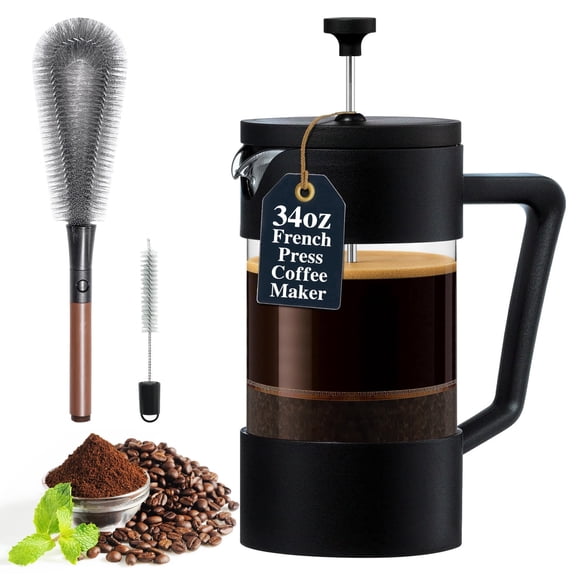
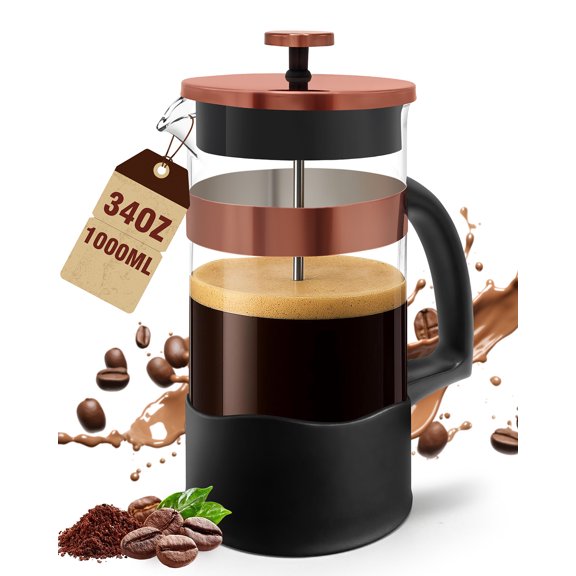
An eight-cup model usually holds about 34 ounces, which fits many daily routines. You can brew for two people or fill a travel mug and a smaller cup.
A 12-cup model often reaches about 51 ounces for larger batches. You may choose that size when you host brunch or pour several cups at once.
Actual yield depends on coffee grounds and headspace, not only the printed size. You should leave room for stirring and plunging, so your poured amount may be slightly lower.
What to look for in filter performance
Filter design shapes how much sediment reaches your cup. You should compare single mesh, dual mesh, and fine mesh options before you decide.
A single mesh filter gives you the standard french press experience with body and texture. You may notice a fuller mouthfeel, especially when you use a coarse grind.
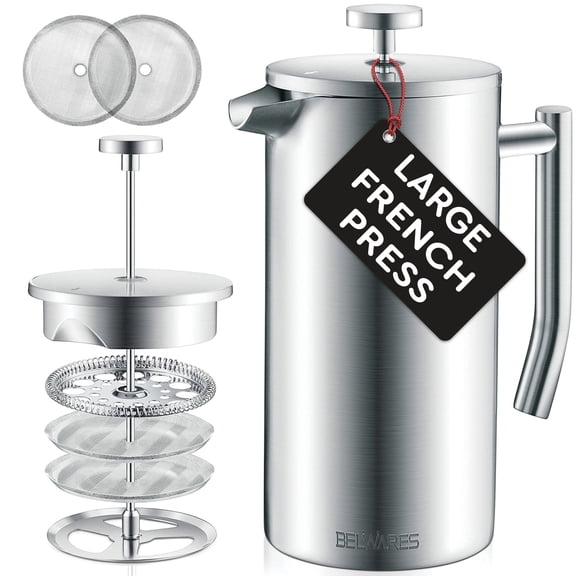
A dual mesh system adds another layer that helps catch smaller particles. You can choose it when you want a cleaner pour with less grit in the last cup.
Fine mesh filters can help reduce sediment further during pressing. If you care about cup clarity, you should check whether the filter lists tighter mesh details.
Micron ratings can help you compare how fine the mesh feels in use. You’ll usually want that detail paired with plain cleaning guidance and easy disassembly.
Grind size still matters with any brewer in this category. You’ll usually get clean results when you use coarse grounds that move evenly through the screen.
Checking cleanup and everyday handling
Cleanup can shape whether you reach for your brewer on busy mornings. You should compare dishwasher-safe parts, removable filters, and wide openings before you choose.
A wide carafe opening helps you rinse out grounds with less fuss. You may also find disassembly easier when the plunger stack separates into simple parts.
Some brewers fit neatly into a weekday routine because the filter unscrews quickly. Others may need hand washing, which you should consider before buying.
If you brew often, you may prefer a design that wipes clean without extra tools. You can also compare handles, lids, and spouts that help you pour with less dripping.
Matching your french press to real routines
If you brew one mug before work, you may want a small french press with a single wall body. You’ll get quick prep, easy storage, and a fresh batch each time.
If you linger over breakfast, you may prefer an insulated french press in an eight-cup size. You can pour one cup now and keep the rest warmer for a second serving.
If you share coffee at the table, you may look for a 12-cup model with dual mesh filtering. You’ll have enough volume for several pours and a cleaner finish in each cup.
If presentation matters in your kitchen, you may choose a glass french press for visible brewing. You can watch extraction happen and bring the carafe straight to the table.
If your routine includes travel mugs, you should check ounce capacity instead of the cup label. You’ll know faster whether the brewer matches your actual pour size.
If you’re building a complete coffee station, you may pair your brewer with fresh beans and a grinder. You’ll get more control over grind consistency, flavor, and daily prep.
Your ideal brewer depends on how much you make, how warm you like each pour, and how simple cleanup feels. When you compare those details closely, you can choose with less guesswork.