

MainstaysMy Texas HouseBetter Homes & GardensBeautifulBest Choice ProductsXueyuLINMOUAFoukusBloemSnugNitureDeromaFiasonLIFERECORDOrdivicVeradek OutdoorBUYMAXHello HobbyurorenteaMulty HomeUnbrandedExpert GardenerCostwayJngnaorBEMAYPlaidGarloyKING BIRDdifdanyCetiloxSPECSTARNana GuardEoozwaCCMAOLUSXUEGBamworldFabulasCheaparkGONICHALand guardstgrgfhyUforicBibanaPure GardenKetenEPFamilyLognanlaRobert AllenPeerlessHomallKidGeniusOutsunnyAtiliooXMMSWDLAGiannaGarden ElementsThe HC CompaniesDIIGABOBifanuoTopbuyKFFKFFDienrxSHIMELEZDWQFAYaconaKABBKeterGZGNEEVLRoot & VesselRIEDHOFFNIRHekfANSFILVEVORTowallmarkkingfansionNihsuaoTufmunbPutikeegEFISPSSSagebrook HomeVanslogreenHvmvlivFox Valley TradersNuVueBexikouThe Pioneer WomanFloraFairyDanolapsiKAMIDAJilgteokCreative Co-OpSouthern PatioFerry-MorseDrymateSDJMAGardzenNOBRANDFOMIYESBESTYASHOunonaLOLIPPYYELAYARDUxcellWEUVEBMilistenFENGGUIQUOuliiLuxshinyHONMEETRENACLIPYOFFIGAMAmosfunDEEPCRAFFacdancGenericCTIRCHIUTABLZONEHOOWIFFYMOKKHNBHemaKayyEtereautyLITINKIMIPhenoficeUPOUARTFUTUREORYYHAMPPLIESKAKOWELYSWETRACECOMPUKASHC CompaniesGETAJGHSDnicexmasNicehomfitFashionChaHEANUJJHEATSHAKINGWRITWAAPAMINGONOIUSUNOBOLEAIMIKEYAYWMJZEUIFANLANDORWESIEVYASOPOTUTUBaluueNICERIOHytrovePanaceaREOFLYUPUPGRATORYOSADIERToyandonaVosareaUonlytechCATIEBYEAlasumBPPEGHealiftyYUNLIGHTSCRILSTYLEORaindropsWRISTBIQUEFONDOTINTITINICELIFKOMEYardweCOOPHYANUOLUXAymzbdKONTONTYTIDYAMOGAXIRENIYANGLELABSERRONEgsiaanuMobestechDRAFIDEEPWHAMVOXMobutofuGOOHOCHYMoluckfuETHZZLEFUEENIRVAYangJING616XIBUFEPTOOTPXiangQWeXbleQinAURARMLETWASHWEPEHINTRMENTChina tigerspringFzaqwenBalconyBlissConcretti DesignsQSTDGVPWAsterOutdoorPOPETPOPDQQ153JUANCHENG













Indoor plantersOutdoor plantersShop pots & planters by sizeShop pots & planters by colorVeradek PlantersMy Texas House plantersBetter Homes & Gardens plantersMainstays plantersBeautiful by Drew plantersSelf-watering plantersRaised Garden BedsHanging plantersWindow boxesDeck & railing plantersPlant standsPlanter accessoriesLive PlantsArtificial Plants & Floral
Pots & Planters for Home and Garden
Uses item details. Price when purchased online






View details for Only at Walmart: My Texas House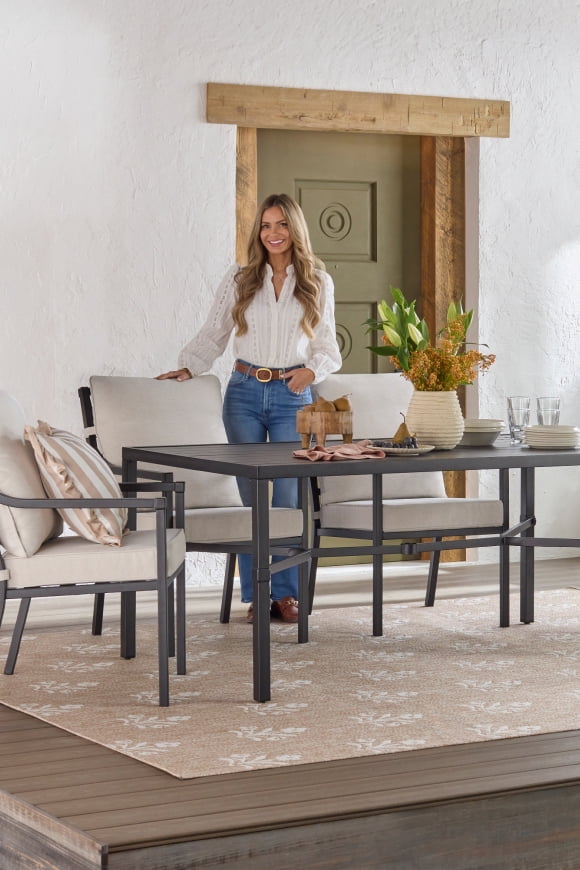
Only at Walmart: My Texas House
Outdoor furniture decor & more from $14.97
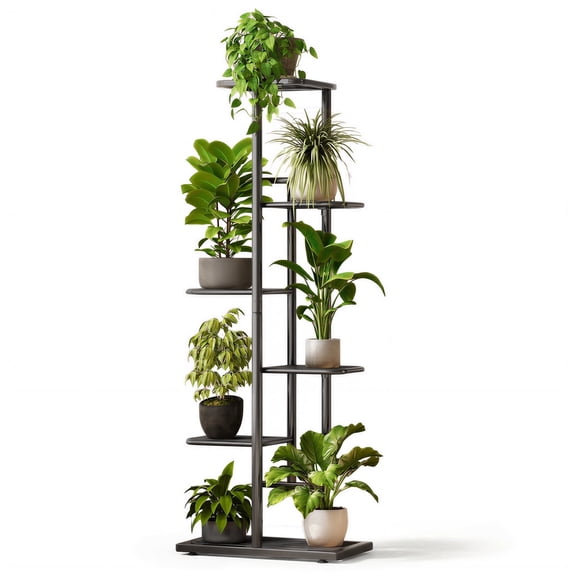
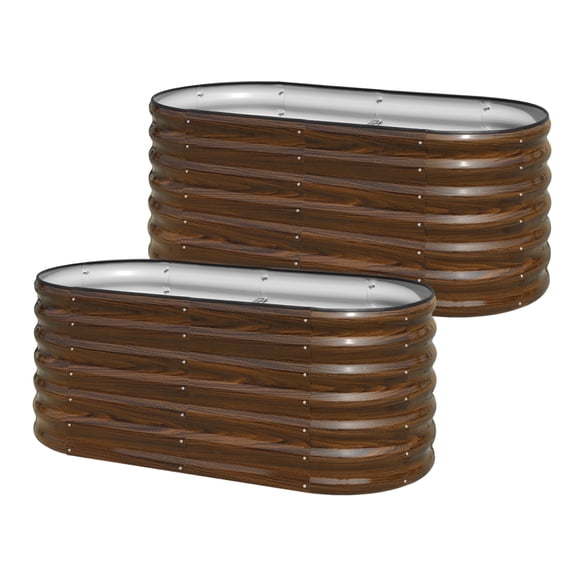
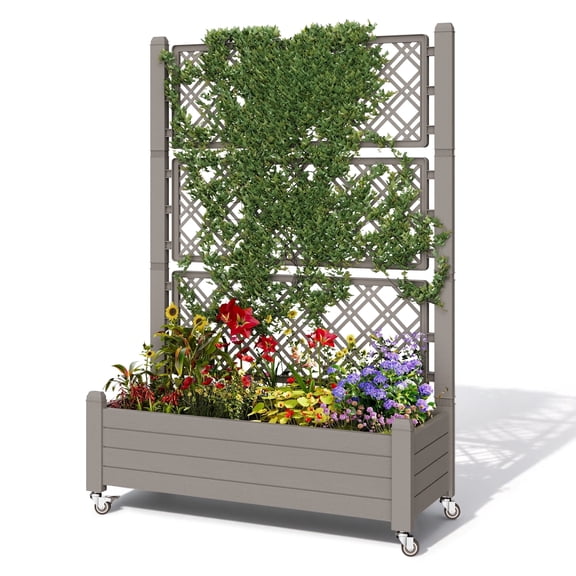
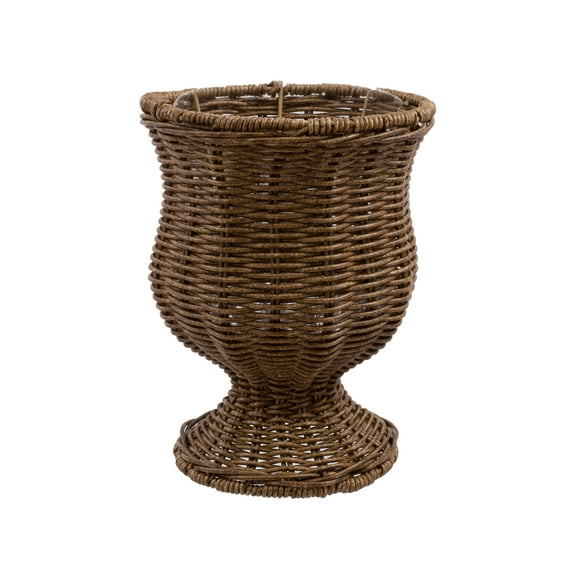


View details for Only at Walmart: Beautiful by Drew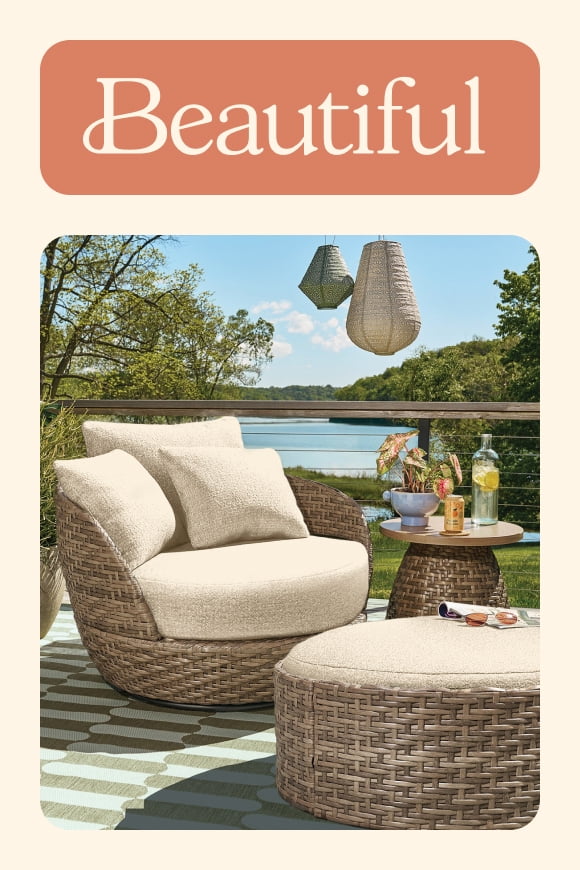
Only at Walmart: Beautiful by Drew
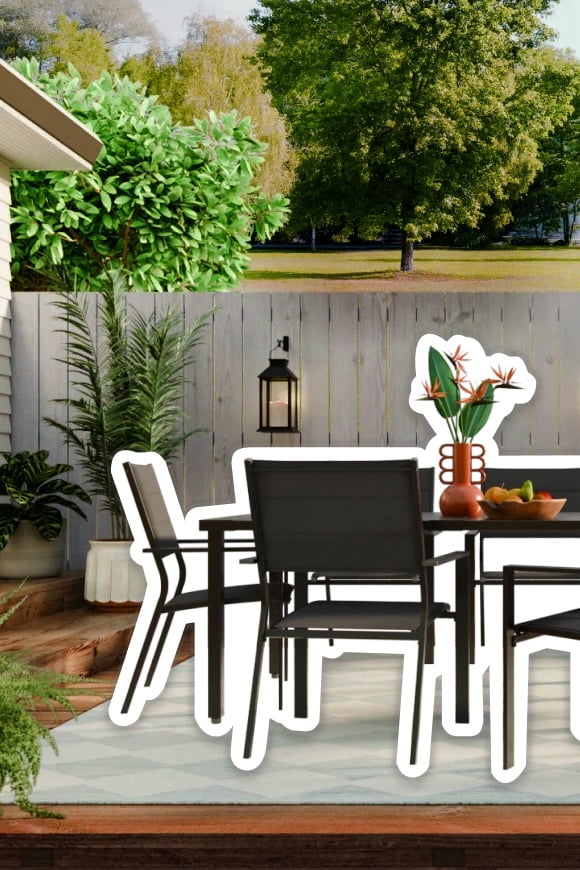
New outdoor furniture & more.








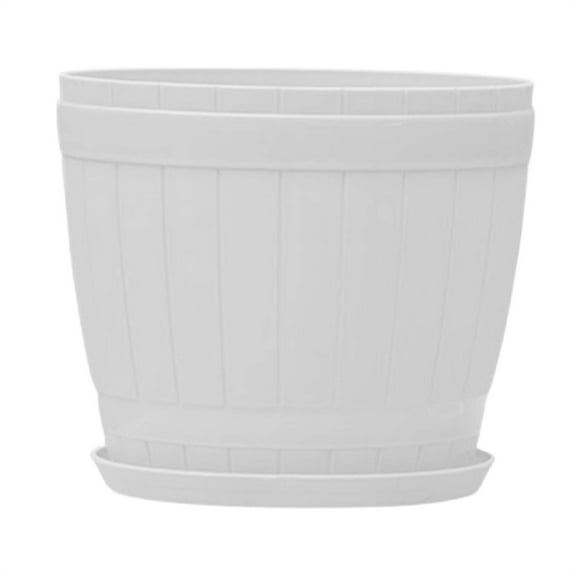


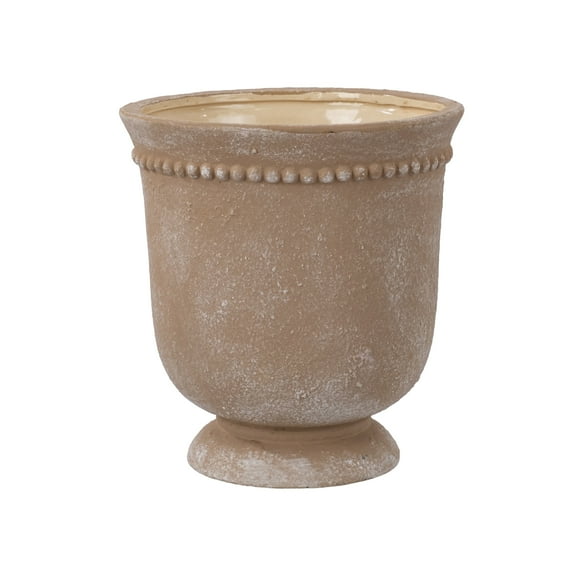


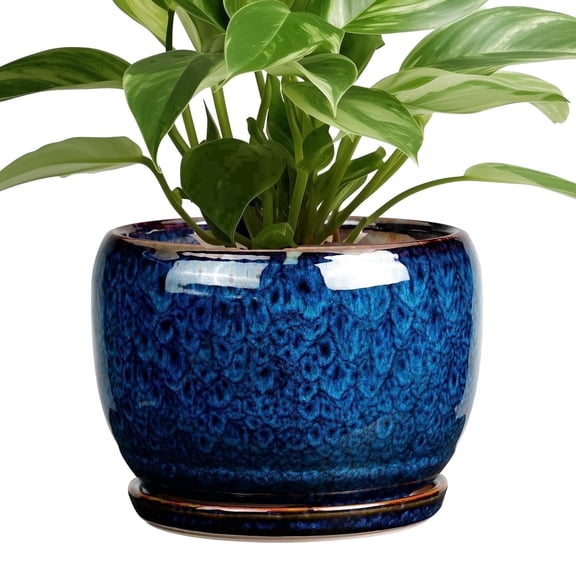
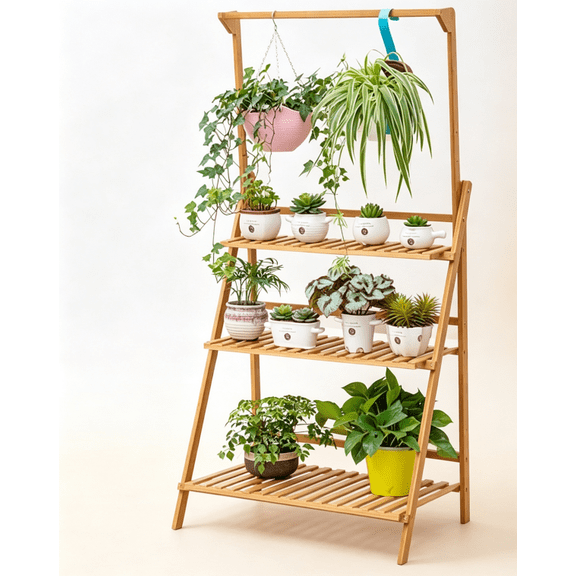


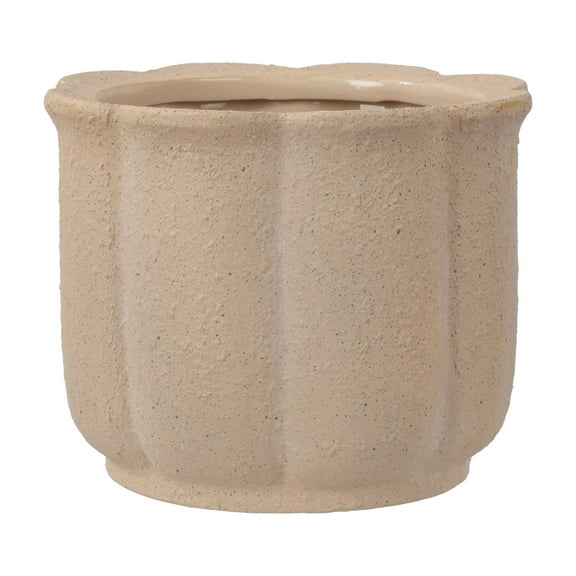
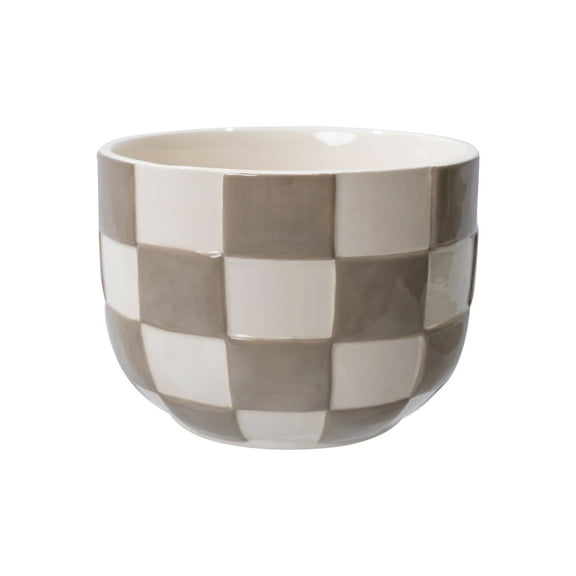
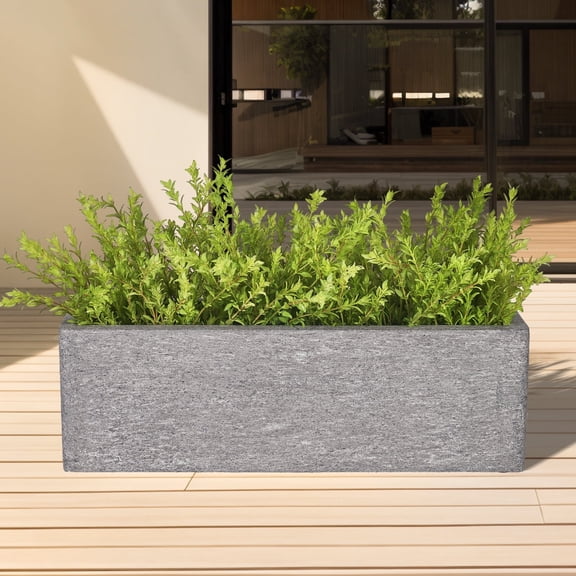
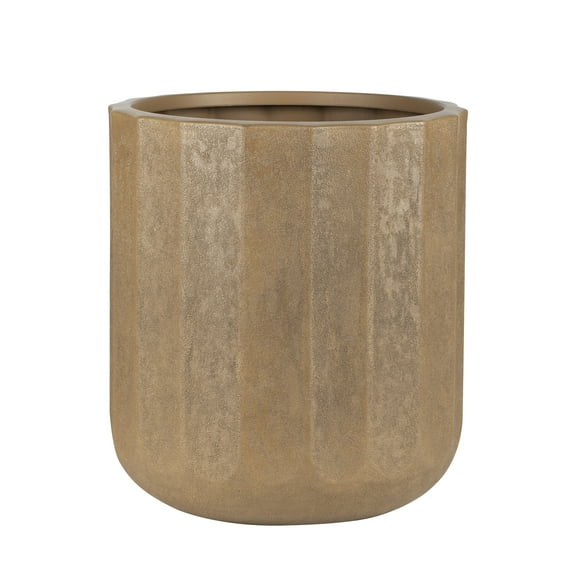

About Pots & Planters for Home and Garden - Walmart.com
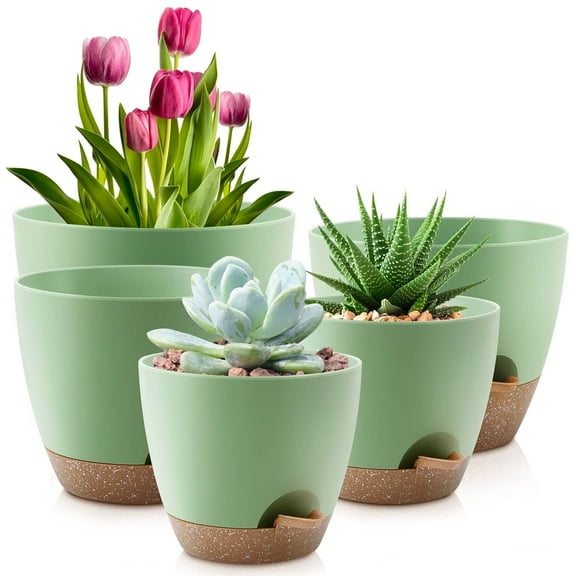
Transform your living space or outdoor retreat with the perfect pots and planters designed for both style and versatility. Whether you're a seasoned gardener or just starting to add greenery to your surroundings, you'll find options tailored for balconies, patios, and even indoor accents. Discover containers that make it easy to showcase your favorite flowers, herbs, or decorative plants in any environment.
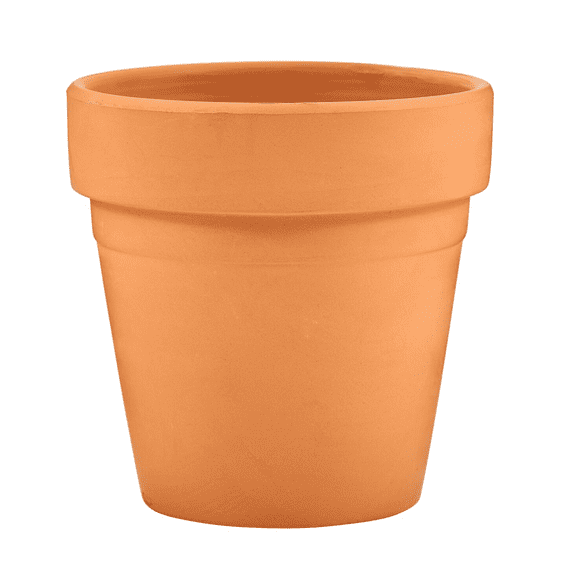
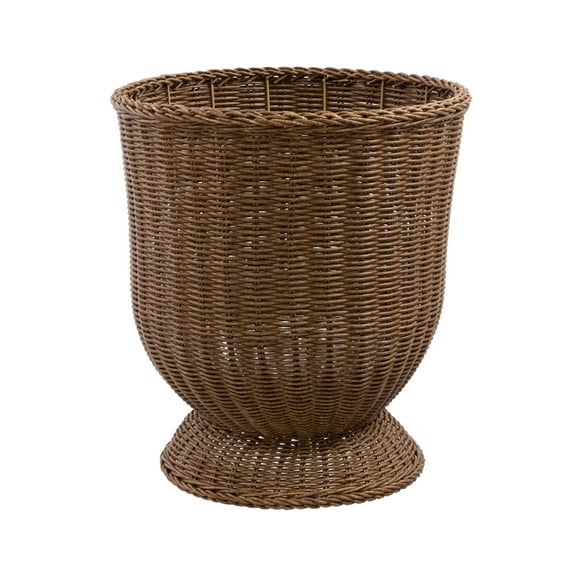
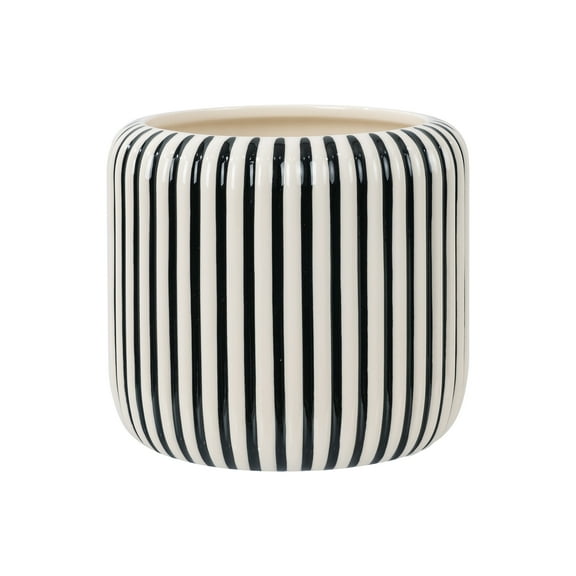
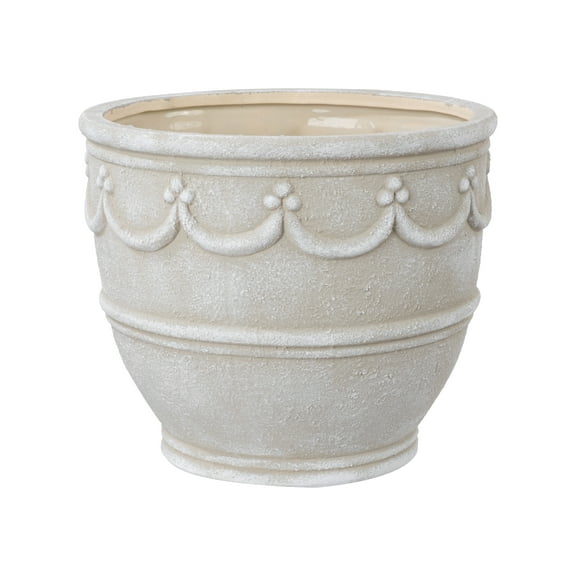
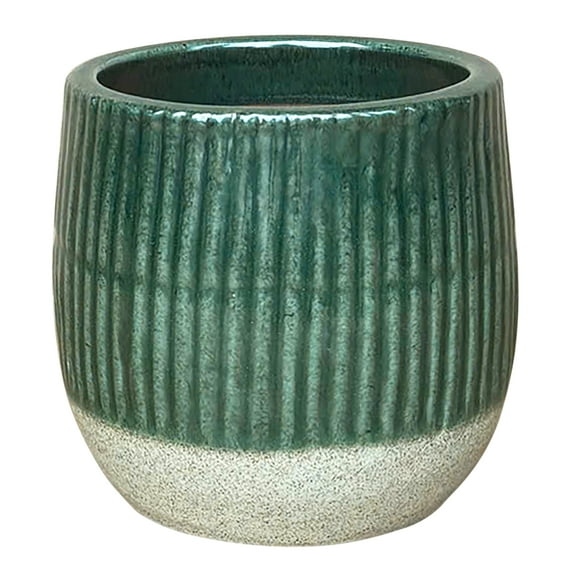
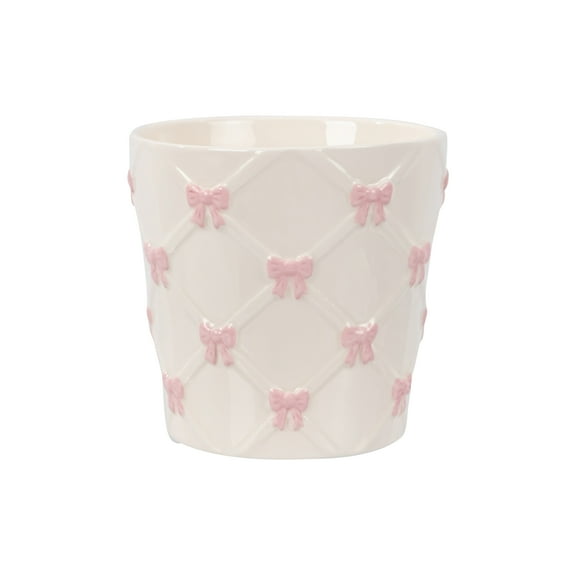
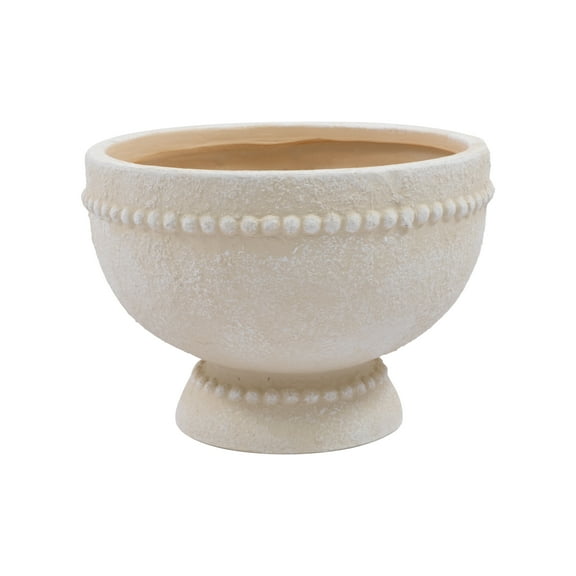
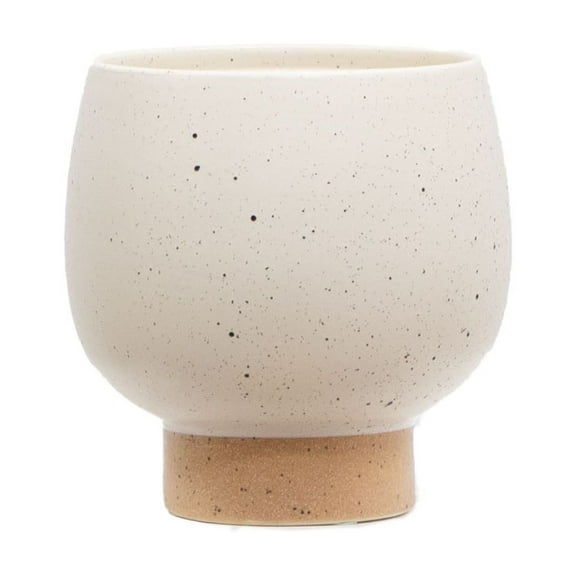
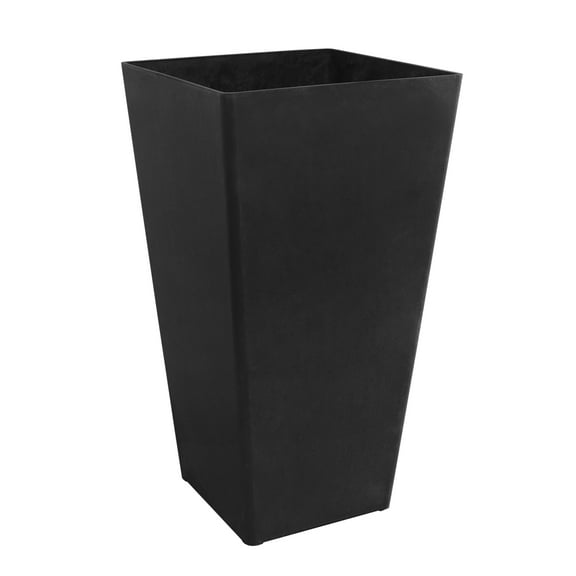
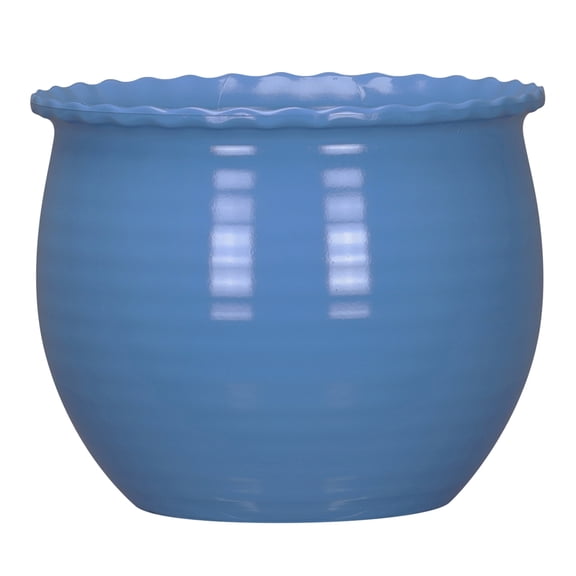
- Elevate your décor: From classic ceramic and resin designs to modern faux rattan textures, find planters that effortlessly complement a range of styles and color schemes.
- Built to last outdoors: Many planters are crafted with weather-resistant materials, making them suitable for year-round use on balconies, patios, or porches without compromising appearance.
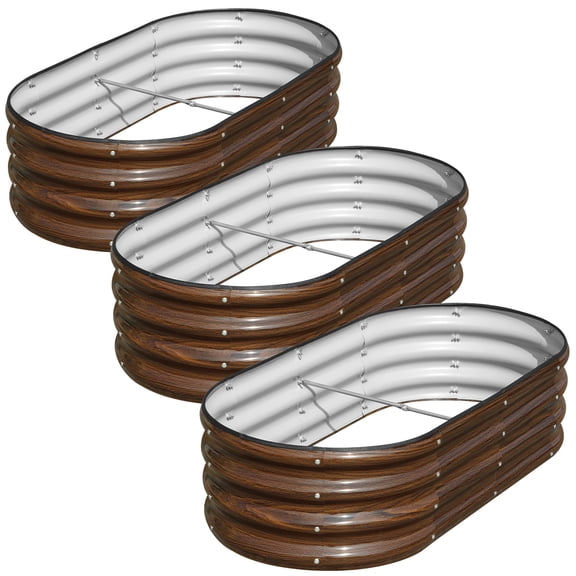
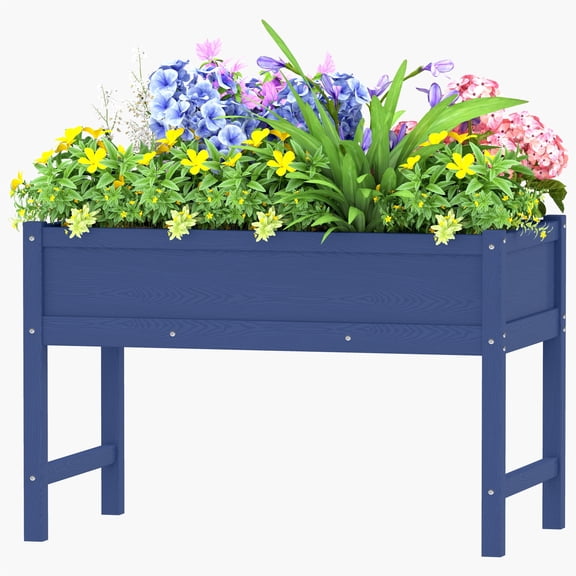
- Versatile solutions: Explore raised beds, large pots, and compact containers—ideal for growing vegetables, flowers, or succulents, giving you flexibility for any gardening project.
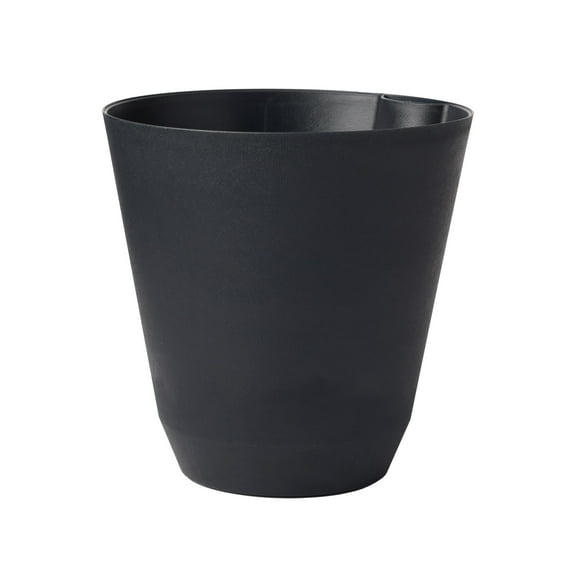
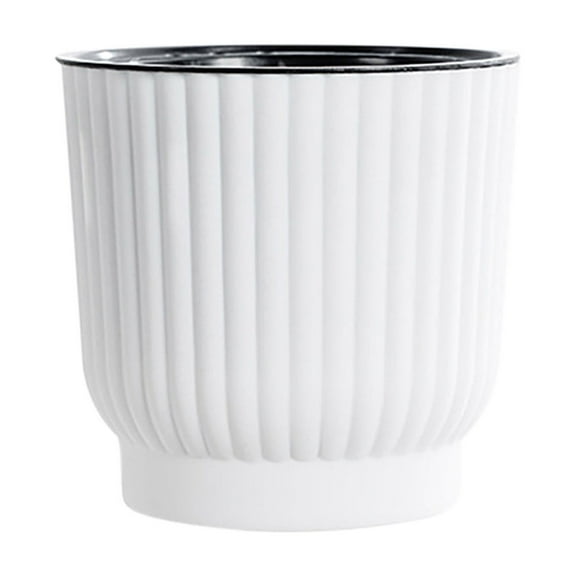
- Designed for healthy plants: Thoughtful features like drainage holes and inner pots help prevent overwatering, promoting healthy root development for thriving plants.
- Easy to move and maintain: Lightweight constructions and included trays simplify plant care, letting you rearrange your space or tackle clean-up with minimal effort.
With an extensive selection of pots and planters available, it's easy to find the right fit for your needs. Shop confidently knowing Walmart brings together convenience and quality for every gardener and home enthusiast.