

Cooler Floats in Coolers by Features



























About Cooler Floats in Coolers by Features - Walmart.com
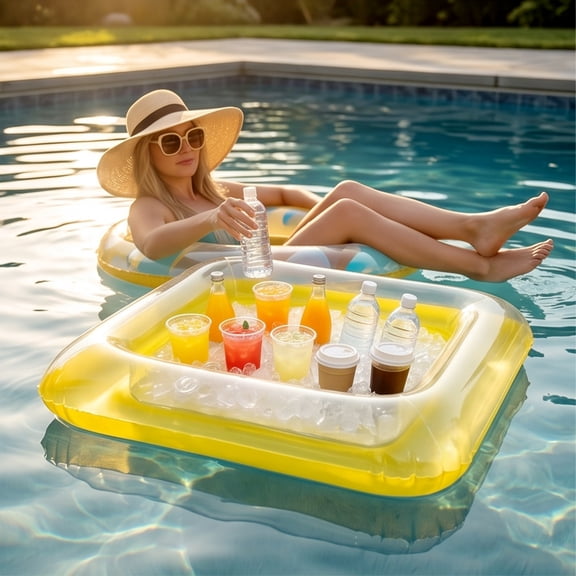
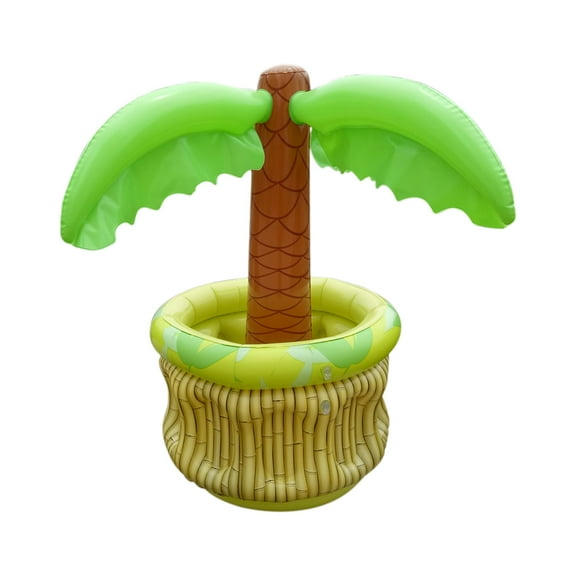
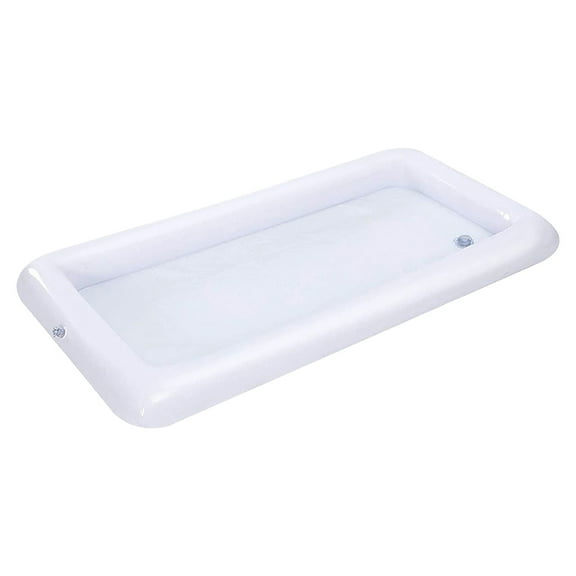
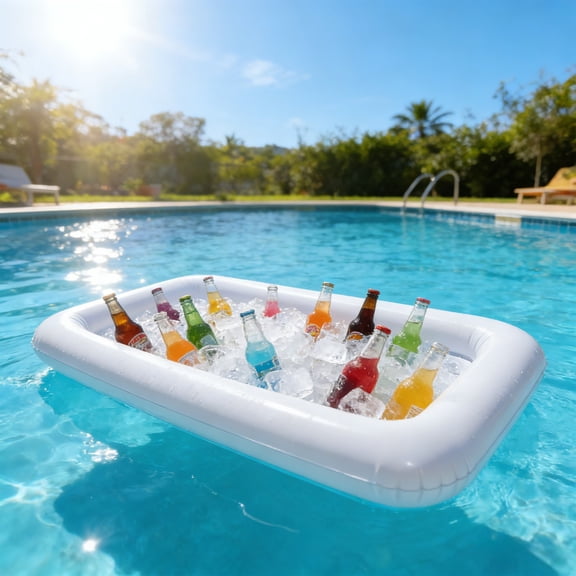
You can keep drinks close with a cooler float built for tubing, pool lounging, and lake floating. You can also compare capacity, tethering, and materials, so your water setup feels easier to manage.
When comparing this category, you should focus on how a float carries ice and connects to your tube. You should also consider how it handles long hours on the water.
How to choose a cooler float for your day on the water
You should start with where you plan to float. Your river tubing trip usually needs a floating cooler for tubing with steadier tracking, while your pool party may need lighter weight.
If you want a float for cooler use on moving water, you should look for balanced shapes and secure tie points. You may notice those details help keep your cooler close when your group drifts apart.
For lake floating, you may want more storage and stronger handles for loading. Your beach setup may work better with a simpler shape that you can carry from sand to shoreline.
Choosing the right capacity and floating cooler holder size
You should compare can count first, because size changes how the cooler rides on water. Your 12-can or 24-can option feels easier to tow, while your 36-can or 72-can size supports larger groups.
If you’re planning a longer float, you should also check weight capacity and volume in quarts. You may want enough space for ice, cans, and bottles without making the cooler hard to pull.
Ice retention is also worth comparing when you expect full sun and longer hours outside. You can usually get longer cold hold from thicker walls, denser insulation, or hard-sided raft styles.
- You can choose 12-can or 24-can sizes for lighter tubing trips.
- You can move up to 36-can or 72-can options for larger groups.
- You should check quart volume if you want room for ice and drinks together.
- You can look for thicker construction when you want longer-lasting cold storage.
Comparing materials and build for an ice chest float tube
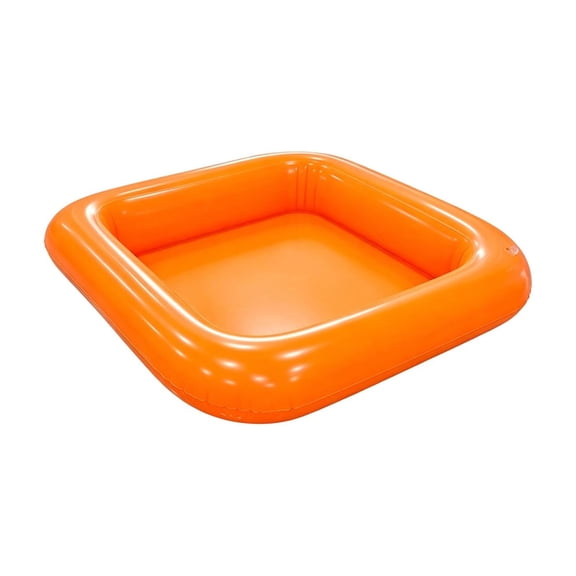
You should match the build to the water surface you expect. Your inflatable PVC option often packs down smaller, while your closed-cell foam build stays simple and ready to use.
If your route includes river rocks, you should pay attention to wall thickness and reinforced seams. You may find that tougher materials feel more dependable when your tube bumps rough edges.
A hard-sided raft style can suit you when ice retention is a priority. You may prefer that format if your group stays out for hours and you want a more structured ice chest float tube.
You should also compare base shape and side height. Your wider base can feel steadier on choppy water, while taller sides may help shield ice and cans from splashes.
Understanding tethering for a floating tube with cooler access
You should look closely at how a floating cooler holder connects to your setup. Your tether ropes offer flexible attachment, while connectable buckles can make linking to tubes and rafts feel more direct.
Molded handles matter when you need quick lifting at the dock, shoreline, or pool edge. You may appreciate those grab points when your cooler is full of ice and drinks.
If you want a floating tube with cooler access during the ride, you should check the rope length and handle placement. Your connection should feel secure without making the float awkward to reach.
You may also want multiple tie points if your group links several tubes together. Your setup becomes easier to organize when each rider can help guide the cooler floater into position.
Matching cooler floats to tubing, pools, lakes, and beach days
You should choose differently for current, distance, and group size. Your river tubing day often calls for a compact floatie cooler with dependable tethering and material that handles repeated contact.
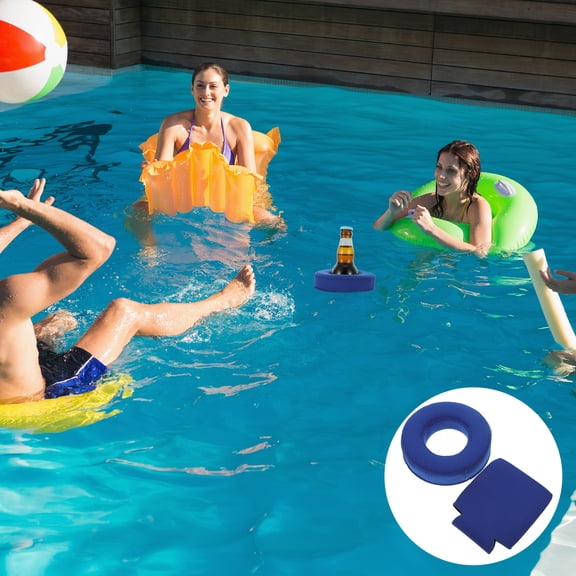
For pool parties, you may prefer easier lid access and a lighter shape to move around. Your cooler floatie can stay near loungers so drinks remain close without constant trips indoors.
Lake floating usually gives you more room for a larger footprint and added storage. You can bring extra cans, bottled water, and ice when your group anchors for a slower afternoon.
Beach use often means carrying the cooler across sand before it reaches the water. You should look for manageable weight, sturdy handles, and a shape that avoids feeling bulky during the walk.
If you’ve searched for a floaty cooler or cooler flotante, you’re usually looking for the same practical features. You should look for steady flotation, simple towing, and enough room to hold ice without crowding your drinks.
What to look for before you choose cooler floats
You should review capacity, build, use case, and tethering as one connected decision. Your cooler floats work harder when those details fit your water plan instead of fighting it.
With the right size, connection points, and cold-holding design, you can keep drinks close through tubing runs, pool hangs, and long lake afternoons. This helps you find a setup that stays easier to tow and easier to enjoy.