






Swim Safety and Flotation in Floats and Pool Games








































About Swim Safety and Flotation in Floats and Pool Games - Walmart.com
With swim safety and flotation, you can compare support, fit, and intended use before pool days, lessons, and lake trips. You’ll find clear differences between life jackets, swim vests, arm bands, and puddle jumpers, so your choice matches your child’s age and water activity.
How to choose swim safety and flotation
When you compare swim safety and flotation, you should start with the type of support your child needs in the water. You’ll want more secure coverage for boating, while you may prefer lighter movement for supervised pool practice.
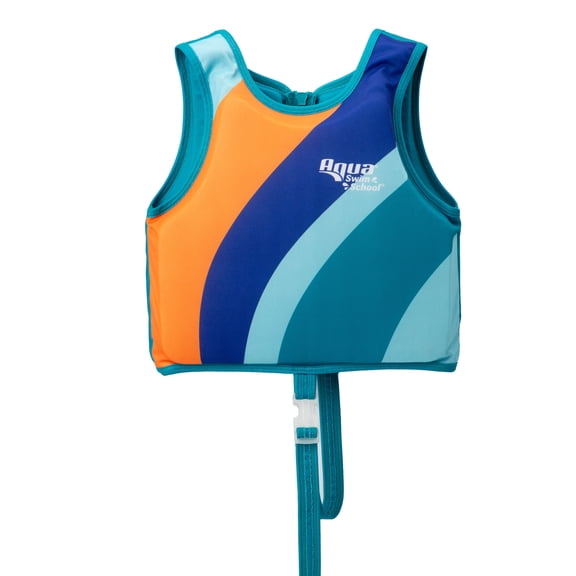
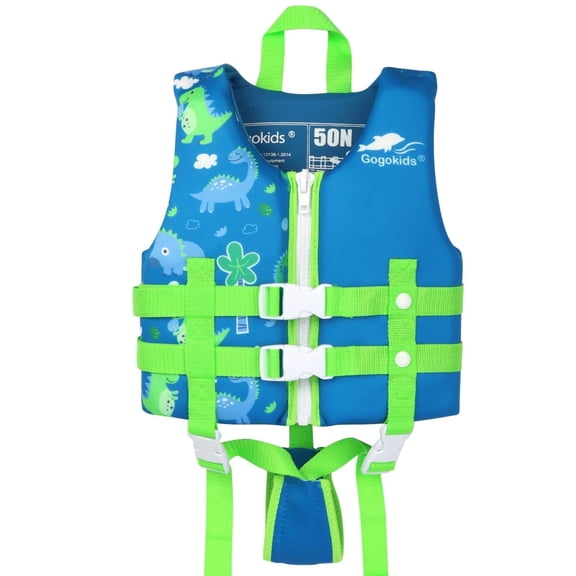
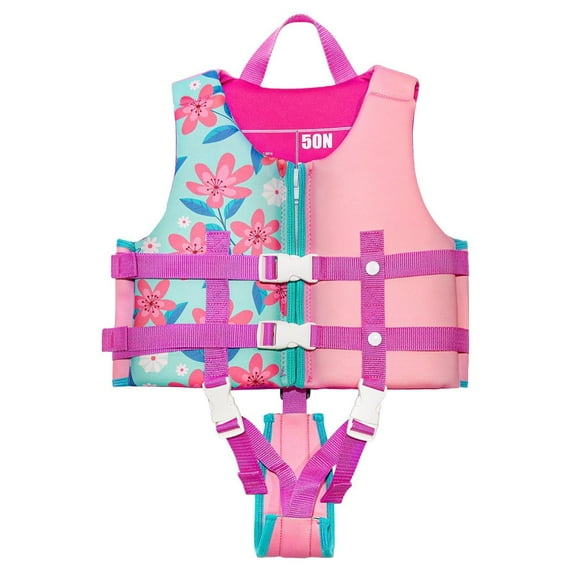
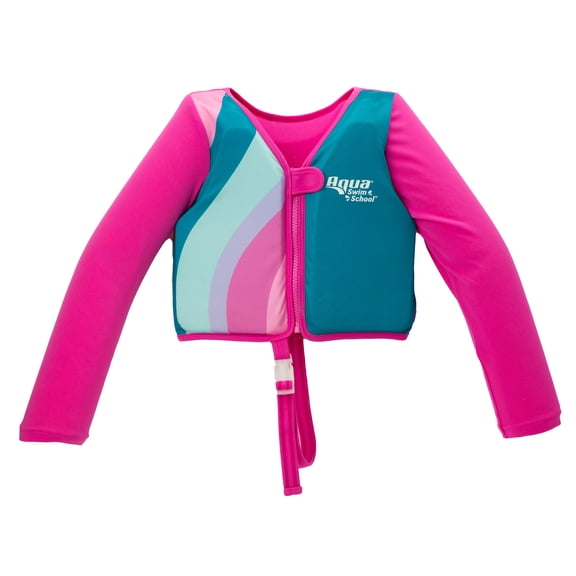
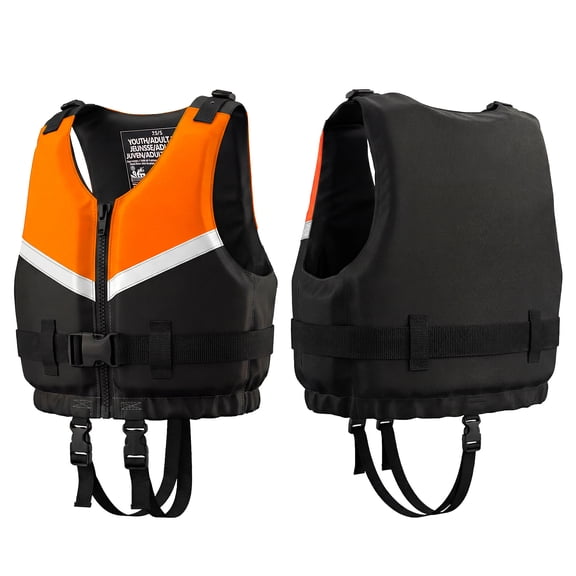
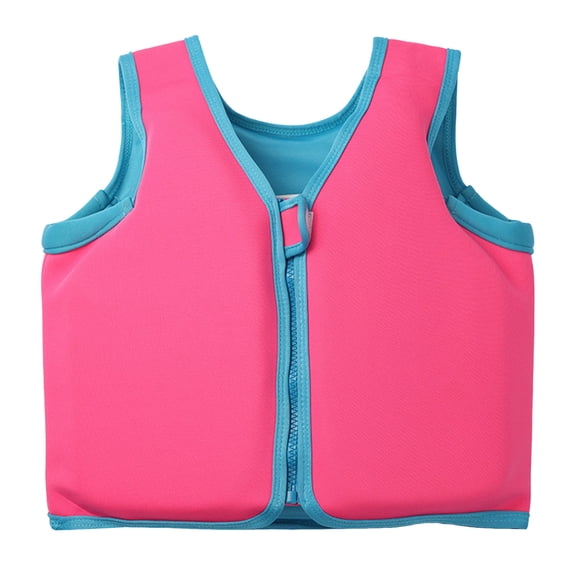
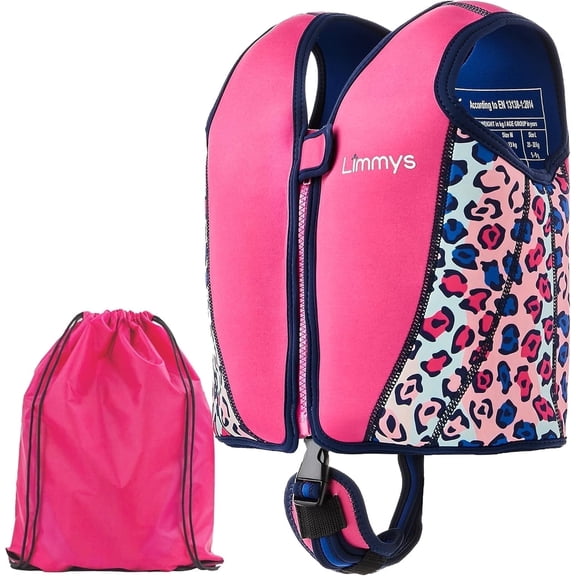
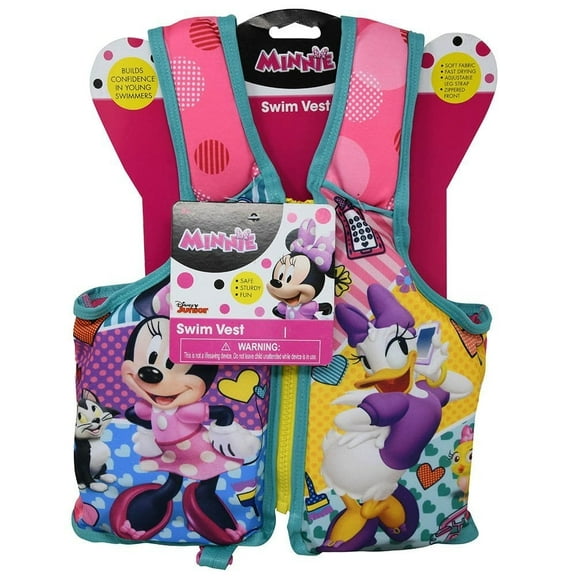
Life jackets for kids usually give you fuller torso coverage and a more structured fit. Kids swim vests often give you easier arm movement, while swimming arm bands and other recreational aids feel lighter.
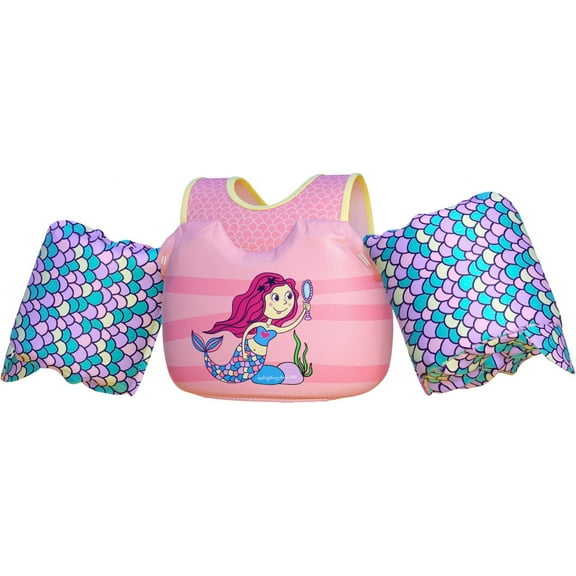
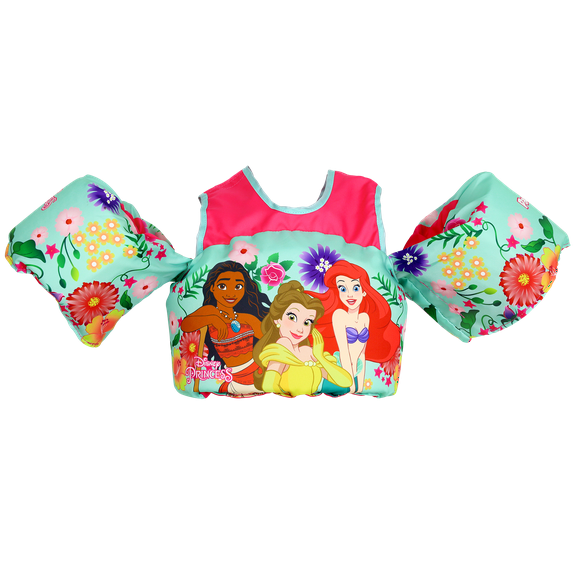
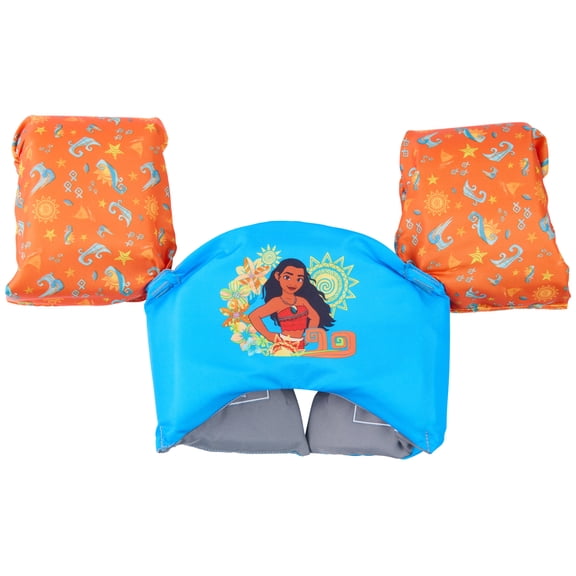
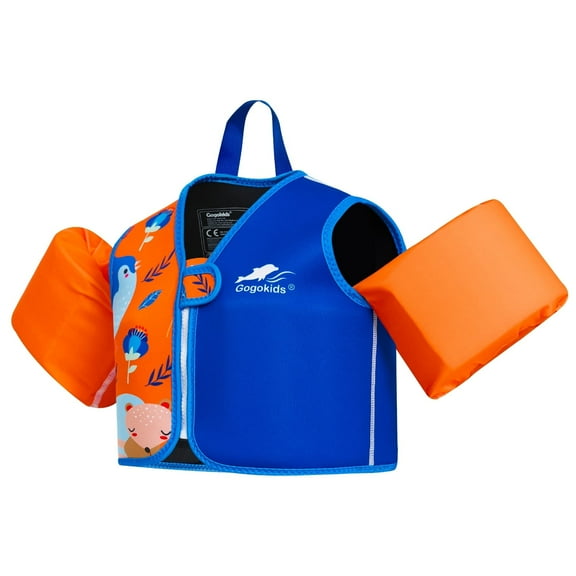
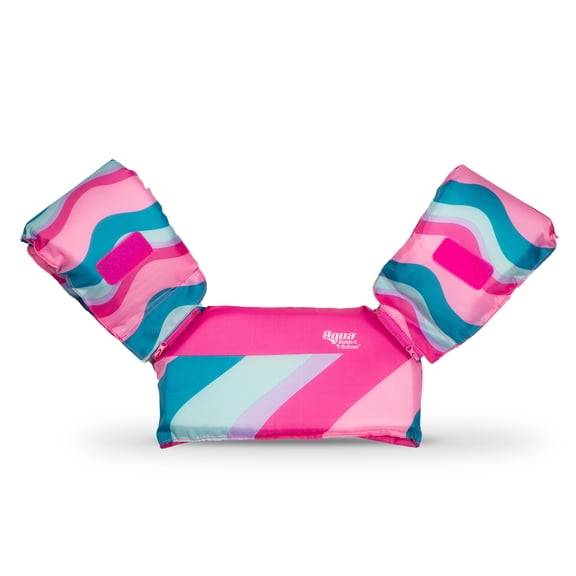
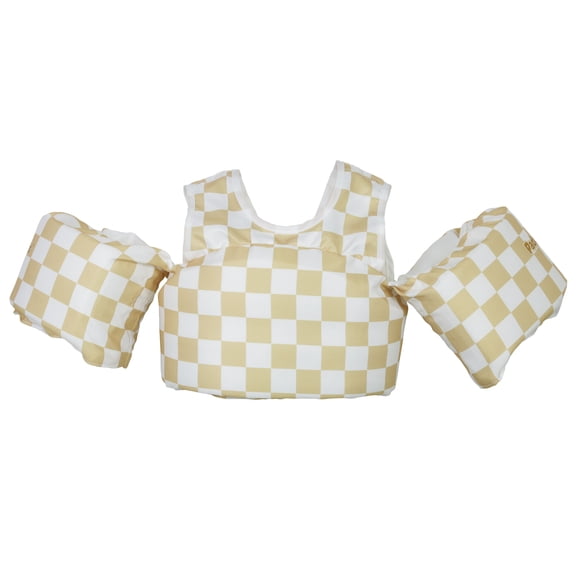
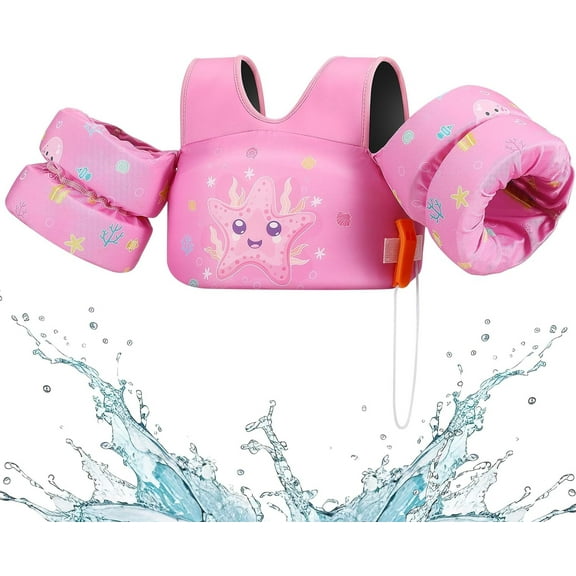
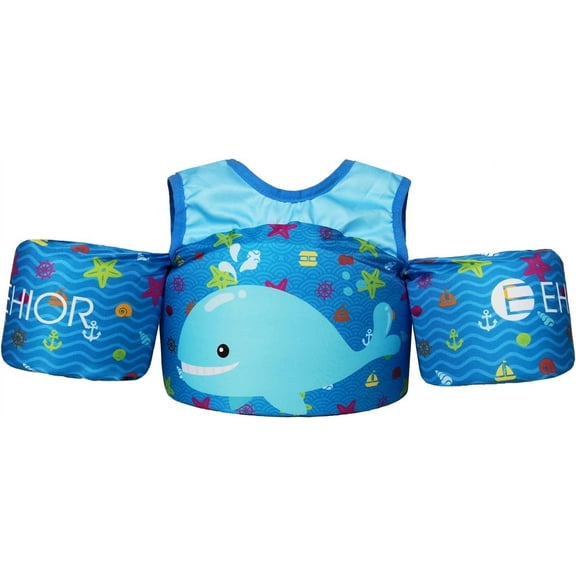
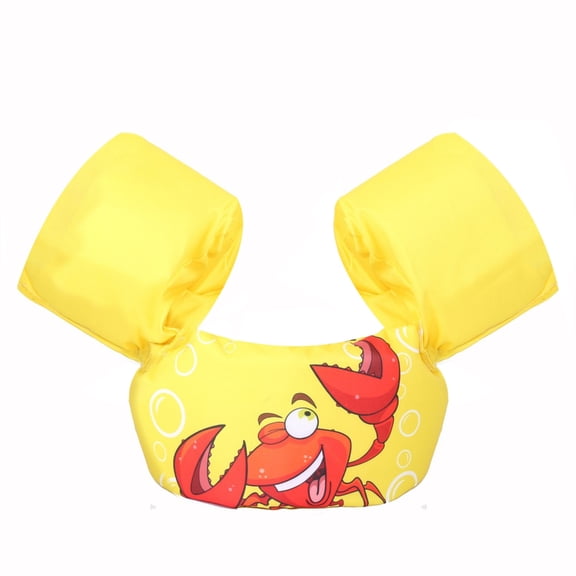
Puddle jumpers combine arm support with a chest panel, so you get a more connected fit for active water play. You should still compare each design by intended use, because pool practice and open water call for different choices.
Choosing certification and flotation type
You should check whether a product is USCG Approved before you choose it for boating or open water use. That label helps you separate certified swim safety gear from non-certified recreational pool items.
If you’re comparing Type II and Type III options, you’ll notice they serve different needs in plain terms. Type II styles focus on turning support, while Type III styles give you more movement for paddling and active wear.
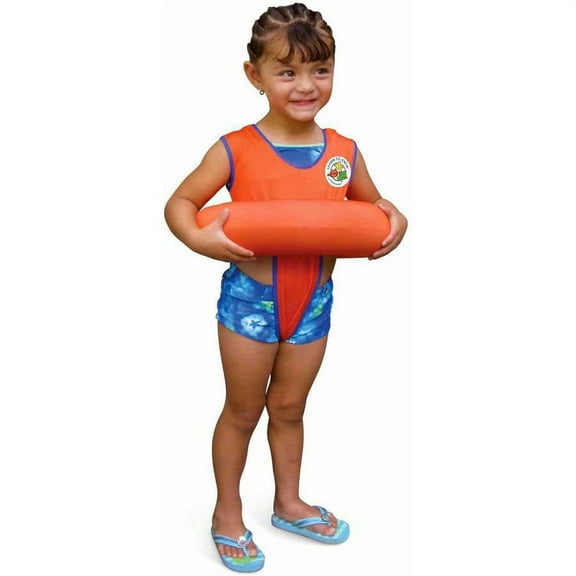
Non-certified recreational pieces can work for supervised play in the pool, but you shouldn’t treat them like boating gear. You’ll want that distinction in mind when you compare toddler flotation devices and pool floats for kids.
- You should choose life jackets when you need certified support for boating, docks, or open water outings.
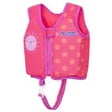
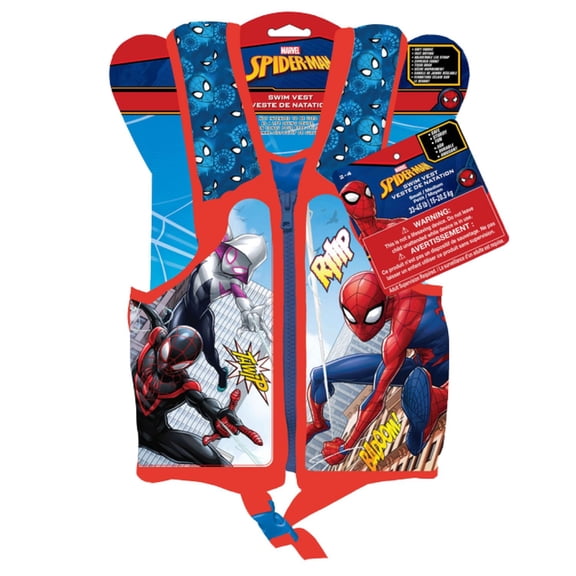
- You may choose swim vests when you want balanced flotation and easier movement during supervised pool practice.
- You can compare arm bands and puddle jumpers when you want lighter support for shallow water play.
- You should check certification first if your child will use the item beyond the backyard pool.
Matching age and weight range
You should always compare the listed weight range with your child’s current weight, not a guessed estimate. That step helps you choose support that fits as intended and feels more secure in the water.
Infant sizing under 30 pounds differs from toddler sizing between 30 and 50 pounds. Youth sizing between 50 and 90 pounds gives you another step up for growing swimmers.
If you buy a larger size too early, you may get a loose fit that shifts during movement. If you size too small, you may notice tighter edges and less comfortable wear during longer sessions.
You should also compare strap placement, chest coverage, and closure style when you review kids swim vests. Those details help you judge how easily your child can move, float, and stay comfortable.
Comparing materials and comfort
You’ll want to compare materials because they change how the item feels during splashing, kicking, and repeated wear. Neoprene usually gives you a softer feel against skin, while nylon often feels lighter and dries quickly.
Foam-filled designs usually give you built-in buoyancy without inflation steps. Inflatable vinyl options can feel compact between uses, but you should check the intended setting before choosing them.
If your child spends long stretches in the pool, you may prefer materials that feel smoother around the arms and torso. If you need a quick grab-and-go option, you may focus on lighter pieces that store easily.
You should also compare seams, closures, and panel shapes, because comfort affects how willingly your child wears flotation gear. A comfortable fit can make lessons, splash time, and supervised practice easier to manage.
Choosing for pool, lessons, and open water
You should match the product to the setting, because a backyard pool and a lake outing create different needs. Pool floats for kids and training aids suit play and practice, while certified gear matters for boating environments.
For swim lessons, you may look for toddler flotation devices that allow kicking and arm movement during supervised instruction. That approach can help you balance comfort, coverage, and room to practice basic motions.
During family pool days, you might compare puddle jumpers, swim vests, and swimming arm bands for short sessions. Those choices can support supervised play while giving your child room to splash and move.
For docks, boats, and shoreline trips, you should focus on certification, secure closures, and weight-based sizing first. That decision process keeps your swim safety and flotation choice aligned with the setting you’re planning.
What to look for before you decide
You should compare flotation type, certification, weight range, and material before narrowing your options. Those four decisions help you sort recreational pool aids from more structured water safety gear.
When you use those details together, you can choose gear that fits your child, matches the water setting, and supports comfortable movement. You’ll feel more confident knowing your selection aligns with real swim plans, not guesswork.