




Fishing Hooks in Fishing Tackle





















About Fishing Hooks in Fishing Tackle - Walmart.com
You can choose fishing hooks with more confidence when you compare hook type, size, water use, and finish first. You’ll find options for live bait, soft plastics, hard baits, and species with different jaw shapes.
When you shop this category, you’re not just picking a sharp point. You’re matching your setup to bait presentation, hook gap, and the water you fish most often.
Choosing fishing hooks by hook type
You’ll want to start with hook style because each shape changes how your bait sits and how your presentation moves. You can narrow your options faster when you compare circle, treble, octopus, worm, and baitholder patterns.
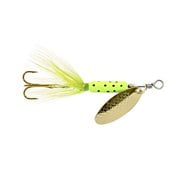
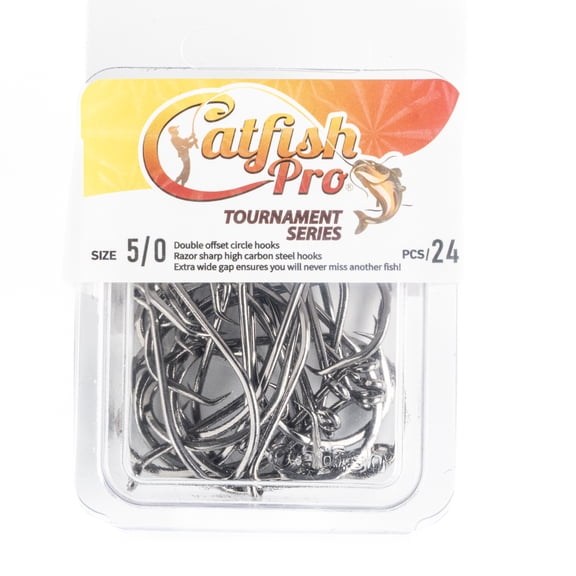
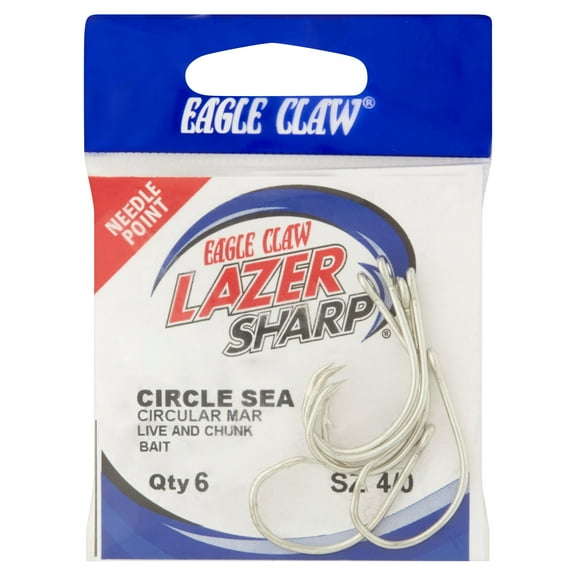
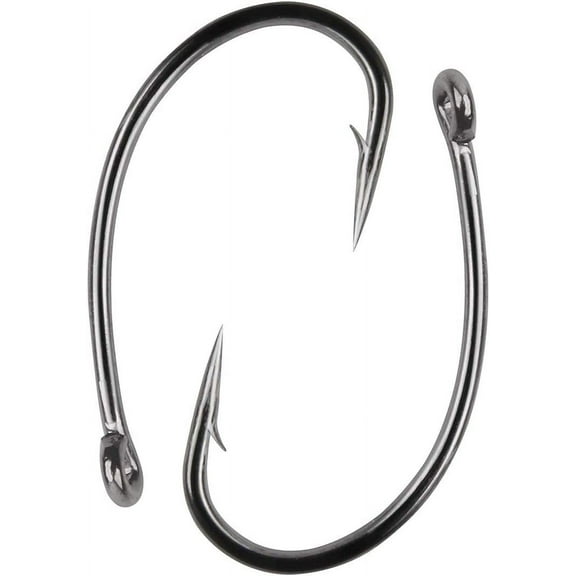
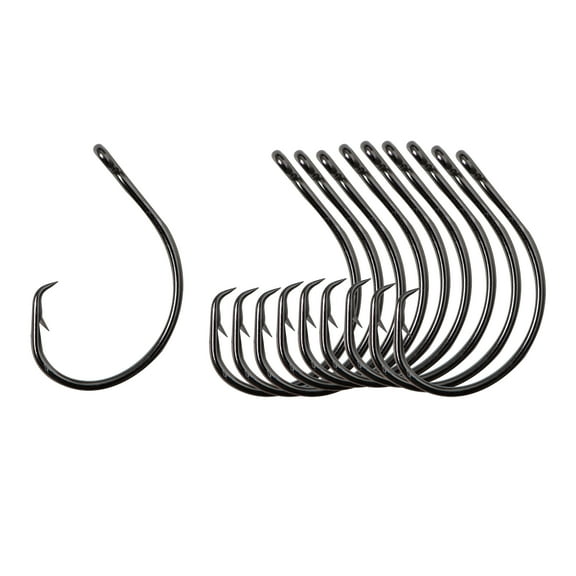
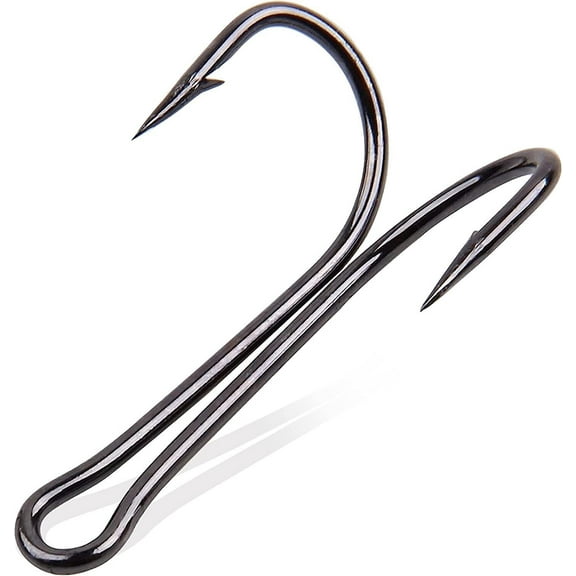
If you fish live bait, you may prefer circle hooks because their shape supports a steady, natural presentation. If you throw lures, you may lean toward treble hooks for multiple points on crankbaits, jerkbaits, and spoons.
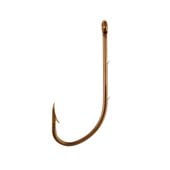
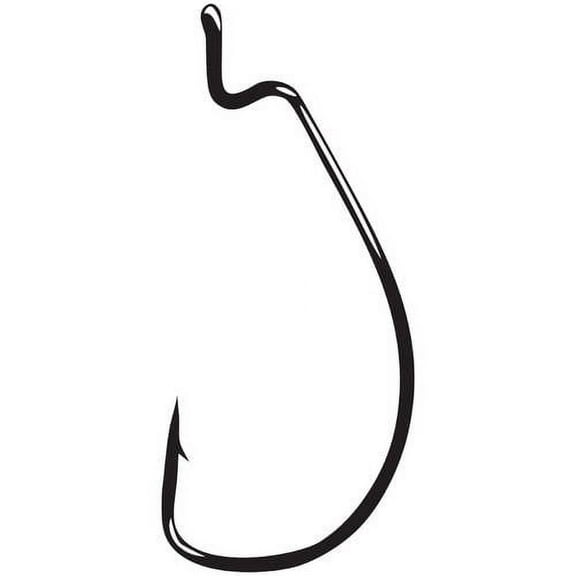
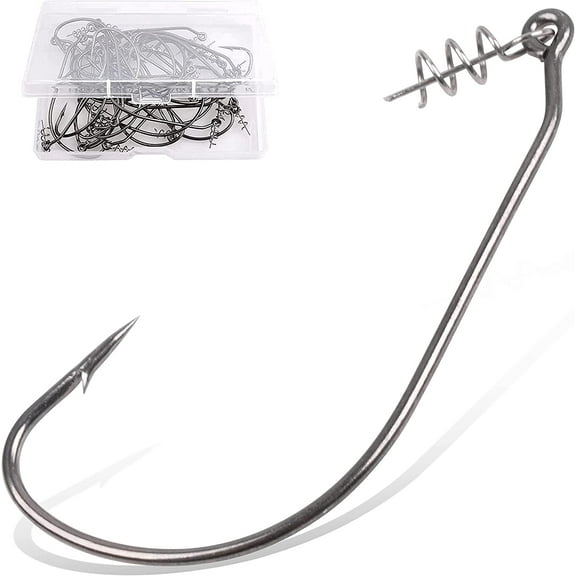
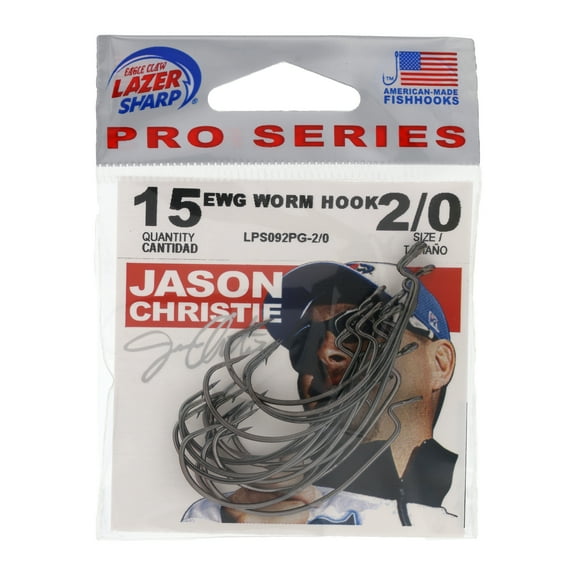
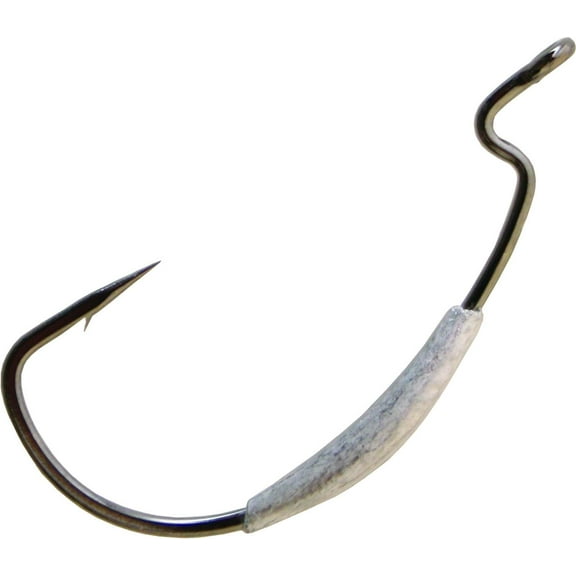
For soft plastics, you’ll often compare worm hooks and weedless hooks because they help your bait rig neatly. If you fish minnows, leeches, or cut bait, you may also consider octopus hooks or baitholder styles.
- You can use circle hooks when you want a dependable live bait setup.
- You can pick treble hooks when your lure already uses multiple attachment points.
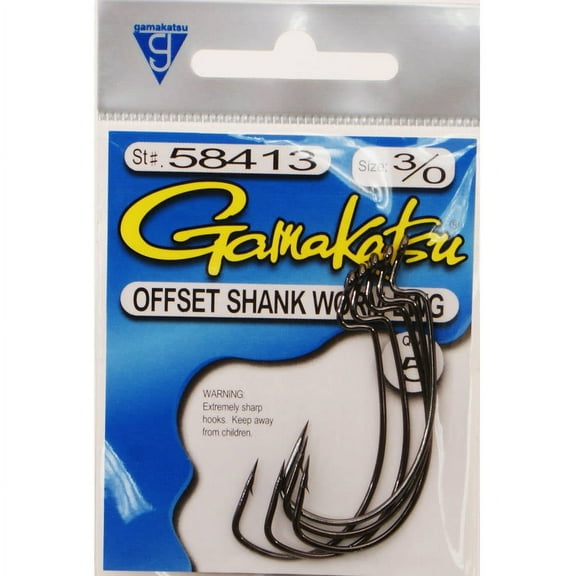
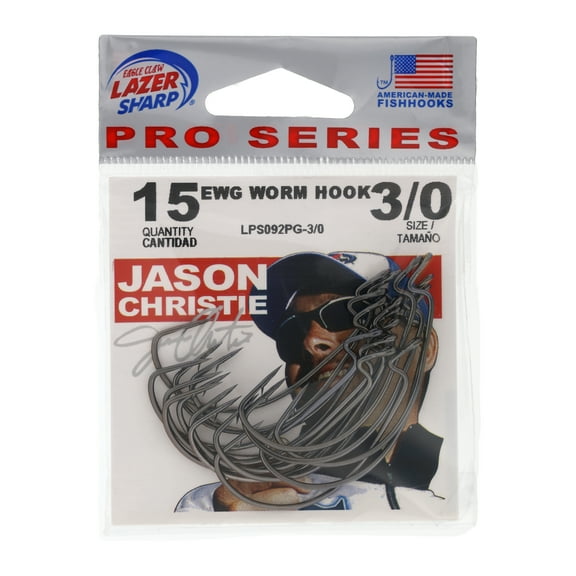
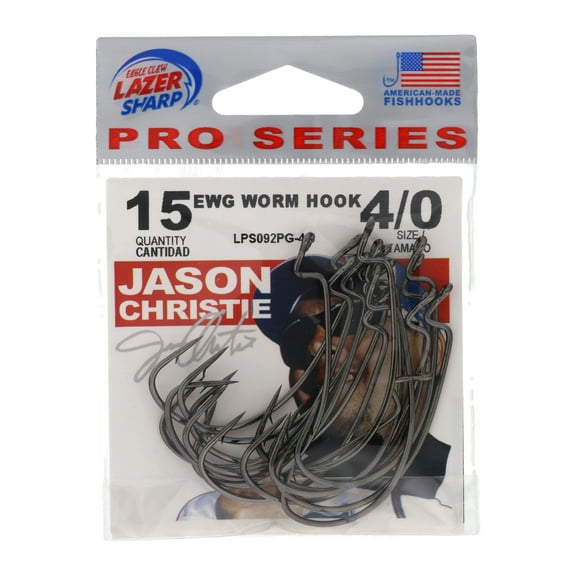
- You can choose worm hooks when you rig soft plastics for bass fishing hooks setups.
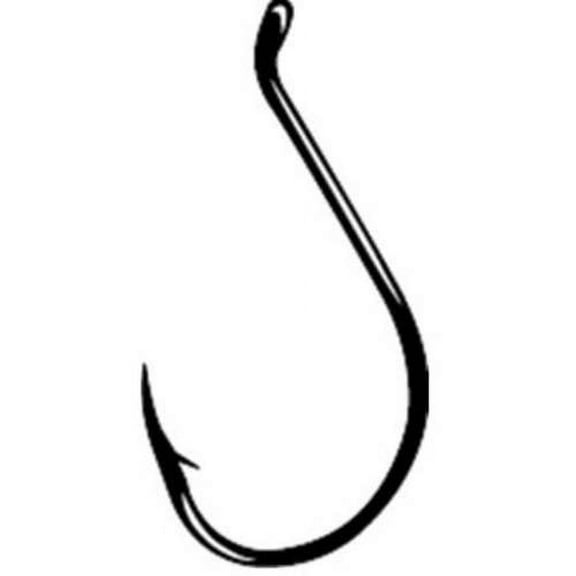
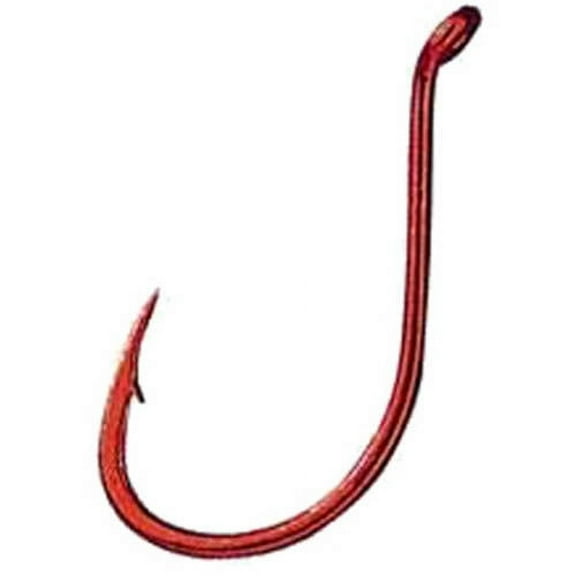
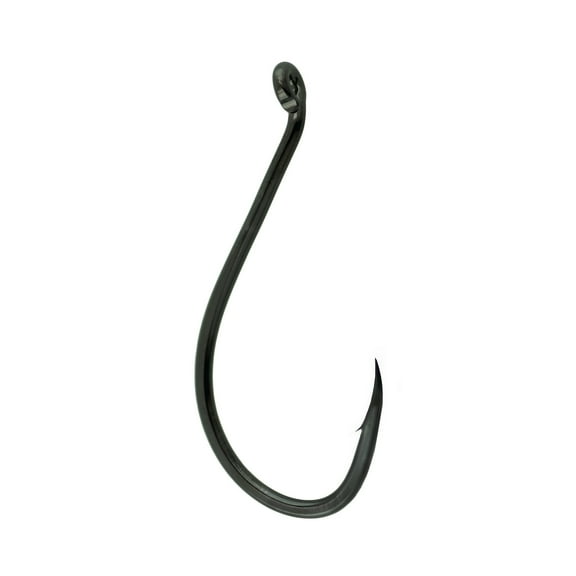
- You can consider octopus hooks when you want a compact shape for natural bait.
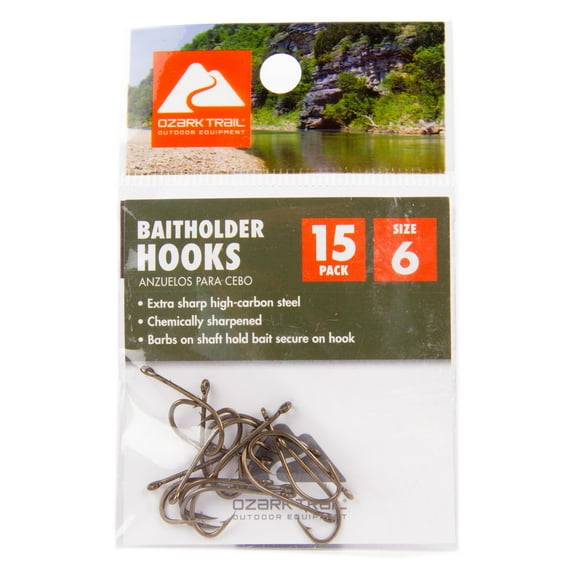
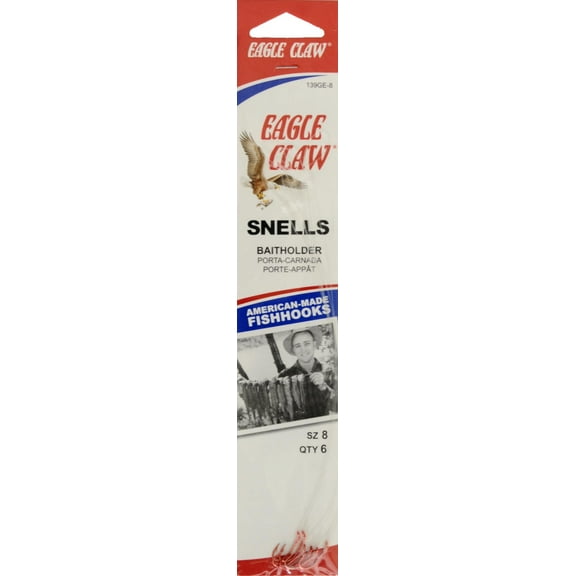
- You can try baitholder patterns when you want bait to stay positioned on the shank.
Understanding fishing hooks sizes
You’ll make better choices when you understand fishing hook sizes before you compare packs. You should note that size 2 is larger than size 4, while 2/0 is larger than 1/0.
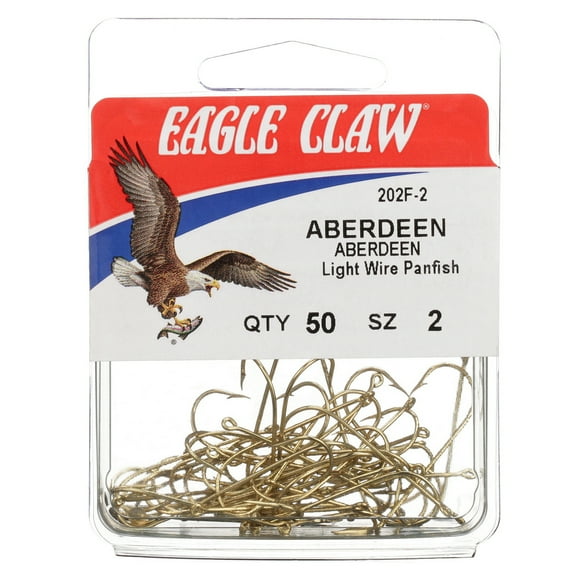
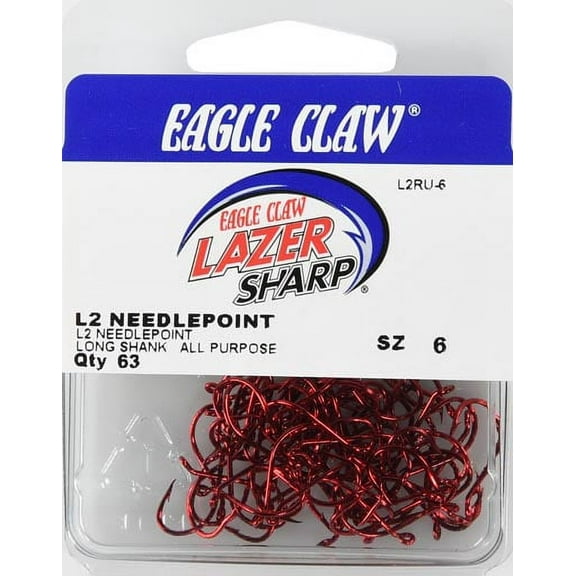
If you fish smaller bait, you may look at size 6, size 4, or size 2 options. If you target larger fish or bulkier bait, you may move into 1/0 and 2/0 sizes.
You can use sizing as a quick way to match hook gap and bait profile. You’ll usually want a size that fits your bait cleanly without overwhelming worms, minnows, or soft plastic bodies.
When you compare sizes, you should also think about your target species and mouth shape. You can often get a cleaner setup when your hook size matches the bait and expected strike style.
Comparing freshwater and saltwater fishing hooks
You should compare water type early because it affects material choice and long-term performance. You’ll often see freshwater options in high-carbon steel and saltwater fishing hooks in stainless steel or protective finishes.
If you mostly fish lakes, ponds, and rivers, you may choose high-carbon steel for a strong, straightforward setup. If you fish bays, inlets, or the surf, you may prefer stainless steel for added corrosion resistance.
You can also compare finishes like black nickel when you want a darker look and a smooth, durable surface. You’ll notice that material and finish help you match your tackle to repeated casts, wet storage, and changing conditions.
What to look for in material and finish
You can use material and finish as a simple decision tool when many packs look similar. You should check whether the hook uses high-carbon steel, stainless steel, or black nickel before you decide.
High-carbon steel often fits everyday freshwater setups where you want strength and a familiar feel. Stainless steel often suits saltwater rigs where you want a finish designed for harsher conditions.
Black nickel can appeal to you when you want a darker finish for many lure and bait presentations. You can compare these materials alongside hook style, because the right combination depends on where and how you fish.
Matching hook styles to real fishing situations
You can simplify your choice by matching hook styles to the bait and species you plan to fish. You’ll often see the clearest results when your hook shape supports the way your bait moves in the water.
If you fish soft stick baits, creature baits, or ribbon tails, you may choose worm hooks for cleaner rigging. If you fish crankbaits or topwater plugs, you may look for treble hooks that fit your lure hardware.
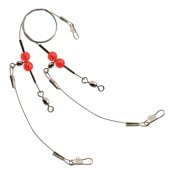
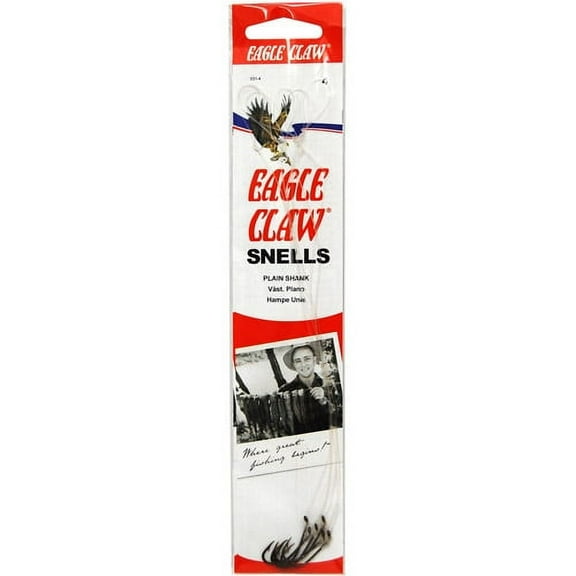
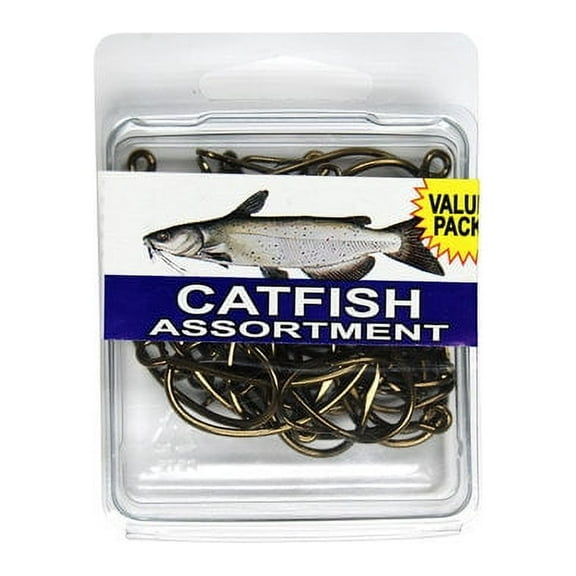
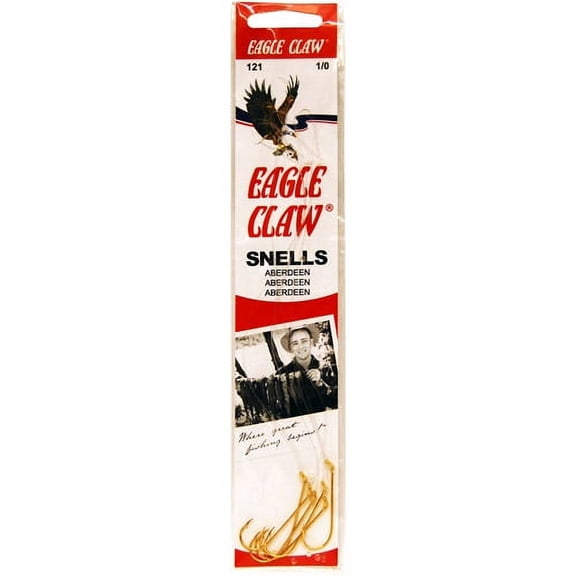
When you fish live bait for catfish, redfish, or other strong fighters, you may compare circle hooks and octopus hooks. If you build ready-to-rig setups, you may also consider pre-tied hooks for faster prep at the water.
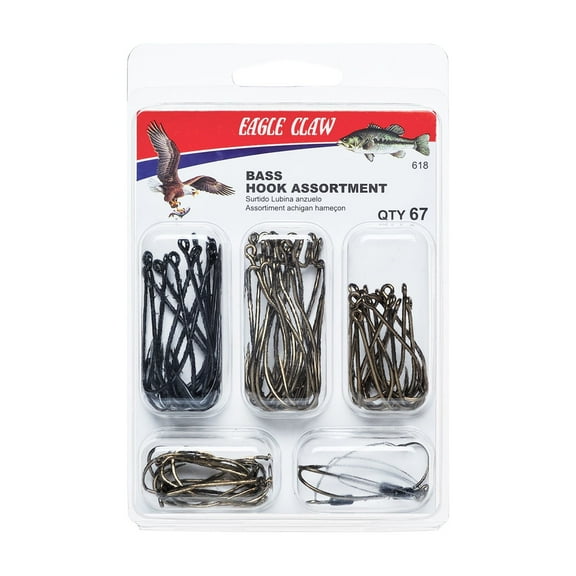
You can also sort by species focus when you build your tackle box. If you’re planning bass fishing hooks, you may compare worm styles, wide gaps, and sizes that pair well with soft plastics.
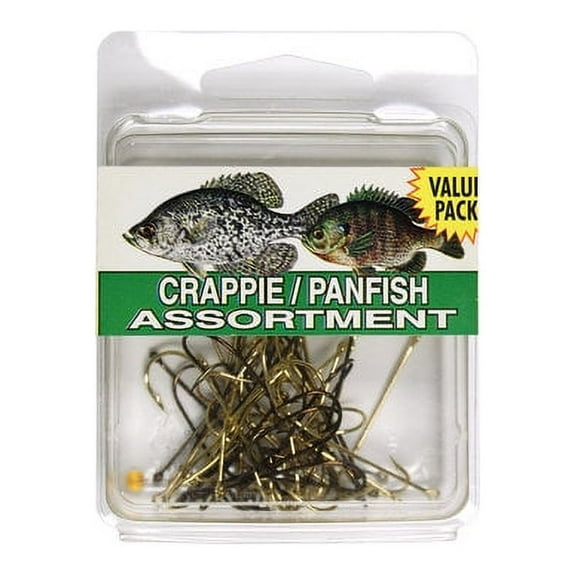
For panfish and trout, you may prefer smaller sizes that match compact bait and lighter presentations. For larger inshore or surf setups, you may move toward stronger saltwater fishing hooks and larger size ranges.
You’ll feel more prepared when your fishing hooks match your bait, water type, and target fish from the start. You can use these decisions to build a tackle box that rigs faster and fishes with fewer guesses.