







Fishing Coolers in Coolers by Use Case




























About Fishing Coolers in Coolers by Use Case - Walmart.com
You need a fishing cooler that keeps your catch cold, fits your trip, and handles docks, boats, and rough shoreline conditions. You can compare capacity, ice retention, portability, and fishing-focused details here, so your next outing stays organized and practical.
If you're packing for a quick morning run or a full weekend on the water, you need the right setup from the start. You'll notice this category includes hard-sided, soft-sided, and backpack styles built around real fishing routines.
How to choose the right fishing cooler
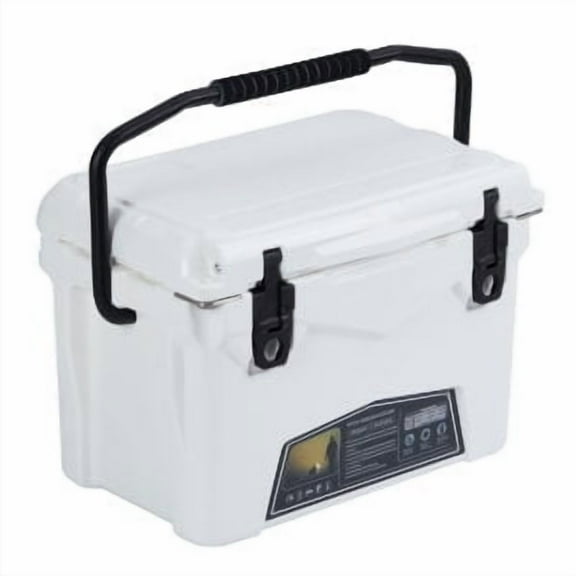
You should start with cooler type, because your carry style affects comfort and deck space. You may prefer a hard-sided model for structure, a soft-sided option for lighter transport, or a backpack design for remote banks.
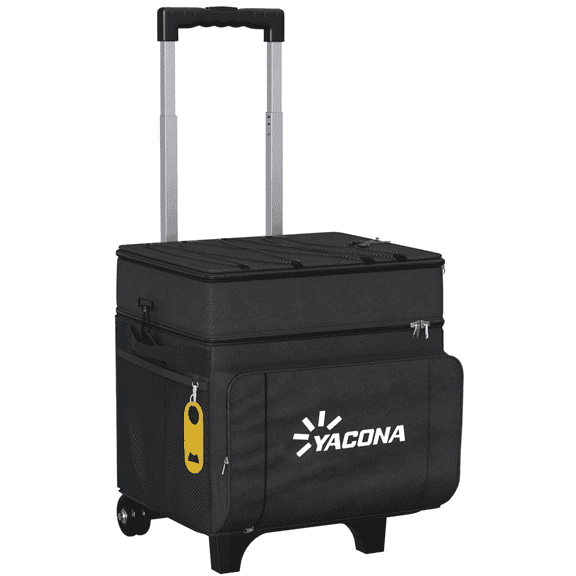
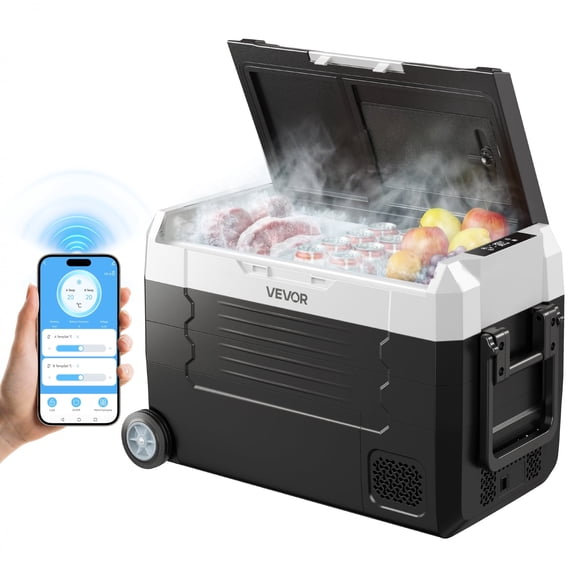
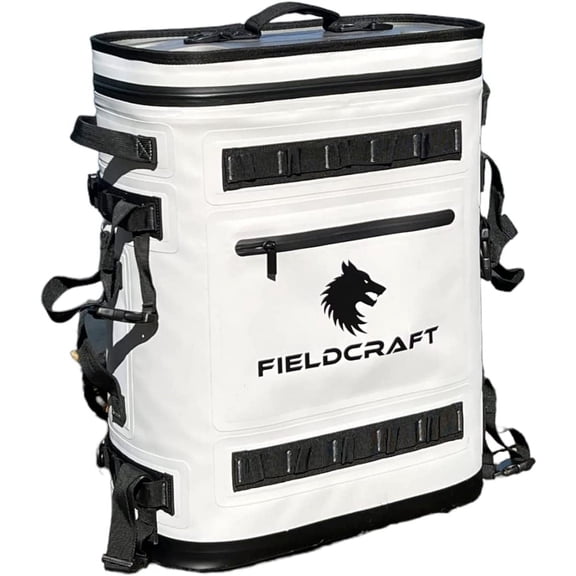
When you compare a portable fishing cooler, you should check how you'll move it from vehicle to launch. You'll want shoulder straps for hands-free hikes, heavy-duty handles for two-person lifting, or wheels for long ramps.
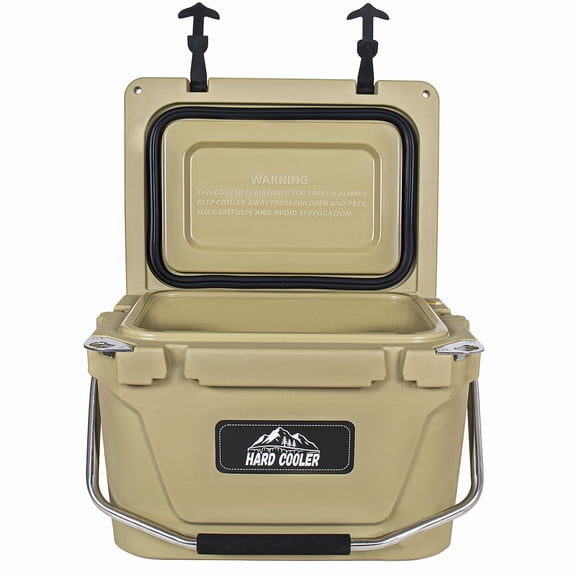
You should also think about how long your ice needs to last between launch and cleanup. You'll find that a fishing ice chest with thicker polyurethane foam insulation and commercial-grade gaskets usually supports longer cold hold.
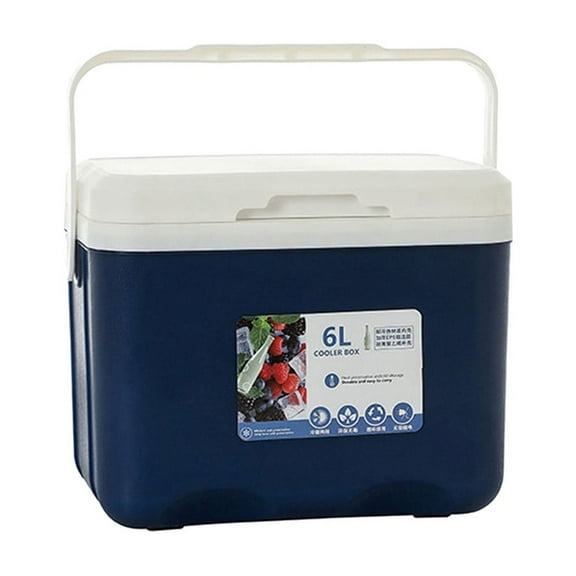
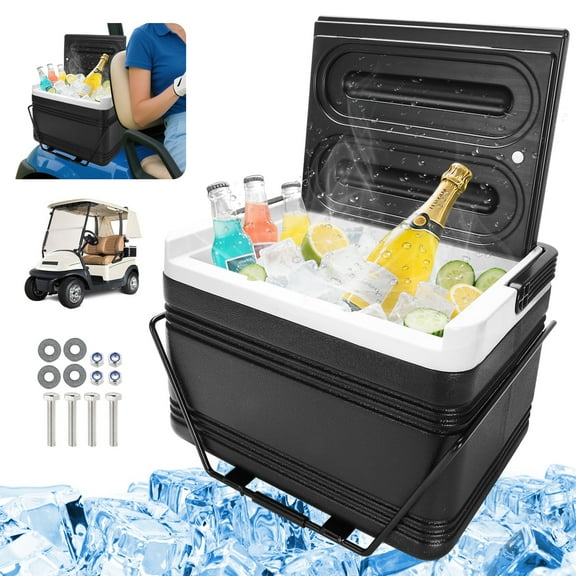
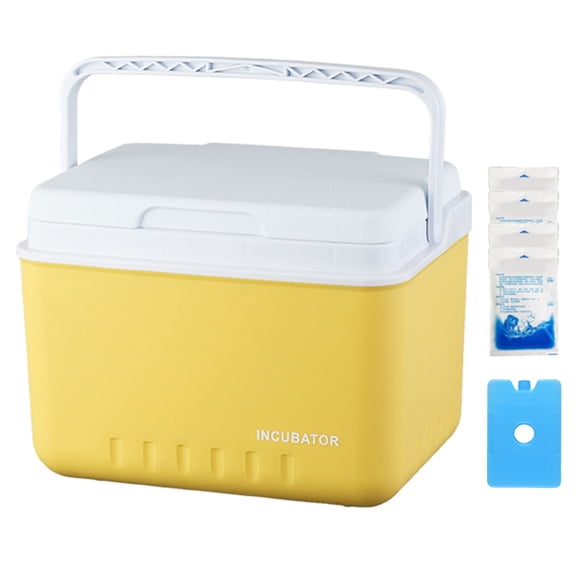
- You can choose hard-sided coolers when your trip calls for structure and rugged surfaces.
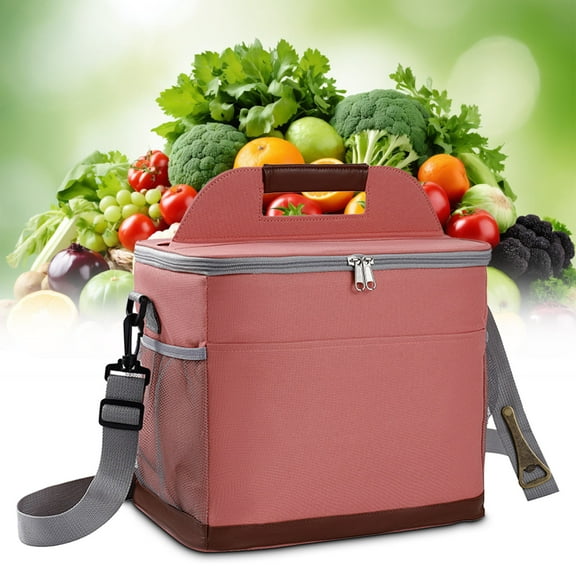
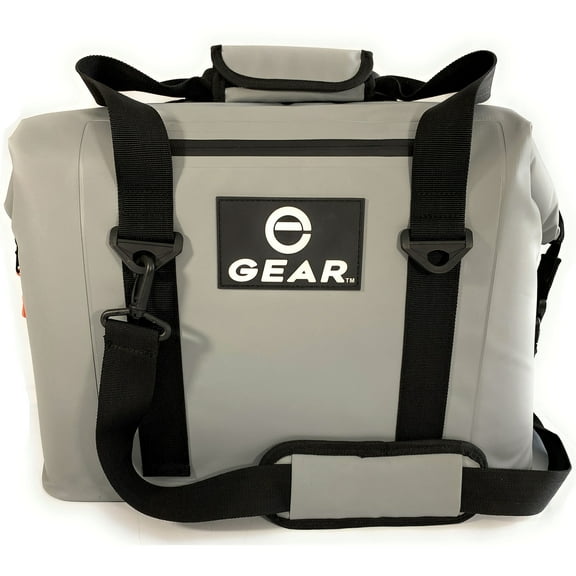
- You can pick soft-sided designs when your trip calls for lighter carry and flexible storage.
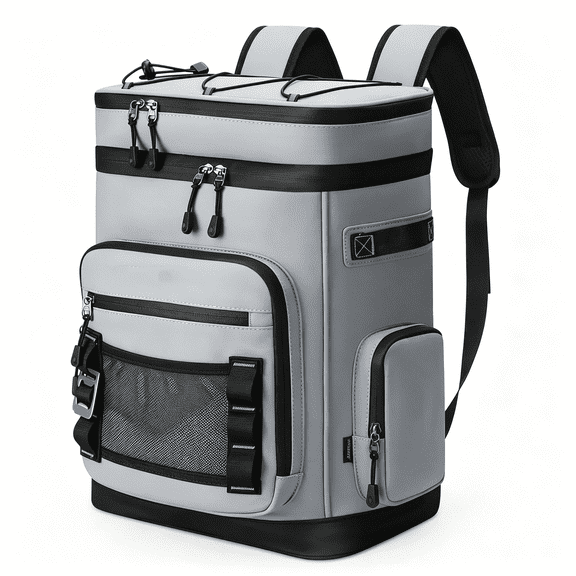
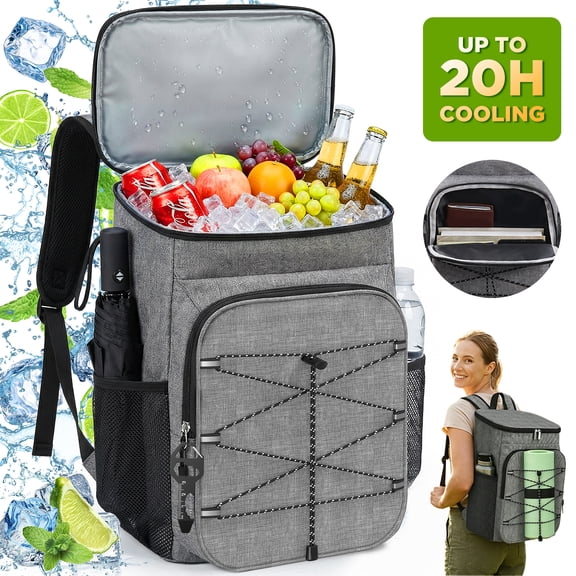
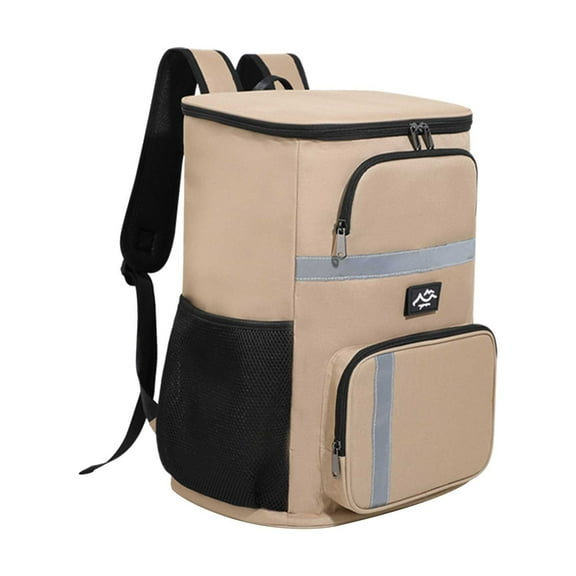
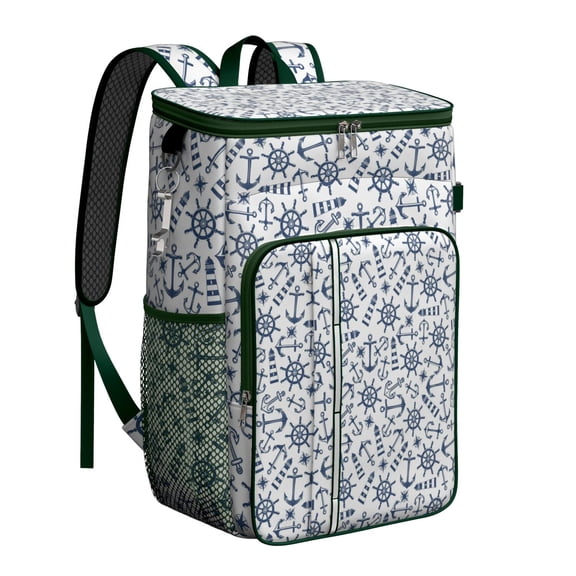
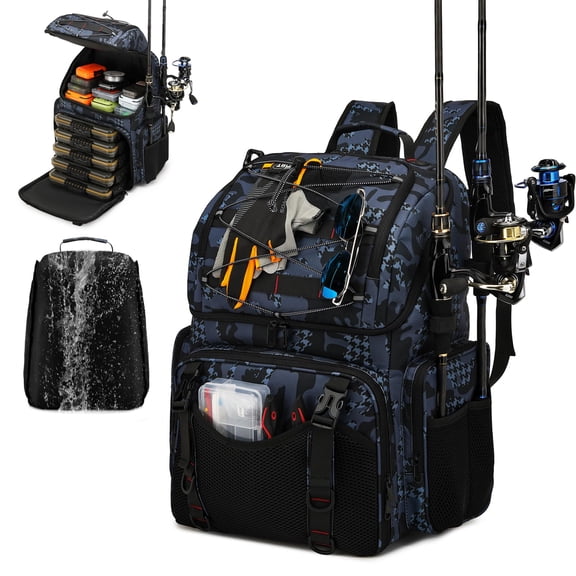
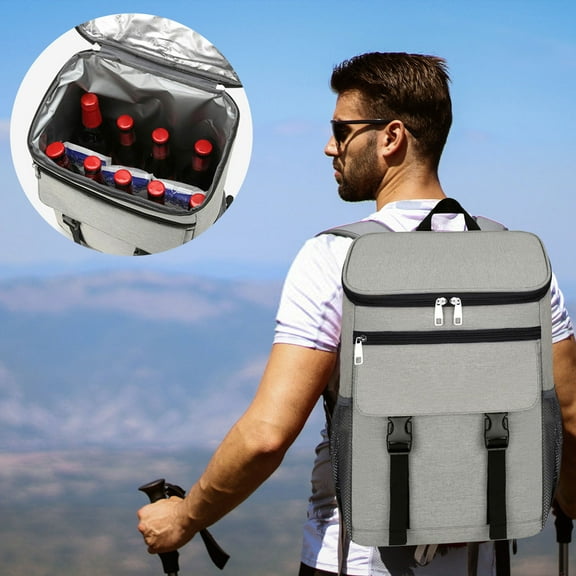
- You can use backpack styles when your trip includes walking to ponds, piers, or shoreline spots.
- You can look for wheels, handles, or straps based on how far you'll carry your load.
Choosing capacity and fish cooler box dimensions
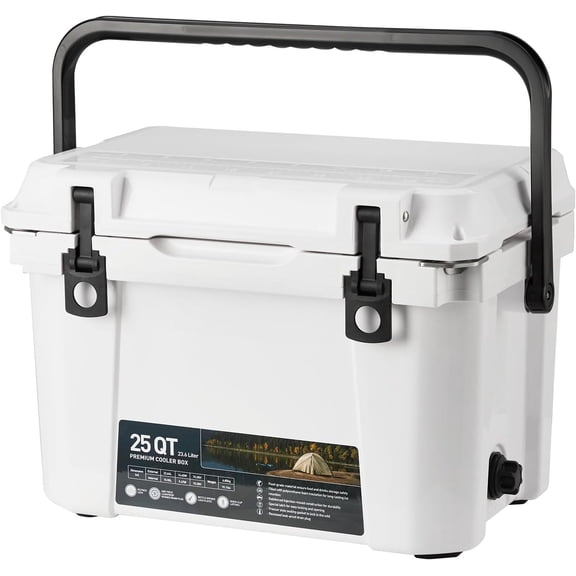
You should match capacity to your crew size, bait needs, and expected catch. You may use a 20-quart size for solo trips, a 50-quart option for longer outings, or a 100-quart+ fish cooler box for bigger hauls.
Before you choose, you should measure where your cooler will sit in your boat, truck, or dock cart. You'll also want to check internal length in inches when your catch size matters as much as total quart capacity.
If you're bringing drinks, bait, and fillets in one container, you should plan extra room from the start. You can avoid cramped packing when your cooler for fishing has enough depth and usable interior shape.
You may also want a fishing cooler box with a layout that supports fast access during active trips. You'll appreciate a wide opening when you're reaching for ice, bagged bait, or a measured keeper.
What to look for in a fishing ice chest
You should compare ice retention by trip length, not by labels alone. You'll usually want one to two days for short outings, three to five days for weekends, and five plus days for extended trips.
When you review construction, you should look for thick insulation, tight lids, and sturdy seals. You'll notice those details matter when your cooler sits in sun, spray, and repeated opening during the day.
You should also check exterior materials if your gear stays on deck for hours. You'll benefit from impact-resistant plastics and UV inhibitors that help your fisherman cooler stay ready for bright, exposed conditions.
If drainage matters after a full day, you should look for a drain plug that empties meltwater quickly. You'll spend less time tipping and lifting when cleanup is part of your routine.
Comparing angler cooler features and transport options
You should compare specialized details that support how you fish, not just how you store ice. You'll often find an angler cooler with a built-in fish ruler, rod holders, or tie-down points.
A built-in ruler helps you measure your catch without digging for extra tools. You'll keep your workflow cleaner when measuring happens right on the lid or top edge.
Rod holders can help you stage gear while you rebait, rig lines, or reset tackle. You'll also want tie-down-friendly shapes when your cooler rides in a boat or truck bed.
If you're choosing a portable fish cooler for bank access, you should weigh comfort against storage volume. You'll often trade larger capacity for easier carry when you pick shoulder straps or a backpack layout.
Matching cooler fishing setups to real trips
You should match hard-sided coolers with longer boat trips, larger catches, and deck use. You'll usually want that structure when your day includes sun exposure, repeated lid openings, and heavier loads.
If you're planning a short pier session or shoreline stop, you may prefer a soft-sided cooler fishing setup. You'll get easier transport and simpler stowage when your gear has to move quickly.
You might choose a backpack model when your route includes trails, rocks, or distant access points. You'll keep both hands free for rods, tackle, and landing gear on the way in.
For solo outings, you may need a compact fish cooler that fits bait, drinks, and a modest catch. You'll likely appreciate a 20-quart size when your space is tight and your carry distance is longer.
For group trips or all-day charters, you should consider a larger portable fishing cooler with wheels or reinforced handles. You'll manage heavier ice loads more easily when transport matches the total weight.
If your routine includes measuring and cleaning up at the dock, you should look for fishing-focused hardware. You'll get more practical use from drain plugs, rulers, and secure carry points built for the category.
You can choose a fishing cooler with confidence when you compare ice duration, interior dimensions, and transport details together. You'll end up with a cooler that fits your catch, your route, and your time on the water.