







Tackle Bags in Fishing Tackle Boxes



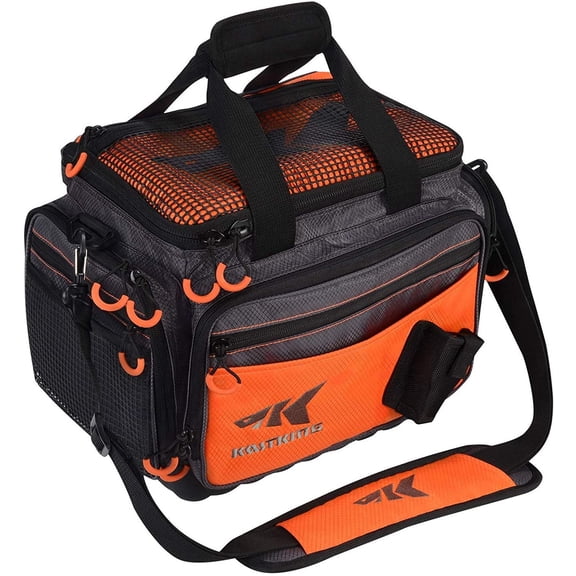
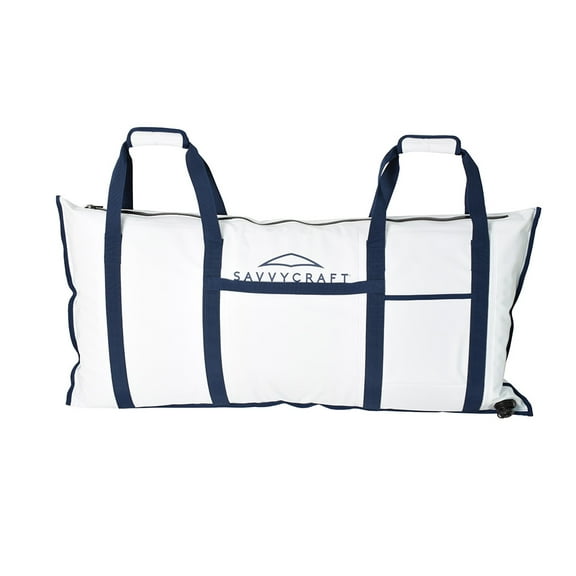


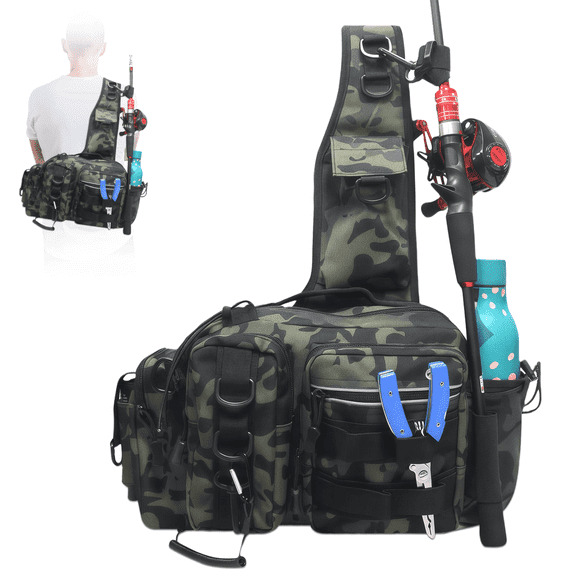
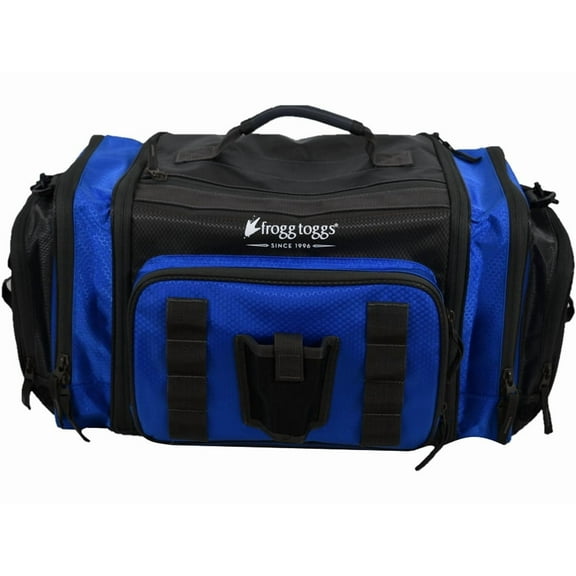










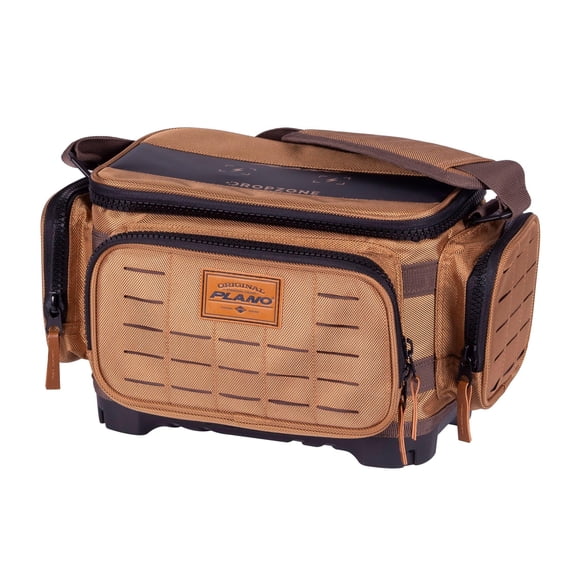

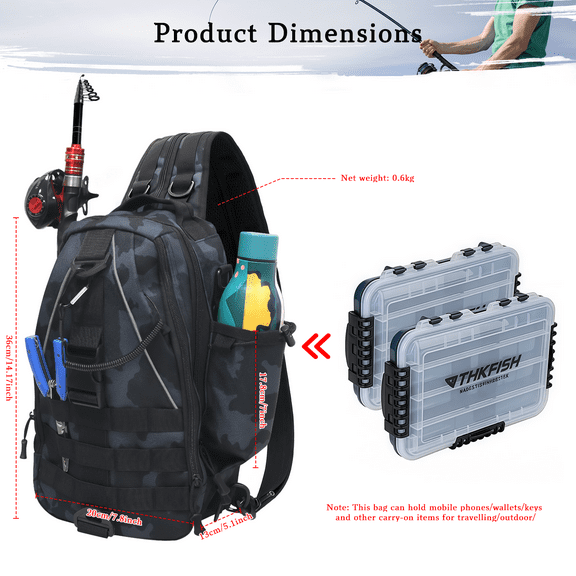
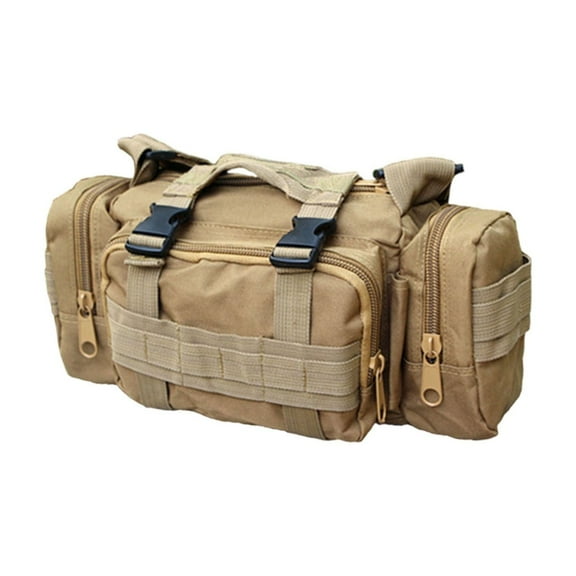


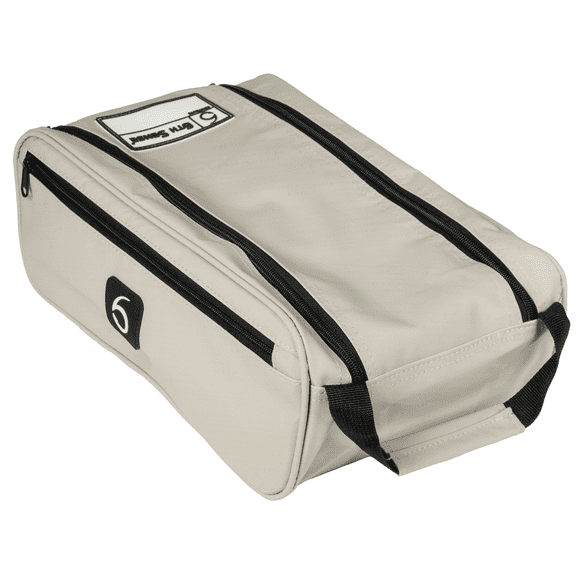


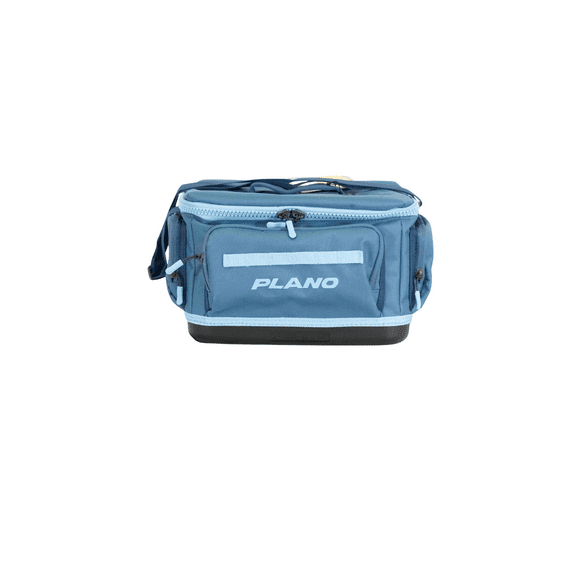

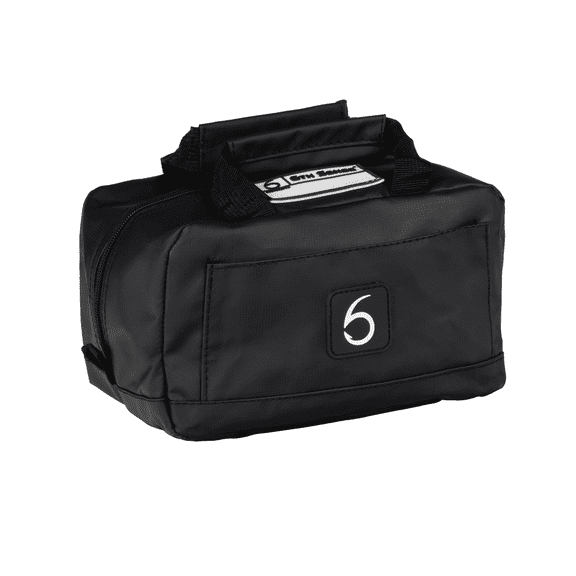


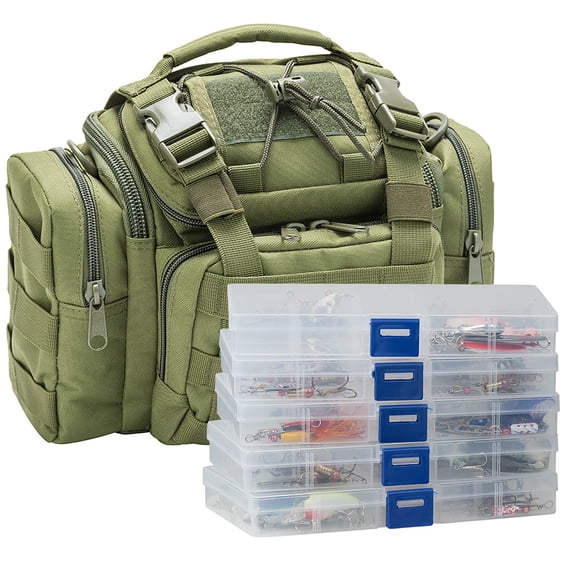


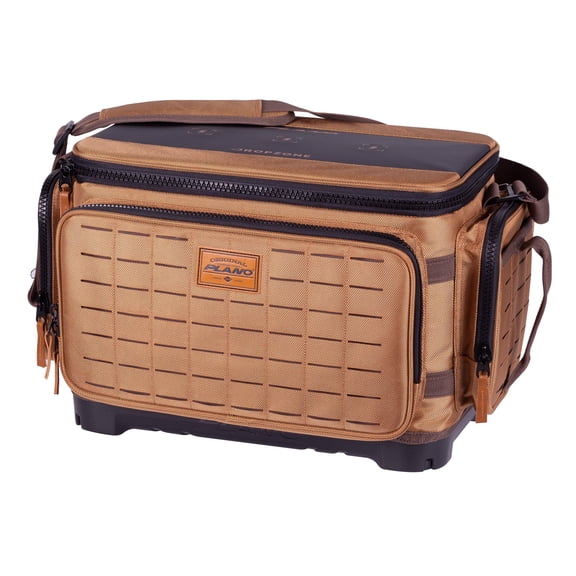
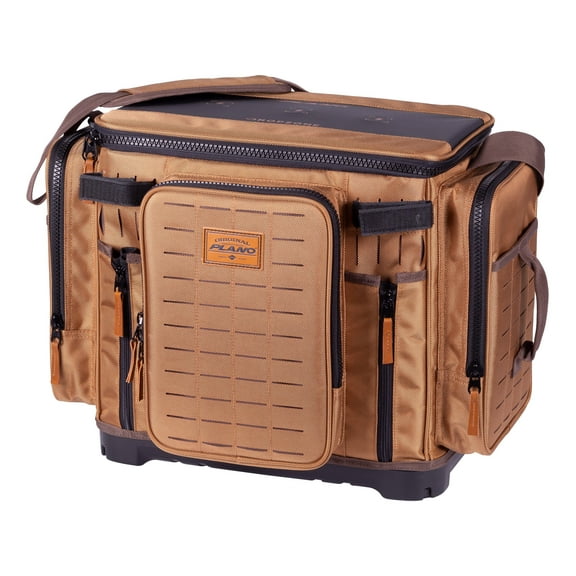
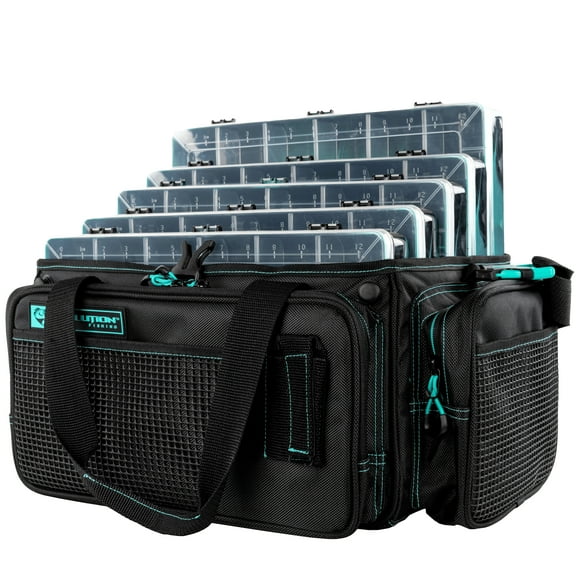


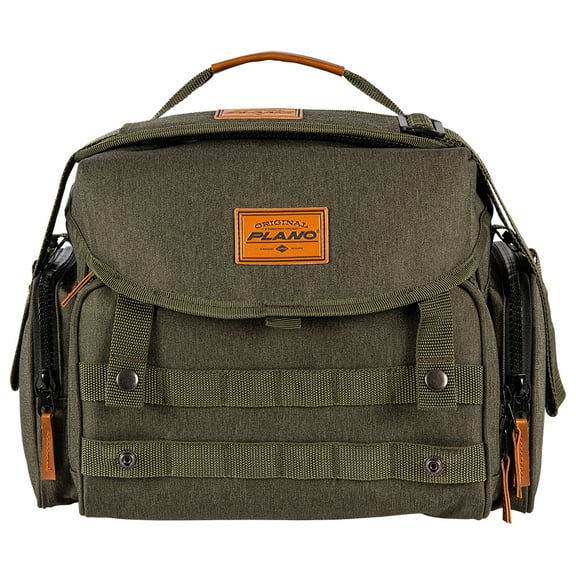


About Tackle Bags in Fishing Tackle Boxes - Walmart.com
Tackle bags help you organize lures, tools, and line for quick setup on the bank, boat, or dock. You can compare tray size, water resistance, carrying style, and saltwater-ready hardware before your next trip.
You can use this guide to compare category choices that affect storage, access, and comfort. You’ll make a clearer decision when you match your bag to tray size, carrying distance, and fishing environment.
How to choose tackle bags for your trips
When you choose fishing tackle bags, you should start with how much gear you carry each trip. You may need room for trays, pliers, leader spools, and soft bait packs.
If you fish short sessions, you may prefer a compact bag that keeps a few essentials within easy reach. If you fish all day, you may want a large tackle bag with space for extras.
You can narrow your options quickly when you match storage to your usual fishing style. You’ll notice that the right layout can cut down on digging through loose gear.
- You can keep hard baits, hooks, and terminal tackle separated by tray or pocket.
- You can carry tools, line, and accessories without stuffing your jacket or boat compartments.
- You can move from spot to spot with a setup that fits your walk, launch, or shoreline routine.
- You can choose a bag shape that matches bank fishing, kayak storage, or boat deck organization.
You should also compare access points before choosing a bag for your routine. You may prefer top access on a deck, or side access under a kayak seat.
Choosing tray size in tackle bags
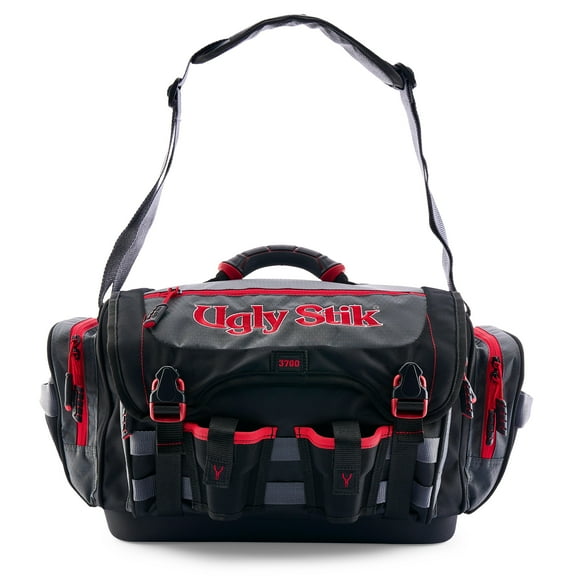
You should compare storage tray size first, because 3600 size and 3700 size trays change how much gear you can pack. You’ll usually find that 3700 size trays hold larger lure assortments.
If you carry compact hard baits or finesse tackle, you may prefer 3600 size trays for a light load. If you sort by species or technique, you may want more 3700 size capacity.
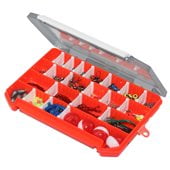
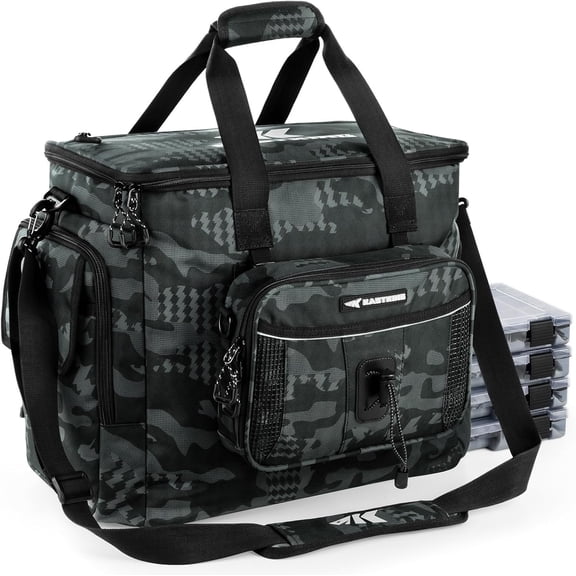
You can also look for a tackle bag with utility boxes when you want grab-and-go organization. You’ll spend less time repacking when your trays already match your usual setups.
Some layouts give you top access for quick tray swaps during active fishing. Others give you front or side loading, which can help when your bag sits under a seat.
You should also check exterior pockets, because utility trays don’t hold every small item you use. You may want mesh or zip pockets for leader wallets, scales, or scent bottles.
Comparing waterproof tackle bags and base construction
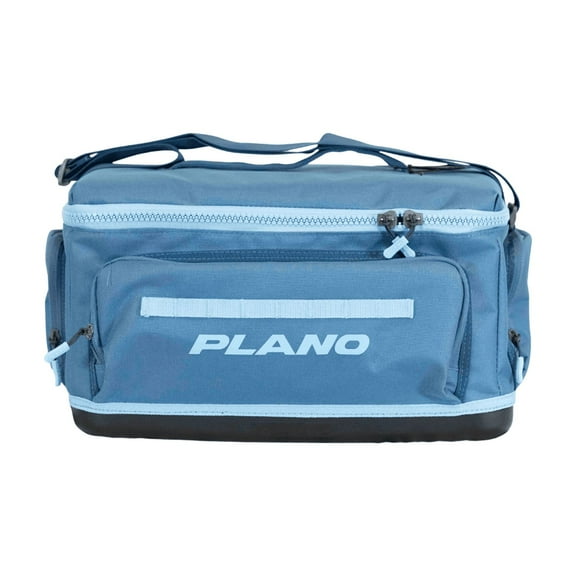
You should compare fabric and base design if you fish wet docks, muddy banks, or splashy decks. You’ll often want waterproof tackle bags with a waterproof base or molded bottom.
A molded bottom helps your bag stand upright on damp surfaces during rig changes. You can keep your gear off the ground more easily when the base adds structure.
Water-resistant nylon works well when you want light carry and flexible storage. You should still check seams, zipper flaps, and reinforced panels for everyday use.
If you launch early or fish through changing weather, you may want a bag that wipes clean easily. You’ll appreciate easy cleanup when soft plastics and line scraps collect in corners.
You should check whether the base shape fits your boat compartment or dock setup. You can avoid awkward storage when your bag footprint matches the space you use.
Choosing carrying style and tackle backpack options
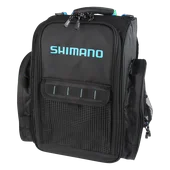
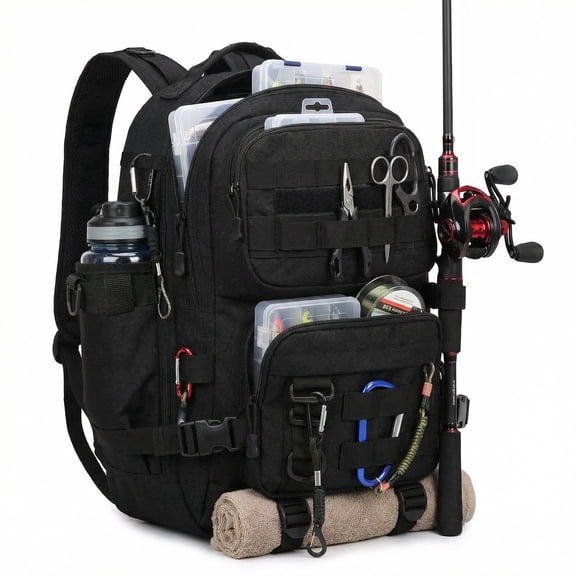
You should match carrying style to the distance you walk and the surfaces you cross. You may prefer a tackle backpack when you hike to ponds, creeks, or shoreline spots.
A tackle backpack can free your hands for rods, nets, or a folding chair. You’ll often feel more balanced when the weight rides across both shoulders.
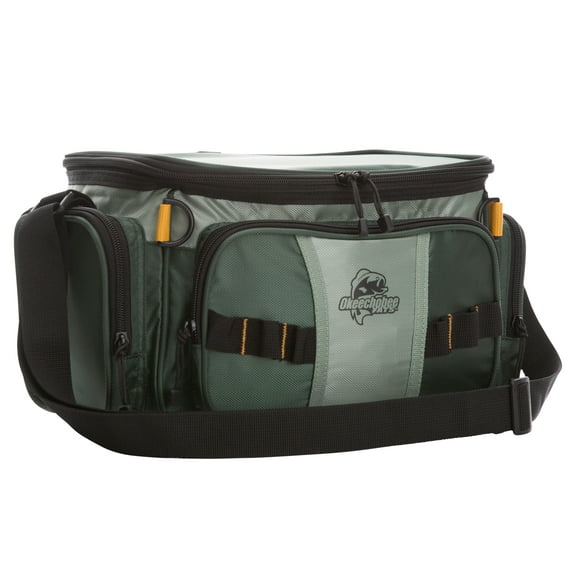
If you move gear from car to dock or boat, you may like a shoulder strap design. You can grab side pockets quickly, and you can set the bag down beside your seat.
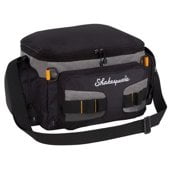
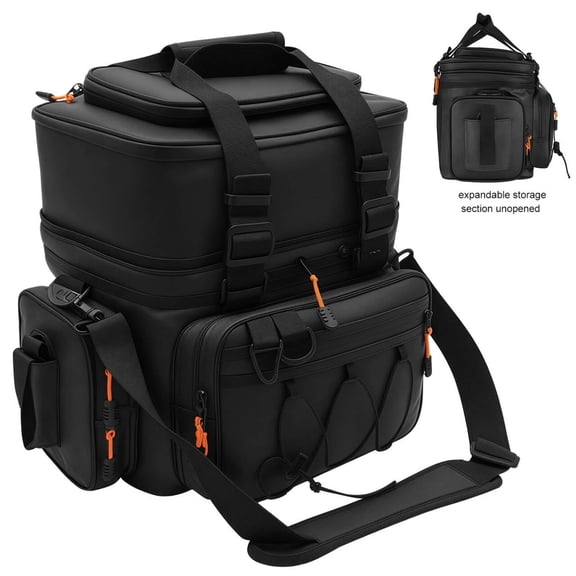
A duffel-style option may suit you when you carry bulky layers, tools, and multiple trays together. You should compare strap padding, handle placement, and opening width before choosing.
You’ll also want to measure where your bag rides during long walks. Your comfort can depend on back panel shape, strap adjustability, and how full utility trays feel.
Checking saltwater tackle bags and hardware durability
You should look closely at zipper pulls, clips, and other hardware if you fish coastal areas. Saltwater tackle bags often focus on corrosion-resistant parts that handle repeated marine use.
If you target inshore species, you may carry jig heads, leaders, and pliers that need dedicated storage. You can keep that gear more organized when pockets separate wet tools from dry items.
Freshwater anglers may also want durable zippers and reinforced stitching for frequent trips. You’ll notice that sturdy closures matter when your bag opens and closes all season.
You should compare interior and exterior pocket placement based on how you fish. If you retie often, you may want quick-access holders for line cutters, forceps, and small tackle.
Matching tackle bags to real fishing situations
If you fish neighborhood ponds after work, you may want compact fishing tackle bags with 3600 size trays. You can carry a simple lure rotation without bringing unnecessary weight.
If you fish tournaments or full-day outings, you may prefer a large tackle bag with several 3700 size trays. You’ll have room to sort by technique, depth, or target species.
For spring fishing tackle bags, you may want space for changing conditions and shifting bait choices. You can switch from reaction baits to finesse rigs without rebuilding your whole setup.
If you fish jetties, piers, or bays, you may lean toward saltwater tackle bags with corrosion-resistant hardware. You can pair that choice with a molded bottom for slick, damp surfaces.
If you cover long stretches of shoreline, you may prefer a tackle backpack with utility trays and tool holders. You’ll move more comfortably when your setup stays balanced and easy to access.
You can shop with more confidence when your storage matches tray size, weather exposure, and carrying needs. The right setup helps you keep gear sorted, protected, and ready for the next cast.