


Find tires that fit
Let’s search for tires that fit your vehicle.Firestone Firehawk Tires - Performance Tires | Walmart


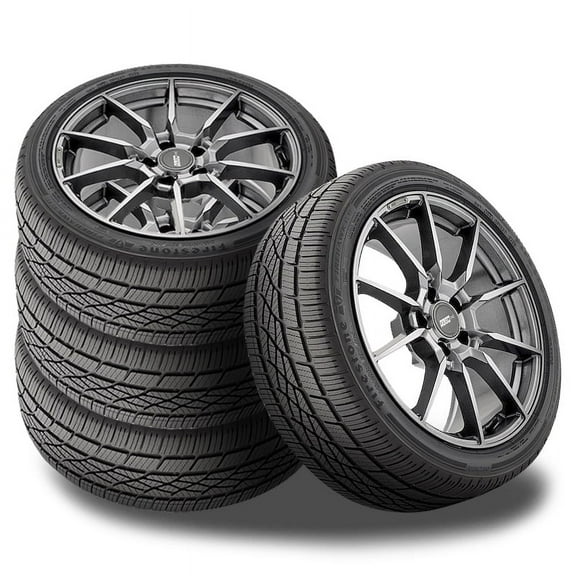
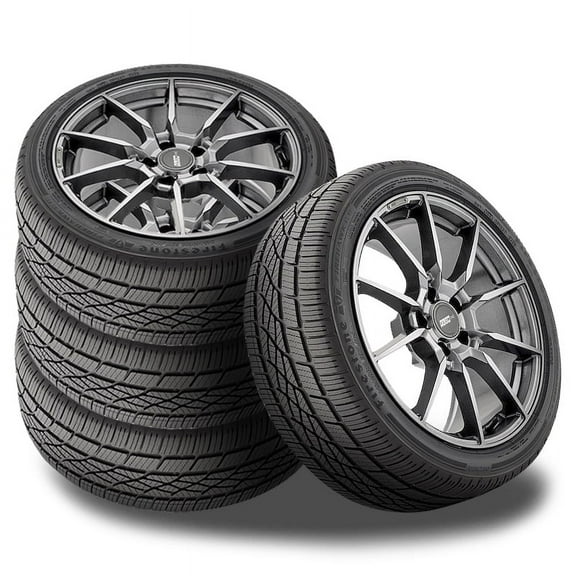
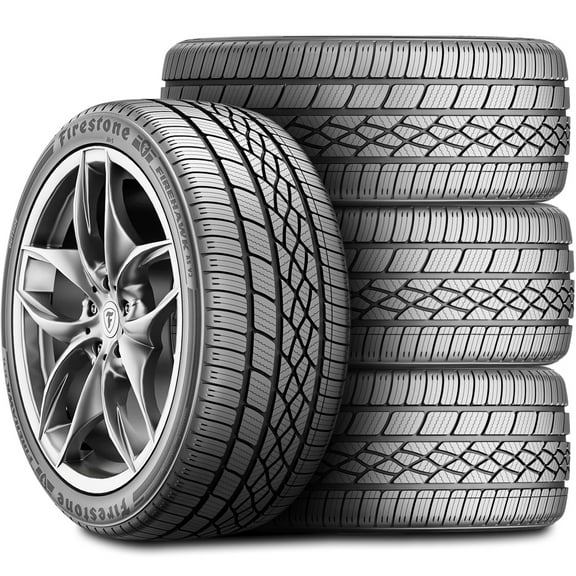


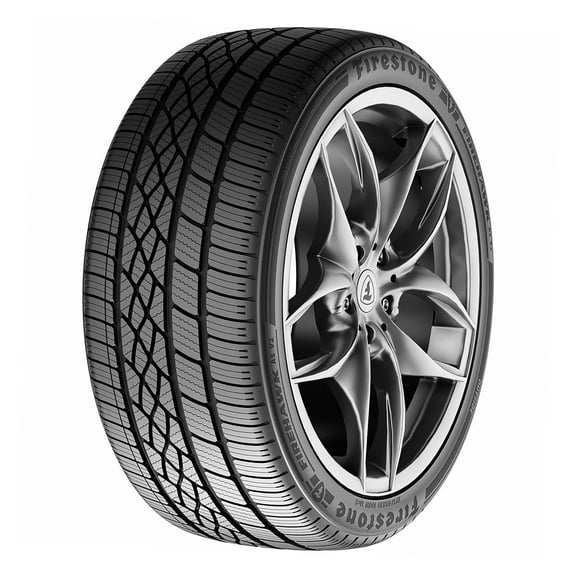


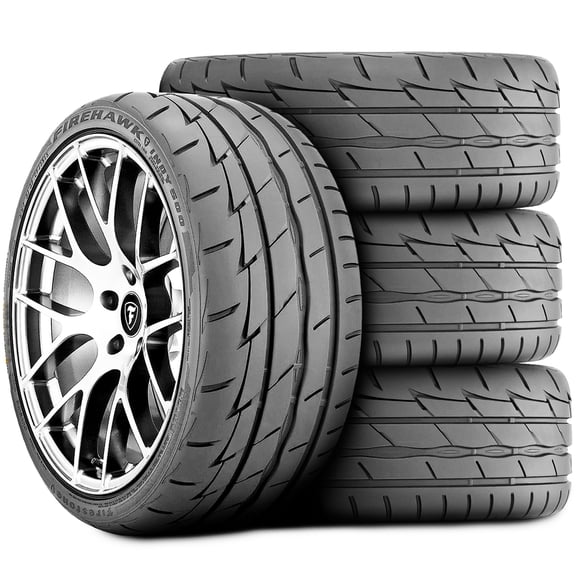


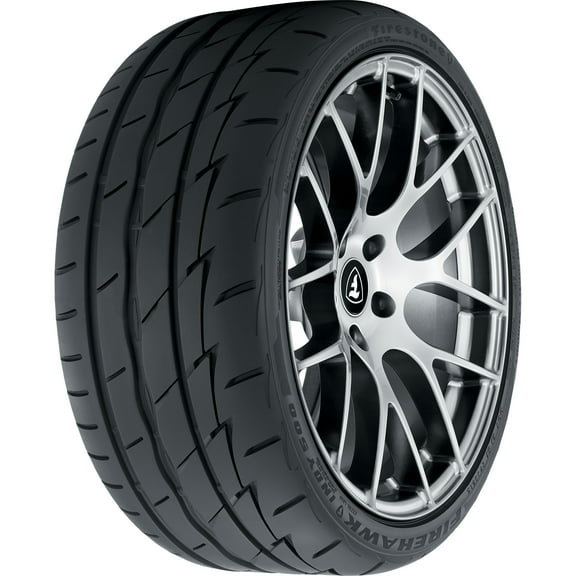

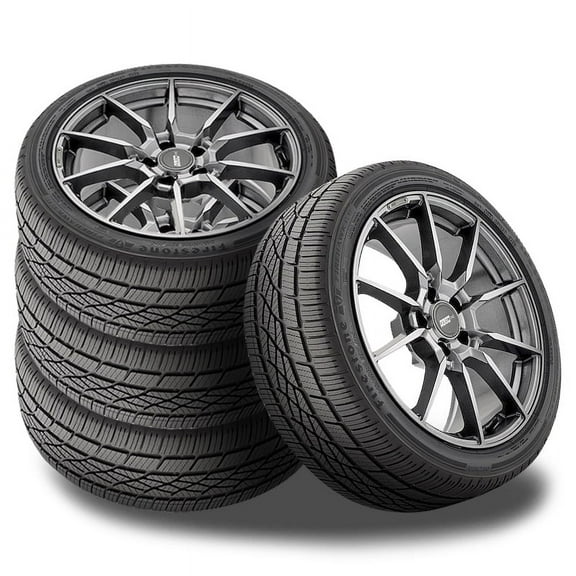


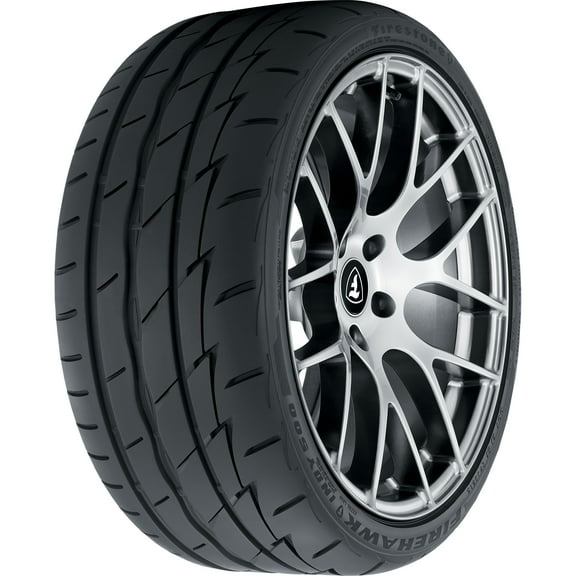
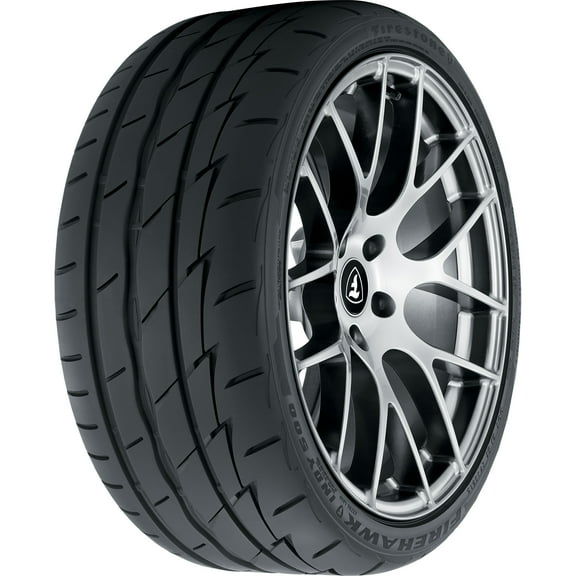
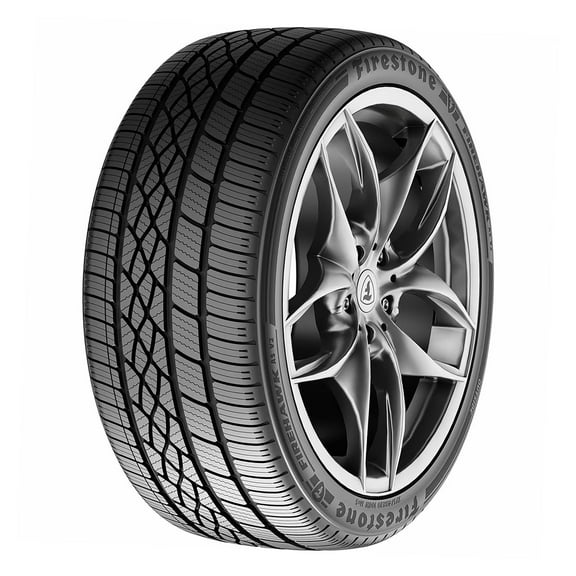

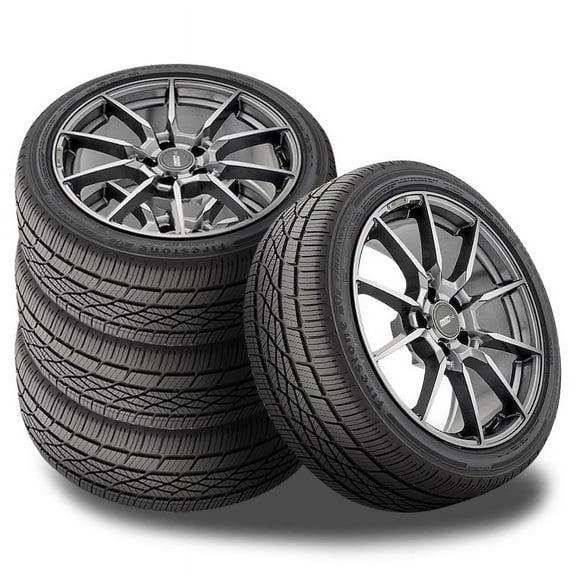


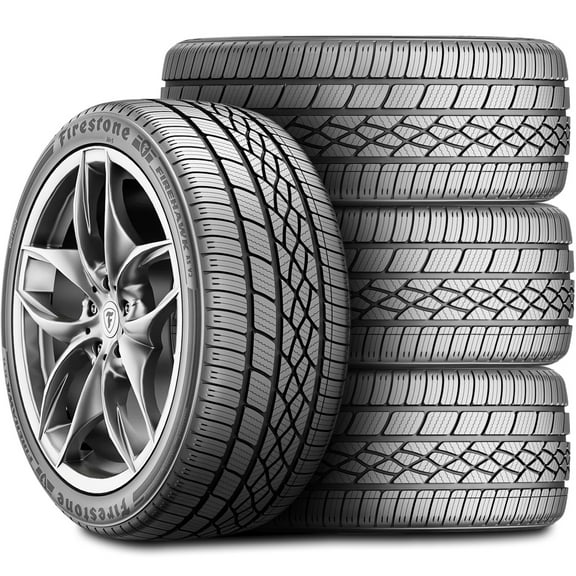
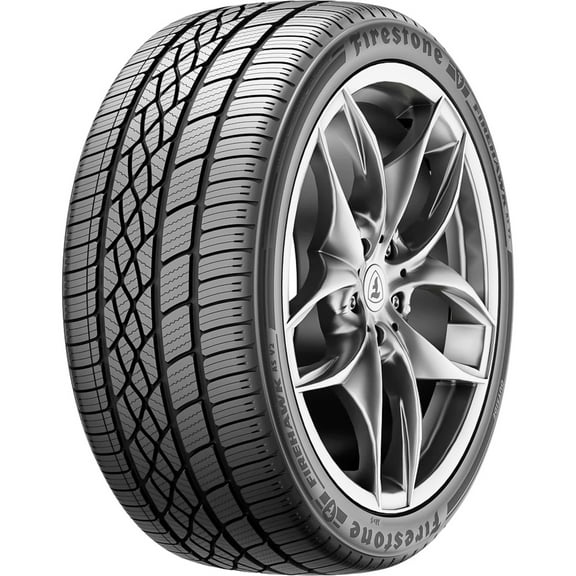

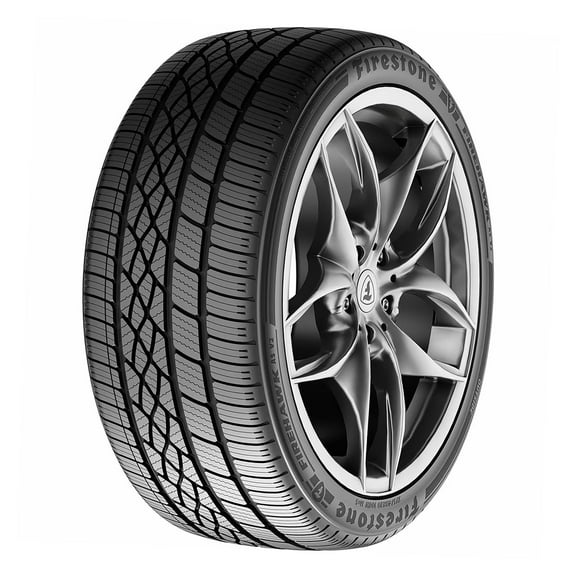


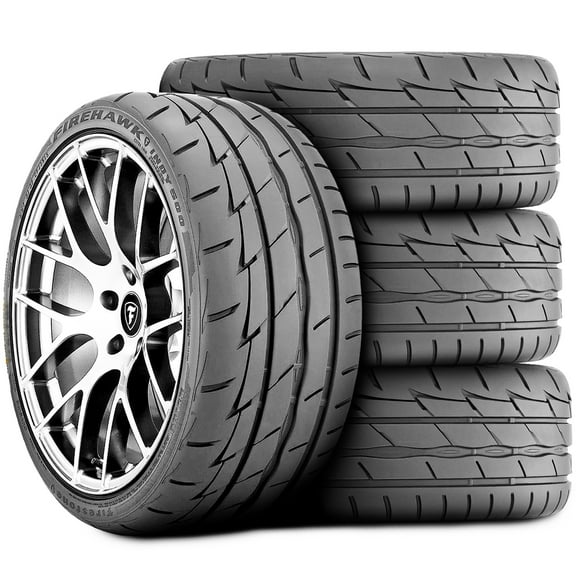

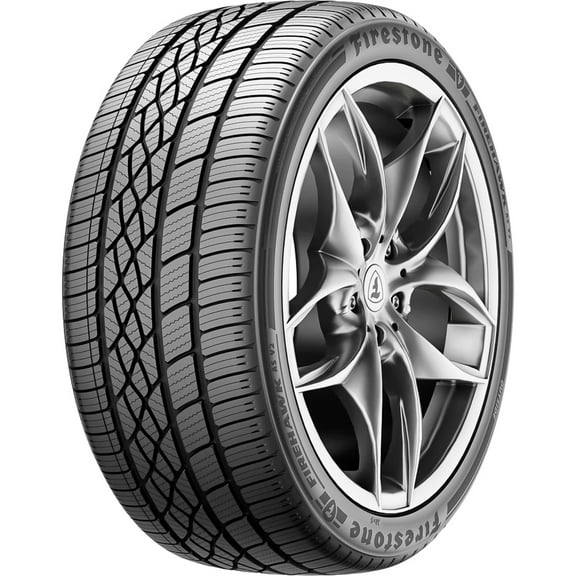

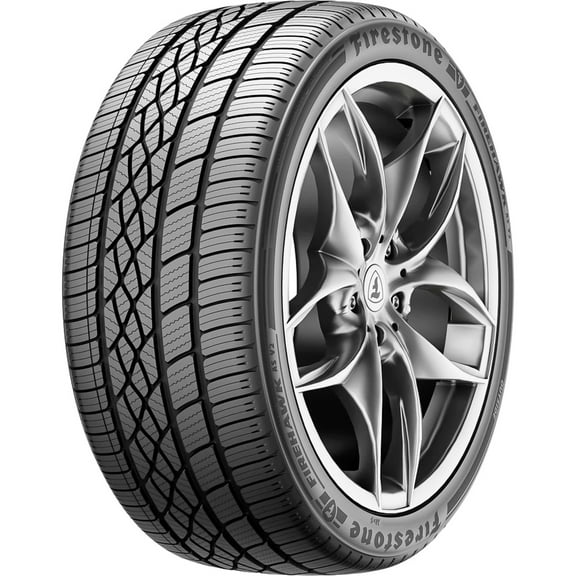
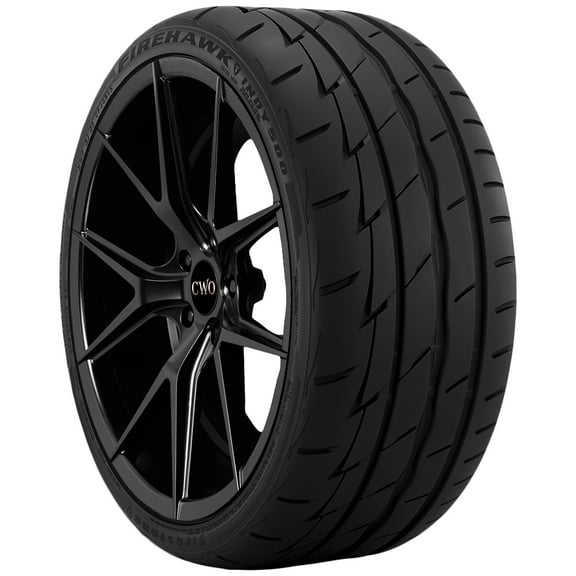
About Firestone Firehawk Tires - Performance Tires | Walmart - Walmart.com
When you shop firestone firehawk tires, you’re usually looking for responsive handling, confident traction, and fitment options for sporty daily driving. You can compare summer, all-season, and winter choices at Walmart while narrowing tread design, speed rating, and vehicle sizing details that matter.
If you drive a sedan, coupe, or performance-focused vehicle, you may want a tire that feels planted in curves and steady on highways. You’ll also want clear model differences, because Firehawk lines can vary in seasonality, ride feel, and tread pattern.
How to choose firestone firehawk tires
You should start with your vehicle’s tire size, because width, aspect ratio, and wheel diameter affect fit before anything else. You’ll also want to check load index and speed rating, since those specs shape carrying capacity and intended driving character.
For everyday guidance, you can match H-rated options to calmer highway use and V-rated or W-rated options to sharper response. If your vehicle calls for Y-rated fitment, you should verify exact manufacturer requirements before choosing a firehawk tire.
You can also compare tire seasonality based on your climate and driving routine. If you see Firestone summer tires, you’re looking at warm-weather grip and quicker steering response rather than year-round versatility.
- You can choose summer tires for stronger dry-road feel and sporty cornering.
- You can choose all-season options for mixed weather and daily commuting.
- You can choose winter-focused fitments for cold-season traction and seasonal driving needs.
- You can compare speed ratings to align handling feel with your vehicle requirements.
What to look for in firestone firehawk performance and all-season models
You should compare performance class next, because Ultra High Performance, Grand Touring, and Max Performance serve different expectations. If you want quicker steering and stronger dry grip, you may lean toward UHP or Max Performance designs.
If you want a calmer commute, you may prefer Firestone Firehawk GT tires and other grand touring fitments. You’ll often notice a smoother ride, more controlled road noise, and mileage traits that suit frequent highway use.
Tread design also changes how your tires feel in daily driving. If you compare asymmetric, directional, and symmetric patterns, you can better judge wet-road behavior, straight-line stability, and rotation flexibility.
With an asymmetric tread, you’ll usually get a balance of dry-road grip and wet traction across different driving conditions. With a directional tread, you may notice stronger water evacuation that supports confident control in rain.
If you choose a symmetric pattern, you may appreciate an even, predictable feel for regular commuting. You can also find maintenance simpler, because some symmetric designs allow more flexible rotation patterns.
You should also weigh treadwear life against sharper handling. If you drive long distances each week, you may prefer a setup that balances sporty response with expected mileage and everyday comfort.
Choosing fitment, traction, and ride quality
You can narrow Firestone Firehawks faster when you match your vehicle use to road conditions. If you commute daily, you may want all-season coverage with controlled road noise and stable highway manners.
For warmer climates and enthusiastic driving, you may prefer a summer setup that supports shorter braking feel and direct steering input. You’ll often notice stronger dry-pavement confidence during on-ramp merges and weekend drives.
If your route includes frequent rain, you should compare groove layout and tread pattern carefully. You can use directional or asymmetric designs when you want better water channeling and a more composed wet-road feel.
You should measure comfort by how the tire supports your usual miles, not only by performance class. If you spend hours on interstates, you may want a Firehawk tire that limits cabin noise and smooths rough pavement.
Vehicle fitment remains the key decision, especially when you compare aspect ratio and load index. You can think of aspect ratio as sidewall height, which affects ride firmness, steering feel, and wheel protection.
You should also confirm installation plans when you replace multiple tires at once. You can pair your purchase with Walmart Auto Care Center services, which helps you move from fitment research to mounted tires more smoothly.
How your driving style matches firehawk tire options
If you want a responsive setup for sporty sedans, you may focus on summer or max performance choices with higher speed ratings. You’ll likely prioritize crisp turn-in, dry traction, and a firmer road feel.
If your vehicle handles school runs, commuting, and weekend highway trips, you may prefer all-season or GT-oriented options. You’ll typically get a more balanced mix of traction, tread life, and ride comfort.
When you compare fire hawk tires for mixed daily use, you should check how the tread pattern supports your climate. You can often balance wet-road confidence with steady wear when you choose the right seasonality.
If you’re replacing worn tires on a performance coupe, you may want to compare Firestone Firehawk sizes alongside your current door-jamb specifications. You should keep the recommended size, load index, and speed rating aligned with your vehicle information.
You can shop with more clarity when you treat each spec as a practical decision point. That approach helps you choose Firestone Firehawk tires that fit your vehicle, match your roads, and deliver the driving feel you expect.