


Find tires that fit
Let’s search for tires that fit your vehicle.Firestone Destination Tires in Firestone Tires







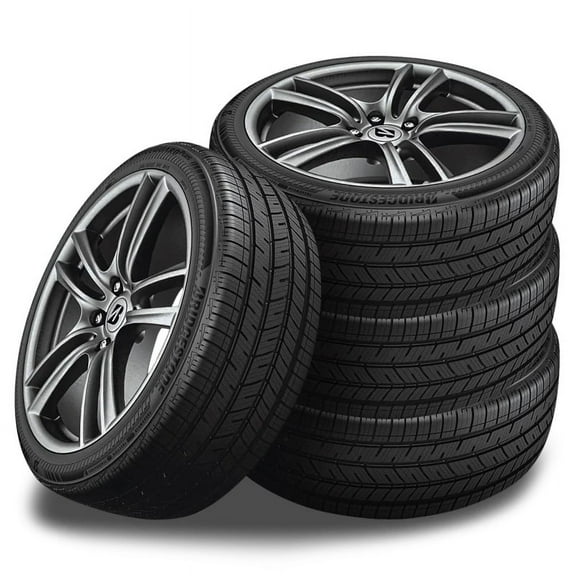
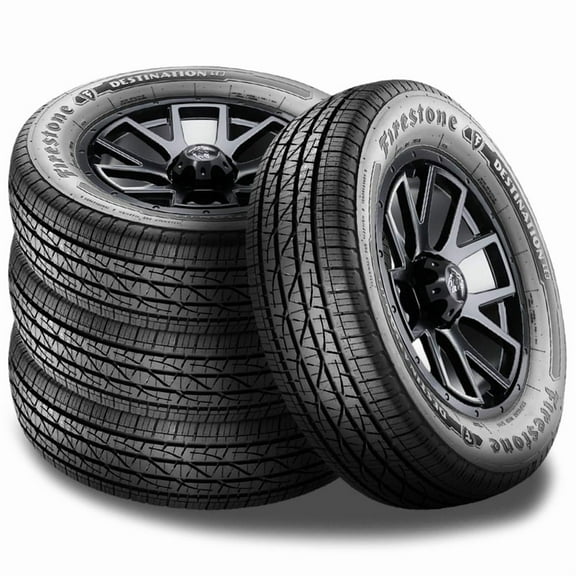

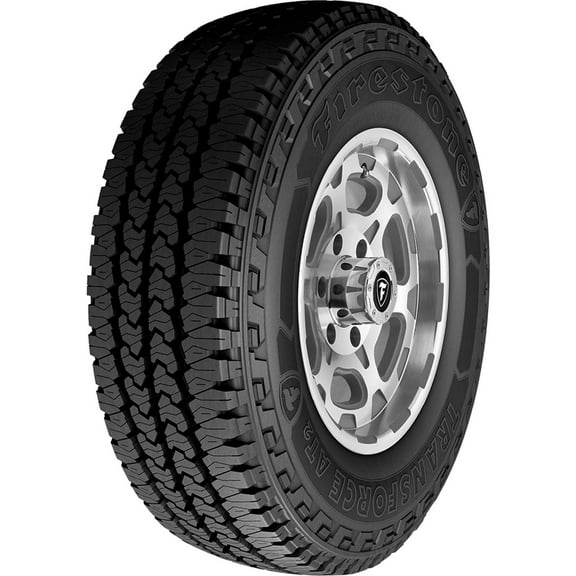


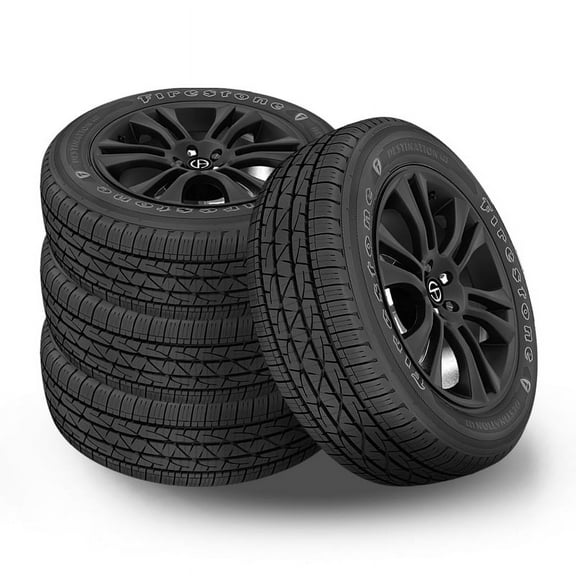



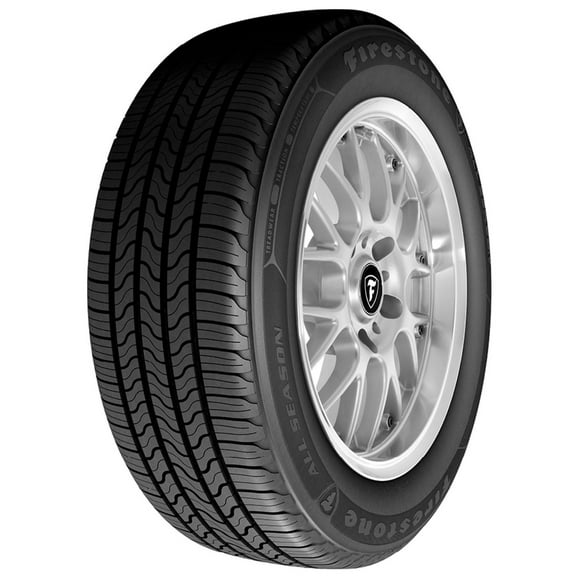

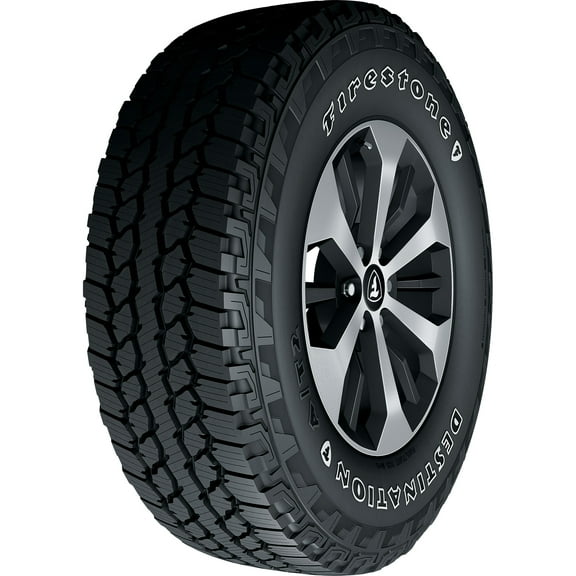


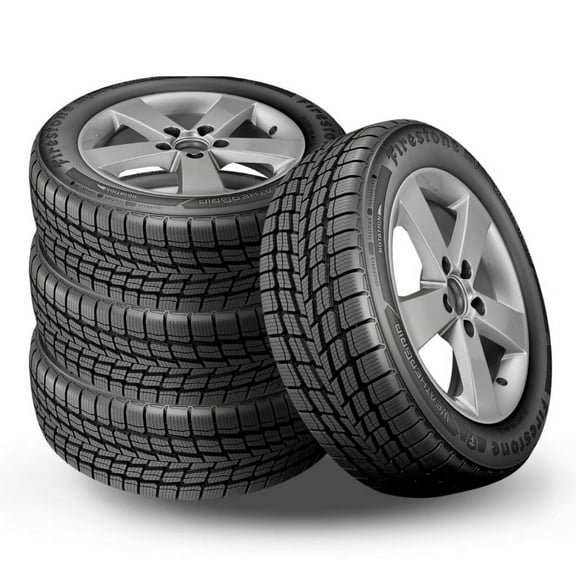
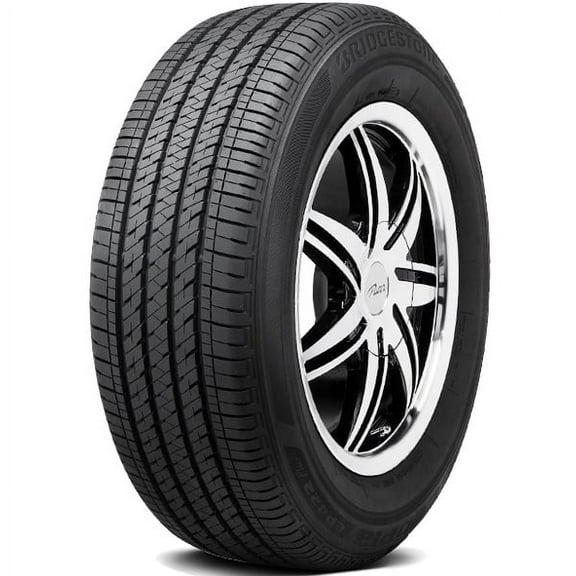
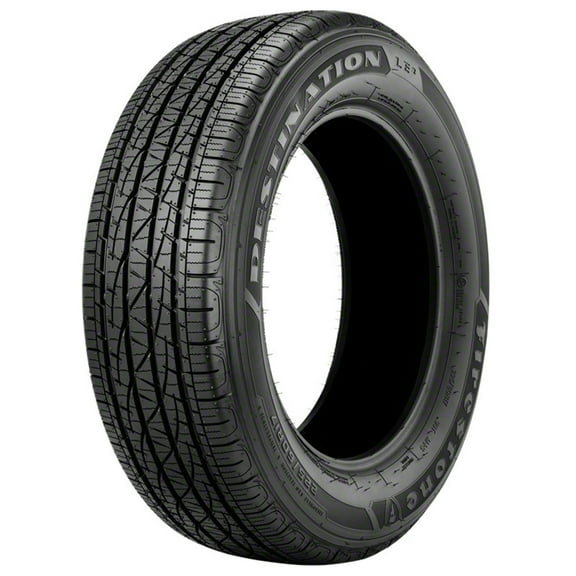

About Firestone Destination Tires in Firestone Tires - Walmart.com
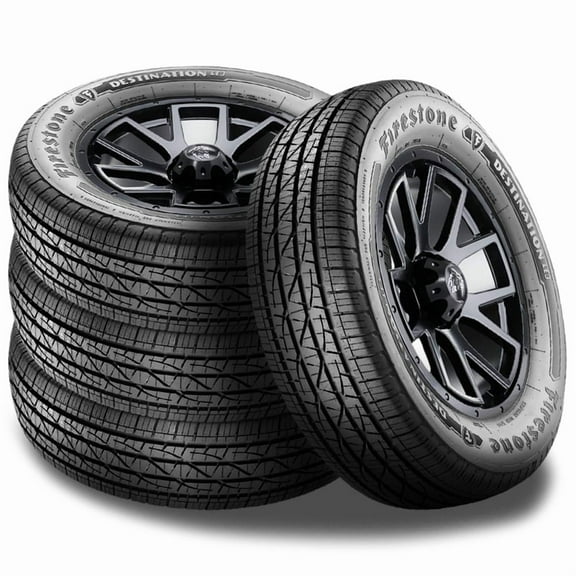
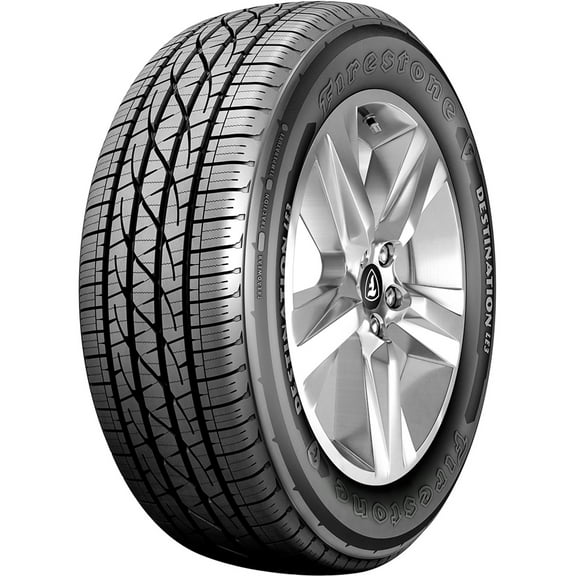
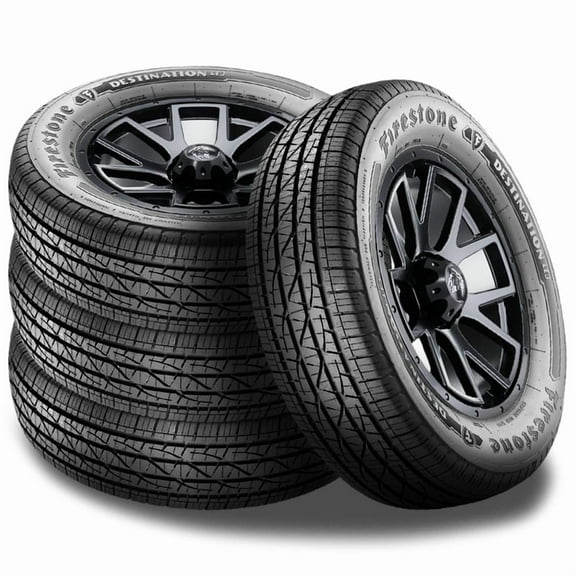
Firestone Destination tires help you match your truck, SUV, or CUV to your roads, driving habits, and required tire size. You can compare highway comfort, all-terrain grip, and rugged tread styles within one tire family built for utility vehicles.
If you're replacing worn tires, you likely want a clear way to compare LE3, A/T2, and X/T options. You can use this guide to understand terrain fit, load needs, and everyday road manners before you choose.
How to choose Firestone Destination tires
You should start with the roads you drive most often, because tread design changes how your vehicle feels on pavement and loose surfaces. You can narrow your choice faster when you compare highway terrain, all-terrain, and max traction styles first.
When you drive mostly paved roads, you may prefer LE3 highway-focused options that support a quieter ride and steady handling. If you split time between pavement and gravel, you may lean toward A/T2 patterns with more bite.
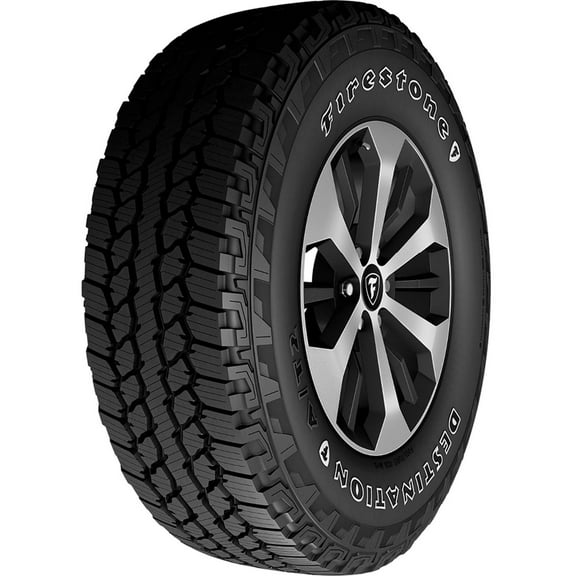
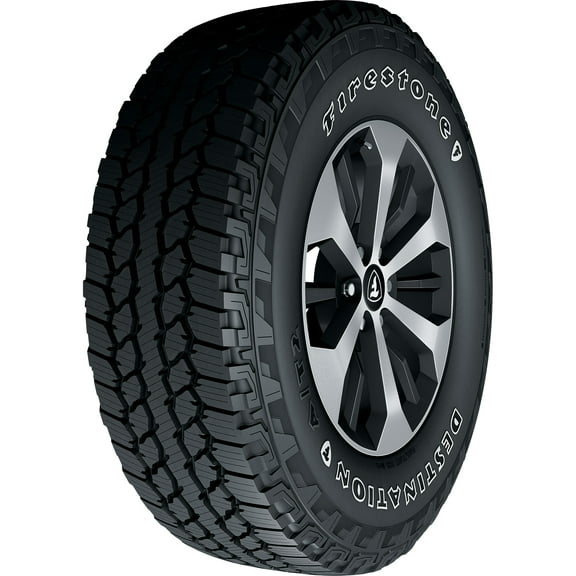
For rougher trails and a more aggressive look, you may compare X/T styles that bridge all-terrain use and deeper off-road capability. You should expect each pattern to trade some on-road smoothness for added traction on dirt, mud, or uneven ground.
- You can choose H/T styles when your commute, errands, and highway miles come first.
- You can choose A/T styles when your route mixes pavement, gravel roads, and light trail use.
- You can choose M/T-inspired or X/T options when your priority is a more aggressive tread and stronger off-road grip.
Choosing the right Firestone Destination tire for your vehicle
You should compare model lines by how you use your vehicle, not just by tread appearance. Your light truck may need different road manners than your family SUV or your daily-driven CUV.
If your miles are mostly highway miles, you may look at LE3 options for smoother cruising and everyday versatility. You can use this route if your priority is predictable handling during commuting, errands, and long drives.
When your driving includes job sites, campgrounds, or unpaved roads, you may compare A/T2 choices more closely. You can get a tread pattern that supports mixed-surface confidence without moving fully into a dedicated mud-focused style.
If your build leans rugged and your route includes tougher surfaces, you may consider X/T versions within the Firestone Destination lineup. You can use that model line when your driving calls for stronger visual tread presence and added off-pavement capability.
You should also match the tire to vehicle type before you finalize your pick. Your SUV, CUV, or light truck may need a different load index, sidewall profile, or ride balance.
What to look for in traction and treadwear
You may want extra confidence in rain or light winter conditions, especially if your route changes with the seasons. You should compare wet and snow traction notes in the listing details, because tread design affects grip and braking feel.
If your climate brings frequent rain, you may prefer patterns that channel water well and feel planted on wet pavement. You can also check product details that describe everyday road comfort during changing weather.
When you see treadwear warranty mileage, you should treat it as a useful comparison point between models. You can use figures like 50,000 or 70,000 miles to compare expected wear coverage across different Firestone Destination options.
A higher mileage warranty may fit your routine if you log long commutes or frequent road trips. A more aggressive tread may fit your needs if you accept shorter wear expectations for added traction on mixed terrain.
Checking size, fitment, and Firestone Destination truck tires specs
You should verify your tire size before you compare styles, because fitment drives handling and ride feel. You can find the size on your current sidewall or your vehicle placard, then match it carefully.
When you read a size like 265/70R17, you should break it into three simple parts. You get section width first, aspect ratio second, and rim diameter last, which helps you confirm proper fit.
You should also check load index and speed rating before you buy, especially for towing, hauling, or fully loaded travel. Your vehicle depends on those numbers to match weight support and intended driving conditions.
If you're shopping Firestone Destination truck tires, you may also compare sidewall construction and tread depth by intended use. You can keep your search focused by filtering for 15 inch, 16 inch, 17 inch, 18 inch, or 20 inch compatibility.
You shouldn't rely on vehicle guesses or unrelated fitment searches when you choose tires for your setup. You can avoid mismatches by confirming exact size, load requirements, and approved applications for your truck, SUV, or CUV.
How Firestone Destination tire choices fit real driving
You may need one tire family that covers commuting, family travel, and weekend gear hauling without overcomplicating the decision. You can compare a Firestone Destination tire by where you drive, how often you drive, and what your vehicle carries.
If your week is mostly school runs, office commutes, and highway miles, you may prefer LE3-style comfort and road manners. You can keep your drive composed while still using a tire line designed for utility vehicles.
When your plans include dirt access roads, fishing spots, or cabin weekends, you may want A/T2 capability. You can get a more versatile tread for changing surfaces while keeping everyday usability in view.
If your route includes rough terrain and you want a tougher stance, you may compare X/T options more closely. You can build around stronger off-road intent while still shopping within the broader Firestone Destination family.
You may also search for Firestone A/T tires when your goal is mixed-surface traction for trucks and SUVs. You can use terrain type, model line, and fitment details together to narrow your choice with more confidence.
When you choose with those details in mind, you can get tires that fit your vehicle and your routine more precisely. You end with a setup that supports everyday control, seasonal traction, and a more confident drive.