



Fire Starters in Camp Kitchen























About Fire Starters in Camp Kitchen - Walmart.com
Fire starters help you light campfires, grills, and fireplaces with less fuss. Your choice gets easier when you compare form, burn time, and weather resistance first.
If you're packing for a campsite or setting up a hearth, you need a clear way to choose. This guide helps you compare squares, logs, gel, nuggets, and sticks with confidence.
Choosing the right fire starters for your use
Your intended use should guide your first decision. The right shape and burn style depend on whether you're lighting wood, charcoal, or a backup kit.
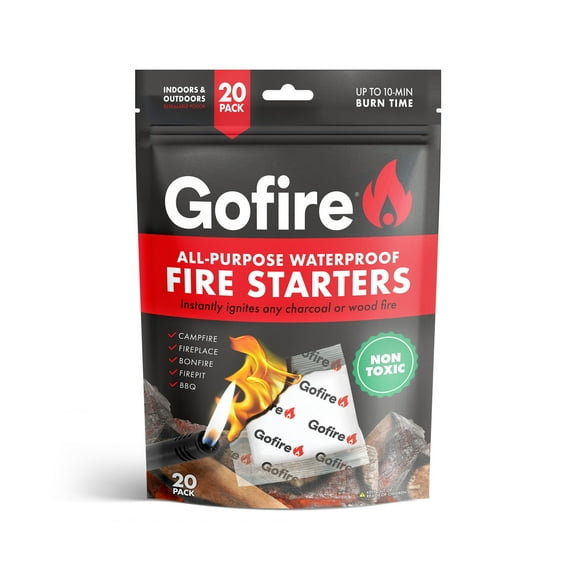
For camping, camp fire starters often need to light fast and pack easily. Small squares, sticks, or nuggets fit neatly in your gear and stay easy to grab.
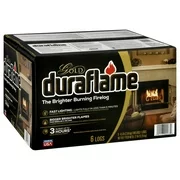
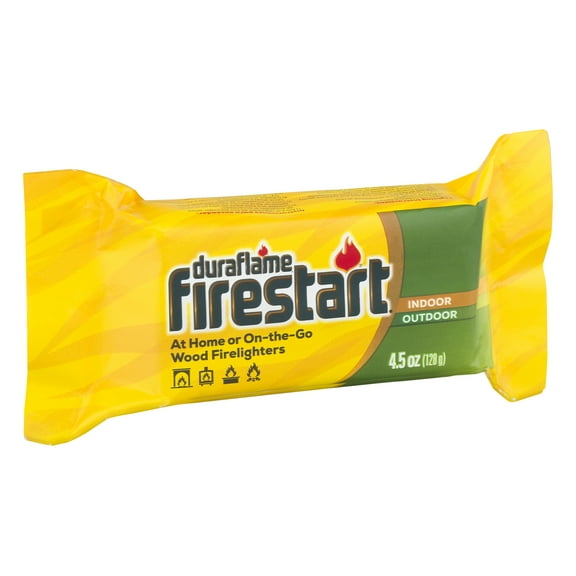
Inside your home, fire starter logs or larger pieces may fit better. A longer-burning option gives your fireplace or wood stove more time to catch.
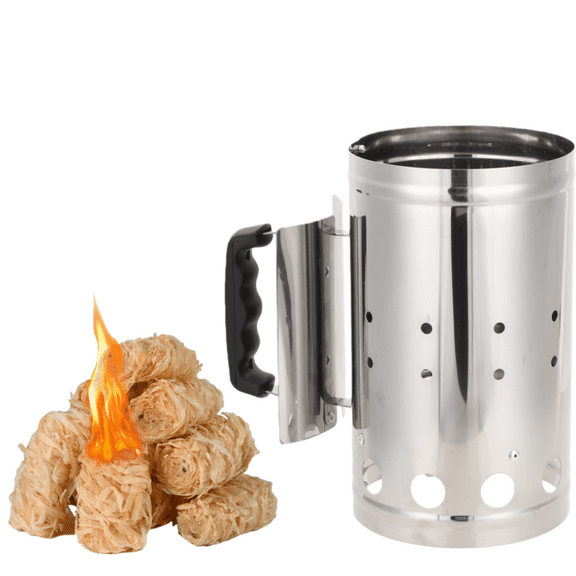
At the grill, charcoal starters should match cooking setups and charcoal fuel. A grilling-focused option helps you start briquettes or lump charcoal with a simpler routine.
- Your pack stays organized when you choose compact squares, sticks, or nuggets.
- Your hearth gets steadier flame support when you choose logs for longer burn time.
- Your grill setup works more smoothly when you choose starters intended for charcoal.
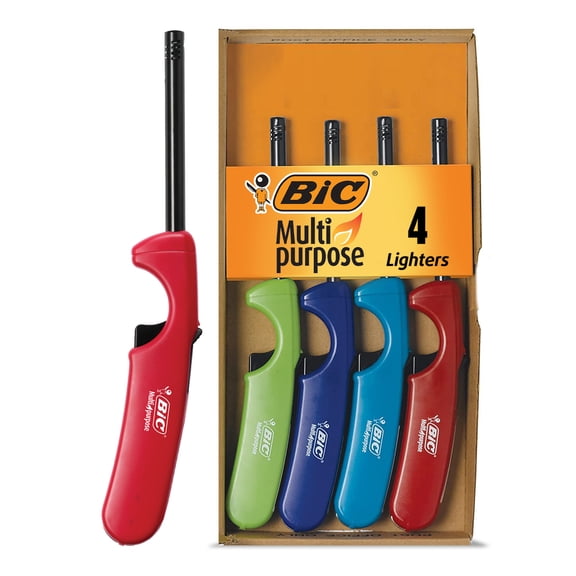
- Your emergency kit stays ready when you choose portable ignition tools for backup use.
How to compare form factor and burn style
Form factor gives you a practical way to sort options. Each shape affects storage, flame support, and how much starter you use at one time.
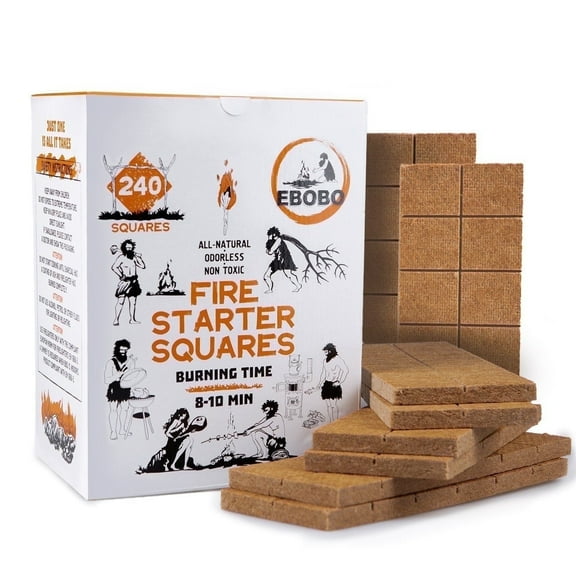
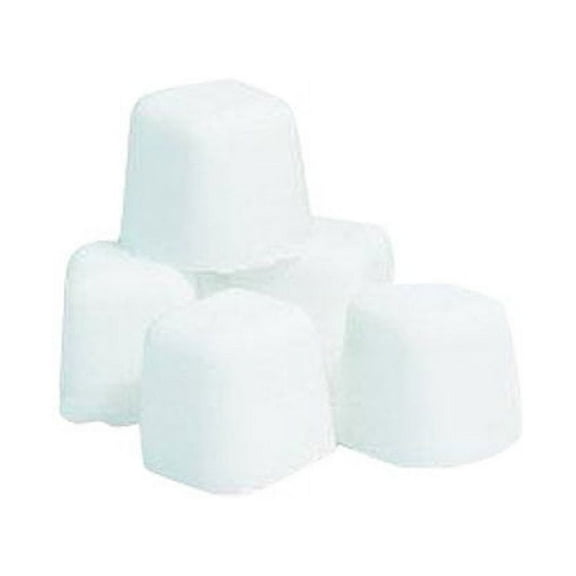
Squares usually come in small portions that you can break apart as needed. That format works well when your campfire or charcoal chimney needs flexible portioning.
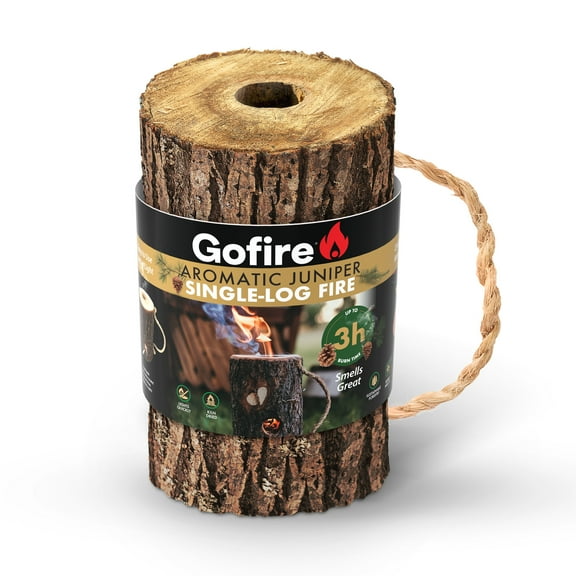
Logs usually offer a broader lighting surface and a steadier burn. That shape makes sense when your indoor fireplace or wood stove needs longer support.
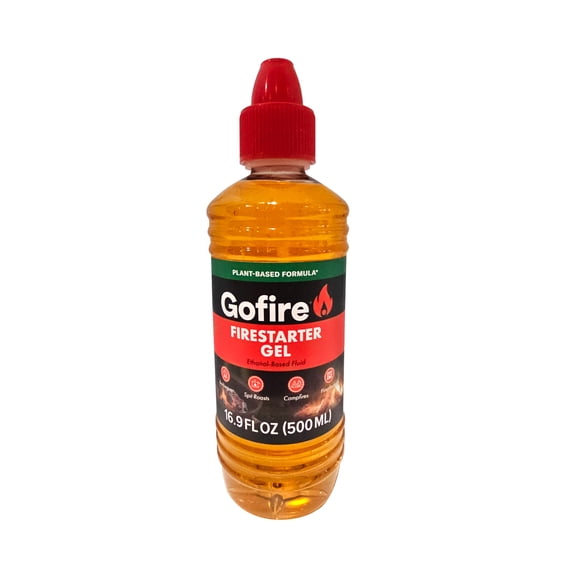
Gel gives your setup flexible placement around wood or charcoal. That format can suit your routine when you want to control where the flame starts.
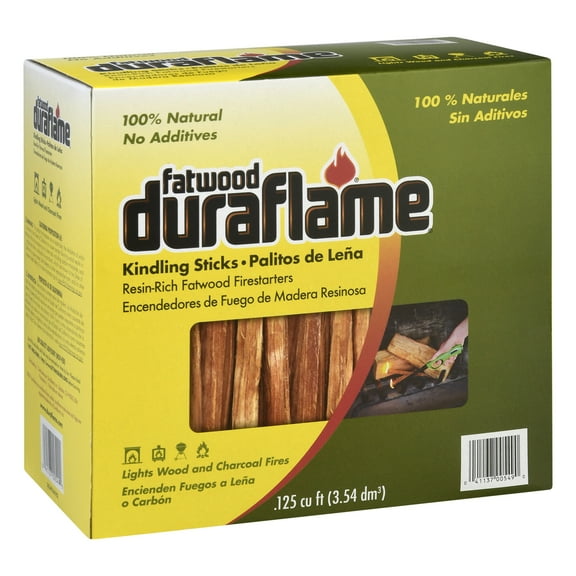
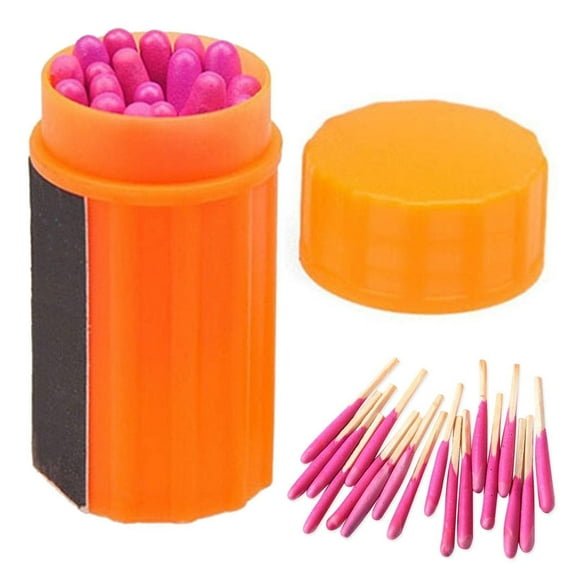
Nuggets and sticks keep your supplies simple to store and sort. That shape can fit your camp kitchen bin, tote, or emergency pouch without much bulk.
Comparing waterproof fire starters and standard options
Weather matters when you're choosing a starter for outdoor use. Damp wood, wet ground, or wind can change what works well for your trip.
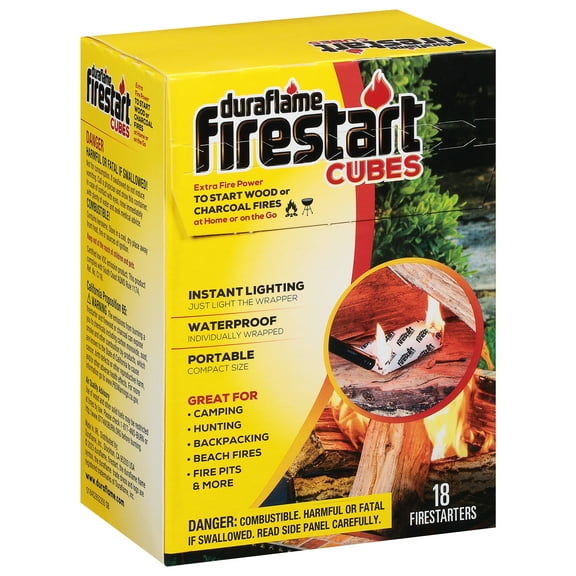
Waterproof fire starters suit rainy campsites, damp kindling, and emergency gear. That extra protection helps your kit stay dependable after outdoor storage.
Water-resistant choices fit lighter exposure and general packing needs. That middle ground works when your gear may see some moisture but not constant wet conditions.
Standard options fit dry storage, routine backyard use, and many indoor setups. That choice can make sense when your fireplace area or grill station stays sheltered.
Burn time also deserves a close look in rough conditions. Your kindling may need a starter that burns long enough to transfer flame to larger fuel.
What to look for in material type
Material type shapes how your starter fits your routine. The composition can affect flame style, storage habits, and whether it suits grilling or fireplace use.
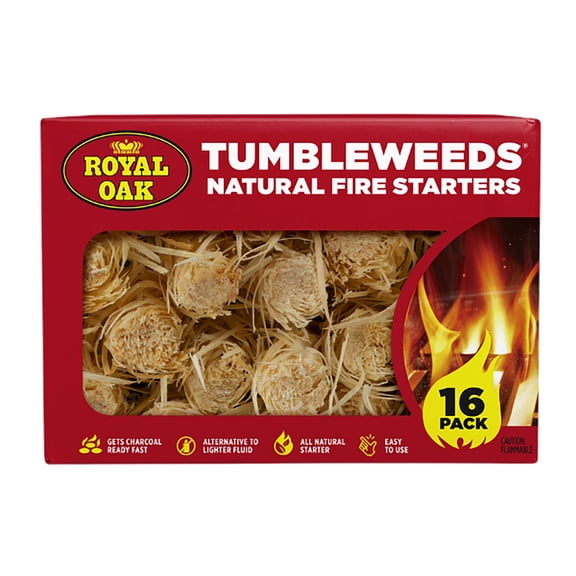
All-natural wood starters appeal when your setup calls for a simple wood-based format. That type often suits campfires, fire pits, and outdoor cooking routines.
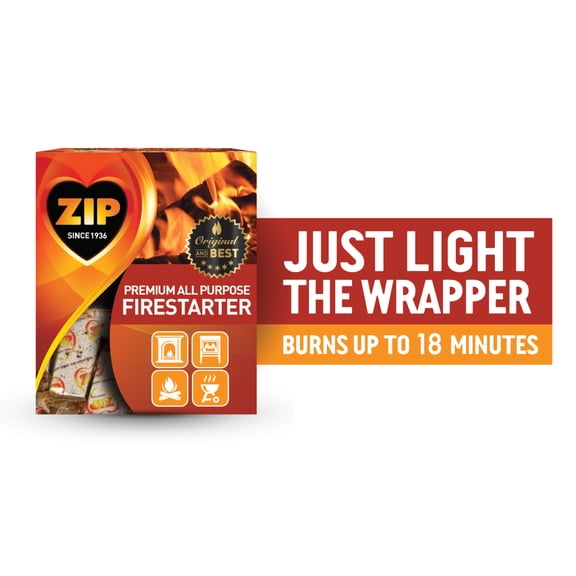
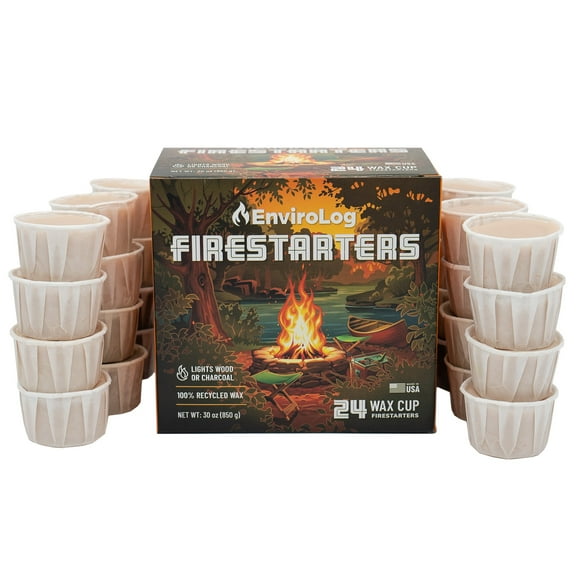
Wax-based starters can provide a steady flame for wood that needs extra time. That style can help your firewood catch before it burns on its own.
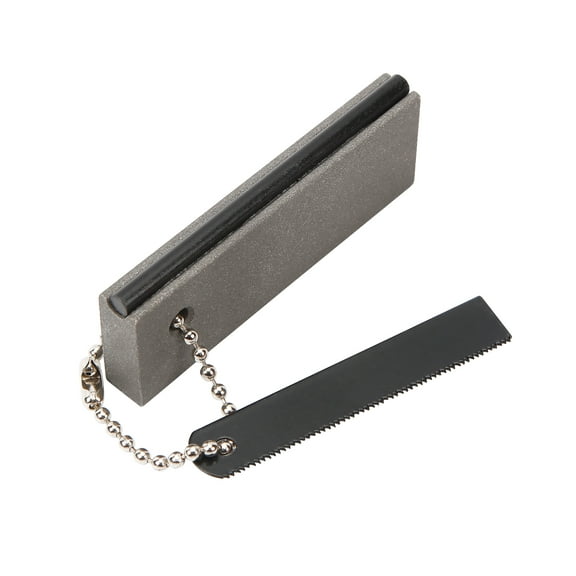
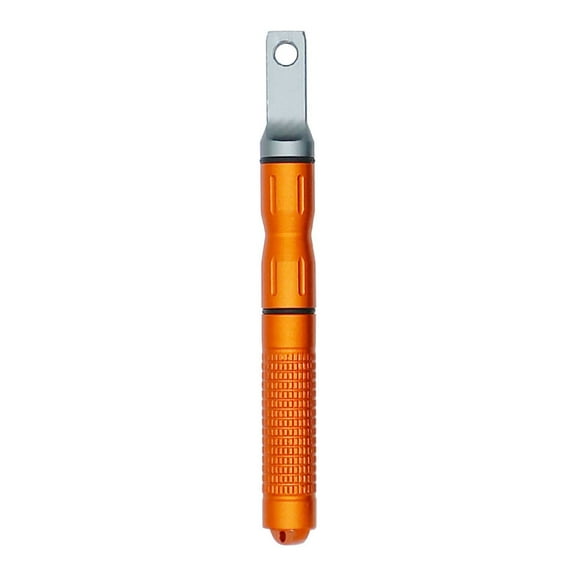
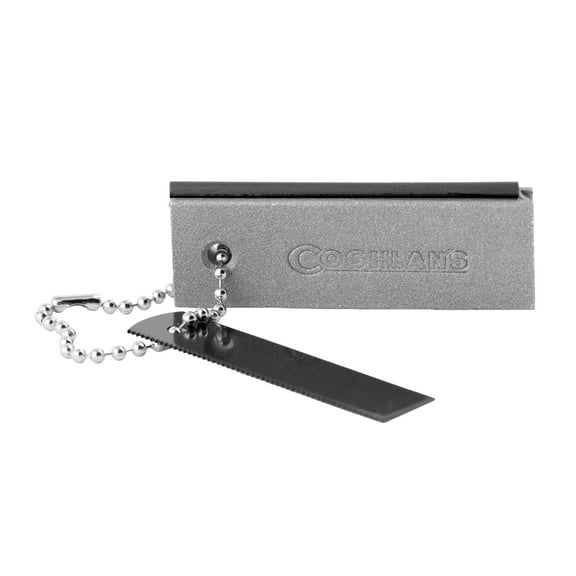
Ferrocerium and magnesium fire starters work as spark-making tools instead of ready-burn blocks. That difference matters when your survival kit needs compact ignition support.
Food prep should shape your decision when you're lighting a grill. Check whether your chosen starter is intended for cooking use rather than indoor fireplace use.
Matching fire starter logs, squares, and charcoal starters to real routines
Real use cases make these differences easier to understand. Your fuel type, storage space, and weather exposure usually point you toward the right option.
For weekend camping, camp fire starters often need quick setup and easy packing. Waterproof fire starters can make sense when your kindling feels damp after a cool night.
For a living room hearth, fire starter logs can give your wood a longer lighting window. That steadier burn helps when larger hardwood pieces take more time to catch.
For tailgating or backyard meals, charcoal starters fit grill prep more naturally. That option supports briquettes or lump charcoal without relying on fireplace-focused formats.
In emergency survival kits, sticks, nuggets, magnesium, or ferrocerium tools keep your gear compact. That portable format helps your backup supplies stay organized and ready to use.
Your decision becomes clearer when you compare use case, weather exposure, burn time, and material. With the right match, your fire gets started with less guesswork and steadier results.