


Safes & Lockboxes in Home Safety












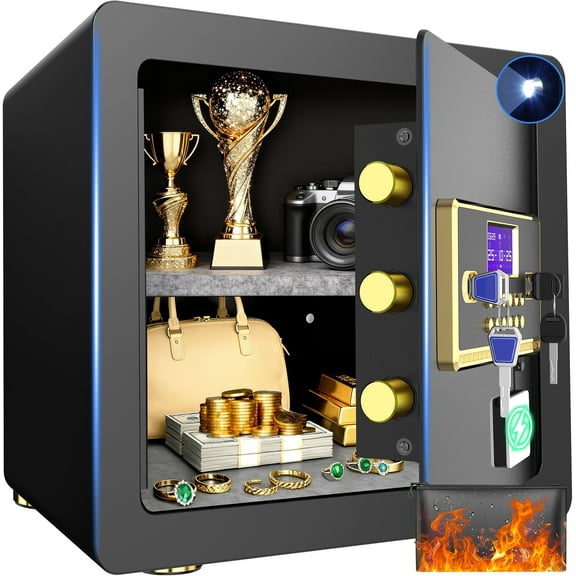


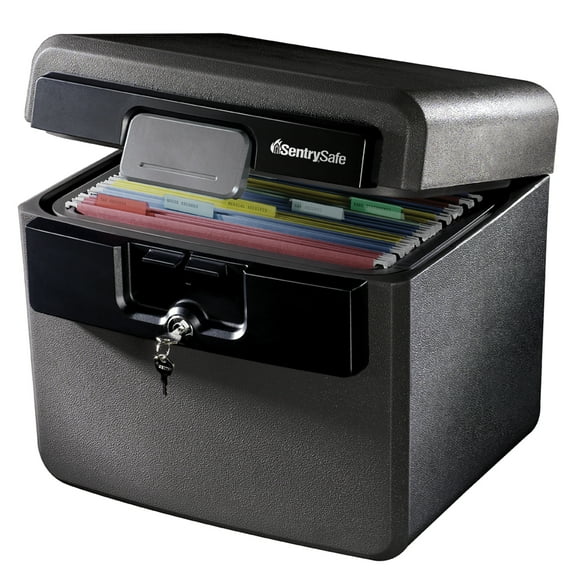

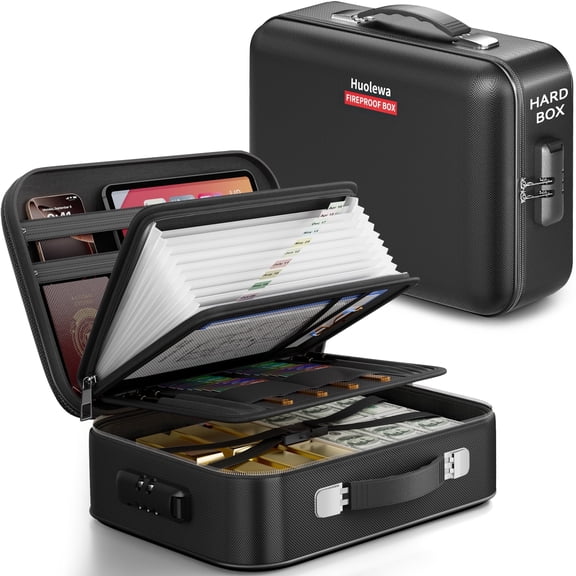
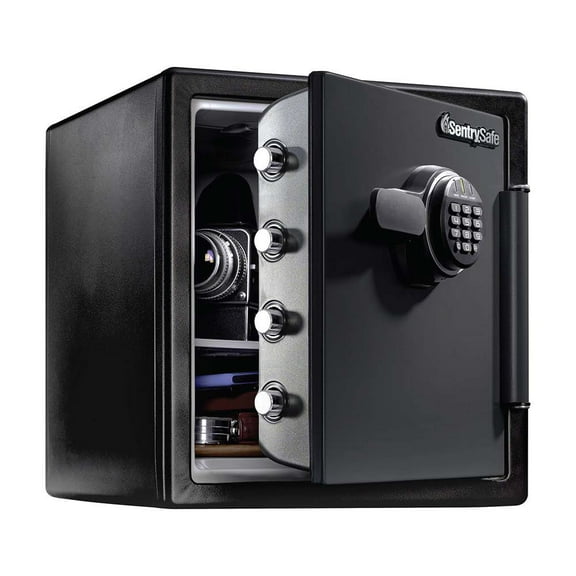


![[2025 New Wifi Smart] FABAO 8.1 Cuft Extra Large Home Safe,with Fireproof Waterproof Bag, Heavy Duty Digital Security Safe, Built-In Drawer and Removable Shelf for Storing Valuables](https://i5.walmartimages.com/seo/2025-New-Wifi-Smart-FABAO-8-1-Cuft-Extra-Large-Home-Safe-with-Fireproof-Waterproof-Bag-Heavy-Duty-Digital-Security-Safe-Built-In-Drawer-Removable-She_4535d951-cc30-4cdb-bac6-8043e7ecf98a.d63fc3cff4ce0ce1bd364c5134207a2c.jpeg?odnHeight=576&odnWidth=576&odnBg=FFFFFF)


















About Safes & Lockboxes in Home Safety - Walmart.com
Floor safes give you discreet storage underfoot while keeping your room layout clean. You can compare installation depth, lock style, and fire ratings before choosing the right fit.
If you’re planning a concealed security upgrade, you’ll want options built for concrete placement or framed floor openings. You can also look for flush covers that help your safe blend into finished flooring.
Choosing floor safes by installation type
You should start with installation type because it shapes where your safe can go. You’ll often compare concrete-encased models, wood-joist designs, and flush-mount formats.
When you consider in floor safes for concrete, you’ll want to check depth requirements before pouring or retrofitting. You should also measure the opening carefully so your safe sits level.
If you’re comparing in ground safes, you may want deeper placement and a solid surround. You’ll usually get a concealed profile that works well under rugs or furniture.
For wood-joist spaces, you should check joist spacing, subfloor thickness, and finished floor height. You’ll avoid fit issues when you measure both interior capacity and exterior dimensions.
- You can choose concrete-encased styles for new construction or planned remodels.
- You can compare wood-joist options when your home has framed floor access.
- You should look for flush-mount covers when you want a low-profile finish.
- You can measure depth and door swing first to prevent installation surprises.
Comparing lock types in digital floor safes and dial models
You’ll want a lock style that matches how you prefer to access stored items. You can compare dial combination, digital keypad, biometric, and dual-key designs.
If you prefer a familiar manual setup, you may choose a dial combination lock. You’ll often like this option when you want simple operation without keypad programming.
When you compare digital floor safes, you’ll usually notice quicker access and easy code changes. You should check battery access and keypad placement before installation.
If you want touch-based entry, you may consider biometric locks for repeat access. You can also choose dual-key options when you want a physical backup method.
What to look for in fireproof floor safes
You should review fire ratings as a clear decision point before you choose a model. You’ll usually see non-rated, 30-minute, one-hour, or two-hour options.
When you compare fireproof floor safes, you’re looking at how long the unit is designed to handle elevated heat. You can use that rating to match your storage plans.
If you store paper records, passports, or backup drives, you may want longer rated coverage. You should also check whether the interior size still meets your storage needs.
You can compare fire ratings alongside seal design and door fit for a fuller picture. You’ll make a more informed choice when you balance concealment, access, and rated protection.
Understanding heavy duty floor safes and security grades
You should compare steel construction and security grade when strength is a priority. You’ll often see B-Rate, C-Rate, and UL TL-15 classifications across heavy duty floor safes.
If you’re reviewing B-Rate and C-Rate options, you should focus on body thickness and door construction. You can use those details to compare sturdier builds for residential placement.
When you look at UL TL-15 models, you’re comparing safes tested to specific burglary standards. You should pair that grade with your space, installation method, and access habits.
You’ll also want to compare internal layout, removable trays, and door clearance. You can avoid cramped storage when you match interior capacity to your actual items.
Matching floor safes to your space and routine
You can narrow your options faster when you think about where and how you’ll use the safe. You should measure the planned opening, surrounding floor material, and nearby furniture first.
If you’re adding a safe during construction, you may prefer concrete-encased units with deeper bodies. You can plan for the pour, placement, and finished floor height early.
When you’re updating an existing room, you may focus on wood-joist or flush-mount choices. You’ll want an option that fits the cavity without disrupting your flooring plan.
If quick access matters to your daily routine, you may lean toward keypad or biometric entry. You can choose dial locks when you prefer a traditional mechanism and simple controls.
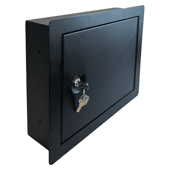
For document storage, you should compare one-hour or two-hour ratings and usable interior space. You can also consider related categories like wall safes, fireproof safes, and home security safes.
With the right measurements and decision points, you can choose floor safes that fit your build and access style. You’ll end up with concealed storage that works cleanly with your space.