



Handheld Massagers in Massage


































About Handheld Massagers in Massage - Walmart.com
Handheld massagers help you target tight spots at home, after workouts, or during long workdays. You can compare power, massage technology, body area coverage, and intensity before you choose.
How to choose handheld massagers for your routine
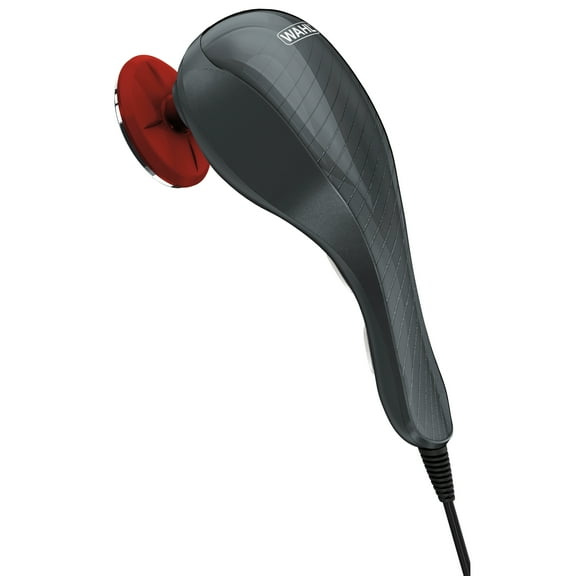
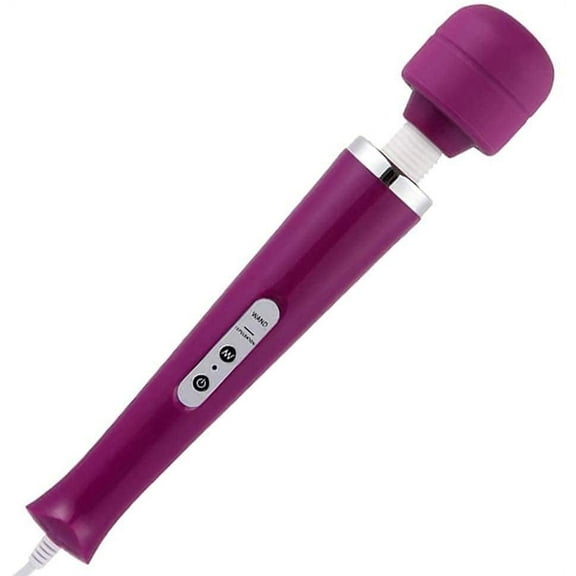
Start with where and how often you'll use handheld massagers. If you move around often, you may prefer a cordless massager with easy charging. If you want longer sessions, you may choose a corded option with continuous runtime.
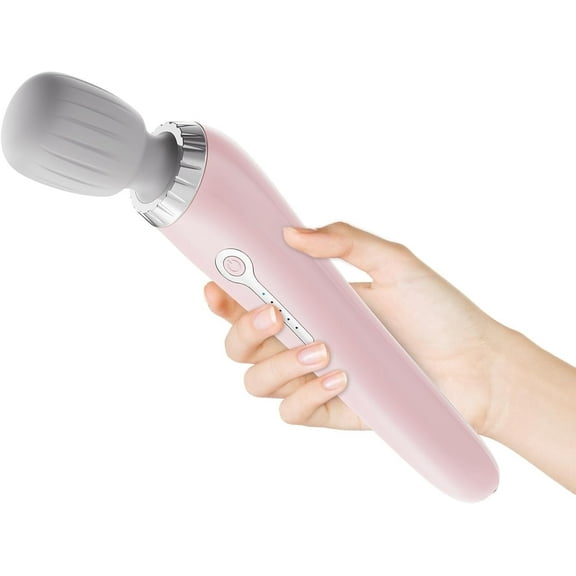
Rechargeable designs can give you a middle ground between mobility and convenience. You can keep one in a gym bag, desk drawer, or nightstand for quick use. Handle shape also matters, because you may want easier reach across your shoulders or lower back.
Weight affects comfort during longer sessions, especially when you reach awkward angles. You should compare slim handles, angled grips, and balanced designs that feel steady in your hand. A lighter portable massager can feel easier to guide across neck and back areas.
Key benefits you can compare
You can narrow your options faster when you focus on your daily routine. Some styles support quick touch-ups between tasks, while others fit longer recovery sessions after exercise. You may also want attachments or settings that help you switch between broader and more targeted contact.
- You can choose cordless designs when you want easier movement around your home or workspace.
- You can compare deep tissue massager options when you prefer stronger pressure on dense muscle areas.
- You can look for a back and neck massager shape when you need easier reach across common tension points.
- You can select an electric massager when you want push-button control instead of manual pressure.
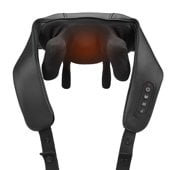
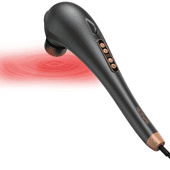
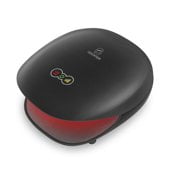
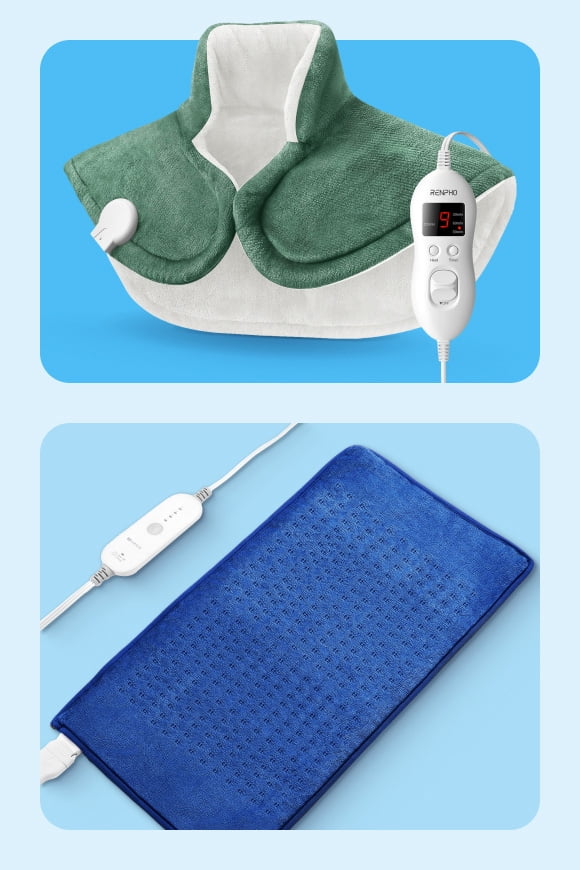
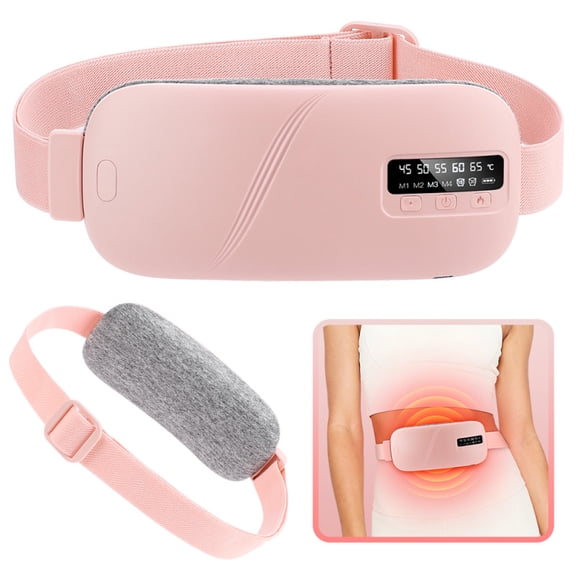
Heat can change the feel of a session without changing your basic routine. You may prefer heated options when you want a warmer, more soothing feel on shoulders or upper back. Standard non-heated styles can keep your decision focused on speed, reach, and massage pattern.
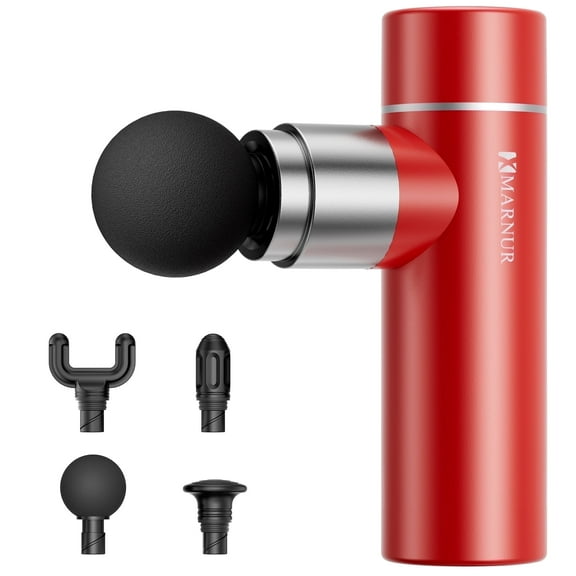
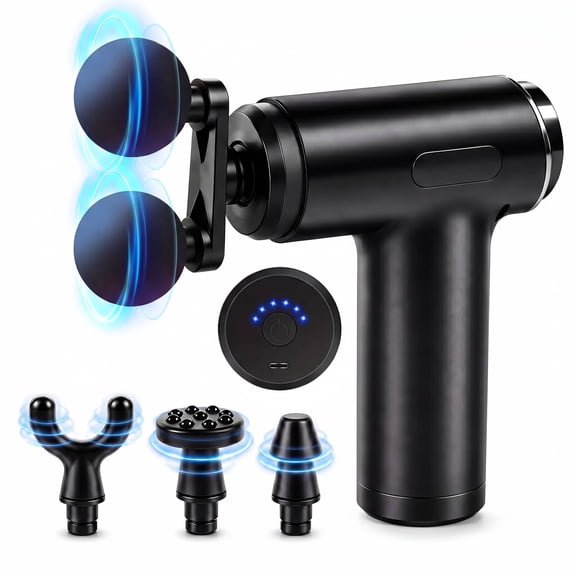
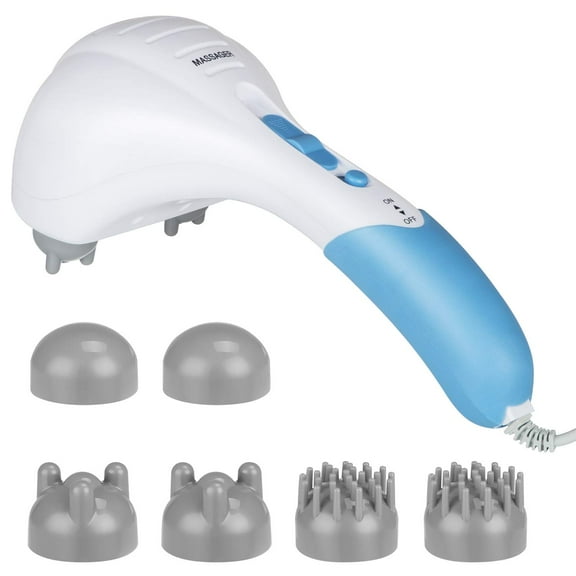
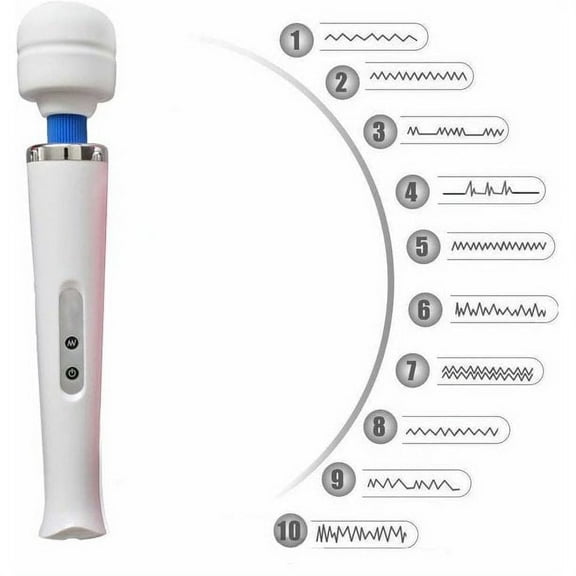
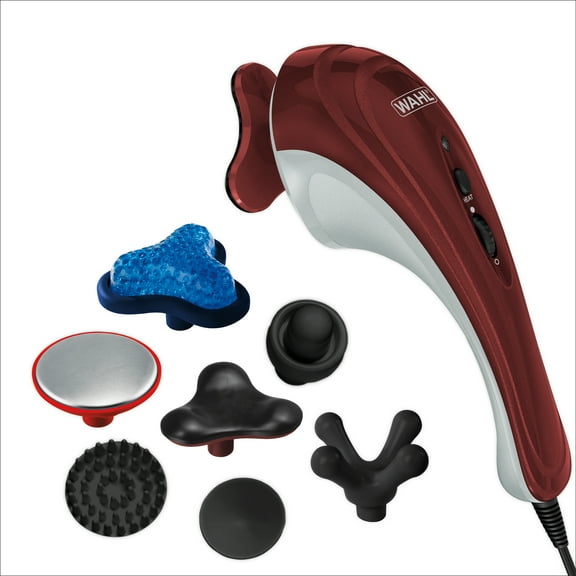
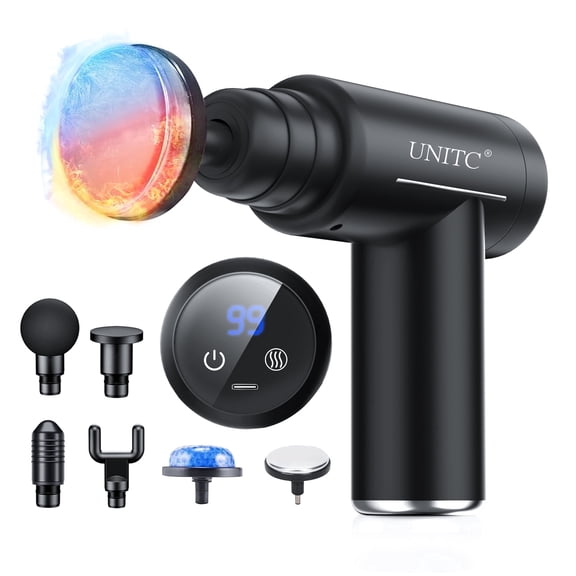
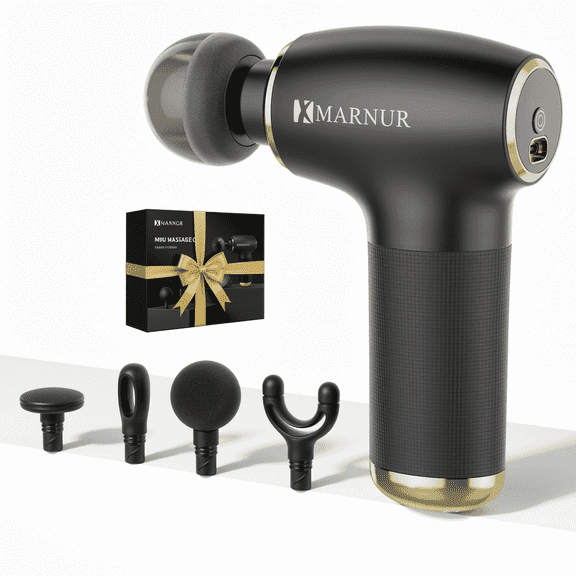
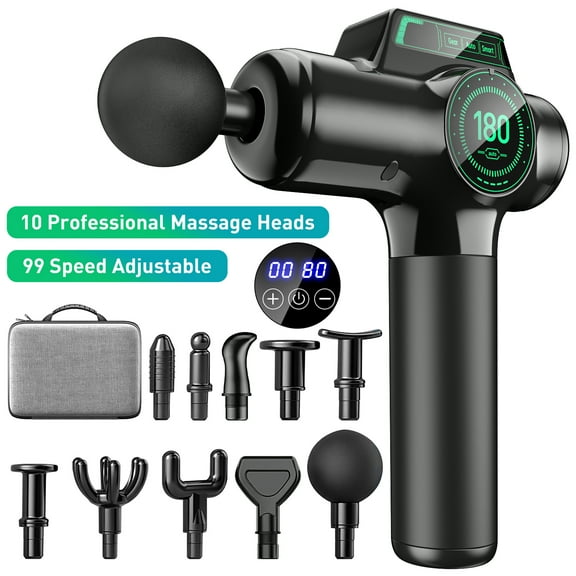
Attachments and speed controls can also shape your experience from day to day. You can use wider heads for larger muscle groups and smaller heads for more focused contact. Variable speed settings let you start gently and adjust as needed.
Choosing power source and massage technology
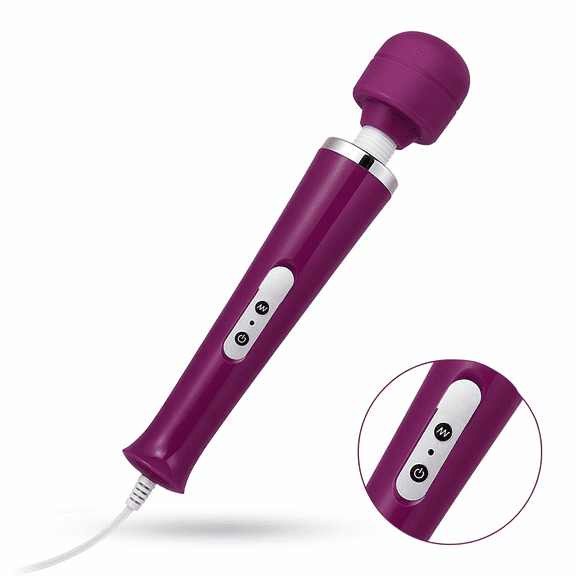
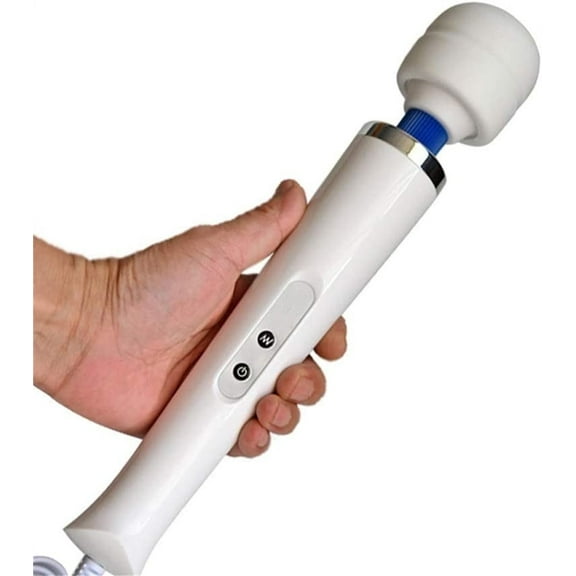
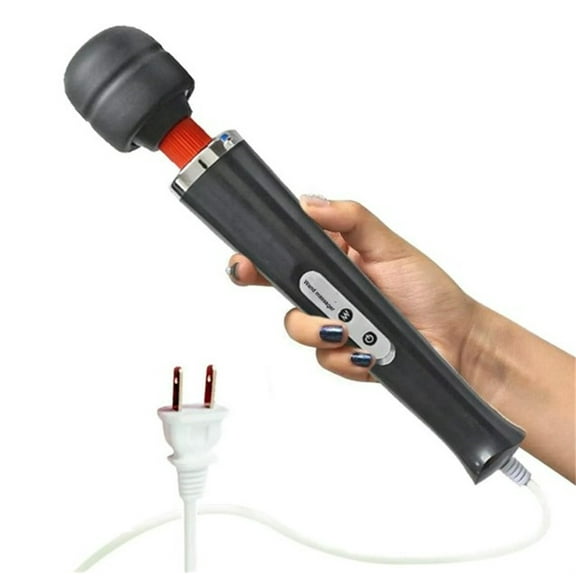
Power source is one of your first big decisions. A cordless handheld massager gives you freer movement, while a corded model keeps you plugged in for uninterrupted sessions. Rechargeable options can work well when you want flexibility without replacing batteries often.
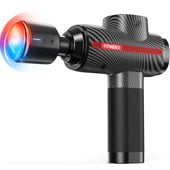
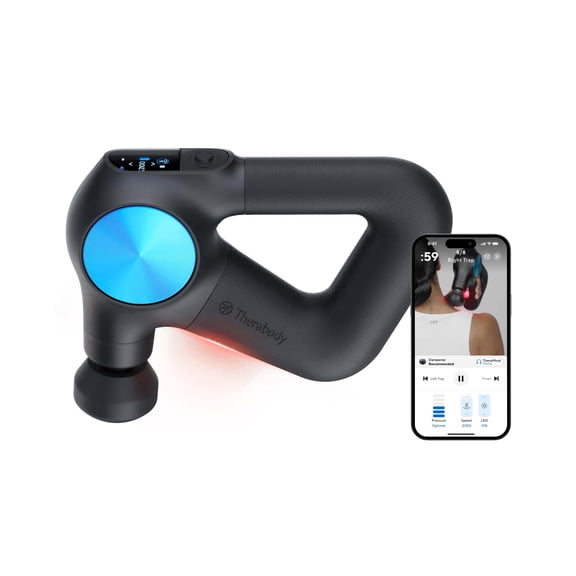
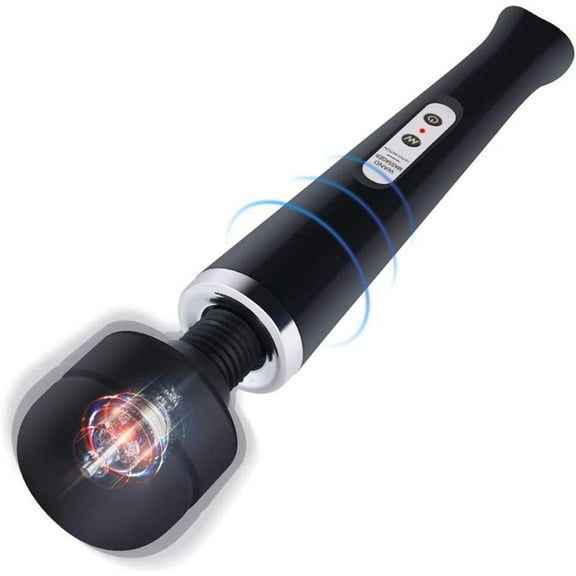
Massage technology matters just as much as power. A percussion massager uses repeated tapping motion that can feel stronger and more targeted. Vibration styles often feel smoother and lighter, which may suit shorter sessions or broader areas.
Shiatsu-inspired options usually focus on kneading-style contact instead of tapping motion. Heated versions add warmth, which can change the overall feel during use. You should compare these formats based on sensation, reach, and the body areas you use most.
If you're comparing deep tissue models, check stall force and stroke length. Higher stall force means your device resists slowing under pressure. Longer stroke length means the head travels farther, which can create a more pronounced percussion feel.
You don't need technical terms alone to decide with confidence. You can treat stall force as pressure tolerance and stroke length as tap depth. Those details help you compare a deep tissue handheld massager with lighter vibration choices.
Matching body area and handle design
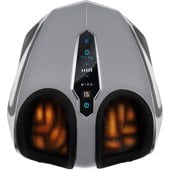
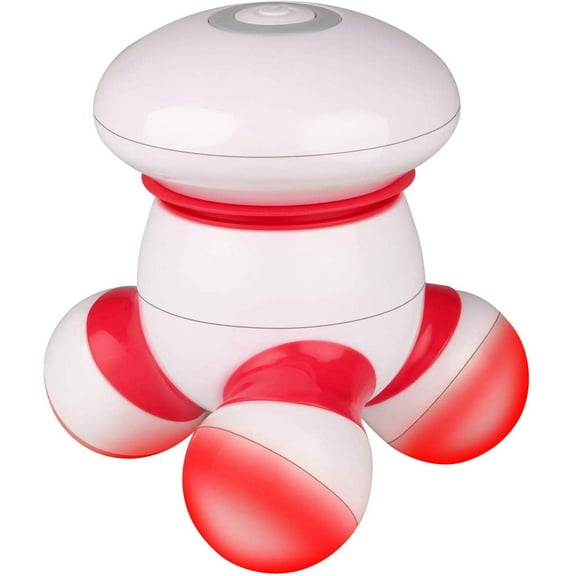
Your target area should guide your shortlist from the start. A back and neck massager often uses longer handles or curved shapes that help you reach across your shoulders. Compact shapes can work well when you want focused use on calves, arms, or feet.
For shoulder use, you may want a balanced design that doesn't feel awkward overhead. For full body use, you can look for multiple attachments and variable speed ranges. Muscle-focused designs often emphasize concentrated contact on smaller areas.
Ergonomics can make a clear difference during regular use. You should look for handles that feel secure, buttons that are easy to reach, and weight that stays manageable. Those details matter when you use your device on upper back areas without extra effort.
A portable massager should feel simple to store and carry between spaces. You may prefer compact dimensions for travel, office drawers, or post-workout bags. If your routine stays at home, you can focus more on reach, attachments, and continuous runtime.
Using intensity levels for different routines
Intensity levels help you match the feel of your session to your schedule. You can start with lower settings for quick daily use and move higher for more concentrated pressure. Multi-intensity controls give you more flexibility when one setting doesn't fit every area.
Variable speed options can help when your shoulders need a lighter touch than your legs. A deep tissue massager may suit denser muscle areas after training or long standing days. A lighter electric massager may feel easier for shorter sessions before work or bed.
You can also match features to specific routines around your day. Cordless designs fit living rooms, home offices, and travel bags with fewer setup steps. Corded models may suit longer sessions in one spot where an outlet stays close.
When you compare percussion, vibration, shiatsu, and heated styles, your decision becomes clearer. You can focus on sensation, reach, and runtime instead of guessing from product names alone. That approach helps you choose a handheld massager that fits your space and routine.
You can shop handheld massagers with more confidence when you compare power, reach, and intensity in practical terms. The right combination helps you get targeted comfort, easier handling, and a routine that feels simple to keep using.