








Eye Drops in Eye Care








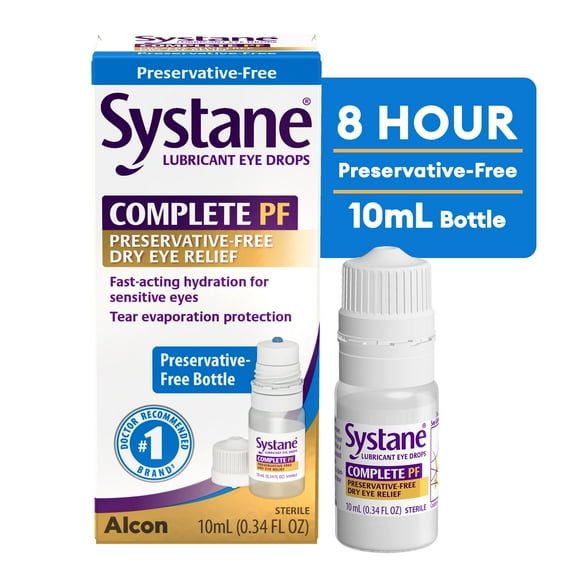
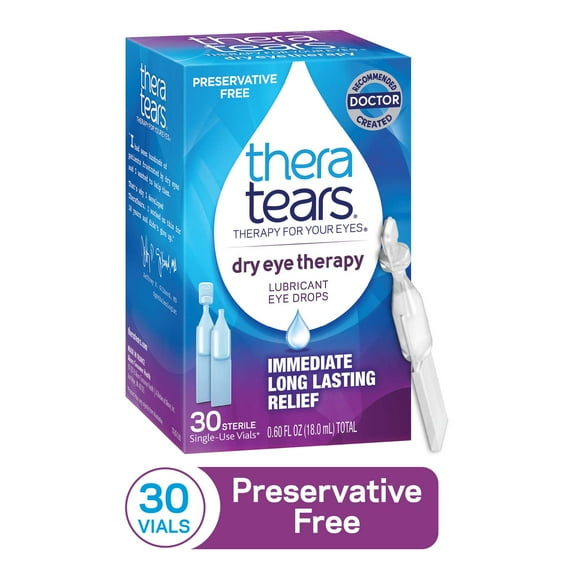
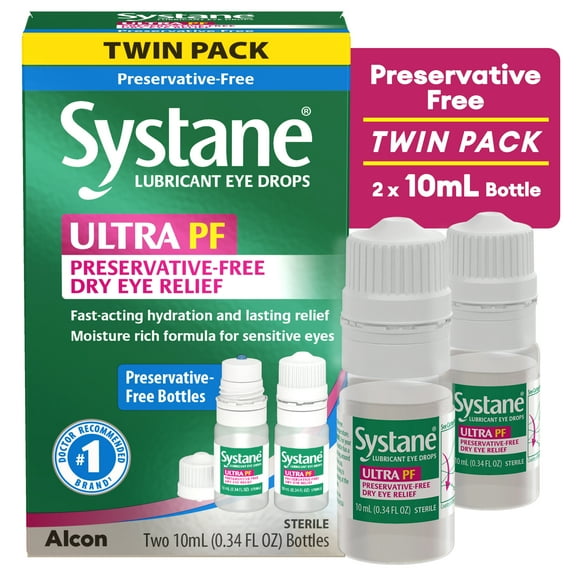

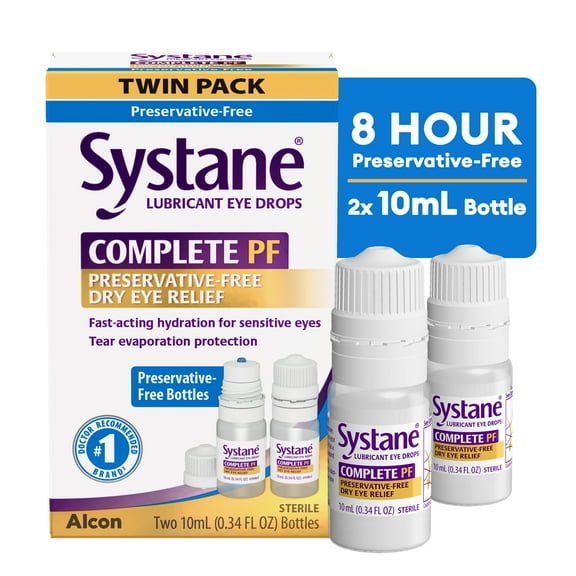



About Eye Drops in Eye Care - Walmart.com
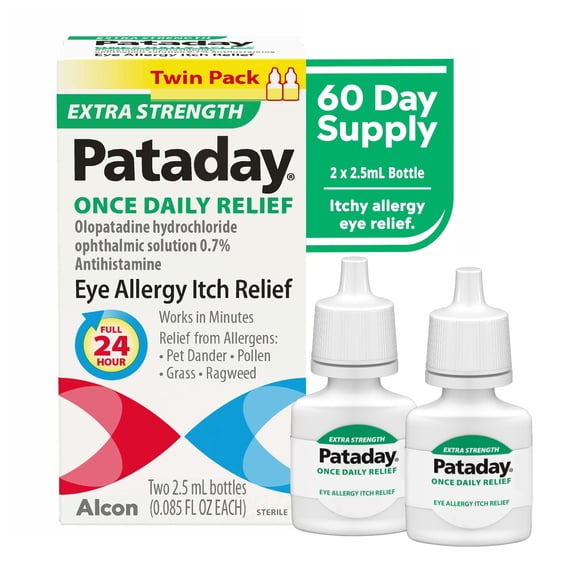
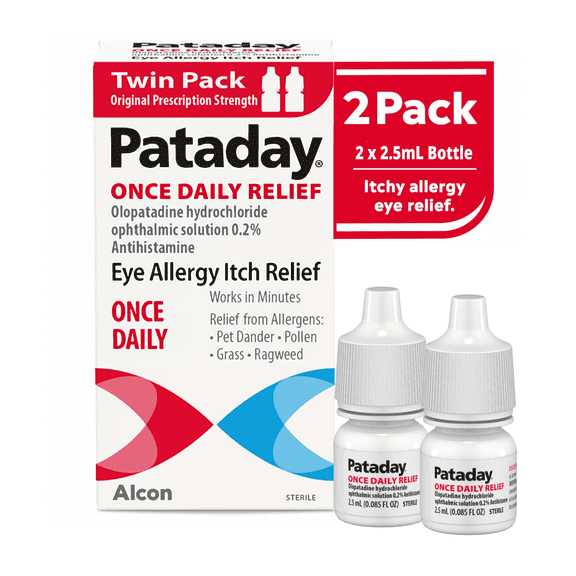
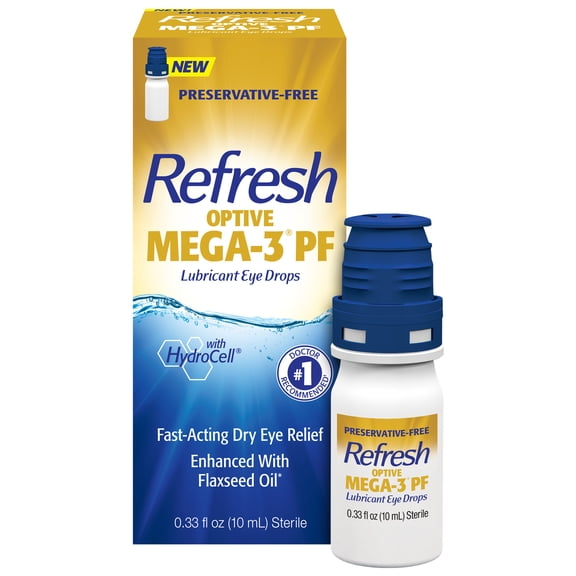
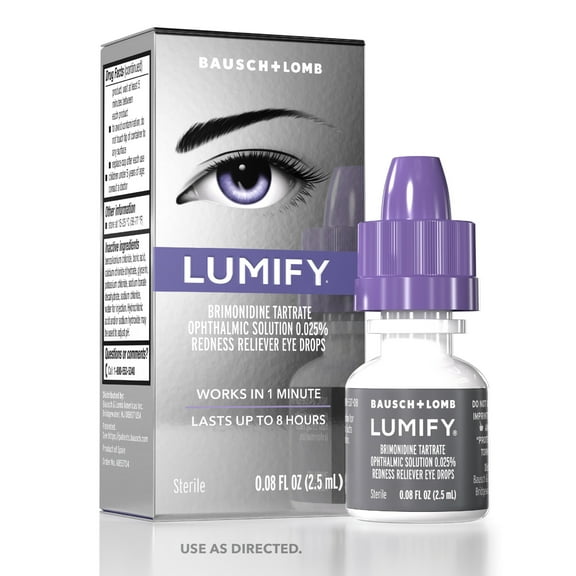
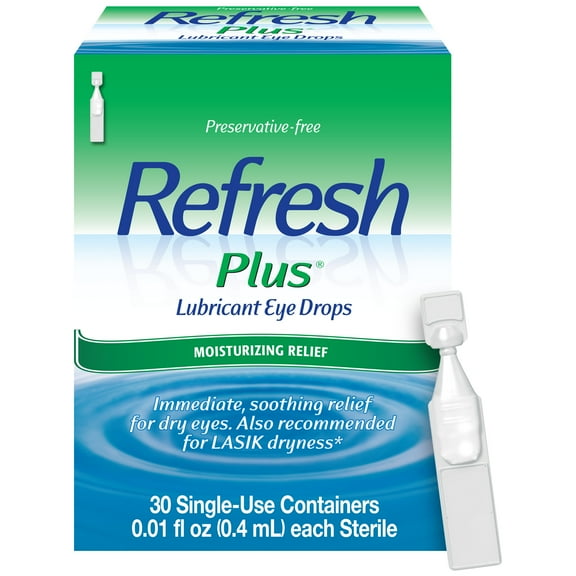
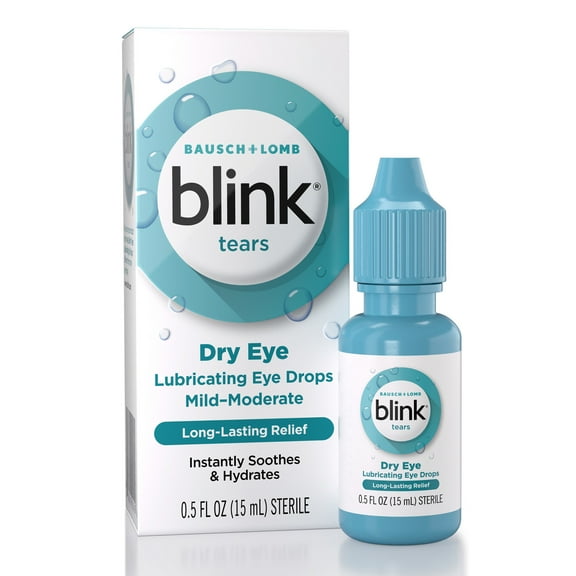
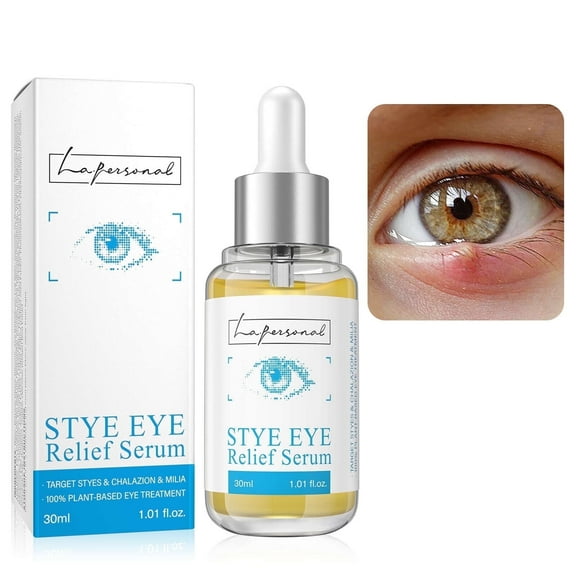
Eye drops help you compare formulas for dryness, redness, itching, allergy, and irritation. You can review symptom relief, bottle format, and contact lens compatibility in one place.
How to choose eye drops for your symptoms
Your first step is matching eye drops to the symptom you notice most often. Your main concern might be dryness, allergy-related itching, visible redness, or general irritation.
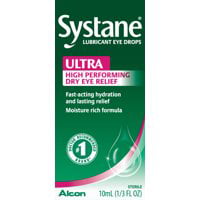
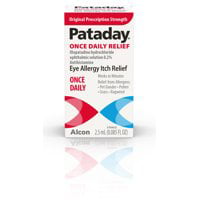
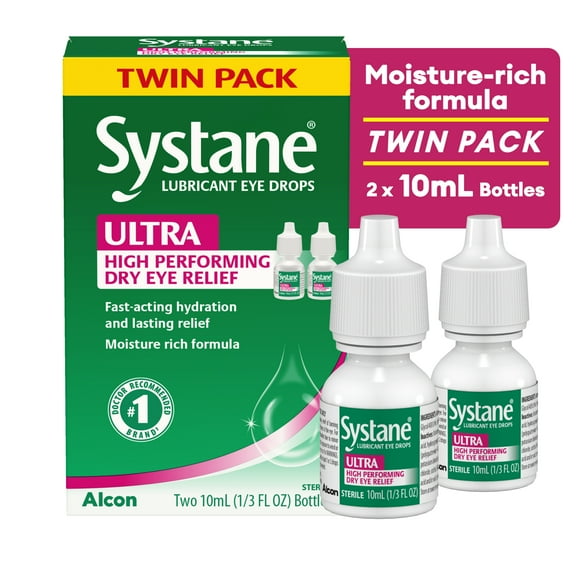
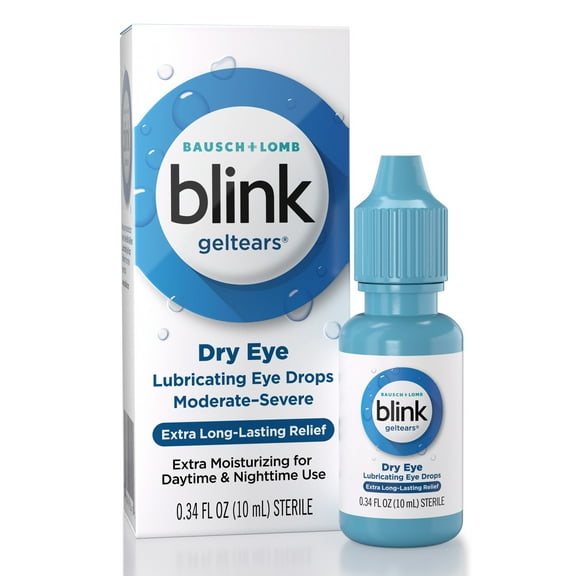
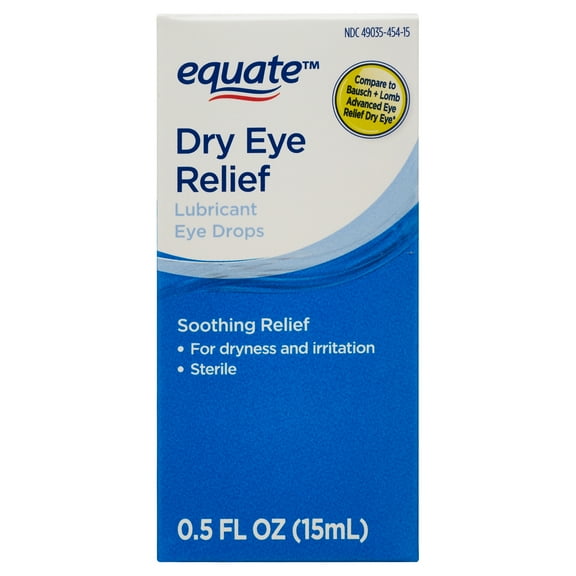
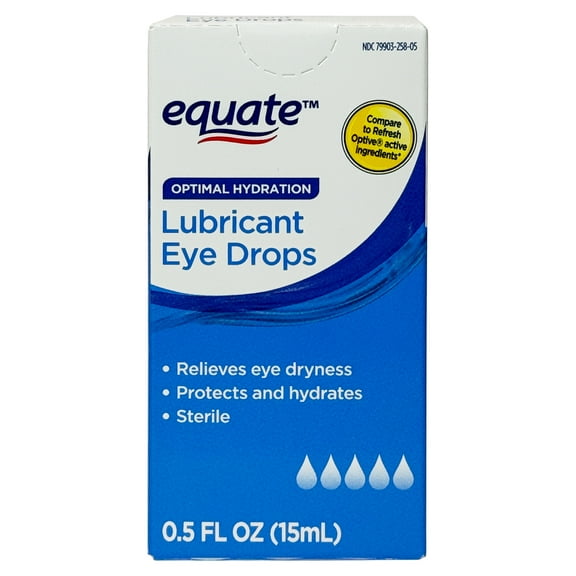
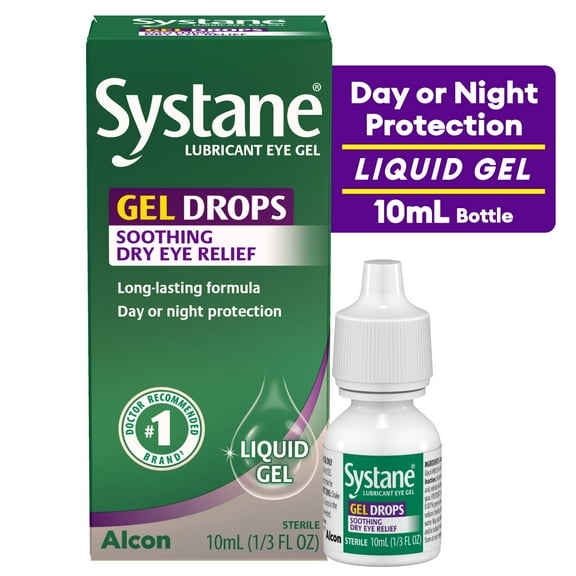
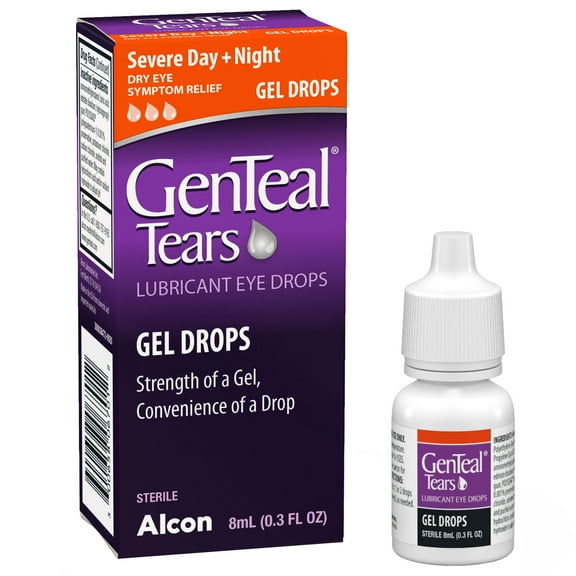
For dry eye relief, you can focus on moisture-focused formulas that help your eyes feel refreshed during screen time or indoor air exposure. For allergy concerns, you can compare options made for itchy, watery eyes.
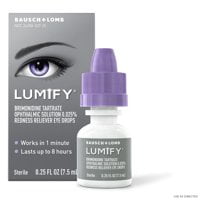
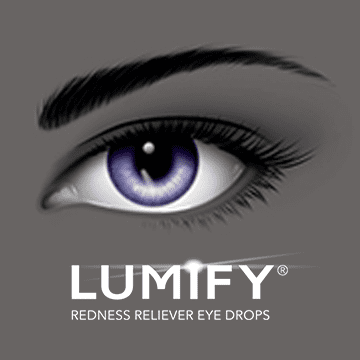
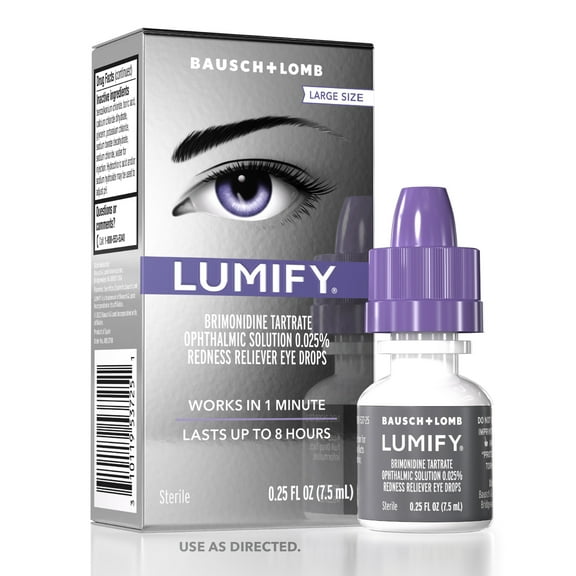
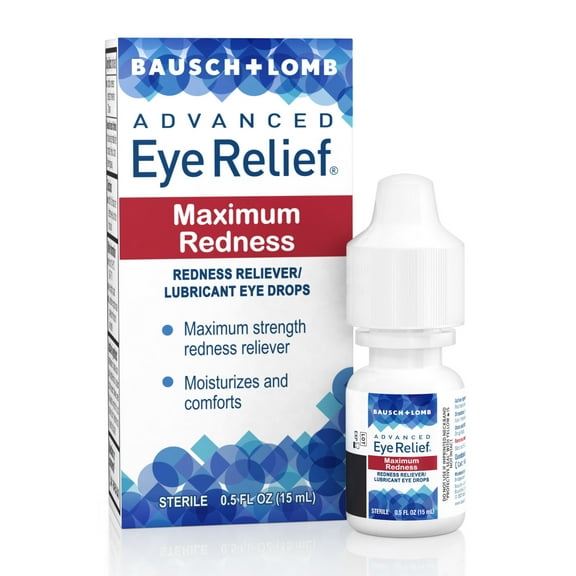
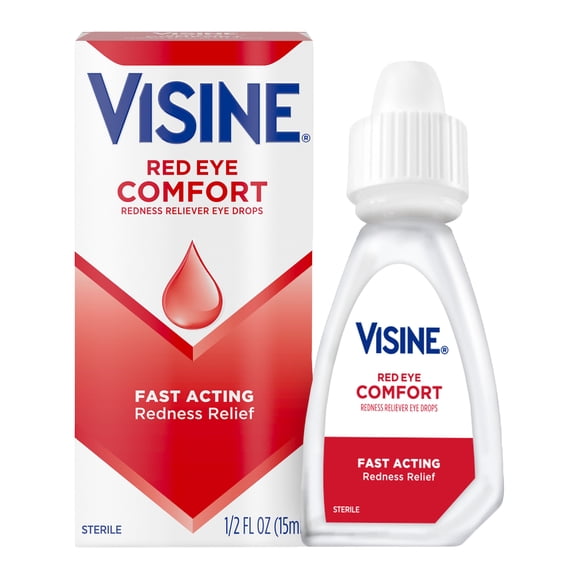
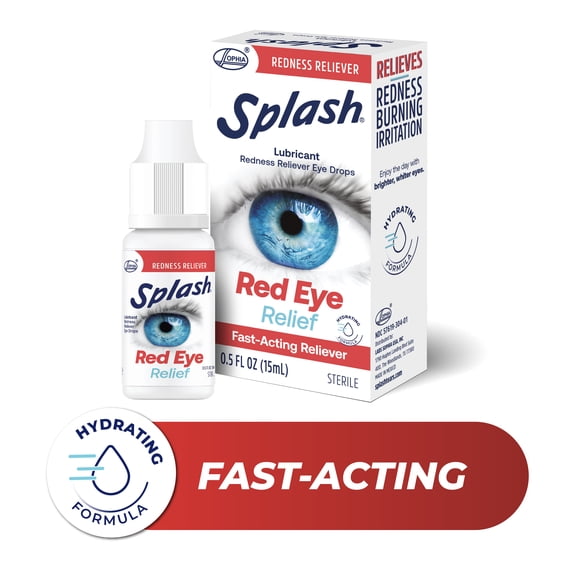
When appearance matters, you may review redness relief eye drops and compare their active ingredients with lubricating formulas. That approach helps your search stay focused on your routine.
Choosing dry eye relief and lubricating eye drops
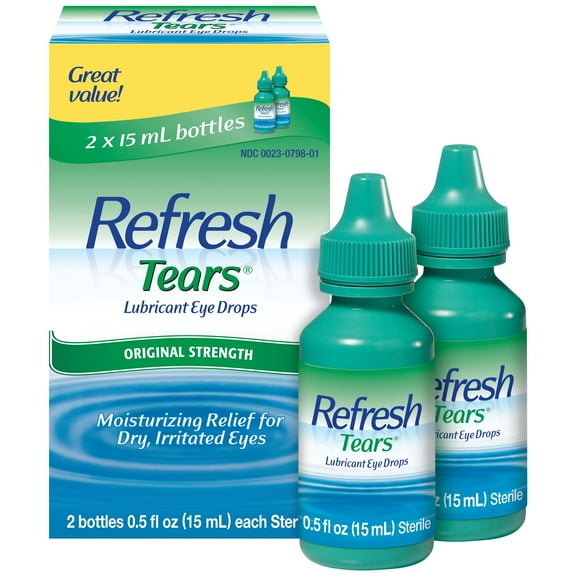
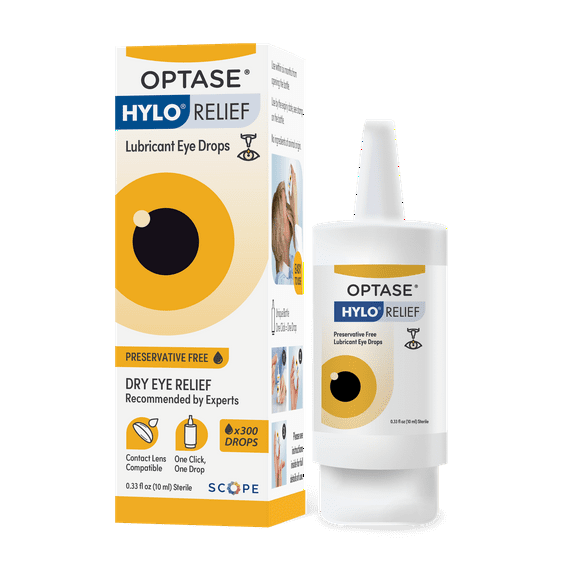
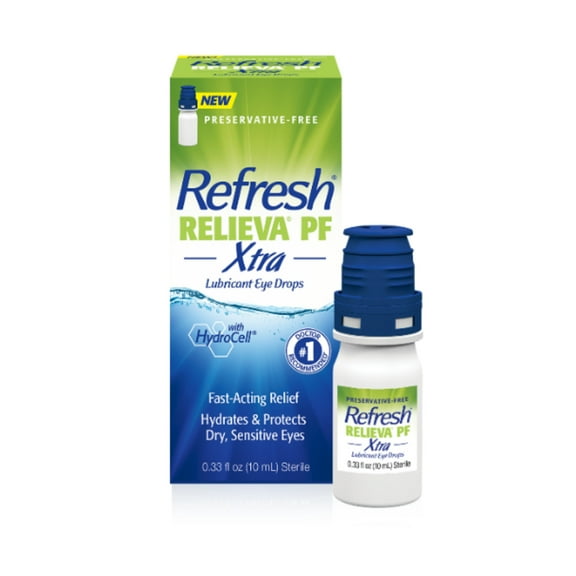
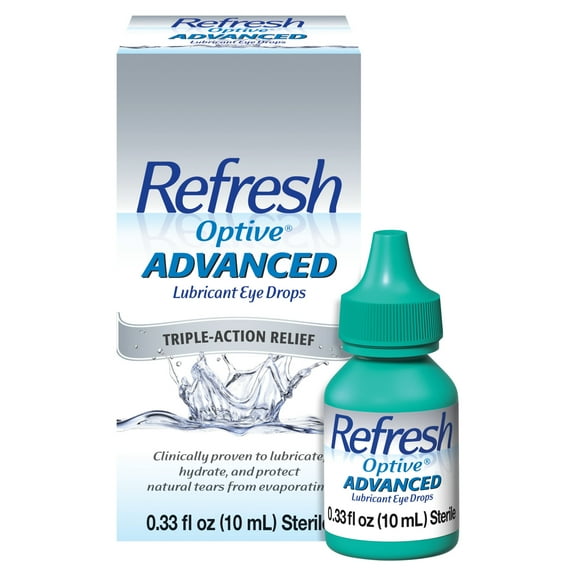
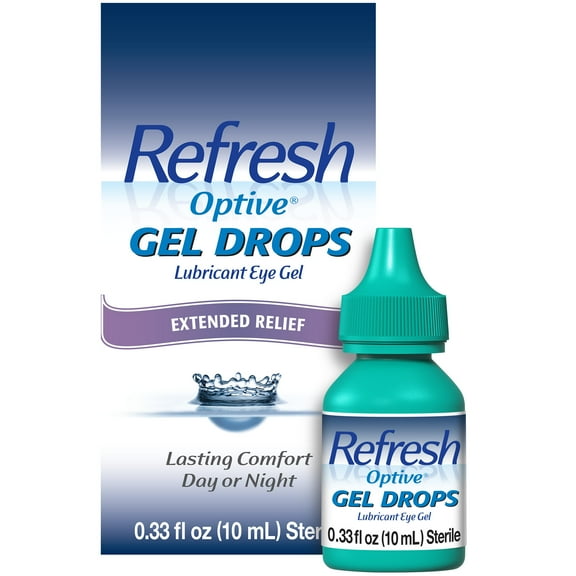
Lubricating eye drops can fit your routine when long workdays, travel, or air-conditioned rooms leave your eyes feeling dry. Your label check should focus on formulas that add moisture and a smoother feel.
When you compare ingredients, you may notice carboxymethylcellulose or glycerin on many labels. Those names help you identify formulas designed for dry eye relief and daily comfort.
- Your dry-eye routine may call for moisture-focused drops that fit screen-heavy days.
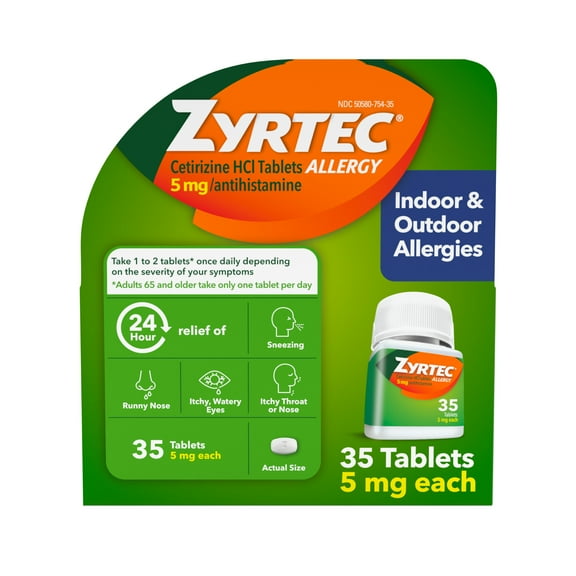
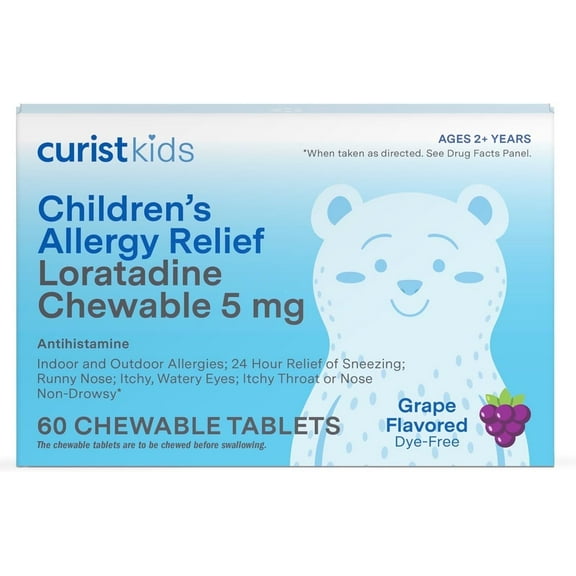
- Your allergy concerns may point you toward antihistamine formulas for itchy, watery eyes.
- Your appearance goals may make redness relief eye drops worth comparing.
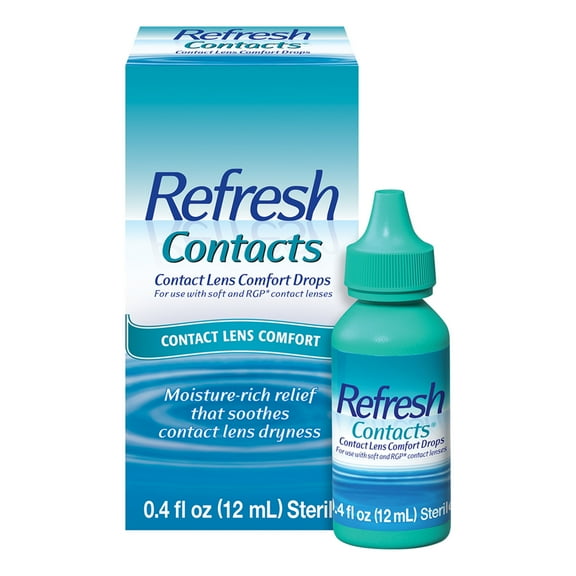
- Your lens routine may require contact lens eye drops that fit wear-time directions.
A lubricating formula can make sense when your goal is straightforward moisture instead of allergy targeting. That choice helps you compare options without mixing very different formula types.
Comparing allergy eye drops and redness-focused formulas
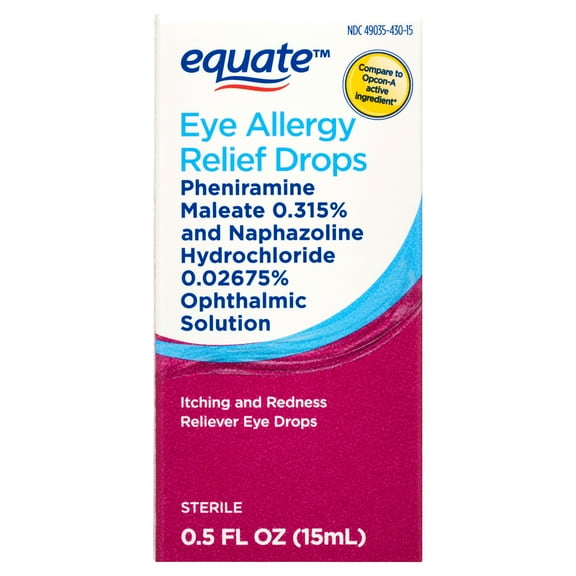
Allergy eye drops often deserve a closer look when pollen, dust, or pet dander shape your day. Your label review may reveal antihistamine ingredients such as ketotifen for that purpose.
For visible redness, you may compare formulas that list naphazoline on the active ingredient panel. Your comparison should also include lubricating options when moisture is part of your decision.
Reading the front label with the ingredient panel gives you an informed pick. That quick review shows whether your formula targets moisture, itching, or redness.
What to look for in preservative free eye drops
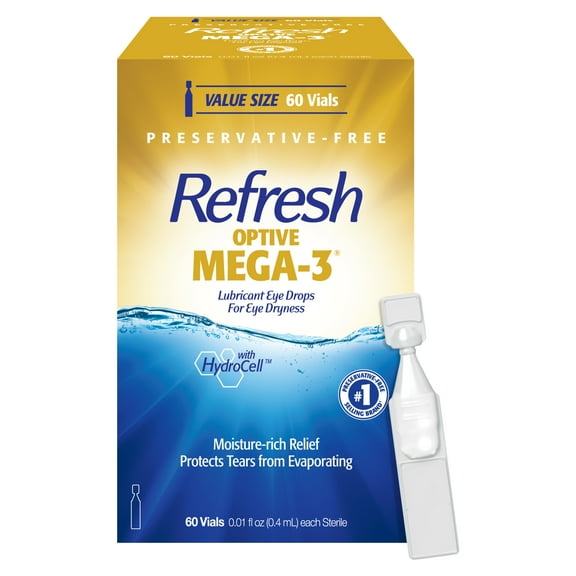
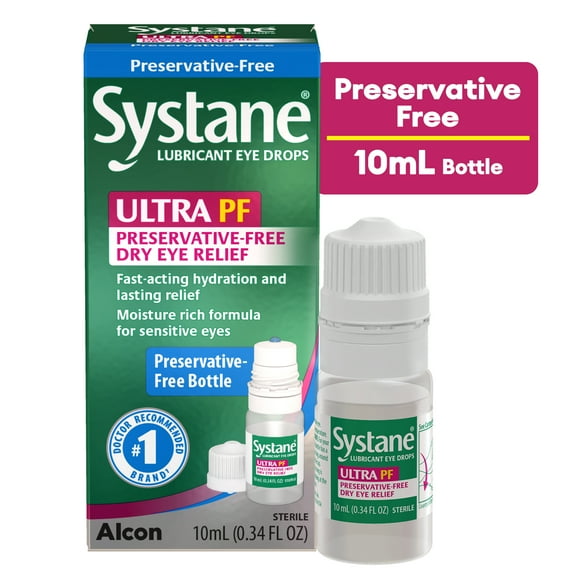
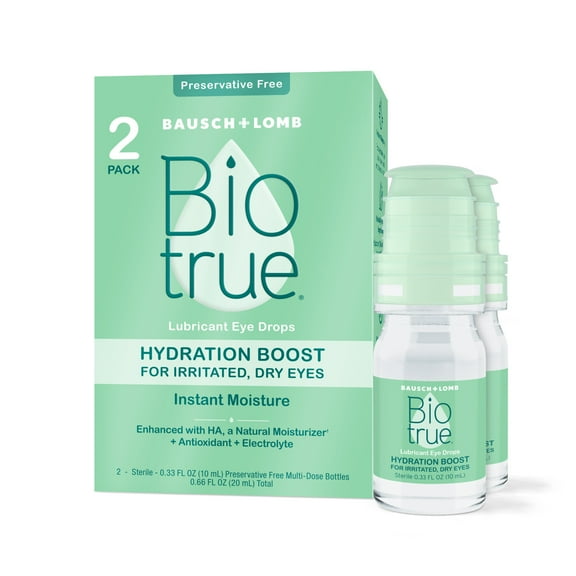
Preservative free eye drops can matter when you use drops often or prefer a simple ingredient list. Your options may include single-use vials or bottle designs made for preservative-free dispensing.
When you compare preservative-free and standard formulas, you should check how often you plan to use them. Your shopping decision may also include ingredients like benzalkonium chloride on some standard labels.
That detail helps you understand how one formula differs from another in everyday use. Your package format can be just as important as the formula itself.
Choosing single-use vials or multi-dose bottles
Format affects how eye drops fit your desk, travel bag, or nightstand. Your routine may feel easier with single-use vials when you want portable portions for quick routines.
Multi-dose bottles can suit your day when you want only one bottle to carry. Your storage habits and use frequency can guide that decision.
If you use drops in several places, you may compare portability and convenience together. That comparison helps your format match the way you move through the week.
Checking contact lens eye drops
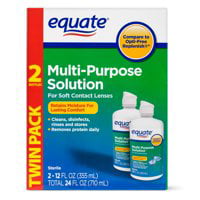
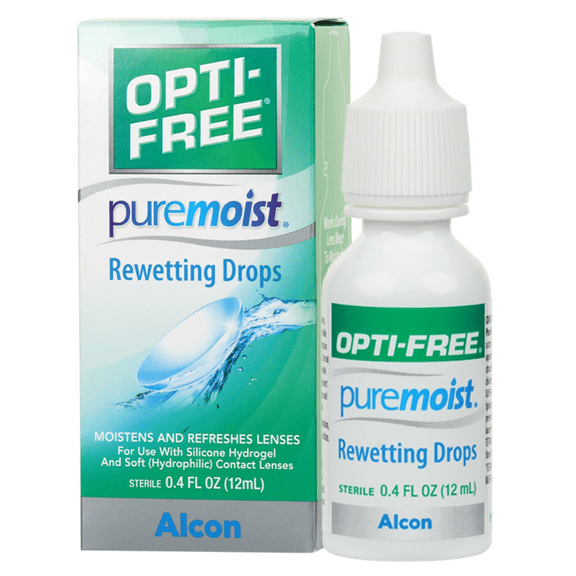
Contact lens eye drops should match the way you wear lenses throughout the day. Your label should clearly state whether the formula fits lens wear or use before insertion.
Some formulas fit long commutes, office hours, or screen-heavy schedules with lenses in place. Your search becomes easier when you filter for contact lens safe options early.
You may also compare directions for use during wear versus before wear. That step helps your drop choice align with your lens habits and daily timing.
How active ingredients guide your decision
Your ingredient panel can separate similar-looking products quickly. You may spot carboxymethylcellulose in moisturizing formulas and ketotifen in allergy eye drops.
You may also see glycerin in lubricating eye drops and naphazoline in redness-focused formulas. Those ingredient names give your comparison a practical shortcut.
Once you connect ingredients with symptom goals, your search feels more organized. That understanding helps your category choice involve minimal trial and error.
Matching eye drops to everyday routines
Your day may call for dry eye relief during long screen sessions, flights, or office lighting. Portable formats and moisture-focused formulas can fit those common situations.
During allergy season, your routine may lean toward allergy eye drops for itchy or watery eyes. Contact lens wear may also steer your attention toward formulas designed for lens compatibility.
If you use eye drops often, preservative free eye drops may deserve a closer comparison. With the right symptom match, ingredient check, and format choice, your routine can feel easier and more consistent.