

Water Trampolines in Water Sports















About Water Trampolines in Water Sports - Walmart.com
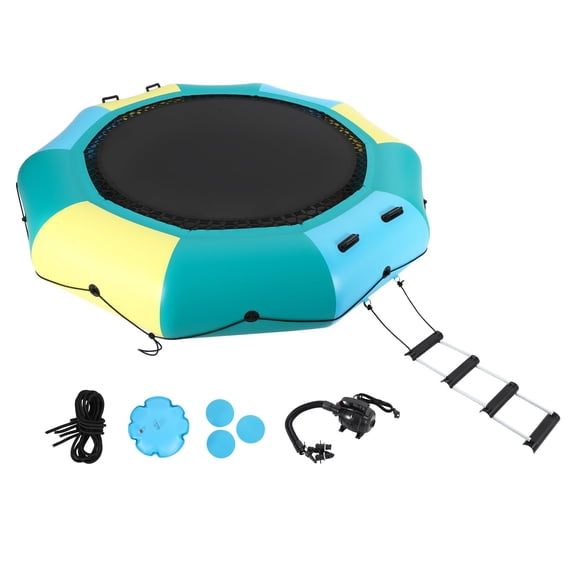
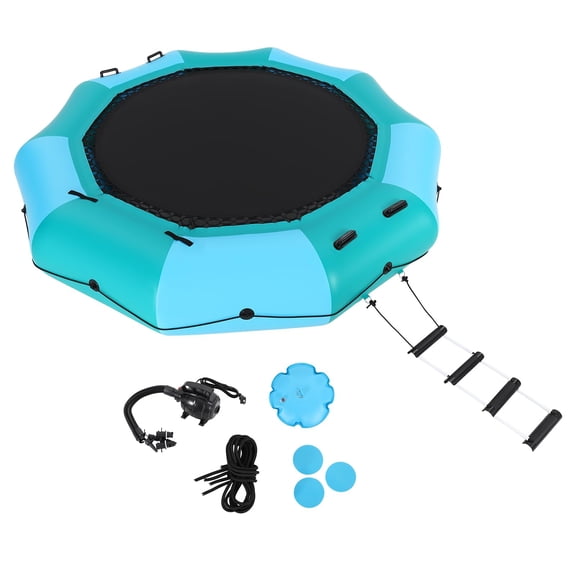
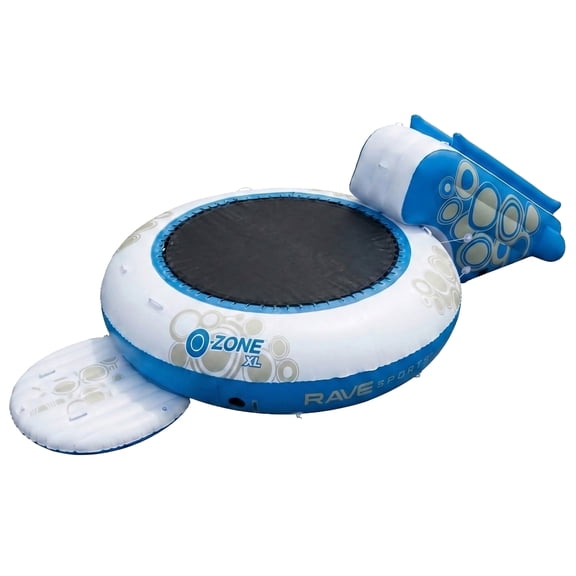
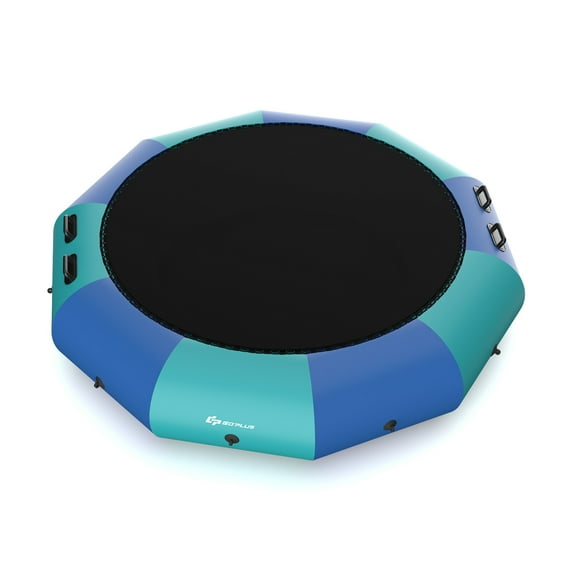
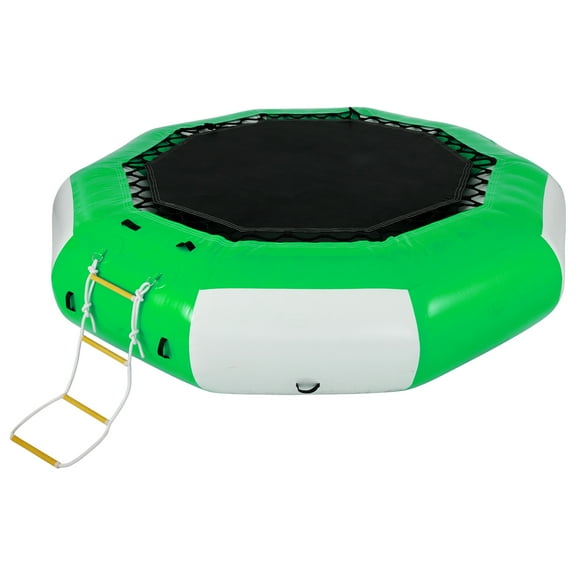
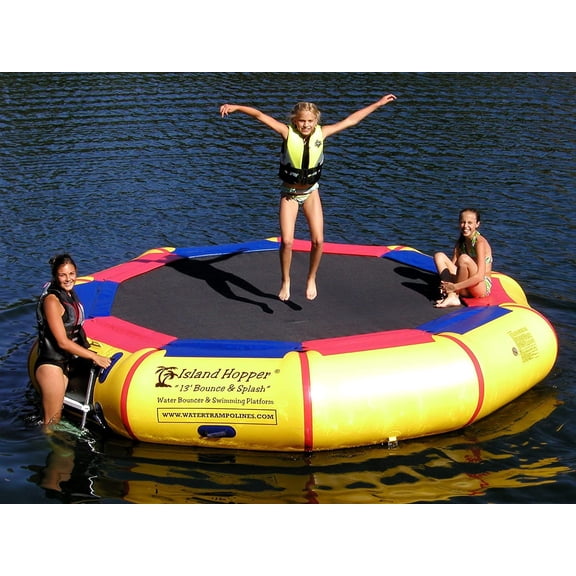
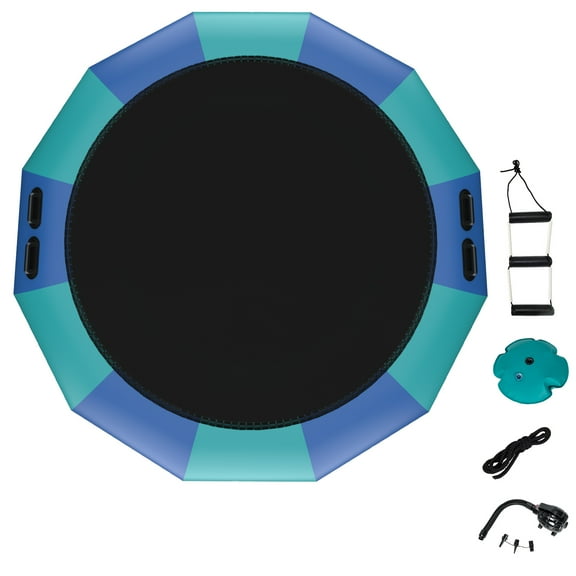
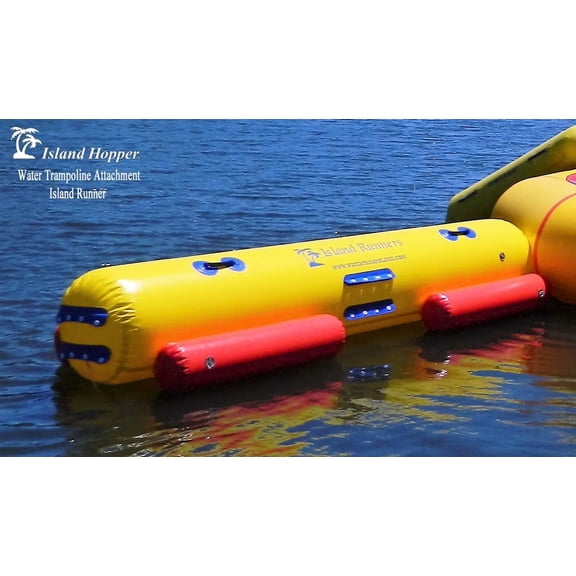
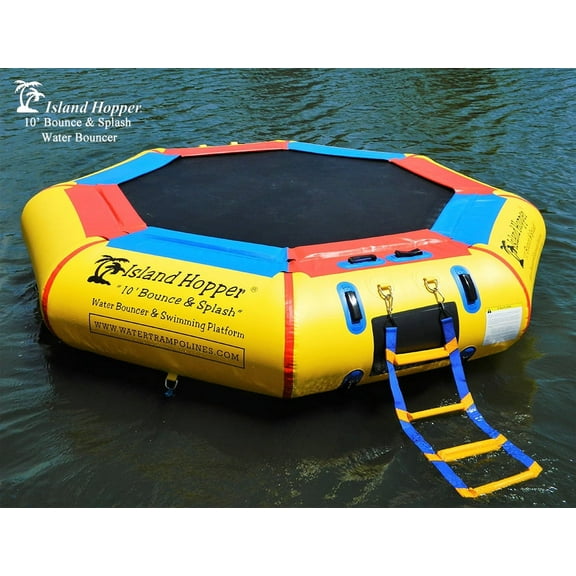
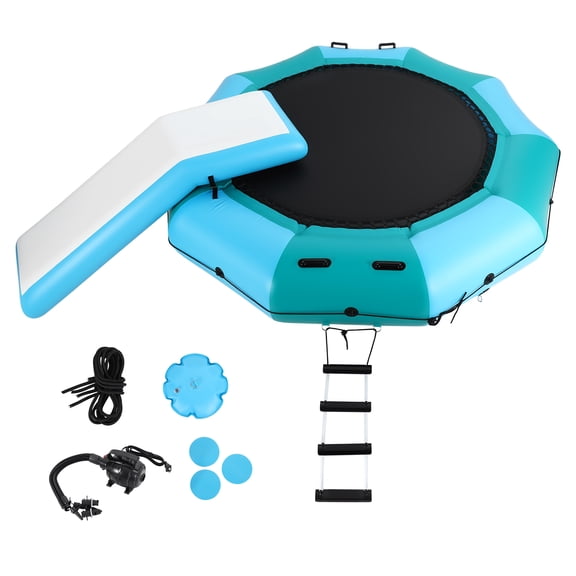
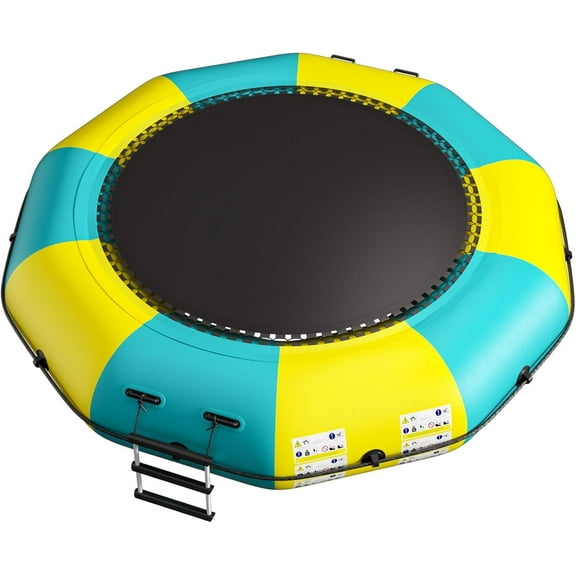
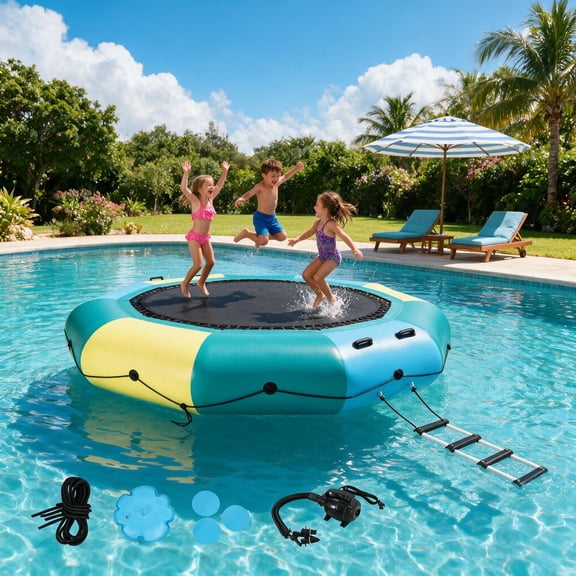
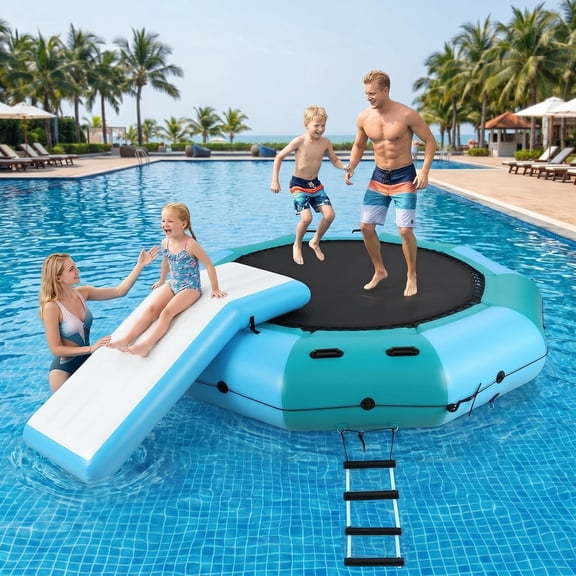
Water trampolines give you a lively way to turn your dock or swim area into a summer play zone. You can compare spring-based jump surfaces, springless bouncers, and anchoring needs before you choose the right fit.
How to choose water trampolines by type
You'll notice two main types when you compare this category. You can choose spring-based models for a higher bounce, or you can choose springless water bouncers for simpler setup.
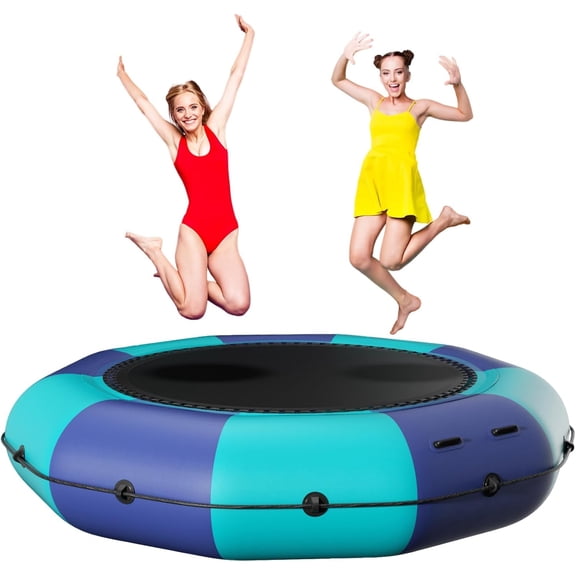
With spring-based designs, you get a jump surface that feels closer to a land trampoline. You may prefer that feel when your family wants more lift for repeated jumps and splash landings.
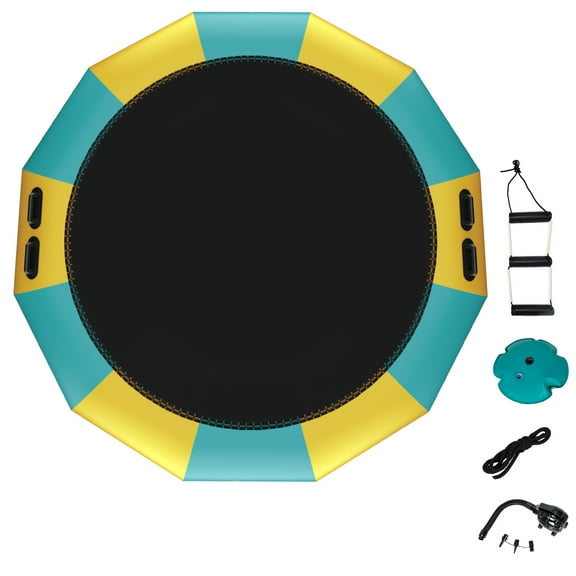
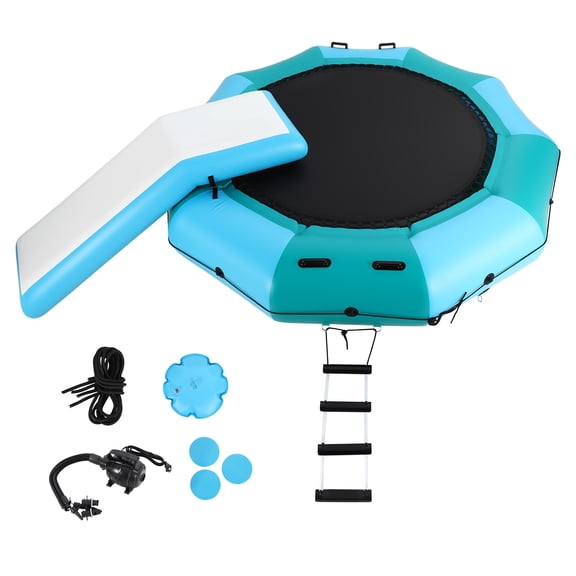
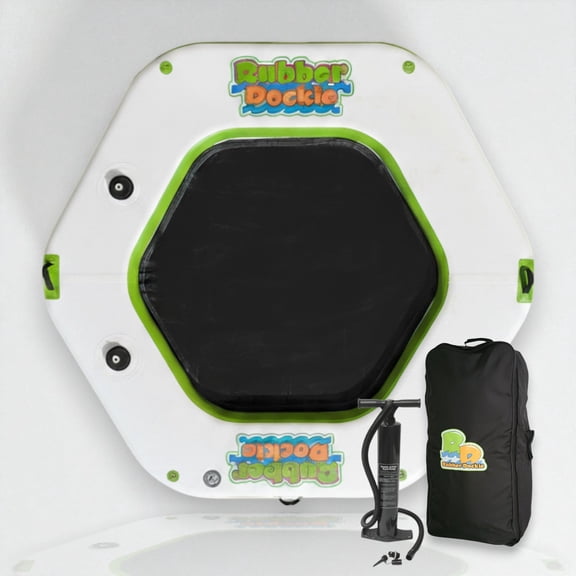
Springless bouncers give you a round floating platform with air-filled support around the edge. You can use them when your priority is easier inflation, lighter handling, and casual climbing or bouncing.
That difference matters because water trampolines and water bouncers don't perform the same way. You should compare bounce style, setup time, and the amount of swim space you want to dedicate.
What benefits to look for in lake trampolines
Lake trampolines can give you one floating destination for jumping, swimming, and relaxing between rides. You can create a clear hangout point that keeps activity centered away from the shoreline.
You'll also get flexibility for different age groups and summer routines. You can use one setup for afternoon swimming, dockside gatherings, and active camp-style recreation.
- You can create a floating play zone that feels separate from the dock.
- You can choose a bounce style that matches active jumping or lighter lounging.
- You can use larger diameters to give your group more room to climb and play.
- You can anchor the unit in deeper water for cleaner approaches and jump paths.
Heavy duty water trampolines also help you plan for repeated seasonal use. You can look for durable construction when your water conditions include long sun exposure, waves, or frequent weekend use.
Choosing the right size and capacity
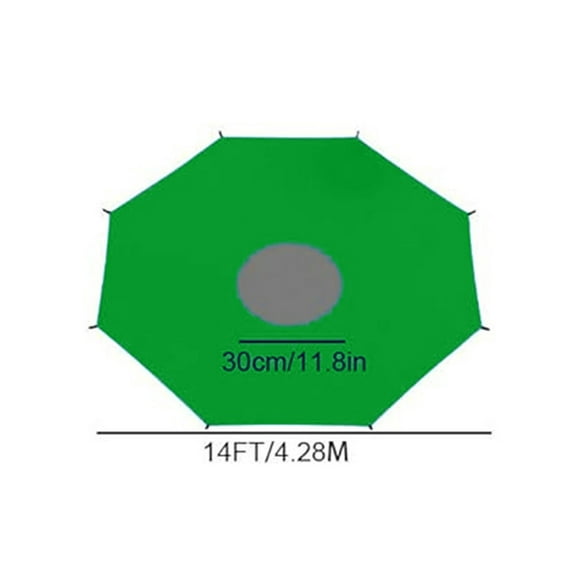
You should start with the amount of open water you have around your dock or shoreline. You can compare 10 foot, 12 foot, 15 foot, and 20 foot plus sizes based on clearance and user count.
A 10 foot size can work when you need a compact option for tighter swim areas. You may step up to 12 foot or 15 foot sizes when your family wants more jumping room.
If you host larger groups, you should consider 20 foot plus lake bouncers or trampoline styles. You can give more users space to board, sit, or take turns without crowding the surface.
You should also check listed capacity guidance before you choose. You can match the size to younger users, mixed-age groups, or commercial camps that need more usable surface area.
Comparing materials for heavy duty water trampolines
You should examine materials closely because constant sun, water movement, and repeated inflation put stress on every seam. You can compare heavy-duty PVC and reinforced mesh based on how and where you'll use them.
Heavy-duty PVC can give you a sturdy outer structure that holds shape on the water. You'll often want this material when your setup stays inflated for longer stretches during summer.
Commercial-grade reinforced mesh affects how the jump surface feels underfoot. You can look for a supportive weave that balances drainage, rebound, and comfort during repeated use.
Denier rating is a useful strength clue when you compare fabrics and coated materials. You should read higher denier as thicker material that can suit tougher seasonal wear.
Heat-welded seams are another decision point you should check. You can use that detail as a sign of reinforced construction around high-stress connection points.
What to look for in setup and anchoring
You should plan your setup before you inflate anything at the shoreline. You can measure water depth, swimming clearance, and distance from boats, docks, and other floating gear.
For anchoring, you should check the product guidance for recommended anchor weight and rope length. You can use that guidance to keep the unit positioned consistently during active use.
You should also match anchoring to your environment, not just the product size. You can expect lake recreation, ocean or marine use, and camp settings to need different holding strength.
In calmer lake areas, you may need a simpler anchoring layout with clear perimeter space. In more active water, you should look for stronger anchor planning and more secure attachment points.
Matching floating trampolines to your summer plans
Floating trampolines can fit different routines when you compare type, size, and materials together. You can choose a spring-based model for lively jumping sessions near a family dock.
You may choose springless inflatable water trampolines when you want easier handling at a cabin or vacation property. You can also use that style when younger users need a gentler climb-on platform.
For camps or shared waterfronts, you should look at larger diameters and durable materials first. You can support repeated entry, group rotation, and longer daily use with a more robust setup.
If your water conditions change often, you should focus on anchoring details and reinforced construction. You can narrow your options faster when you compare those features before color or style.
When you compare water trampolines with these decision points in mind, you can choose a setup that fits your space and activity level. You'll end up with a floating destination built for repeat summer fun.