



Exercise Ball Chairs & Office Balance Ball Seats










About Exercise Ball Chairs & Office Balance Ball Seats - Walmart.com
An exercise ball chair gives you active sitting support for desk work, study time, and light movement between tasks. You can compare base styles, sizing, and back support to match your space and routine.
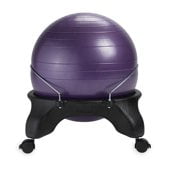
When you choose this category, you’re looking at seating built around an inflated ball instead of a standard cushion. You’ll notice options that focus on posture-friendly positioning, rolling mobility, and removable balls for floor exercises.
How to choose an exercise ball chair
You should start with size, because ball diameter affects how your knees, hips, and desk height line up. You’ll usually compare common sizes like 45 cm, 55 cm, 65 cm, and 75 cm.
If your ball sits too low, you may feel cramped at your desk during long sessions. If your ball sits too high, you may struggle to keep your feet planted and your arms aligned.
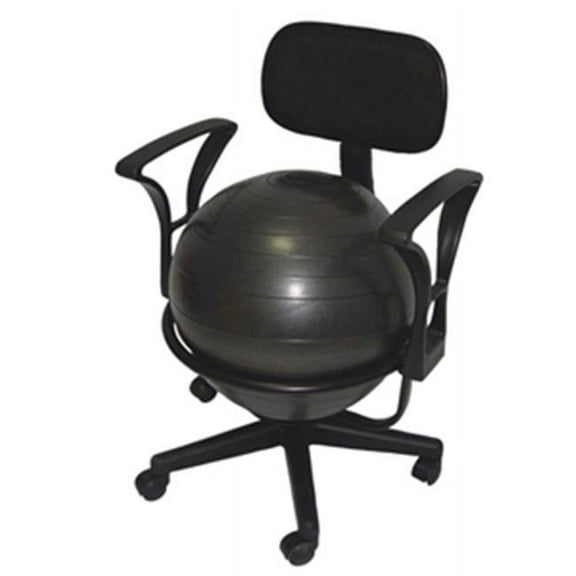
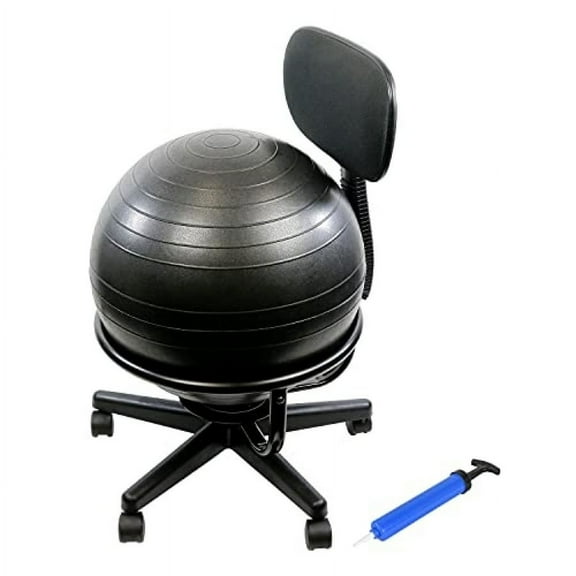
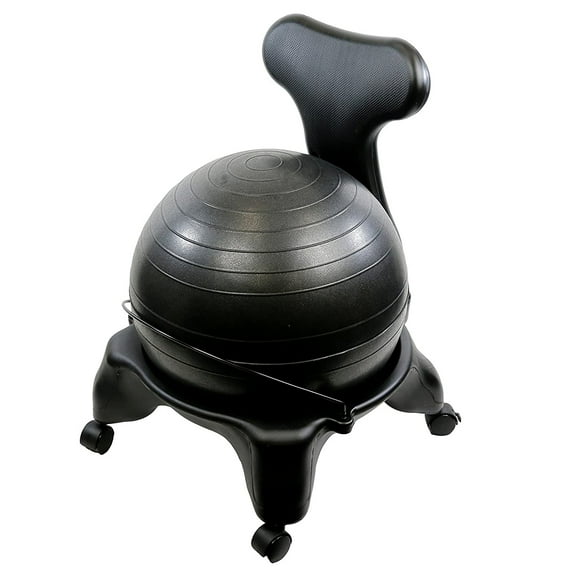
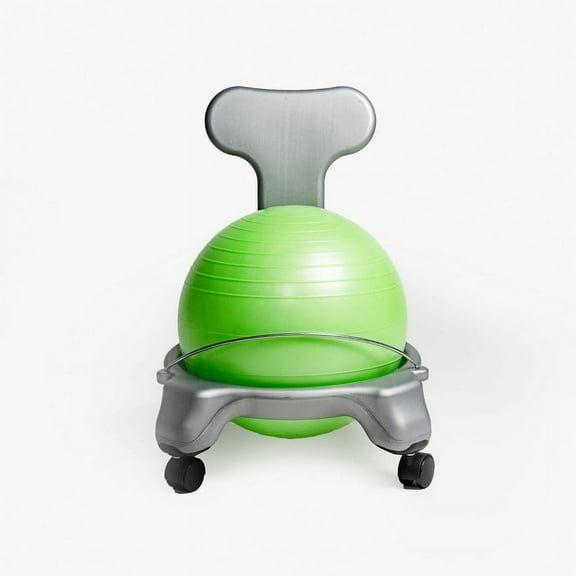
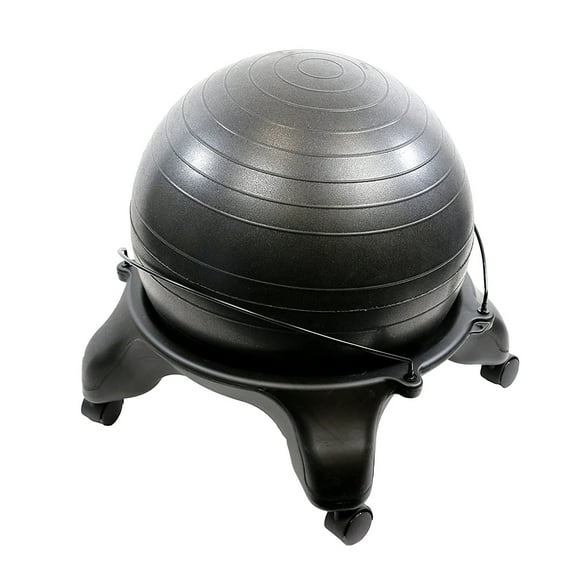
You should also compare the frame around the ball, since each base changes how the seat feels. You’ll find wheeled base, fixed base, balance ring, and stay-ball weighted bottom designs across this category.
- You can choose a wheeled base if your desk setup needs short, smooth movement.
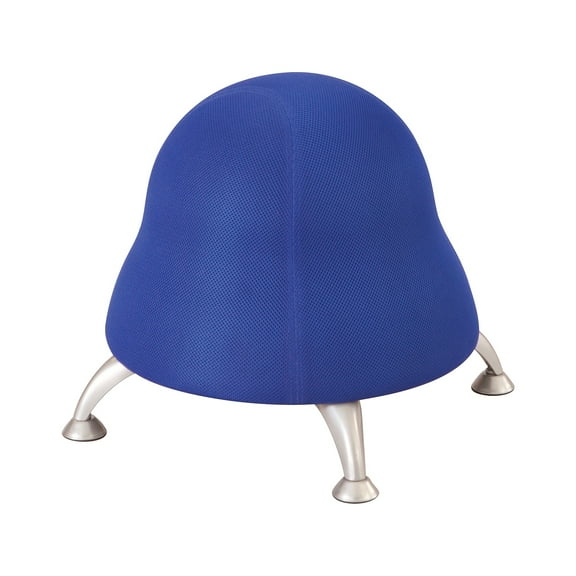
- You can choose a fixed base or balance ring if you want a steadier sitting position.
- You can choose a stay-ball weighted bottom if you want the ball to stay put between workouts and work sessions.
- You can choose a backrest if your setup calls for added upper-body support during computer time.
Choosing an office chair with ball seat
You should compare your work style before you pick an office chair with ball seat support. If you switch between screens, notes, and side tables, you may prefer wheels and a backrest.
For a compact desk area, you may prefer a backless frame with a simple ring or fixed stand. You’ll get a cleaner footprint that can slide under many desks more easily.
Your desk height matters just as much as your height when you choose a ball computer chair. You should measure from the floor to your desktop, then compare that number with the seated height range.
If you type for long stretches, you should look for a setup that keeps your elbows near desk level. You’ll usually want your feet flat and your thighs close to parallel.
Comparing base type, backrest, and durability
You should treat base type as a comfort and control decision, not just a style choice. Wheeled frames let you reposition quickly, while fixed designs keep movement more centered.
A backrest can change how your chair fits meetings, homework, and computer sessions. If you want a more open sitting feel, you may lean toward a backless fitball chair instead.
You should also check durability details before you choose your final model. Look for anti-burst rated balls, heavy-duty bases, and listed weight capacity numbers that fit your needs.
When you compare support ratings, you’re looking for clear limits such as supports up to 300 lbs. You should match those numbers to daily use, not just occasional seating.
If you share the chair in a home office or classroom, durability becomes even more important. You’ll want a ball and frame that handle repeated sitting, rolling, and repositioning.
Matching ball size and removable-ball features to your routine
You should use ball diameter as your first fit check for comfort and alignment. In many setups, shorter users lean toward 45 cm or 55 cm, while taller users often need 65 cm or 75 cm.
Your inseam, chair height, and desk height can shift that choice, so you should measure before ordering. You’ll get a more natural seated angle when those dimensions work together.
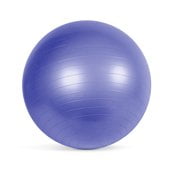
A removable ball adds flexibility if you want one product for work and exercise. You can use the ball under chair support during the day, then remove it for stretches or floor routines.
If your routine includes light fitness work, a bouncing ball seat can support quick transitions between tasks. You’ll appreciate that versatility when you want active sitting without dedicating room to extra equipment.
You may also want this category for classroom seating, creative studios, or shared family workspaces. You can choose simpler stands for focused seated use, or mobile frames for mixed-use rooms.
What to look for before you decide
You should review inflation needs, frame dimensions, and whether the ball arrives with a pump. You’ll also want to check whether the base holds the ball securely when it’s not in use.
Before you choose an exercise ball chair, you should compare size charts, base style, and backrest design together. You’ll end up with seating that fits your desk, supports active sitting, and adapts to workouts.