


Exercise Mats






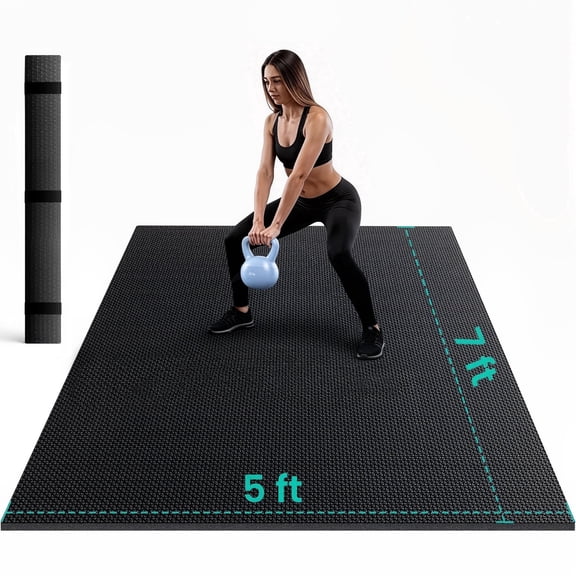
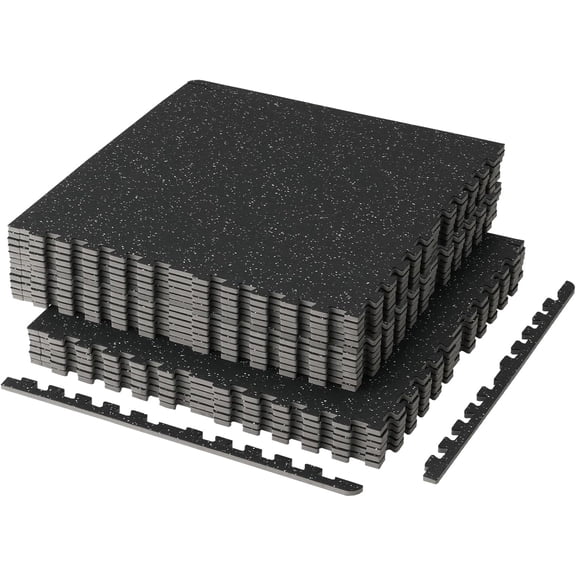


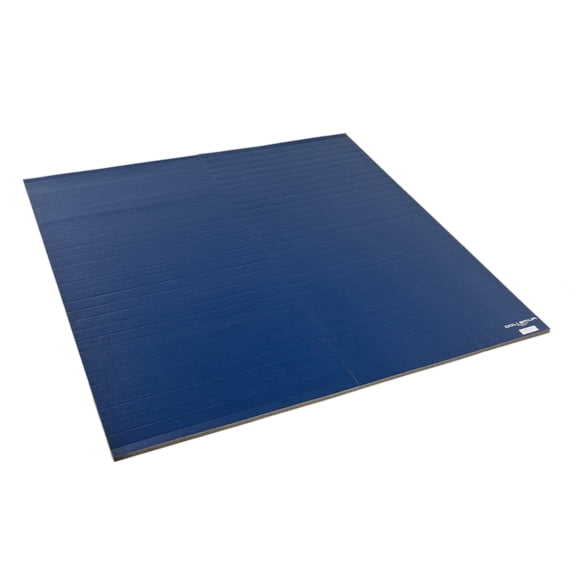
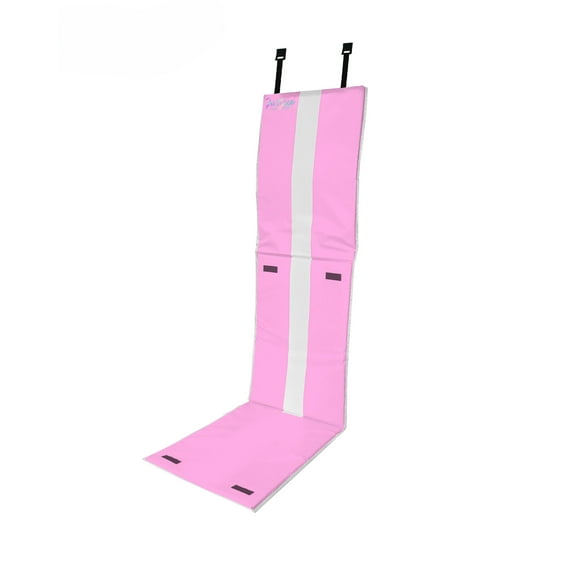





























About Exercise Mats - Walmart.com
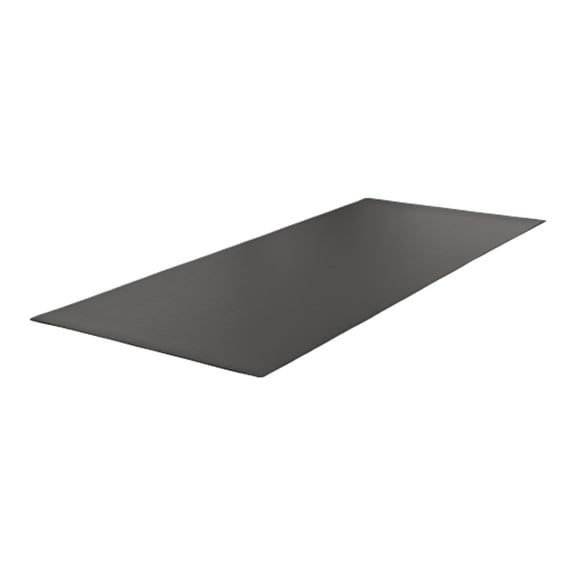
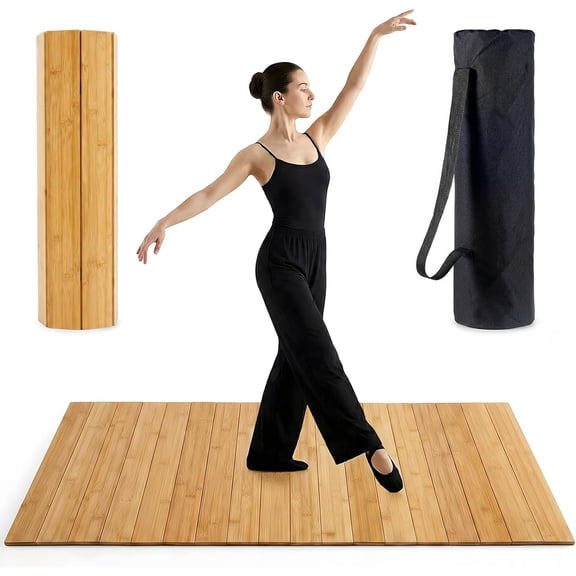
Gym floor mats exercise mats help you build a cleaner, steadier workout area at home. You can compare foam, rubber, and PVC options that match lifting, yoga, cardio, and equipment setups.
When you choose the right mat, you can add cushioning, improve grip, and create more usable home gym flooring. You can also match thickness and format to your room size, routine, and storage needs.
How to choose gym floor mats exercise mats
You’ll want to start with the workout style you do most often. Your training routine shapes the material, thickness, and format that will feel right underfoot.
If you lift weights, you may prefer denser rubber gym mats for a firmer surface. If you stretch or do floor work, you may prefer softer exercise mats with more cushioning.
For mixed routines, you can compare interlocking foam tiles, roll mats, and folding styles by setup time. You should also check how much floor coverage your workout zone needs.
- You can use EVA foam for cushioned bodyweight moves and light equipment zones.
- You can choose rubber for heavier training areas and more solid support.
- You can consider PVC when you want a smooth, easy-to-wipe surface.
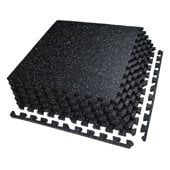
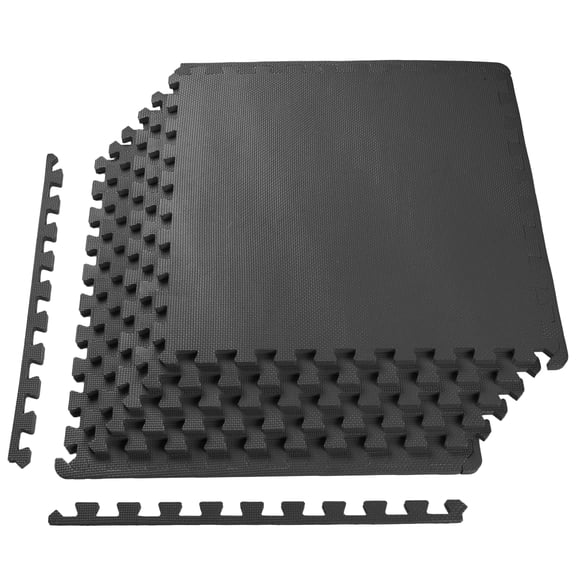
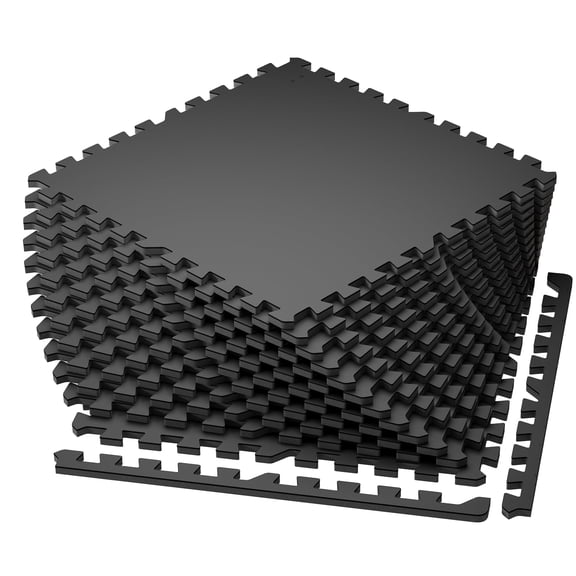
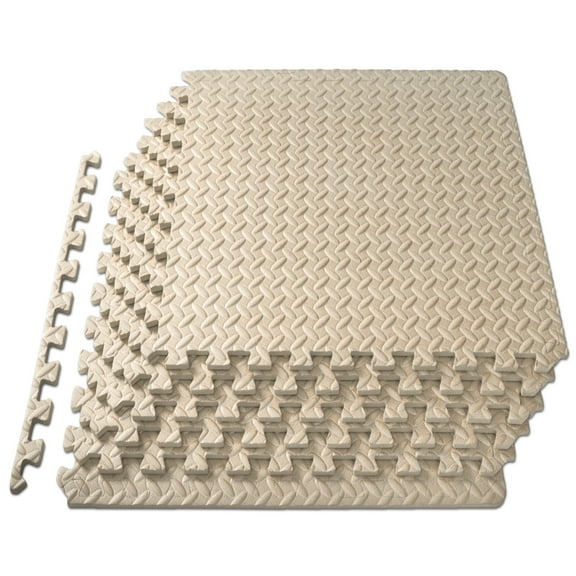
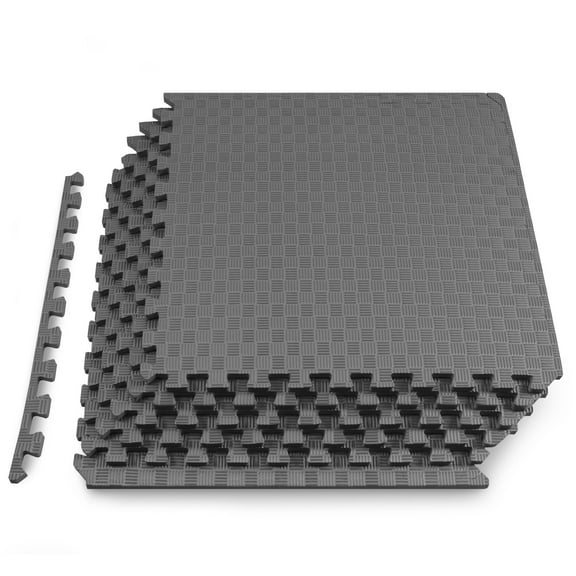
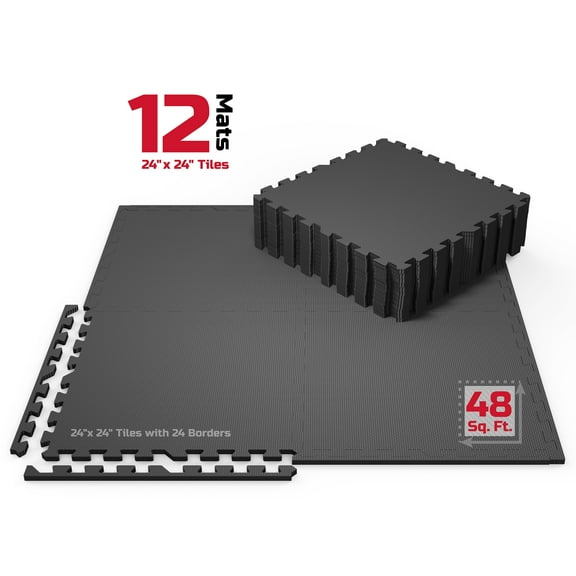
- You can pick interlocking foam tiles when you want flexible room coverage.
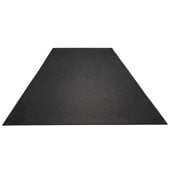
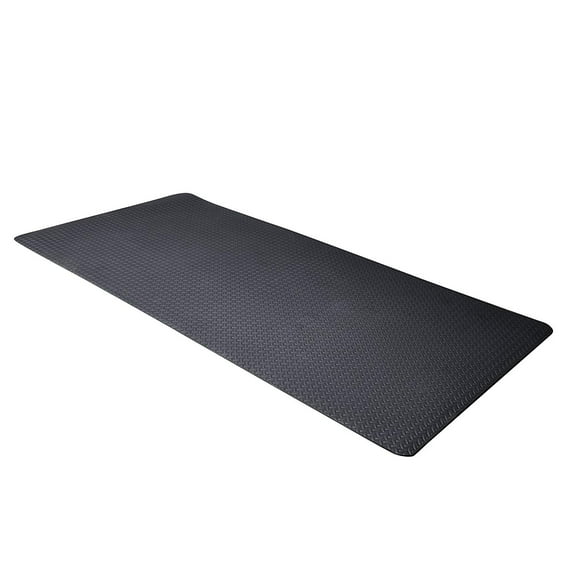
- You can select rolls when you want fewer seams across longer spaces.
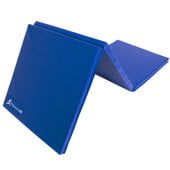
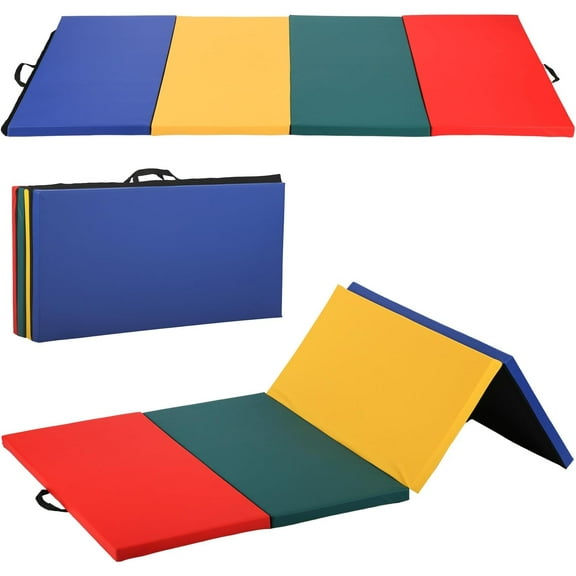
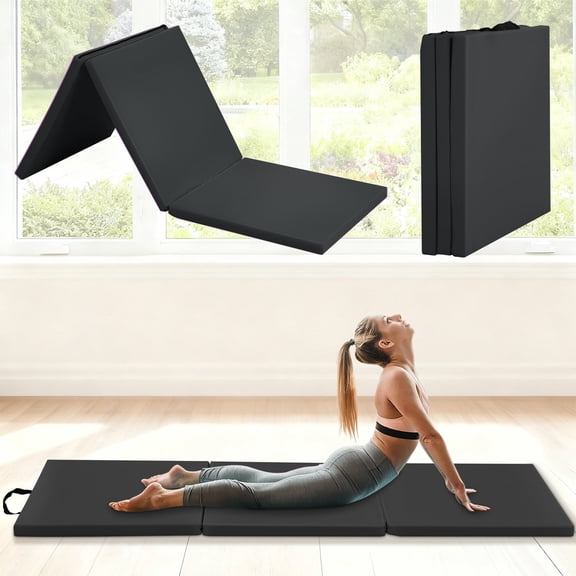
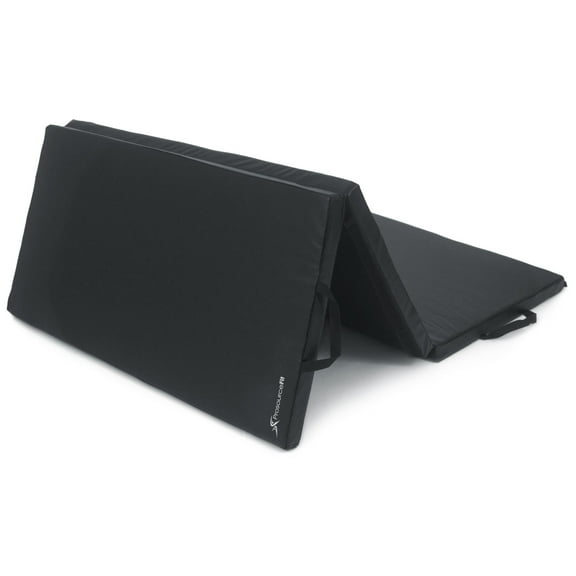
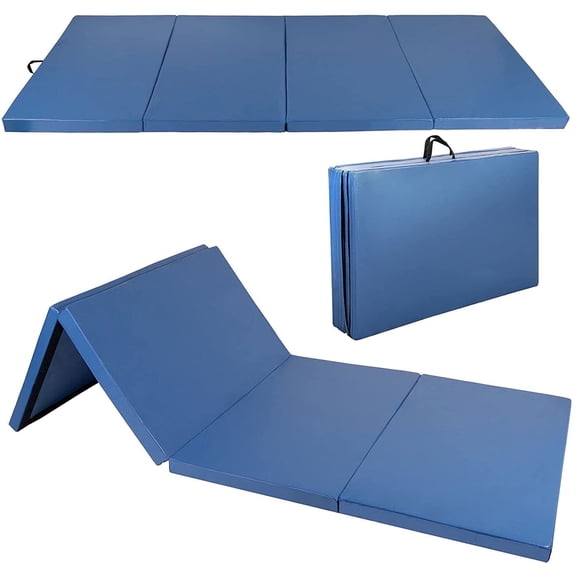
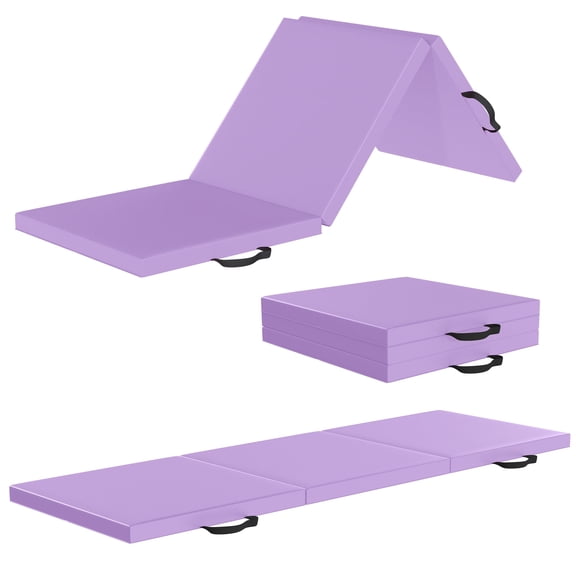
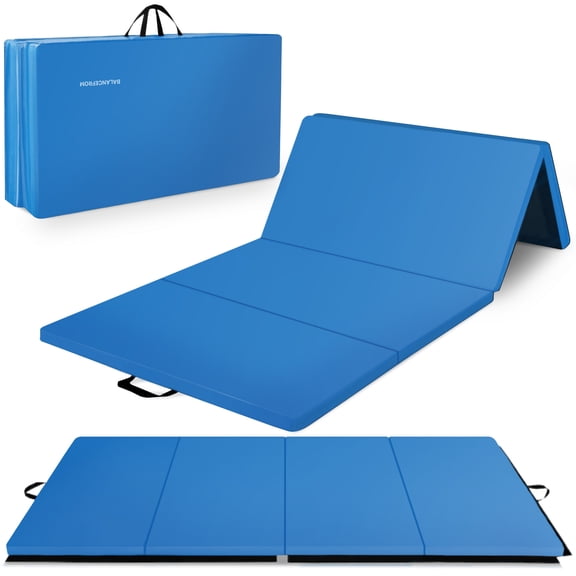
- You can choose folding mats when you want quicker storage between sessions.
Choosing the right home gym flooring material
You should compare material feel before you focus on color or shape. Your mat material changes how your space handles impact, grip, and daily wear.
EVA foam gives you a lighter feel that works well for stretching, core work, and general fitness. You’ll notice it’s easier to move and arrange in multipurpose rooms.
Rubber gym mats give you a denser base for weight benches, racks, and heavier dumbbell use. You can count on a more grounded feel when you want less compression.
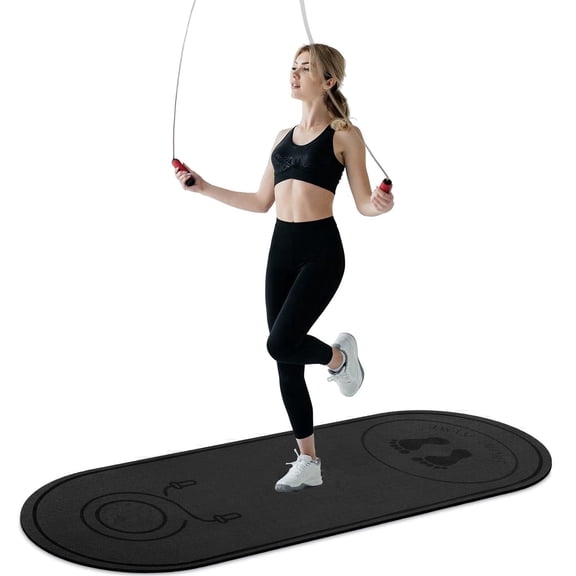
PVC mats can suit cardio corners, mobility work, and spaces that need easy cleanup. You’ll often like this option when your workouts include repeated setup and takedown.
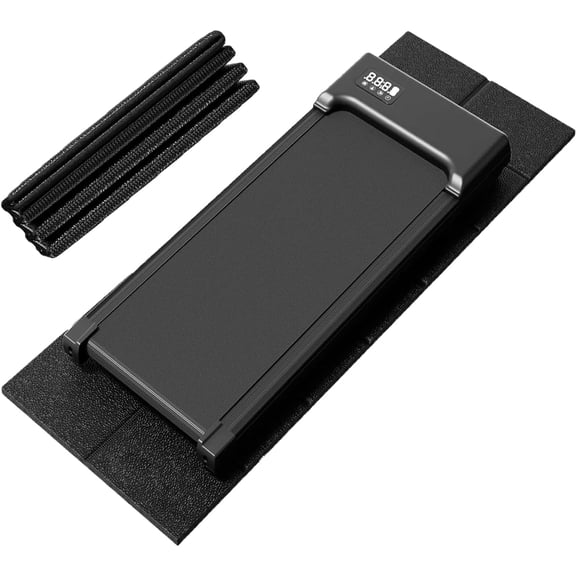
You should also think about floor protection under your equipment. Your subfloor may benefit from thicker, denser coverage where bikes, benches, or free weights stay in place.
Comparing format and thickness for your space
You can use format as a practical way to narrow your options fast. Your room layout often decides whether tiles, rolls, or folding mats make more sense.
Interlocking foam tiles let you build around corners, storage units, and support posts. You can replace one section more easily if your layout changes later.
Roll mats work well when you want broad home gym flooring with a cleaner, continuous look. You may prefer them in garages or spare rooms with open floor plans.
Folding mats suit spaces where your workout area needs to disappear after use. You can fold them away between sessions and keep your room more flexible.
Thickness also matters because your routine changes how much cushioning you need. You can start with one-half inch for lighter training and general comfort.
You may choose three-quarter inch when you want more impact absorption for mixed workouts. You may choose one inch when your setup needs extra padding for floor work.
If you place equipment over the mat, you should check the balance between softness and stability. Your machine or bench may feel steadier on a firmer surface.
Matching gym floor mats to weightlifting, yoga, cardio, and equipment
You’ll get more from your setup when you match the mat to the workout. Your use case helps you avoid surfaces that feel too soft, too firm, or too bulky.
For weightlifting, you may look for gym floor mats for weightlifting with denser support and thicker coverage. You’ll want a surface that helps your area feel more protected.
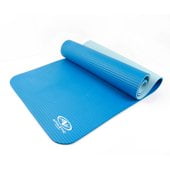
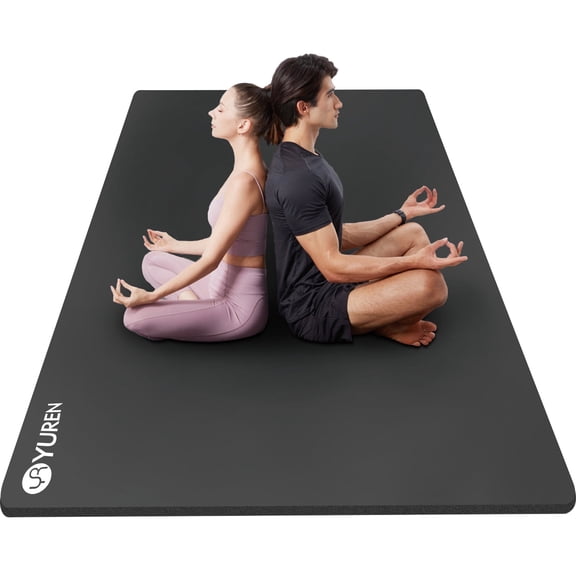
For yoga and mobility sessions, you may prefer exercise mats that feel gentler during kneeling and floor poses. You can focus on comfort, grip, and easy movement across the mat.
For cardio, you may want a puzzle exercise mat or roll format that covers enough space for repeated motion. You’ll appreciate a textured surface that feels steadier during quick transitions.
For equipment underlayment, you should measure the footprint of bikes, rowers, or benches before choosing. Your mat should extend beyond contact points for a cleaner, more finished setup.
If your room serves several purposes, you can mix formats across zones. You might use interlocking foam tiles for open movement and denser mats under heavier equipment.
What to look for before you finish your setup
You should measure your workout area carefully before you choose coverage. Your room dimensions, door clearance, and storage plan can affect which mat format fits smoothly.
You can also compare surface texture if you want a steadier feel during squats, lunges, and planks. Your traction preference may differ for socks, training shoes, or barefoot routines.
Cleanup matters too when your gym sits in a garage, basement, or shared room. You’ll want a surface that fits your routine and stays easy to maintain after regular workouts.
With the right gym floor mats exercise mats, you can create a workout space that feels organized and ready to use. Your floor gets coverage that fits your training style and your room.