

Electrical Tape in Electrical Tools
















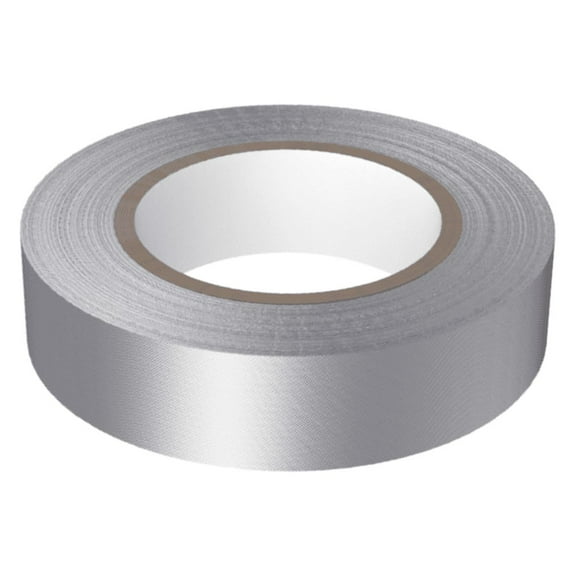


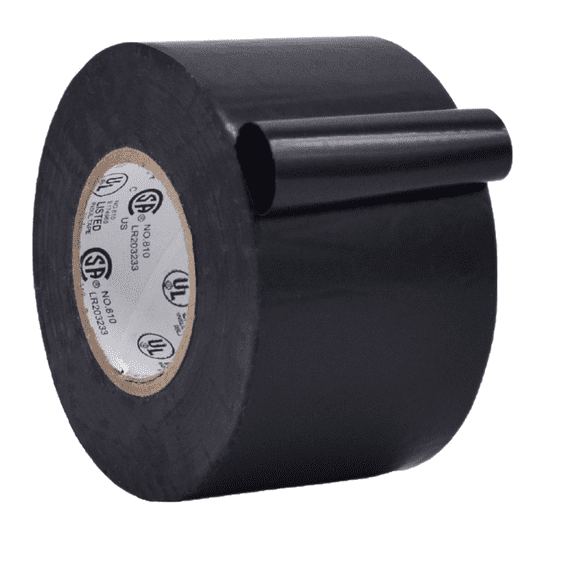


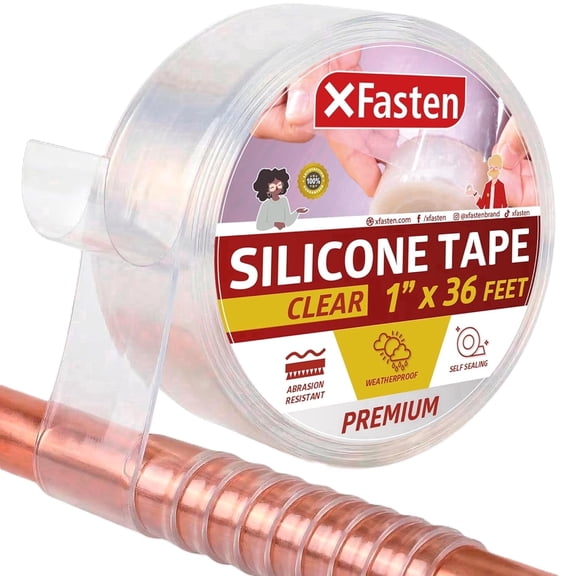
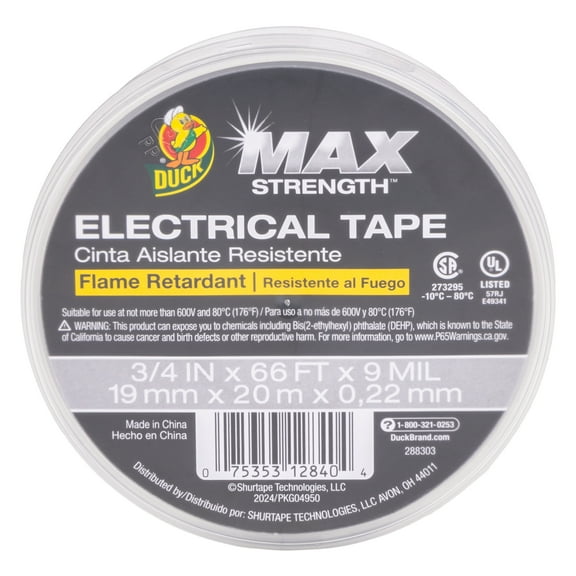

About Electrical Tape in Electrical Tools - Walmart.com
Scotch electrical tape helps you wrap, insulate, and organize wiring with brand-specific options for color coding, stretch, and outdoor electrical jobs. You can compare vinyl builds, grade levels, and performance details that matter when your project needs a clean, secure finish.
How to choose Scotch electrical tape
When you compare Scotch electrical tape, you should start with the job location, wire bundle size, and the finish you want. You can narrow your choice faster when you check color, material, grade, and weather-ready performance.
For everyday repairs, you may want a flexible wrap that conforms around bends and uneven connections. For heavier electrical work, you may look for thicker backing, higher stretch, and stronger insulation details.
Choosing color for coding and visibility
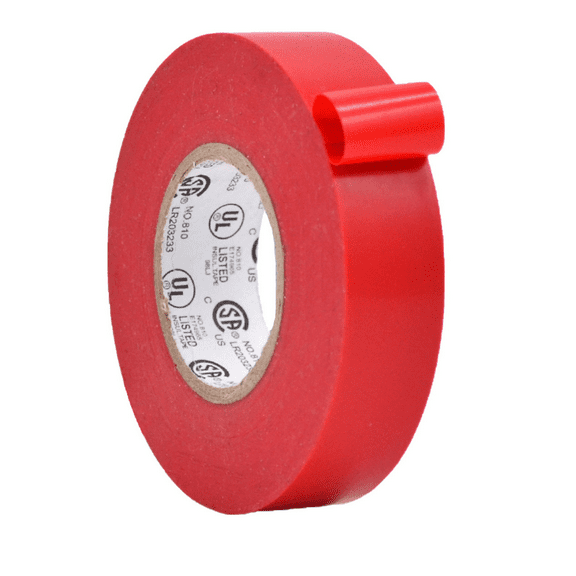
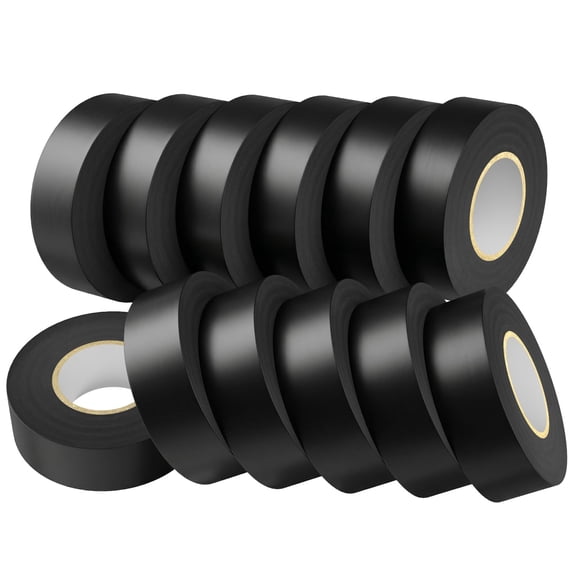
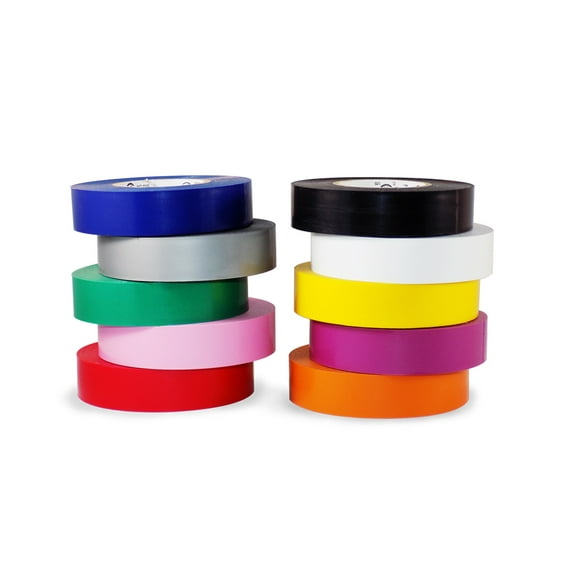
Your tape color does more than change appearance, because you may use it to identify circuits, phases, or grouped wires. You can choose black electrical tape for common wrapping tasks or select colored electrical tape for fast visual sorting.
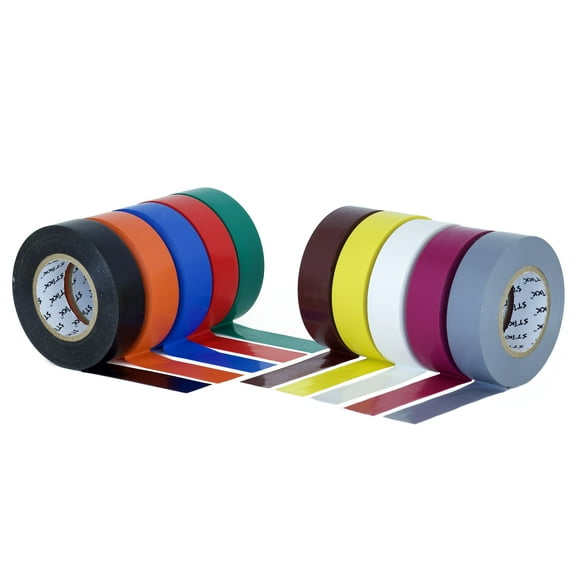
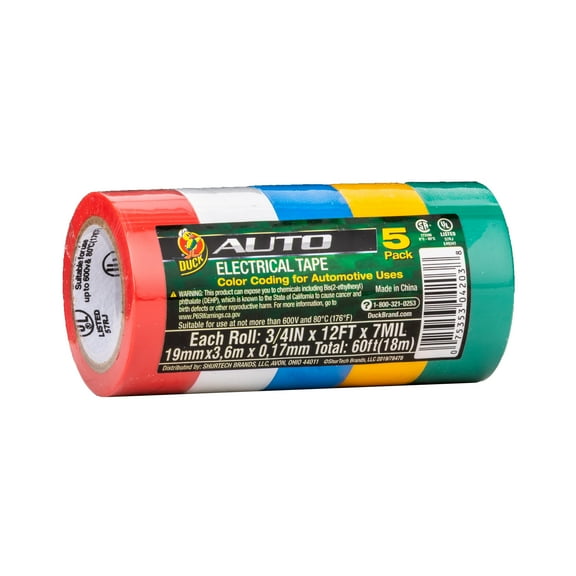
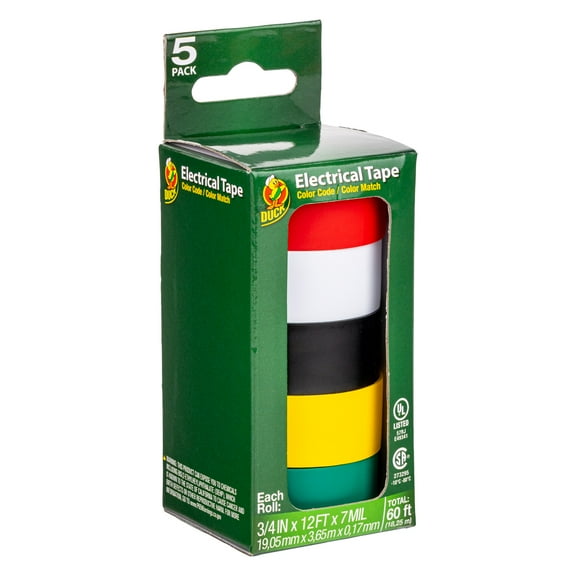
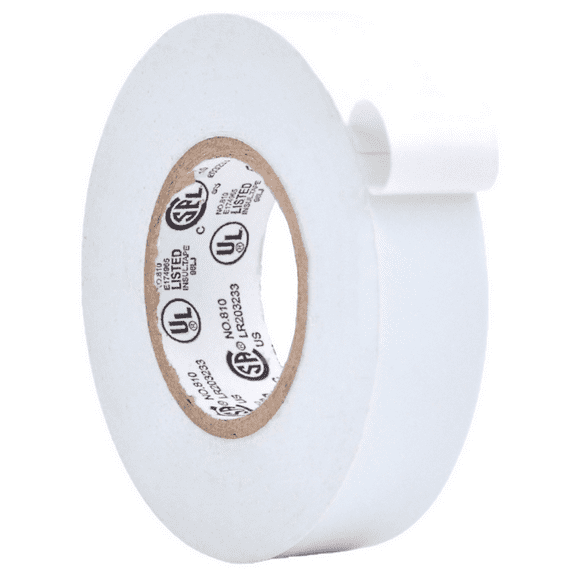
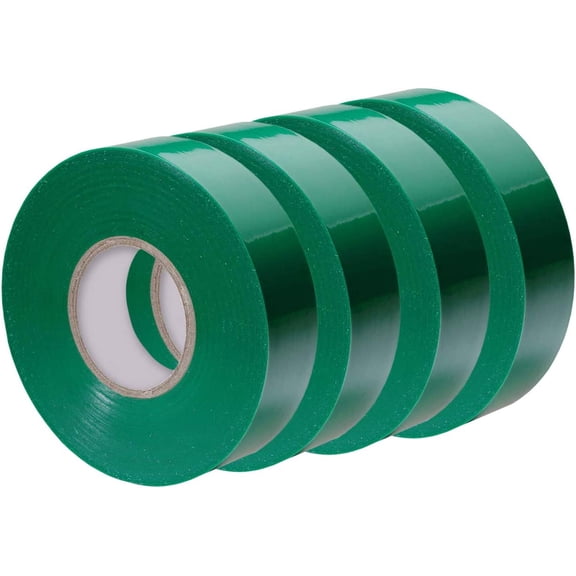
If your project includes panel work or wire marking, you should check whether red, blue, yellow, green, or white fits your coding plan. Assorted packs can help you keep multiple colors ready when you label several lines in one session.
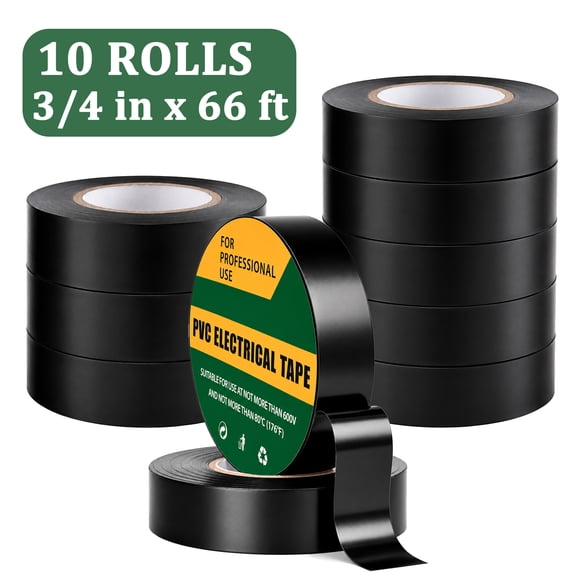
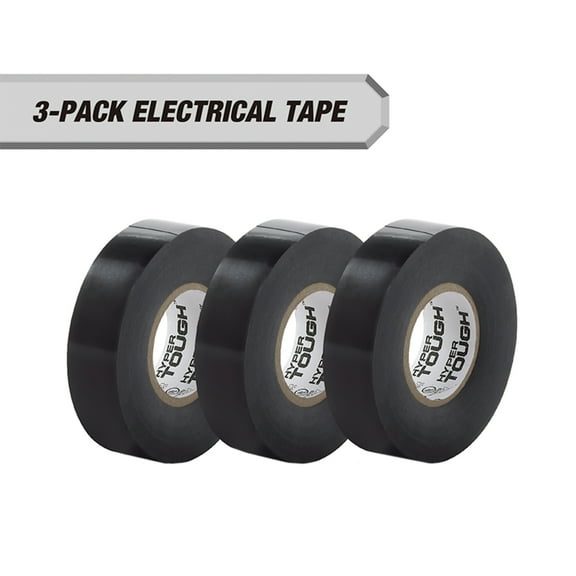
- You can use black for general wrapping and a clean, uniform look.
- You can choose red, blue, yellow, green, or white when your wiring setup needs clear identification.
- You can keep assorted colors on hand when your project includes multiple circuits or grouped cables.
Comparing vinyl electrical tape and other materials
Vinyl electrical tape is often the first material you’ll compare, because you may want a smooth wrap with stretch and easy handling. You’ll usually notice vinyl works well when your tape needs to conform around corners, splices, and bundled wires.
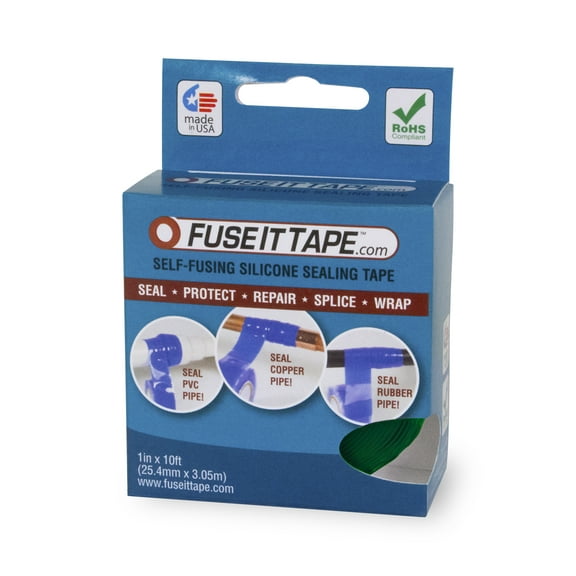
You may also compare rubber, mastic, or silicone options when your task needs a different feel or sealing approach. If you want a common choice for many electrical projects, you should look closely at vinyl electrical tape first.
Material affects how your tape feels during wrapping and how tightly it conforms to the surface below. You should compare flexibility, tack, and thickness together so your wrap matches the demands of your installation.
Comparing grades like Scotch Super 33 and general purpose options
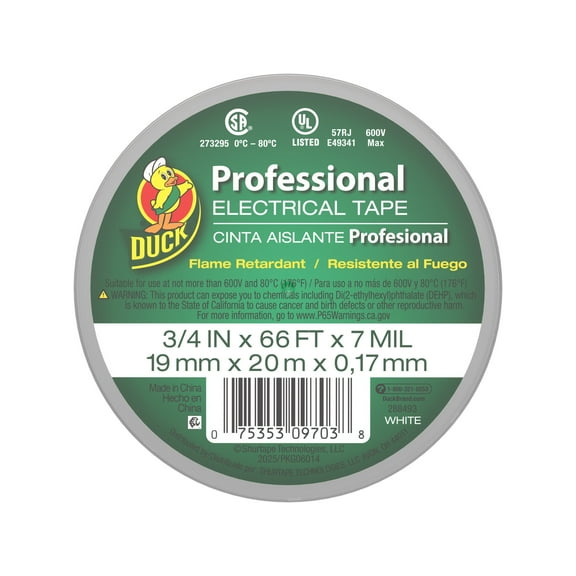
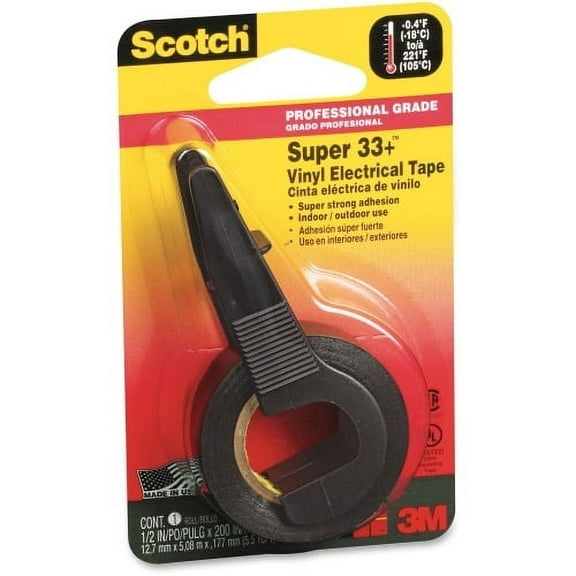
Your grade choice matters when you need a tape for regular household fixes or more demanding electrical work. You can compare professional grade electrical tape with general purpose rolls by looking at durability, stretch, and thickness.
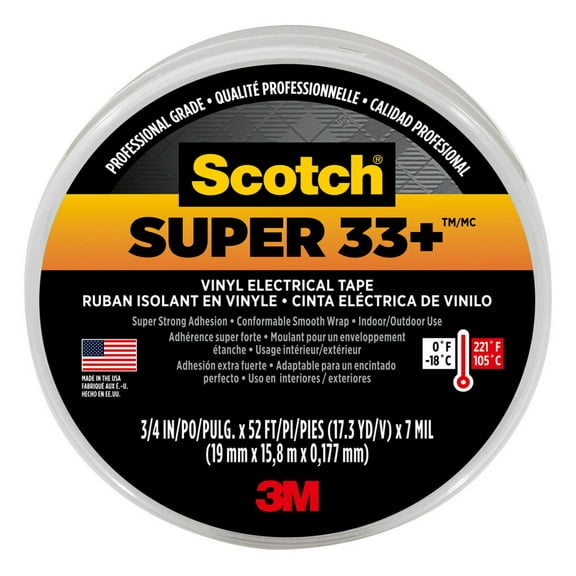
If you’re reviewing Scotch Super 33 or similar grades, you should check whether the tape is built for frequent handling and wider temperature ranges. Heavier options, including Scotch Super 88, may suit you when you want a thicker wrap around larger connections.
General purpose rolls may fit quick labeling or light-duty wrapping when your setup doesn’t need the same build. Professional grades can make sense when your project calls for stronger adhesion and a more uniform wrap.
Checking performance for outdoor and demanding jobs
Performance details tell you how the tape may hold up when your wiring faces heat, cold, moisture, or sunlight. You should compare weather resistant, heavy duty, waterproof electrical tape, and high stretch options based on where you’ll use them.
If your job is outdoors, you may want to check the maximum operating temperature and any outdoor UV rating. Those details help you choose a wrap that matches exposed areas, seasonal changes, and long runs on equipment or exterior lines.
Stretch also matters because you want the tape to pull snugly without lifting at the edges. When you compare adhesion strength with flexibility, you can find a tight seal that follows bends and irregular surfaces.
What thickness and dielectric details mean for your project
You may see thickness listed in mils, and you should treat that as a clue about wrap feel and build. A thicker tape can give you a more substantial layer, while a thinner tape may feel easier around compact connections.
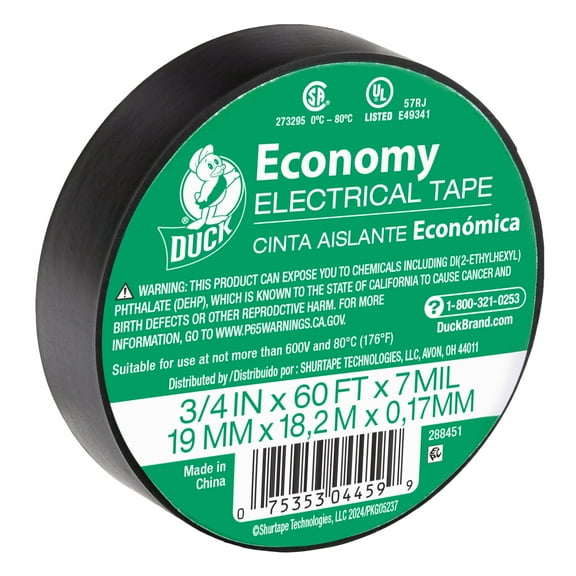
You may also review dielectric strength or voltage insulation limits when you compare options for electrical work. Those technical details help you match the tape to your application, especially when your project calls for a specific insulation range.
If you’re handling detailed repairs, you should balance thickness with flexibility so your tape still conforms neatly. For larger wraps, you may prefer a heavier construction that builds coverage faster with each pass.
Matching Scotch electrical tape to common use cases
You can use Scotch electrical tape for wire identification, harness wrapping, cord management, and general electrical maintenance. If your setup includes multiple conductors, colored rolls can help you keep your organization system easy to follow.
For garage, workshop, and utility projects, you may want black rolls for a uniform finish on splices and bundled wiring. If your task moves outdoors, you should compare weather-ready and waterproof electrical tape options with the temperature details shown.
When your project involves frequent handling or tighter bends, you may want a professional grade option with dependable stretch. If your job is lighter duty, a general purpose roll may cover simple labeling and quick wrap tasks.
You can also compare thicker grades when larger cables need fuller coverage with fewer wraps. That kind of decision support helps you choose a tape that fits both your wire size and your working conditions.
With Scotch electrical tape, you can choose by color, material, grade, and performance instead of guessing from the shelf alone. That clear comparison helps you get a neat wrap, dependable insulation details, and easier wire identification for the job ahead.