

Power Screwdrivers








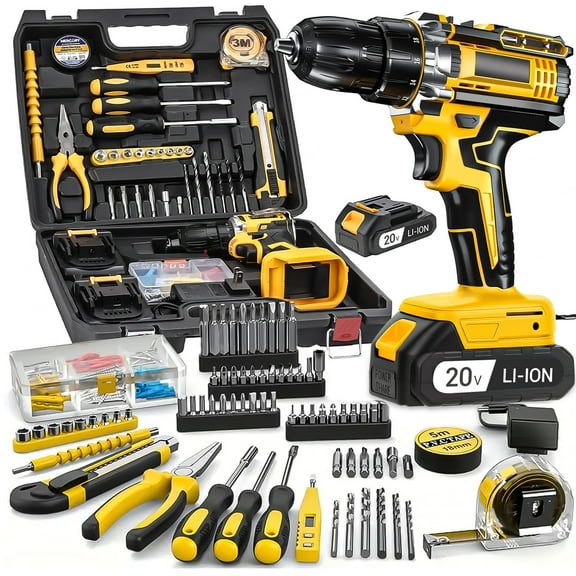


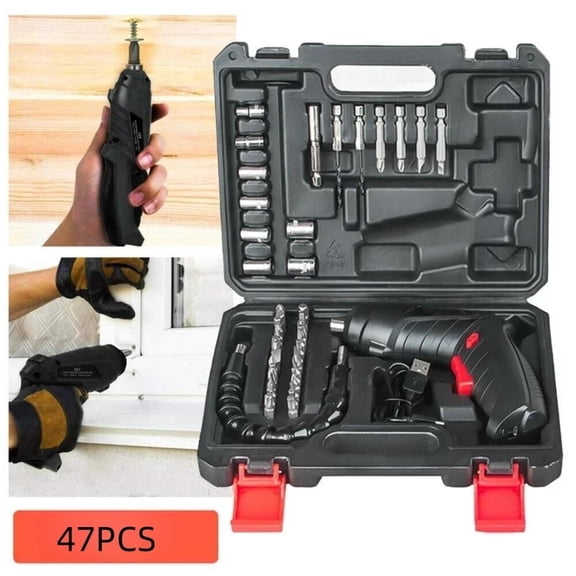
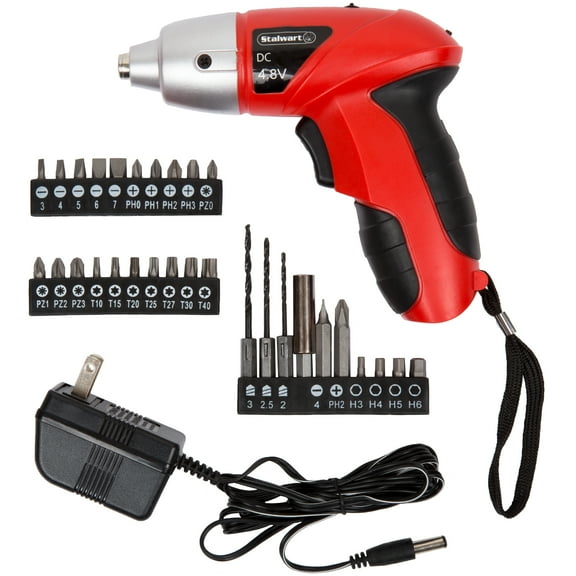


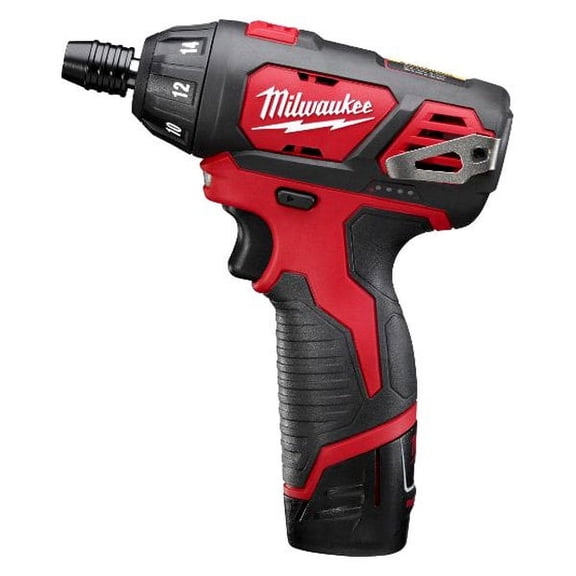






About Power Screwdrivers - Walmart.com
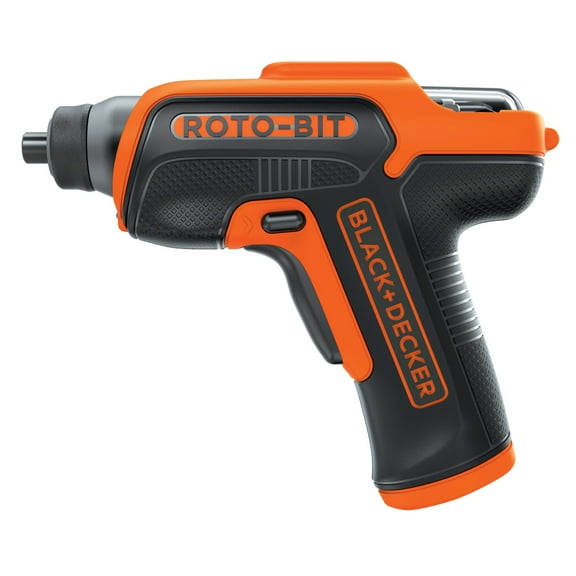
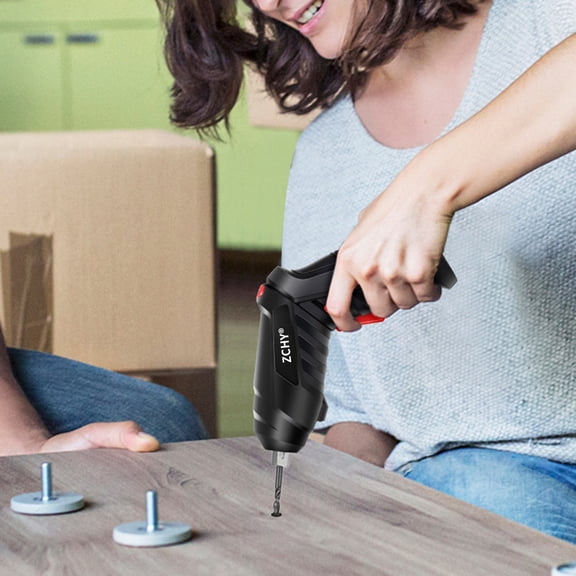
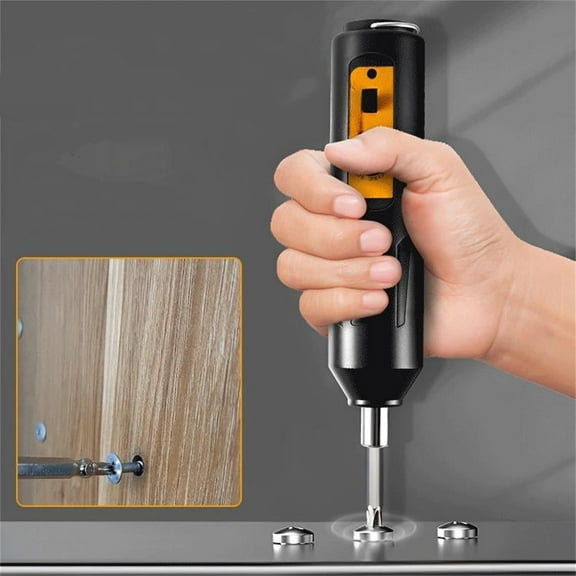
Electrical screwdrivers help you finish fastening jobs quickly with steady control for furniture assembly, electronics repair, and household DIY. You can compare voltage, charging style, application, and handle shape to match the projects you handle frequently.
How to choose electrical screwdrivers for your projects
When you compare electrical screwdrivers, you should start with the screw size and material you handle frequently. You’ll want a tool that feels manageable in your hand and fits the spaces where you work.
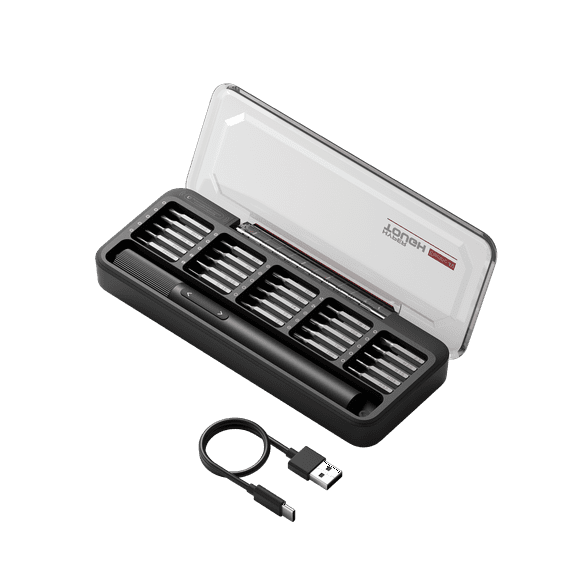
For quick setup jobs, you may prefer cordless electric screwdrivers that move easily from room to room. For bench work, you may prefer rechargeable electric screwdrivers with simple USB charging between projects.
You can narrow your options quickly when you focus on a few decision points first. You should compare power source, voltage, form factor, and clutch control before you choose.
- You can speed up flat-pack furniture assembly and basic fixture installs.
- You can keep precise control on delicate screws with adjustable torque settings.
- You can reach corners, cabinets, and narrow housings with compact handle designs.
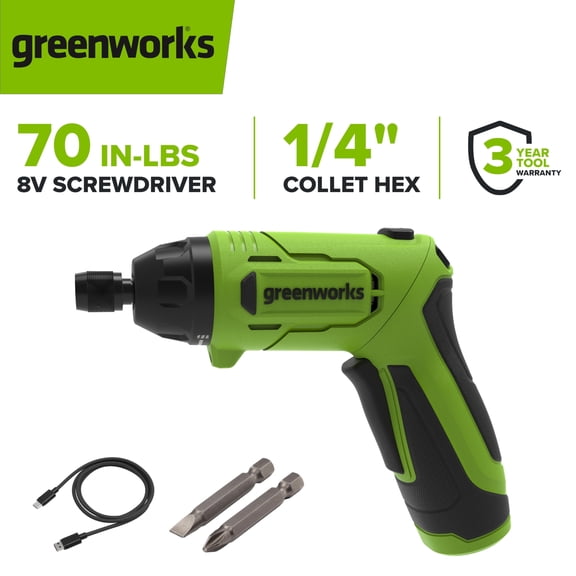
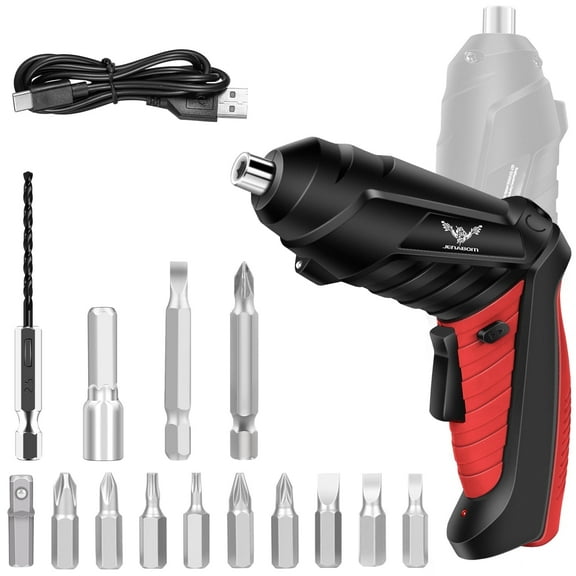
- You can recharge many models with USB or USB-C for simple routine use.
Choosing power source and charging options
When you compare power source types, you should think about how often you use your driver each week. You may like a battery operated screwdriver for occasional jobs and a rechargeable model for repeated use.
USB and USB-C charging can simplify routine use because you can plug in with common cables. You should check charging time and runtime if you assemble several items in one session.
Rechargeable electric screwdrivers can suit repeat household jobs, hobby work, and drawer-ready storage between uses. You may prefer removable batteries when you want a spare pack ready for longer projects.
Comparing voltage and torque on cordless electric screwdrivers
Voltage affects the fastening work you can handle comfortably, so you should match it to your materials. You’ll often see 3.6V or 4V tools for light-duty tasks and 8V or 12V tools for heavier jobs.
If you work on electronics repair or small assemblies, you may want lower-voltage tools with a lighter feel. If you install screws into wood or tougher materials, you may need added power from higher-voltage cordless electric screwdrivers.
Torque control matters just as much as voltage because you want more control on small fasteners. You should look for clutch settings that let you stop at a gentler level for hinges, covers, and compact components.
A precision electric screwdriver often gives you more controlled fastening on tiny hardware and narrow housings. You may notice that adjustable settings help you work with less guesswork on mixed materials.
Picking the right form factor
Handle shape changes how easily you can work in shelves, cabinets, and tight corners. You should compare inline, pistol grip, and hybrid designs based on your workspace, not just appearance.
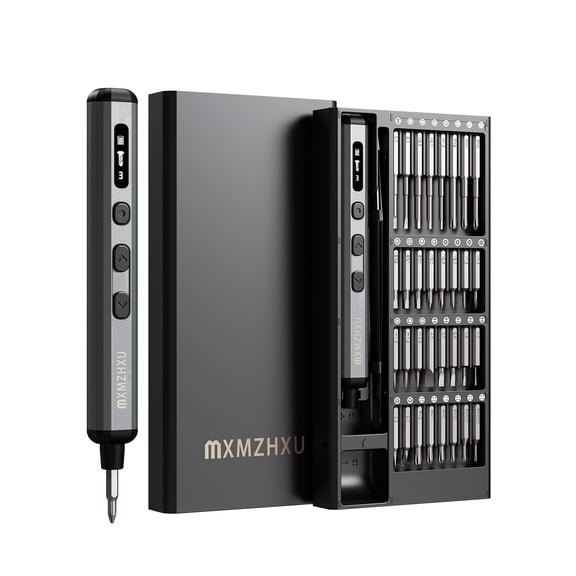
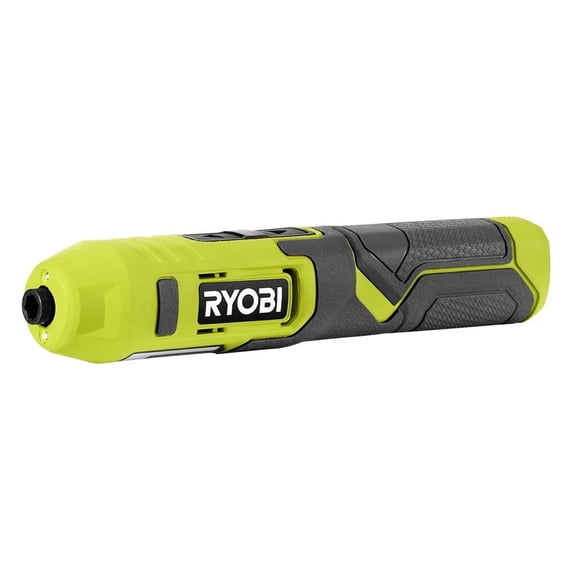
Inline tools can help you reach straight into narrow spaces where a bulkier handle gets in the way. You may prefer a small power screwdriver in this shape for media devices, switch plates, and compact assemblies.
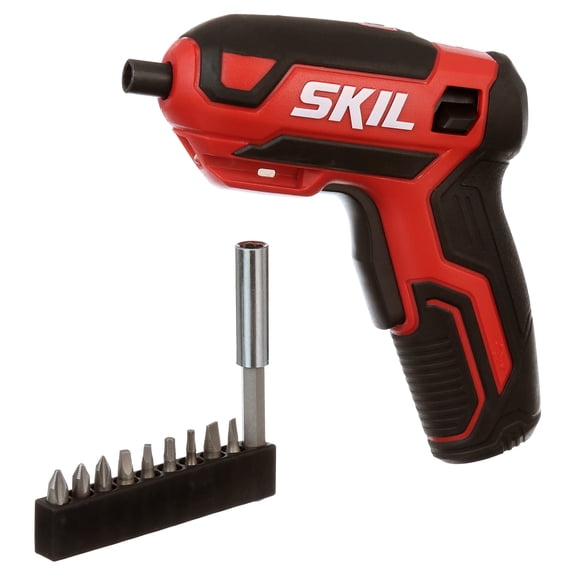
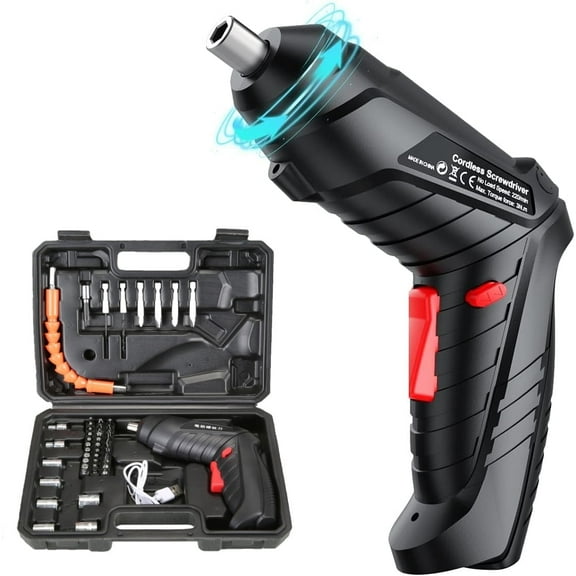
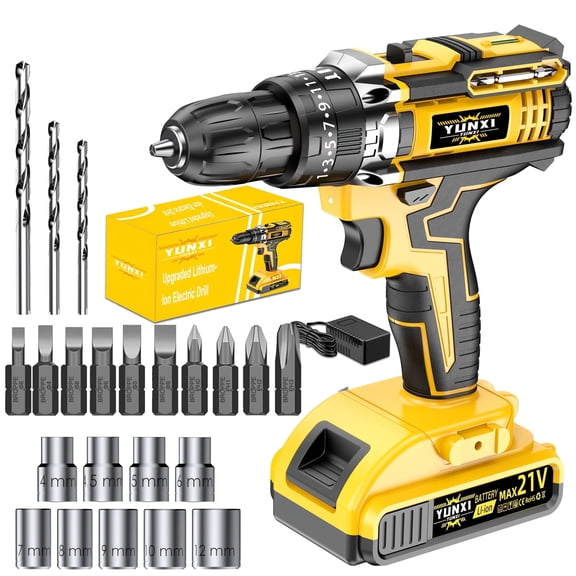
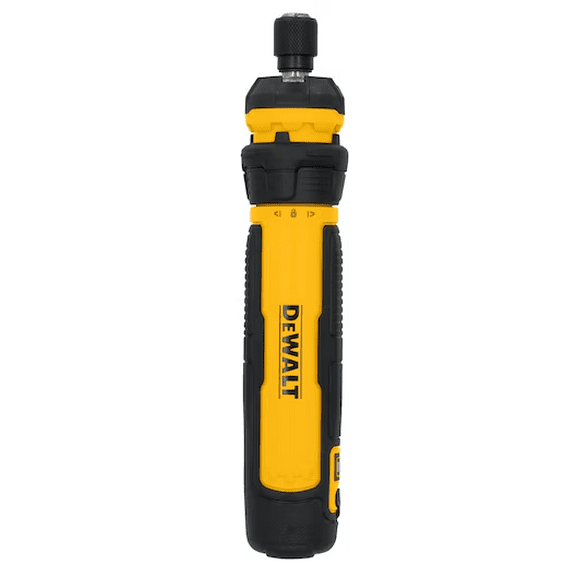
Pistol grip designs can give you extra leverage when you drive longer screws or work at awkward angles. You should consider this shape if your projects involve furniture panels, hardware installs, or repeated household DIY jobs.
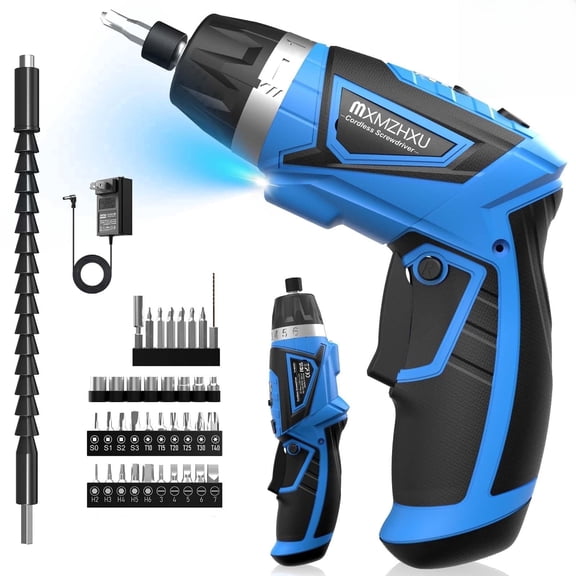
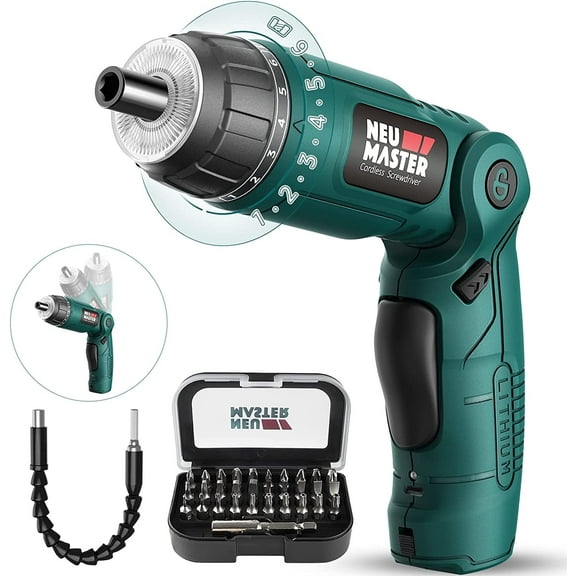
Hybrid designs can give you flexibility when you switch between open work areas and tighter spots. You may like a pivoting handle if your project list changes from quick repairs to longer assembly sessions.
Matching application to the right setup
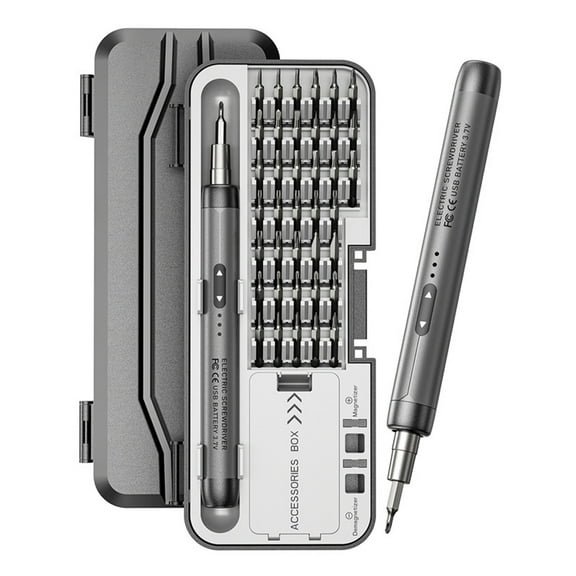
If you focus on electronics repair, you should look for a precision electric screwdriver with fine control and compact bits. You’ll also want an easy-to-hold body that stays comfortable during careful bench work.
For household DIY, you may want electrical screwdrivers with enough power for brackets, hinges, outlet covers, and flat-pack furniture. You should check whether the tool balances runtime, charging convenience, and grip comfort for room-to-room use.
If you handle precision assembly, you may prefer a lighter driver with variable torque and a slimmer nose. You can work confidently when your tool reaches small screws without feeling bulky in your hand.
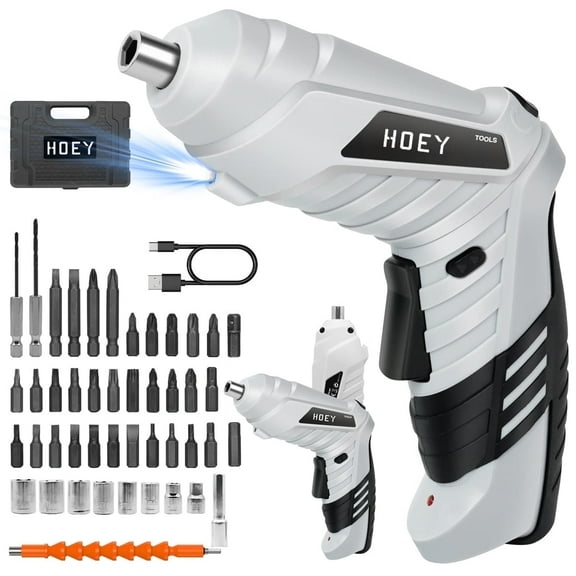
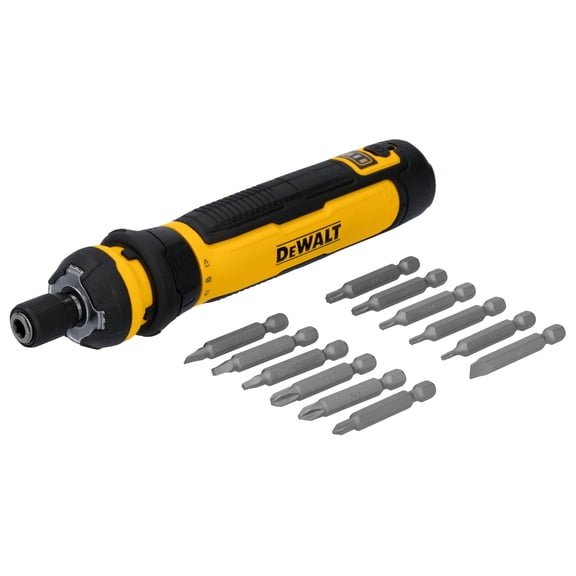
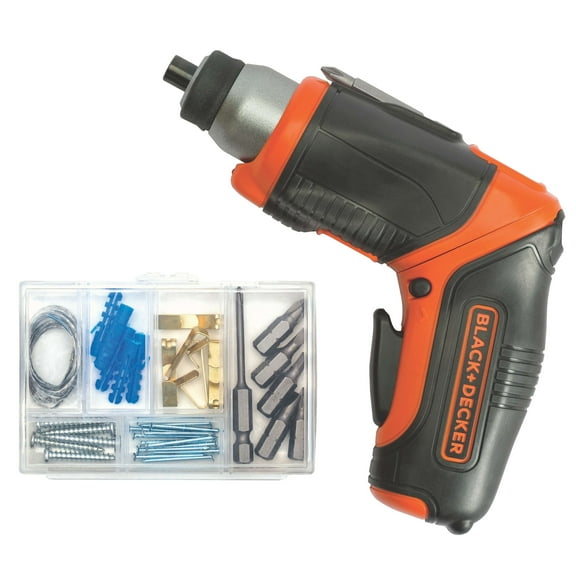
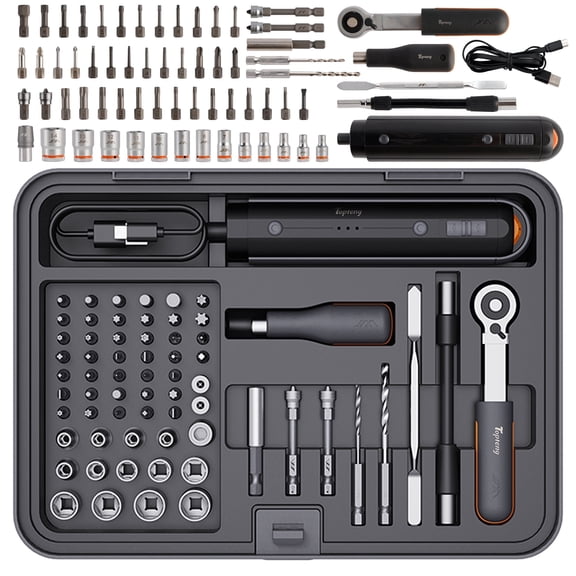
You should also think about accessories that support your setup, including screwdriver bit sets and storage cases. You may pair your driver with other cordless power tools or hand tools when your project scope grows.
What to look for before you choose
Before you decide, you should compare charging method, voltage range, clutch settings, and handle style together. You’ll make a clearer choice when each feature matches the screws, surfaces, and spaces you use frequently.
Electrical screwdrivers can give you quick fastening, more consistent control, and easier reach in everyday projects. You’ll get a tool that fits your routine when you choose the right mix of power, grip, and precision.
Popular in Power Screwdrivers - Walmart.com
- Electric Screwdrivers
- Mini Electric Screwdriver
- Electric Torque Screwdriver
- Knkut Drills & Drivers
- Cordless Screwdriver Extension
- Power Screwdriver Bits
- Screw Guns Power Screwdrivers Makita Tools
- Cordless Screwdriver Kits
- Wright Tool Drills & Drivers
- Top Rated Products in Drills & Drivers
- Cordless Screwdrivers
- Stalwart Drills & Drivers